12 Cleaning Motivation Ideas That Get the First Dish Washed
Don't feel like cleaning? Start small: set a short timer, clear one spot you see every day, put on a playlist, tick off a list and plan a small reward.


The easiest cleaning motivation is a start so small it feels silly to skip: set a short timer, clean one spot you see every day, and stop when the timer goes off. Music, a checklist to tick and a small reward at the end make the next session easier to begin, and the work itself builds the momentum that the mood didn’t.
These 12 ideas are for the days you don’t feel like cleaning at all. Pick one or two, try them this week, and keep the ones that work for your home and your schedule.
1. Set a timer for a short burst
Waiting to feel like cleaning rarely works. A timer gives you a clear finish line, so the job feels small enough to start even when you’re tired.
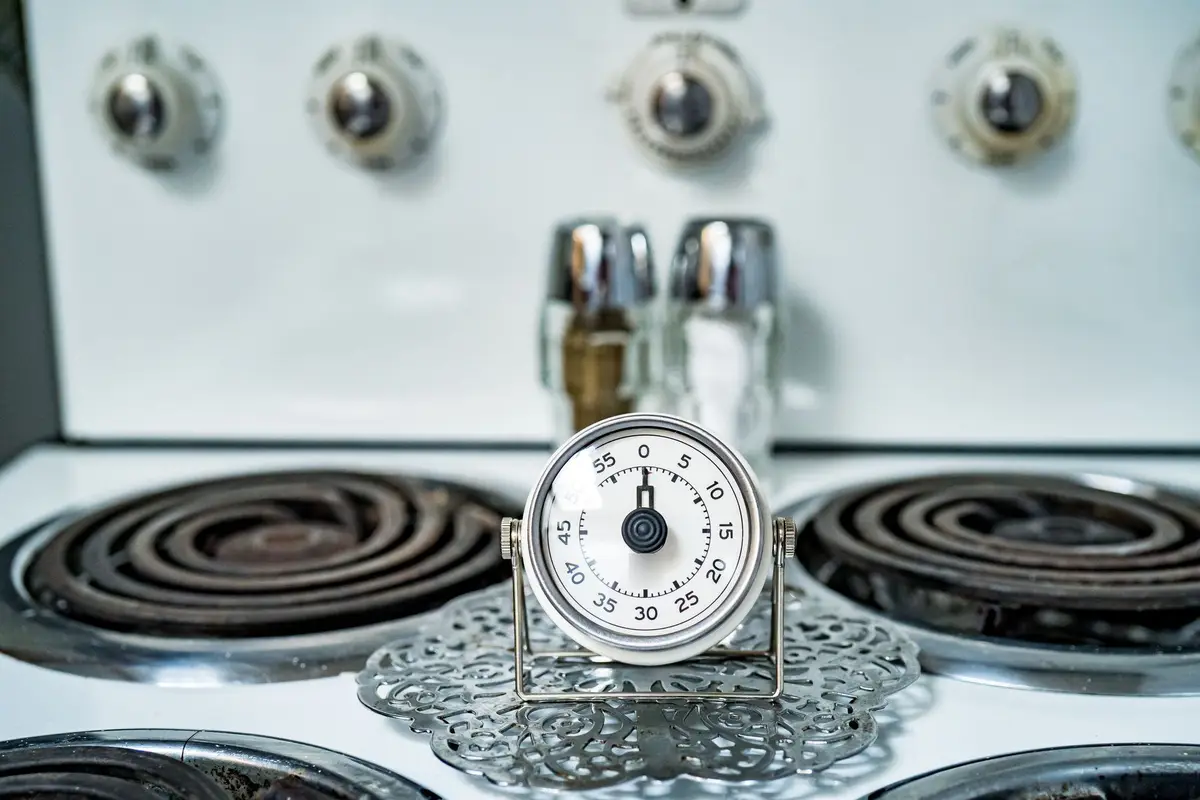
Set it for a short stretch, like ten or fifteen minutes, and clean as fast as you comfortably can until it rings. When the timer goes off, you’re allowed to stop, and knowing that is often what gets you off the couch.
Many days, you’ll keep going once you’ve started. Other days, you’ll stop right on time, and that’s fine too. A short session that happens beats a long one that doesn’t.
Use a kitchen timer instead of your phone if the phone tends to pull you into messages. Put it somewhere you can hear it from the next room, so you don’t keep checking how much time is left.
On a free afternoon, string a few bursts together with a short break between them. You’ll get through a surprising amount of the house without one long, tiring push.
2. Pick one spot you see every day
A whole messy house is hard to face. One spot is not, so choose the place you look at most, like the kitchen counter, the coffee table or the entryway, and clean only that.
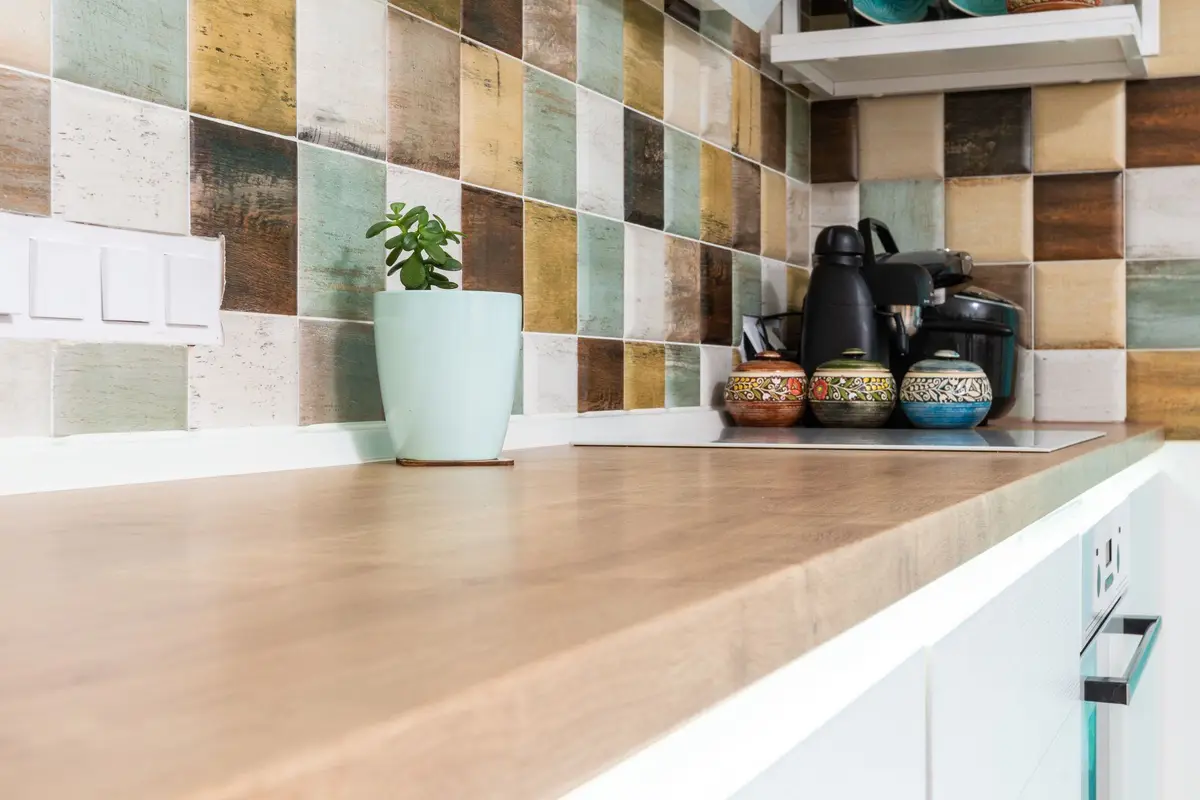
Clear everything off, wipe the surface and put back only what belongs there. Anything that lives elsewhere goes into a basket to carry around the house when you’re done.
A clear surface in a room you use all day changes how the whole room feels. You see the progress every time you walk past, which makes it easier to tackle the next spot tomorrow.
Keep the spot clear with a quick reset each evening. It takes a minute or two when it’s done daily, and it never grows back into a project.
Once the first spot stays clear for a week, add a second one. Little by little, the clear spots spread from room to room, and the house starts to feel easier to keep up.
3. Put on music or a podcast
Something to listen to turns cleaning into time for yourself. Save a favorite podcast, an audiobook or a playlist for cleaning only, so you look forward to the chance to catch up on it.

Upbeat music helps with the quick, physical jobs, like vacuuming, folding laundry and putting things away. A story or a conversation works well for slow, repetitive jobs, like scrubbing grout or wiping down cabinets.
Wireless headphones let you move from room to room without carrying a speaker, and they keep the sound with you while you vacuum. Keep the volume low enough that you can still hear the kids, the doorbell or the oven timer.
If you only let yourself listen while you clean, the next episode becomes a reason to start. It’s a small trick, but it works on the days when nothing else does.
Line up the next episode before you start, so you don’t lose five minutes scrolling for something to play. Then press play and get moving.
4. Start with the jobs that show results fastest
Some jobs change how a room looks in a minute. Do those first, and the room looks better before you’ve had time to lose interest.

Make the bed, empty the sink, take out the trash and pick up whatever is on the floor. Fold the throw blankets, fluff the pillows and close the cabinet doors.
These quick wins take very little effort, but they cover the biggest surfaces in a room, which is what your eye notices first. A made bed alone can make a cluttered bedroom look half done.
Once the room looks better, the slower jobs feel less heavy. Dusting, wiping and vacuuming come next, and you’re doing them in a room that already feels under control.
Save the detail jobs, like baseboards, light switches and the inside of the microwave, for days when you have more energy. Our list of cleaning hacks has quicker ways to do many of them.
Keep the fast jobs as a short routine you can run anytime company is coming. It’s the quickest way to make a room presentable.
5. Take before-and-after photos
Progress is easy to miss when you’re in the middle of it. A quick photo of the room before you start and another when you finish shows you exactly how much you got done.

Stand in the same spot for both photos, so the change is easy to compare. Look at them side by side when you’re done, and you’ll see a difference that’s easy to forget an hour later.
Keep the photos in one album on your phone. On days when the house feels hopeless, scroll back through them and remember that every room has looked better before, and will again.
The photos are only for you, so don’t tidy up before the first one. The messier the before, the better the after looks.
Photos also help you notice patterns. If the same corner keeps filling up, it probably needs a better home for whatever lands there, like a hook, a basket or a shelf.
When a room comes out especially well, take one more photo of it. It shows you what the room looks like when everything is in its place, which makes the next reset quicker.
6. Work from a checklist you can tick
Deciding what to clean next takes energy you may not have. A list does the deciding for you, so all you have to do is start at the top and work your way down.
Write each job as one short, specific task, like “wipe the stovetop” instead of “clean the kitchen.” Small tasks get crossed off sooner, and every check mark is a small push to keep going.
Put the easy jobs at the top of the list, so you build a little momentum before you reach the harder ones.
A free weekly cleaning schedule spreads the chores across the week, so every day has a short list of its own. Print it, put it on the fridge and check off each day as you go.
Keep the list somewhere you’ll see it, not in a drawer. When the next job is written down where you can see it, you don’t have to remember it, decide on it or plan it.
At the end of the week, look back at everything you checked off. It’s often more than you’d guess.
7. Pair it with a small reward
Give yourself something to look forward to at the end. A cup of tea, a chapter of a book or a show you’ve been saving makes a good finish line for a cleaning session.

Decide on the reward before you start, and only enjoy it once the job is done. It turns “time to clean” into “tea after the kitchen,” which is a much easier thought to act on.
Keep the rewards small and simple, so you can use them often. A quiet sit in the room you just cleaned is one of the best, since you get to enjoy the result right away.
Match the size of the reward to the size of the job. A quick reset earns a short break, and a long Saturday of deep cleaning earns something you’d really enjoy, like a walk or an evening off.
Some rewards are built in. Fresh sheets on a bed you just made, a clear counter to cook on and a tidy couch to sit on all feel better than the same spots before you cleaned them.
8. Clean with someone, or on a call
Chores go faster with company. Ask someone at home to clean alongside you, each person taking a room, and set a time to meet in the kitchen when you’re done.

Kids can help too, with jobs that fit their age, like putting toys in bins, matching socks or wiping low surfaces. A kids chore chart shows everyone their part, so nobody has to ask what’s next.
If you live alone, call a friend or family member while you fold laundry, wipe counters or put things away. Hands-free calls turn the jobs that don’t need much focus into a chance to catch up.
You can also set a time with a friend to clean at the same time in your own homes. Check in at the start, clean for a set stretch, then check in again to say what you finished.
Knowing someone else is cleaning too makes it harder to skip. Plan a coffee together afterward, and the session ends with something you both look forward to.
9. Lay out your tools the night before
Hunting for a sponge or the right spray is often where cleaning plans stall. Set out what you’ll need the night before, so the job is ready to start the moment you are.
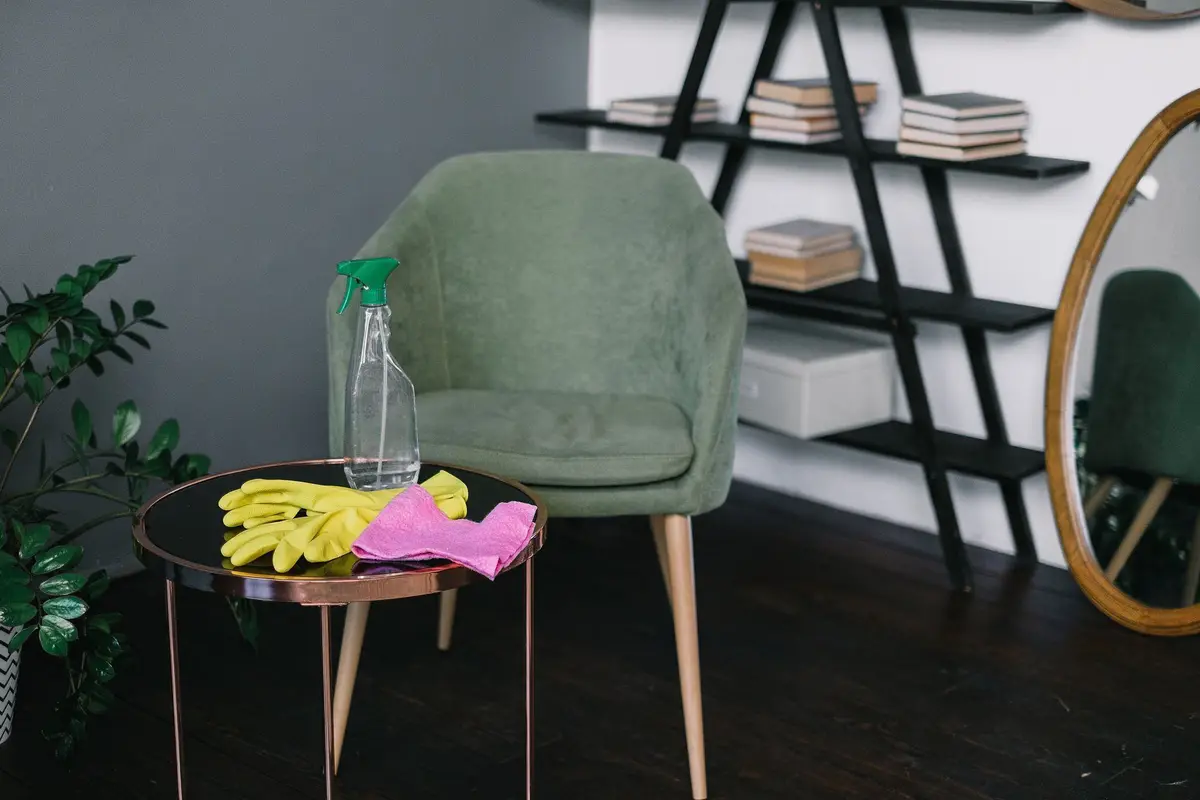
Put the cloths, gloves, brush and cleaner for tomorrow’s job together in one place. If the plan is the bathroom, set them by the bathroom door, and if it’s the floors, park the vacuum where you’ll see it first thing.
Keep cleaning products in their original containers, so the label and directions stay with them. If there are kids or pets in the house, set the supplies on a high shelf or keep them in a caddy you put out of reach, not on the floor.
A stocked caddy makes this even easier. Our guide to organizing under the kitchen sink shows how to fit one in with everything else down there.
When the tools are already waiting, starting takes one step instead of five. That small head start is often all you need.
10. Make a reset playlist
A playlist of a set length works like a timer you can dance to. Pick enough songs to fill your usual cleaning session, and when the last song ends, so does the job.
Start with an upbeat song that gets you moving, put your favorites in the middle when energy dips, and end with something calmer while you put the last things away.
Use the same playlist every time. Before long, the songs tell you how far along you should be, and the first few notes become a signal that it’s time to start.
Make a short playlist for a quick evening reset and a longer one for a weekly clean. You’ll know at a glance how much time each job takes.
Pair the longer playlist with the Sunday reset checklist, which walks through the laundry, the fridge and the week ahead in one go. Press play, start at the top of the list, and let the music keep the pace.
A small speaker on the counter lets everyone in the house hear it, which sometimes brings a helper or two into the room.
11. Do the worst job first
Every list has a job you’d rather skip, like scrubbing the shower, cleaning the oven or emptying the fridge. Do it first, while your energy is at its highest, and everything after it feels easy.
When the dreaded job waits at the end of the list, it hangs over the whole session. Once it’s done, the rest of the list goes faster, since nothing hard is left.
Break a big, dreaded job into smaller parts if it still feels like too much. Spray the shower and let it sit while you do something else, then come back to scrub and rinse.
Use one cleaning product at a time and never mix them. Bleach mixed with ammonia, vinegar or other cleaners can give off gases that are dangerous to breathe, so rinse between products and read the label first.
Look at what you’ve been avoiding the longest, and start there next time. The deep cleaning checklist keeps track of the big jobs, so none of them slips for too long.
The relief of crossing off the worst job is a reward of its own, and it often carries you through the rest of the session.
12. Lower the bar on hard days
Some days, a full clean isn’t going to happen, and that’s all right. On those days, pick the smallest job that makes tomorrow easier, like starting the dishwasher or putting the shoes by the door, and call it done.

A few short reminders help on days like these: a clear sink counts, small resets add up, and the house doesn’t have to be perfect to feel better.
Keep a short list of these easy jobs on the fridge or in your phone. When you’re tired, you won’t have to think about what to do, just pick one from the list.
Skipping a day doesn’t undo your progress. Whatever routine you’ve built is still there tomorrow, and you can pick it back up without starting over.
The cleaning routines on this site are built with these days in mind. Each one is broken into small steps, so a busy or tired day can still include a little cleaning, and the rest can wait until you have more energy.

Save this for later
Pin it to a board so it's there when you're ready to start.
Save to Pinterest(opens in a new tab)Make it easier
Free printable
Weekly Cleaning Schedule Printable
A one-page weekly cleaning schedule: a few quick jobs every day, plus one focus area a day, so the whole house gets done without a cleaning marathon.
Free printable
Sunday Reset Checklist Printable
A one-page Sunday reset routine: clear the kitchen, the laundry and the living spaces, then get ready for Monday and plan the week, so the week starts calm instead of in a scramble.
Frequently asked questions
How do I get motivated to clean when I'm tired?
Lower the goal until it feels easy, like clearing the sink or wiping one counter, and start before you think about it too long. Once you're up and moving, doing a little more often feels easier, and if it doesn't, the small job still counts.
What should I clean first when the whole house is a mess?
Start with the jobs that change how a room looks the fastest: take out the trash, clear the sink, make the bed and pick up the floor. Then work on the room you use the most, so the progress is the first thing you see each morning.
How long should a cleaning session be?
Short enough that you'll actually start it. A few minutes on a busy day and a longer block on a free afternoon both move the house forward, and short sessions done often keep the mess from piling up between them.
How do I keep my cleaning motivation going week after week?
Give the cleaning a fixed place in your week, so you don't have to decide each time, and keep a simple schedule where you can see it. Notice what's working, like a playlist or a reward, and keep using it until it becomes a habit.