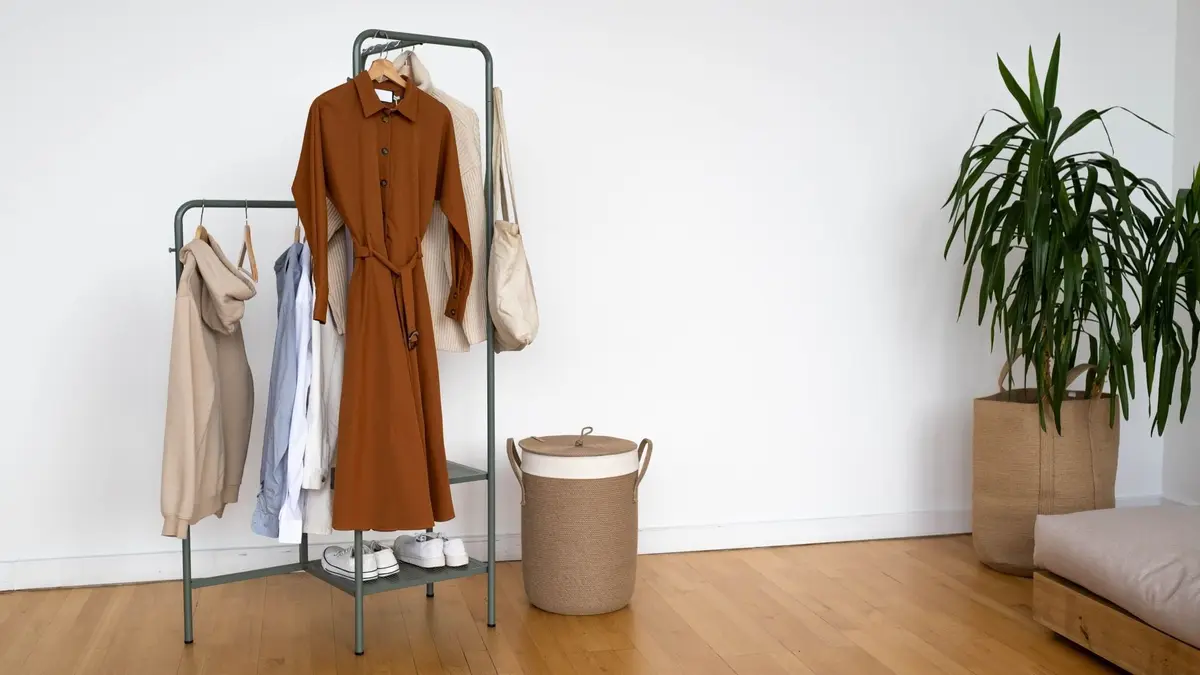
12 Budget Closet Organization Ideas Using What's Already in Your Home
Sort and sell first, match hangers slowly, turn old boxes into dividers and build closet storage from baskets, crates and spare wood you already have.
Ideas, guides and tools for closets, dressers and everything you wear.
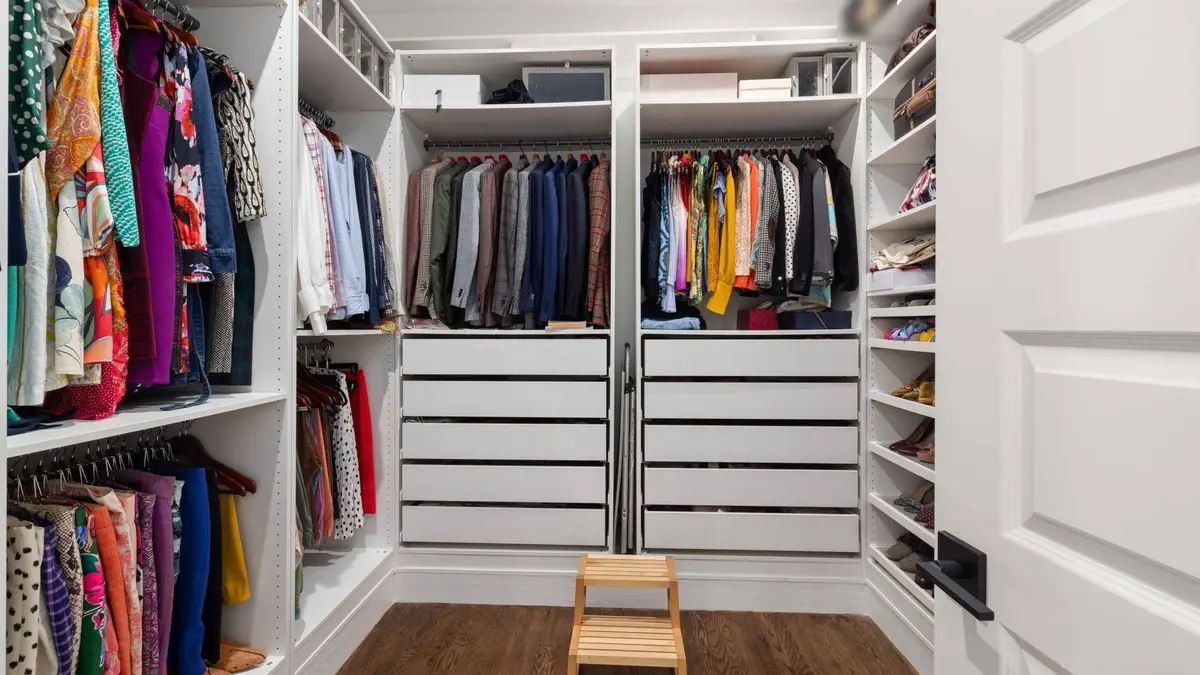
Start with the clothes you actually wear. Take everything out of one section, the hanging rail or one shelf, and sort it into keep, donate, and belongs somewhere else.
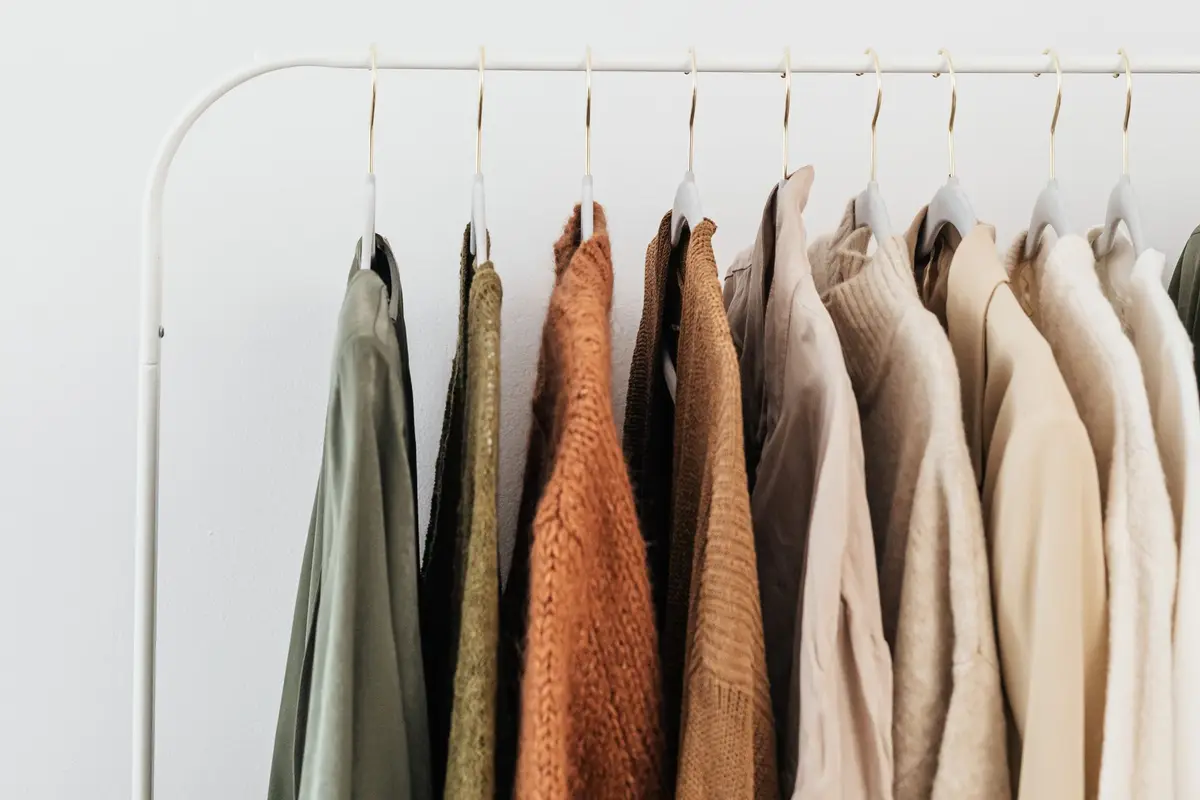
Be honest about fit and use. If something hasn’t been worn in a full year, it’s taking space from something you reach for.
Hang what’s left by type, then by color, so you can see what you have at a glance. Fold heavy knits instead of hanging them, so they keep their shape.
Store the off-season clothes up high, under the bed, or in a lidded box at the back. Swap them out when the weather turns, and declutter as you go.

Measure shelves and cubbies before you buy bins or dividers. Then keep a simple rule for the future: when something new comes in, something old goes out.
Sort and sell first, match hangers slowly, turn old boxes into dividers and build closet storage from baskets, crates and spare wood you already have.
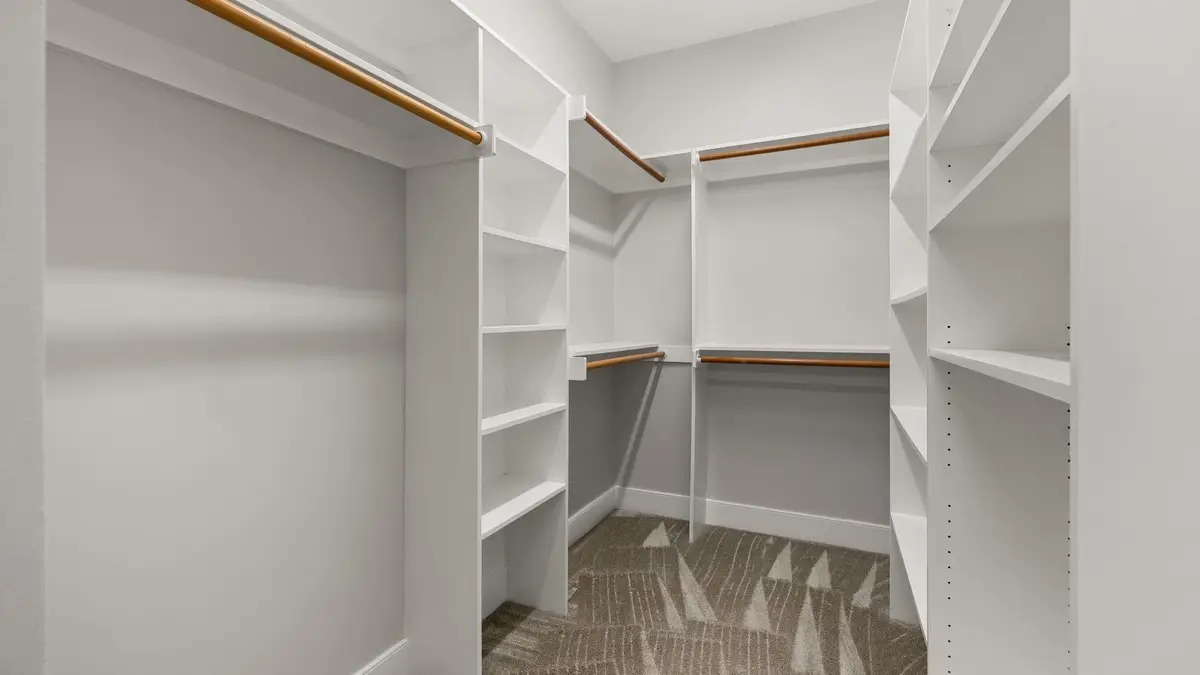
Make a tight corner closet work: L-shaped rods, shelves that wrap the dead corner, hooks on the short walls, slim hangers and light where it's darkest.
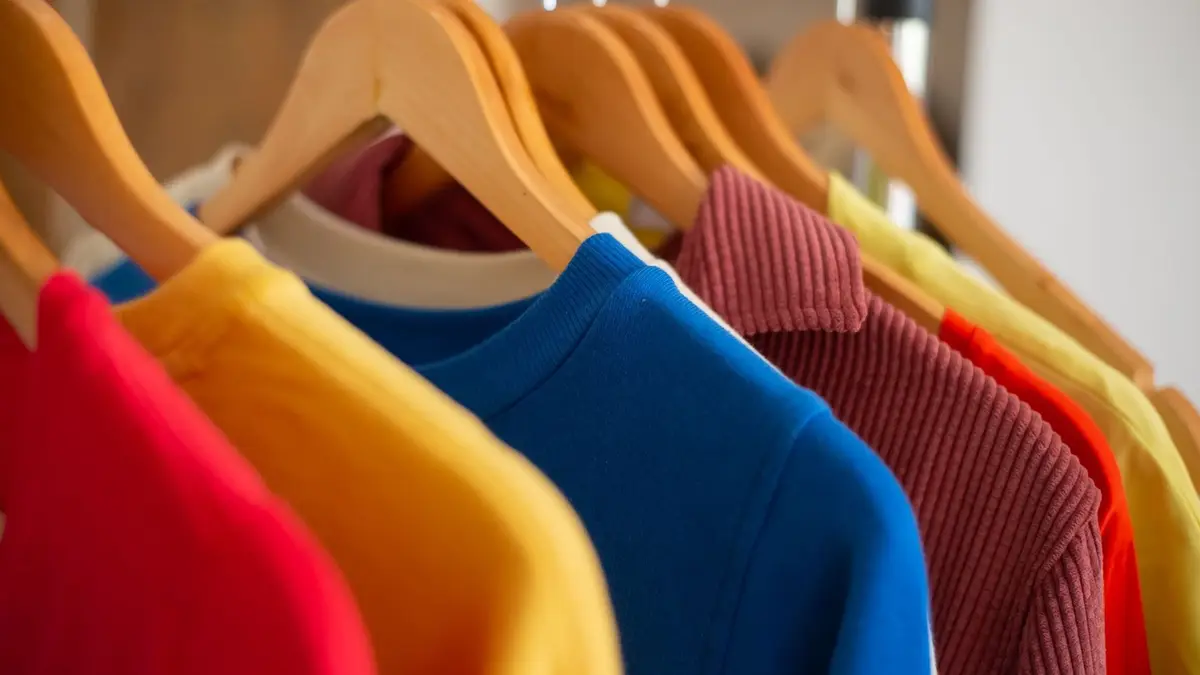
Declutter, group clothes by category, then hang each group light to dark or in rainbow order and carry the same order into folded stacks and drawers.
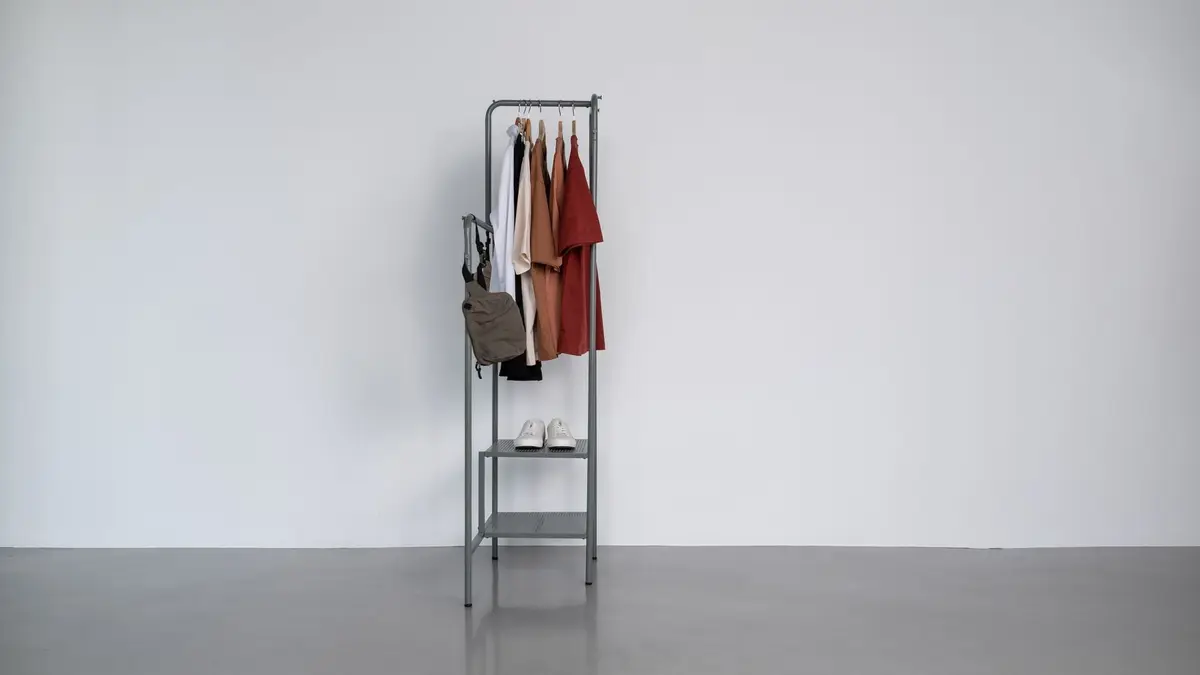
Keep fewer, better-loved clothes: edit by category, use one hanger style, leave room on the rod and let one in, one out keep the closet calm all year.
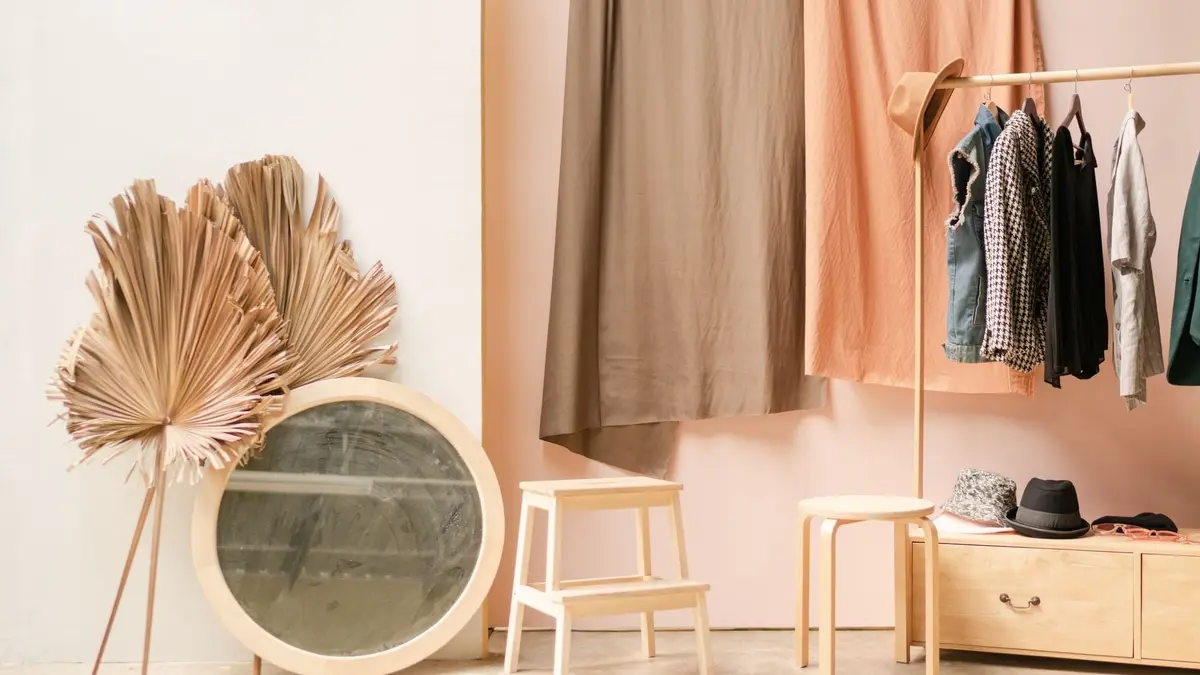
Make a closet with no doors look calm: edit what hangs, use one hanger style, fold and box the shelves, hide part behind a screen and keep dust off.
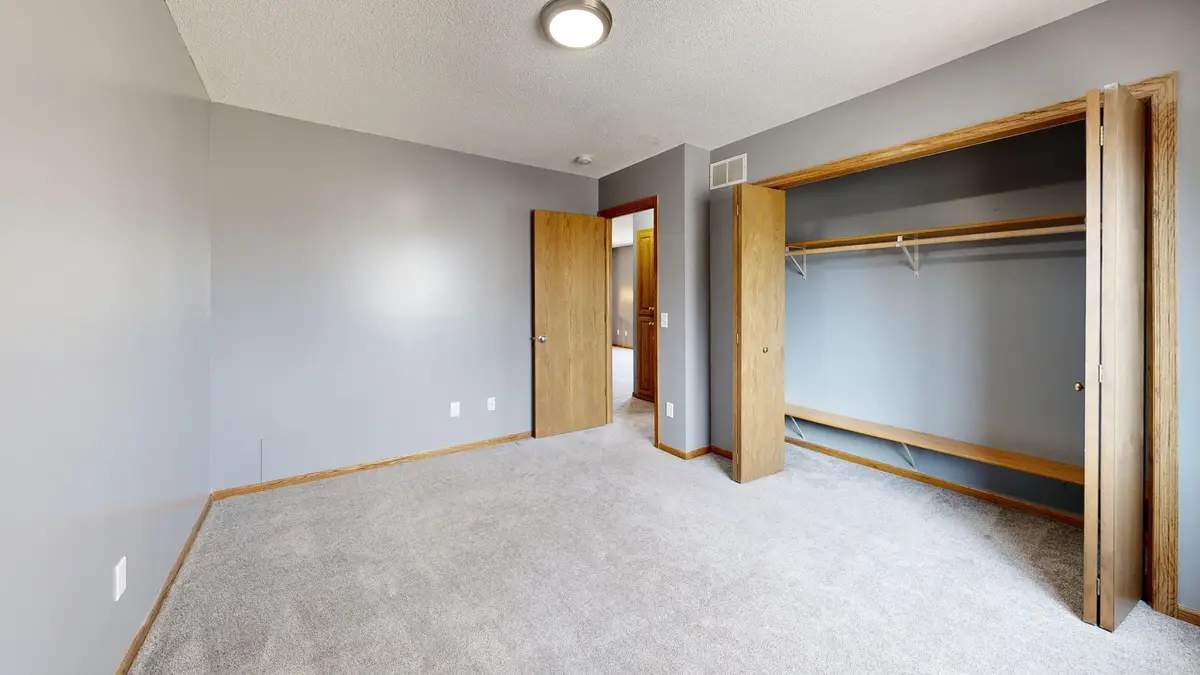
Plan the bedroom closet you can't step into, end to end: zones you see from the door, double and long hanging, the hidden end walls, the floor and the door.
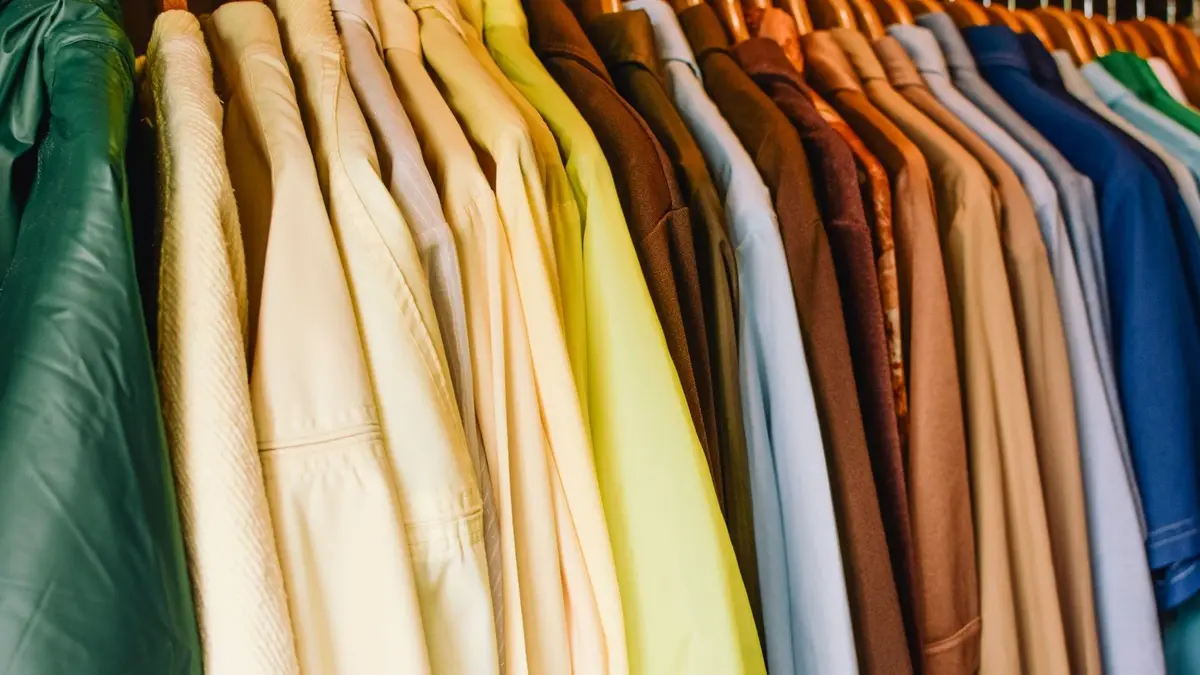
Cheap fixes for a crowded closet: a hanger test that finds unworn clothes, a hanger limit, a tension rod, shoe-box dividers and a donate basket by the door.
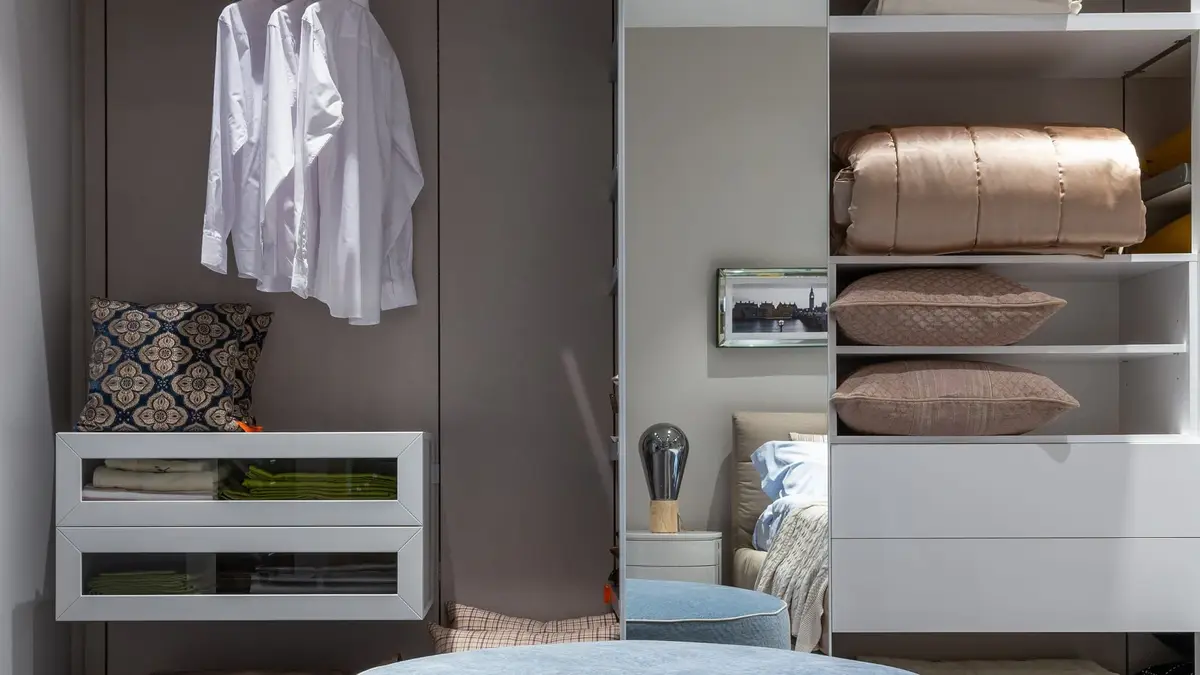
Keep sweater stacks upright with dividers, fold to one size, label bins facing out, store the off season up top and reach the high shelf safely.
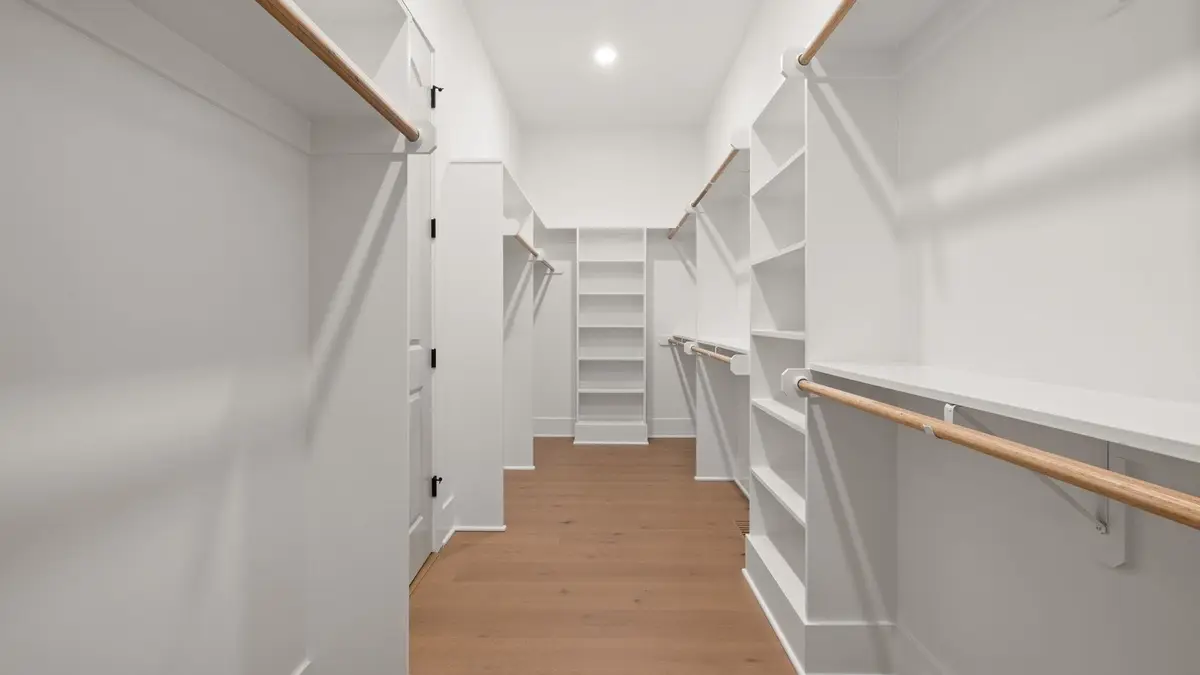
Work with a closet that's deeper than it is wide: pull-out bins on the floor, long labeled bins on the shelves, light at the back and a list on the door.
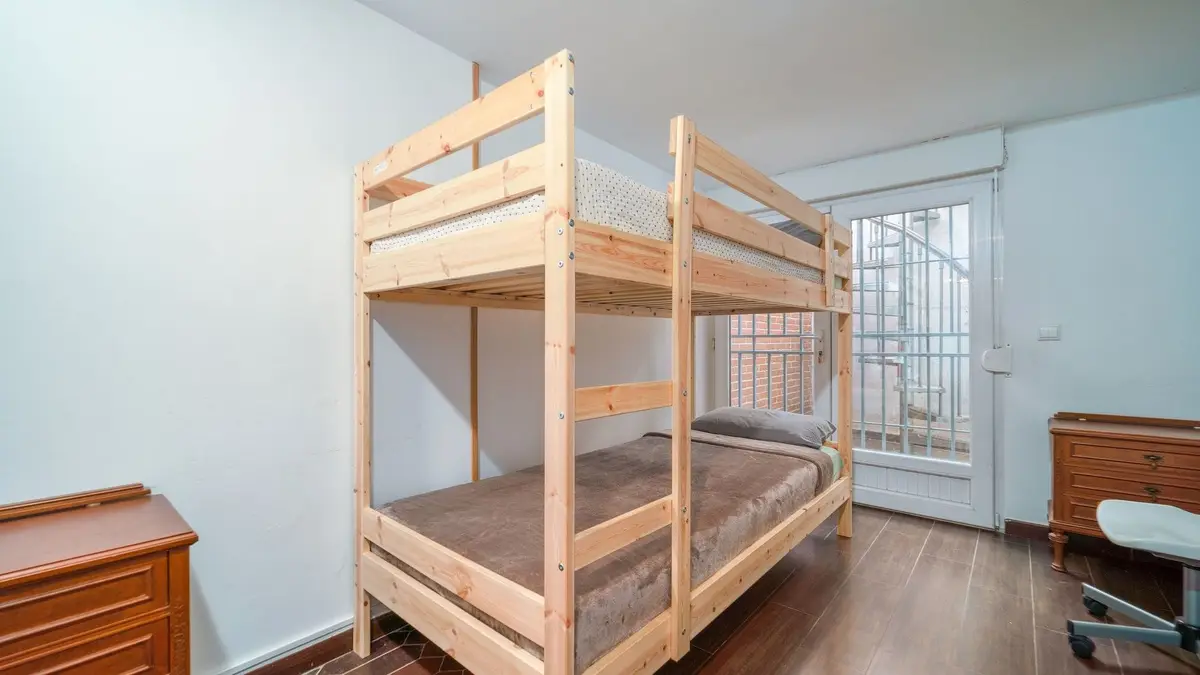
Make a small dorm wardrobe work: check the housing rules, pack less, double the rod, use the door and the space under the bed, and split it fairly.
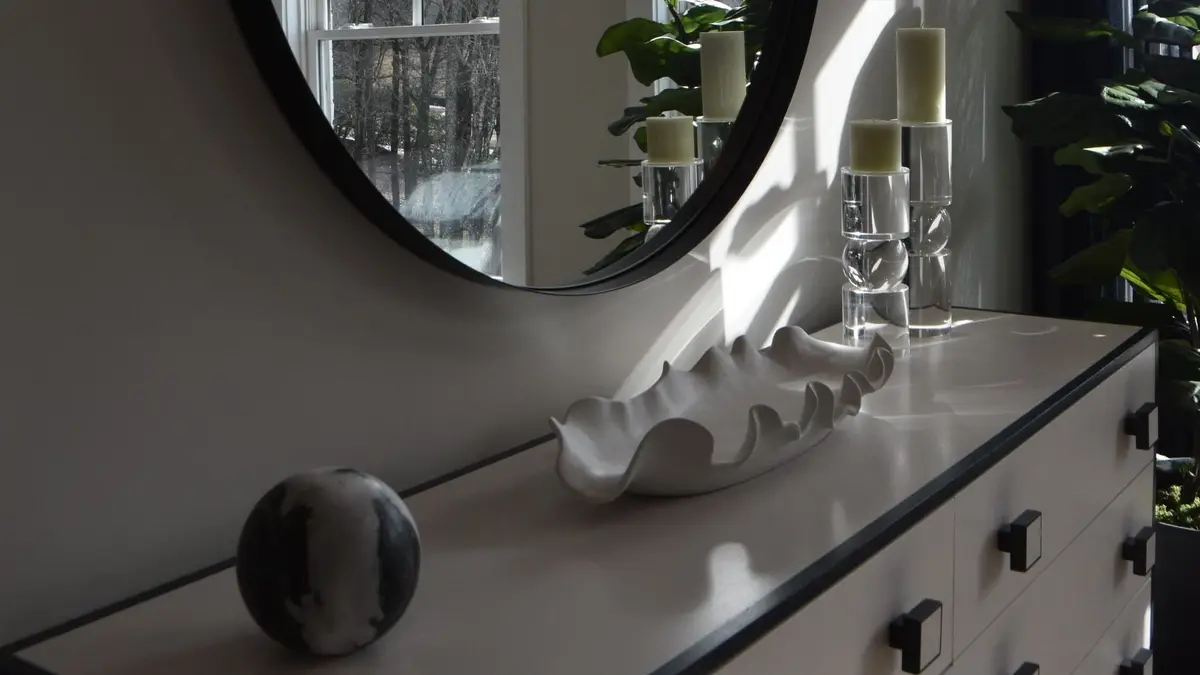
Give the top of your dresser one job, then add a tray, a jewelry dish, a lamp and a charging spot, keep a clear patch and anchor the dresser to the wall.
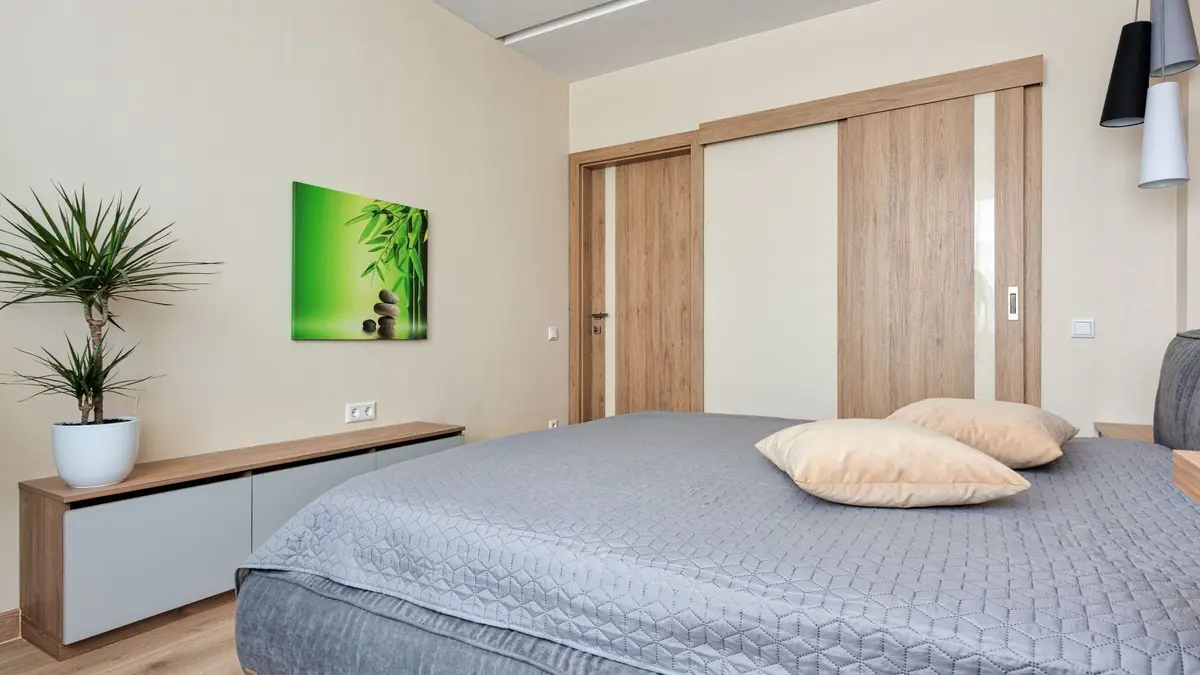
Put daily clothes behind the door you open most, split the closet into a hanging side and a shelf side, and keep the middle and the track clear.
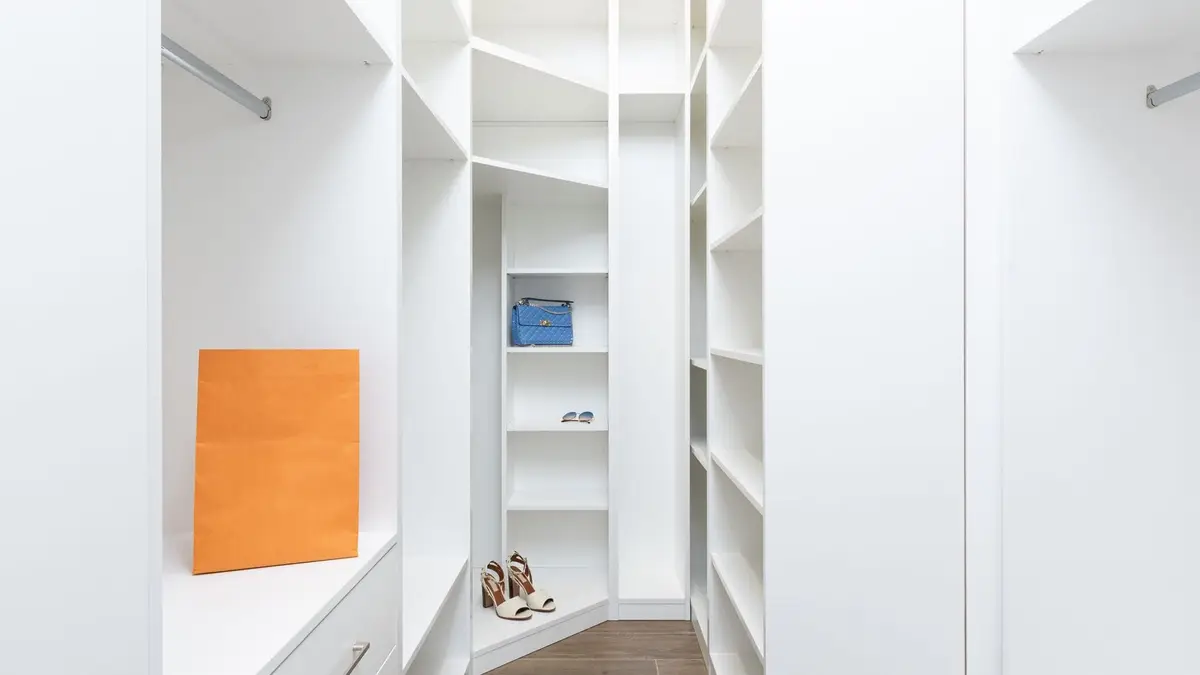
Make a walk-in you can barely step into hold more: edit first, double the rods, run shelves up high, use the door and keep a clear path down the middle.
Line the shelves, add dividers made for wire, use the hanging spaces between brackets, add a second rod and hooks, and check the clips before loading up.
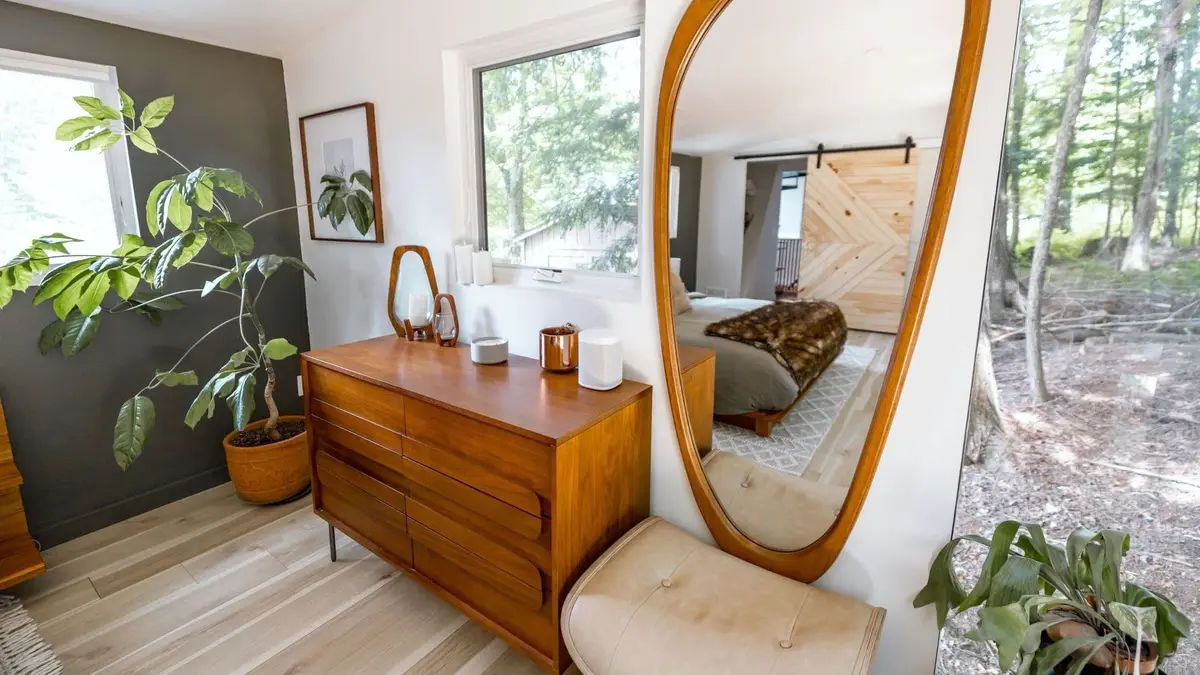
Organize a bedroom dresser drawer by drawer: sort first, file-fold shirts, add small boxes, roll leggings, keep the top clear and anchor it to the wall.
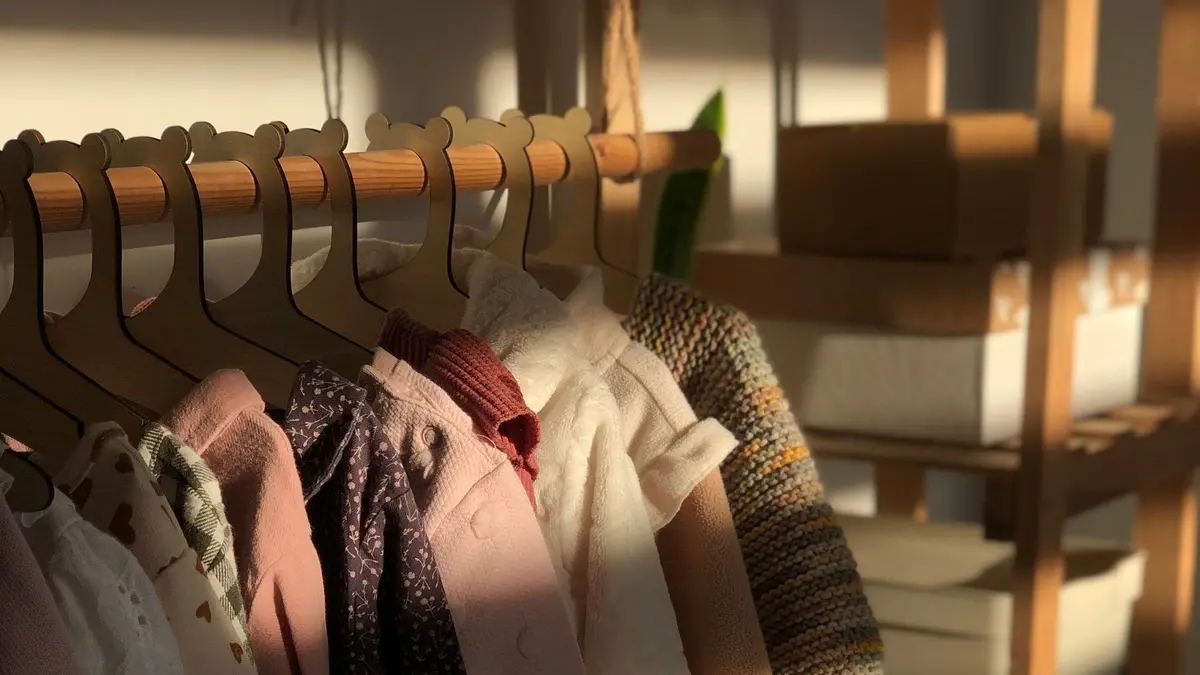
Set up a closet your child can use: a lower rod, picture labels on bins, a week of outfits, an outgrown bin, a low shoe rack and a safe step stool.
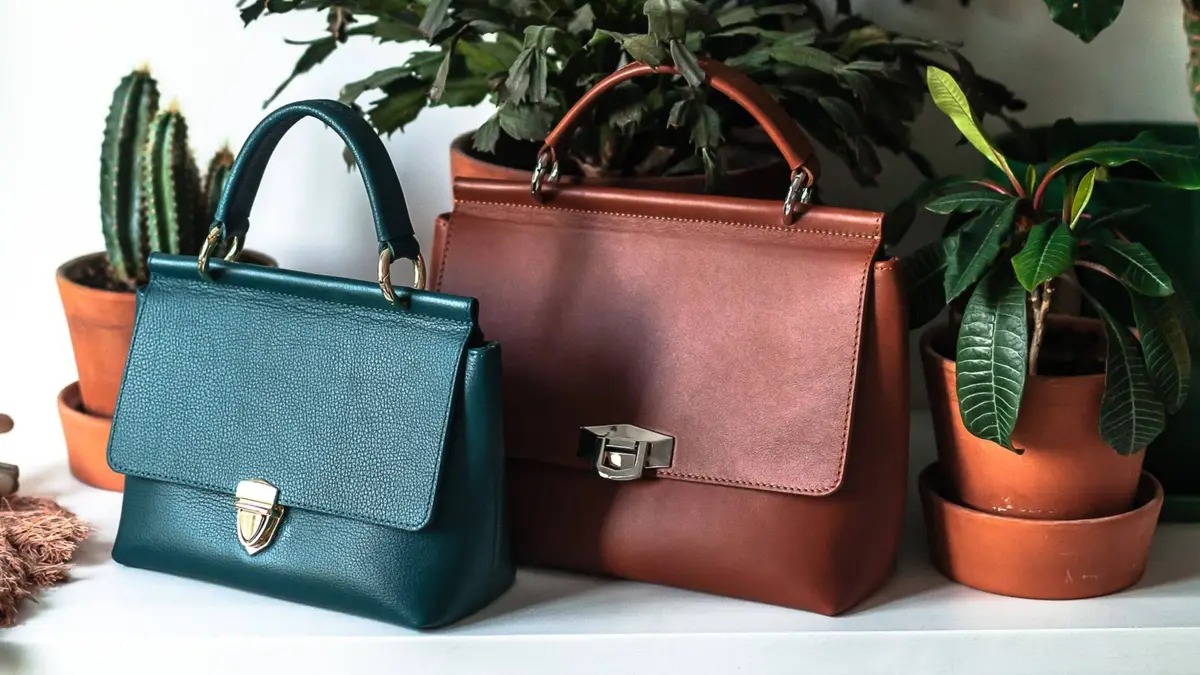
Store bags upright, help them keep their shape and find your keys fast: purse organization ideas for closet shelves, hooks, doors and inside every bag.
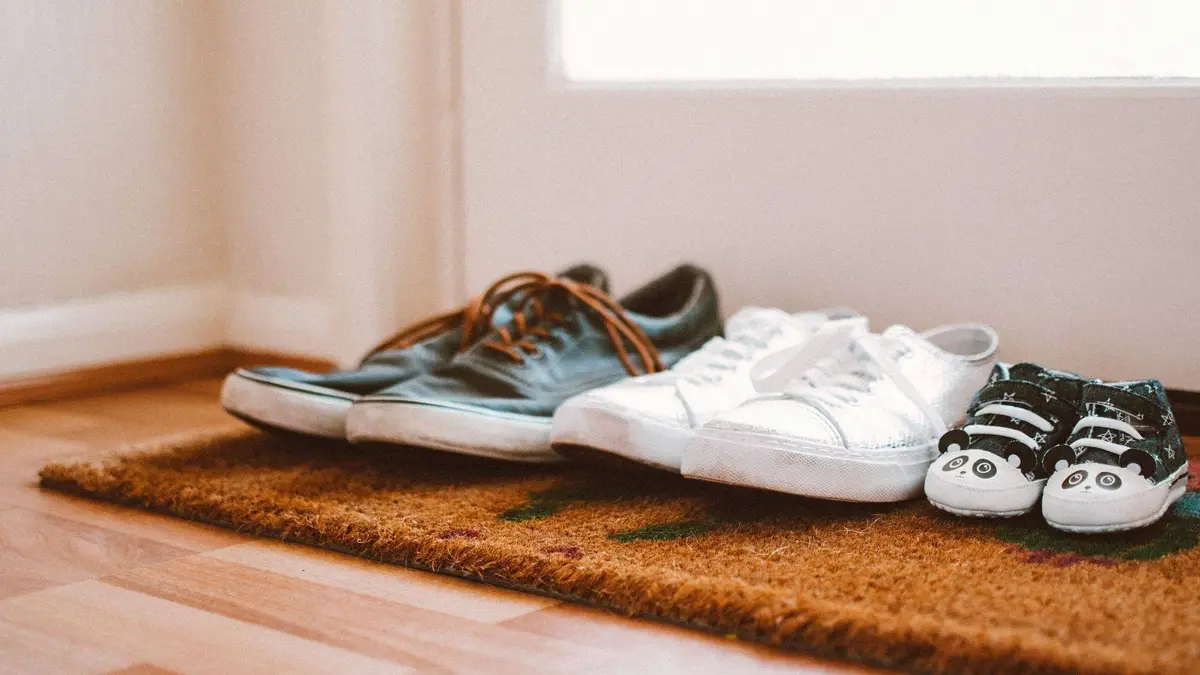
Get pairs off the floor with door trays, benches, slim cabinets, wall shelves, door organizers, boot cubbies and habits that keep shoes dry and sorted.
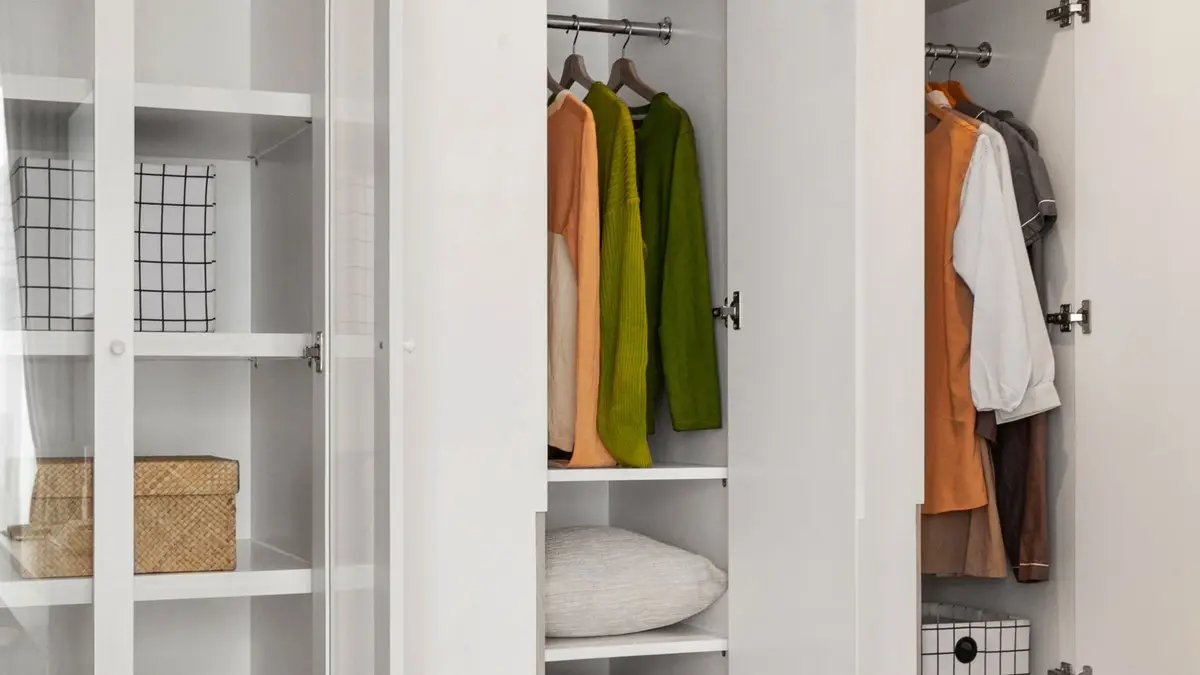
Fit more into a reach-in closet: declutter first, add a second rod and slim hangers, then put the top shelf, door, floor and walls to work.
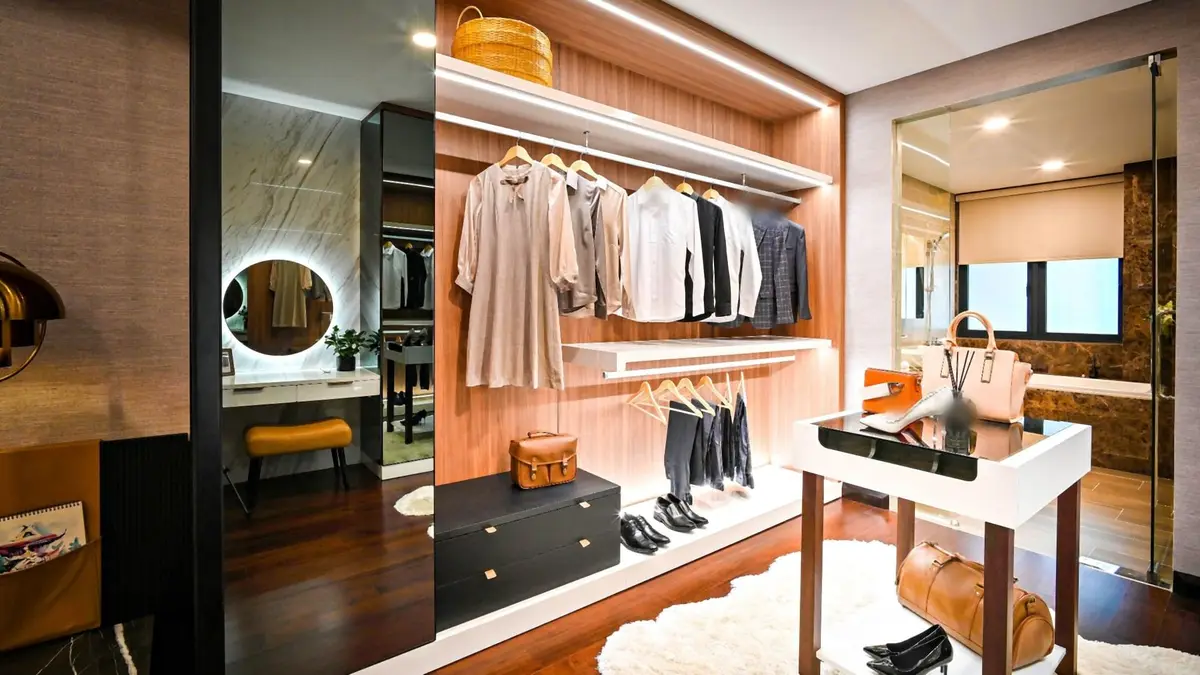
Plan a walk-in closet wall by wall: long hanging, double rods and shelves, a fair split for two, a shoe wall, an island, good light and a valet rod.
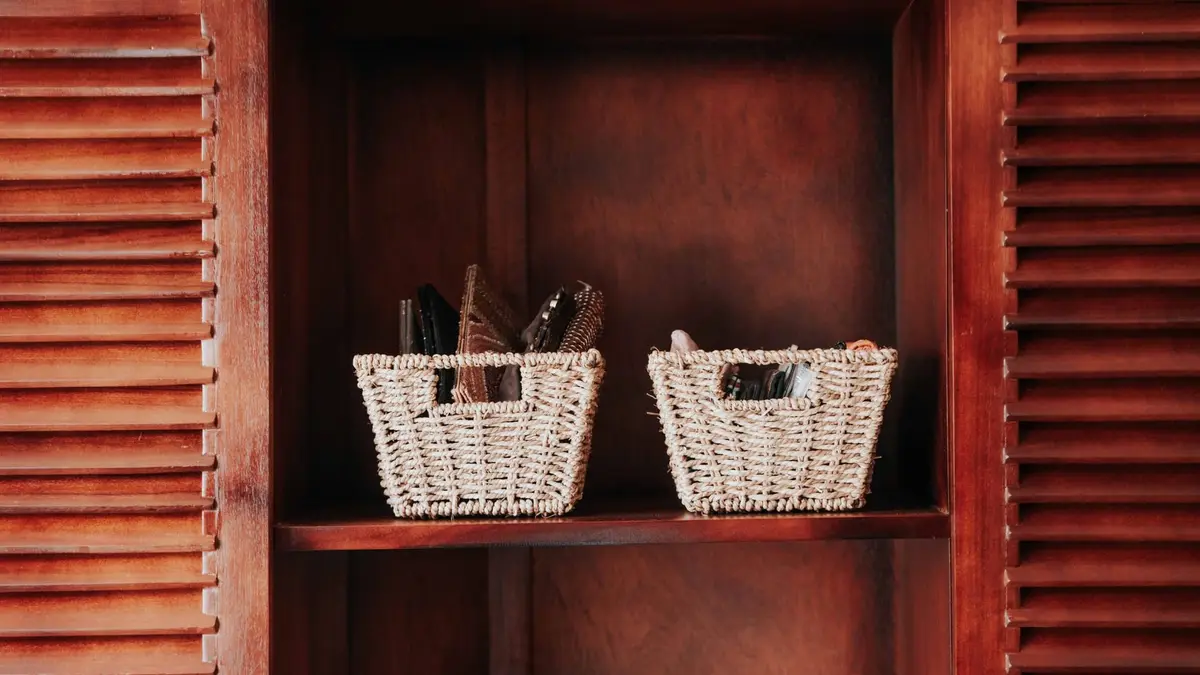
Enter the width, depth and height of a shelf, a drawer or a cube cubby, and see which standard bins and baskets fit, how many, and how they line up.
Pin it to a board so it's there when you're ready to start.
Save to Pinterest(opens in a new tab)