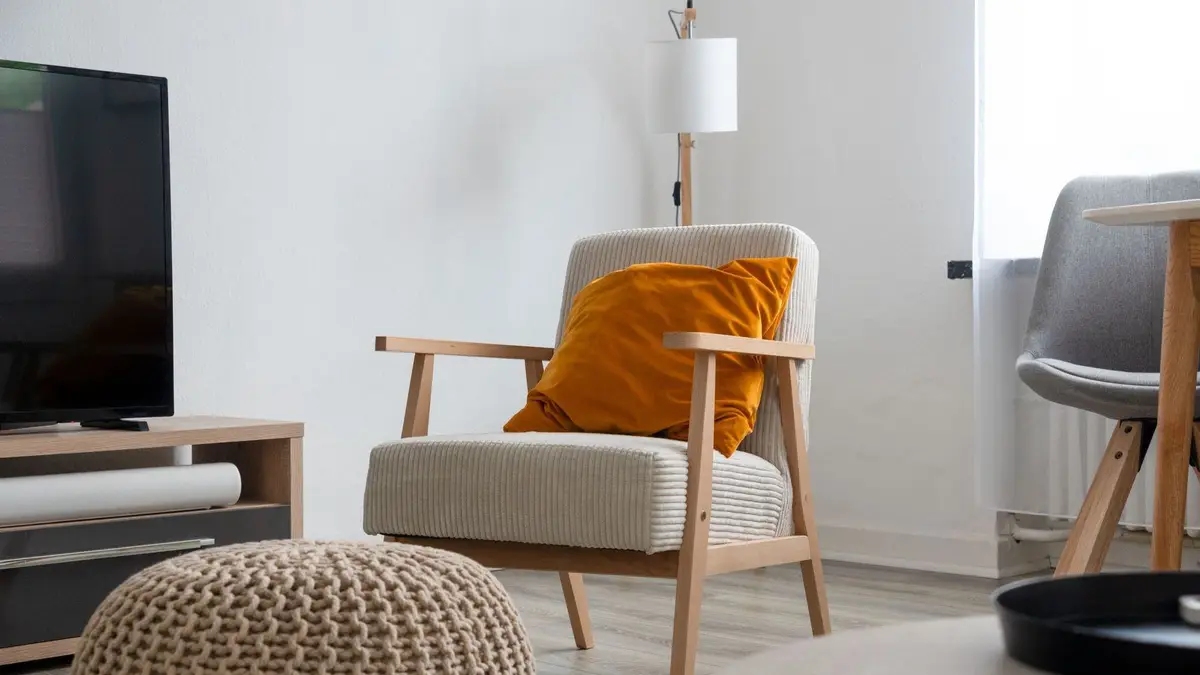
12 Home Organization Hacks Using Shoe Boxes, Jars and Tape
Cheap, quick fixes from things already in your house: shoe box drawer dividers, tension rods, binder clips, a cake stand turntable and masking tape labels.

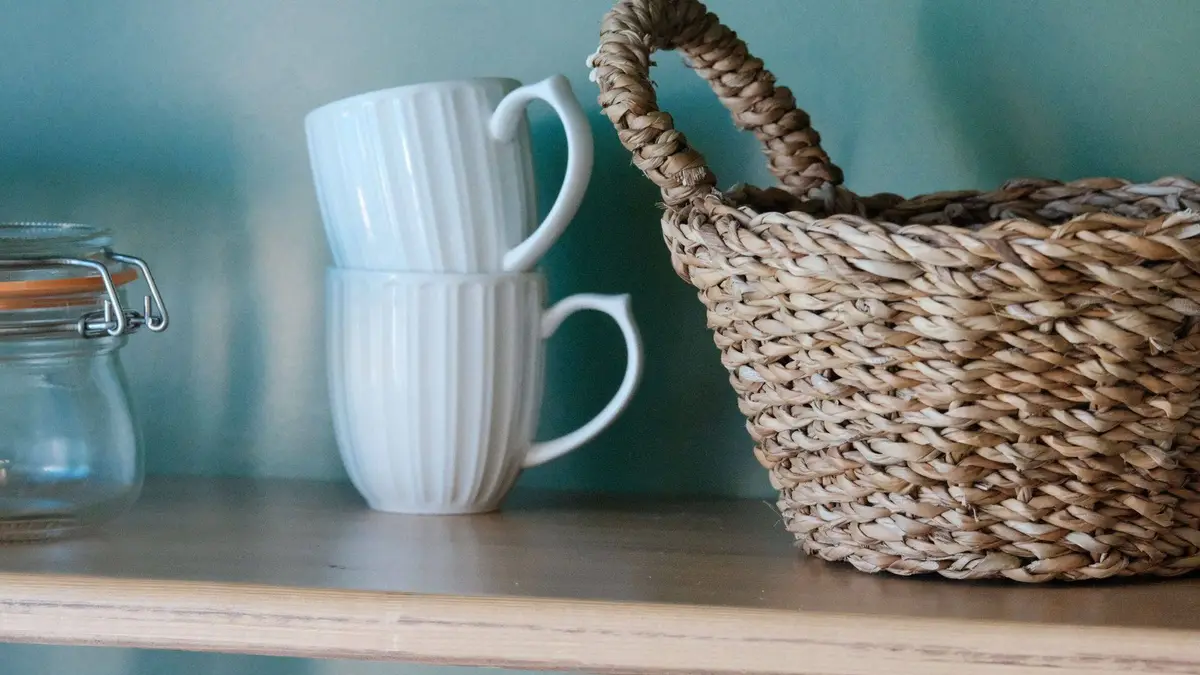
The best home organization hacks reuse what you already have: a shoe box becomes a drawer divider, a tension rod adds a shelf, a jar holds the small stuff and a strip of masking tape makes a label. Each one fixes a single everyday mess in a few minutes, without a trip to the store.
These 12 hacks are quick, cheap fixes for one spot at a time. For the bigger whole-house systems, like a drop zone, kitchen zones and a command center, see our organization ideas for the home. Clear out what you don’t use first with the declutter checklist, since every hack works better with less to hold.
1. Turn shoe boxes into drawer dividers
A drawer without dividers turns into one big pile, because everything slides together the moment you close it. Shoe boxes, their lids and small gift boxes fix that for free.
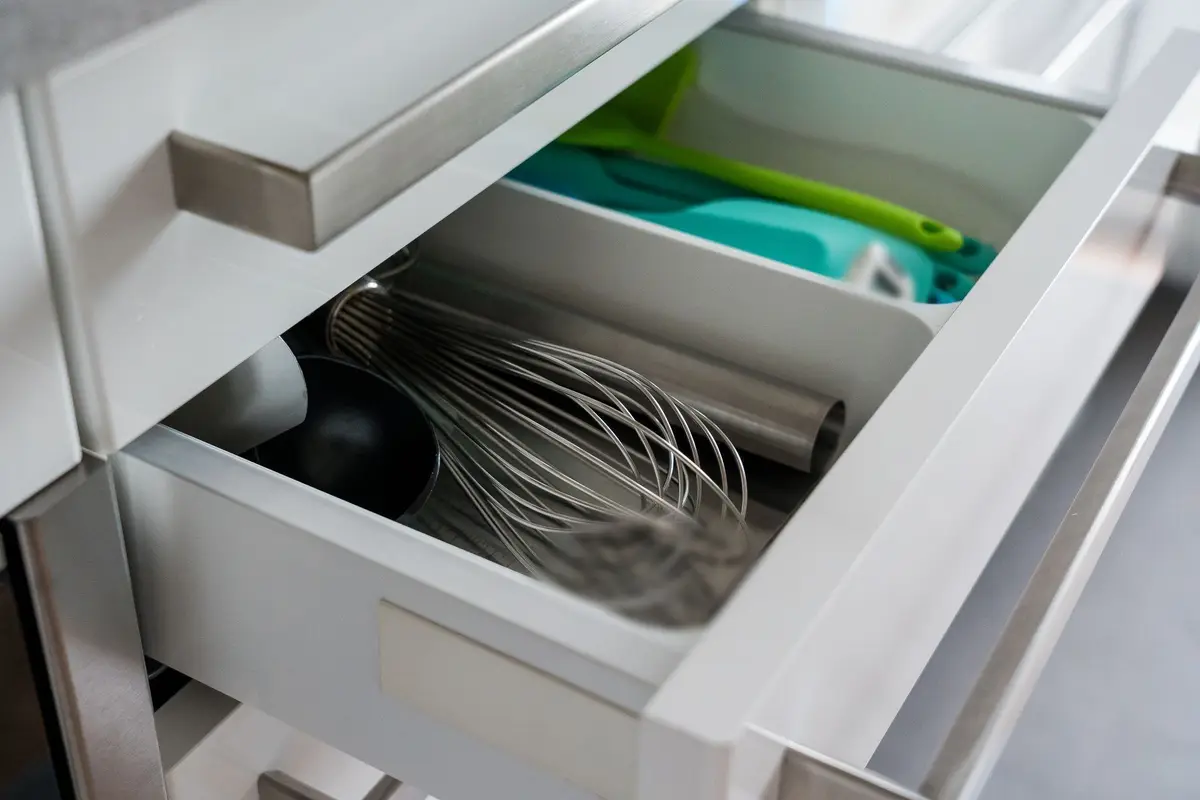
Empty the drawer and group what was inside: pens and tape, batteries, chargers, hair ties or utensils. Then set boxes and lids in the drawer to fit those groups, with the busiest group at the front.
Measure the inside of the drawer before you cut anything. The bin and basket size calculator shows how many boxes of a given size line up side by side, and it helps later if you decide to buy matching bins.
Cut a box down so it sits a little below the top of the drawer, or the drawer won’t close. Lids make shallow trays for flat things, like cards, sticky notes and measuring spoons.
Line the boxes with scrap paper or leftover shelf liner if you want them to look tidier. When a box wears out, swap in another one. Shoe boxes come into most homes all year, so there’s always a spare.
2. Add a tension rod under the sink or in a cabinet
A tension rod holds itself in place with spring pressure, so it adds a rail to a cabinet without screws or holes. That makes it one of the most useful cheap organization hacks for a rental.
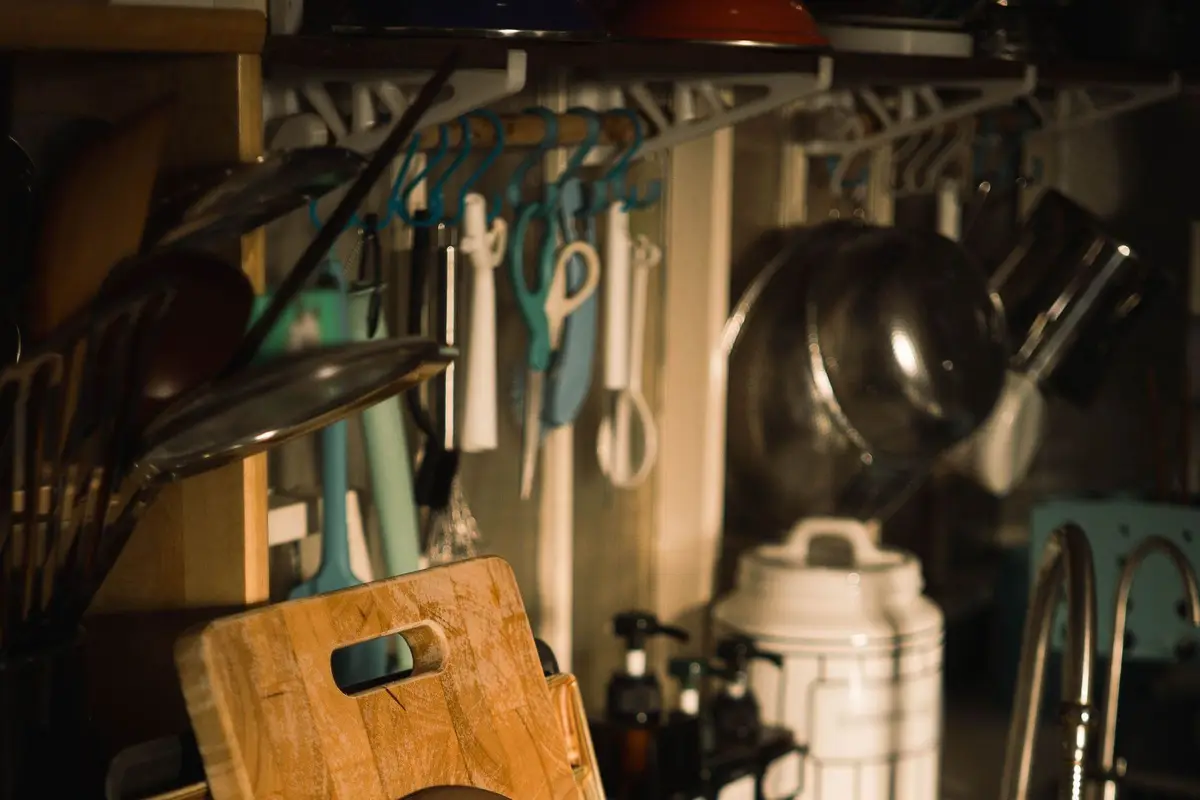
Under the sink, set a rod across the cabinet near the top and hang spray bottles from it by their triggers. That clears the cabinet floor for a bin of sponges and a box of trash bags. The guide to organizing under the kitchen sink covers the rest of that cabinet.
In an upper cabinet, set two rods upright, front to back, to make slots for baking sheets, cutting boards and muffin pans. They stand on edge, so you can pull one out without lifting the rest.
Over a counter or inside a pantry door frame, a rod with a few S-hooks holds scissors, whisks and dish brushes where you can see them.
Measure the space wall to wall first and buy a rod that fits that range. Twist it until it’s snug, but not so tight that it pushes the cabinet sides out.
3. Clip cords with binder clips
Charging cables have a habit of sliding off the desk or the nightstand and disappearing behind the furniture. Binder clips keep them in place for next to nothing.
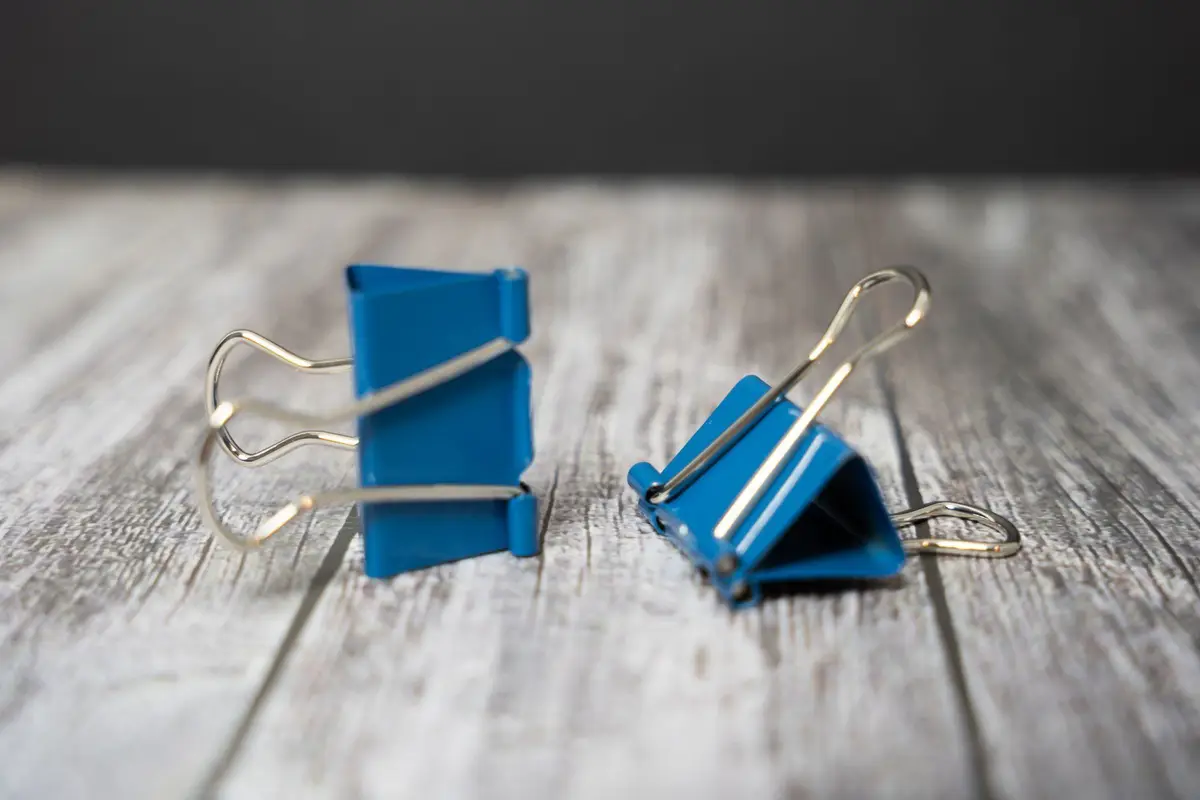
Clip a binder clip to the edge of a desk or a shelf and thread the cable through its metal handles. The plug end stays on top, ready to use, instead of falling to the floor every time you unplug a phone.
A row of clips along the back edge of a desk holds a laptop charger, a phone cable and a lamp cord, each in its own place. Use different colors, or write on a piece of tape on each clip, so everyone knows which cable is which.
Spare cords get the same treatment. Coil each one loosely, clip the coil closed and drop it in a drawer or a labeled shoe box.
Keep cords along the wall where nobody walks, so they’re not something to trip over. Never run a cord under a rug while it’s in use, since the cover traps heat that can start a fire.
4. Spin a cake stand into a turntable
A turntable brings the back of a shelf to the front with one turn, so nothing gets lost behind the taller things. If you have a rotating cake stand, the kind used for frosting cakes, you already own one.
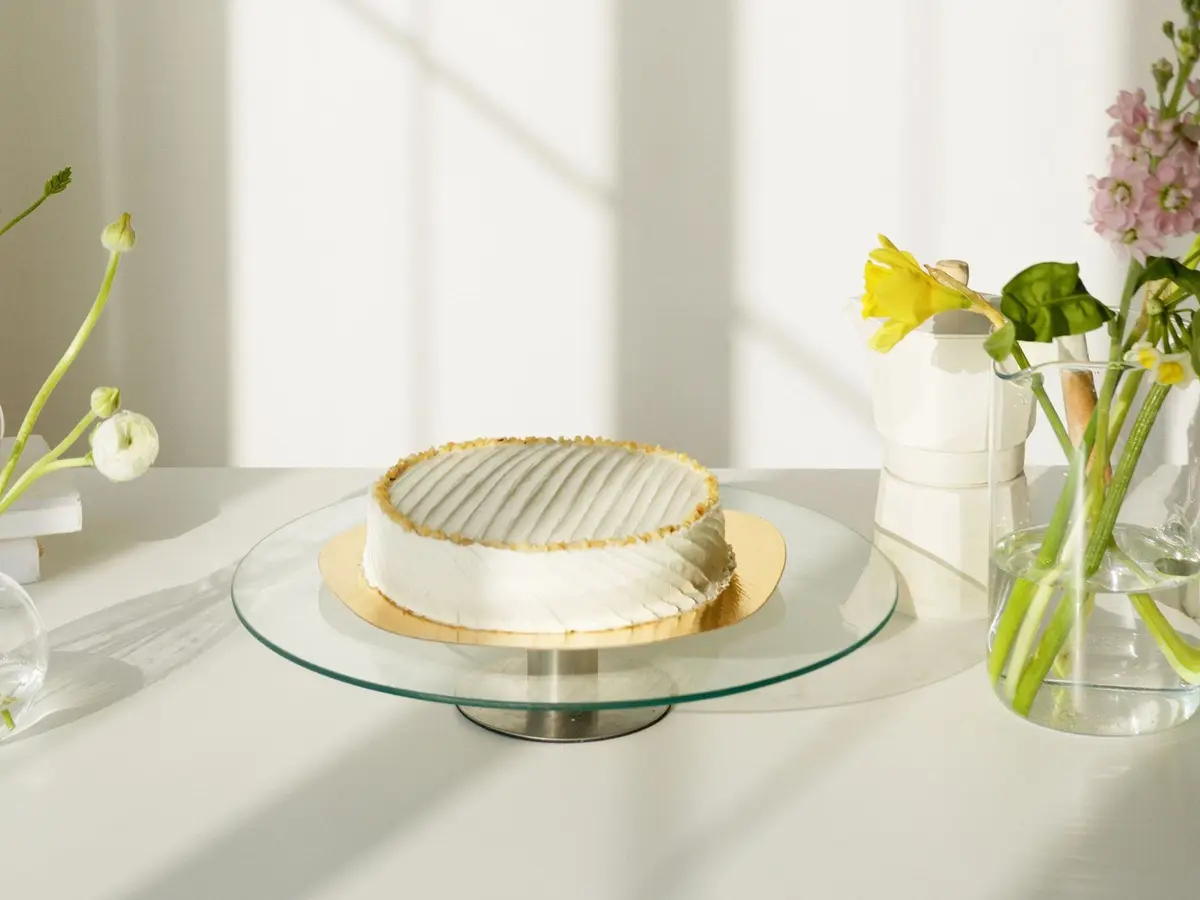
Set it in a corner of a cabinet or on the counter by the stove and load it with oils, vinegars and the sauces you reach for most. A spin brings the bottle you want around to you.
The same trick works in other rooms. On a bathroom shelf, a turntable holds lotions and hair products, and under the bathroom sink it keeps cleaning bottles from hiding behind each other.
A cake stand that doesn’t spin still earns its spot. Its raised plate adds a second level to a counter, with room for small things underneath, like a soap dish or a salt cellar.
Before you move it into a cabinet, check that the stand fits the shelf height with the bottles on top. Measure the tallest bottle, add the height of the stand and compare it with the space between the shelves.
5. Hang adhesive hooks inside cabinet doors
The inside of a cabinet or closet door is empty space that most homes never use. Adhesive hooks put it to work without drilling, and they come off when you move.
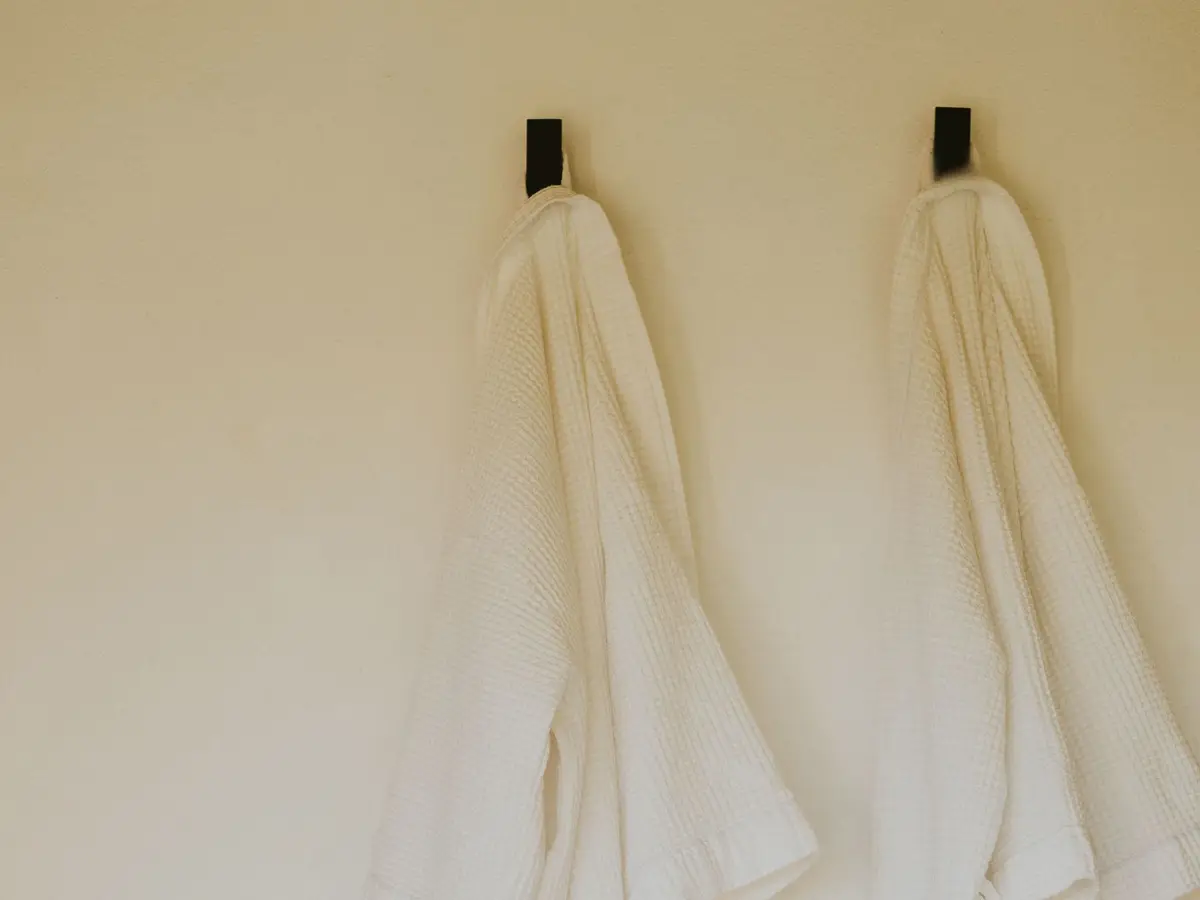
Inside a kitchen cabinet door, hooks hold measuring spoons, oven mitts, pot holders and a small towel. Under the sink, a hook keeps rubber gloves dry and close at hand.
In a closet, hooks on the door hold belts, scarves, a robe or tomorrow’s outfit. In the bathroom, they hang a hair dryer by its loop or a bag of hair ties.
Hang a hook where whatever it holds won’t hit a shelf when the door swings shut. Close the door slowly once with the item on the hook to check before you load the rest.
Clean the spot first so the adhesive grips, press it firmly and wait as long as the package says before hanging anything. Check the weight rating too, and choose a bigger hook for anything heavy. When you’re ready to take one down, follow the package directions so it comes off without peeling paint.
6. Stand pan lids and foil boxes in magazine files
A magazine file holds things on edge that otherwise slide around or stack into a tower. In the kitchen, that means pan lids, rolls of foil and plastic wrap, and baking sheets.
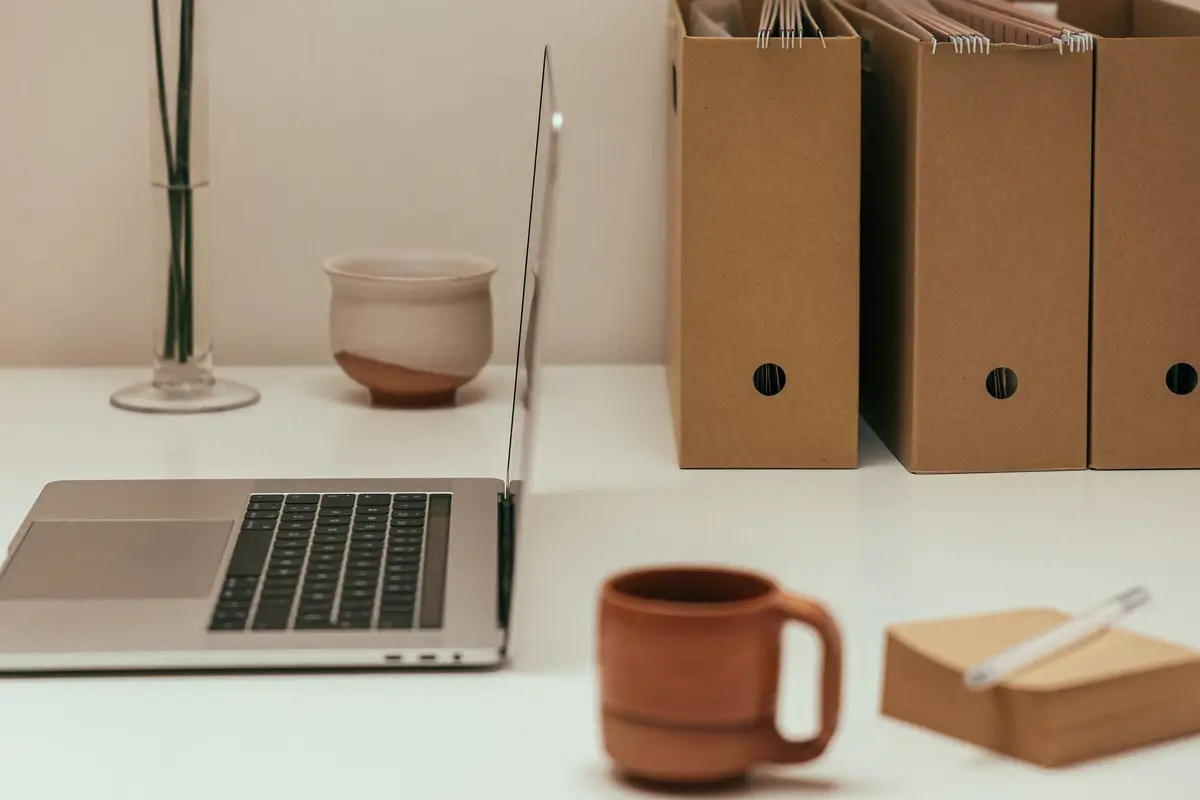
Set a file on its side in a deep drawer or cabinet and slide the lids in standing up, biggest to smallest. You can see every lid at once and pull one out without moving the others.
A second file, turned the other way, holds foil, wrap, parchment and freezer bags side by side. Screw one to the inside of a pantry door, or set it on a shelf, and those boxes stop falling out every time the door opens.
No magazine files? Make one from a cereal box. Cut the top off at a slant, from the back at full height down to a few inches at the front, then cover it with paper or leave it plain.
Around the house, the same files hold cutting boards, notebooks, school folders, coloring books and the mail that needs an answer. Keep one category per file, so you always know where to look.
7. Carry cleaning supplies in a shower caddy
A shower caddy with a handle makes a ready-made cleaning kit. Instead of walking back to the kitchen for each bottle, you carry everything for a room in one trip.
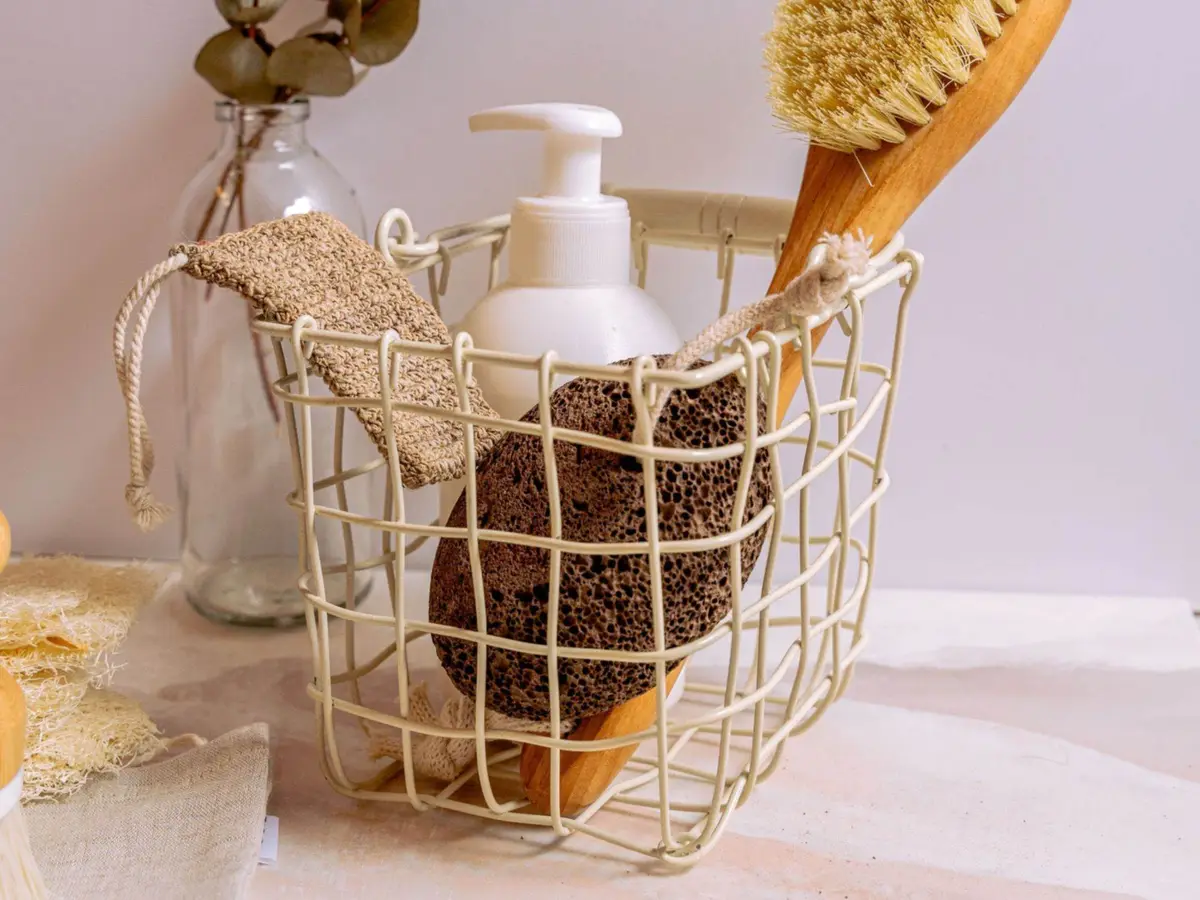
Fill it with the basics: an all-purpose spray, a glass cleaner, a scrub brush, a sponge, microfiber cloths and rubber gloves. Put the bottles in the deepest part and the cloths on top. More time savers are in our cleaning hacks.
If your home has more than one floor, a second caddy upstairs saves even more steps. Each one stays on its own floor, so cleaning the bathroom never starts with a hunt for supplies.
Keep every product in the bottle it came in, with its label, so you always know what’s inside and how to use it. Never mix products, since some, like bleach and ammonia, make toxic fumes together.
Store the caddy up high or in a cabinet with a child latch, out of reach of kids and pets. After each use, refill anything that’s running low, so the caddy is ready to grab next time.
8. Corral small things in glass jars
Small things scatter: buttons, safety pins, hair ties, cotton swabs, rubber bands and spare screws. Clean glass jars from pasta sauce, jam or pickles keep each kind together and show you what’s inside.
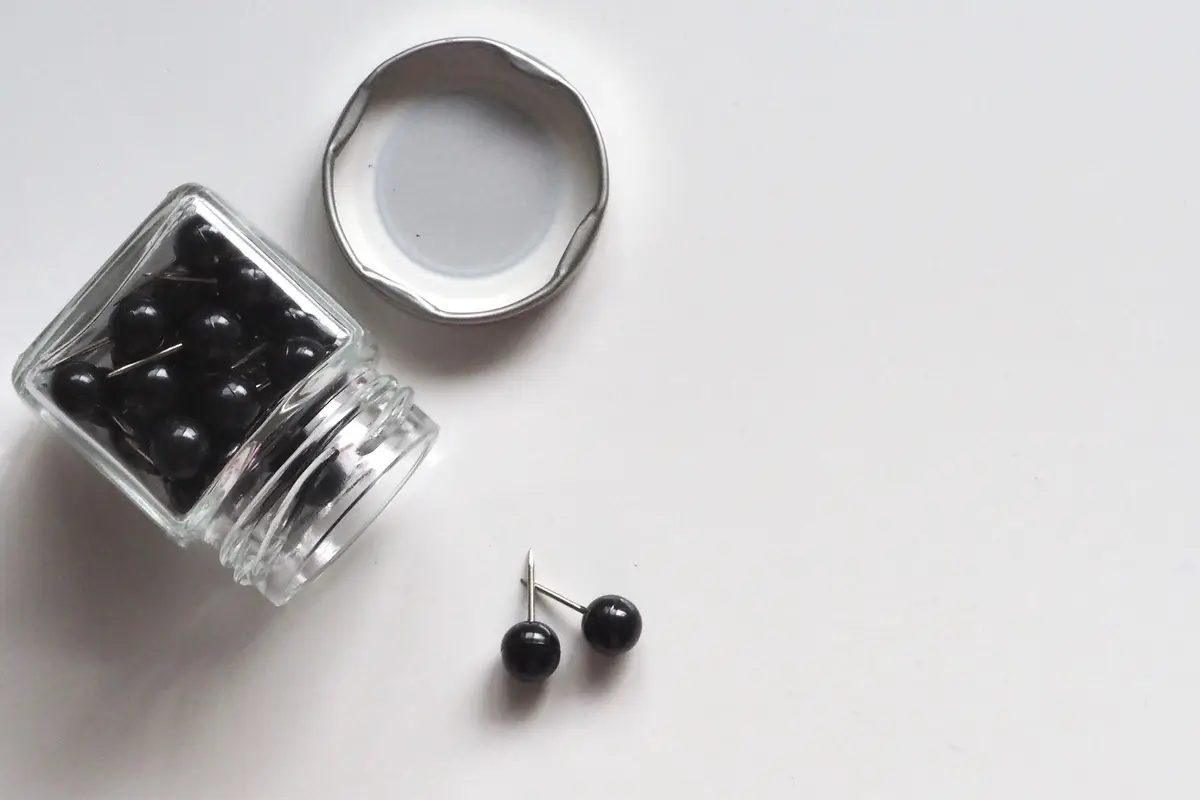
Wash the jars and soak off the labels in warm, soapy water. Rub any sticky spots with a little cooking oil, then wash the jars again so they’re ready to use.
In the bathroom, jars hold cotton balls, swabs and hair ties on the counter. In a craft drawer, they keep buttons, beads and ribbon apart. On a garage shelf, they sort nails, screws and picture hooks by size.
Use the same kind of jar for each group when you can, so they line up neatly on a shelf. Screw the lids onto the underside of a shelf in a workshop, then twist the jars on and off, which frees up the whole shelf for other things.
Glass breaks, so keep jars on low, deep shelves or in drawers where they can’t roll off. For a kids’ room, use clear plastic jars from the kitchen instead.
9. Keep a basket by the stairs
In a home with stairs, things that belong upstairs pile up downstairs: a sweater, a library book, a toy, a phone charger. A basket at the bottom of the stairs gives them one place to wait.
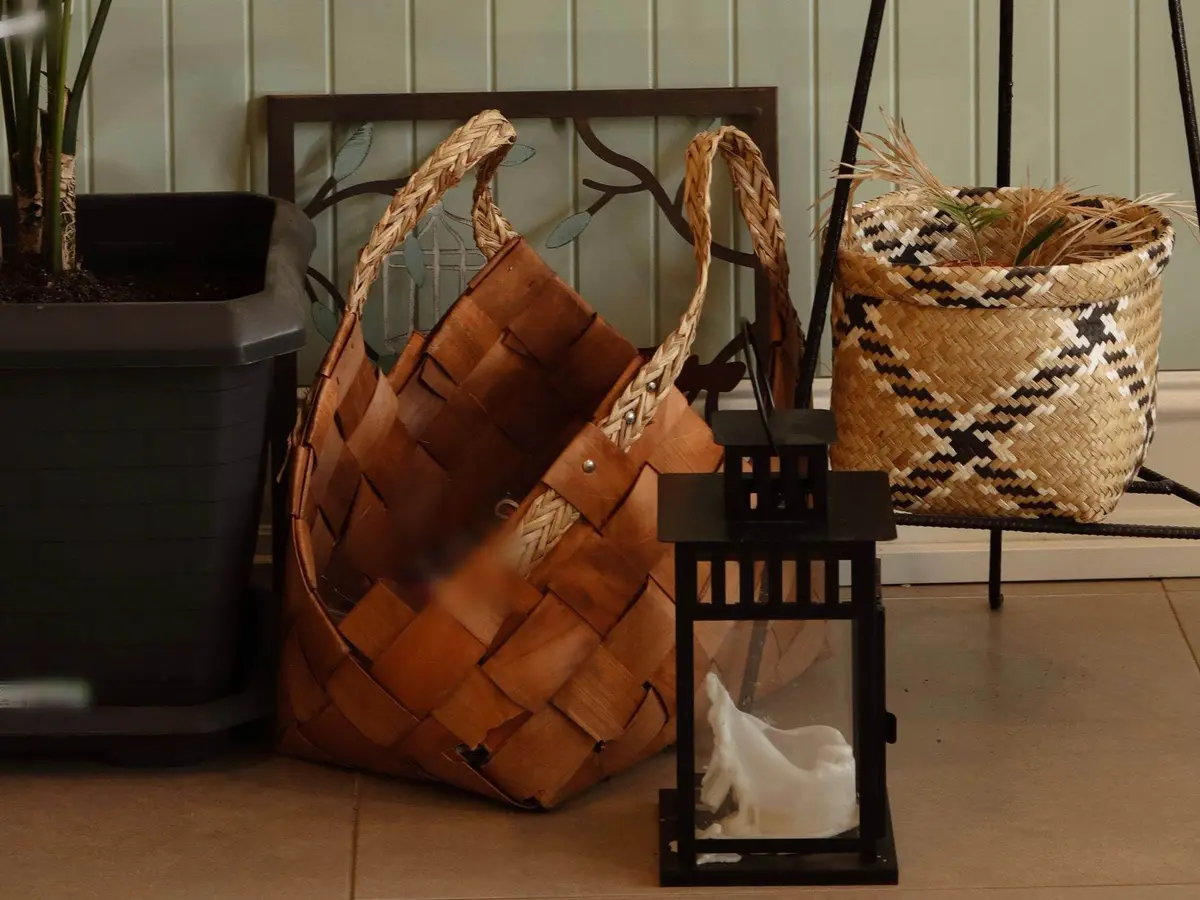
Drop anything that needs to go up into the basket as you tidy. Then make a habit of carrying it up whenever you head upstairs anyway, and put each thing away once you get there.
A second basket at the top works the same way for things heading down, like dishes, laundry or a coat that belongs by the front door.
Set the basket beside the stairs on the floor, never on a step. Anything left on the stairs is easy to trip over, especially when you’re carrying something or it’s dark, so keep every step clear.
Pick a basket with handles that’s light enough to carry when it’s full. A sturdy tote bag or a small laundry basket works just as well and costs nothing if you already have one.
10. Follow a one-minute rule
If a task takes less than a minute, do it now instead of later. Hang up the coat, put the mug in the dishwasher, toss the junk mail and wipe the splash on the counter.
These tiny jobs are what turn a tidy room messy over a week. Each one feels too small to bother with, but put off together they become an hour of picking up on the weekend.
The rule works because you skip the step of deciding. If it’s quick, you just do it, before you have time to set it down somewhere and forget it.
Start with one room, like the kitchen or the entry, and use the rule there for a week. Once it’s a habit, it spreads to the rest of the house without much effort.
For the jobs that take longer, save them for a weekly reset. The Sunday reset checklist gathers those bigger tasks into one short routine, so they don’t creep into every day.
11. Set up a landing tray for pockets
Keys, sunglasses, loose change, receipts, lip balm and earbuds all come out of your pockets at the end of the day. Without a spot for them, they end up on every counter in the house.

A landing tray gives them one place to land. Use what you have: a small plate, a shallow bowl, a shoe box lid or a wooden tray from the back of a cupboard.
Put it wherever you empty your pockets, which might be the dresser, a shelf by the bedroom door or the end of the kitchen counter. Set it down, not in a drawer, so dropping things in takes no effort.
Each person can have their own tray, so nobody grabs the wrong keys or glasses in the morning. A tray for kids catches hair clips, small toys and the notes from school.
Once a week, empty the tray. Receipts go to the recycling or the paperwork pile, coins go in a jar and anything that wandered in goes back where it belongs.
12. Make labels from masking tape
Labels help everyone in the house put things back in the same place, not just the person who organized it. Masking tape and a marker make them in seconds, and you can peel them off when things change.
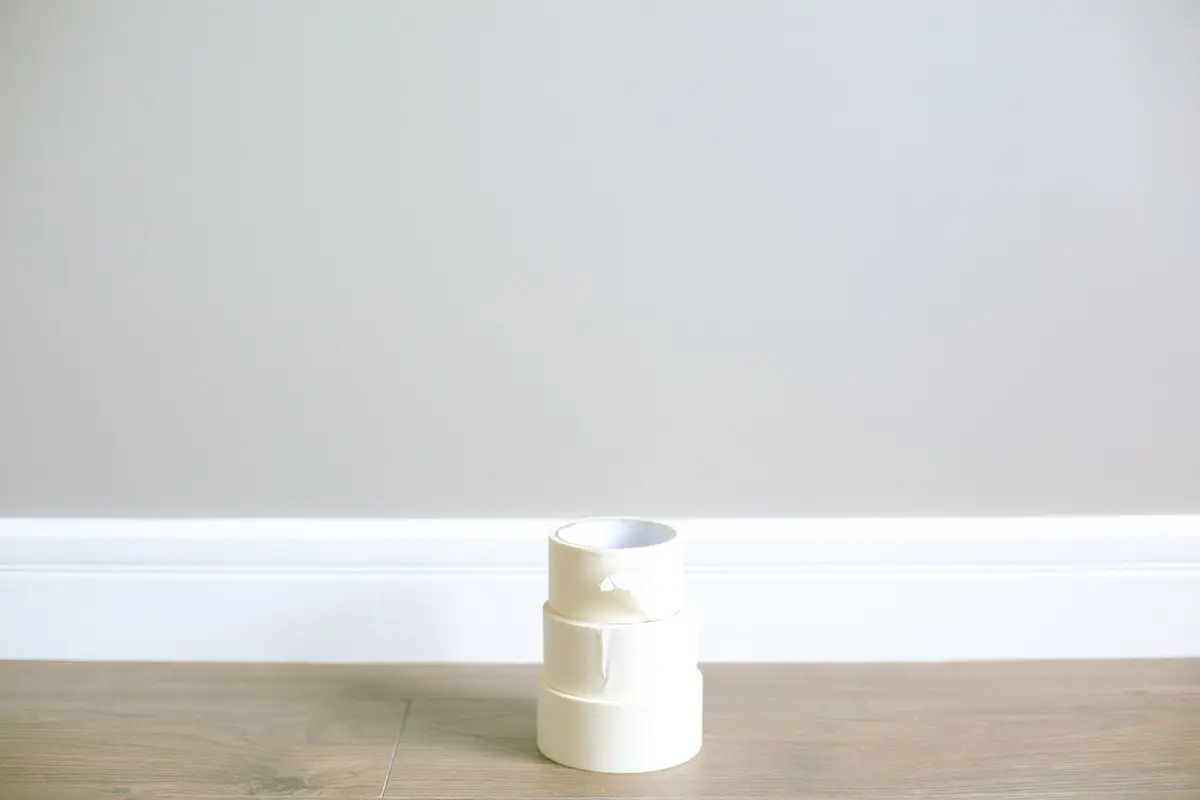
Tear off a strip, write the name of what goes there in large letters and press it onto the bin, box, jar or shelf edge. Use plain words, like “batteries,” “lids” or “winter hats.”
Label the shelf as well as the bin on it, so a bin always goes back to its own spot. For kids, add a simple drawing next to the word.
Masking tape also works in the freezer and the fridge. Write what’s inside and the date it went in, so nothing gets lost at the back.
When the system settles and you know it works, you can switch to neater labels. For a spice drawer or a pantry shelf, printable spice jar labels give jars a matching look.
Save this for later
Pin it to a board so it's there when you're ready to start.
Save to Pinterest(opens in a new tab)Make it easier
Free printable
A room-by-room declutter checklist that tells you exactly what to look for, with four piles to sort into so nothing ends up back on the shelf.
Free printable
Sunday Reset Checklist Printable
A one-page Sunday reset routine: clear the kitchen, the laundry and the living spaces, then get ready for Monday and plan the week, so the week starts calm instead of in a scramble.
Free tool
Enter the width, depth and height of a shelf, a drawer or a cube cubby, and see which standard bins and baskets fit, how many, and how they line up.
Frequently asked questions
What are the best cheap organization hacks?
The ones that reuse what you already have: shoe boxes as drawer dividers, glass jars for small things, binder clips for cords and masking tape for labels. Start with the spot that bugs you most each day, and only buy something once a free fix has proved the idea works.
How can I organize my house with no money?
Declutter first, since fewer things need fewer containers. Then look around for boxes, jars, baskets and trays you can move to where the mess happens, and use daily habits like a quick reset to keep it all in place.
Will adhesive hooks damage my walls or cabinet doors?
They're made to come off cleanly when you remove them the way the package says, usually by pulling the tab slowly. Test one on a hidden spot first if the paint or finish is fresh, delicate or textured, and stay within the weight rating.
How do I make organization hacks actually stick?
Pick a few hacks, not all of them at once, and put each one right where the clutter lands. Pair them with a short daily reset, so everything goes back to the spot you made for it before the pile grows again.