12 Dresser Organization Ideas for Drawers That Close Easily
Organize a bedroom dresser drawer by drawer: sort first, file-fold shirts, add small boxes, roll leggings, keep the top clear and anchor it to the wall.


Dresser organization starts with less in each drawer: sort what you own, give every drawer one job, and fold clothes so you can see each piece the moment the drawer opens. Small things go up top, bulky ones go low, and the dresser is anchored to the wall so it can’t tip.
These 12 ideas work for a bedroom dresser of any size, from a tall chest to a long, low dresser shared by two people. Start with the first two, since the rest depend on knowing what you keep and where it will live.
1. Empty one drawer and sort what’s inside
Pull one drawer out, set it on the bed and tip everything out. Sort the pile into what you wear, what needs a repair, what goes to donation and what belongs in another room.
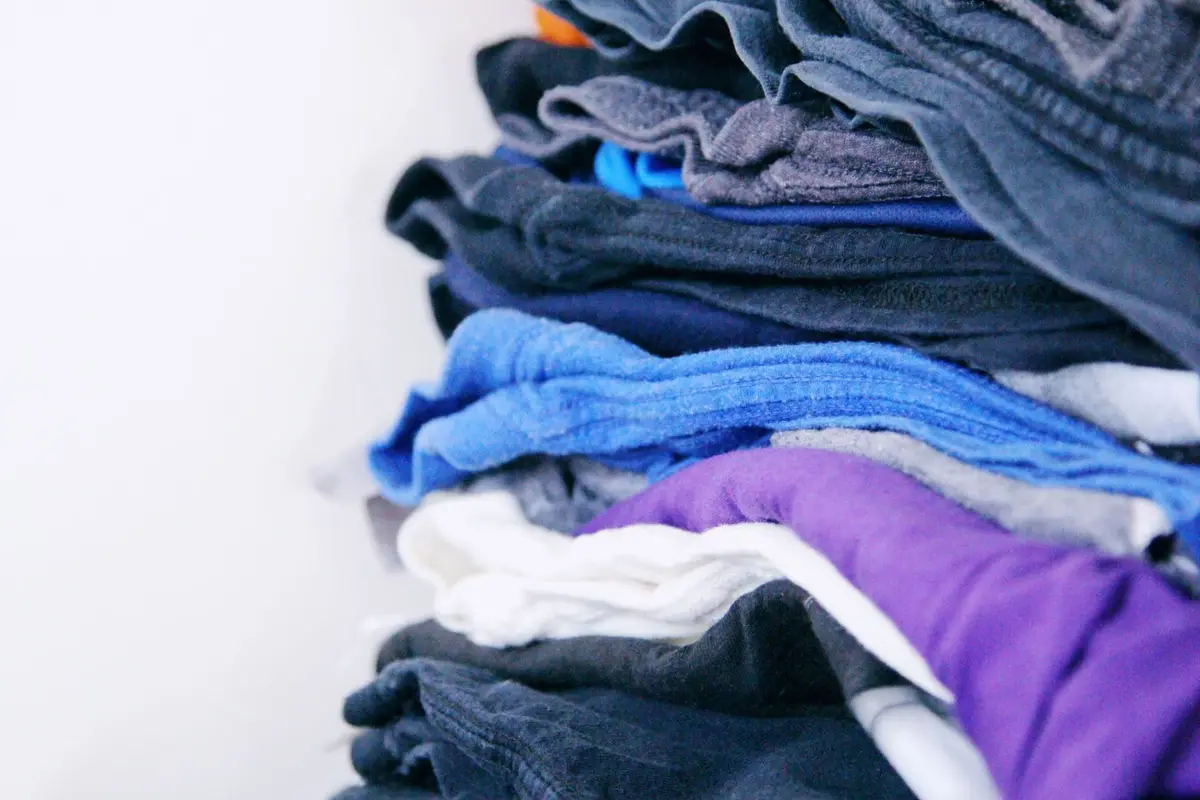
Be honest about fit and comfort. Shirts with stretched necks, socks without a partner and leggings that went thin at the knee can all go, and the drawer gets easier to close right away.
Work one drawer at a time, so the bedroom never ends up buried and you can stop whenever the day gets away from you. The declutter checklist covers the rest of the bedroom and the house in the same small steps.
While each drawer is empty, wipe it out and let it dry. Check the corners for dust, crumbs and old receipts, and look at the runners, so a drawer that sticks gets fixed now.
Keep a bag for donations by the bedroom door as you go. Once it’s full, put it in the car, so it leaves the house instead of drifting back into the dresser.
2. Plan the drawers from top to bottom
Before anything goes back in, decide what each drawer holds. The top drawers sit at hand height, so they suit small things you grab every day: socks, underwear, bras and undershirts.
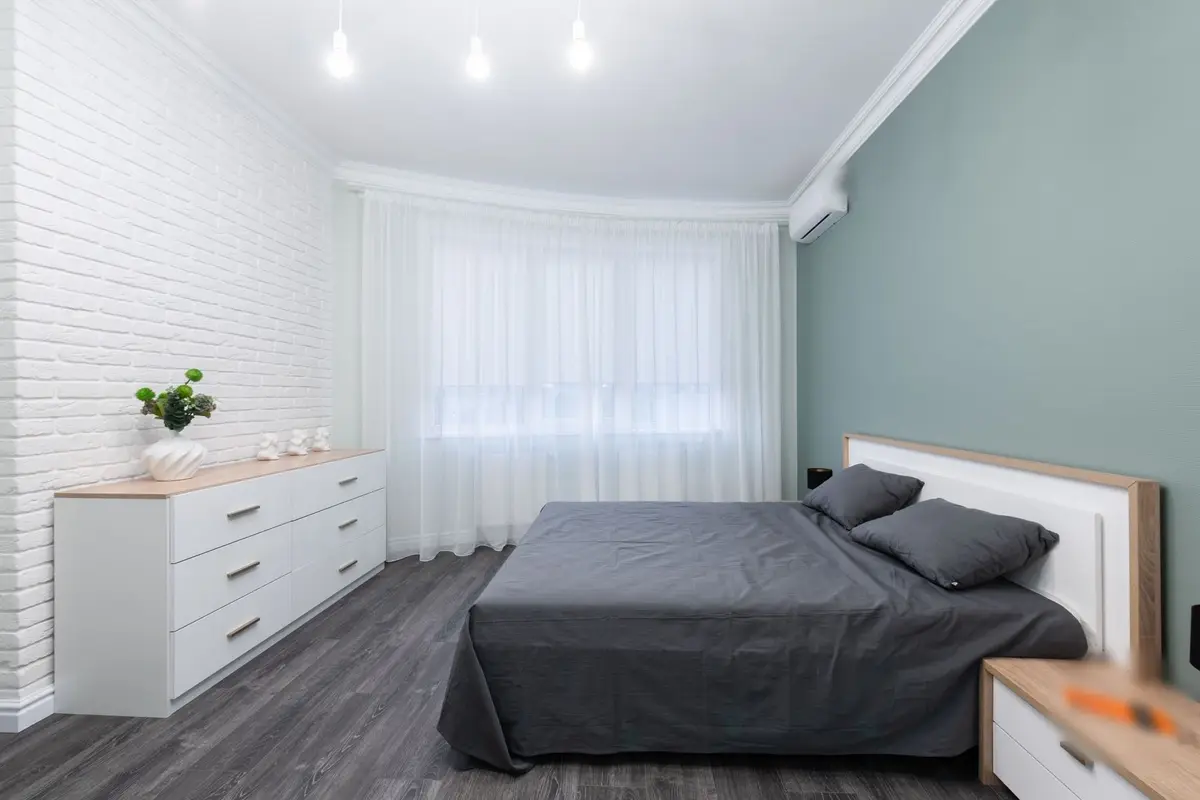
The middle drawers take what you wear most, like T-shirts, tops and leggings. The bottom drawers are often the deepest, which makes them right for bulky, heavier pieces such as jeans, sweatshirts and sweaters.
Keeping the heavy clothes low also helps the dresser stay steady. That matters even more in a home with small children who might pull on a drawer or try to climb.
If two people share one dresser, split it by side instead of by drawer. Each person gets a top drawer for small things and a low drawer for bulky ones, and nobody digs through someone else’s socks.
Write the plan on a sticky note and tape it inside the top drawer for the first couple of weeks. Once everyone in the house knows where things go, clean laundry lands in the right drawer without anyone asking.
3. File-fold shirts so you see every one
Fold each shirt into a neat, even rectangle. Then, instead of stacking them, stand them on edge in the drawer, front to back, like files in a cabinet.
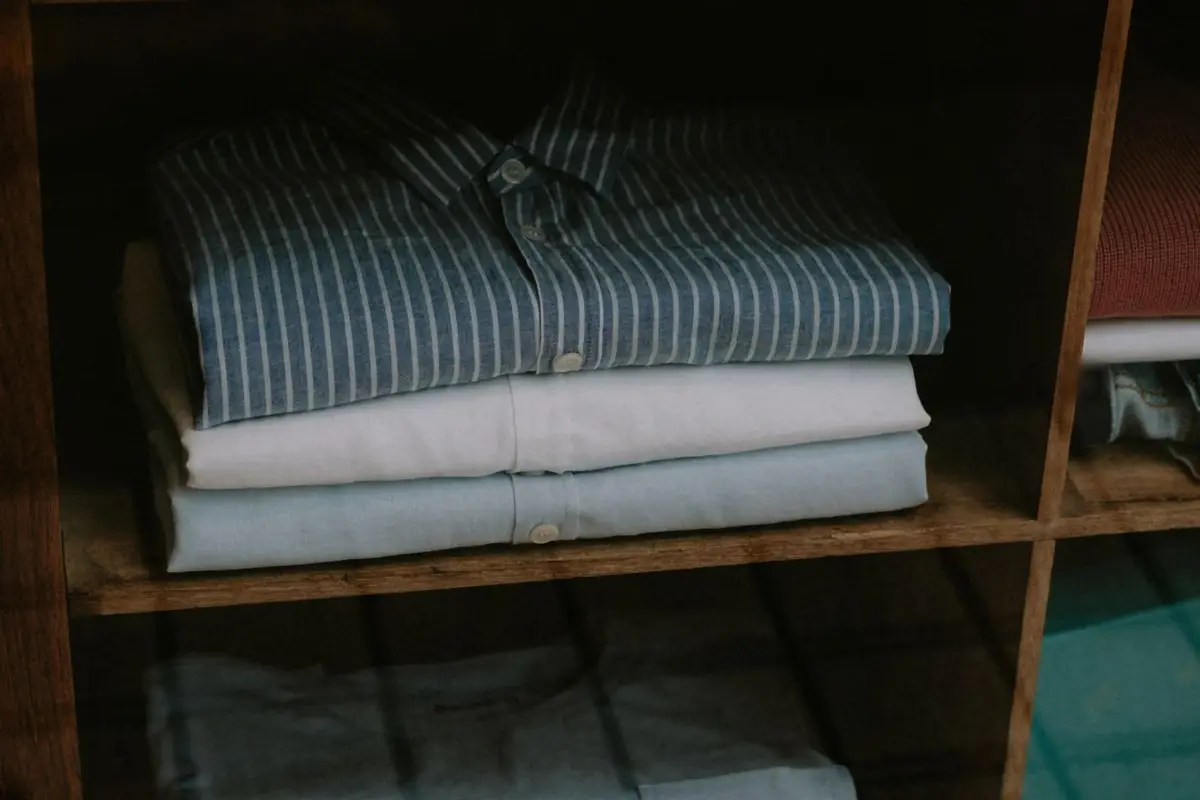
To get the fold right, lay the shirt face down, fold each side in toward the middle and tuck the sleeves along the edges. Fold it in half from the hem, then in half or in thirds again, until the bundle stands up on its own.
When you open the drawer, you see every shirt at once. Pulling one out doesn’t knock over the rest, and the ones at the bottom of a stack don’t get forgotten for a whole season.
The same fold works for tank tops, shorts, pajama pants and thin sweaters. Thicker pieces may only fold in half, which is fine as long as they still stand.
Fold to the depth of the drawer, so each row reaches from the front almost to the back with a little room to spare. A bundle that’s too tall catches on the drawer above, so leave a small gap at the top as well.
4. Add boxes or dividers to each drawer
Without dividers, small things slide into one tangle every time a drawer slams shut. Shallow boxes or adjustable dividers keep each group in its own spot.
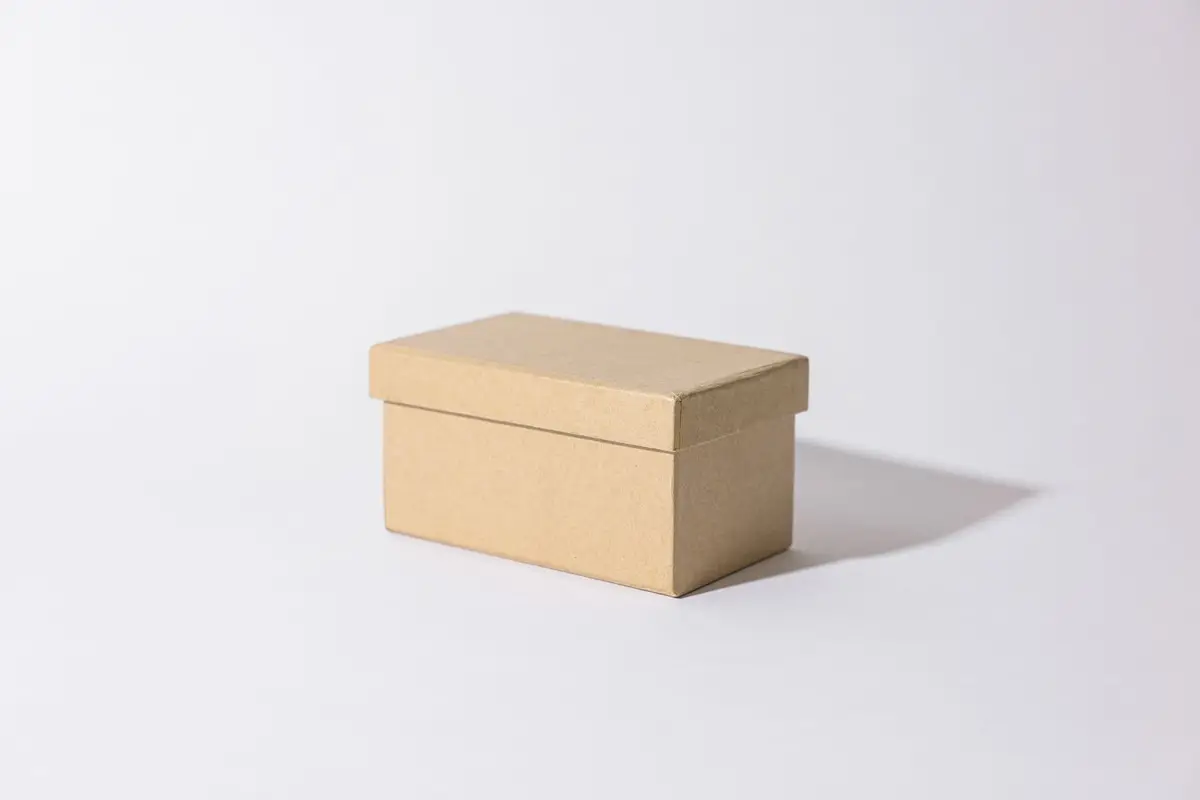
You don’t need to buy a matching set. Shoe boxes, gift boxes and the lids of sturdy boxes all work, and they let you test a layout before you spend anything.
Measure the inside of each drawer: the width, the depth from front to back and the height under the drawer above. The bin and basket size calculator shows which box sizes fit and how many line up side by side.
Socks, underwear and bras do best in small open boxes of their own, one category per box. Pair socks and fold them flat in a row, so you can grab a matching pair without hunting.
Spring-loaded dividers that run from front to back suit wider drawers of shirts and leggings. They hold each row upright as the drawer empties through the week, so the folds don’t flop over and the drawer still closes all the way.
5. Roll leggings, workout clothes and socks
Stretchy fabrics slip out of folds, so leggings, bike shorts and workout tops tend to unravel into a heap. Rolling them holds the shape and fits more into a narrow drawer.
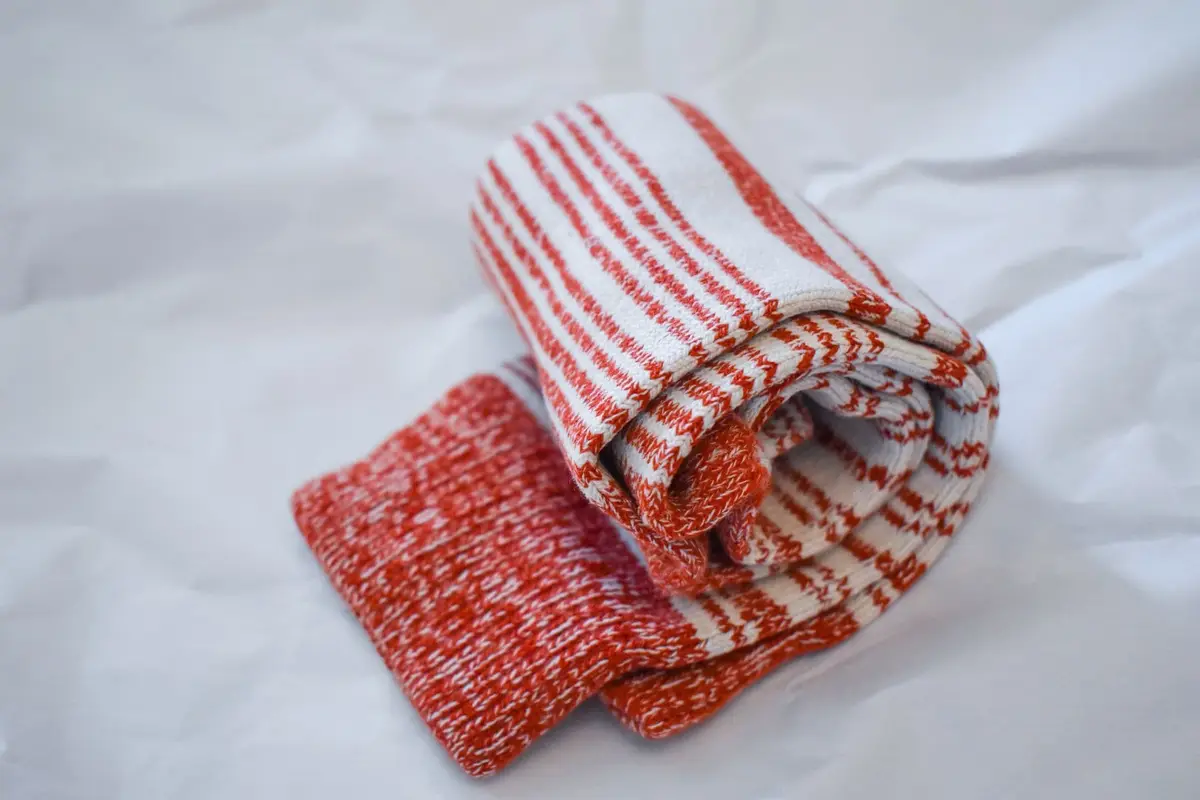
Fold leggings in half lengthwise, then roll from the waistband down to the ankles. Lay the rolls side by side in a single layer, so every color shows when you open the drawer.
Workout tops roll the same way: fold in the sleeves, fold the top in half and roll from the hem up. Keep sports bras flat beside them, one tucked into the next, so the cups keep their shape.
Long socks can roll as a pair from the toe up, which keeps them together through the week. Skip folding the cuff back over the bundle, since that stretches the elastic over time.
Give workout clothes a drawer of their own, or one side of a drawer, so getting ready for a walk or a class takes one reach. Put that drawer near the top if you usually work out first thing in the morning, before the house wakes up.
6. Fold sweaters into the deepest drawer
Sweaters are bulky and heavy for their size, so they belong in the deepest, lowest drawer. Folded there, they also stay off hangers that can stretch the shoulders out of shape.
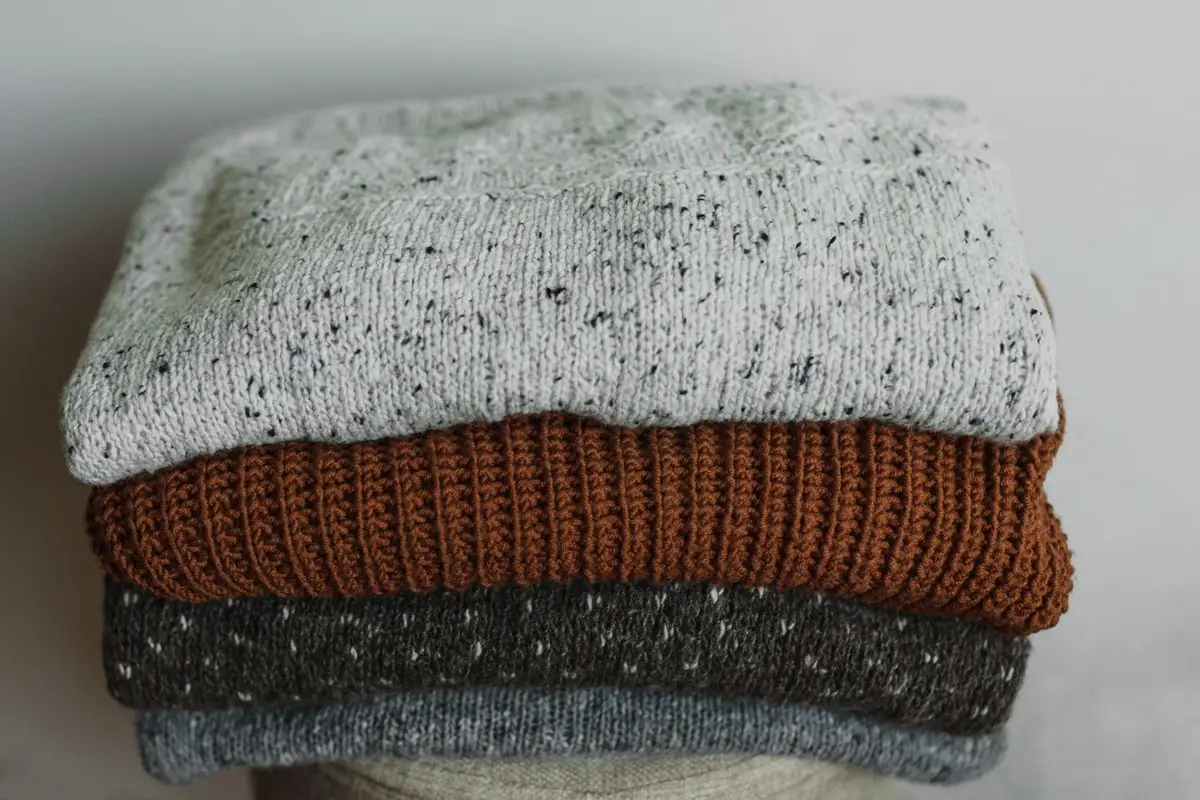
Lay each sweater face down, fold the sleeves across the back, then fold it in half from the bottom up. Thick knits can sit in short stacks of two or three, while thinner ones can stand on edge like shirts.
Keep the stacks short enough that you can lift the top one without the rest sliding. Sort them by weight, with chunky knits on one side of the drawer and light layers on the other.
If you only have room for a few, keep the sweaters you’re wearing this season in the drawer and store the rest elsewhere. The swap takes a few minutes at the start of each season.
Let a sweater air out on the back of a chair after you wear it, then fold it and put it away. Wash it once it has a stain or has been worn a few times, so the drawer stays fresh.
7. Give pajamas and loungewear one drawer
Pajamas tend to end up everywhere: under a pillow, on a chair, in the hamper before they’re dirty. Give them one drawer, or one box in a drawer, and they always have a home.
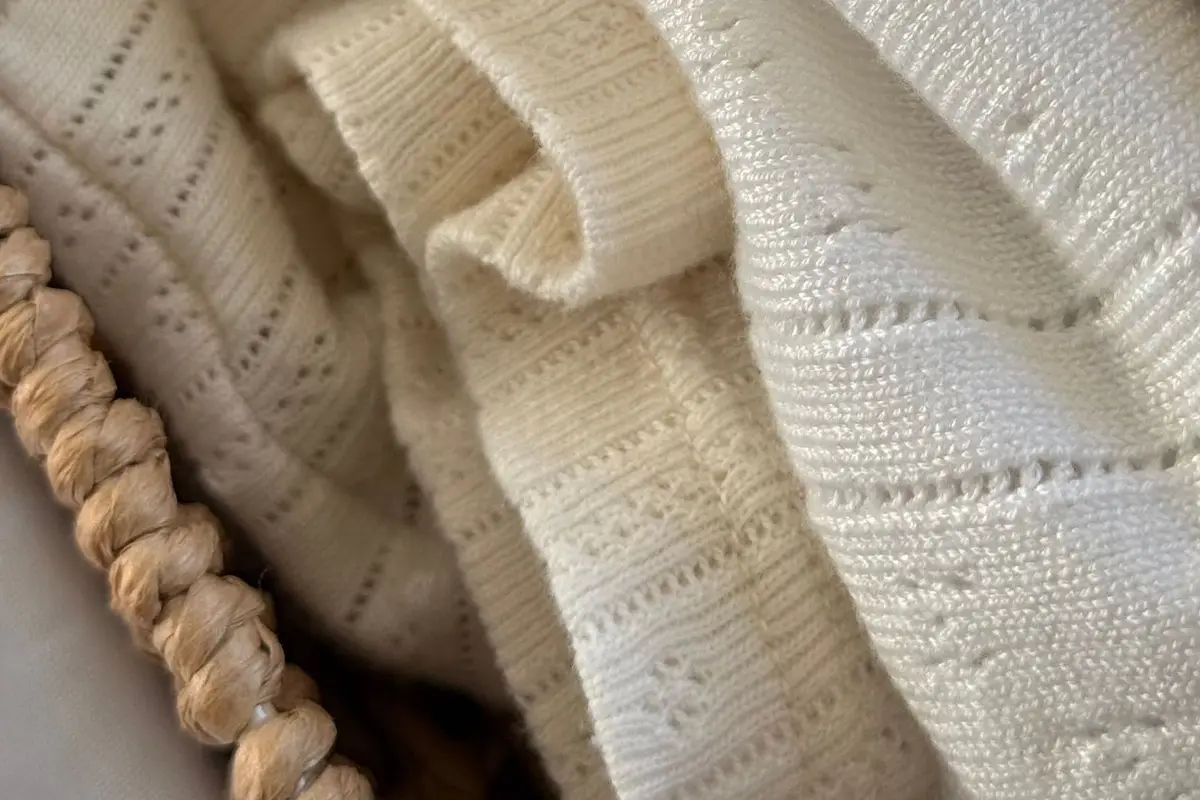
Keep only the sets you actually wear. A few for each season and one spare are usually enough, not a drawer packed with old T-shirts that feel too worn to sleep in.
Put the drawer in the middle of the dresser, where it’s easy to reach at night and in the morning. Fold or roll each set together, top and bottom as one bundle, so you can grab a matching pair in the dark.
Robes, slipper socks and soft loungewear can share this drawer too. If they don’t fit, a lidded basket at the foot of the bed holds the overflow without adding clutter to the dresser top.
At the end of each day, put pajamas that are still clean back in the drawer instead of on the chair. A pair worn once doesn’t need the laundry yet, and the drawer stays the only place they live.
8. Put a tray on top for jewelry and keys
A dresser top collects whatever comes out of your pockets. One tray gives those things a home, so they don’t spread across the whole surface.
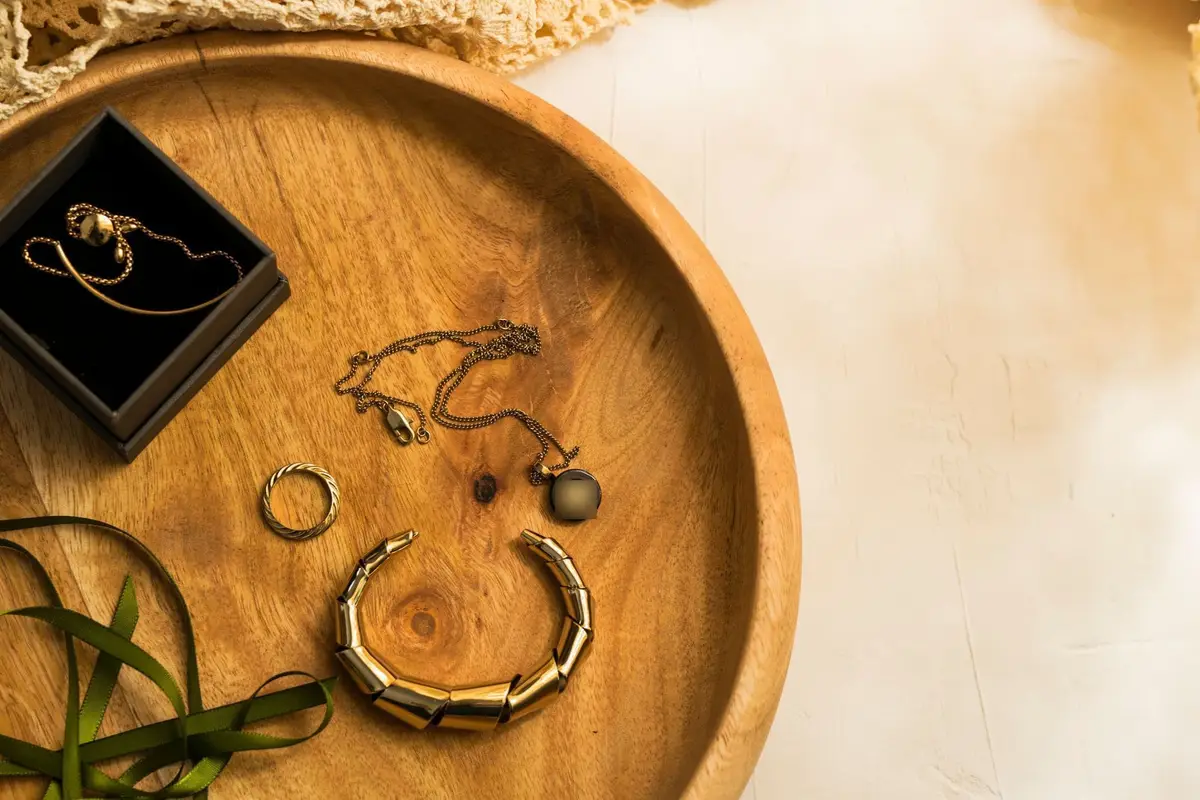
Choose a tray with a low rim, wide enough for the things you take off every night: a watch, rings, a bracelet, earrings, keys and a wallet. Wood, ceramic or a shallow bowl all work.
Set the tray at the back corner of the dresser, near an outlet if you charge a phone there. Anything that doesn’t fit in the tray belongs in a drawer or in another room.
Keep earrings in pairs on a small dish inside the tray, or in a lidded box for the ones you wear less often. Necklaces stay untangled when each one lies flat with the clasp closed.
Once a week, empty the tray completely and wipe it out. Coins go in a jar, receipts go in the trash or the file, and anything borrowed from another room goes back where it came from before the tray starts to overflow.
9. Keep the top of the dresser clear
A clear dresser top looks calmer and gives you room to fold laundry or set down what you need. Choose a lamp, the tray and one or two things you love, and keep the rest of the surface open.
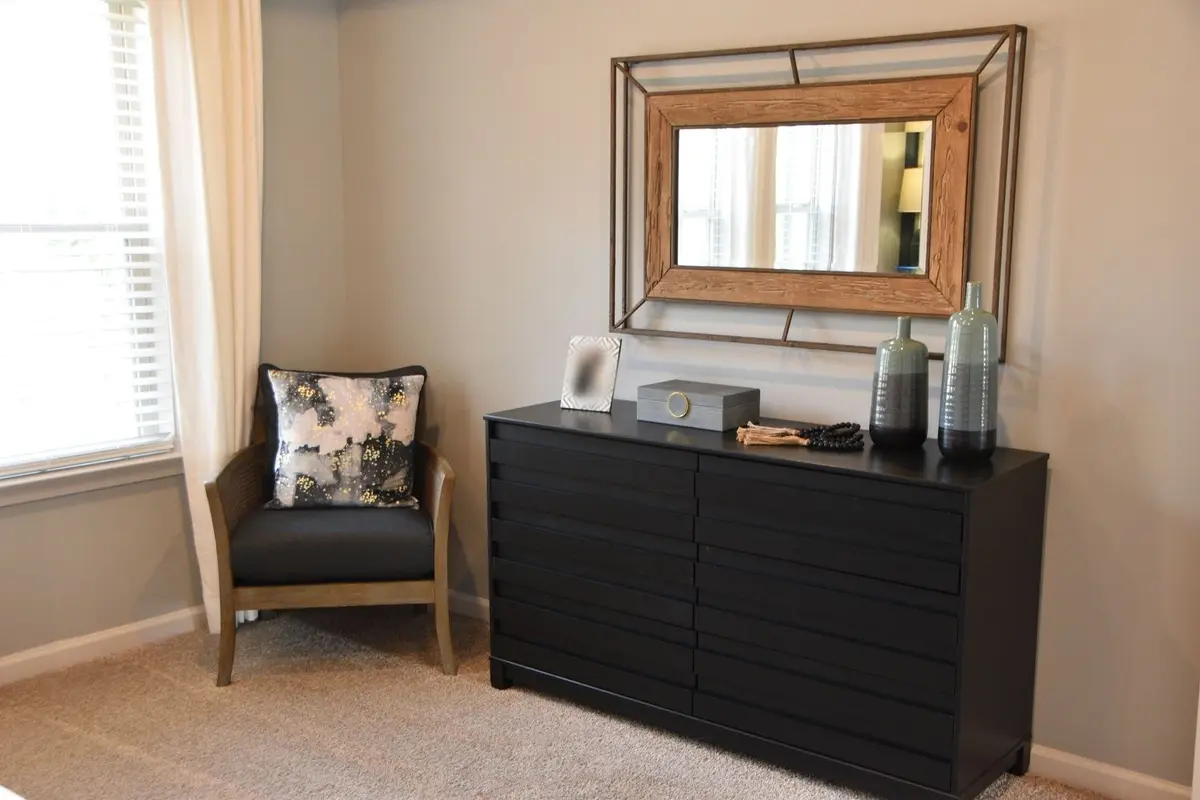
Heavy decor belongs on a low shelf instead of up high. A tall vase or a stack of books on top adds weight where it makes the dresser more likely to tip.
If you have young children, keep the top free of toys, remotes, snacks and anything else they might climb the drawers to reach. Open drawers make an easy ladder for a curious toddler.
Mail, receipts and papers creep onto a dresser because there’s nowhere else for them. Give papers a basket by the front door or a folder on the desk, so the bedroom isn’t where they pile up.
When something new lands on top, ask where it belongs before you walk away. Most things take seconds to put away right then, and much longer to sort later once a pile has formed.
10. Anchor the dresser to the wall
A dresser that isn’t secured can tip forward when drawers are pulled open, especially when they’re full or a child climbs on them. Anchoring it to the wall is the most important safety step on this list.
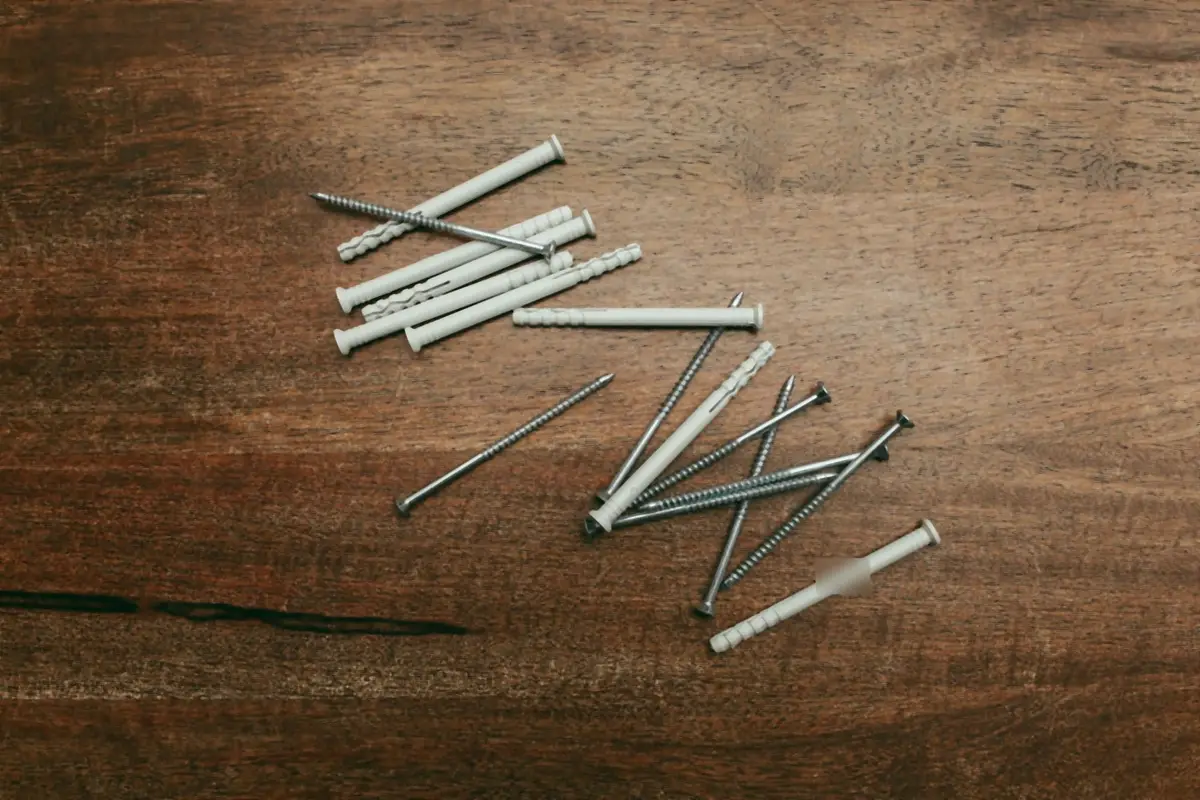
Check the box and the back panel for an anti-tip kit. If there isn’t one, anchoring kits with straps or brackets are sold on their own and work on older furniture too.
Fasten the strap to the back of the dresser and to the wall, into a stud where you can, or with anchors made for your type of wall. Then tug on the strap to make sure it holds.
Store the heaviest clothes in the lowest drawers and keep heavy things off the top. A dresser loaded at the bottom is steadier than one loaded at the top.
Check the strap whenever you move the dresser or rearrange the room, and anchor a TV that sits on top of it as well. Until the anchor is in, keep the top drawers light and the top surface clear of anything a child might reach for.
11. Do a weekly put-away
Drawers fall apart a little every day: a shirt pushed in sideways, socks dropped on top, a pair of jeans left on the chair. A short weekly put-away resets them before it turns into a project.
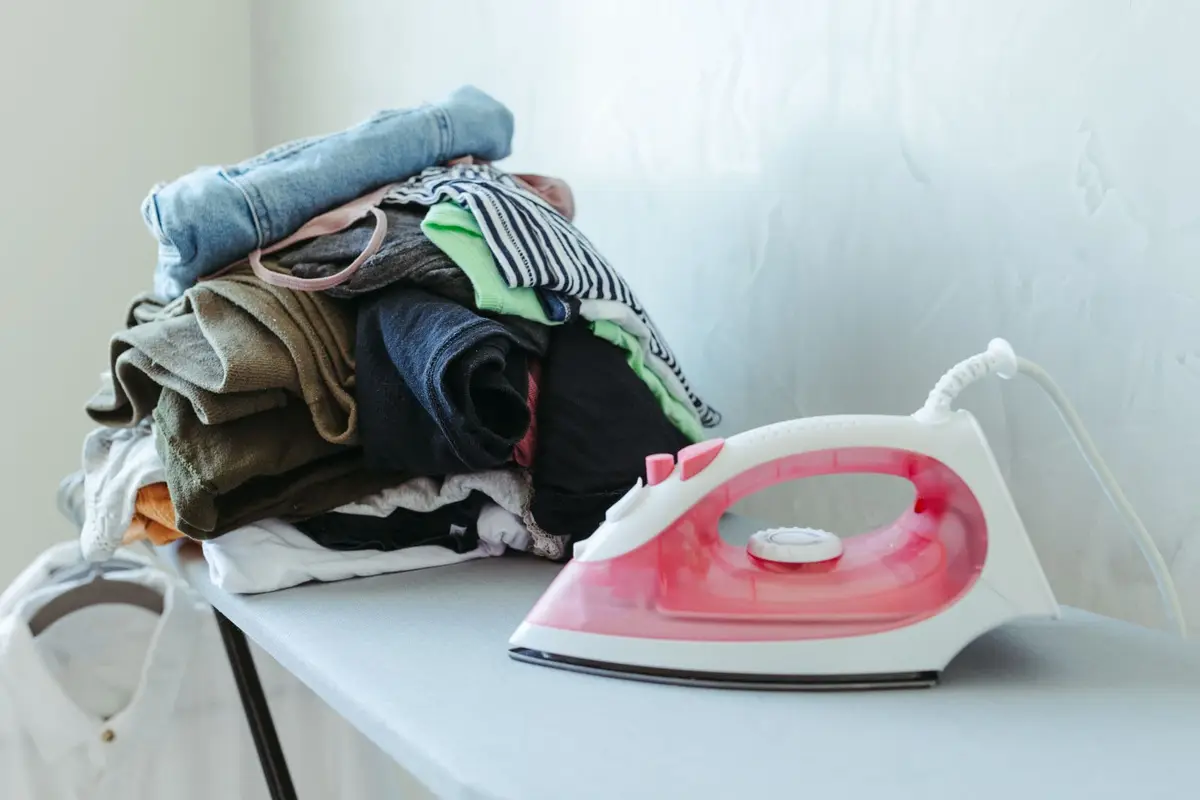
Pick one time each week, like Sunday evening or the day after laundry. Put clean clothes away in their planned drawers, refold anything that flopped over and close every drawer all the way.
Clear the chair, the floor and the top of the dresser while you’re at it. Clothes that are worn but still clean go back in the drawer or on a hook, and everything else goes in the hamper.
Add it to a Sunday reset checklist along with the other small jobs that get the house ready for the week, so it happens without a separate reminder.
Pull out anything that no longer fits as you go, and drop it in the donate bag. A drawer that gets a little lighter each week stays easy to keep tidy, and the big clean-outs get shorter every time.
12. Keep off-season clothes out of the drawers
Swimsuits in winter and wool sweaters in summer take space from the clothes you wear now. Move them to a box under the bed or a closet shelf, and swap them back when the weather turns.
Clothes moths are drawn to fabric with sweat or food stains. Wash or dry-clean everything before it goes into storage, then pack it in airtight bags or containers.
Fold each piece the way you would for the drawer, and label the box or bag with the season, so the swap goes quickly when the weather changes.
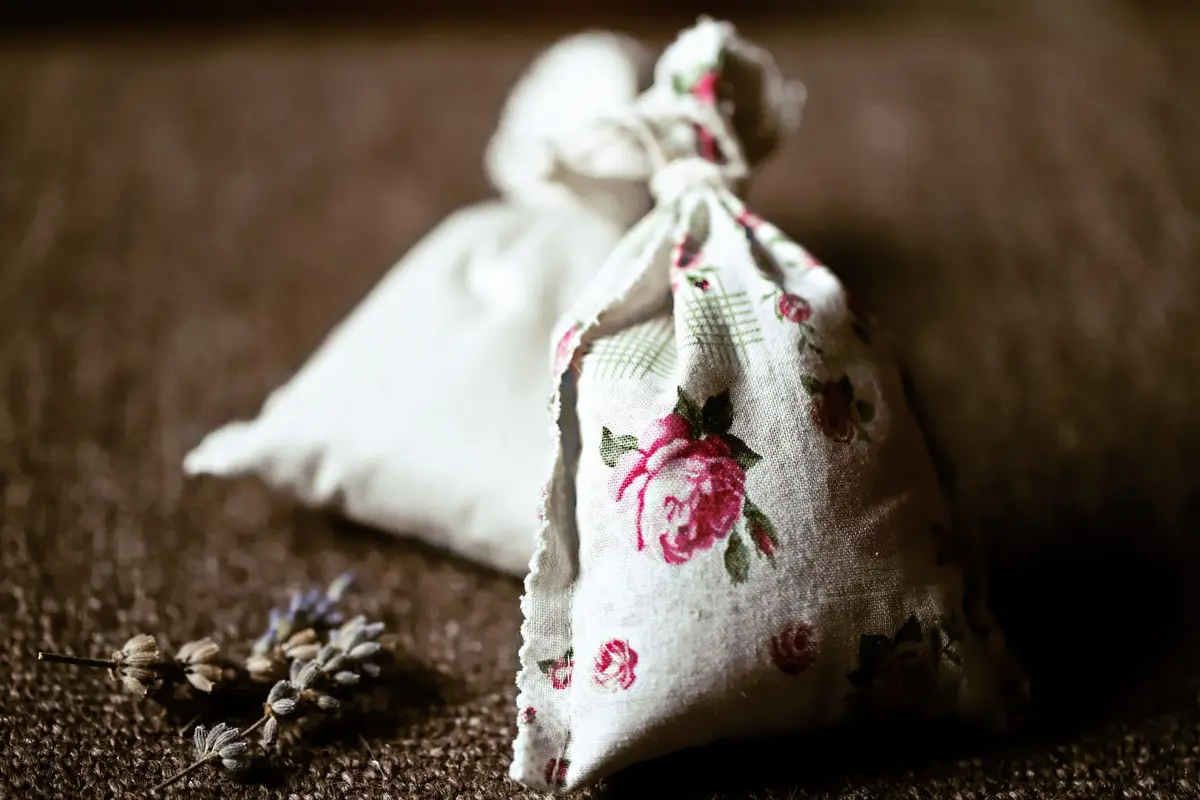
A small scent sachet tucked into a drawer or a storage bin keeps clothes smelling fresh between seasons. It adds a nice smell, but it doesn’t replace washing things first and sealing them well.
Use the swap to check fit and wear one more time before anything goes back in. The small closet organization ideas cover storing off-season pieces on a top shelf or under the bed when the dresser runs out of room.
Save this for later
Pin it to a board so it's there when you're ready to start.
Save to Pinterest(opens in a new tab)Make it easier
Free printable
A room-by-room declutter checklist that tells you exactly what to look for, with four piles to sort into so nothing ends up back on the shelf.
Free tool
Enter the width, depth and height of a shelf, a drawer or a cube cubby, and see which standard bins and baskets fit, how many, and how they line up.
Frequently asked questions
How do I organize a dresser with deep drawers?
Stand folded clothes on edge in rows from front to back, so you see every piece from above instead of digging through a stack. Shallow boxes or dividers keep the rows upright as the drawer empties through the week.
What should go in the top drawer of a dresser?
Small things you reach for every day, like socks, underwear, bras and undershirts, each in its own small box. Keep bulky and heavier clothes in the lower drawers, which also helps the dresser stay steady.
Do I really need to anchor my dresser to the wall?
Yes. A dresser can tip forward when drawers are open or someone climbs on them, and anchoring it to the wall prevents that. Use the anti-tip kit that came with it or a separate strap or bracket kit, then tug on it to make sure it holds.
How often should I clean out my dresser?
Tidy the drawers for a few minutes each week when you put laundry away. Do a bigger clean-out at each change of season, when you swap out-of-season clothes and pull anything that no longer fits.