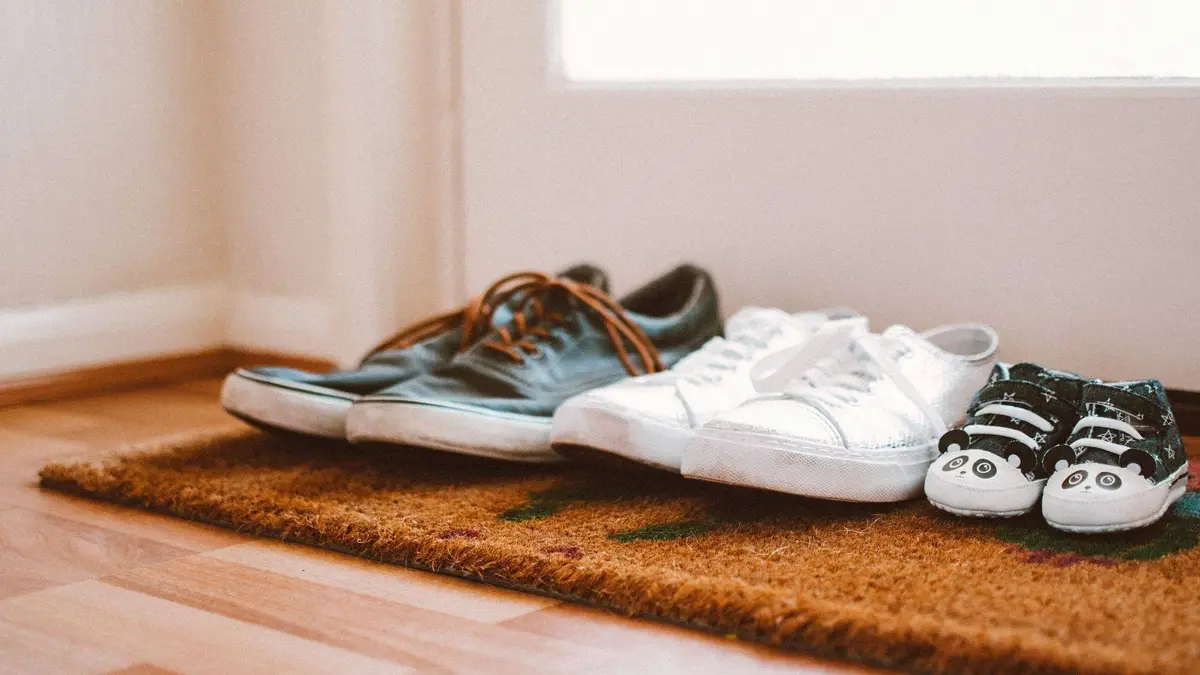
12 Entryway Shoe Storage Ideas That Clear the Doormat
Clear the pile by the front door with a boot tray, a bench with a shoe rack, a slim tilt-out cabinet, wall shelves, a basket for each person and hooks.

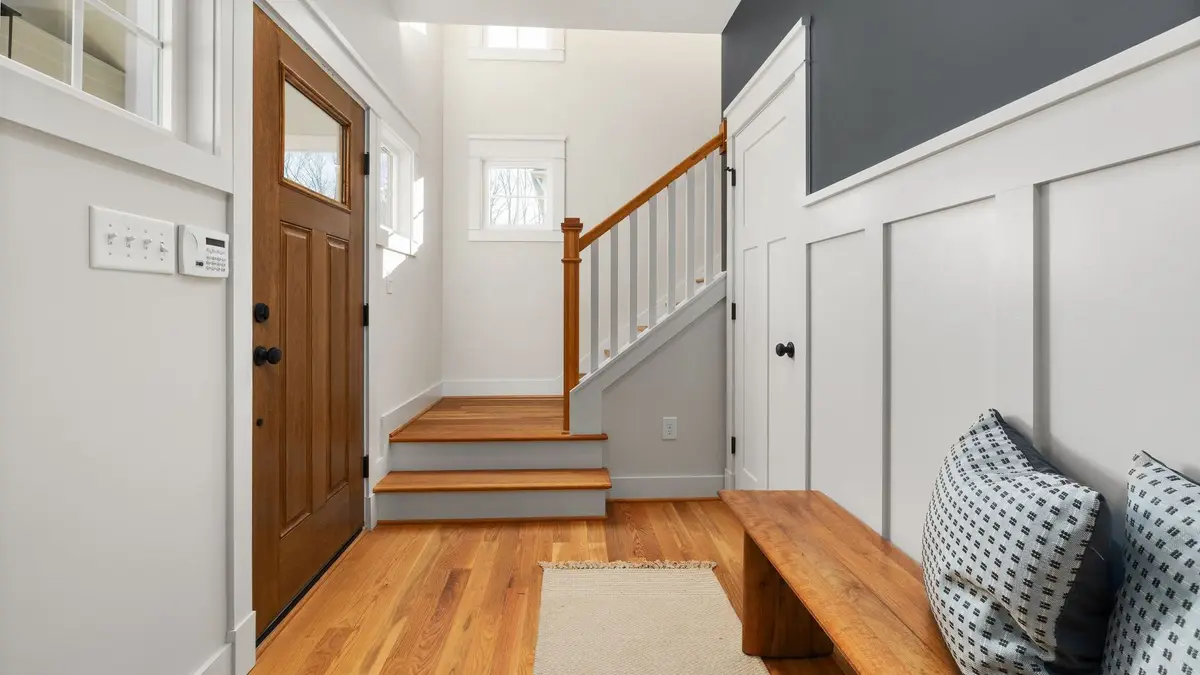
The best entryway shoe storage keeps only the pairs you wear this week by the door, each in a spot you can reach in one step: a tray for wet boots, a bench or a slim cabinet for everyday pairs, and hooks above for coats and bags. Everything else goes back to a closet, and the path through the door stays clear.
These 12 ideas work for a front door that opens into the living room, a narrow hallway or a busy back door. For shoes in closets and bedrooms, our shoe storage ideas cover the rest of the house.
1. Set up a boot tray and a drip zone
Wet boots need a landing spot that isn’t the floor. Put a rimmed boot tray right inside the door, with a sturdy mat in front of it, so everyone steps off the mat and straight onto the tray.
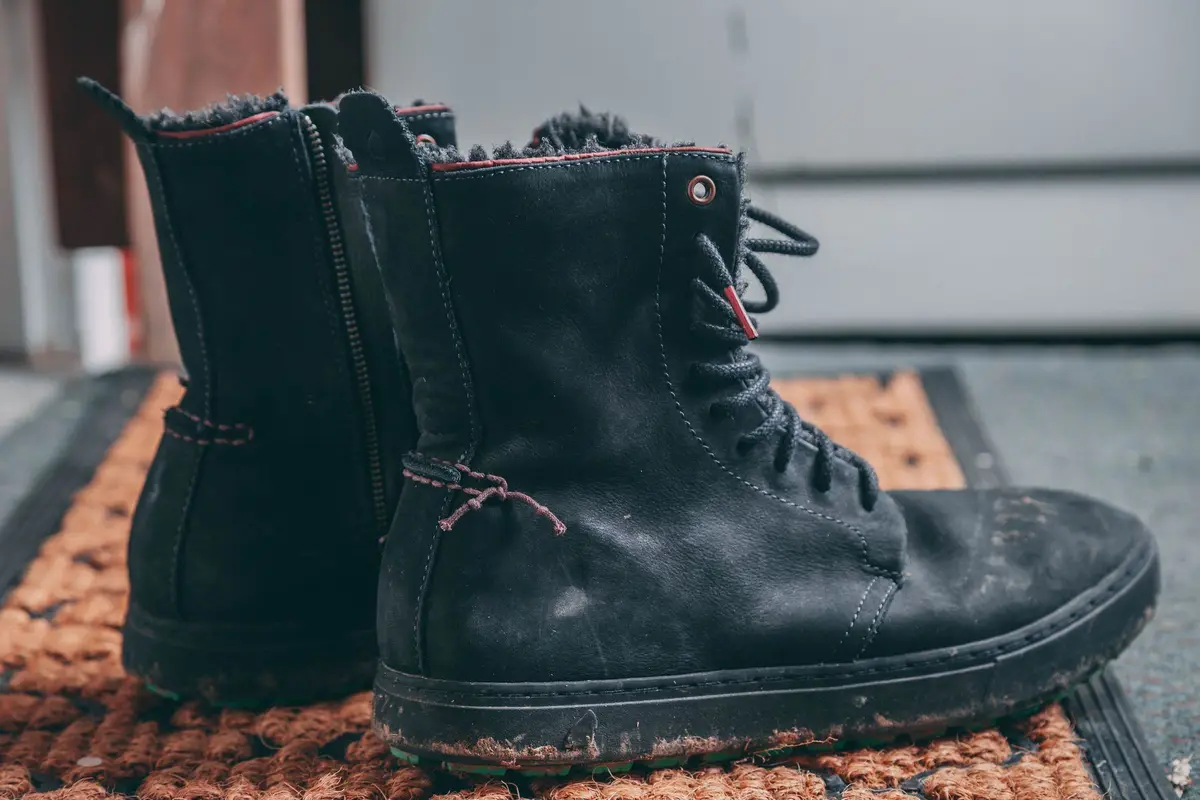
A scraper mat outside the door knocks off mud and grit, and the mat inside catches what’s left. Together they keep the dirt within a few steps of the threshold instead of spread across the house.
Think of the tray, the mat and the floor right around them as the drip zone. Wet umbrellas, snowy boots and soggy sneakers stay there until they dry, and nothing else lives there.
Pick a tray deep enough to hold meltwater, and set it where the door can swing past it. On a wood floor, slide a waterproof mat under the tray so spills never reach the boards.
Empty the tray when it fills, rinse it in the tub or outside, and dry it before it goes back. Add a quick wipe of the drip zone to the weekly cleaning schedule so salt and grit never build up.
2. Pick a bench with an open shoe rack
A bench gives everyone a place to sit while they pull on boots, and an open rack underneath turns the pile into rows. Metal or slatted shelves let air reach damp soles, so pairs dry where they sit.
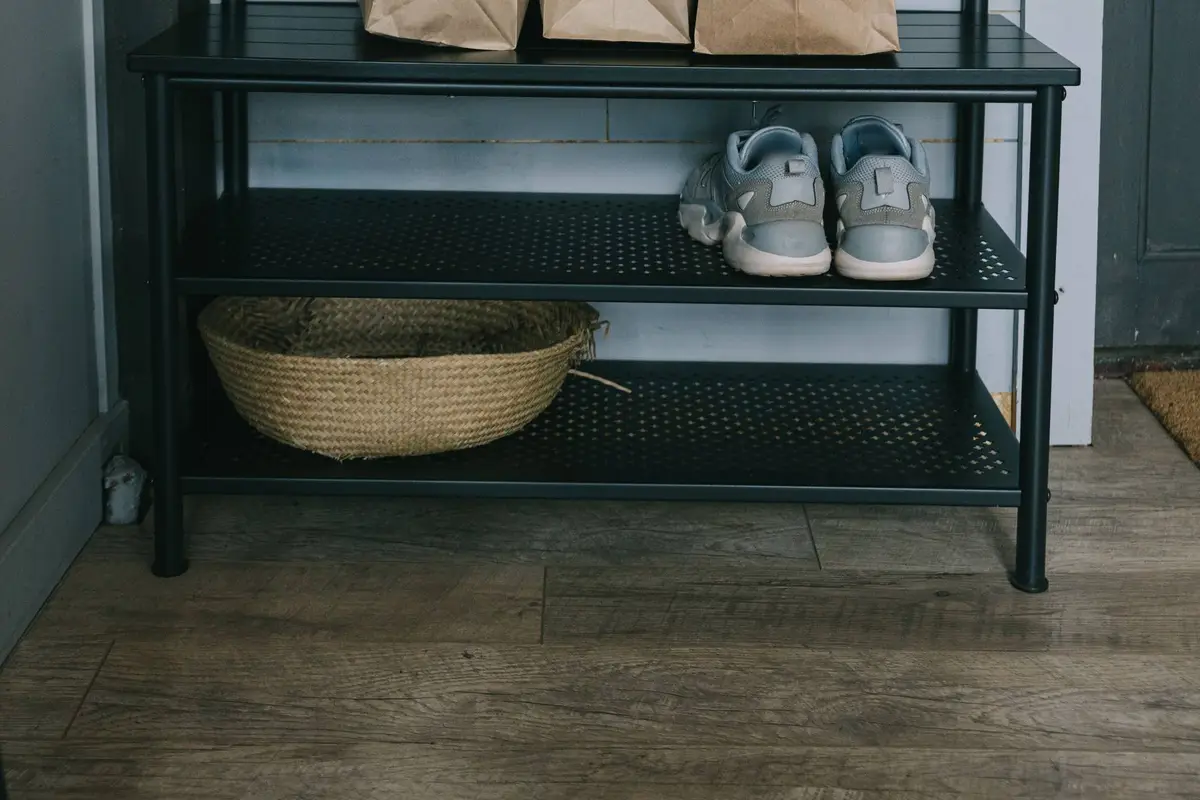
Choose a seat height that suits the people who use it most. A lower seat helps kids put on their own shoes, and a seat close to chair height is easier on knees and backs.
Measure the deepest pair in the house and compare it with the shelf depth before you buy. Shoes that hang off the front catch ankles and get kicked around.
Use the bottom shelf for a low basket of flip-flops, slippers or small kids’ shoes that tip over on open slats. The middle shelf holds the everyday pairs, toes in and heels out.
Keep the seat clear. A bench quickly turns into a landing spot for bags, mail and groceries, and then nobody can sit down. Move those things to hooks or a shelf, and the bench keeps doing its job.
3. Fit a slim tilt-out cabinet in a narrow hall
When the hall is too tight for a bench, go up instead of out. A slim tilt-out cabinet stands close to the wall, and each flip-down front holds a row of shoes on their toes, out of sight.
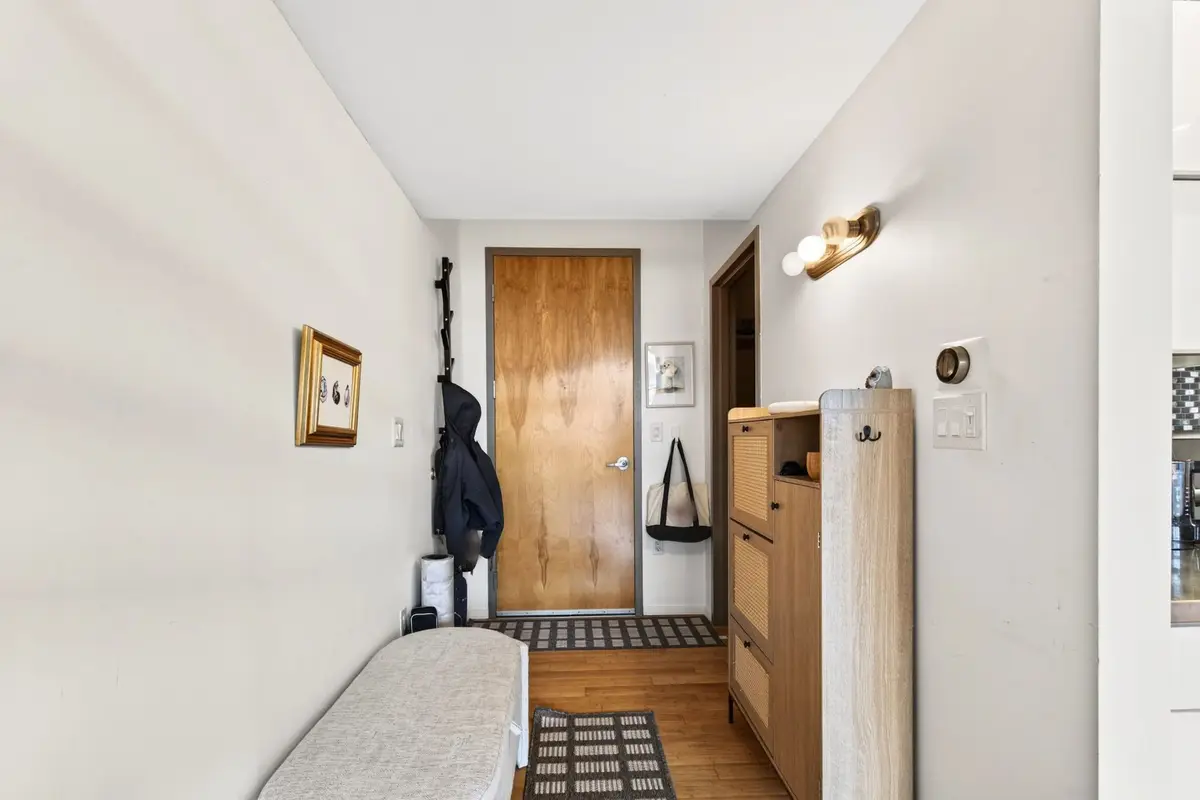
Measure the width of the hall, then take away the depth of the cabinet with a front tipped open. You still need room to walk past with a laundry basket or a stroller.
Keep the path from the door to the rest of the house clear. Shoes, bags and boxes on the floor are easy to trip over, and a narrow hall leaves no room to step around them.
Anchor a tall cabinet to the wall with the strap or bracket that comes with it, or with an anchoring kit. Furniture with drawers and doors can tip over, especially when a child pulls on an open front.
Use the top for keys and a small tray of mail, and add a hook on the side for a bag. Save the tilt-out fronts for flats, sneakers and slip-ons, since bulky boots belong on the tray.
4. Set a shoe limit for each person
The fastest way to tame the entry is to keep fewer shoes there. Give each person a limit, like two pairs at the door: the pair they wear every day and one for the weather.
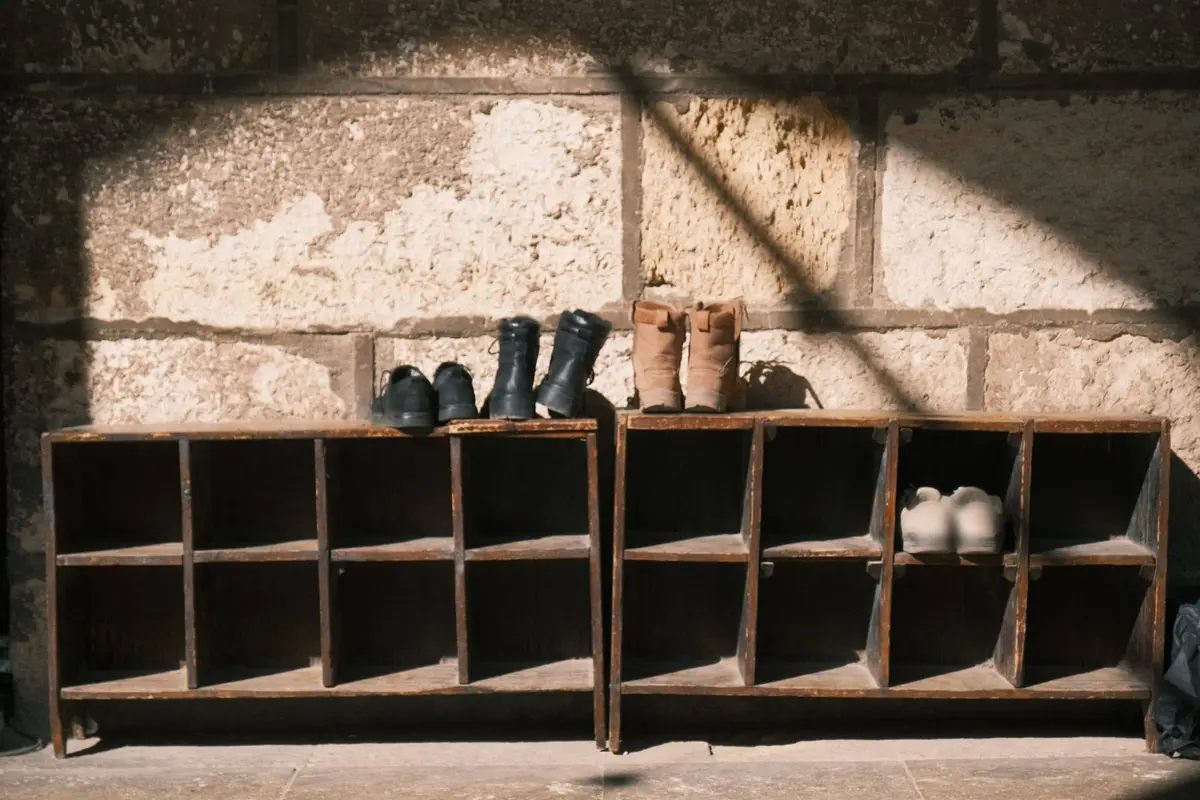
Everything over the limit goes back to its closet or bedroom at the end of the day. The rule is easy for kids to follow, because they can count their own pairs.
Size your storage to the limit, not to the pile. Multiply the pairs per person by the number of people at home, and that’s how many spots the entry needs.
If the pile keeps growing, sort it once. Pull out pairs that don’t fit, hurt or never get worn, and work through the rest of the house with the declutter checklist while you’re at it.
Adjust the limit with the seasons and the schedule. A child in soccer season may need cleats by the door for a few months, and that’s fine as long as something else goes back to the bedroom.
5. Mount shoe shelves on the wall
Wall shelves lift shoes off the floor, so the entry is easy to sweep and nobody trips over a stray sneaker. Narrow ledges or rails hold a single row of pairs at a height you can reach without bending.
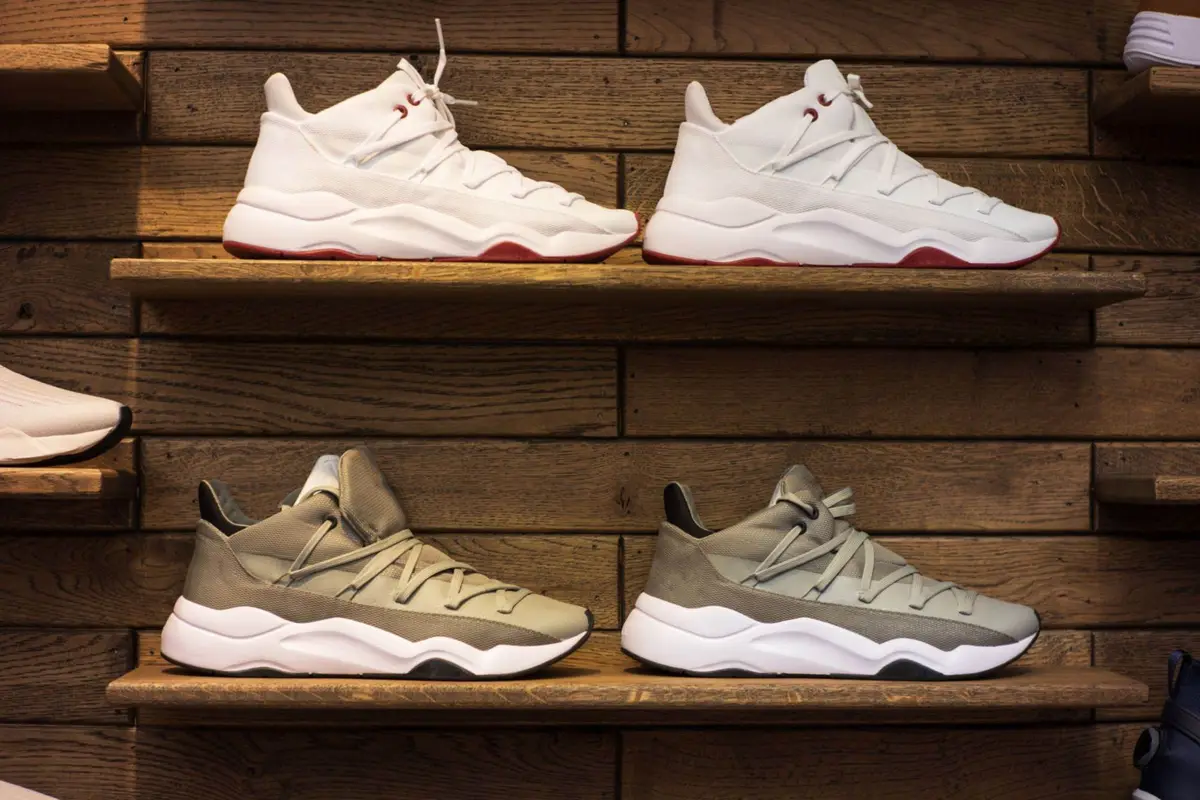
Choose shallow shelves, only as deep as a shoe is long, so they don’t stick out into the walkway. A lip on the front keeps pairs from sliding off when someone grabs the pair next to them.
Screw the brackets into studs or use anchors rated for the load. A row of shoes is lighter than a row of books, but people tend to lean on anything near the door.
Hang the lowest shelf high enough to clear the baseboard and leave room for a boot tray underneath. Give kids the lower shelves and grown-ups the higher ones, so everyone can put their own shoes away.
Wall shelves suit sneakers, flats and loafers. Keep wet or muddy pairs on the tray until they’re dry, so dirt doesn’t drip onto the shoes below.
6. Choose a closed cabinet for a calm look
If you like a clean entry, put the shoes behind doors. A closed cabinet hides mismatched pairs and bright sneakers, and the hall looks tidy even when the shelves inside aren’t.
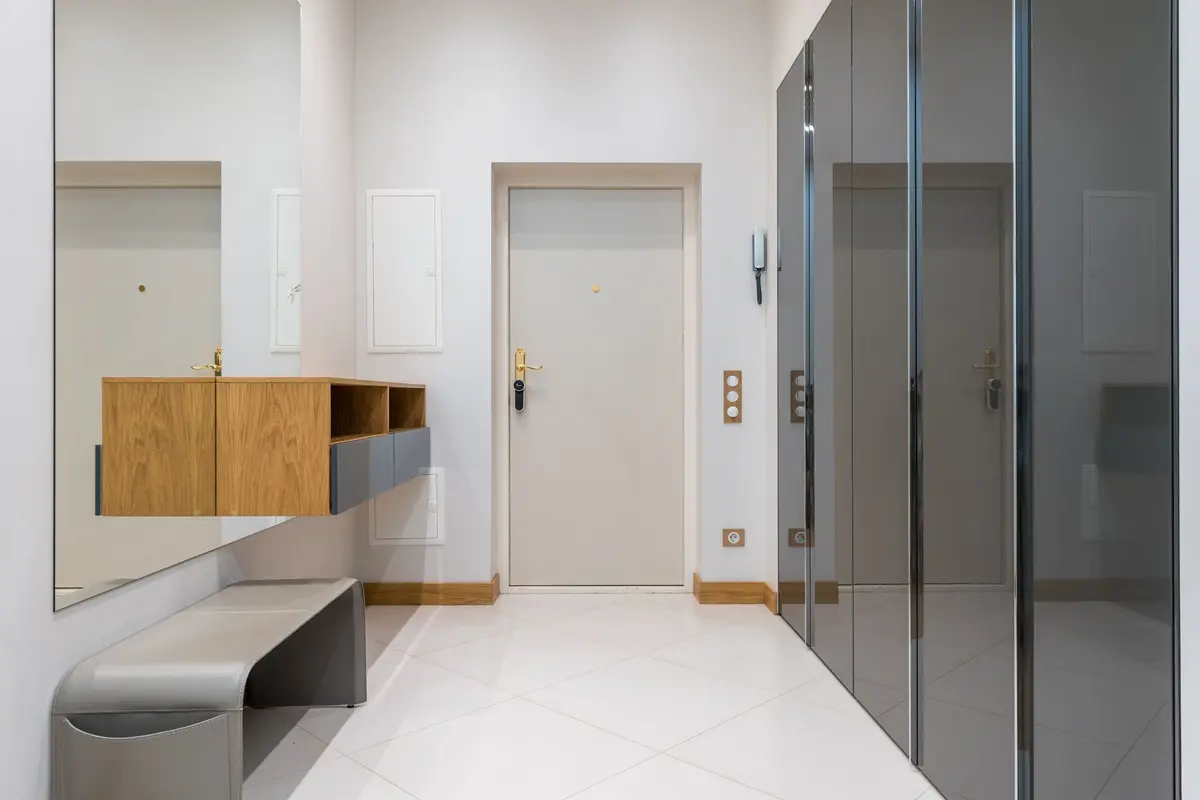
Mirrored or light-colored doors make a narrow entry feel wider. A full-length mirror on the front also gives everyone a last look before they head out.
Shoes need air, so leave a little space between pairs and open the doors now and then. Only put shoes inside once they’re dry, and let damp ones sit on the tray first.
Adjustable shelves let you fit tall boots on one level and flats on another. Space them to match what you actually store, and you may gain a whole extra row.
A tall cabinet needs to be anchored to the wall, like any furniture with doors and shelves. Fasten the strap, then tug on it to be sure it holds before you load the shelves.
A low bench or a stool beside the cabinet gives everyone a place to sit while they put shoes on, so nobody balances on one foot by an open door.
7. Give each person a basket
A basket per person makes cleanup simple: shoes off, shoes in your basket. It works on a cube shelf, under a bench or on the floor of a coat closet, and it hides the mix of sizes and colors.
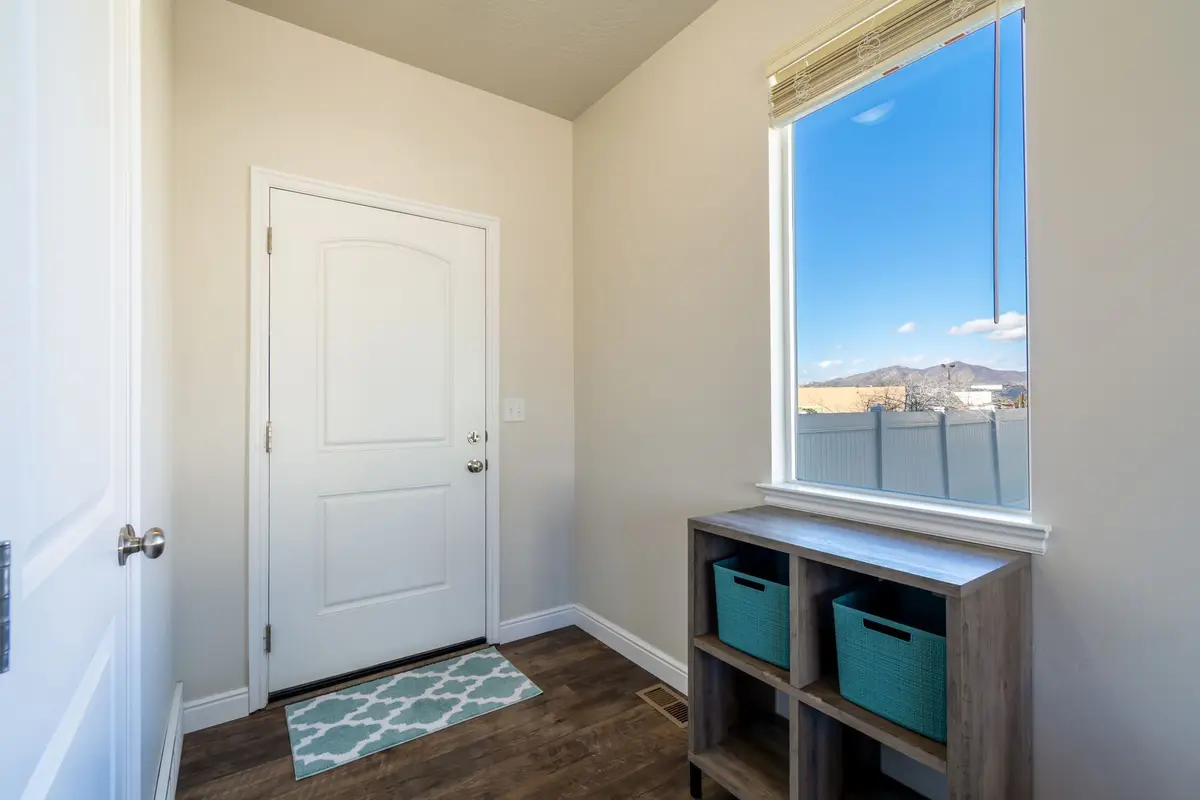
Pick baskets with handles or cutouts so kids can pull them out on their own. Open-weave or plastic baskets let damp shoes air out better than solid fabric bins.
Measure the cube or shelf before you shop. The bin and basket size calculator shows which standard sizes fit the opening and how many sit side by side.
Label each basket with a name, a color or a picture for kids who can’t read yet. Add “put your shoes in your basket” to the kids chore chart so it becomes part of coming home.
Baskets also hold the small things that wander off near the door: socks, hats, gloves and spare laces. Empty each one now and then, since sand and crumbs collect at the bottom.
8. Build a locker-style nook
A mudroom locker gives every person one section with everything in it: a hook for a coat, a spot for shoes and a seat. You can get the same idea in a small entry with a bench and a wall panel.
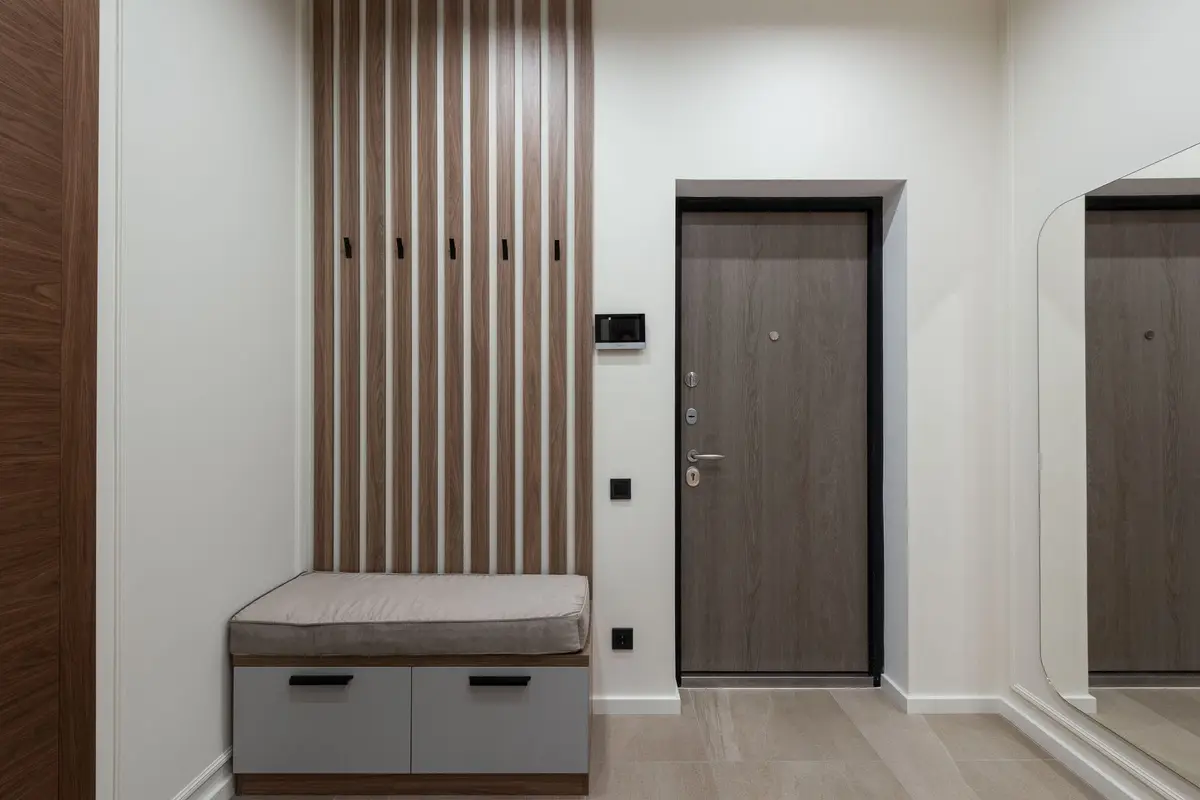
Start with a bench that has drawers or cubbies under the seat. Each person gets one drawer for their everyday shoes, and the fronts keep the look tidy.
Add a row of hooks above it, one or two per person, at heights they can reach. A board or a panel behind the hooks protects the wall from wet coats and backpack buckles.
If you’d like to build one, a sturdy bench, a painted board with hooks and a shelf on top cover the basics. Leave a gap between sections so coats don’t pile onto each other.
Keep each section for daily things only. Sports gear, spare jackets and the second pair of rain boots go to a closet, so the nook stays useful instead of crowded.
9. Hang hooks right above the shoes
Hooks above the shoe spot turn the entry into one drop zone. Coats, bags, umbrellas and leashes go up, shoes go down, and the floor stays clear in between.
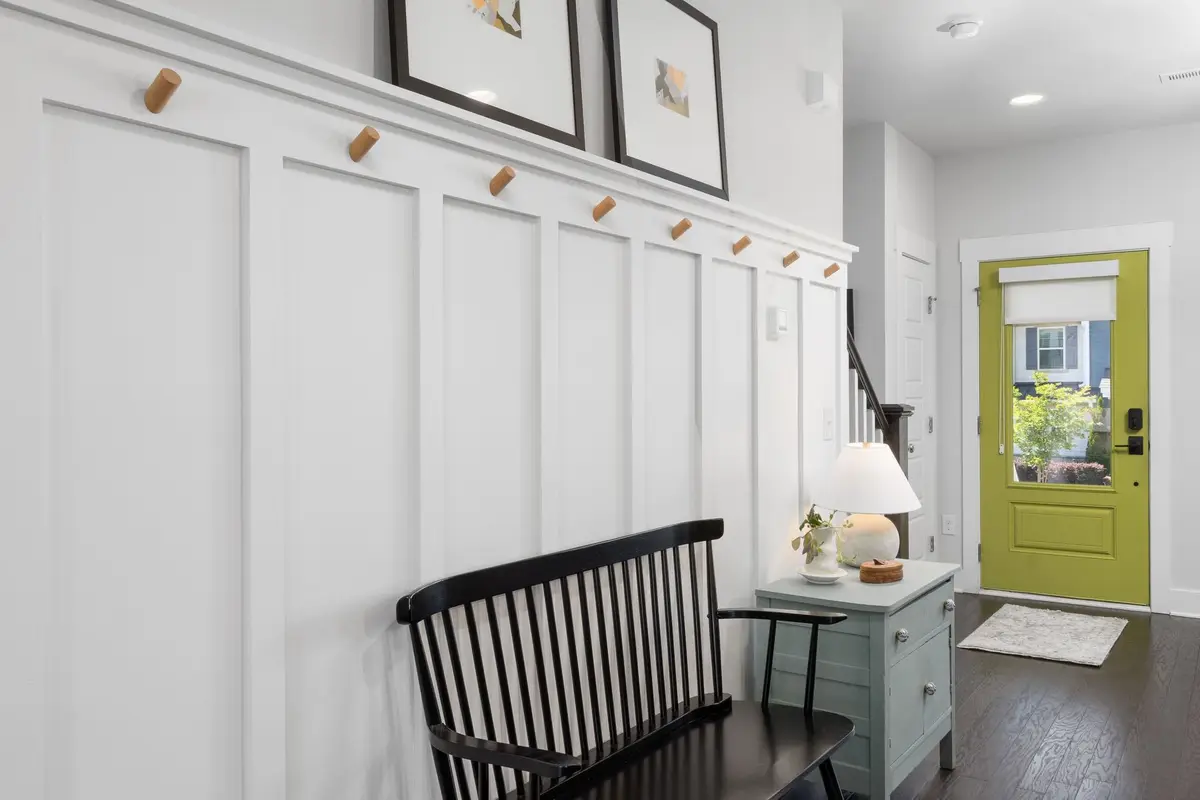
Hang them where people actually stop, usually right next to the door or above the bench. A hook that’s a few steps away tends to go unused, and the coat ends up on the bench.
A peg rail or a row of sturdy hooks works on almost any wall. Screw it into studs, since a loaded backpack and a wet winter coat pull harder than they look.
Set a lower row of hooks for kids, so they can hang their own things. Keep long coats away from the boot tray, or the hems will drip onto the shoes below.
Give each person one or two hooks and stick to it. When every hook is full, it’s a sign something can go back to a bedroom or a closet.
10. Rotate shoes with the seasons
Winter boots don’t need to sit by the door in July, and sandals don’t need a spot in January. Keep only the pairs that suit the weather right now, and store the rest somewhere else.
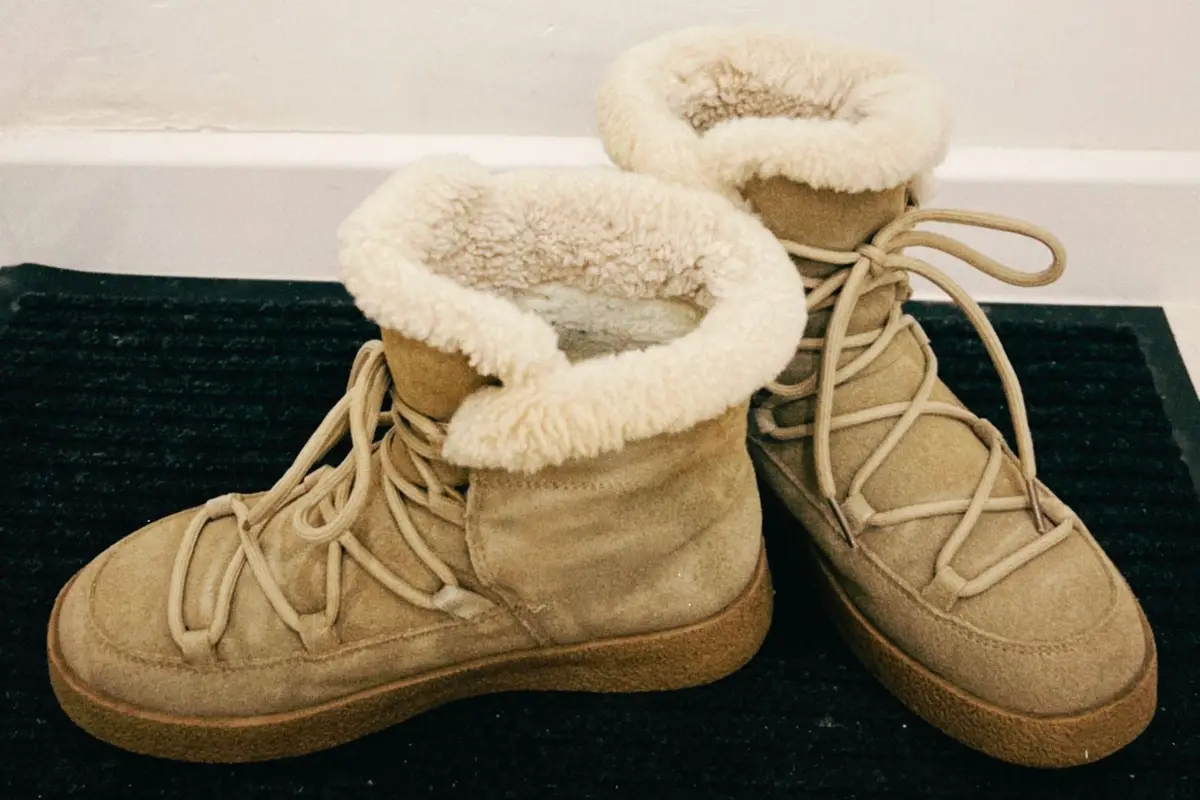
Swap them when the weather turns. Clean each pair, let it dry completely, then move it to a closet shelf, a bin under the bed or a box in the basement.
In cold months, the entry may need room for bulky boots, so the sneakers move to a closet. In warm months, sandals and flip-flops fit in the space the boots left behind.
Make the swap part of a seasonal reset, when you also wipe down the shelves, wash the mats and check what’s outgrown. It’s a good moment to pass along shoes the kids no longer fit.
Keep one rain-ready pair by the door all year. Rain and mud don’t follow the calendar, and a pair that’s ready saves a hunt through the closet on a wet morning.
11. Lay a rug that hides dirt
The rug by the door takes more traffic than any other spot in the house. A patterned, textured or natural-fiber rug hides tracked-in dirt between cleanings much better than a pale, solid one.
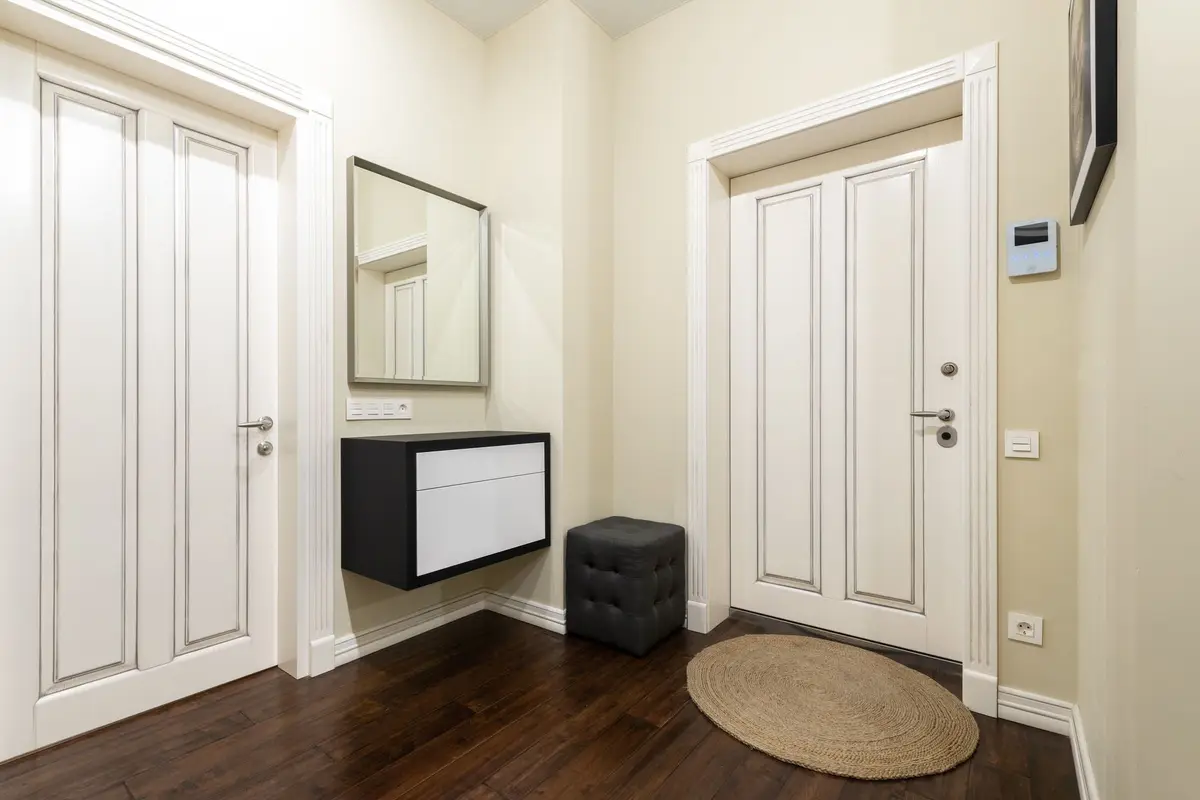
Pick a low pile that the door can swing over and that dries quickly. Thick, fluffy rugs trap grit, stay damp and catch the bottom edge of the door.
Make sure the rug can’t slide. Use a rug with a non-slip backing or hold it down with double-sided rug tape, especially on wood or tile floors.
A washable rug makes the job easier. Shake it outside, vacuum both sides or put it in the wash, depending on what the care label allows. Doing it on the same day each week keeps it from getting ahead of you.
Keep the rug next to the drip zone and the boots on the tray, not on the rug. Wet shoes left on a rug soak it through, and a damp rug starts to smell long before it looks dirty.
12. Make a spot for guests’ shoes
Guests often don’t know where their shoes go, so they end up in a heap by the door. Clear a small spot for them, like an empty shelf, a corner of the mat or a basket set aside for visitors.
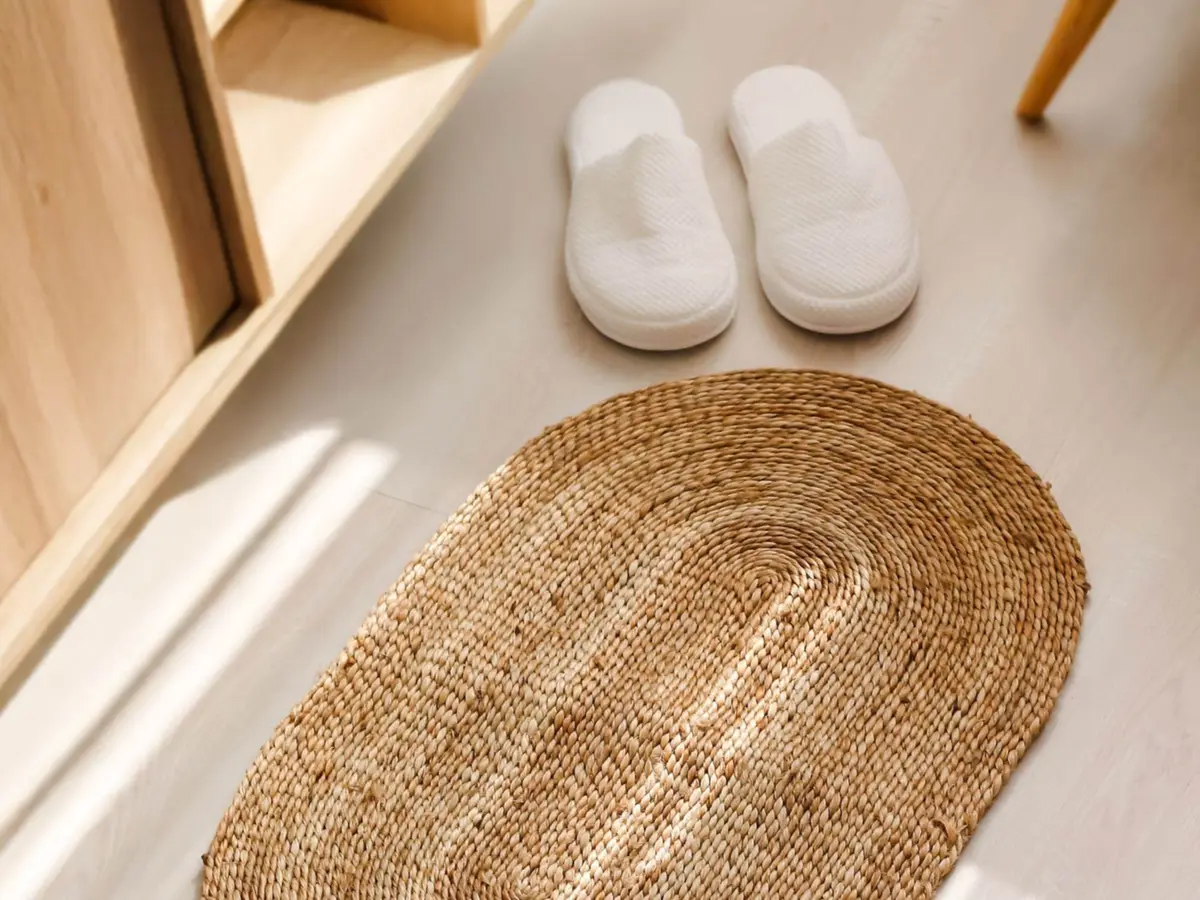
Keep it close to the door and easy to see. If shoes come off in your home, a clear spot tells guests without anyone having to say a word.
A small basket of clean slippers or fresh socks is a kind touch in cold weather, when floors feel chilly. Wash them after each visit so they’re ready for the next one.
Keep the guest spot empty the rest of the time. Once it fills with the family’s shoes, there’s nowhere for visitors to go, and the pile starts again.
For bigger gatherings, set out an extra tray or mat by the door, and add a chair or a stool so guests can sit to take off boots. Put it all away when everyone has gone home.
Save this for later
Pin it to a board so it's there when you're ready to start.
Save to Pinterest(opens in a new tab)Make it easier
Free printable
A room-by-room declutter checklist that tells you exactly what to look for, with four piles to sort into so nothing ends up back on the shelf.
Free tool
Enter the width, depth and height of a shelf, a drawer or a cube cubby, and see which standard bins and baskets fit, how many, and how they line up.
Frequently asked questions
What's the best shoe storage for a narrow hallway?
A slim tilt-out cabinet or a shallow wall shelf, since both hold a row of pairs without sticking far into the walkway. Anchor any tall cabinet to the wall, and leave enough room to walk past with your arms full.
How do I keep wet boots from ruining my floors?
Set a rimmed boot tray on a waterproof mat just inside the door, with a scraper mat outside. Boots stay on the tray until they're dry, and the tray gets emptied and rinsed whenever water collects.
How do I stop my entryway from smelling like shoes?
Let shoes air out on an open rack or a tray before they go into a closed cabinet, and pull out damp insoles so they dry. Wash the mats and baskets now and then, since that's where grit and moisture collect.
Where should guests put their shoes?
Keep a spot near the door just for them: an empty shelf, a corner of the mat or a basket. For a bigger gathering, set out an extra tray and a chair so guests can sit down to take off their boots.