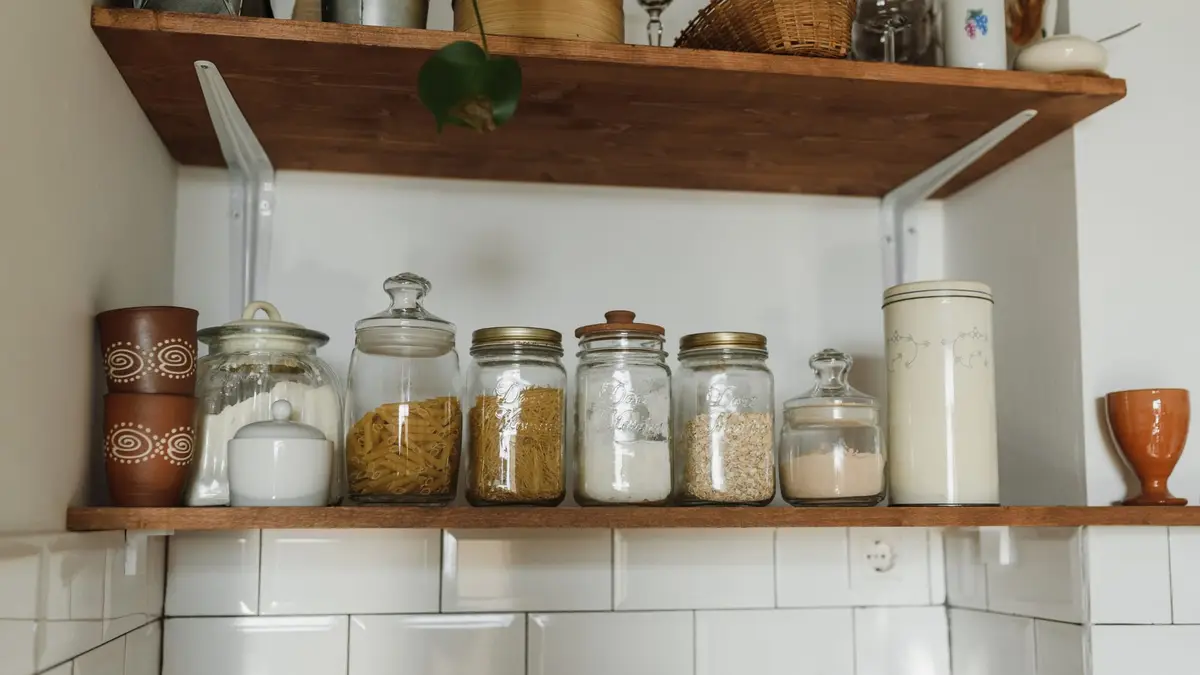
13 Organization Ideas for the Home, From Mail Piles to Tangled Chargers
Whole-house ideas that make your home easier to keep: a drop zone, one spot for mail, a basket per person, labeled bins, kitchen zones and a weekly reset.


The best organization ideas for the home give every everyday thing one spot near where you use it, then add a few habits that keep the house from filling back up. Start where clutter lands first: the front door, the kitchen counter and the spots where mail, toys and chargers pile up.
These 13 ideas work room by room and habit by habit, in a house or an apartment. Begin with the first two, since everything after them is easier once there’s less to put away.
1. Keep a donate bin open all the time
Set a box or a bag in a closet or the laundry room and leave it there for good. When you try on a shirt that doesn’t fit or find a toy nobody plays with, it goes straight in, not back on the shelf.
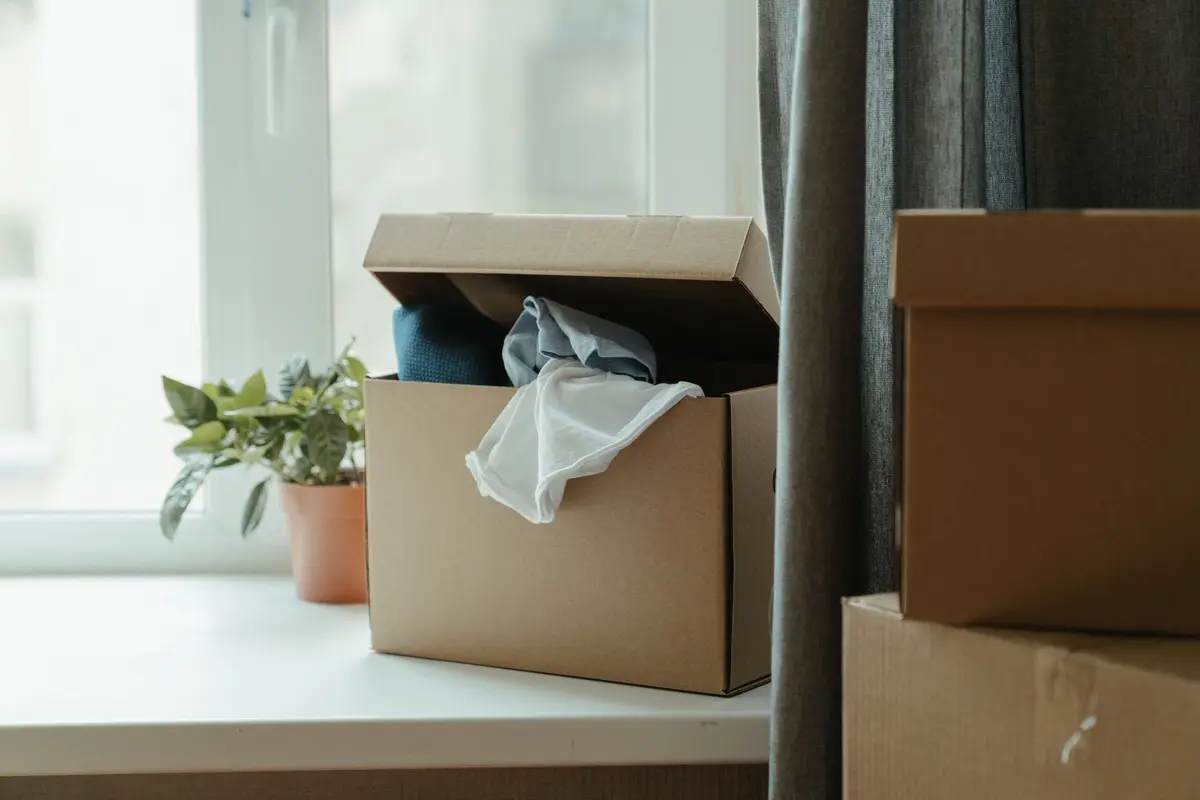
A bin that’s always open turns decluttering into a few seconds here and there instead of a whole weekend. Much of what clutters a house is stuff you’ve already decided you don’t need but haven’t moved out yet.
Pick a container big enough to hold a week or two of castoffs, with no lid to lift. A sturdy paper shopping bag works fine to start.
When it’s full, close it up and put it straight in the car, so it leaves on your next errand. Decide on the drop-off spot before the bin fills, so a full bag never sits by the door for weeks.
For a bigger push, the declutter checklist walks through every room with a list of what to let go of. Work through one room at a time and feed the donate bin as you go.
2. Follow one in, one out
When something new comes home, something of the same kind leaves. A new pair of shoes means an old pair goes in the donate bin, and a new mug means one from the back of the cabinet goes too.
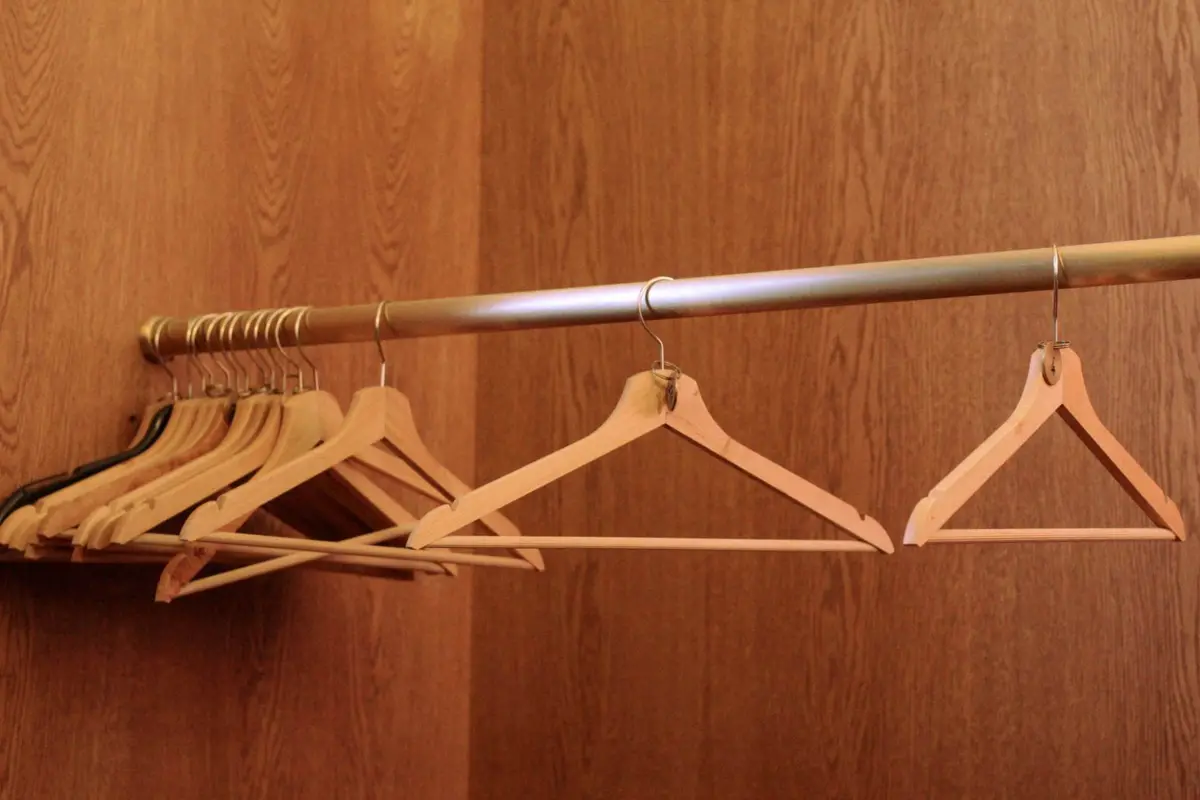
This keeps every closet, drawer and shelf at the size it is now, so the systems you set up don’t overflow in a few months. It also makes you pause before buying, since you’ll have to choose what goes.
Hangers make the rule easy to see. Keep the number of hangers in each closet the same, and when there’s no empty hanger left, something comes out before the new piece goes in.
Use it for the things that creep the most in your house: kids’ clothes, mugs and water bottles, books, shoes, bags and toys. Leave out things you use up, like food and paper towels.
Kids can follow the rule too. When a birthday brings new toys, let them pick which old ones go to a friend or into the donate bin, so the toy shelves still fit everything.
3. Build a drop zone by the door
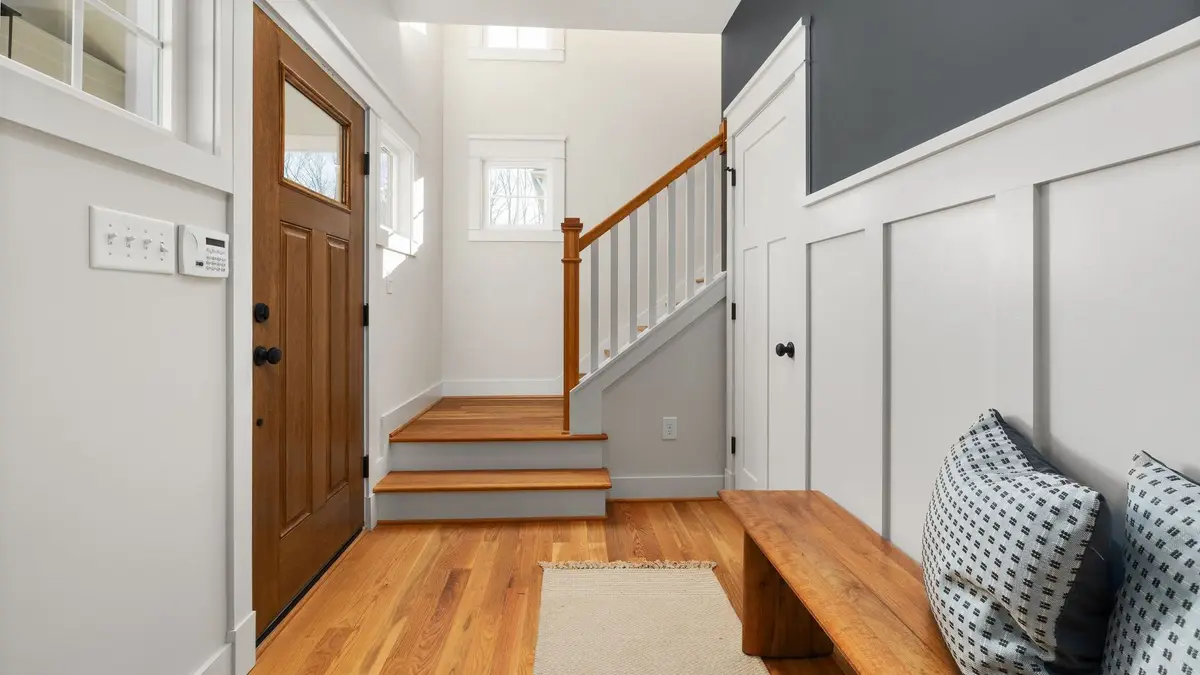
Whatever comes in the front door needs a place to land: coats, bags, shoes, keys and the dog’s leash. Without one, it all ends up on the nearest chair or counter.
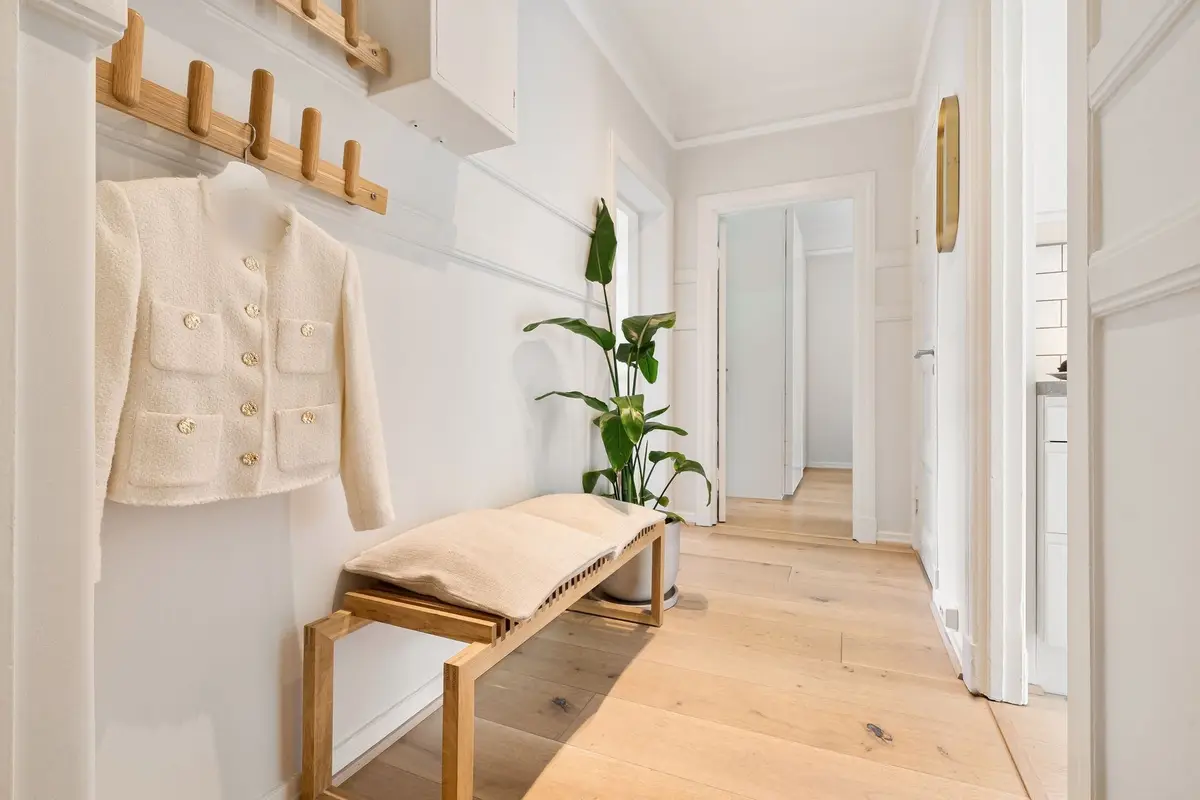
A drop zone can be small. A row of hooks at adult height, a second row lower down for kids, a bench or a boot tray for shoes, and a small bowl for keys cover most homes.
Give each person their own hook, so coats and backpacks don’t pile up on one. A hook for each bag that goes out every day makes the morning rush a grab and go.
Keep only what’s in use by the door. Off-season coats, extra shoes and sports gear move to a closet or a bin, so the hooks hold today’s things and nothing else.
No entryway? Use the wall closest to the door, the back of a closet door or the end of a hallway. Hooks that hang over a door need no drilling, which suits a rental, and a slim shoe rack fits where a bench won’t.
4. Give mail one landing spot
Paper spreads fast when it has no home. Pick one spot near the door for mail, like a tray, a wall pocket or a shallow basket on a console, and drop every piece there as it comes in.
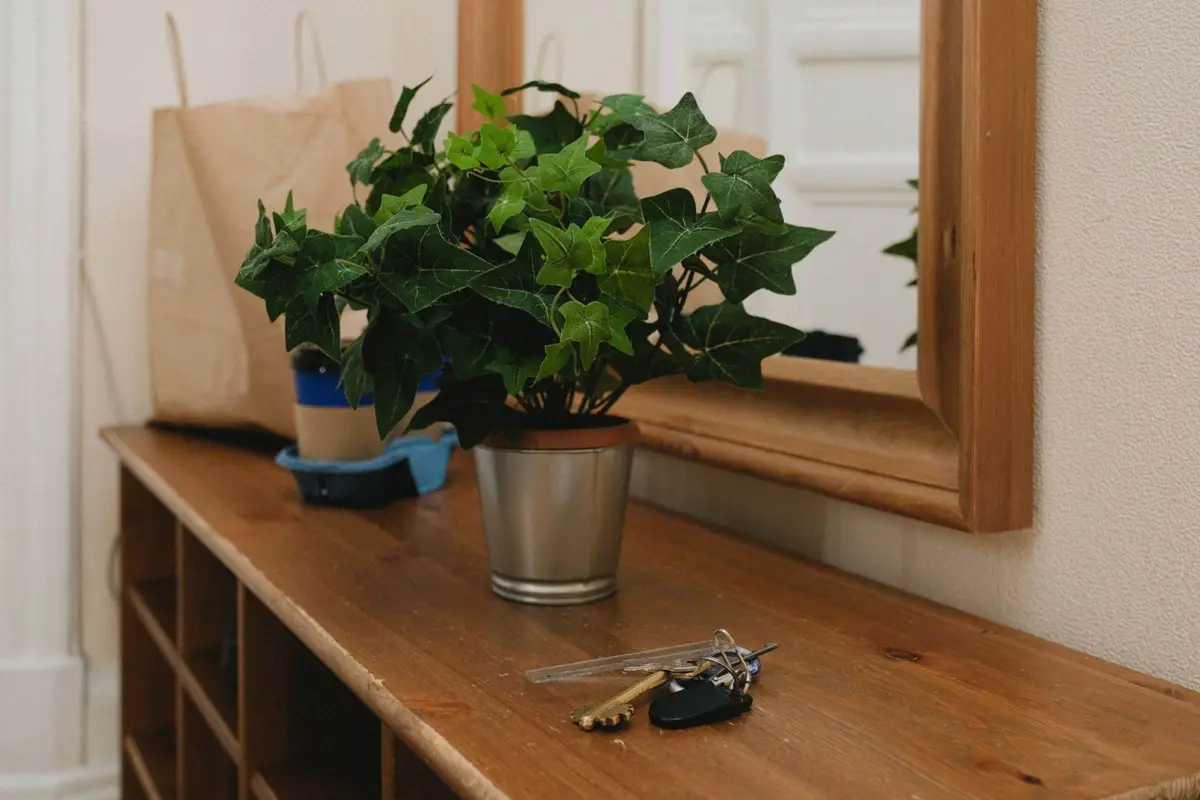
Sort it standing up, ideally beside the recycling bin. Ads, catalogs and empty envelopes go straight to recycling, so only the pieces that need something from you reach the tray.
Anything with account numbers or other personal details gets torn up or shredded before it goes out with the paper recycling. A small shredder or a pair of shredding scissors can live right next to the tray.
Give the tray a weekly appointment. Pay what needs paying, file what you need to keep, recycle the rest and empty it, so it never grows into a stack.
Keep a pen, a book of stamps and a few envelopes beside it, so nothing waits on a supply run. A slim folder for papers worth keeping, like warranties and records, saves a trip to the filing box every time.
5. Give everyone a basket
A basket for each person catches the things that wander around the house: a sweater on the couch, a library book, a hair tie, a toy car. Set the baskets in one spot, like the bottom of the stairs or a shelf in the living room.
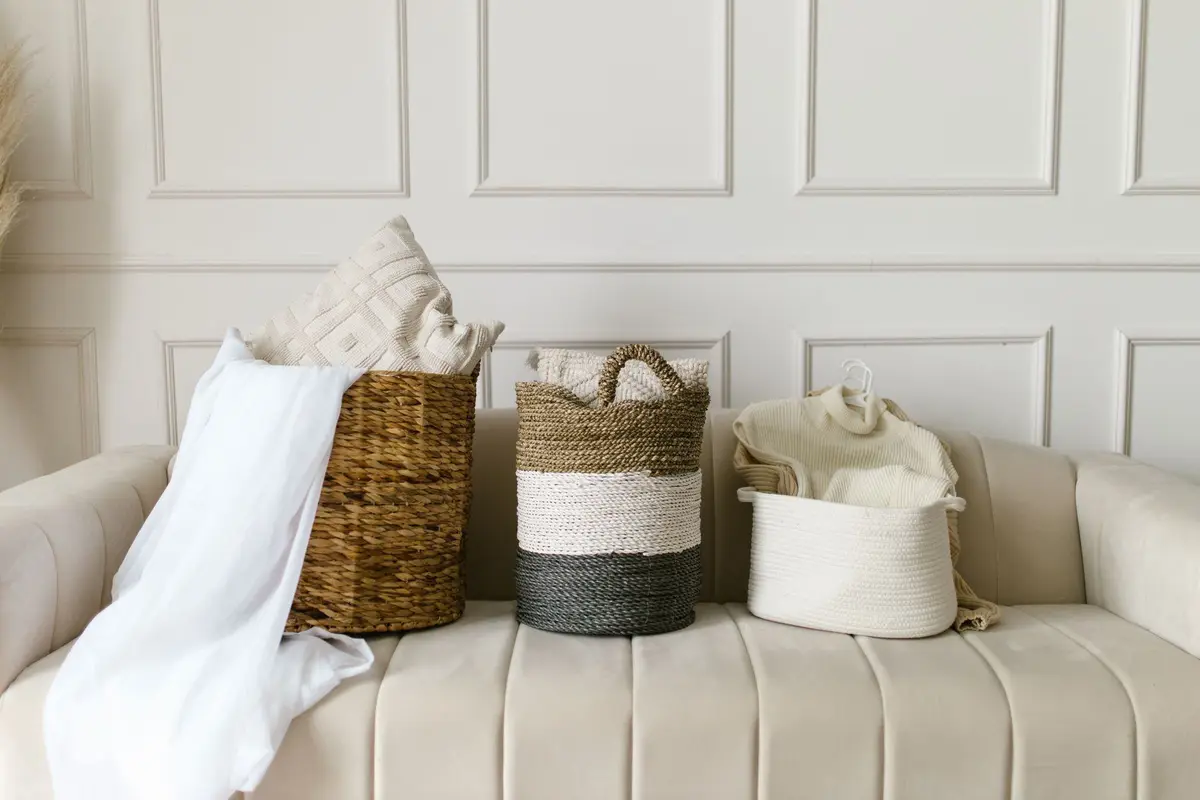
During the day, anything found out of place goes into its owner’s basket. Each evening, everyone empties their own basket and puts the things back where they live.
This takes the job of picking up after everyone off one person. It also means nobody searches the whole house for a missing shoe: it’s in their basket.
Use a different color or weave for each person, or tie on a tag with their initial, so even little kids know which basket is theirs. A small picture works for kids who can’t read yet.
Keep the baskets small enough that they fill up fast. A full basket is a nudge to empty it, while a big one slowly turns into a second junk drawer that nobody wants to sort.
6. Label bins, boxes and shelves
A label tells everyone in the house where something lives and where it goes back. Without one, the bin of batteries slowly becomes a bin of everything.
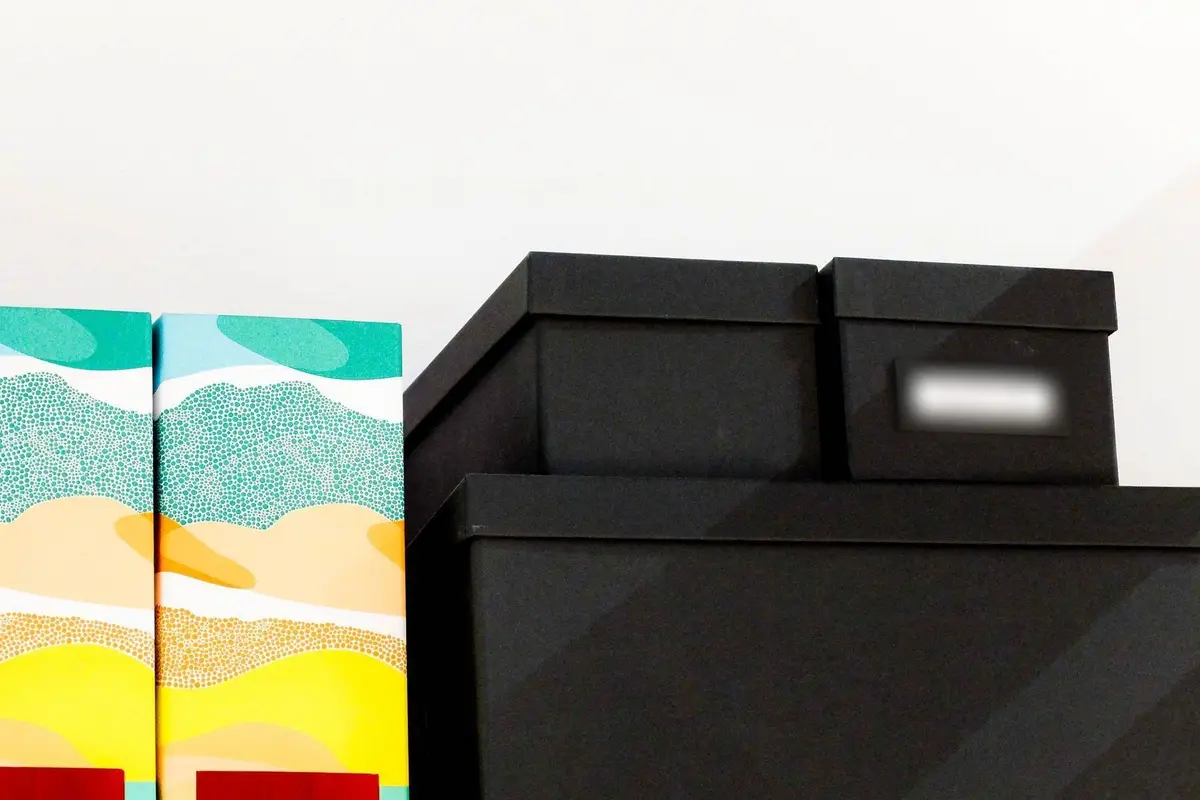
Label the side of the bin you see when it’s on the shelf. Write the category, not the contents: “Batteries and bulbs” lasts longer than a list of what’s in there today.
For kids who can’t read yet, a simple drawing or a photo of what goes inside works just as well. Put their labels at their eye level, too.
Measure the shelf before you buy bins, so they fit side by side with no wasted gaps. The bin size calculator shows which sizes fit a shelf and how many line up across it.
Pick one style of bin for each area and buy the same one again when you need more. Matching bins stack neatly and line up without gaps, so a shelf holds more and looks calmer.
Labels you can peel off, or a holder that takes a slip of paper, make a change take seconds when what’s inside a bin changes.
7. Set up kitchen zones
Group kitchen things by what you do with them, then store each group near where that job happens. Pots and pans go by the stove, cups and glasses near the sink or the fridge, and knives and cutting boards near the counter where you prep.
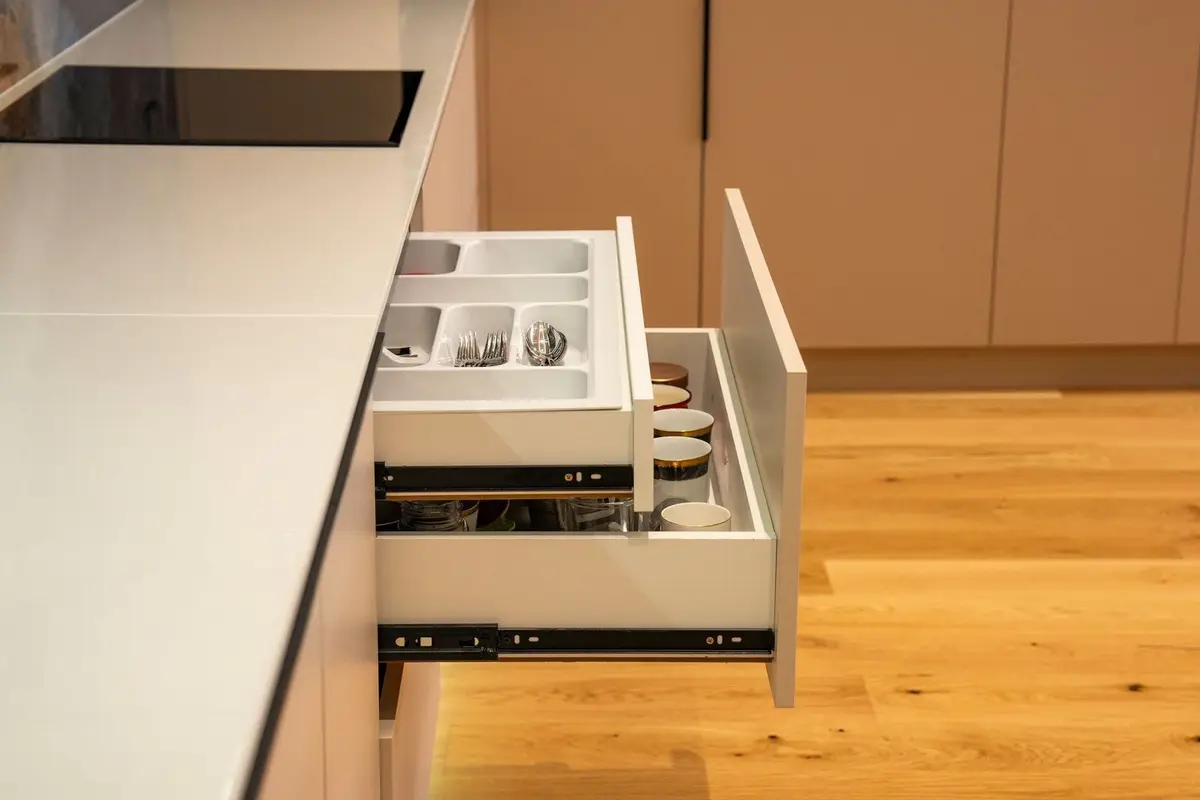
Zones save steps. When everything for making coffee or packing lunches sits in one spot, the job is quicker and it’s obvious where each thing goes back.
Put the things you use every day between your shoulders and your knees, in the drawers and shelves that are easiest to reach. Things used a few times a year, like a roasting pan or a big platter, can go up high or toward the back.
Drawer dividers keep a cutlery drawer from turning into a jumble. Measure the inside width and depth of the drawer before you buy them.
If you have a pantry, the same idea applies there: one shelf or bin for each group. The small pantry organization ideas cover it shelf by shelf.
8. Sort the space under the sink
The cabinet under the kitchen sink tends to collect every cleaning product you’ve ever bought. Take it all out, toss what’s empty or dried up, and keep only what you actually use.
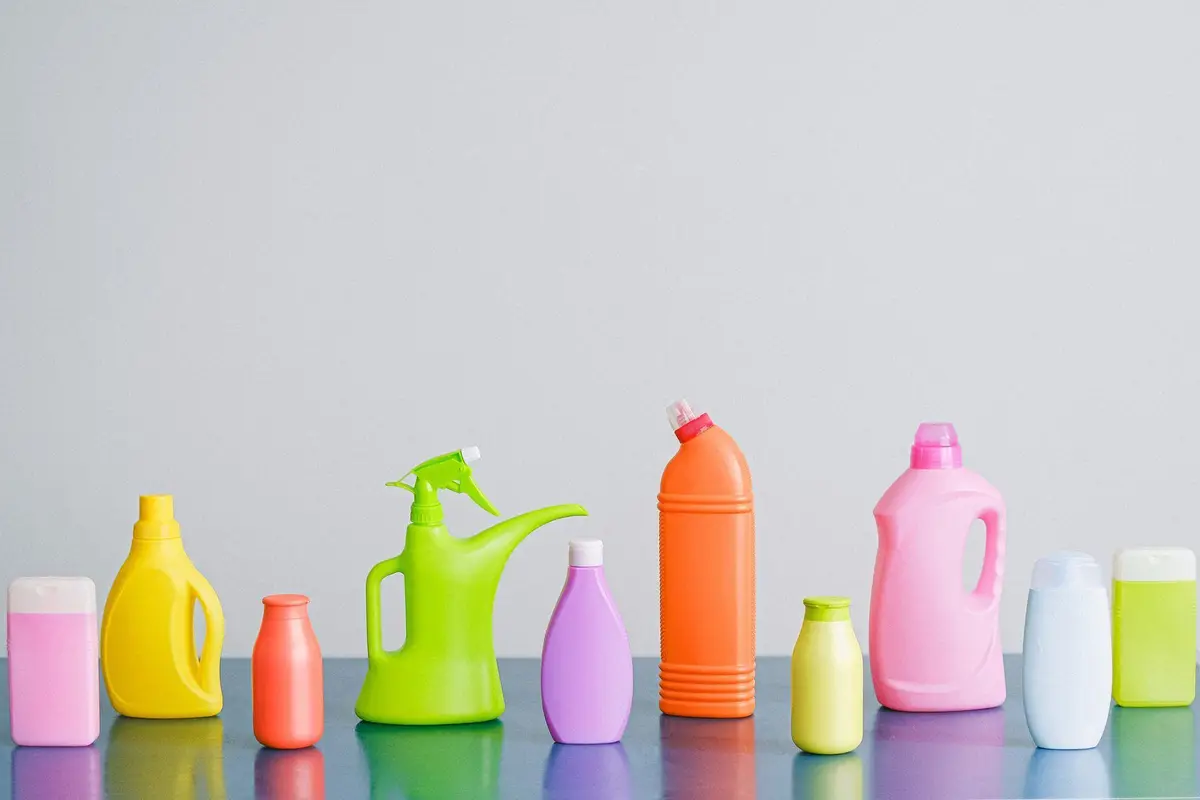
Group what’s left: dish and dishwasher supplies at the front, everyday cleaners in a caddy you can carry from room to room, and backups at the back. A small turntable or a pull-out bin makes the deep corners usable.
Keep every product in the container it came in, with its label. A cleaner poured into a plain bottle or cup is easy to mistake for something else.
If there are young children in the house, keep cleaners and other chemicals in a locked cabinet or box, out of their reach. That may mean moving them from under the sink to a high shelf.
Line the cabinet floor with a washable mat, since sink cabinets get drips. Check for leaks while it’s empty, and fix a damp spot before anything goes back in. The full step by step is in the guide to organizing under the kitchen sink.
9. Store linens and towels by set
Fold each set of sheets and tuck it inside one of its own pillowcases. The whole set stays together, and you grab one bundle instead of digging for matching pieces.
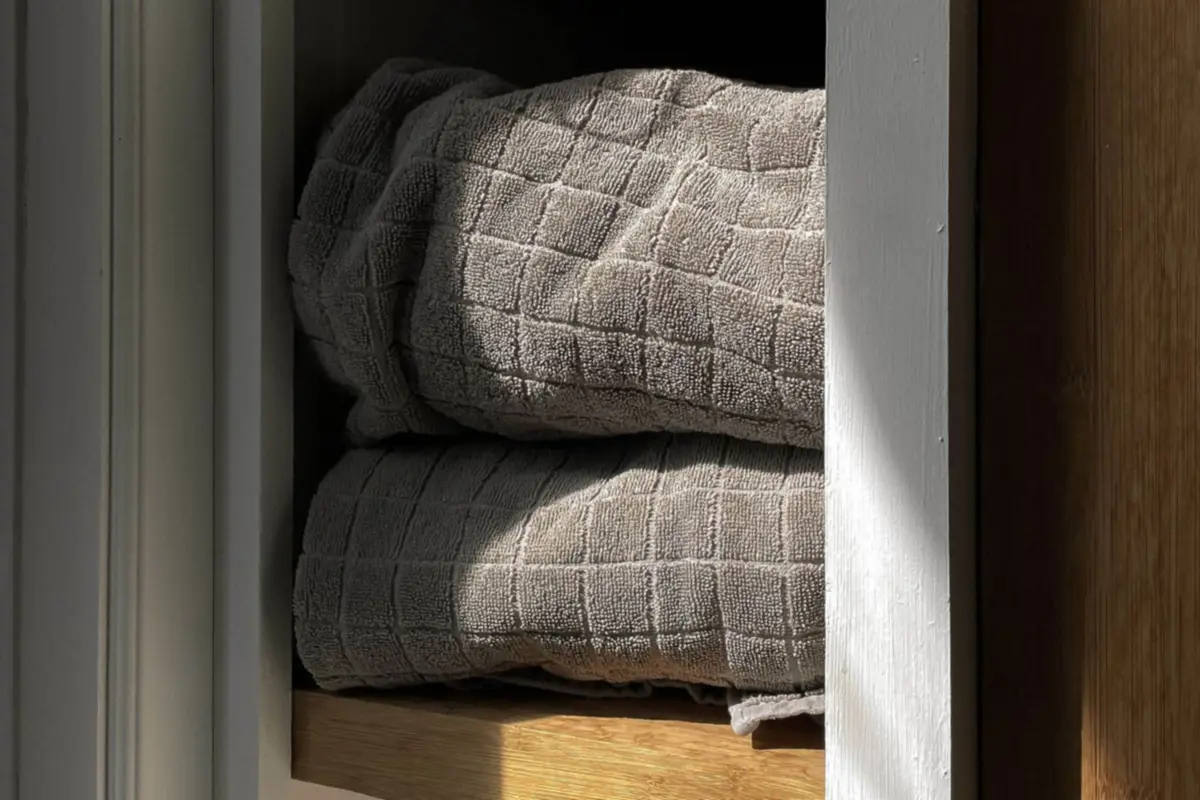
Keep a couple of sets of sheets for each bed and a few towels for each person, plus a set for guests. Anything beyond that, like thin towels, odd pillowcases and sheets for beds you no longer have, can go in the donate bin.
If the linen closet is small, store sheets in the room where they’re used, on a shelf in each bedroom closet. Bath towels can live in the bathroom on a shelf or rolled in a basket.
In the linen closet, give each shelf one job: sheets on one, bath towels on another, and beach towels and guest sets up high. Fold everything the same way so stacks line up and don’t topple.
Label the shelf edges by bed size, so whoever puts the laundry away knows where the queen sheets go and where the twin sets go.
10. Put kids’ toys on low shelves
Kids can only put away what they can reach. Store everyday toys on low shelves and in open bins they can pull out and put back on their own.
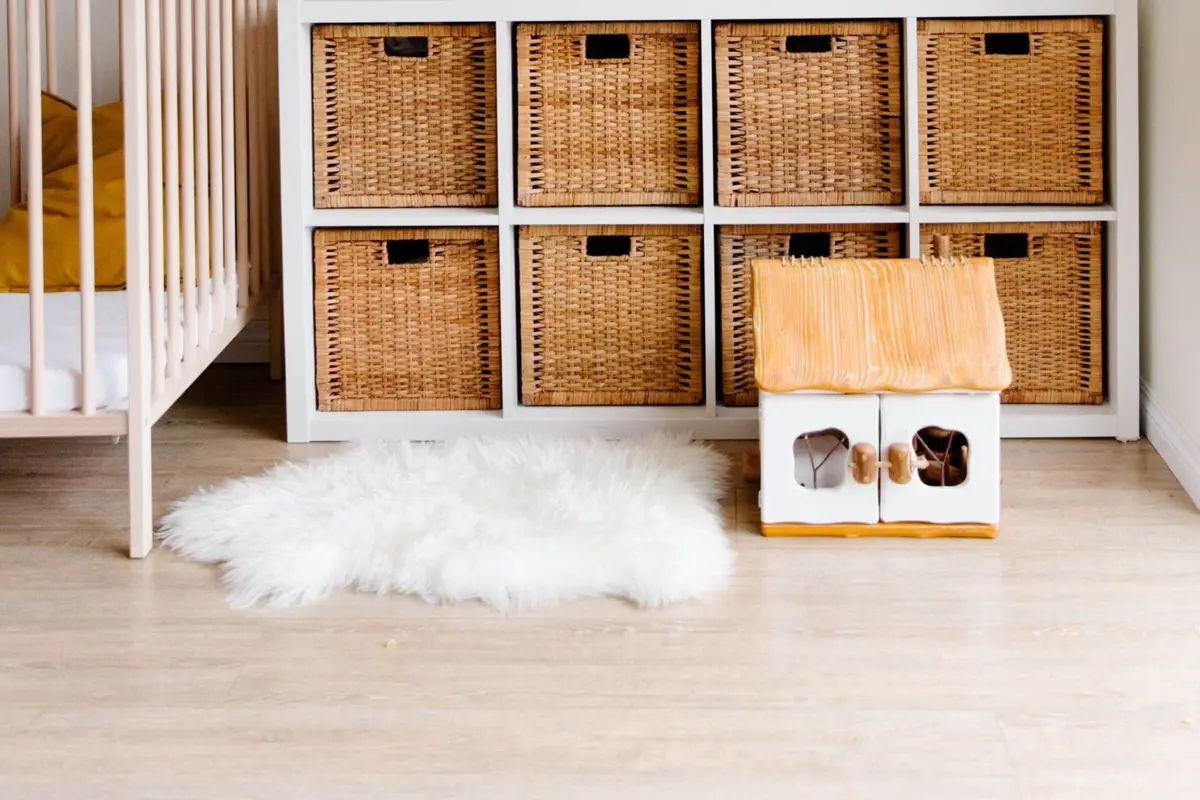
Use one bin for each kind of toy: blocks, cars, dolls, art supplies. A picture label on the front helps kids who can’t read yet, and a low, wide shelf beats a tall one.
Rotate toys rather than keeping them all out. Leave a few bins in play and store the rest in a closet, then swap them every few weeks so old toys feel new again.
Anchor bookcases, dressers and other tall furniture to the wall, and keep heavier things on the lowest shelves and in the bottom drawers. Don’t store toys or anything else kids want on top of furniture or a TV stand, where they might climb to reach it.
A kids chore chart can put tidying the toys on the daily list, so cleanup becomes a habit rather than a fight. End each day with a quick toy pickup before bath time.
11. Make a family command center
Pick one wall, ideally in the kitchen or by the door, for the information the whole house needs. A calendar, a board for school papers and a spot for the week’s plan keep everyone on the same page.
Start with a large calendar that shows the whole month, and give each person a color. Practices, appointments and school events go on it the moment you hear about them.
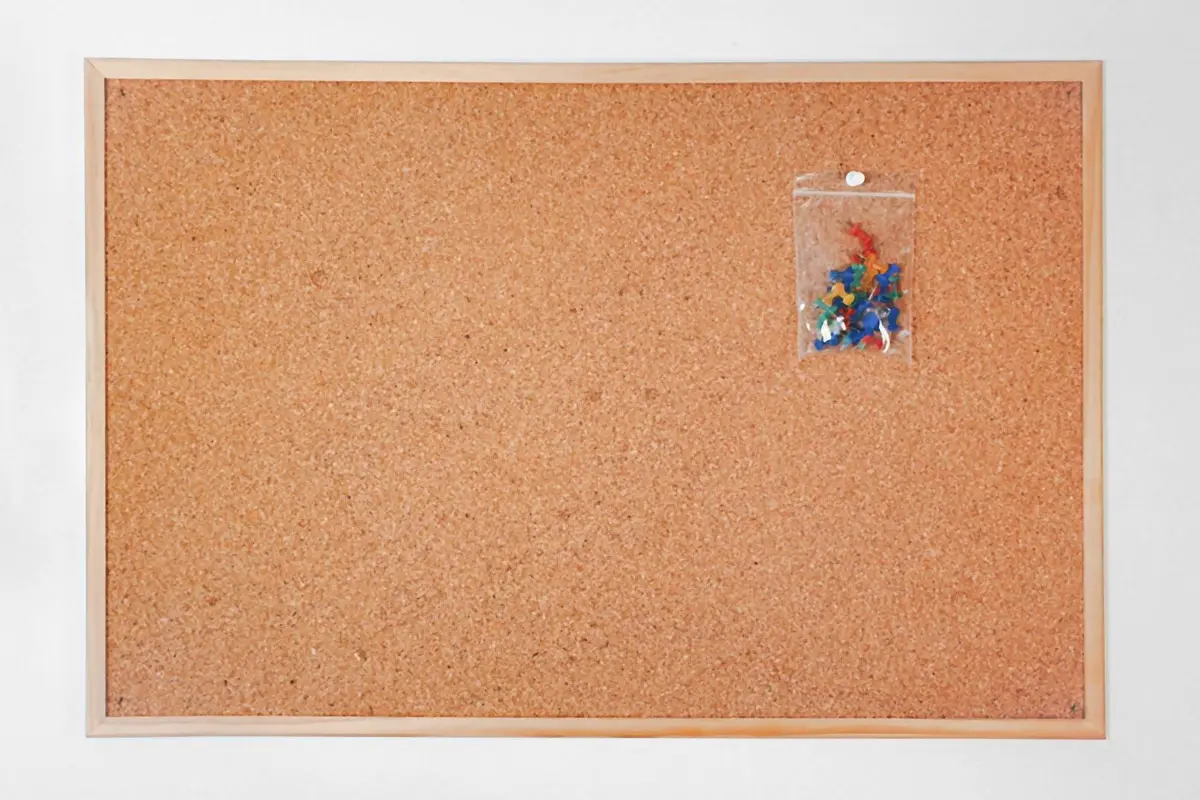
Add a cork board or a magnetic board for the papers you need to see: the lunch menu, invitations and permission slips waiting to be signed. Clear it every week so it stays useful.
Pin a weekly planner to the board for the week’s meals, errands and to-dos, and keep a grocery list beside it that anyone can add to.
A small cup of pens and a few spare pushpins keep the whole thing working. If it’s hard to write on, nobody will use it, so hang it at a height the older kids can reach too.
12. Give cords and chargers one home
Chargers, cables and spare adapters end up in every drawer of the house. Gather them all, match each cable to a device you still own, and let go of the rest.
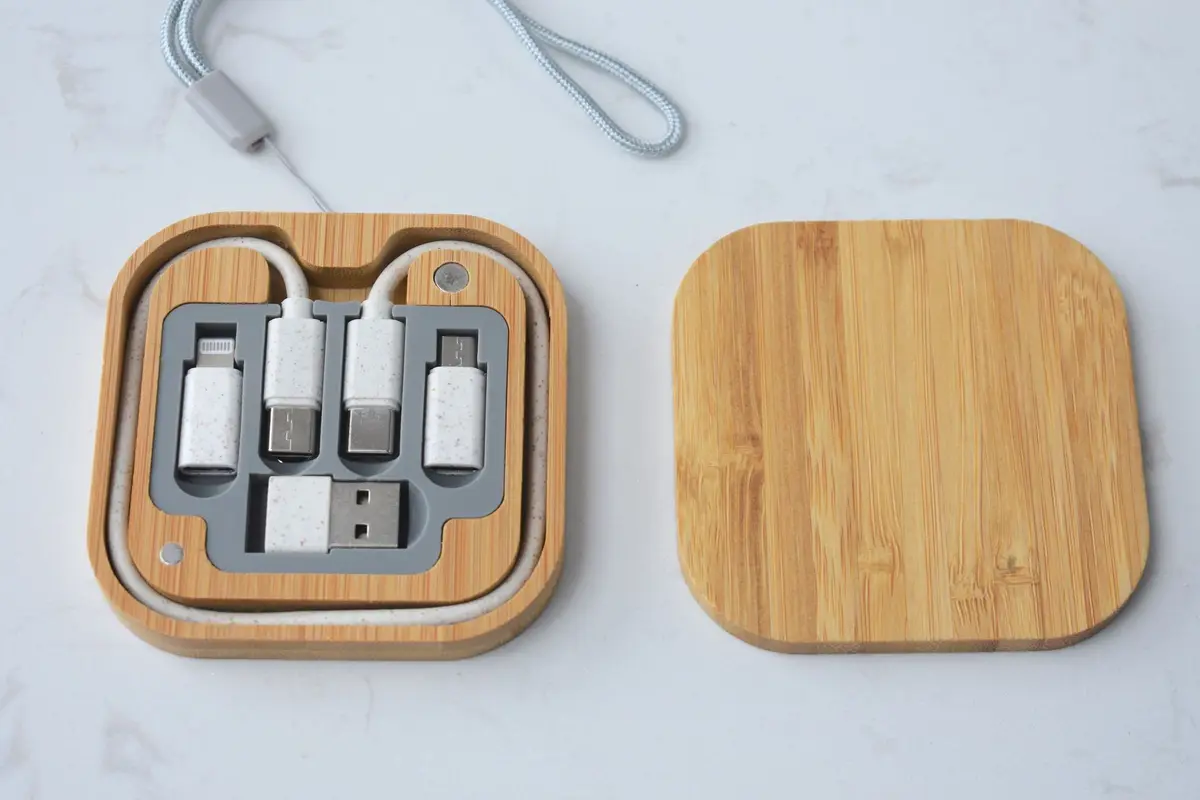
Set up one charging spot for phones and tablets, like a shelf in the kitchen or a drawer with an outlet nearby. Devices spend the night there, which also helps if your family keeps screens out of bedrooms.
Coil spare cables loosely and close each with a reusable tie, or store them in a small box with dividers. A tag on each one, like tablet or camera, saves guessing later.
Behind the TV and the desk, bundle cords together and run them along the wall or under the desk with clips. Never run cords under rugs or carpets, which keep the heat from the cord from escaping.
Throw away any cord that’s cracked, worn or damaged rather than keeping it as a spare. A cord that’s safe and easy to find is worth more than a drawer full of tangled ones.
13. Do a weekly reset
Once a week, walk through the house and put it back the way you set it up. Return things to their zones, empty the baskets, clear the mail tray and wipe the counters.

A reset keeps every other idea on this list working. Systems slip a little every week, and a short reset catches the slip before it turns into a mess.
Pick the same time every week, like Sunday afternoon, and set a timer for however long you have. Everyone takes a room or a job, and it’s done before dinner.
Carry an empty laundry basket as you go. Anything that belongs in another room rides along and gets dropped off on the way, so nobody walks back and forth.
The Sunday reset checklist walks through it in order, from the kitchen and laundry to planning the week’s meals, so nobody has to remember what comes next.
For the cleaning side, a weekly cleaning schedule spreads the bigger jobs across the days, so the reset itself stays short and easy to keep up.
Save this for later
Pin it to a board so it's there when you're ready to start.
Save to Pinterest(opens in a new tab)Make it easier
Free printable
A room-by-room declutter checklist that tells you exactly what to look for, with four piles to sort into so nothing ends up back on the shelf.
Free printable
Sunday Reset Checklist Printable
A one-page Sunday reset routine: clear the kitchen, the laundry and the living spaces, then get ready for Monday and plan the week, so the week starts calm instead of in a scramble.
Free tool
Enter the width, depth and height of a shelf, a drawer or a cube cubby, and see which standard bins and baskets fit, how many, and how they line up.
Frequently asked questions
Where should I start organizing my home?
Start where clutter causes the most trouble every day, usually the front door or the kitchen counter. Clear that one spot, give everything there a home, and move on to the next spot once the first one stays tidy for a week.
How do I keep my house organized with kids?
Store their things low, in open bins with picture labels, so they can put things away on their own. Add a short daily pickup and a basket for each person, and keep fewer toys out at once.
Should I declutter before I organize?
Yes. Organizing things you don't need only gives them a nicer place to sit, so let go of what you don't use first. Then buy bins and shelves for what's left, measured to fit the space.
How often should I declutter the whole house?
A donate bin that's always open handles most of it day to day. Add a bigger room by room pass when the seasons change, since clothes, shoes and gear get swapped around then anyway.