How to Clean Granite Countertops Without Wearing Down the Sealer
Natural stone wants mild soap, no acids and a quick dry. Lift oil stains with a baking soda poultice and test the sealer with a few drops of water.


To clean granite countertops, wash them with warm water and a few drops of mild dish soap on a soft cloth, rinse, and buff the stone dry. Leave vinegar, lemon and gritty cleansers out of it, blot spills instead of wiping them, and draw out oil stains with a baking soda poultice.
Granite is natural stone, and most of it has tiny pores that can take in oil and water once its sealer wears thin. A few drops of water on the counter tell you when it’s time to reseal. Engineered stone works differently, so if your counters are quartz, see how to clean quartz countertops instead.
What you need
- Soft cloths, microfiber or cotton, and paper towels
- Mild dish soap, or a cleaner labeled safe for natural stone
- A soft nylon brush, for the edge around the sink
- Baking soda, plastic wrap and painter’s tape, for oil stains
- A plastic scraper or spatula
- A granite sealer that’s safe for food-prep surfaces, for when the water test calls for it
1. Clear the counter and brush off crumbs
Move the canisters, the knife block and the small appliances to the table. The spots that hide under them are often the ones that never get wiped.
Sweep crumbs and grit into your hand or a dustpan with a dry cloth. A clear surface lets you see every dull patch and ring before you start.
2. Wash with warm water and a little dish soap
Stir a few drops of mild dish soap into a bowl of warm water. That’s enough: too much soap leaves a film and streaks on polished stone, and the stone doesn’t need more.
Dip a soft cloth, wring it until it’s barely damp, and wipe the counter in sections from the backsplash toward the edge. A cleaner made for natural stone works too, used the way its label says.

Rinse the cloth often in clean water, so you’re lifting grease off the stone rather than spreading it around.
3. Rinse and buff the stone dry
Go over the counter once more with a cloth dampened in plain water to pick up any soap. Then dry it with a clean, soft towel, rubbing in small circles until the shine comes back.
Drying matters on granite for two reasons. Water left to evaporate leaves mineral spots on the polish, and water that sits for a long time can start to seep into stone whose sealer is wearing thin.
4. Skip vinegar, lemon and harsh scrubbers
Vinegar and lemon juice are popular homemade cleaners, but they’re acids, and acids can dull or etch some stone. Granite resists most kitchen acids better than marble does, yet acidic cleaners still aren’t a good match, since granite can hold traces of minerals that acids mark.
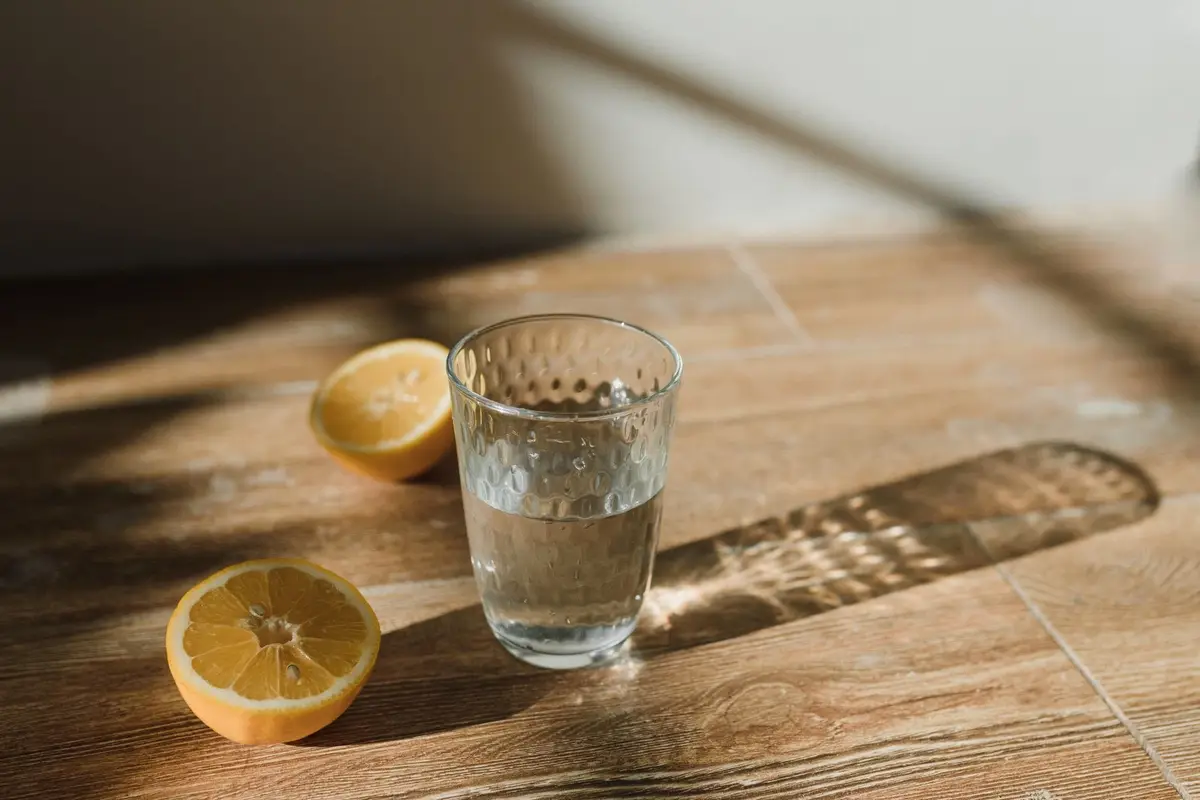
The same caution goes for ammonia and window cleaner, which can damage granite too. Scouring powders and gritty creams can leave fine scratches, so stick with soft cloths and a non-scratch sponge.
Coasters help more than you’d think. Glasses of juice, wine or anything with citrus in it leave rings when they sit on stone, so set them on a coaster or a tray instead.
5. Blot spills, then match the fix to the stain
When something spills, blot it right away with a paper towel. Don’t wipe, since wiping spreads the spill over more stone. Then flush the spot with water and a little mild soap, rinse it a few times and dry it.
Stains that have already set need a closer look first, because the fix depends on what caused them.
Oil and grease stains
Cooking oil, butter, grease and milk leave dark, damp-looking patches that soak into the stone. They don’t wash off; they have to be drawn back out with a poultice.
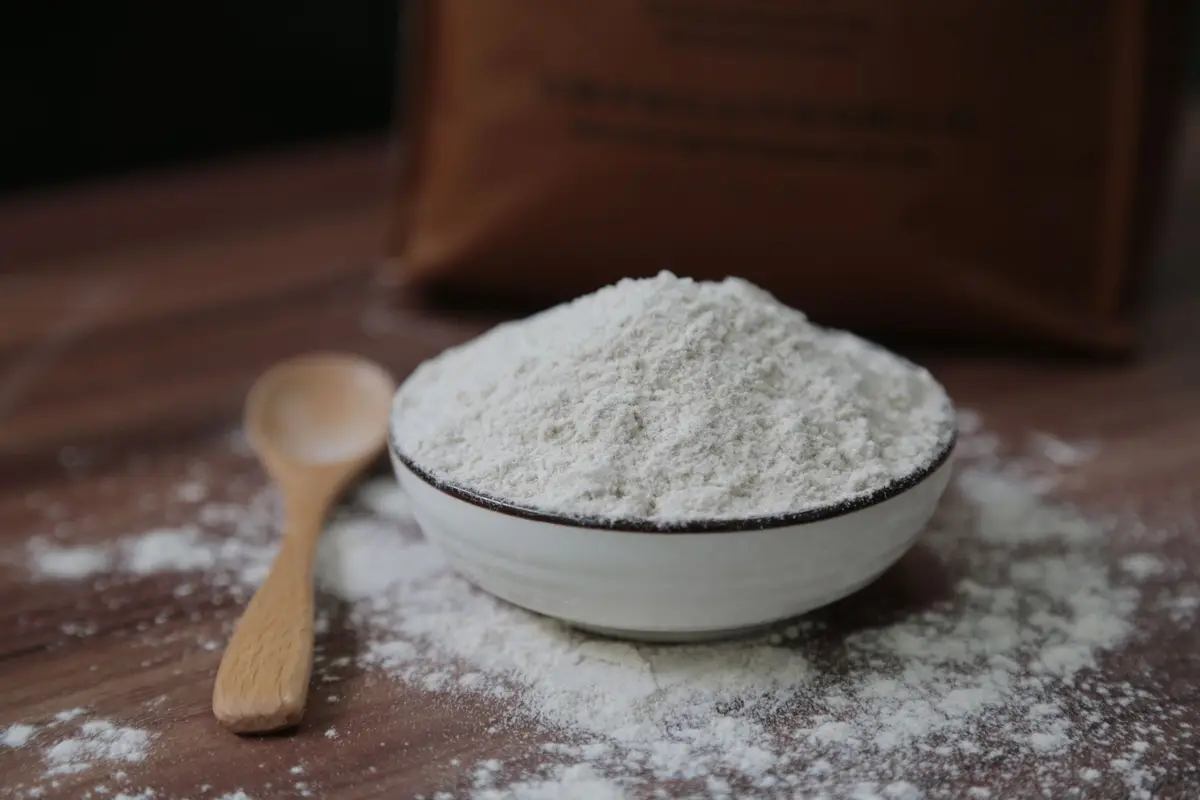
- Mix baking soda with a little water into a thick paste, about as stiff as peanut butter.
- Spread it over the stain in a thick layer, reaching a little past its edges.
- Cover it with plastic wrap, tape the edges down with painter’s tape, and leave it for a day or two so the paste dries and pulls the oil up.
- Lift the plastic, scrape the dried paste off with a plastic scraper, rinse the spot and buff it dry.
A deep or old stain can take several rounds, so repeat the poultice if a shadow is still there. If it won’t budge, a stone care professional has stronger methods.
Water spots and dark water patches
White rings around the faucet are hard water deposits sitting on the surface. Wash them with warm, soapy water and dry the area well, and keep the spot dry from then on so they don’t build up again.
A dark patch that shows up after water has pooled on the counter is different: the stone is taking in water. Let it dry out completely before you decide it’s a stain, then do the water test in step seven, since a counter that drinks in water is due for sealer.
Coffee, tea and food stains
Coffee, tea, fruit and food can leave a pinkish brown mark on stone, which sometimes fades once the spill is cleaned up. For a mark that stays on light-colored granite, make the poultice with hydrogen peroxide in place of the water.
Test that on a hidden spot first, and never use it alongside bleach, since bleach reacts with hydrogen peroxide. On dark granite or a stain you can’t identify, call a stone care professional rather than experimenting.
6. Deep clean the whole surface
Every month or so, give the counters a deeper clean than the daily wipe. Clear everything, including the paper towel holder and the soap pump, and wash the whole surface with warm, soapy water, edges and backsplash seam included.
Use a soft nylon brush around the faucet base and along the edge of the sink, where grime collects in the seam. Our sink cleaning hacks cover the basin and the drain, so the whole corner gets clean at once.
Rinse, dry and look the counter over in good light. Treat any stains you find with the steps above, then move on to the water test.
7. Check the sealer with the water drop test
Sealer doesn’t make granite stain proof, but it makes the stone much more stain resistant, so it’s worth checking a few times a year. Sprinkle a few drops of water on the counter in the places you use most: beside the sink, next to the stove and where you prep food.
Wait a few minutes. If the water beads up into little domes, the sealer is still working. If it soaks in and the stone darkens underneath, that area needs a fresh coat.
8. Reseal when the water soaks in
Start with a clean, completely dry counter, so nothing gets trapped under the new coat. Choose a granite sealer that is safe for food-prep surfaces, and ask your stone supplier or the sealer’s maker which product and schedule suit your stone.
Then follow the sealer’s label for how much to apply, how long to leave it and how to wipe off the extra. Open a window while you work, and keep the counter clear until the label says it has cured.
9. Give white granite extra care
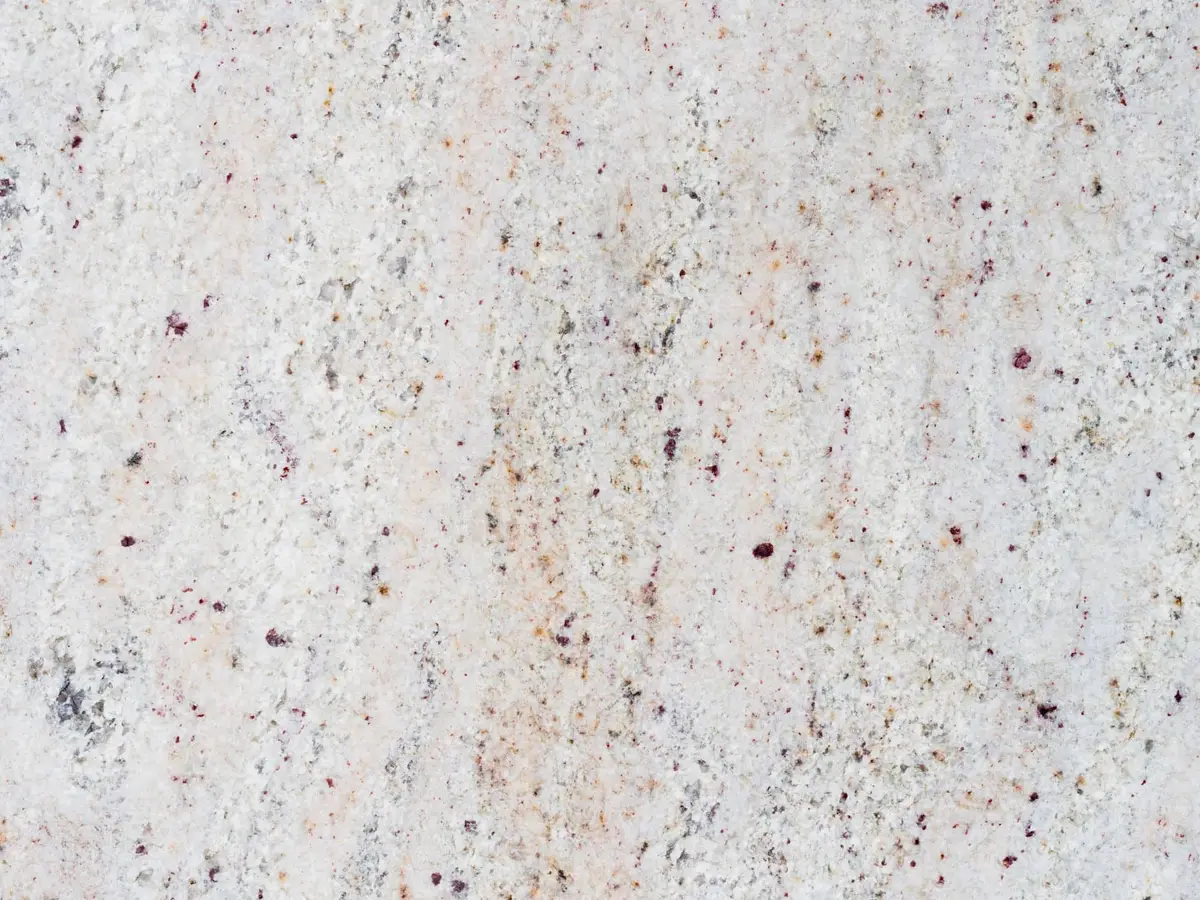
White and pale granite show every coffee ring, oil drip and smear of turmeric. Keep the sealer in good shape and do the water test more often, especially by the stove and the coffee maker.
Wipe colored spills the moment they happen, prep strong-colored foods on a cutting board, and set mugs and glasses on coasters. Many stones handle heat well, but a trivet under hot pots is still the safer habit, whatever the color of your granite.
Disinfecting granite safely
Clean before you disinfect: wash the counter with soap and water first, then rinse and dry it.
If you need to disinfect after raw meat, choose a product whose label says it’s safe for natural stone, and leave bleach off the granite. Follow the label exactly, including how long the surface has to stay wet, and open a window while you work.
Never mix cleaning products. Bleach mixed with ammonia, vinegar or other acids gives off toxic gases, so use one product at a time and rinse in between.
How often to clean granite countertops
Wipe the counters with warm, soapy water and dry them after cooking, at least once a day. Blot spills as they happen, especially oil, wine and coffee.
Give the counters a deeper clean every month or so, and do the water drop test a few times a year. The counter beside the range picks up the most grease, so pair that wipe with our stove cleaning hacks and finish the whole cooking corner in one go.

Save this for later
Pin it to a board so it's there when you're ready to start.
Save to Pinterest(opens in a new tab)Make it easier
Free printable
A room-by-room deep cleaning checklist for the jobs a weekly clean skips, from the oven and the grout to the vents and baseboards.
Free printable
Monthly Cleaning Schedule Printable
A one-page monthly cleaning schedule: the daily and weekly basics at the top, then one deeper area for each week, so every corner of the house gets its turn without a cleaning weekend.
Frequently asked questions
Can I clean granite with vinegar?
It's best not to. Vinegar, lemon juice and other acids can dull or etch some stone, so a few drops of mild dish soap in warm water is the safer everyday cleaner.
How do I know if my granite needs to be resealed?
Sprinkle a few drops of water on the counter in the spots you use most. If the water beads up, the sealer is still working; if it soaks in and darkens the stone, it's time to reseal with a granite sealer, following its label.
How do I get an oil stain out of granite?
Spread a thick paste of baking soda and water over the stain, cover it with plastic wrap taped at the edges, and let it dry for a day or two. Scrape it off with plastic, rinse and dry; a deep stain can take a few rounds.
Is it safe to use bleach on granite countertops?
Leave bleach off your granite and use soap and water for everyday cleaning. If you disinfect after raw meat, pick a product labeled safe for natural stone, follow its directions, and never mix it with another cleaner.
Can I set a hot pan on granite?
Many stones, granite included, handle heat well, but a trivet or hot pad is still the safer habit. It keeps a hot pot from sitting on the stone and stops pans from sliding across the polish.