13 Linen Closet Organization Ideas That Keep Every Sheet Set Together
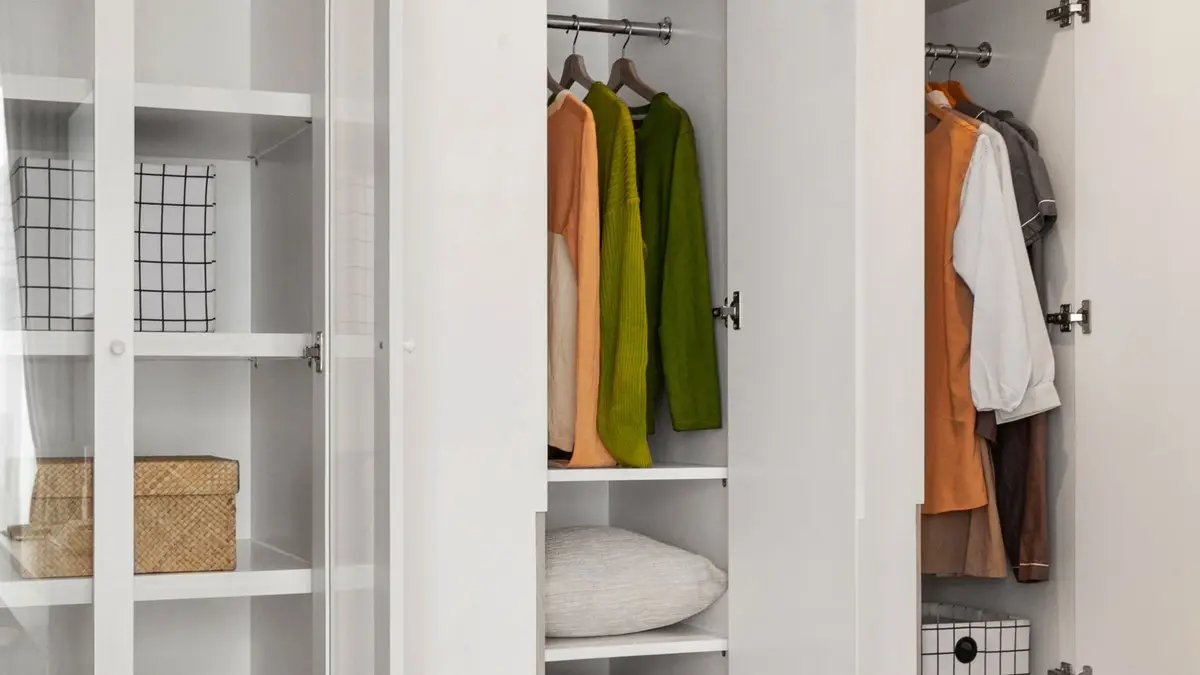
Simple linen closet organization: sheet sets kept together, towels folded to match, shelf dividers, labeled baskets, the door and medicine up high.

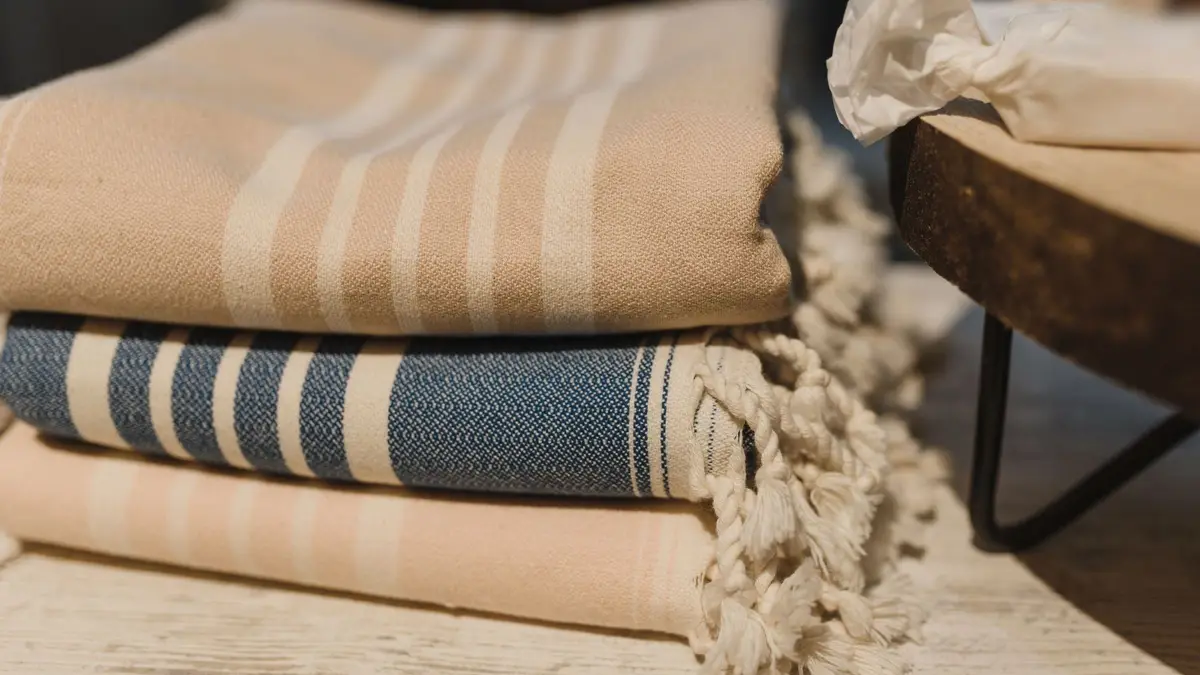
Good linen closet organization starts with less: keep the sheets and towels your household actually uses, store each sheet set together, fold towels the same way and give everything else a labeled basket. Heavy and bulky things go low, everyday linens at eye level, and medicine up high, out of children’s reach and sight.
These 13 ideas work in a narrow hall closet, a bathroom cabinet or a large walk-in linen closet. Start with the first one, since it tells you how much you really need to store.
1. Empty it and count what each bed needs
Take everything out and sort it on a bed: sheets by bed size, towels by type, blankets, and everything that isn’t linen at all. Then count the beds and the people in your home, since those numbers decide how much the closet has to hold.
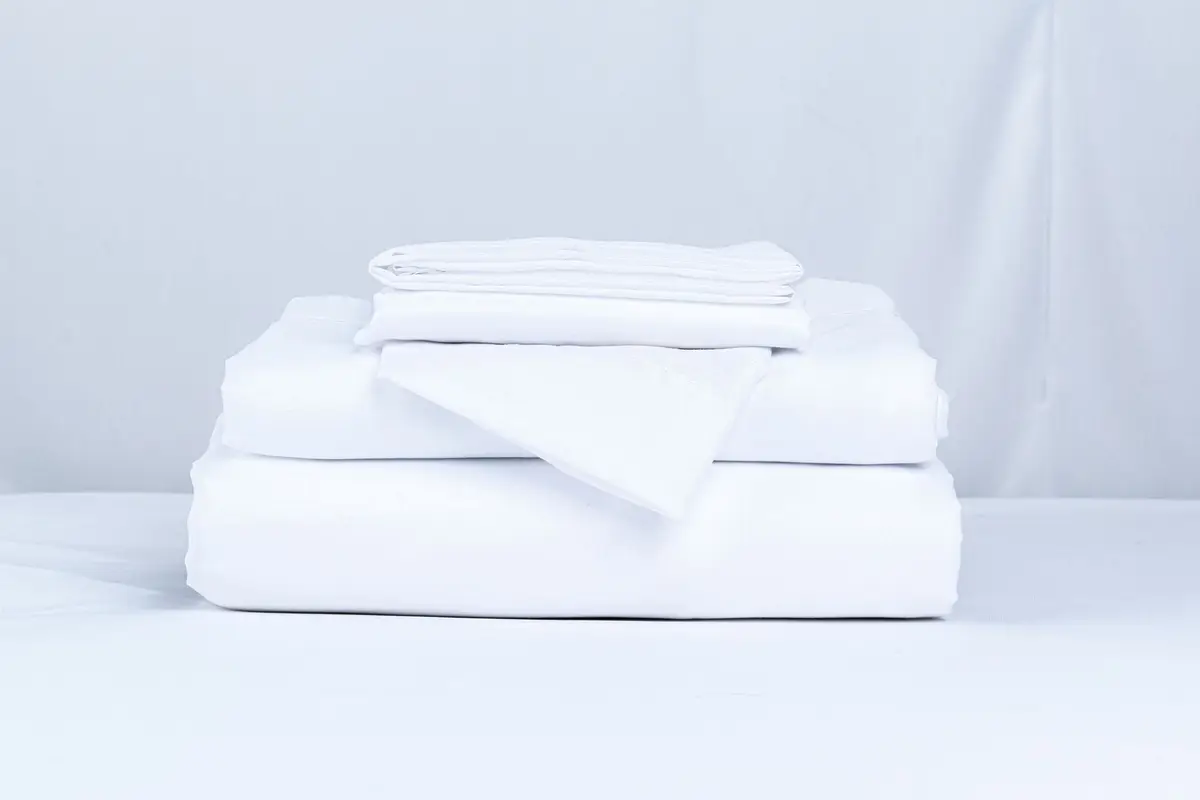
A simple rule works for most homes: two sets of sheets for each bed, one on the bed and one in the closet or the wash. Add a third set only for a bed that sees a lot of spills, like a toddler’s bed.
For towels, plan on two bath towels for each person, plus a few hand towels and washcloths for each bathroom. Guest towels are a separate, small set.
Anything beyond those numbers is a candidate to go. Sheets for a bed you no longer own can leave right away, since they take a whole shelf for nothing.
While the shelves are empty, wipe them down and let them dry before anything goes back. The deep cleaning checklist adds washing the pillows and bedding to the same job, so the closet starts fresh.
2. Store each sheet set inside its own pillowcase
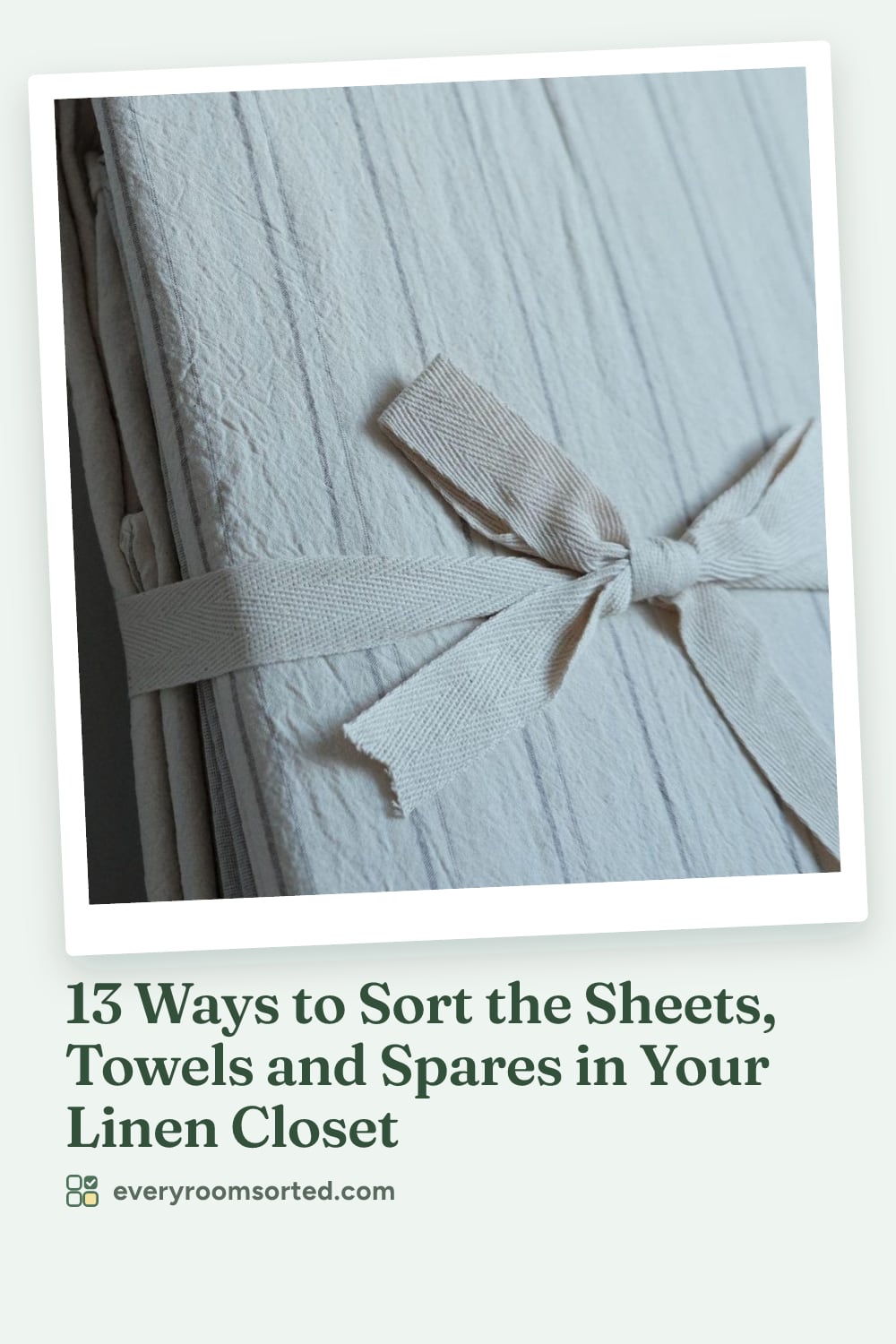
Fold the flat sheet, the fitted sheet and one pillowcase, then tuck them all inside the second pillowcase. The whole set becomes one soft bundle, and you never dig through a pile for the matching pieces again.
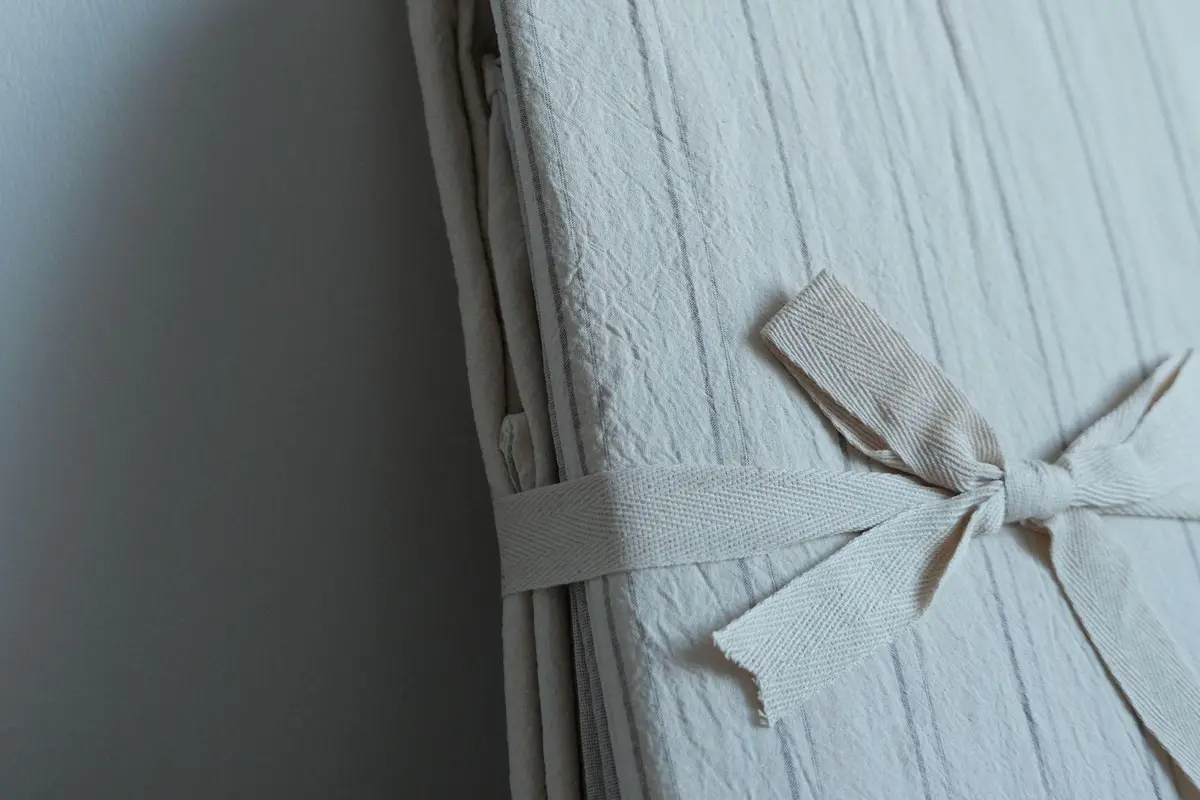
Fitted sheets are the hard part. Tuck the corners into each other, lay the sheet flat, fold the elastic edges in and fold it into a rectangle about the size of the pillowcase. It doesn’t need to be perfect, since the pillowcase hides it.
Stack the bundles with the open end facing the back of the shelf. The front stays neat, and nothing slips out when you pull a set down.
If your home has more than one bed size, give each size its own shelf or its own side of a shelf. A small tag on each bundle, or one color for each bed, saves unfolding the wrong set.
Put the set for the bed you change most often at the front. When you make that bed, the used set goes to the wash and the clean one comes straight from the front of the stack.
3. Fold towels the same way every time
Pick one fold for each kind of towel and use it every time. Towels folded to the same size stack straight, take less room and look tidy even on an open shelf.
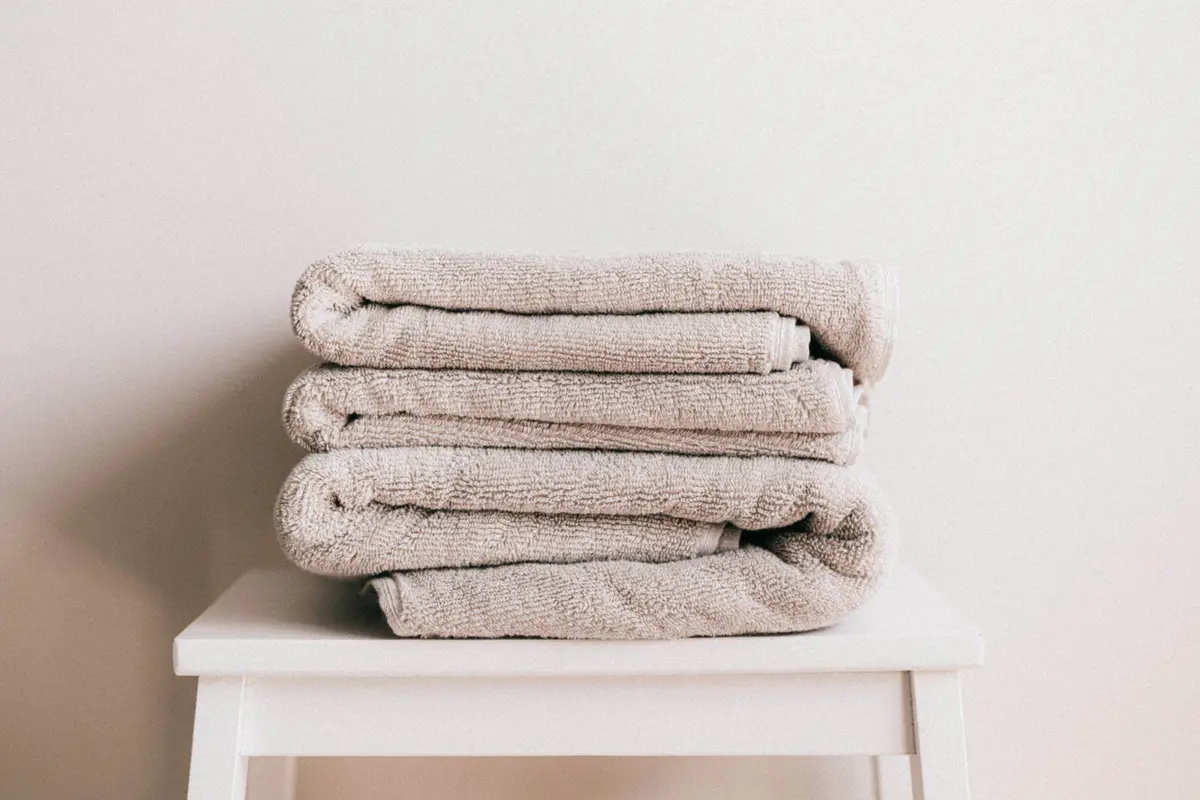
A simple fold for bath towels: fold in thirds the long way, then in half or in thirds the other way, depending on how deep the shelf is. Measure the shelf first and choose the fold that leaves a little room at the front.
Turn the folded edge to face out. It hides the loose edges and makes each towel easy to see and grab.
Keep stacks short enough to pull one towel out without the rest falling over. If a stack starts to lean, split it into two.
Group towels by set or by color, so each bathroom gets a matching set without any hunting. Washcloths can fold into small squares and stand in a row like books.
Show everyone who helps with laundry the same fold once. A quick lesson saves refolding later, and the closet stays tidy even when someone else puts the laundry away.
4. Roll hand towels and washcloths
Small towels slide off stacks and get lost at the back of a shelf. Rolled up, they sit side by side in a bin where you can see every one of them.
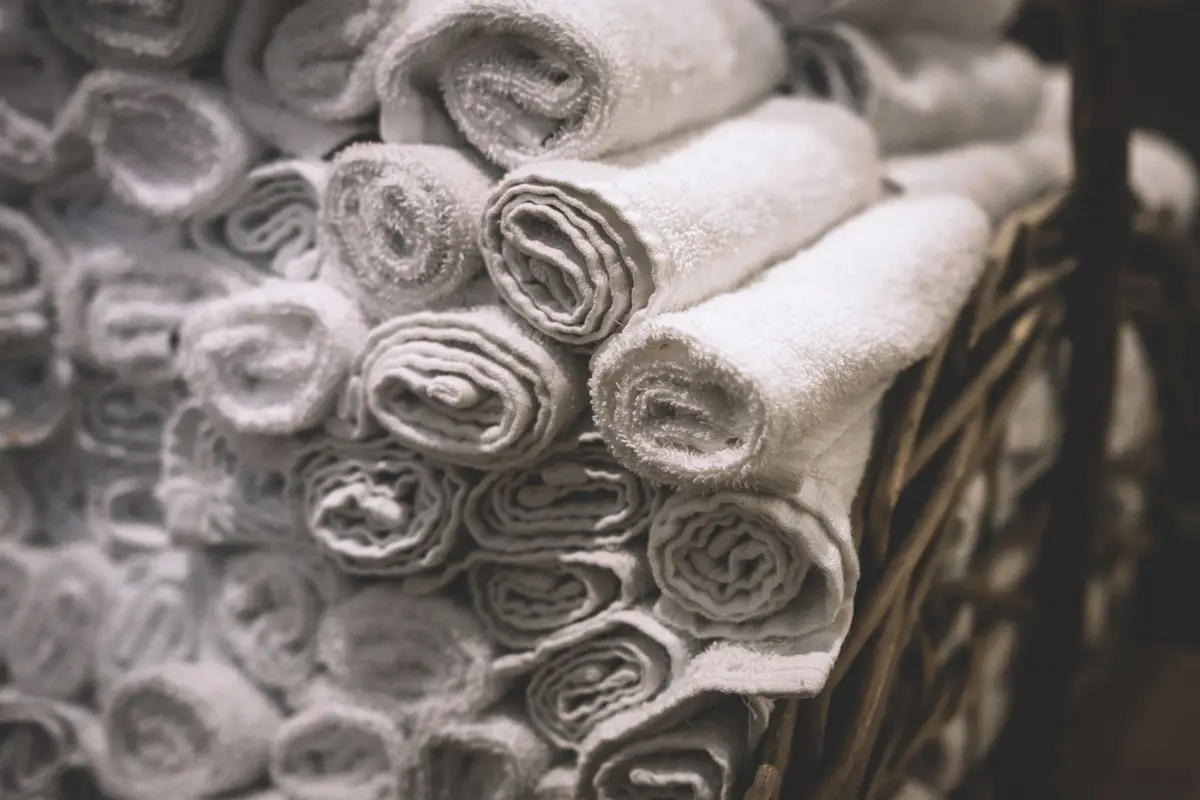
To roll a hand towel, fold it in half the long way, then roll it tightly from one short end. Washcloths fold in half and roll the same way.
Stand the rolls up in a shallow bin, or lay them in rows like a stack of logs. You pull one from the front and the rest stay put.
Rolling works for beach towels and guest towels too. It also suits kitchen towels and cloth napkins, if your linen closet holds those as well.
Keep rolled towels in a bin with sides, so they don’t unroll and spread across the shelf. A bin with a handle comes out in one move when you restock a bathroom.
Before you buy bins, enter your shelf width and depth into the bin size calculator. It shows which standard sizes fit and how many line up in a row, so you buy the right ones the first time.
5. Add shelf dividers for tall stacks
On a wide or tall shelf, stacks of towels and sheets lean into each other and topple when you pull from the middle. Shelf dividers hold each stack upright in its own lane.
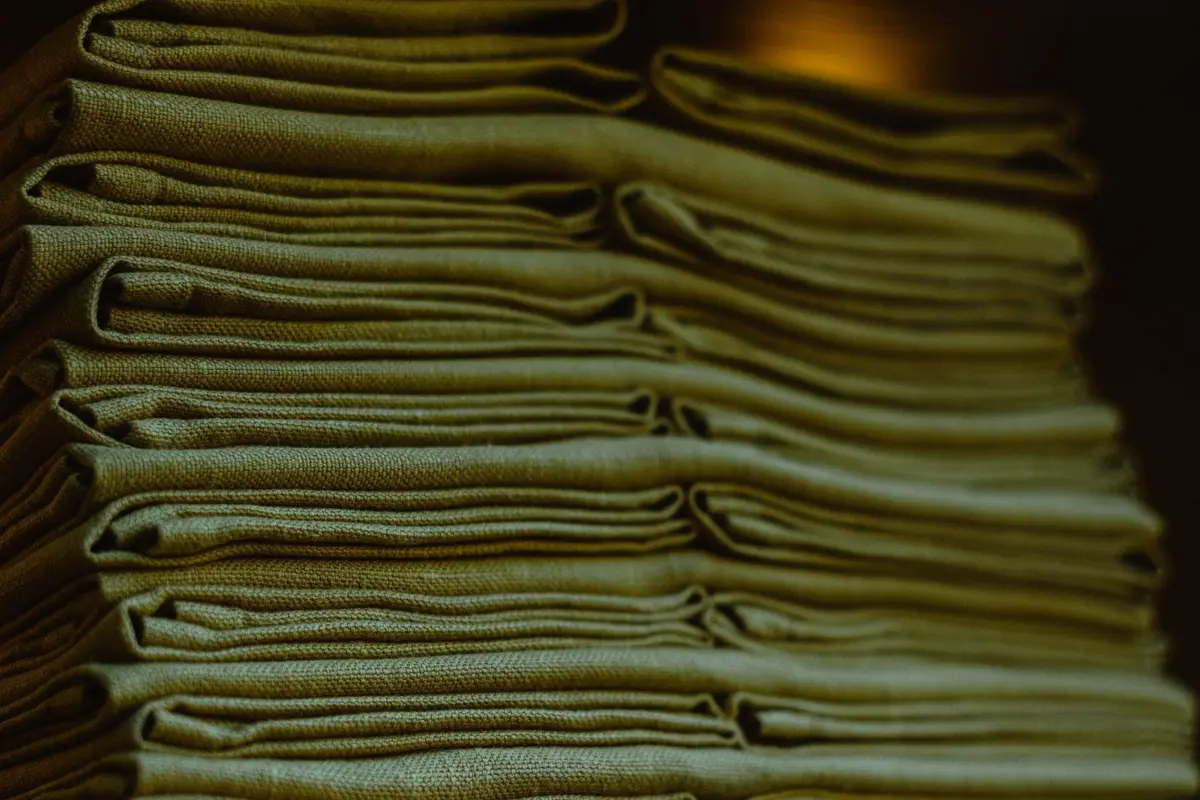
Most clip-on dividers slide over the front edge of a wood or laminate shelf with no tools. Measure the shelf thickness first, since a divider made for a thin shelf won’t fit a thick one.
Give each stack its own lane: bath towels, hand towels, sheet sets, blankets. When a lane is full, take it as a sign to stop buying and start letting go.
On wire shelves, dividers that hook onto the wire work the same way. A shelf liner on top keeps folded edges from sagging between the wires.
If the shelves adjust, move them closer together before you add dividers. Two short stacks on two shelves are easier to use than one tall stack that leans.
In a large or walk-in linen closet, dividers turn long, open shelves into tidy columns. You can see every category at a glance, and it’s easy to tell when something is running low.
6. Sort the extras into baskets by category
Everything that isn’t a sheet or a towel goes in a basket with one job: guest supplies, beach and pool towels, first aid, toiletry backups or travel sizes. One category for each basket keeps small things from mixing into a pile.
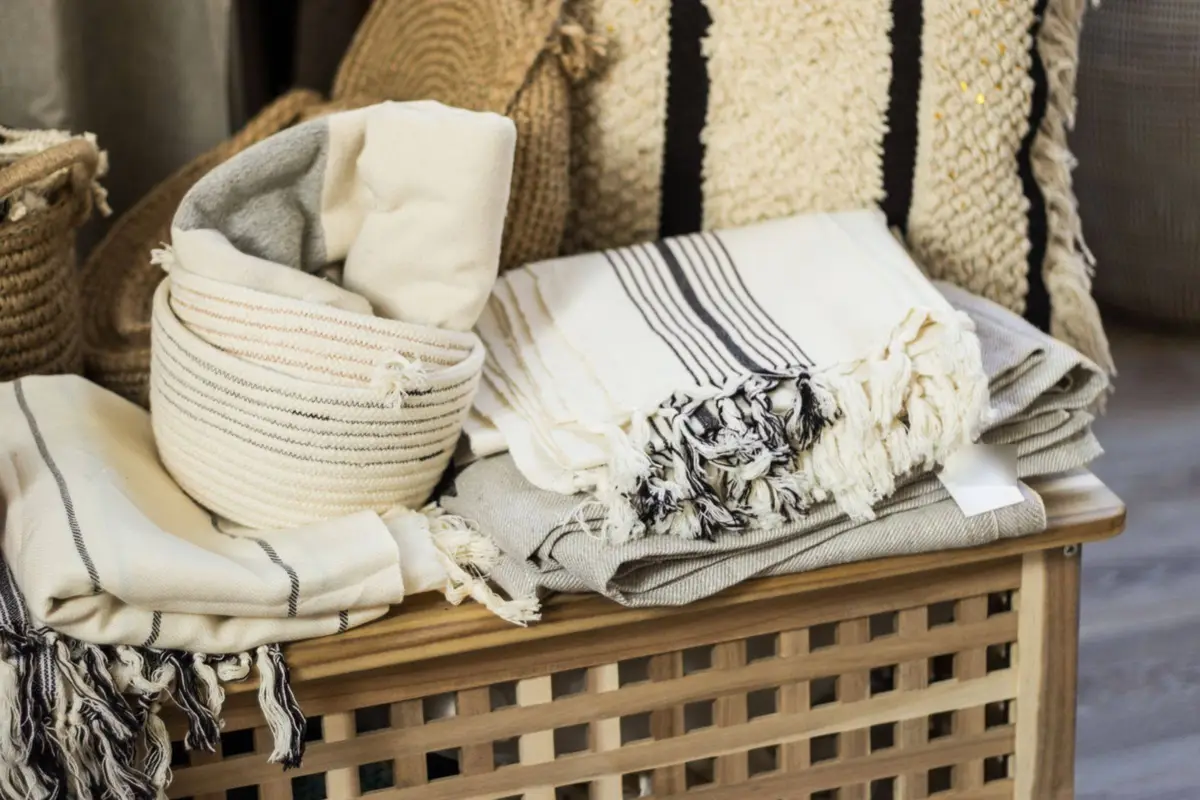
Choose baskets that fit the shelf depth, so they slide all the way in and the door still closes. Measure the shelf and the door opening before you shop.
Open baskets suit the things you reach for often. Lidded bins suit backups and seasonal things, and they stack.
Pick one style and one color, so the shelves look calm even when the baskets are full. Woven baskets look warm on open shelves, while clear bins let you see what’s inside without pulling them down.
Put the baskets you use most at waist or eye level. Seasonal ones, like beach towels in the cold months, can go up high until you need them.
A handle or a cutout on the front makes a basket on a high shelf easy and safe to pull down, without tipping the whole thing onto your head.
7. Keep a medicine and first aid bin up high
Many homes keep bandages, a thermometer and medicine in the linen closet, and a hall closet is often a better spot for them than the bathroom. Heat and moisture from the shower, bath and sink can damage medicines, while a closet shelf stays cool and dry.
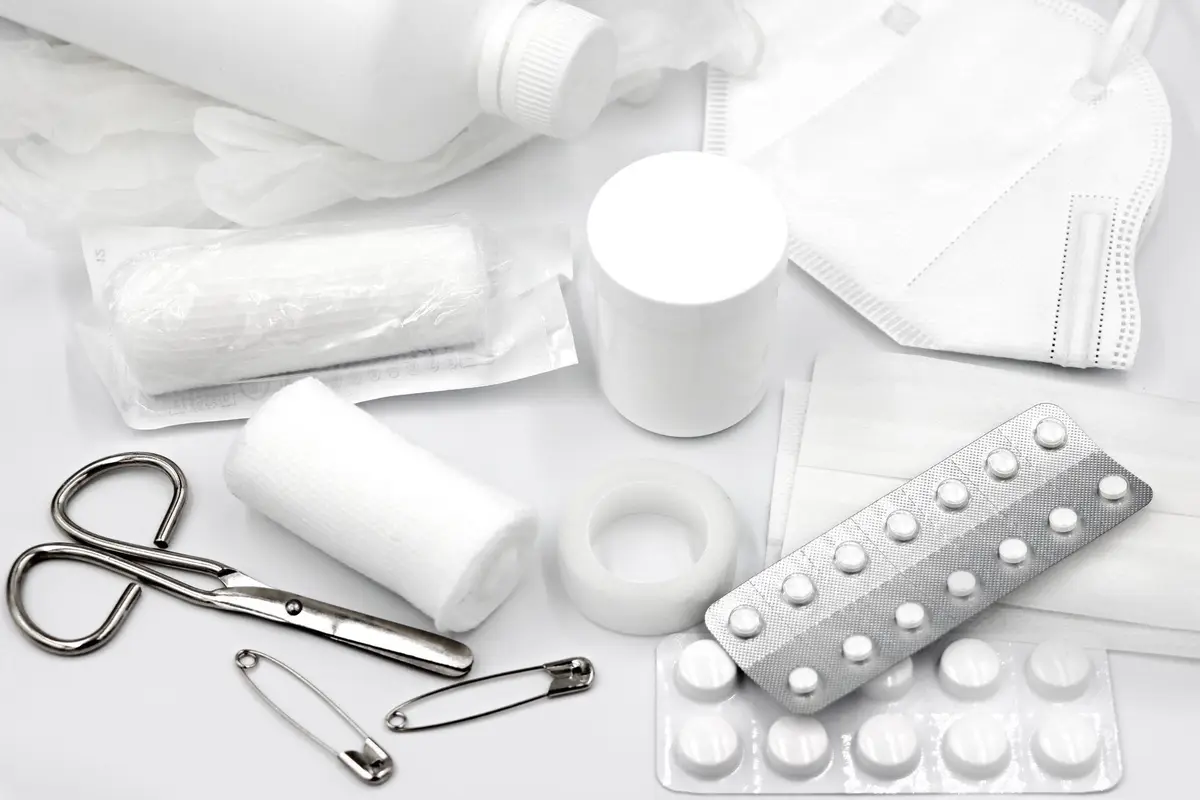
Put medicine and first aid supplies together in one lidded bin on the top shelf, out of children’s reach and sight. Better still, use a box that locks, or keep the bin in a cabinet with a child latch, since children can climb.
Keep each medicine in its original container, with the label on and the child-resistant cap closed.
Put medicine back in the bin after every dose, even if another one is due soon. A bottle left on the counter or by a bedside is within easy reach of a curious child.
Check the dates each time you restock. Expired or unused medicine can go to a drug take-back location, so it isn’t sitting around the house.
Inside the bin, small pouches for bandages, cold and allergy medicine and the thermometer make it quick to find what you need when someone is hurt or sick.
8. Label the shelf edges and the baskets
Labels tell everyone in the house where things go, so the closet stays sorted after laundry day. Put one on each shelf edge and on the front of each basket.

Keep the words short and plain: queen sheets, guest towels, beach, backups. Plain names work better than clever ones, because everyone reads them the same way.
Clip-on label holders slide onto a shelf edge and let you swap a label when things move. On wire shelves, a label can wrap around the front wire.
For kids, or anyone still learning to read, add a small picture next to the word. A drawing of a towel or a bed is enough.
For baskets, a tag tied to the handle works well and comes off easily when you change what goes inside.
Wait to label until you’ve lived with the zones for a week or two. If you keep putting towels on the sheet shelf, maybe that’s where the towels belong, and the label should follow your habit instead of fighting it.
9. Keep heavy and bulky things low
Comforters, spare pillows, heavy blankets and full bins belong on the lowest shelves or the closet floor. Lifting them from down low is easier on your back, and nothing heavy comes down on your head when you pull it out.
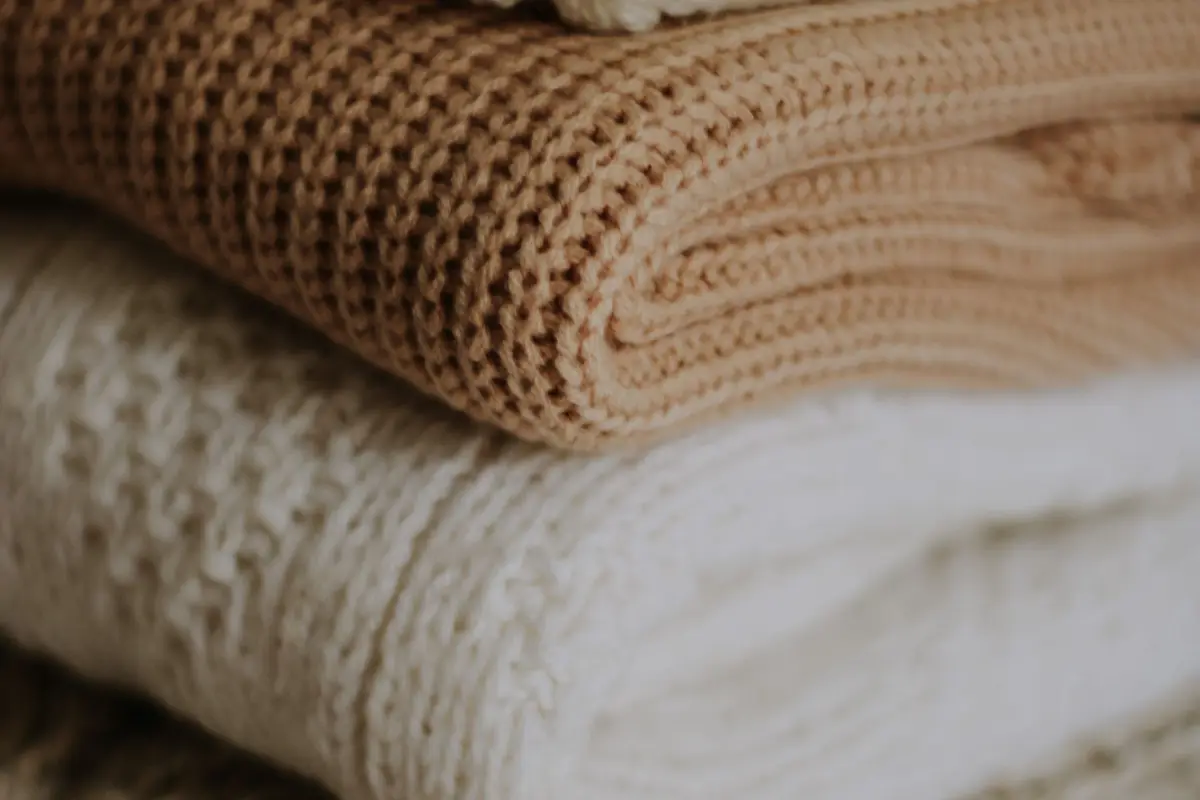
Put everyday sheets and towels between your shoulders and your waist, where they’re easiest to see and grab. Light things you rarely use, like the guest pillowcases or a spare shower curtain, go on the top shelf.
Store a bulky comforter in a breathable fabric bag or a large lidded bin to keep the dust off. Vacuum storage bags shrink bedding a lot, which helps in a small closet, but they suit things you won’t need until next season.
Keep a sturdy step stool close by for the top shelf, so nobody climbs the shelves or stands on a chair to reach a blanket.
The closet floor is a good home for a laundry basket or a bin of off-season bedding, as long as the door still closes easily.
10. Give paper goods and cleaning backups their own spot
Spare toilet paper, tissues and soap refills fit well in a linen closet. Give them one bin or one shelf, so you check there before you buy more.
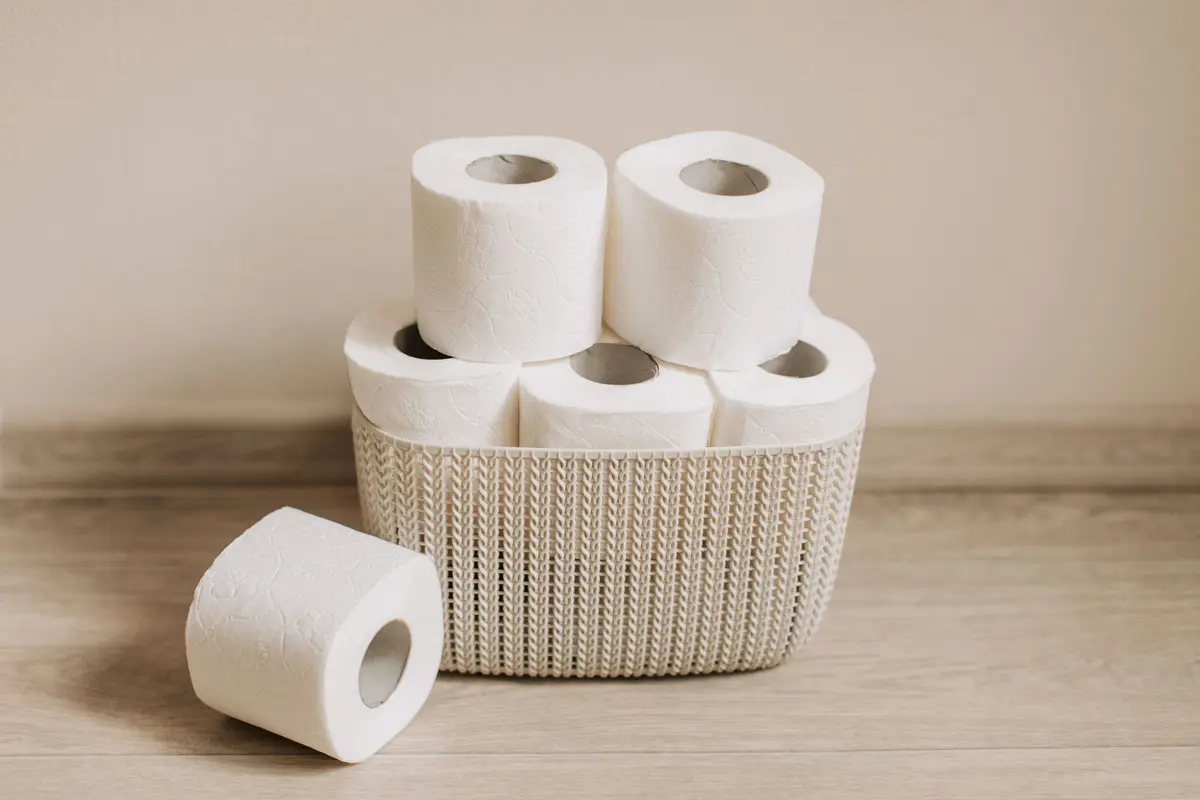
If you keep cleaning products here too, store them in a locked cabinet or box, out of children’s reach and sight, in their original containers. They never belong on a low, open shelf where a small child could get to them.
Keep cleaning products on their own shelf, away from the medicine bin and away from the towels and sheets. A tray or a washable liner under them catches any drips before they reach something you use on your skin.
When you open the last backup of anything, add it to the grocery list right away. That way you never run out, and you never buy a spare you already have.
Keep only one or two of each backup in the closet. A shelf stuffed with bulk packs leaves no room for the linens the closet is meant to hold, so store the rest in a garage or basement if you buy in bulk.
11. Put the back of the door to work
The inside of the linen closet door is free storage. An over-the-door rack or a few hooks can hold rolled hand towels, a robe, a laundry bag or a hair dryer, and keep them off the shelves.
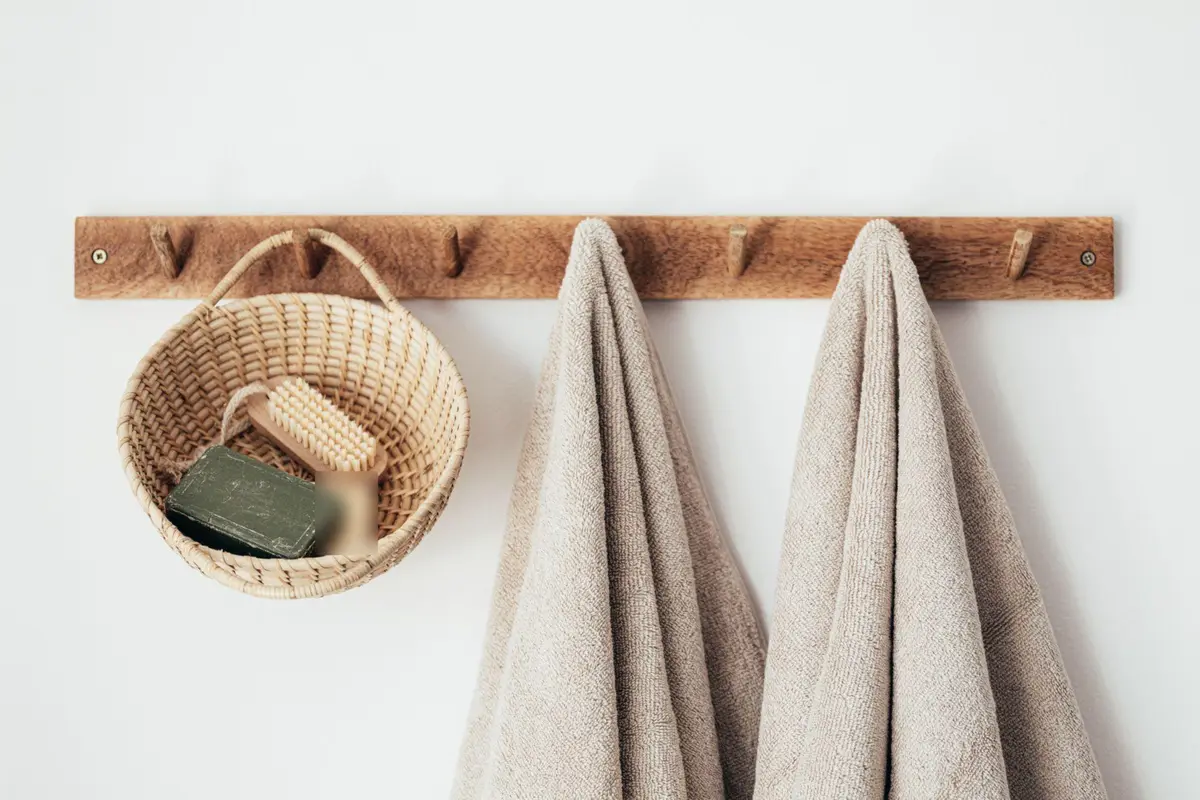
Measure the gap between the door and the front edge of the shelves before you buy. A rack that’s too deep keeps the door from closing.
Over-the-door racks need no drilling, which suits a rental. On a hollow door, keep the load light, so the door and its hinges aren’t strained.
A hanging organizer with clear pockets holds small things that get lost on a shelf, like spare toothbrushes, cotton pads, hair ties and travel sizes.
Keep anything risky off the door. Medicine and cleaning products belong in their locked bin, not in a pocket at a child’s eye level.
If the closet has a bifold or sliding door, a rack won’t fit. Use slim hooks or a narrow rail on the side wall inside the closet instead, where it doesn’t get in the way of the shelves.
12. Make a guest basket
When someone stays over, hand them one basket and they have everything they need: a bath towel, a hand towel, a washcloth, a new toothbrush, a small soap and travel-size toiletries.
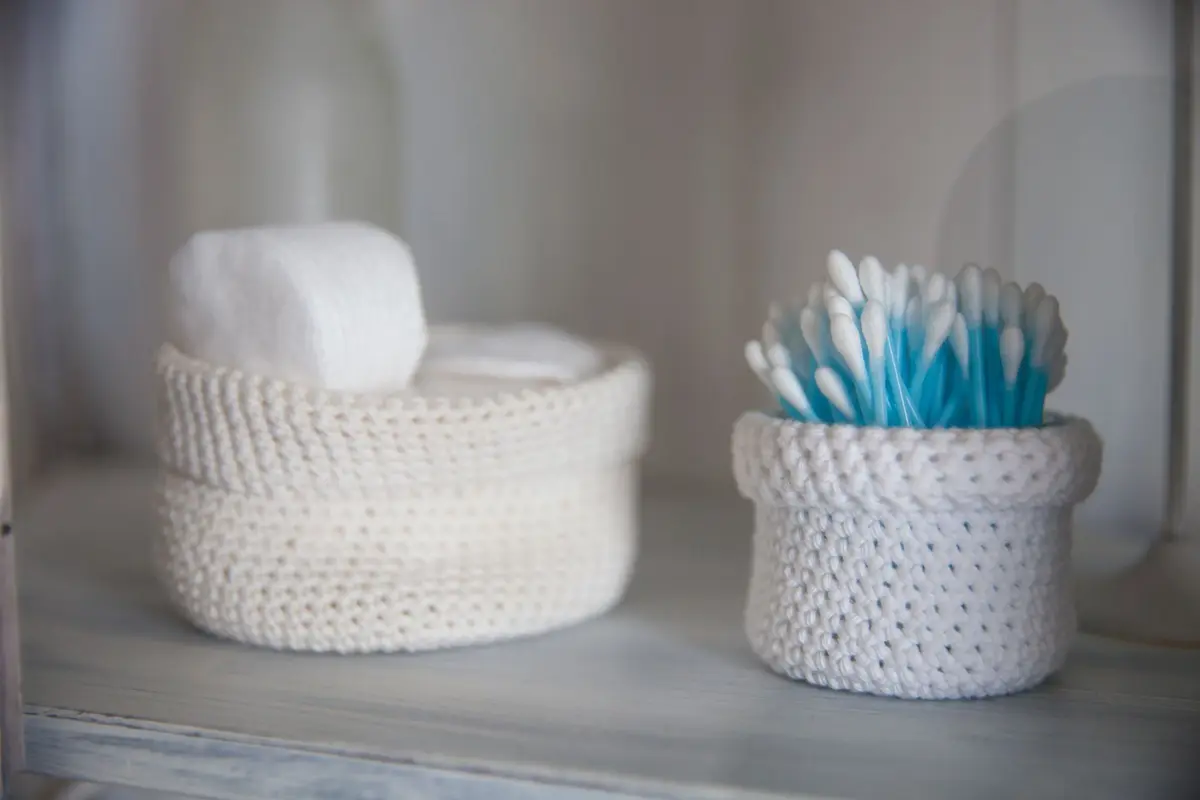
Keep the basket packed and ready on a shelf, so a last-minute guest takes no extra work. Small crocheted or woven bowls inside it keep cotton pads, swabs and tiny bottles from rolling around.
Add the things guests often forget: a phone charger, earplugs, a spare pillowcase and an extra blanket for a chilly room.
After a visit, restock the basket from your backup bin before you put it away. Wash the towels and tuck them back in once they’re dry, so it’s ready for next time.
A guest basket also helps when kids have friends sleep over, or when someone in the house is sick and needs their own towels for a few days.
Keep the guest bed’s sheet set, in its pillowcase bundle, right beside the basket. Then the guest bed is made in minutes, with nothing to hunt for.
13. Rotate and retire worn linens
Put freshly washed sheets and towels at the bottom or back of each stack, and take from the top or front. Every set gets used in turn, and nothing sits forgotten at the back for years.
Once or twice a year, pull out anything thin, stained, frayed or with tired elastic. Keep a few old towels as rags for spills, pets or the car, and let the rest go.
Many animal shelters welcome old towels and blankets for bedding and cleanup. Call a shelter near you first to ask what they can use.
Fabric that’s too worn for anything else may go to a textile recycling drop-off, depending on what your area offers.
When you bring home new linens, retire one old piece for each new one, so the closet doesn’t slowly fill back up. The declutter checklist works through the rest of the house the same way.
To keep it sorted, put each sheet set back in its pillowcase and each towel back in its lane when the laundry is folded. Every season, take a few minutes to check the medicine bin, refill the guest basket and pull out anything worn.
Save this for later
Pin it to a board so it's there when you're ready to start.
Save to Pinterest(opens in a new tab)Make it easier
Free printable
A room-by-room deep cleaning checklist for the jobs a weekly clean skips, from the oven and the grout to the vents and baseboards.
Free tool
Enter the width, depth and height of a shelf, a drawer or a cube cubby, and see which standard bins and baskets fit, how many, and how they line up.
Frequently asked questions
How many sheets and towels do I really need?
Two sets of sheets for each bed covers most homes: one on the bed and one in the closet or the wash. For towels, two bath towels for each person and a few hand towels and washcloths for each bathroom is a good start, with a separate set kept for guests.
Should I keep medicine in the linen closet?
A hall linen closet is often a better spot than a bathroom cabinet, because heat and moisture from the shower can damage medicines. Keep them in a lidded bin on a high shelf, in a box that locks if you can, out of children's reach and sight.
How do I keep fitted sheets neat on the shelf?
Tuck the corners into each other, fold the sheet into a rough rectangle, and store it inside a pillowcase with the rest of its set. The pillowcase hides the uneven folds and keeps the set together.
How do I organize a large or walk-in linen closet?
Use the extra room for zones, not taller stacks: everyday sheets and towels at eye level, labeled baskets for guests, first aid and backups, and bulky bedding on the floor or the lowest shelf. Shelf dividers turn wide shelves into neat columns you can see at a glance.