12 Microwave Cleaning Hacks That Steam Off Every Dried Splatter
Steam off dried splatters with lemon water, lift stuck spots with baking soda, wash the turntable and keep the door seal, vents and keypad clean.


The best microwave cleaning hacks let steam do the scrubbing: heat a bowl of water with lemon or a splash of vinegar until the window fogs, keep the door shut for a few minutes, then wipe the softened splatters away with a damp cloth. A baking soda paste lifts the stubborn spots, the turntable gets a soak in the sink, and a quick wipe after each spill keeps the job small.
These 12 ideas go past the inside walls to the door seal, the vents, the keypad and the smells that linger after burnt popcorn. Unplug the microwave before a deep clean whenever you can reach the plug, and follow the manual for any part you take out.
1. Steam it with lemon or vinegar and a wooden spoon
Fill a microwave-safe glass or ceramic bowl about halfway with water. Squeeze in the juice of half a lemon and drop in the rind, or add a splash of white vinegar instead.

Stand a wooden spoon or a wooden chopstick in the bowl before you heat it. Plain water heated alone in a clean, smooth bowl can get hotter than boiling without bubbling, then erupt when it’s moved; the lemon, the vinegar and the rough wood give bubbles somewhere to form.
Heat the bowl until the water boils and the window fogs over. Then leave the door shut for a few minutes, or until the bowl has cooled, so the steam keeps softening every dried splatter on the walls, the ceiling and the inside of the door.
Open the door slowly and lift the bowl out with oven mitts. Wipe everything down with a soft cloth, starting at the ceiling, since drips run down.
This is the same quick trick that opens our list of kitchen cleaning hacks. The ideas below take the microwave further, from the door seal to the vents.
2. Steam it with a damp cloth when there’s no lemon
No lemon and no vinegar on hand? A wet dishcloth makes its own steam. Soak a clean cotton cloth in warm water with a drop of dish soap, wring it out so it’s damp but not dripping, and lay it flat in a microwave-safe bowl or on a plate.
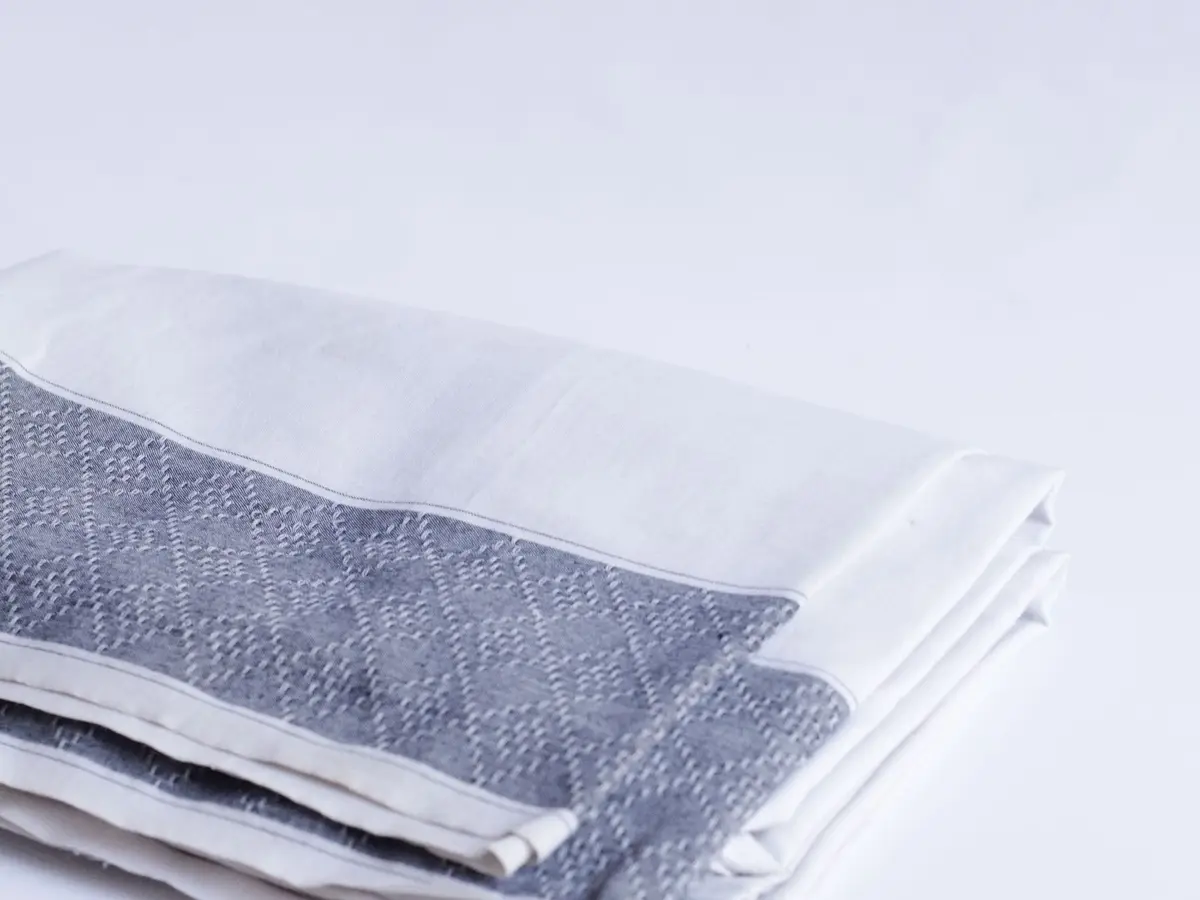
Use a plain cotton or microfiber cloth with no metal threads, no scrubbing pad and nothing that could spark. Heat it for a short burst, just until the window starts to fog, and stay close while it runs.
Leave the door shut for a few minutes while the steam does its work. The cloth will be very hot, so let it cool in the closed microwave before you touch it, or lift the plate out with oven mitts.
Once it’s cool enough to hold, use that same soapy cloth to wipe the walls, the ceiling and the door. The steam has already softened the splatters, and the soap in the cloth cuts the grease.
Rinse the cloth well and hang it to dry afterward. Wash it with the kitchen towels at the end of the week.
3. Lift stuck spots with a baking soda paste
Some splatters are baked on so hard that one round of steam won’t move them. Mix baking soda with a little water in a small bowl until it’s as thick as toothpaste.
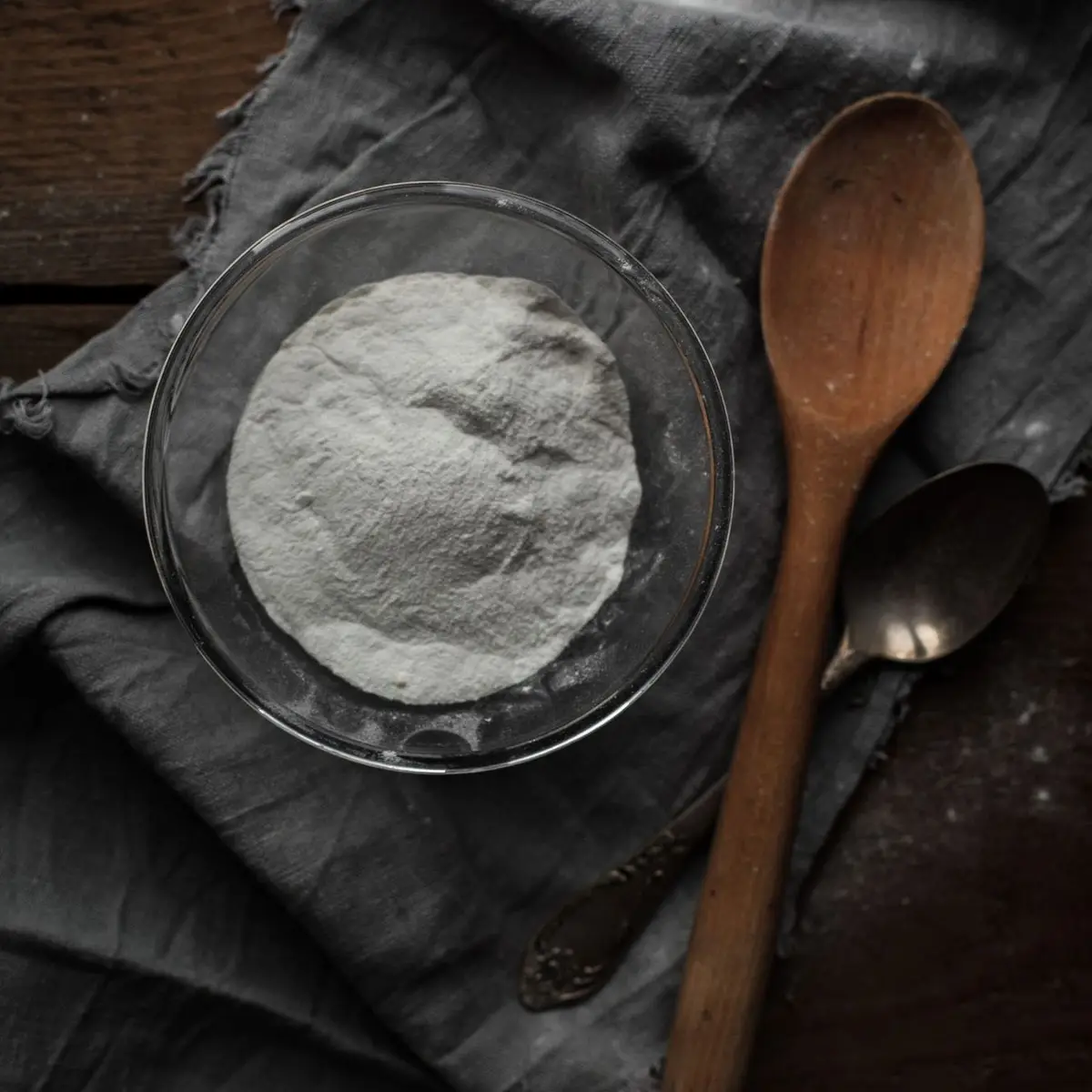
With the microwave unplugged and cool, dab the paste right onto each stuck spot with a damp cloth or a soft sponge. Leave it for several minutes to soften the crust.
Rub gently in small circles, then wipe the paste away with a clean, damp cloth. Baking soda is a gentle scrub, so it lifts the crust without scratching the inside of the microwave.
Skip steel wool, scouring pads, oven cleaner and gritty powders here. They scratch the inside walls and the door, and scratches give the next splatter more to grip.
Keep the paste away from the vent openings on the inside walls and the cover near the ceiling, so none of it ends up where you can’t wipe it out. Go back over every spot with plain water at the end, so no white film is left to warm up the next time you cook.
4. Wash the turntable and the roller ring in the sink
The glass turntable catches every spill, and food also collects on the roller ring underneath it. Once the microwave is cool, lift the turntable out with both hands, then take out the ring.
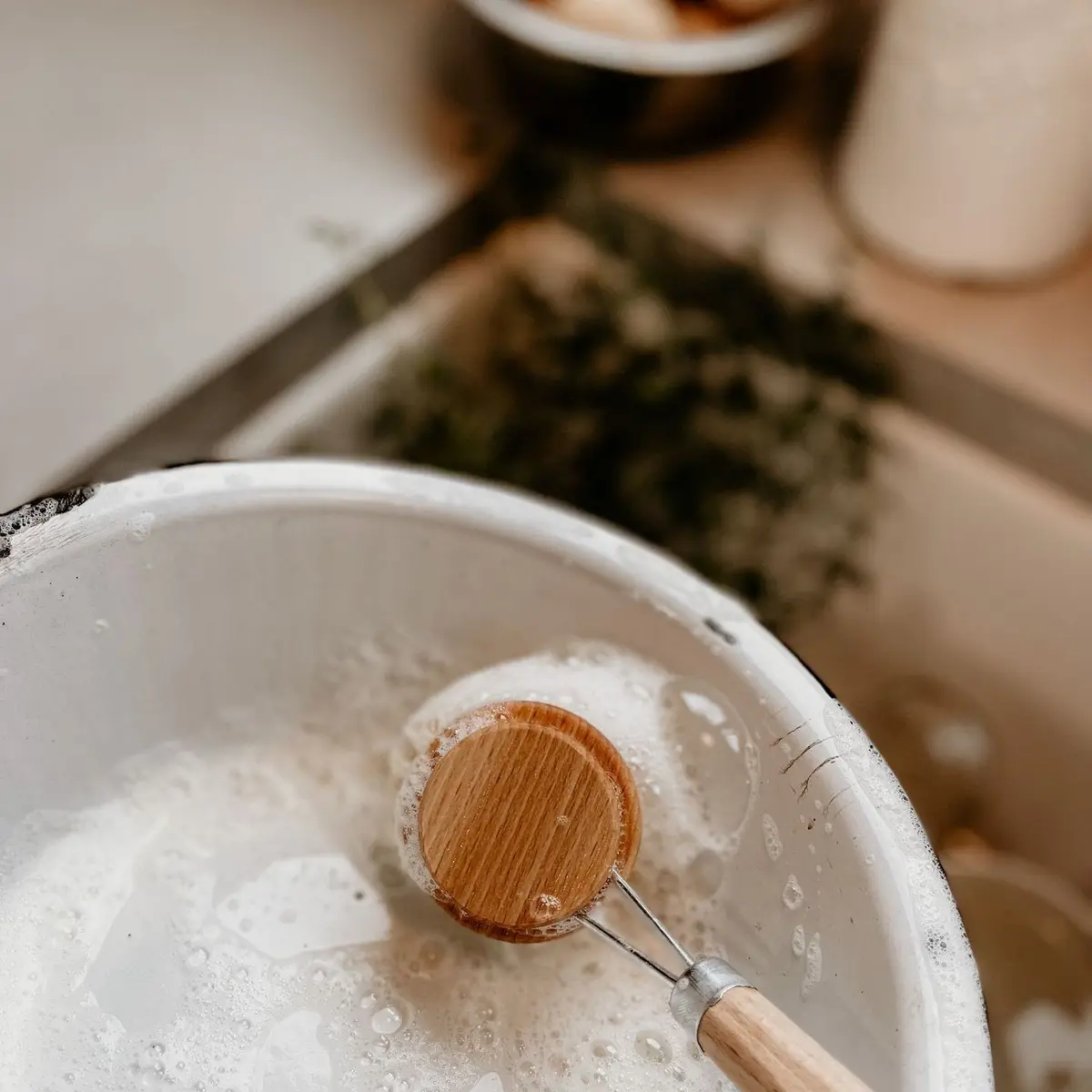
Wash both in warm, soapy water in the sink, like any other dish. Let a crusty turntable soak for a while first, and scrub it with a soft brush or a non-scratch sponge.
Many glass turntables can go in the dishwasher, but check the manual before you put either part in. A glass tray that’s still warm shouldn’t go into cold water, since a sudden temperature change can crack it.
While the turntable is out, wipe the floor of the microwave and the small hub in the middle, where crumbs hide. A damp cloth with a little dish soap is all it needs.
Dry both parts completely and set the ring back first, then the turntable, so it sits flat and turns smoothly. If it wobbles or scrapes, lift it out and seat it again.
5. Clean the door, the seal and the edges
The inside of the door and the edges around the opening get forgotten, but grease and crumbs build up there fast. With the microwave unplugged, wipe the inside of the door, the outer edge of the cavity and the frame around it with warm water and a little mild dish soap.
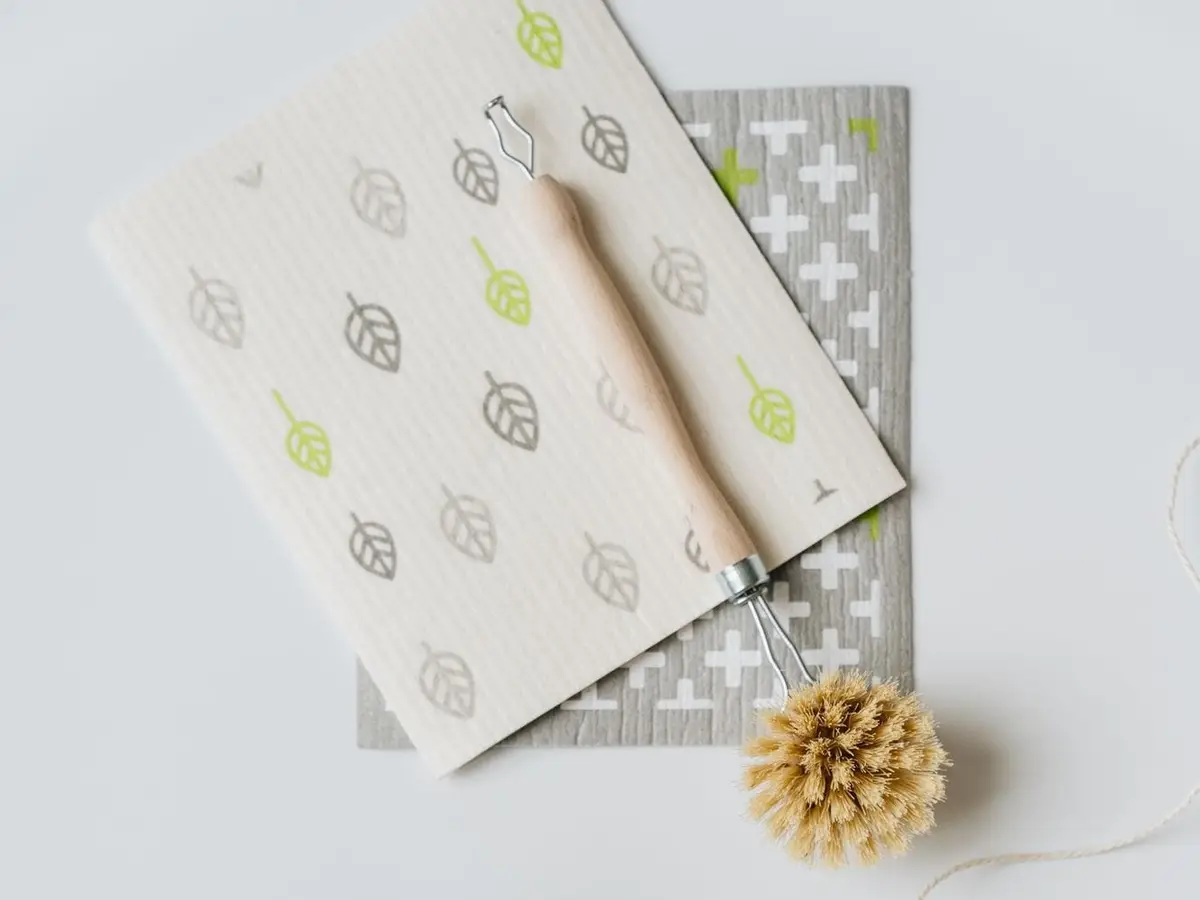
Use a soft cloth, and reach into the grooves and corners with a soft brush or an old toothbrush. Keep scouring pads, steel wool and other abrasives away from the door and the seal.
Wipe the window last, inside and out, with a damp cloth and then a dry one. A smooth door with a clean seal closes firmly every time.
While you clean, look the door over. If it doesn’t close firmly, or it’s bent, warped or otherwise damaged, stop using the microwave and contact the maker about the hinges, latches or seals.
A door in good condition is what keeps the microwave energy inside. That’s why it’s worth a slow, careful wipe instead of a scrub.
6. Degrease the vents and filter on an over-the-range microwave
A microwave mounted over the stove doubles as a vent, so grease and steam from cooking rise straight into it. The metal grease filters on the bottom catch most of it, and they need a wash every so often.
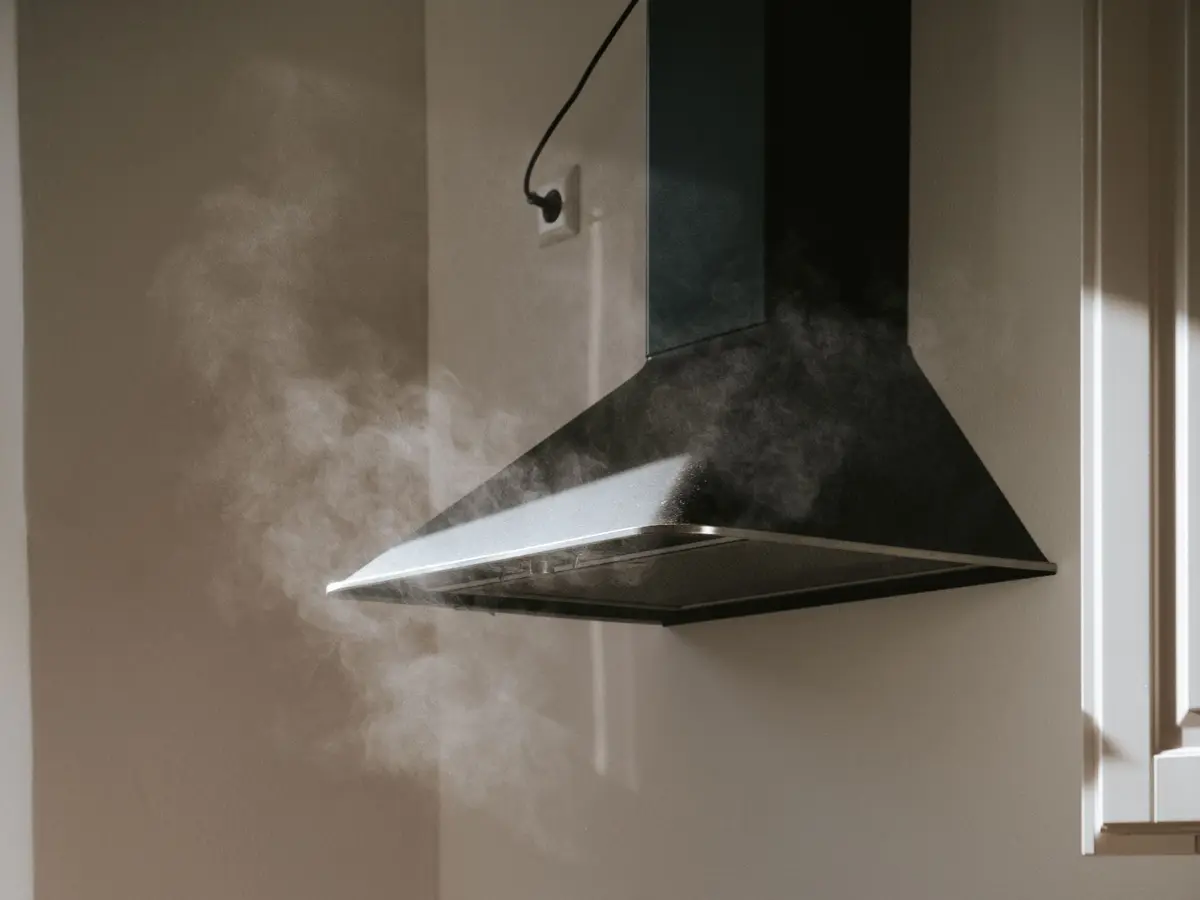
Turn the microwave and the stove off, let everything cool, and unplug the microwave or switch it off at the breaker if the manual says to. Then follow the manual to slide or unclip the grease filters.
Soak them in a sink of hot water with a good squeeze of dish soap, swish them around, and scrub gently with a soft brush. Rinse them well and let them dry completely before they go back in.
Some models that blow the air back into the room also have a charcoal filter. That one usually gets replaced rather than washed, and the manual says how often.
Wipe the underside of the microwave and the vent grilles on the front with a soapy cloth while the filters dry. Clean filters pull more steam and smoke away from the stove, and less grease ends up on the cabinets around it.
7. Spray the cloth, not the keypad
The outside of the microwave collects fingerprints, drips and sticky smudges, and the keypad gets the most of all. Spray a mild cleaner or soapy water onto a soft cloth, never onto the control panel, so no liquid runs in behind the buttons.
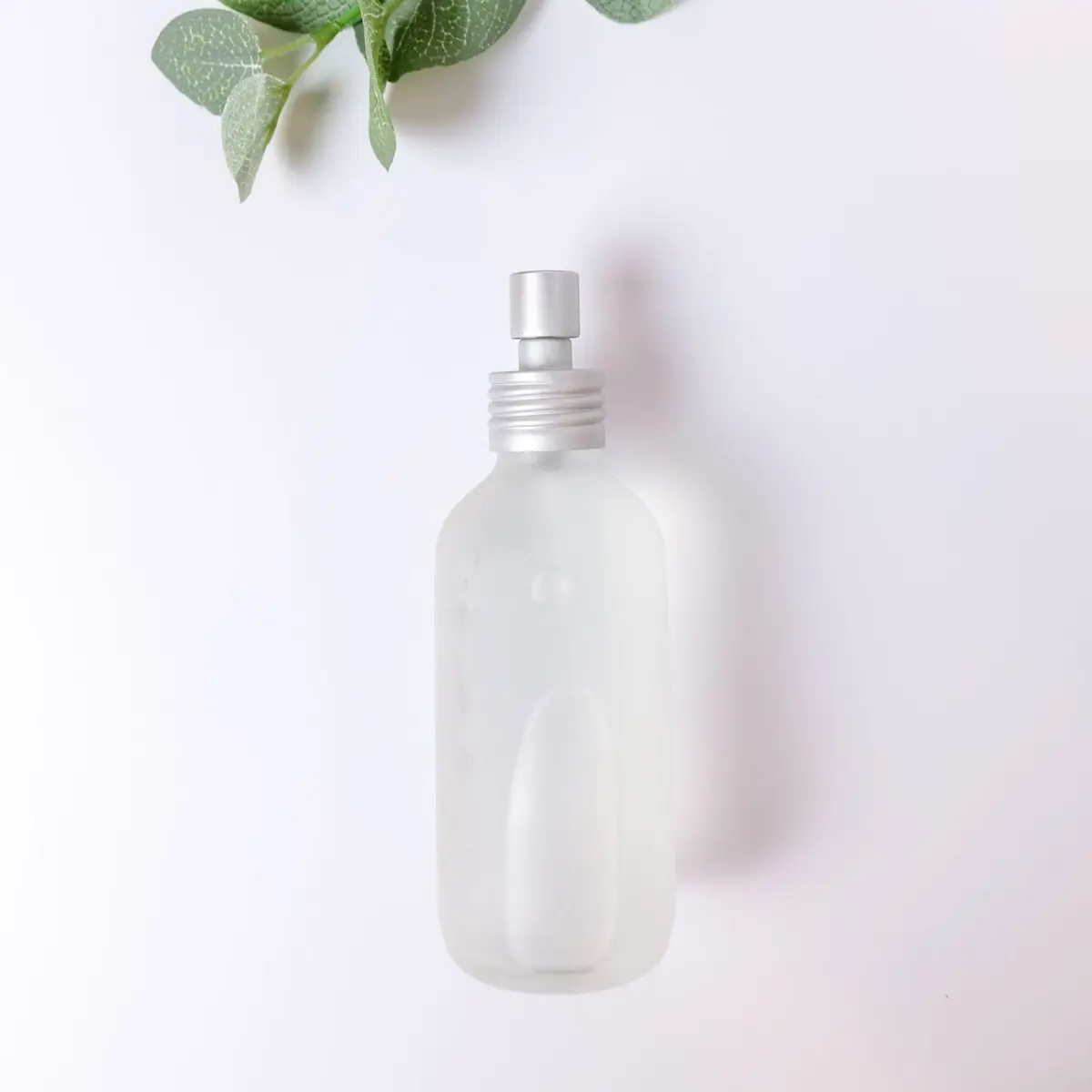
Open the door before you wipe the keypad. A microwave won’t run with its door open, so a stray press can’t start it while it’s empty.
Wipe the buttons gently, then go over them with a barely damp cloth and a dry one. Clean the handle next, since every hand in the house touches it.
Wipe a stainless steel front in the direction of the grain and buff it dry to avoid streaks. A painted or plastic front needs only a damp cloth.
The same rule works on every countertop appliance with buttons or a touch screen. These air fryer cleaning hacks use it for the outside of the air fryer, along with the basket and the drawer.
8. Freshen it with baking soda or lemon
A smell often hangs around after burnt popcorn, fish or a forgotten spill, even after the walls look clean. Clean every surface first, since smells cling to residue, including the turntable, the roller ring and the door seal.
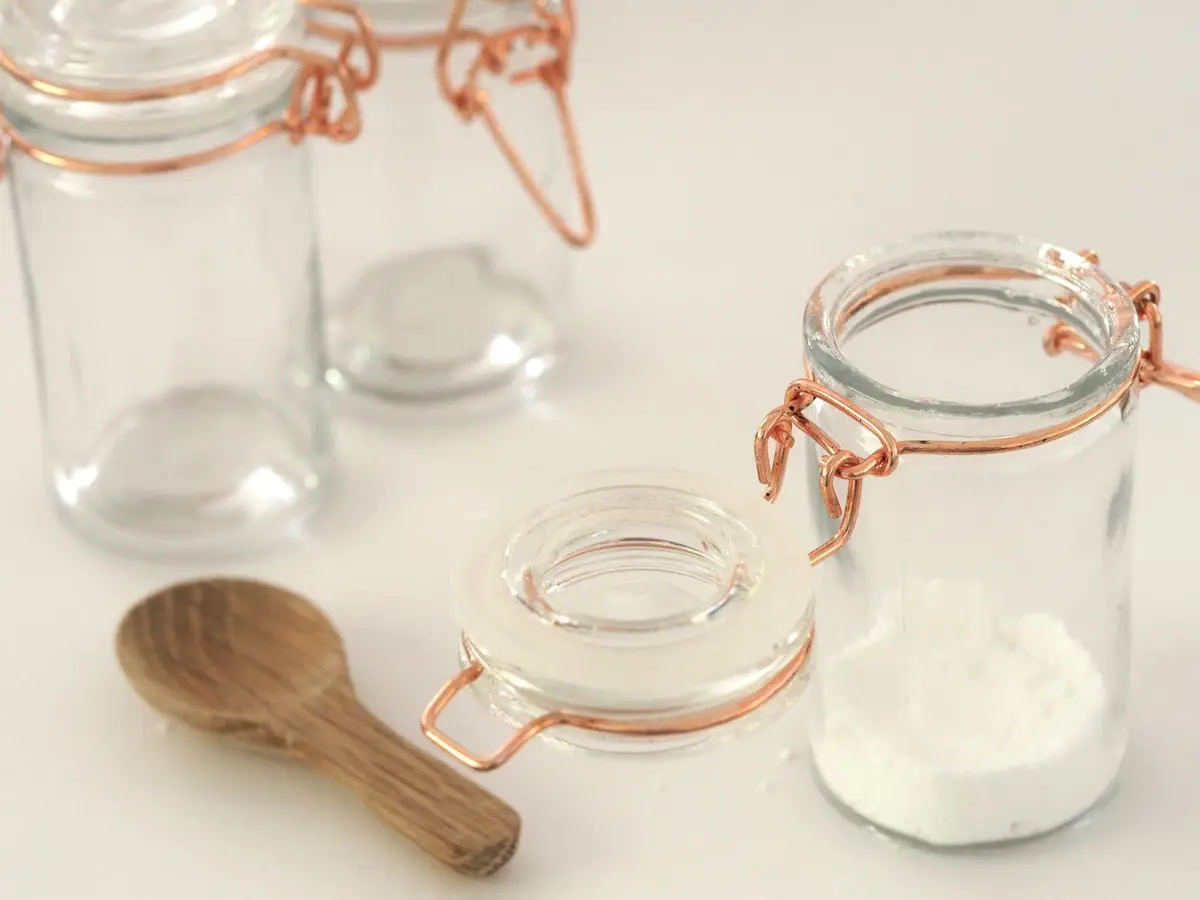
Then steam a bowl of water with a few spoonfuls of baking soda stirred in, the same way as the lemon steam. Leave the door closed until the bowl has cooled, and wipe the inside with a soft cloth.
For a smell that lingers, set an open dish of baking soda inside, close the door and leave it overnight. Take it out before you use the microwave again.
Lemon works well too, especially after something strong. Steam a bowl of water with lemon slices, then leave the door open for a while afterward to air it out.
An open container of baking soda is just as handy in the fridge, where it soaks up smells between cleanings. These fridge cleaning hacks cover the shelves, the drawers and the door gaskets too.
9. Cover food so splatters never land
The easiest microwave to clean is one that rarely gets dirty. Cover bowls and plates while they heat, especially sauces, soups, chili and leftovers that pop and spit.
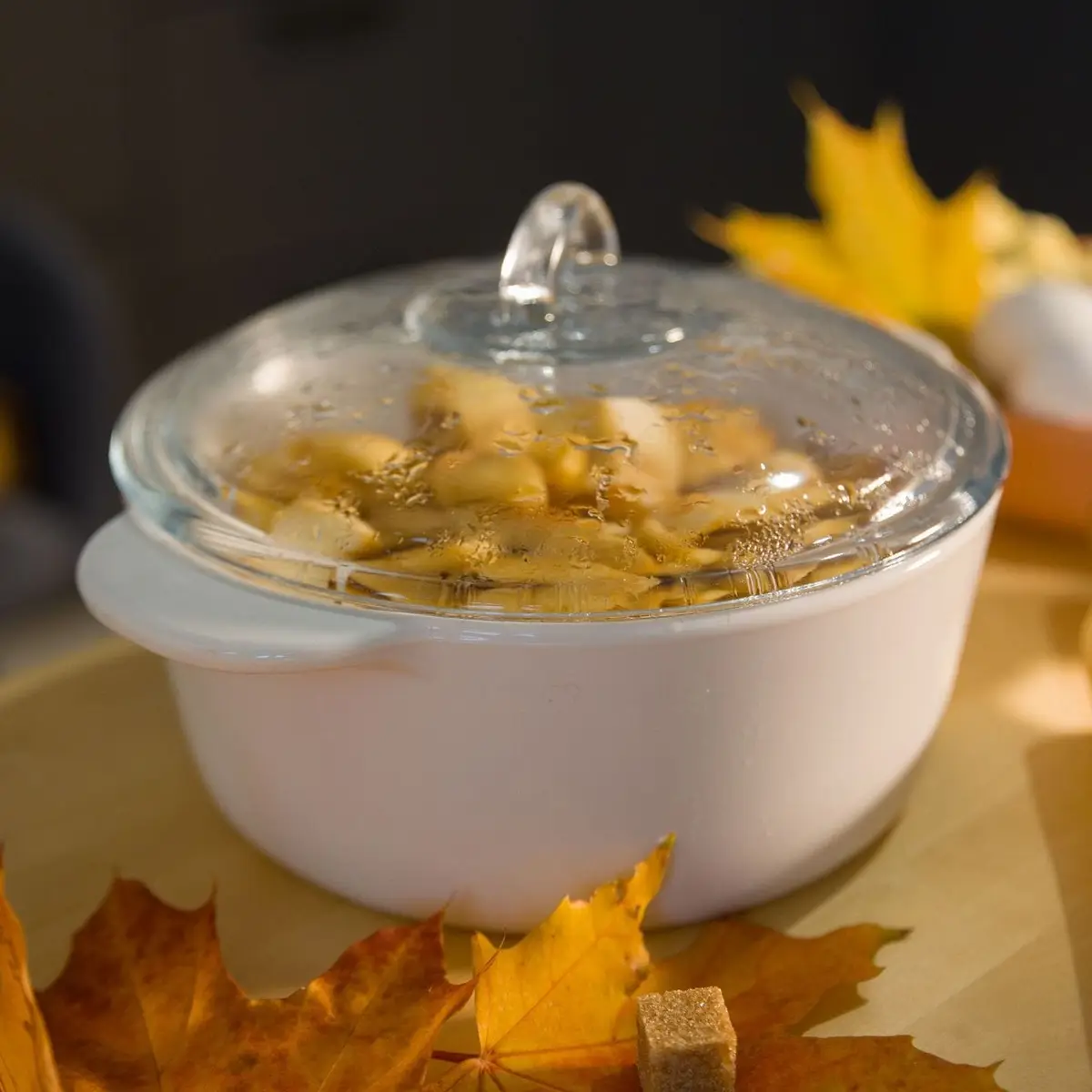
A microwave-safe splatter cover, a microwave-safe plate turned upside down or a lid labeled for the microwave all work. Leave a small gap or use a vented cover, so steam can escape instead of building up.
Paper towels and napkins work as a quick cover, but use plain ones. Recycled paper products may hold tiny flecks of metal that can spark.
Keep the cover in a cabinet or drawer right next to the microwave, so everyone in the house uses it without thinking. Wash it with the dishes whenever it gets splattered, since the cover is now doing the job the walls used to do.
Heat food in short bursts and stir in between, too. Food that heats evenly spits less than food that boils in one spot.
10. Wipe spills the same day
A fresh splatter wipes away in seconds, but the same splatter heated a dozen more times turns into a hard brown crust. Once the microwave has cooled after use, look inside for drips and spots.
Wipe them with a cloth wrung out in warm water and a drop of dish soap, then go over the spot with a clean, damp cloth. Lift the turntable for a quick wipe underneath if anything ran off the edge.
Make it part of the after-dinner routine: wipe the microwave when you wipe the counters. Keep a clean cloth just for it, so grease from the stove doesn’t travel inside.
Every round of heating dries an old splatter a little harder. The walls stay clean for longer when nothing gets the chance to bake on.
A daily wipe also means the weekly steam takes only a few minutes. Most weeks, the bowl of lemon water is all the microwave needs.
11. Use it safely, so cleaning stays simple
A few habits protect the microwave and everyone using it. Some microwaves shouldn’t be run empty, so never switch it on with nothing inside, and check the manual for your model.
Keep metal out: no metal pans, foil, metal-trimmed dishes, twist ties or paper bags, and use dishes labeled microwave-safe. Read the labels on containers to learn which ones are made for the microwave.
Heat water and other liquids only as long as the manual recommends. Water heated by itself in a clean cup can superheat without looking like it’s boiling, and stirring in something such as sugar or instant coffee before heating lowers that risk.
If food ever catches fire inside, keep the door closed, turn the microwave off and unplug it. Opening the door feeds oxygen to the flames.
Unplug the microwave before a deep clean whenever you can, and let it cool first. Stop using it if the door doesn’t close firmly or looks bent or warped.
12. Put the microwave on the weekly reset
A little upkeep keeps the microwave from ever turning into a big job. Wipe spills the day they happen, steam the inside and wash the turntable once a week, and save the filters and the door seal for a monthly round.
Write the jobs on the same list as the rest of the kitchen, so none of them gets skipped. The free weekly cleaning schedule has space for small jobs like this one.
Group the microwave with the other appliances that need a regular turn. The coffee maker needs a regular descale too, and here’s how to clean a coffee maker step by step.
Check the microwave over while you clean: the door, the light, the turntable and the cord. A cracked turntable, a frayed cord or a door that won’t latch is a reason to stop and call for repair, not to keep cooking.
Keep the lemon, the baking soda and a clean cloth together in one spot near the microwave. When the supplies are ready, the weekly steam takes only a few minutes.
Save this for later
Pin it to a board so it's there when you're ready to start.
Save to Pinterest(opens in a new tab)Make it easier
Free printable
Weekly Cleaning Schedule Printable
A one-page weekly cleaning schedule: a few quick jobs every day, plus one focus area a day, so the whole house gets done without a cleaning marathon.
Free printable
A room-by-room deep cleaning checklist for the jobs a weekly clean skips, from the oven and the grout to the vents and baseboards.
Frequently asked questions
What is the fastest way to clean a microwave?
Heat a microwave-safe bowl of water with lemon juice or a splash of vinegar until it boils and the window fogs, then leave the door shut for a few minutes. The steam softens dried food, so the walls, ceiling and door wipe clean with a damp cloth.
Can I use vinegar to clean my microwave?
Yes. A bowl of water with a little white vinegar, heated until it steams, loosens stuck food and helps with smells. Never mix vinegar with bleach, and wipe everything with plain water afterward so no sharp smell lingers.
How do I get a burnt smell out of a microwave?
Clean every surface first, including the turntable, the roller ring and the door seal, since the smell clings to residue. Then steam a bowl of water with lemon or baking soda and leave an open dish of baking soda inside overnight with the door shut.
Is it safe to clean a microwave with the power on?
Unplug it first whenever you can reach the plug, and let it cool after use. A built-in or over-the-range model that's hard to unplug can be switched off at the breaker, and its manual explains which parts you can remove.
Should I keep using a microwave with a damaged door?
No. Stop using it if the door doesn't close firmly or is bent, warped or otherwise damaged, and contact the maker about damaged hinges, latches or seals. A door in good condition is what keeps the microwave energy inside.