11 Kitchen Cleaning Hacks From the Sink Drain to the Range Hood
Steam the microwave with lemon water, soak a greasy hood filter, freshen the drain and disposal, sanitize sponges and close the kitchen in two minutes.

The best kitchen cleaning hacks let heat, soaking and a little baking soda do the scrubbing: steam the microwave with lemon water, soak the hood filter in hot soapy water, and freshen the drain and the disposal with the power off. Then keep sponges, towels and cutting boards clean, and close the kitchen each night with a quick wipe-down.
These 11 hacks cover the spots that get skipped in a busy kitchen, from the drain basket to the crumb tray. Use one product at a time, and never mix cleaners.
1. Steam the microwave with lemon water
Fill a microwave-safe bowl partway with water, add a few lemon slices, and heat it until the window fogs up. Leave the door closed for a few more minutes, so the steam can soften every dried splatter on the walls and ceiling.

Water heated in a smooth bowl can get hotter than it looks without bubbling, so open the door slowly and lift the bowl out with oven mitts. Then wipe the inside with a soft cloth dipped in warm water and a little dish soap, and skip scouring pads, which scratch.
This is one of the tricks in our list of cleaning hacks for the whole house, and in the kitchen it’s worth finishing the job. Wipe the outer edge of the cavity and the inside of the door, where splatters and grease collect.
Lift out the turntable and the roller ring underneath it, and wash both in the sink. Wipe the keypad with a barely damp cloth, never a spray, so no water runs into the buttons.
While the door is open, check that it closes firmly. A microwave with a bent or damaged door shouldn’t be used until it’s repaired.
2. Soak the range hood filter in hot, soapy water
The metal filter under the range hood catches grease from every meal, and a clogged one can’t pull steam and smoke out of the kitchen. Most filters slide or pop out from underneath; turn the fan and the light off and let the hood cool first.

Fill the sink or a large tub with the hottest tap water you have and a generous squeeze of dish soap, and sprinkle in some baking soda. Lay the filter flat, let it soak until the grease softens, then scrub it gently with a soft brush.
Rinse it well and let it dry completely before it goes back in. If the manual says the filter is dishwasher-safe, run it on its own instead, and keep the machine fresh afterward with our guide to how to clean a dishwasher.
Charcoal filters in hoods that recirculate air can’t be washed at all. Replace those on the schedule in the manual.
While the filter dries, wipe the underside of the hood with warm, soapy water. The oven below gets its own set of tricks in oven cleaning hacks, so this one stays on the hood above it.
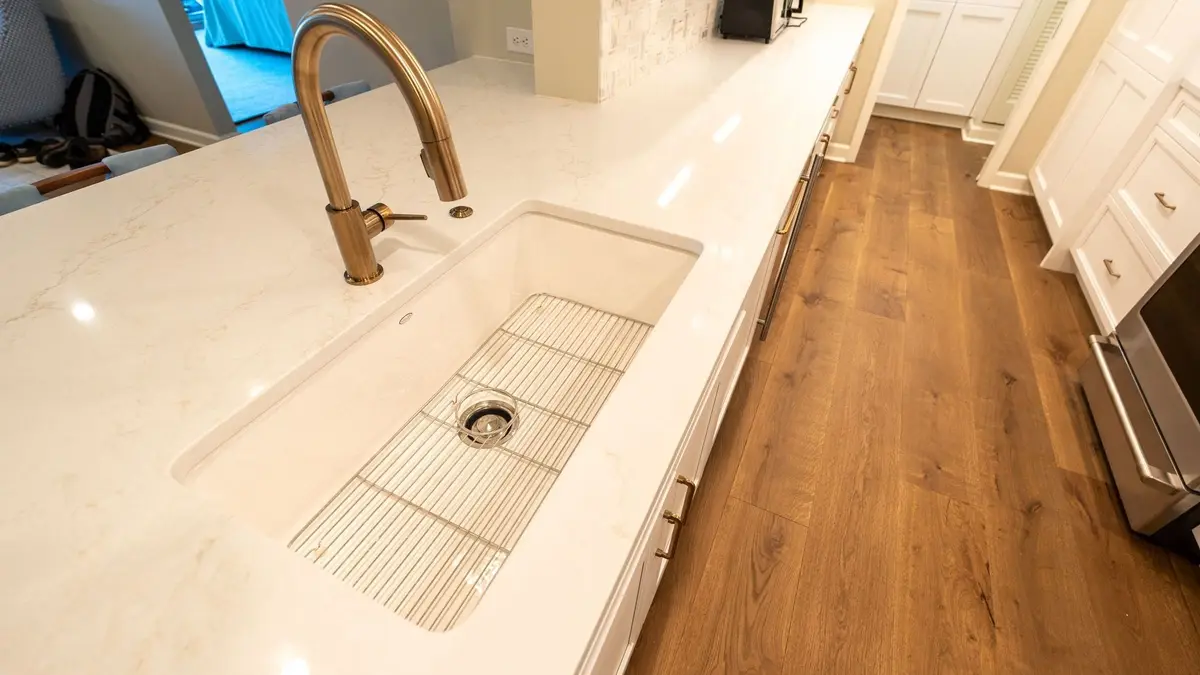
3. Freshen the sink drain with baking soda and hot water
A sink can look clean and still smell, because food bits and grease cling to the drain basket and the pipe just below it. Start by pulling out the basket or stopper and washing it with dish soap and an old toothbrush.
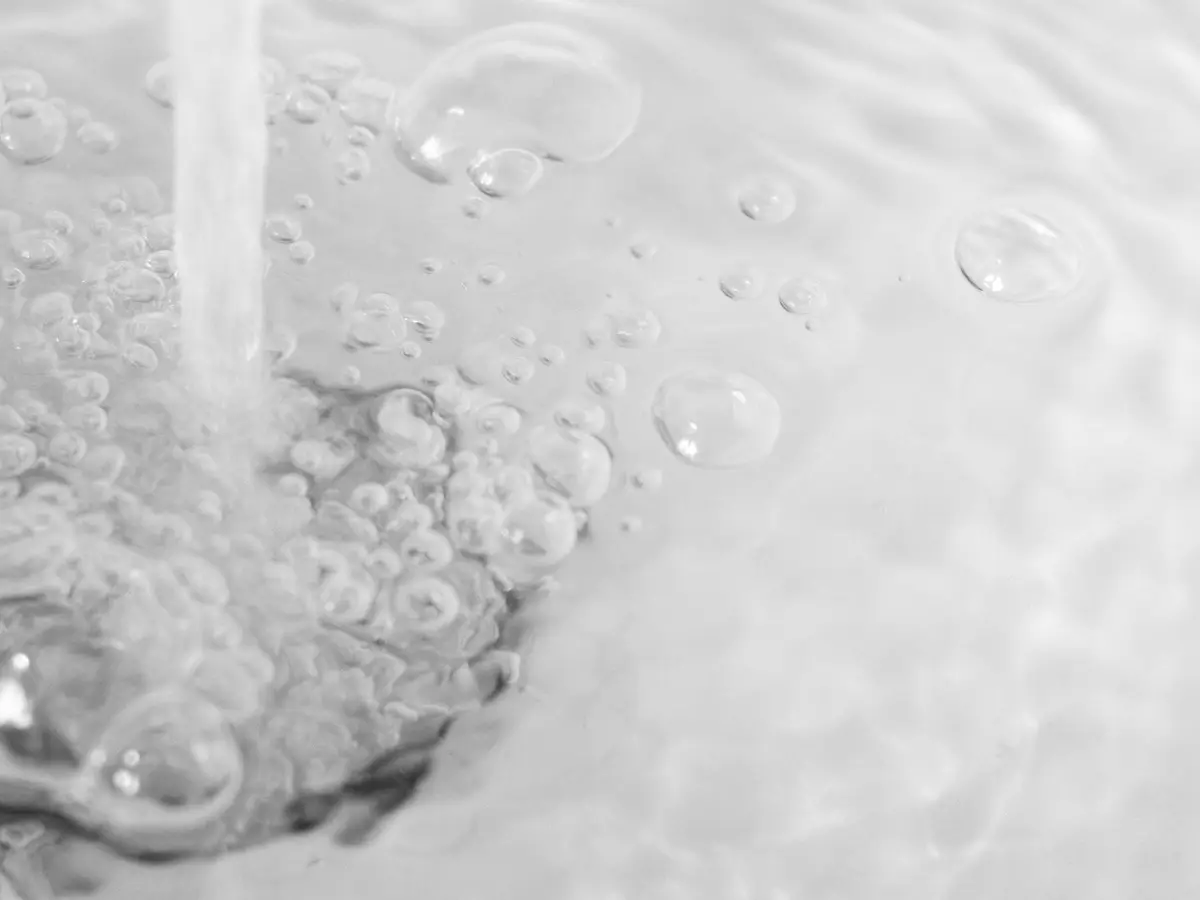
Scrub around the rim of the drain opening too, where a dark ring builds up under the edge. A toothbrush reaches into the gap that a sponge can’t.
Then sprinkle a good handful of baking soda into the drain, let it sit for a little while, and flush it with plenty of hot tap water. Some people add white vinegar after the baking soda for a fizzing rinse, then follow with hot water.
Skip the baking soda and vinegar entirely if you’ve recently used a chemical drain opener, or if there’s still standing water with drain opener in it. Never mix a drain opener with anything else.
Keep grease, oil and fat out of the drain in the first place. Wipe greasy pans with a paper towel before washing them, and the drain stays fresher between cleanings.
4. Clean the garbage disposal with the power off
Before you reach for anything in the disposal, cut the power. Unplug it from the outlet under the sink, or if it’s wired in, make sure the wall switch is off and switch off its circuit breaker.
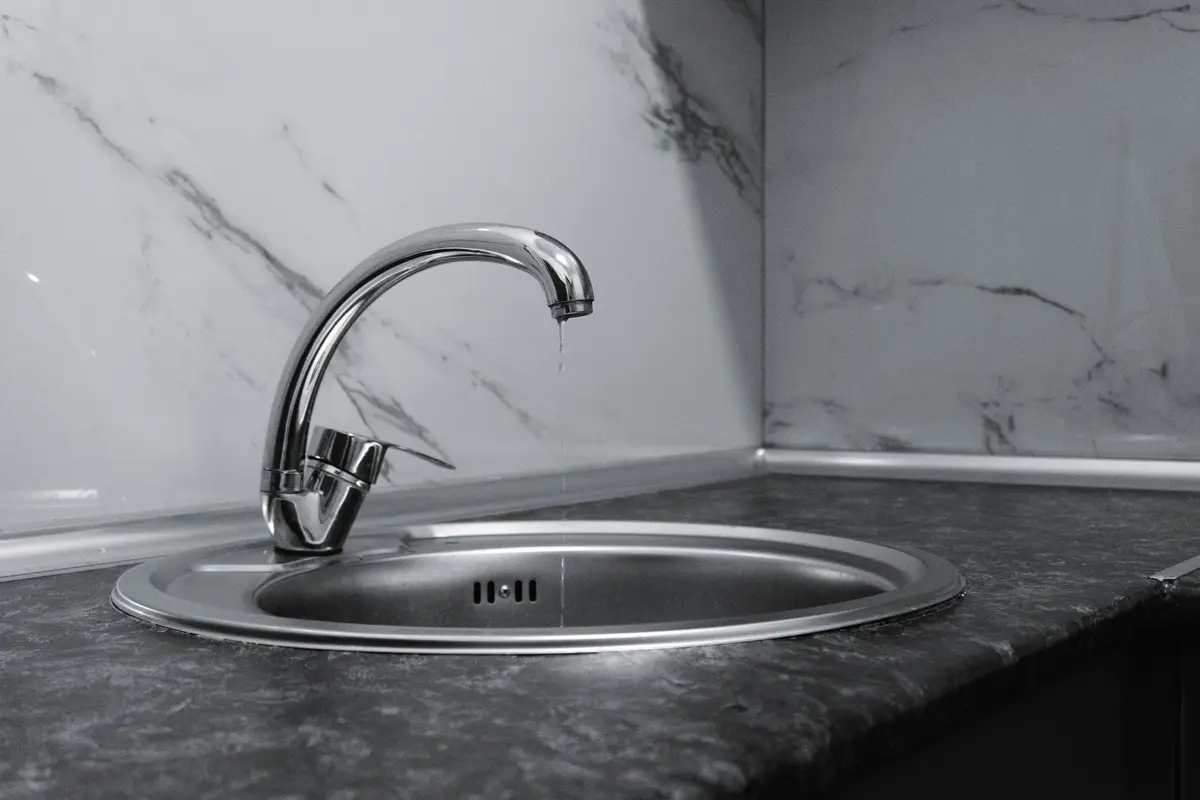
Never put your hand into the disposal, even with the power off. Use tongs to lift out a spoon, a bottle cap or anything else that fell in.
The worst smell usually hides under the rubber splash guard, the flaps at the top of the drain. Lift each flap and scrub its underside with a brush and dish soap, then rinse it well.
Once the power is back on, run cold water and the disposal together for a little while to flush everything through. A few small pieces of lemon or orange peel leave a fresher smell behind.
Keep starchy scraps like potato peels out of the disposal, since they turn into a sticky paste that can jam the blades. If it hums but won’t turn, switch the power off again and follow the manual, which usually shows how to free the jam from a socket on the underside of the unit.
5. Sanitize the sponge, or swap it out often
A damp kitchen sponge is a cozy home for bacteria, and it spreads them across every plate and counter it touches. Rinsing it under the tap doesn’t fix that, and neither does a soak in bleach water or lemon juice.
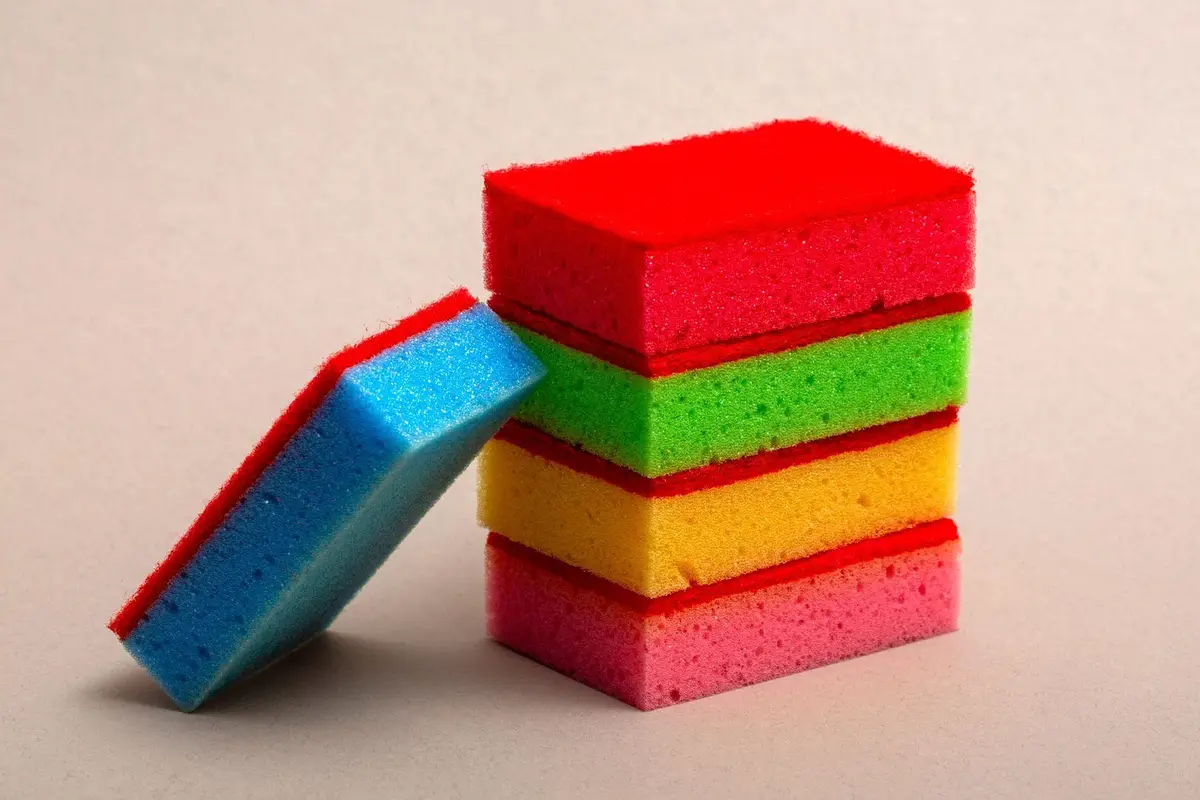
Heat works much better. A sponge that’s soaking wet and has no metal in it can go in the microwave for about a minute, and a sponge run through the dishwasher with a heated drying cycle comes out much cleaner too.
Let a microwaved sponge cool inside the microwave before you touch it, because it comes out steaming hot. Never microwave a dry sponge or one with a steel scrubbing side.
Between uses, rinse the sponge well, squeeze out as much water as you can, and stand it on its edge in a spot where air can reach it. A sponge left sitting in a puddle by the sink never dries.
Swap it for a fresh one as soon as it smells, falls apart or looks grubby, whatever the calendar says. Use paper towels for raw meat juices instead of the sponge, and toss them right away.
6. Wash dish towels and dishcloths on hot
Dish towels and dishcloths pick up as much as sponges do, and they get used for everything from wet hands to wiped counters. Wash them regularly in the washer’s hot cycle and dry them in the dryer before they go back to work.

Always wash a towel or cloth after it’s been used on raw meat juices. Better still, use paper towels for those spills, so the cloth never touches them.
Keep a small stack of clean towels in a drawer near the sink, so grabbing a fresh one each day is easier than reusing yesterday’s. A towel that smells sour, even after it dries, is overdue for the wash.
Hang towels and cloths open on a hook, a bar or the oven handle between uses, instead of leaving them balled up on the counter. Spread out, they dry in a few hours and stay fresher.
Give each towel one job if you can: one for drying hands, one for drying dishes and a cloth for wiping counters. Different colors make it easy for everyone in the house to grab the right one.
7. Wipe the fridge shelves and keep a box of baking soda
Spills in the fridge are easiest to clean the day they happen, before they dry into sticky rings. Wipe them with warm, soapy water, then go over the spot with a cloth dipped in clear water.
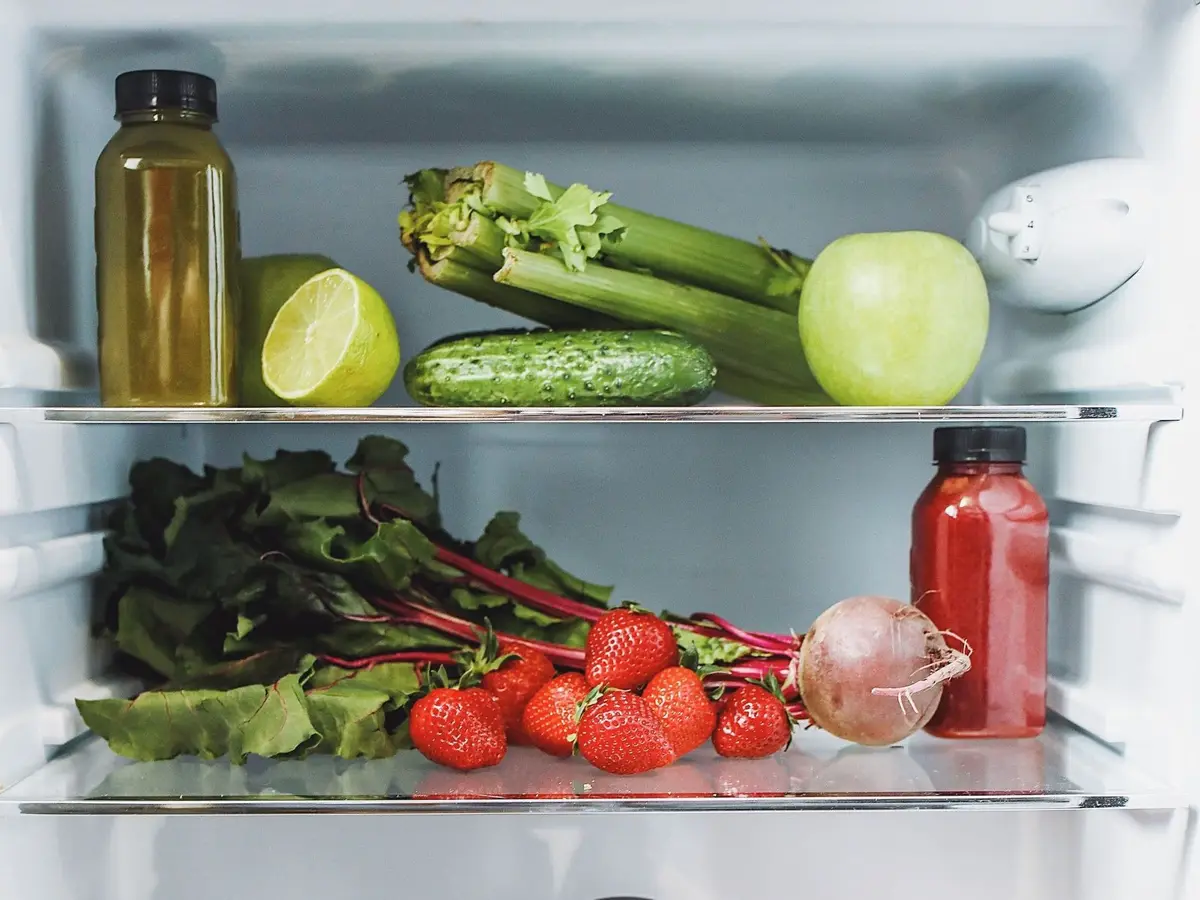
Every so often, empty one shelf at a time and toss anything past its best. Take out the shelves and drawers, wash them with dish soap and water, and let them air dry before they go back in.
Let a cold glass shelf warm up on the counter for a while before it meets hot water. Wash the walls inside with a mild solution of baking soda and water, which lifts grime and takes care of stale smells.
Skip solvents and harsh cleaners inside the fridge, since their fumes can find their way into food and ice. Plain soap, water and baking soda handle almost every job in there.
Set an open box of baking soda on a shelf to keep the fridge smelling fresh, and swap it for a new one whenever you do a full clean-out. While the door is open, check that the fridge stays at forty degrees Fahrenheit or colder.
8. Soak the faucet aerator in vinegar
If the faucet sputters, sprays sideways or runs weaker than it used to, the aerator is probably clogged. That’s the small screen at the tip of the spout, and minerals and grit build up in it over time.
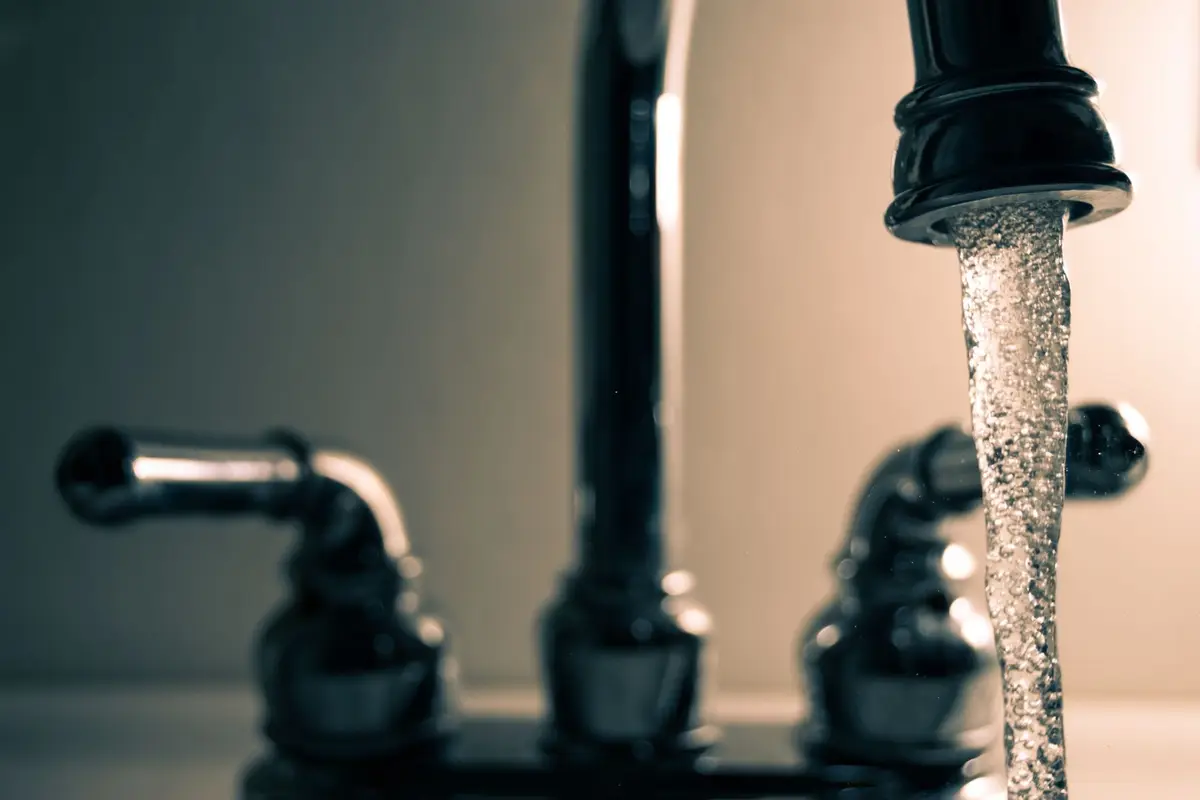
Plug the drain or lay a towel over it first, so no tiny part disappears down it. Unscrew the aerator by hand, or wrap it in masking tape and use pliers so the finish doesn’t scratch.
If it won’t budge, fill a small plastic bag with white vinegar, tie it around the spout so the aerator sits in the vinegar, and wait a while before trying again. Take a picture of the parts before you pull them apart, so they go back in the right order.
Soak the pieces in a cup of white vinegar until the buildup loosens, then scrub them gently with a toothbrush. Rinse everything under running water, put it back together and screw it on by hand.
Clean the aerator routinely, and always after a water main break or any other interruption to your water service. If a faucet is old and the aerator is stuck fast, call a plumber rather than forcing it.
9. Descale the coffee maker and empty the toaster’s crumb tray
Small appliances on the counter get used every day and cleaned almost never. Wash the coffee maker’s carafe and filter basket with warm, soapy water after use, and leave the lid open so the inside can dry.
Hard water leaves a crust of minerals inside the machine, which slows brewing and dulls the taste. Descale it the way the manual says: many call for a cycle of white vinegar and water followed by plain water rinses, while others want a descaling solution or say no vinegar at all.
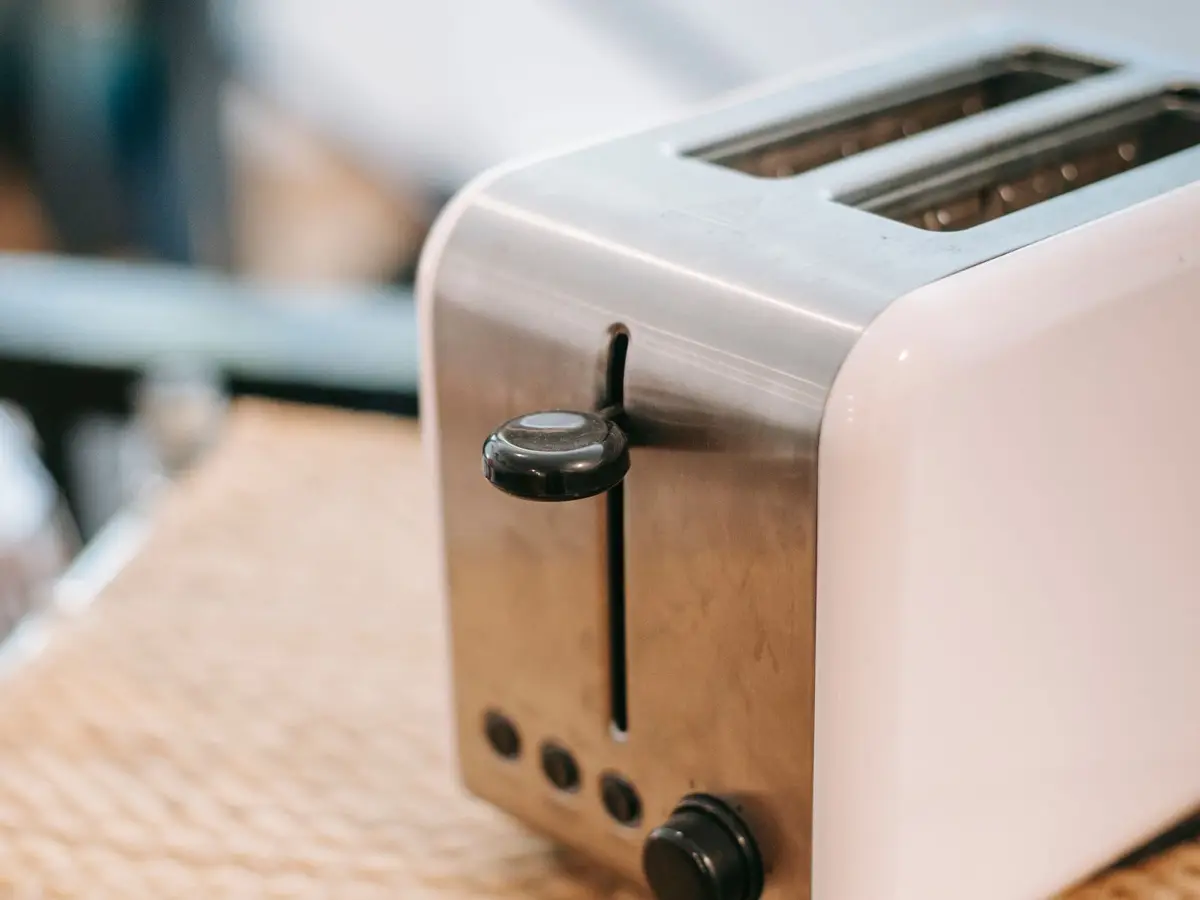
The toaster needs its crumbs cleared out. Unplug it, let it cool completely, then slide out the crumb tray and empty it over the trash.
Wash the tray, dry it and slide it back in. If the toaster has no tray, turn it upside down over the sink and tap it gently.
Never poke inside the slots with a fork or a knife, even when it’s unplugged, since the heating wires are fragile. Wipe the outside with a damp cloth, and empty the tray often so old crumbs don’t burn and smoke the next time you make toast.
10. Refresh cutting boards after every use
Wash every cutting board with hot, soapy water after each use, and scrub it with a brush so nothing stays in the knife marks. Keep one board for raw meat, poultry and seafood and another for bread, fruit and vegetables.

To sanitize a board, mix half a teaspoon of unscented liquid bleach into a quart of water, cover the surface for a minute, then rinse or let it air dry. Use that solution on its own and never add anything else to it.
Don’t soak a wooden board or leave it standing in water, because the wood can warp or crack. Dry it right away, standing on its edge.
Rub a wooden board with food-safe mineral oil about once a month to keep it from drying out. Skip olive oil and vegetable oil, which can turn sticky and rancid.
For stains and smells on wood, sprinkle the board with coarse salt and scrub it with a cut lemon, then rinse and dry it. That freshens the board, but it doesn’t sanitize it. Replace any board with deep grooves or cracks that you can’t get clean.
11. Close the kitchen with a two-minute wipe-down
The fastest way to keep a kitchen clean is to never let it get dirty for long. Before bed, clear the counter, spray it, and wipe toward the sink so crumbs land where you can rinse them away.
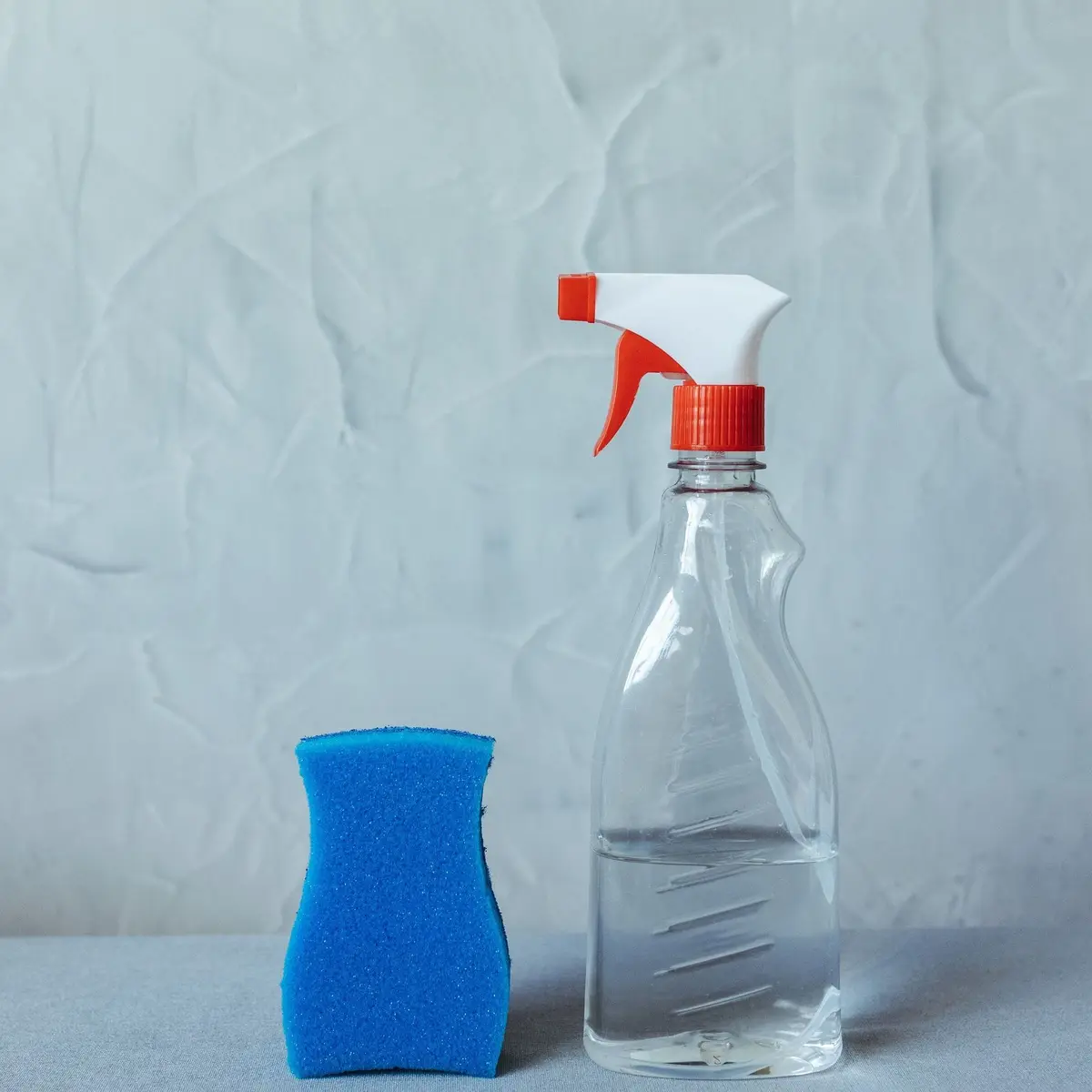
Then wipe the spots everyone touches: the fridge handle, the microwave keypad, the faucet handles and the cabinet pulls. Grease on the cabinet doors near the stove needs more than a quick wipe, and our guide to how to clean kitchen cabinets walks through it step by step.
Rinse the sink, hang the dishcloth to dry and start the dishwasher if it’s full. Take out the trash when it’s close to full, and wipe the lid while you’re there.
Once a week, wash the trash can itself with hot, soapy water and let it dry completely before a new bag goes in. A sprinkle of baking soda in the bottom helps keep smells down.
Put the bigger jobs on this list, like the hood filter, the aerator and the coffee maker, on a weekly cleaning schedule so each one comes around on its own.
Save this for later
Pin it to a board so it's there when you're ready to start.
Save to Pinterest(opens in a new tab)Make it easier
Free printable
Weekly Cleaning Schedule Printable
A one-page weekly cleaning schedule: a few quick jobs every day, plus one focus area a day, so the whole house gets done without a cleaning marathon.
Free printable
A room-by-room deep cleaning checklist for the jobs a weekly clean skips, from the oven and the grout to the vents and baseboards.
Frequently asked questions
How often should I clean my kitchen?
Wipe the counters, the sink and the spots everyone touches every night, and deal with spills the day they happen. Wash towels and refresh the sponge each week, and save the hood filter, the faucet aerator, the disposal and the coffee maker for a monthly round.
Is it safe to microwave a kitchen sponge?
Yes, as long as the sponge is soaking wet and has no metal in it, such as a steel scrubbing side. Heat it for about a minute, then leave it inside until it cools, because it comes out steaming hot.
Can I mix cleaners to cut through kitchen grease faster?
No. Mixing bleach with other cleaners or disinfectants can release vapors that are dangerous to breathe. Use one product at a time, rinse the surface before you switch, and keep a window open or the hood fan running.
Why does my kitchen still smell after I take out the trash?
The smell usually comes from somewhere you can't see: food stuck under the disposal's rubber flaps, a dirty drain basket, a damp sponge, a spill at the back of the fridge or residue in the bottom of the trash can. Check each one, clean what you find, and keep an open box of baking soda in the fridge.