12 Oven Cleaning Hacks That Let Baking Soda Do the Work
Clean an oven the easy way: a baking soda paste left overnight, a vinegar spray, steam, soaked racks, a safe self-clean cycle and a monthly routine.

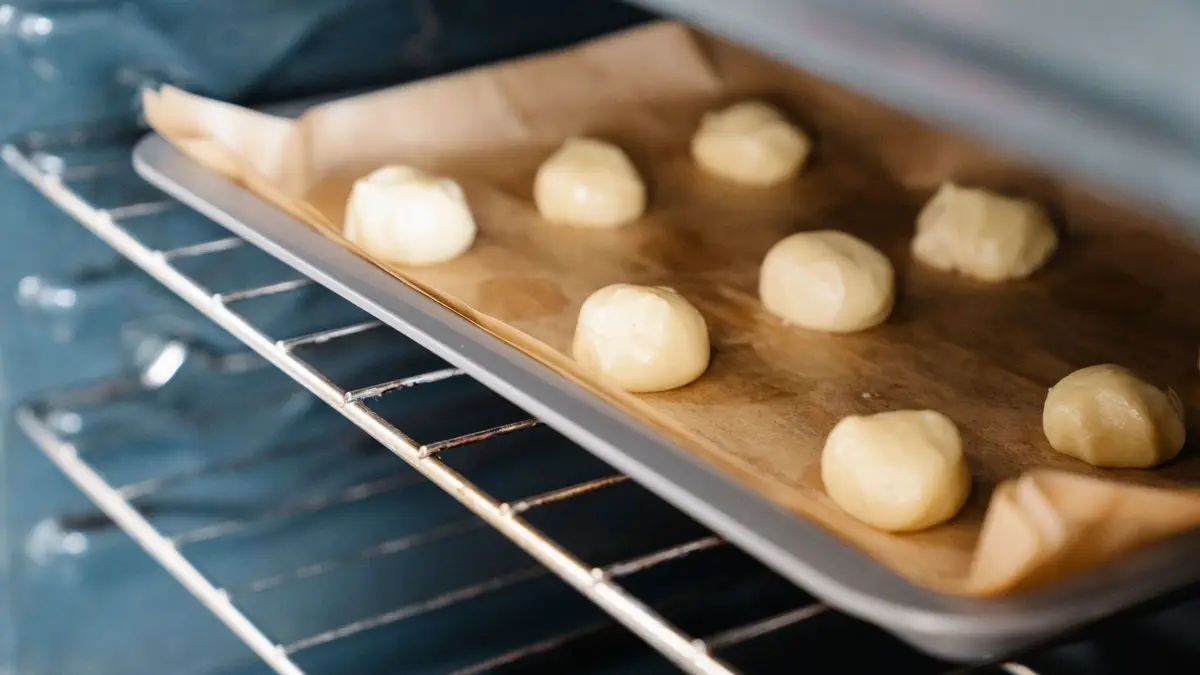
The easiest oven cleaning hacks let time do the work: spread a baking soda paste inside a cool oven, leave it overnight, then wipe it out and mist on a little vinegar to lift what’s left. Soak the racks in hot, soapy water at the same time and pop off stubborn spots with a plastic scraper, and the oven comes clean without harsh fumes or hours of scrubbing.
These 12 ideas cover the inside, the racks, a gas oven, the knobs and the self-clean cycle, plus a monthly routine that keeps the mess from building up again. For the counters, the sink and the rest of the room, see these kitchen cleaning hacks.
1. Spread a baking soda paste and leave it overnight
Start with the oven off and completely cool, and take out the racks, the oven thermometer and anything else that lives inside. Mix baking soda with a little water in a bowl until it’s as thick as frosting: spreadable, but not runny.
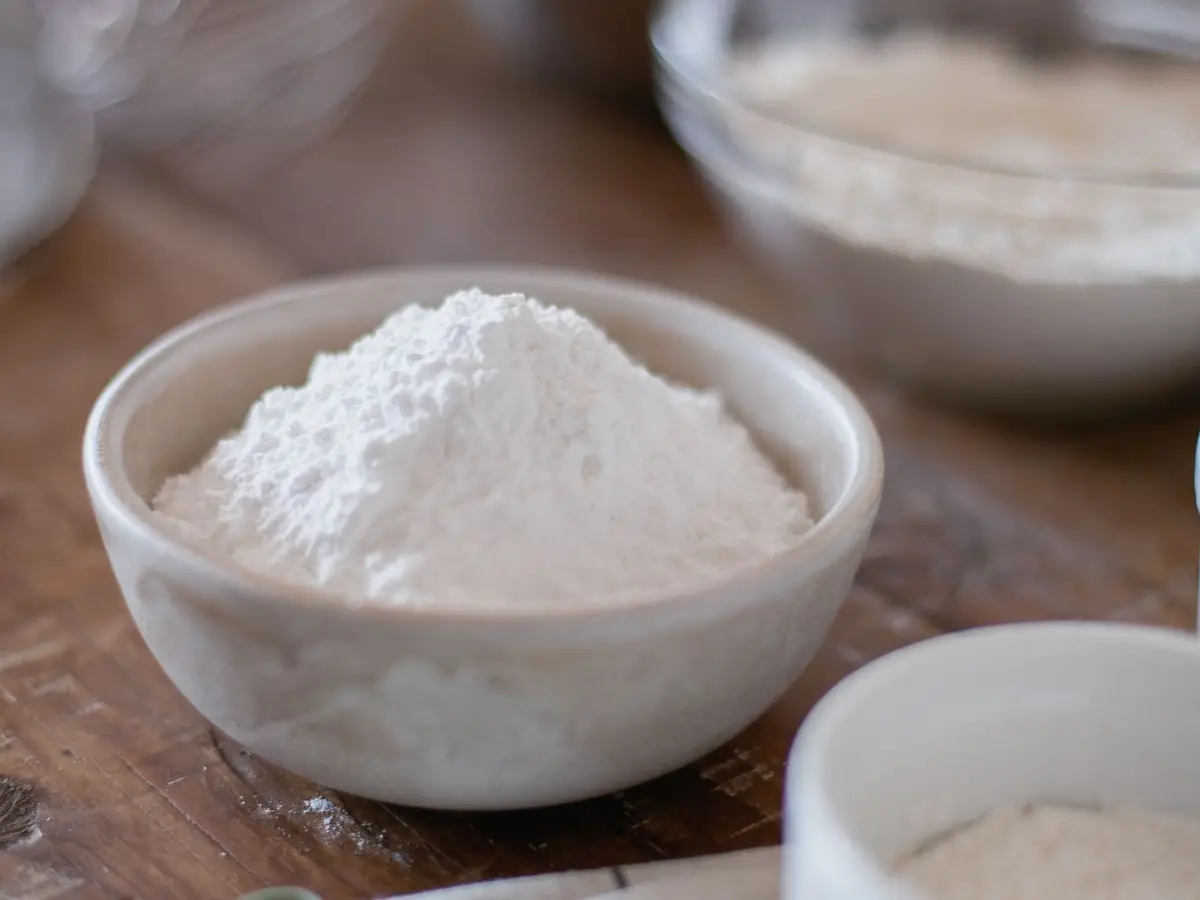
Spread the paste over the floor, the sides and the back wall with gloved fingers or a soft spatula, and leave it thicker on the brown, greasy patches. Skip the heating element, the fan cover and any gas openings, so no paste ends up where you can’t wipe it out.
Close the door and leave it overnight, or for several hours at least. The paste turns brown as it softens the baked-on grease, which means it’s working.
In the morning, wipe the paste away with a damp cloth, rinsing the cloth often in a bucket of warm water. A plastic scraper lifts any thick crusts, and the vinegar spray in the next idea takes care of the chalky film.
Baking soda is gentle, so it’s a good first try before anything stronger. Check the manual anyway, since some ovens have special interior coatings with their own care rules.
2. Mist on vinegar to lift the last of the residue
After you wipe out most of the paste, a thin white film usually stays behind. Fill a spray bottle with equal parts white vinegar and water, and mist the inside of the oven.
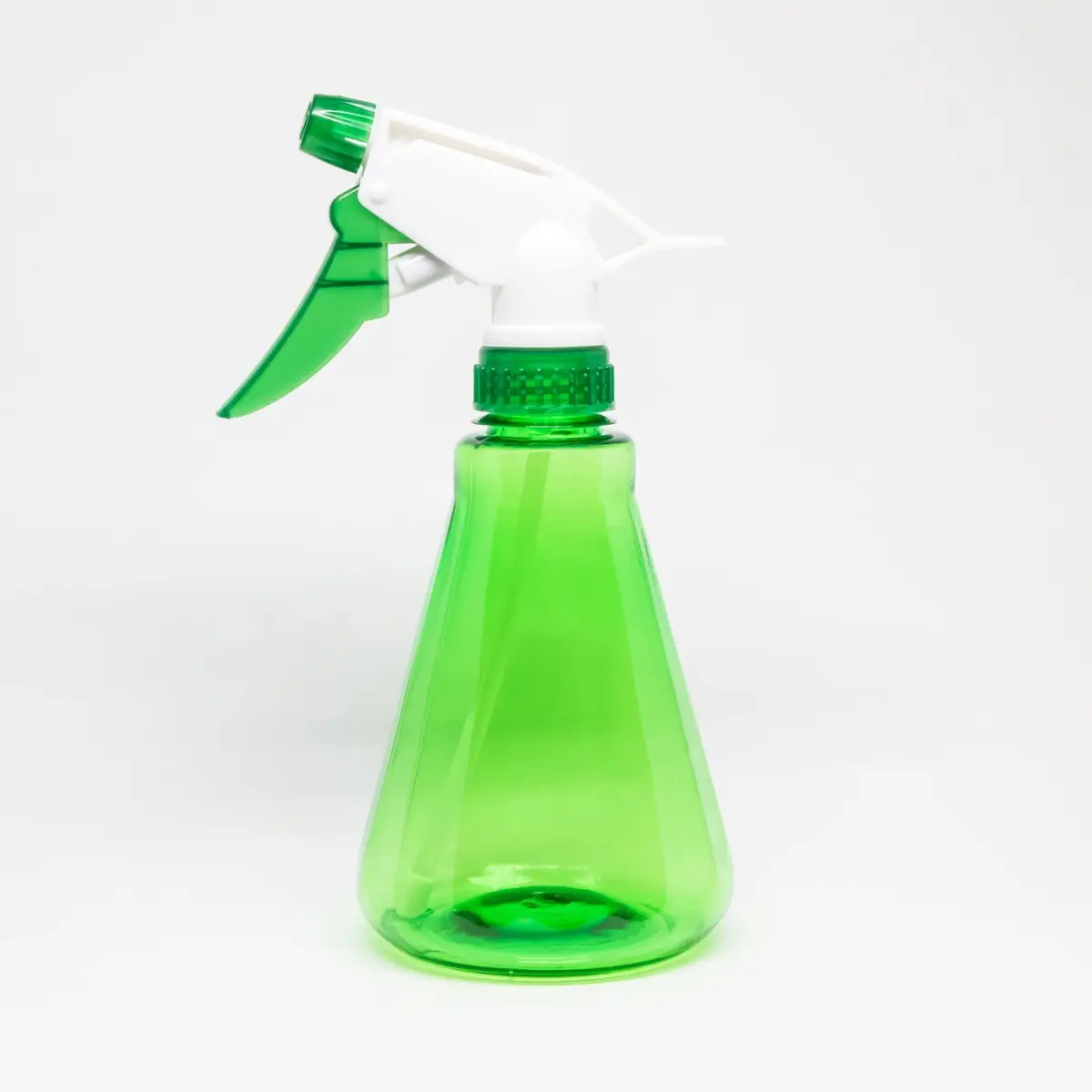
The vinegar reacts with the leftover baking soda and foams, which loosens the film and any grime still stuck to it. Let it fizz for a few minutes, then wipe everything down with a clean, damp cloth.
Finish with a pass of plain water and a dry cloth, so no residue bakes into a haze the next time you cook. Leave the door open for a while afterward to let the oven air out and dry.
Vinegar is an acid, so it should never meet bleach. Chlorine bleach mixed with an acid like vinegar gives off chlorine gas, so keep bleach out of the oven routine entirely and rinse well between any two products.
Label the spray bottle clearly and store it out of reach of kids, even though it only holds a pantry staple. A dedicated bottle also means no leftover cleaner from another job ends up mixed in.
3. Loosen light grime with a pan of steam
For an oven that’s only a little greasy, steam does most of the work. Fill an oven-safe baking dish about halfway with water, set it on the middle rack and heat the oven at a moderate setting for about half an hour.
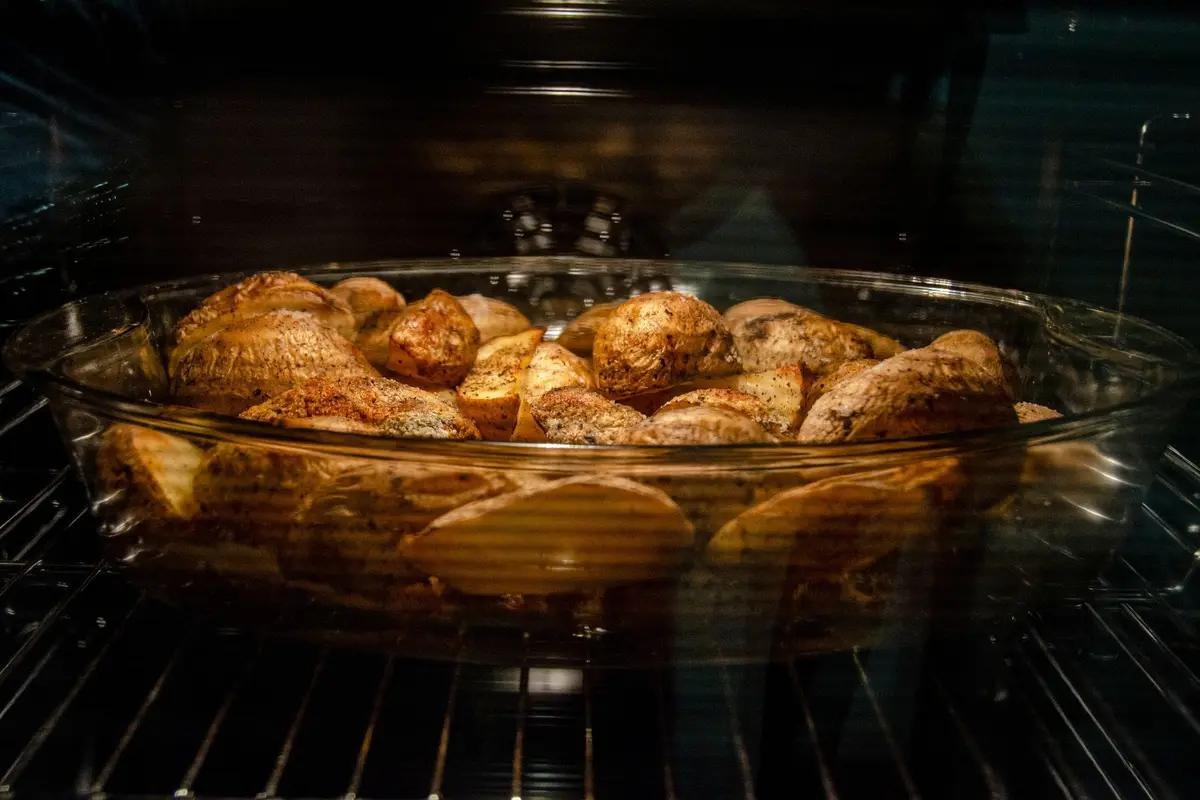
The steam softens splatters on the walls and the inside of the door, so they wipe away instead of needing a scrub. A squeeze of lemon or a splash of vinegar in the water adds a fresher smell, but plain water works too.
Turn the oven off and let it cool completely with the door shut. The moist air keeps softening the grime while it cools, and you never have to reach into a hot oven.
Once everything is cool, lift out the dish and wipe the softened grime away with a damp cloth or sponge. Some ovens have a steam-clean setting that does the same job with a little water poured into the floor, so follow the manual if yours does.
This is a quick trick for after a big roast or a messy week, not a fix for years of baked-on spills. Pair it with the baking soda paste when the oven needs more.
4. Soak the racks in the tub or a big tray
Racks are awkward to scrub in the sink, so give them a long soak instead. Lay an old towel in the bottom of the bathtub to protect it from scratches, set the racks on top and fill the tub with hot water until they’re covered.
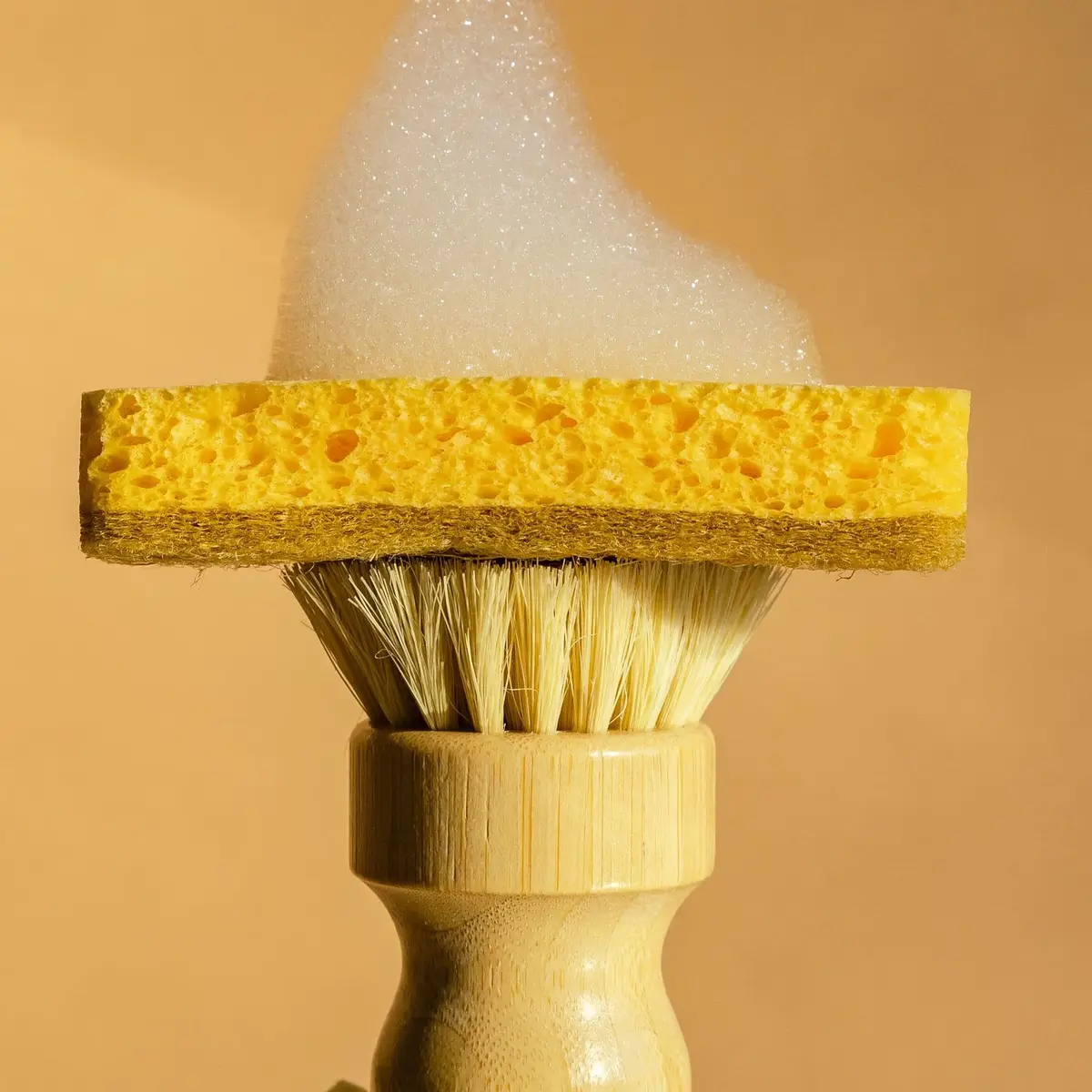
Add a good squeeze of dish soap, or sprinkle baking soda over the racks, and leave them to soak for several hours or overnight. Swish the water now and then to help the soap reach the corners.
Scrub the softened grease with a stiff brush or a non-scratch sponge, working along each bar. Rinse the racks well, dry them with a towel and slide them back in only once they’re fully dry.
No tub, or no wish to use it? A large plastic storage bin, a deep utility sink or an extra-large tray works the same way, outdoors on a mild day if that’s easier.
Clean the tub right after, since greasy water leaves a ring. Check the manual before you soak racks with a special finish, such as racks that are meant to stay in during the self-clean cycle, since they may need gentler care.
5. Scrape baked-on spots with plastic, never metal
Some spills turn into hard, black crusts that no paste fully softens. A plastic scraper, an old plastic card or a stiff plastic spatula pops them off without scratching the oven’s enamel.

Soften the spot first with a dab of baking soda paste or a damp cloth laid over it for a few minutes. Then hold the scraper at a low angle and push gently under the edge of the crust.
Keep steel wool, metal scrapers and harsh scouring pads away from the oven interior. They scratch the enamel, and scratches give the next spill more to grip.
Work slowly around the heating element and any thin probe on the back wall, which reads the oven’s temperature. Bumping or bending either one can change how the oven heats.
Vacuum or brush the loose flakes out before you wipe, so they don’t turn back into a gritty paste. A handheld vacuum with a narrow nozzle reaches the back corners well, and a soft brush gets what’s left along the door seal.
6. Set a sheet pan under anything bubbly
The easiest oven to clean is the one that never gets dirty. Set a rimmed sheet pan on the rack below pies, casseroles, lasagna and juicy roasts, so drips land on the pan instead of the oven floor.
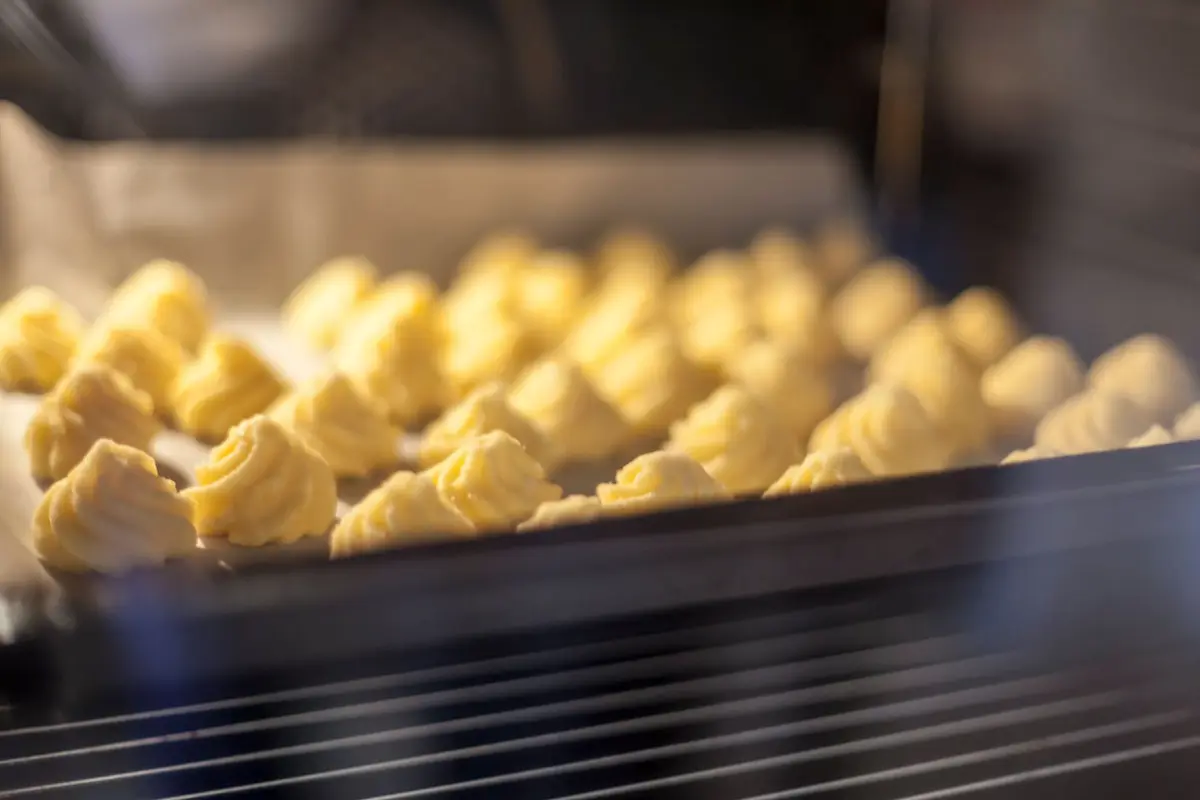
Line the pan with foil or parchment if you’d rather not scrub it later, and slide it in on the rack just under the dish. Leave space at the sides so hot air can still move around the oven.
Skip foil or a liner on the oven floor itself unless the manual says it’s fine. Many ovens heat from under the floor, and a liner there can trap heat, damage the finish or cover a vent.
A pan under fatty or drippy foods also helps prevent flames, since grease that lands on a hot oven floor can smoke and catch fire. If a fire ever starts inside the oven, turn off the heat and keep the door closed, and call the fire department if the flames don’t go out.
Wash the pan as soon as it cools, while the drips are still soft. Then it’s ready for the next bubbly dish.
7. Wipe spills as soon as the oven is cool
A fresh spill wipes away in seconds, but the same spill baked a dozen more times needs a scraper. Once you finish cooking and the oven has cooled completely, check the floor and the inside of the door for drips.
Wipe them with a damp microfiber cloth and a drop of dish soap, then go over the spot with clean water. Sprinkle a little baking soda on anything sticky and let it sit for a few minutes before you wipe again.
Never wipe a hot oven. A damp cloth on a hot surface turns to steam in your hand, and the heating element stays hot long after the oven is off.
Make it part of the after-dinner routine: check the cool oven floor when you wipe down the counters. Keep one cloth just for the oven, so grease doesn’t travel to the rest of the kitchen.
Cleaning up spills right away also stops grease from building up. Old grease smokes every time the oven heats and can become a fire risk, so a quick wipe now saves a smoky kitchen later.
8. Run the self-clean cycle the safe way
The self-clean cycle heats the oven far hotter than cooking does and burns food residue down to a fine ash. It works well, but it’s a big job for the appliance, so read the manual first and follow it closely.
Take out the racks, pans, thermometer and any foil unless the manual says the racks can stay in. Wipe up large spills and loose crumbs first, since heavy buildup makes more smoke.
Open a window and turn on the range hood fan before the cycle starts. Keep kids and pets out of the kitchen while it runs, and move pet birds to a closed, well-aired room far away, since some self-cleaning ovens give off fumes that can harm birds.
The door locks during the cycle and the outside of the oven gets hot, so stay home and nearby until it has finished and cooled down. Never try to force the door open.
When it’s done and completely cool, wipe the ash away with a damp cloth. Check the manual before you ever use a store-bought oven cleaner in a self-cleaning oven, since some finishes aren’t made for it.
9. Treat a gas oven a little differently
A gas oven cleans the same way, with a few extra rules. Turn the oven off at the knob and let it cool completely, and if the manual says to, shut off the gas or unplug the range before you start.
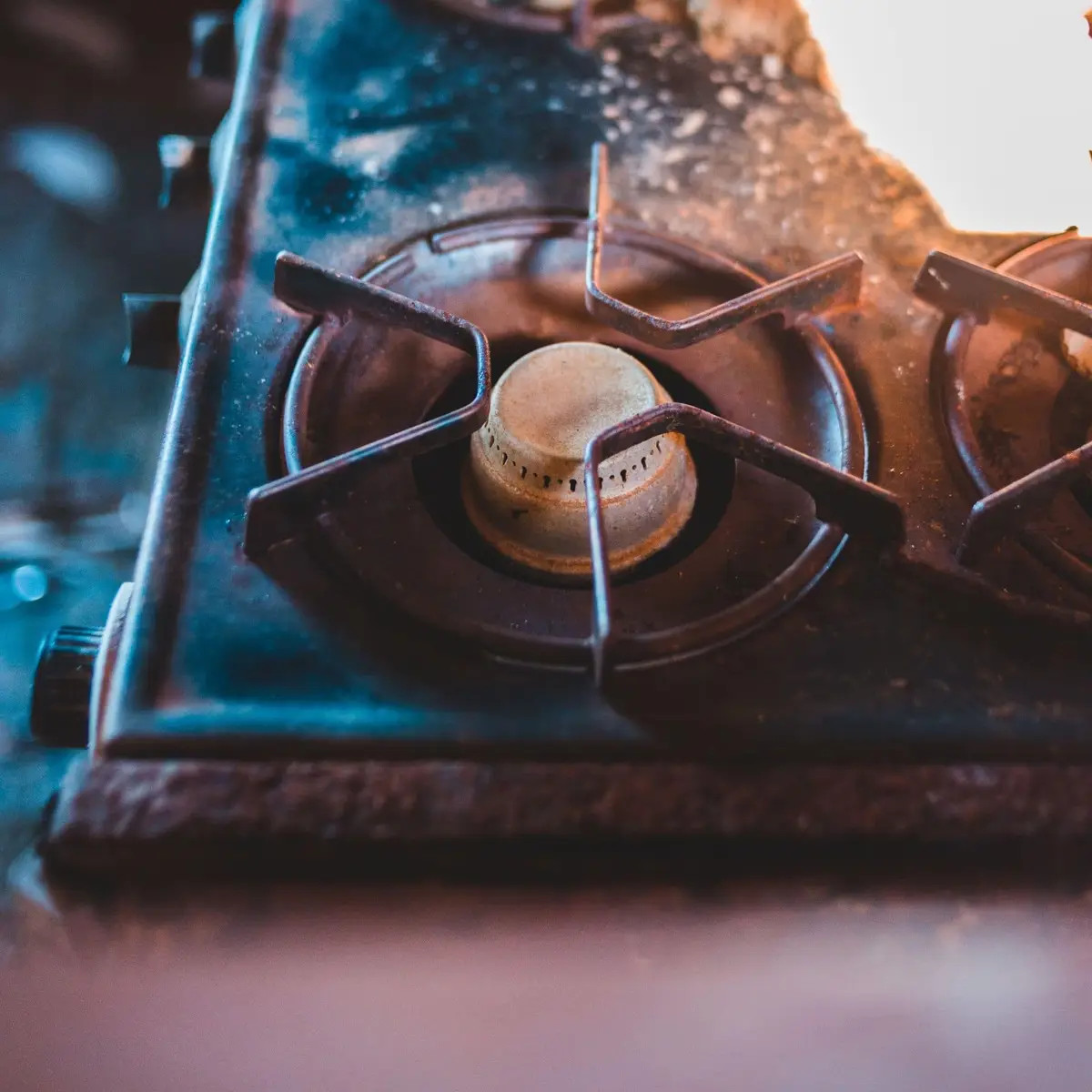
The burner usually sits under a removable panel in the oven floor. Keep paste, water and cleaner out of the burner ports, the small holes the flame comes through, and never cover them with foil or a liner.
Lift out the floor panel only if the manual shows how, wash it in warm, soapy water and dry it fully before it goes back. A wet or clogged burner can light unevenly or not at all.
Be gentle near the igniter, the small part that glows or sparks to light the gas, since it breaks easily. Wipe around it with a barely damp cloth instead of scrubbing.
If you ever smell gas, stop cleaning and leave the house right away without touching light switches or phones. Call the gas company or emergency services once you’re outside, and don’t go back in until they say it’s safe.
10. Clean the knobs, the panel and the outside
The outside of the oven collects more fingerprints than the inside collects grease. Spray an all-purpose cleaner or warm, soapy water onto a cloth, not onto the control panel, so liquid doesn’t drip behind the buttons.
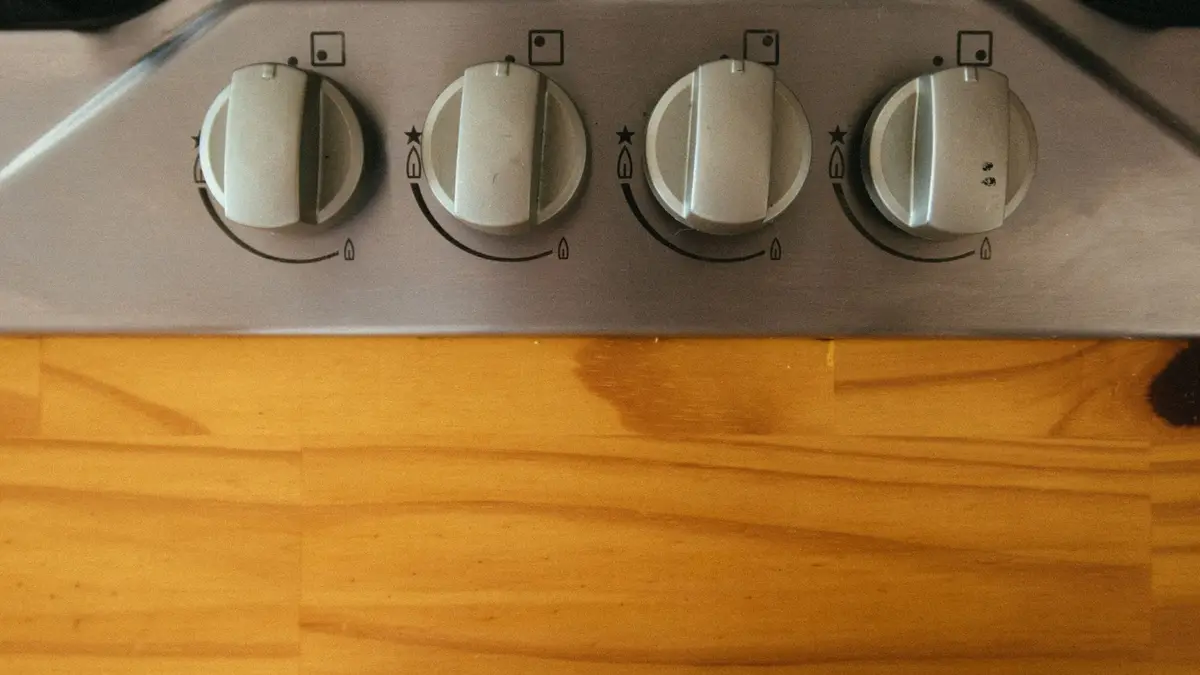
If the knobs pull straight off, take them off, soak them in warm, soapy water and scrub the grooves with an old toothbrush. Dry them fully before you push them back on, and check that each one lines up with its marking.
Wipe a stainless steel front in the direction of the grain, then buff it dry to avoid streaks. Enamel and painted fronts need only a damp cloth and a dry one.
Clean the handle last, since hands touch it more than any other part of the oven. Then do the window: here’s how to clean an oven glass door, inside, outside and between the panes.
Leave the door gasket, the soft seal around the door opening, alone. Scrubbing or soaking it can damage the seal and let heat escape while you cook.
11. Use a store-bought oven cleaner by the label
When baking soda isn’t enough, a store-bought oven cleaner cuts through heavy, baked-on grease. Many of them are strong, caustic products, so they need more care than anything else in this list.
Read the label first and follow it exactly. Wear rubber gloves, long sleeves and safety glasses, and open a window, since the spray can harm skin and eyes and isn’t something to breathe in.
Pick a product made for home ovens, not one meant for restaurant kitchens, which can be much stronger. Keep it in its original container, and lock it away from kids and pets when you’re done.
Never mix an oven cleaner with any other cleaner, and keep kids and pets out of the kitchen while it works. Wipe it off completely with clean water afterward, so no residue heats up the next time you cook.
If any gets on skin or in the eyes, rinse with running water right away and keep rinsing for a long time. Then call Poison Control for advice on what to do next.
12. Keep a monthly oven routine
A little upkeep keeps the oven from ever eating a whole weekend. Once a month, run through a short list: wipe the floor and walls, check the racks, clean the knobs and the front, and look at the door glass.

Do the baking soda paste every few months, or whenever brown buildup appears, and save the self-clean cycle or a store-bought cleaner for the times the oven really needs it. A home that roasts and bakes a lot will need it more often than one that mostly reheats.
Empty the drawer under the oven while you’re there, if you have one. Crumbs and grease collect on the pans stored inside, and a quick wipe keeps them out of the next meal.
Clean the cooktop on the same day, since grease from cooking drips down the front and around the knobs. A smooth cooktop needs a gentle method of its own: see how to clean a glass stove top.
Put the oven on the same calendar as the other monthly jobs, like the fridge shelves and the range hood filter. The free monthly cleaning schedule spreads them across the month, so no single weekend gets heavy.
Save this for later
Pin it to a board so it's there when you're ready to start.
Save to Pinterest(opens in a new tab)Make it easier
Free printable
A room-by-room deep cleaning checklist for the jobs a weekly clean skips, from the oven and the grout to the vents and baseboards.
Free printable
Monthly Cleaning Schedule Printable
A one-page monthly cleaning schedule: the daily and weekly basics at the top, then one deeper area for each week, so every corner of the house gets its turn without a cleaning weekend.
Frequently asked questions
What is the easiest way to clean an oven?
Spread a paste of baking soda and water inside the cool oven, leave it overnight and wipe it out in the morning. A light mist of vinegar and water lifts the chalky film that's left, and the racks can soak in hot, soapy water while the paste works.
Can I clean my oven with baking soda and vinegar?
Yes. The baking soda softens baked-on grease while it sits, and the vinegar foams against the leftover paste, which makes the last of it easier to wipe away. Rinse with plain water at the end so no film bakes on the next time you cook.
Is the self-clean cycle safe to use?
It is when you follow the manual: take out what the manual says to remove, open a window, run the range hood fan and stay home until the oven has cooled. Keep kids and pets out of the kitchen, and move pet birds to a closed, well-aired room far away, since some self-cleaning ovens give off fumes that harm birds.
How often should I clean my oven?
Wipe spills once the oven is cool after cooking, check it once a month, and give it a deeper clean every few months or whenever brown buildup or smoke appears. Someone who roasts and bakes a lot will need the deeper clean more often than someone who mostly reheats.
How do I clean a gas oven without damaging it?
Turn it off and let it cool completely, then clean the walls and floor panel with baking soda paste or warm, soapy water. Keep water, paste and cleaner out of the burner ports, be gentle around the igniter, and dry every part fully before you use the oven again.