13 Under the Bathroom Sink Organization Ideas for a Dry, Tidy Vanity
Turn the cabinet below your bathroom sink into storage that works: check for leaks, fit organizers around pipes, sort bins by category and latch the doors.

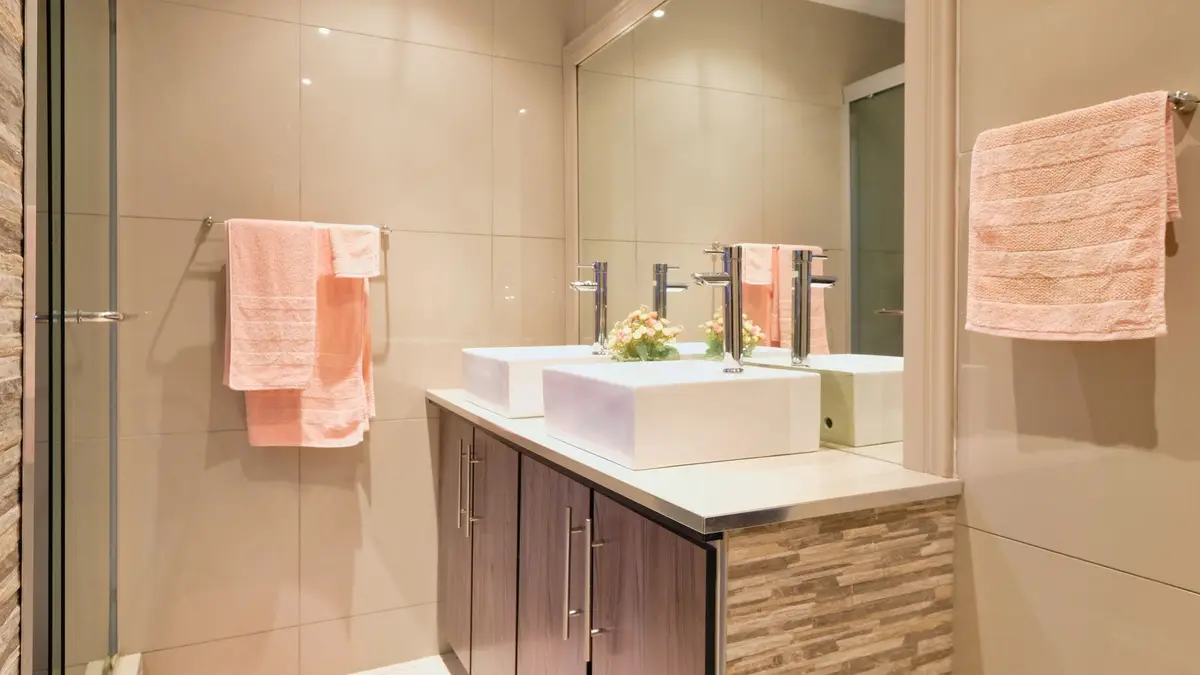
Under the bathroom sink, organization starts with an empty, dry cabinet: take everything out, check the pipes for leaks, then fit storage around the drain instead of fighting it. Sort what’s left into bins by category, keep daily things at the front, and give backups, cleaning supplies and spare toilet paper their own spots.
These 13 ideas work for a single vanity, a double vanity or the narrow cabinet in a half bath. The kitchen cabinet has its own guide, how to organize under the kitchen sink, since it holds different things and usually has more room.
1. Empty the cabinet and check for leaks
Take every bottle, box and bag out and set them on a towel on the floor. An empty cabinet is the only way to see the whole space, the pipes and any damage hiding at the back.
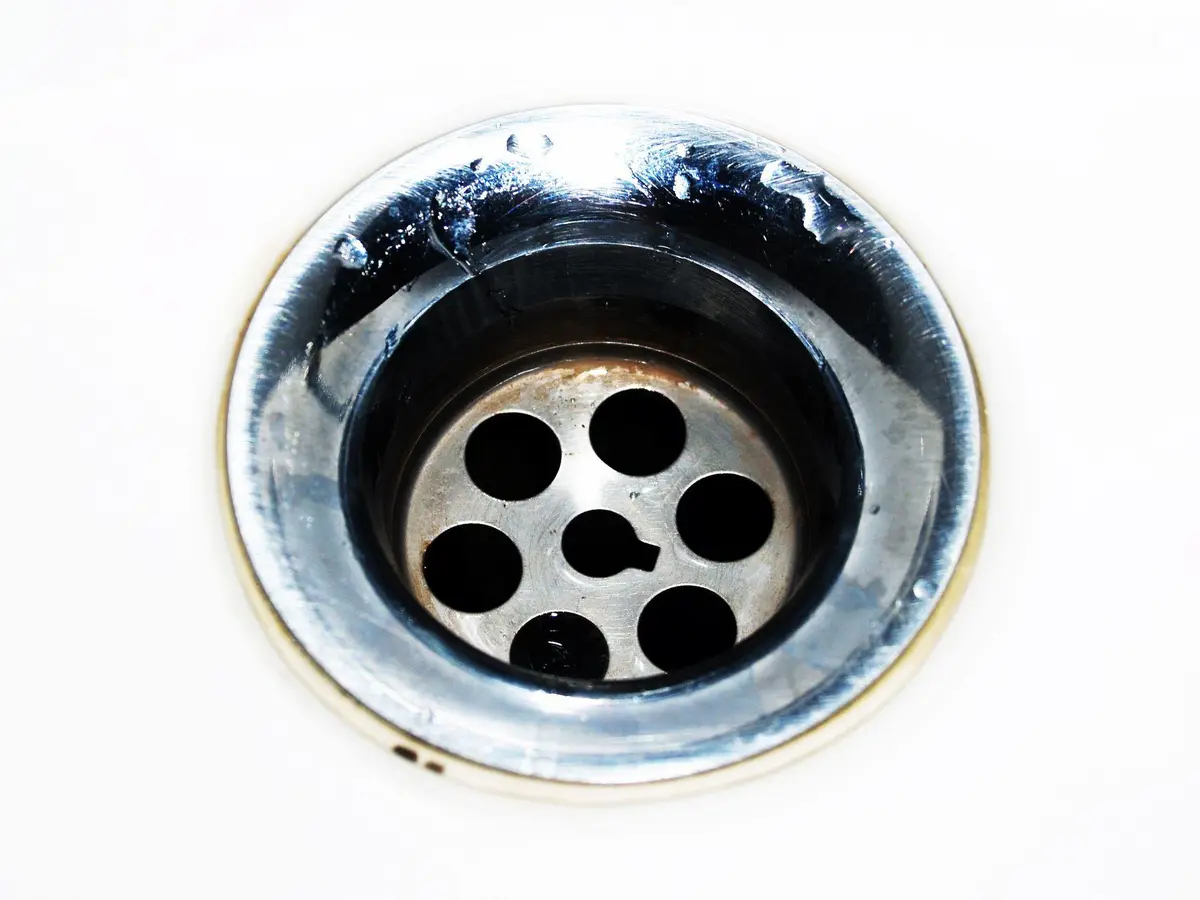
Look at the cabinet floor and the back wall. Water rings, swollen or soft wood, a musty smell or dark spots all point to a slow drip.
Run the faucet for a minute, then feel the joints and the curved trap under the drain with a dry paper towel. Check the supply lines and the shutoff valves too, since a small drip there can run for a long time before anyone notices.
Fix any leak before a single bin goes back in. Damp is what lets mold grow, so dry anything that got wet right away, within a day or two at most.
If the cabinet floor feels soft or you can’t find where the water comes from, call a plumber first. Storage on top of a hidden leak only hides the damage for longer.
Then wipe the cabinet down with a mild cleaner and leave the doors open until it’s completely dry.
2. Keep only what you use at this sink
The cabinet under the bathroom sink is small, so it should hold only what you reach for in this room. Sort what came out into three piles: keep, move and toss.
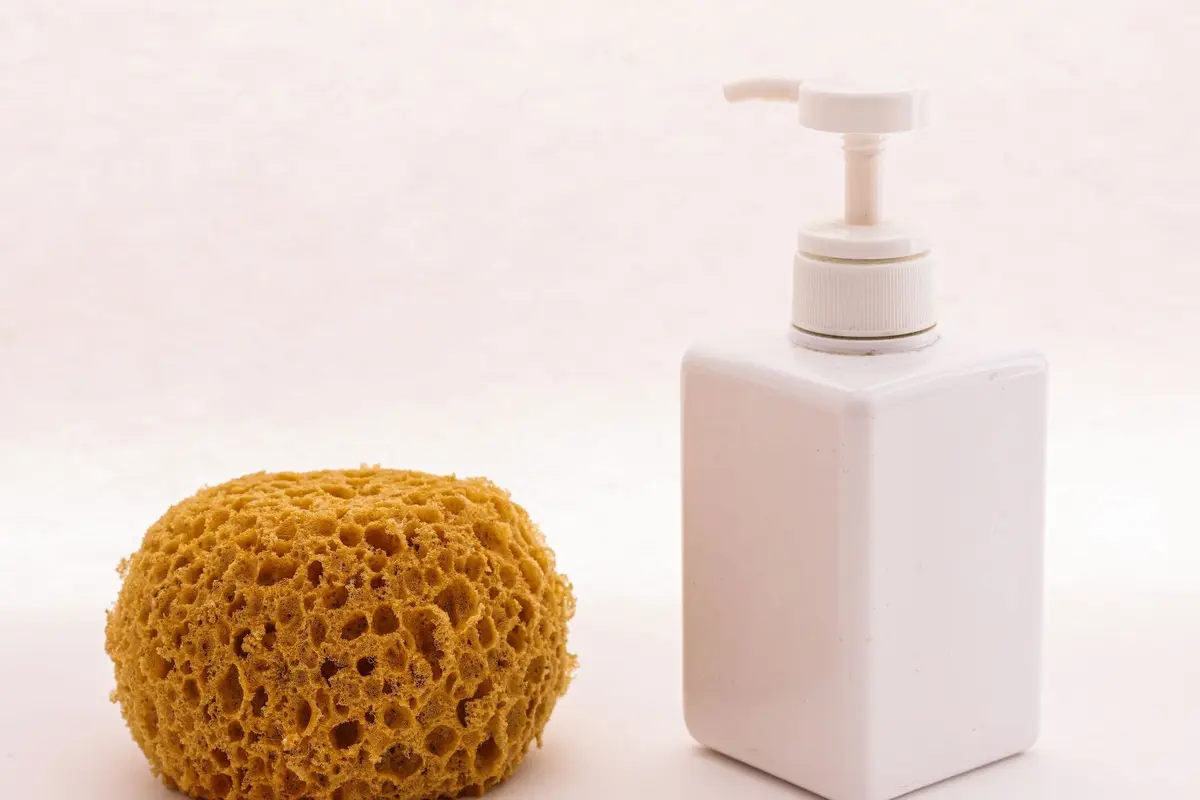
Things that earn a spot: hand soap refills, spare toothpaste and toothbrushes, hair tools, a few backups of what you use every day, a bathroom cleaner, a scrub brush and some toilet paper.
Things that belong somewhere else: bulk packs, extra towels, paper goods you can’t keep dry and anything you use once a year. Extra towels can go to the linen closet instead.
Toss anything empty, dried out, separated or past its date. Let go of the samples, the hotel bottles and the products you tried once and didn’t like.
If you share the bathroom, ask everyone to claim their things before you toss them. Whatever nobody claims in a week can go.
The declutter checklist covers the rest of the bathroom and the house the same way, one room at a time. For the walls, the door and the shower, see these small bathroom organization ideas.
3. Measure around the pipes
Measure the inside of the cabinet before you buy any storage: the width, the depth and the height. Then measure the open space on each side of the drain pipe and the height from the cabinet floor to the bottom of the trap.

Measure the door opening too. A center post between two doors can make the opening much narrower than the cabinet itself, and everything you buy has to fit through it.
Note anything that sticks out: hinges, the shutoff valves, the supply lines and any lip at the front of the cabinet floor. Take the smallest number for each space, since cabinets aren’t always square.
Write the numbers down and take a quick photo of the empty cabinet with your phone. It helps when you’re shopping and can’t remember which side the drain is on.
Enter the measurements into the bin and basket size calculator to see which bin sizes fit each side and how many line up. Leave a little room on every side, so bins slide out without catching on a pipe.
4. Line the cabinet floor first
A waterproof liner protects the cabinet floor from drips, spilled cleaner and the ring a wet bottle leaves behind. Put it in before anything else goes back.
A ribbed rubber or plastic mat cut to size works well, and so does a shallow tray with a lip that holds a small spill. Measure the cabinet floor and trim the liner to fit around any pipe that comes up through it.
Pick a light color if you can. A drip shows up on a pale liner right away, which makes a slow leak easier to catch.
Skip adhesive paper on a cabinet floor that might get wet. Water can creep under it, and it’s hard to pull up when you need to check the wood.
Lift the liner out, wash it and let it dry each time you deep clean the bathroom. The deep cleaning checklist is a good reminder to do it a few times a year.
A shallow tray also makes a handy home for small things that tend to tip over, like a refill bottle or a jar of cotton swabs. Slide it out, grab what you need and slide it back.
5. Fit a U-shaped or two-tier organizer around the pipe
The drain pipe splits most sink cabinets in two, which leaves an awkward gap in the middle. A U-shaped shelf wraps around the pipe, and a two-tier rack fits on either side of it, so both levels of the cabinet get used.
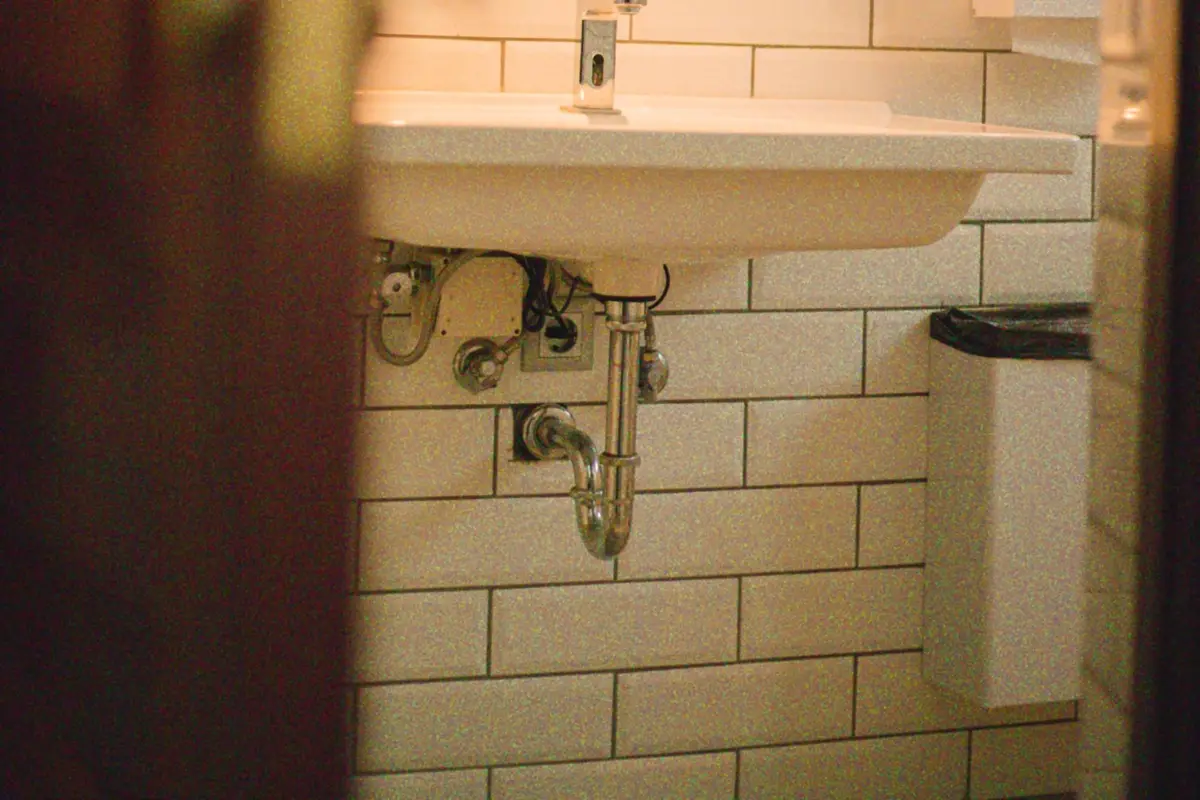
Look for an organizer with adjustable or removable shelf pieces. You can slide them to clear the pipe, the trap and the supply lines, even if your plumbing sits a little off center.
Put the things you use every day on the top tier, where you can see and reach them. Heavier backups and refills go on the bottom tier, closer to the floor.
Leave the shutoff valves clear and easy to reach. If a pipe ever leaks, you’ll want to turn the water off in seconds without unloading the cabinet first.
If the cabinet is narrow, a single slim two-tier rack on the wider side may be all it needs. Use the other side for one tall bin or the spare toilet paper.
Check that the doors still close with the organizer in place, and that nothing presses against the pipes or the supply lines.
6. Add pull-out drawers
Things at the back of a deep cabinet get lost, and kneeling on the bathroom floor to dig for them gets old fast. A pull-out drawer brings the back of the cabinet to you.
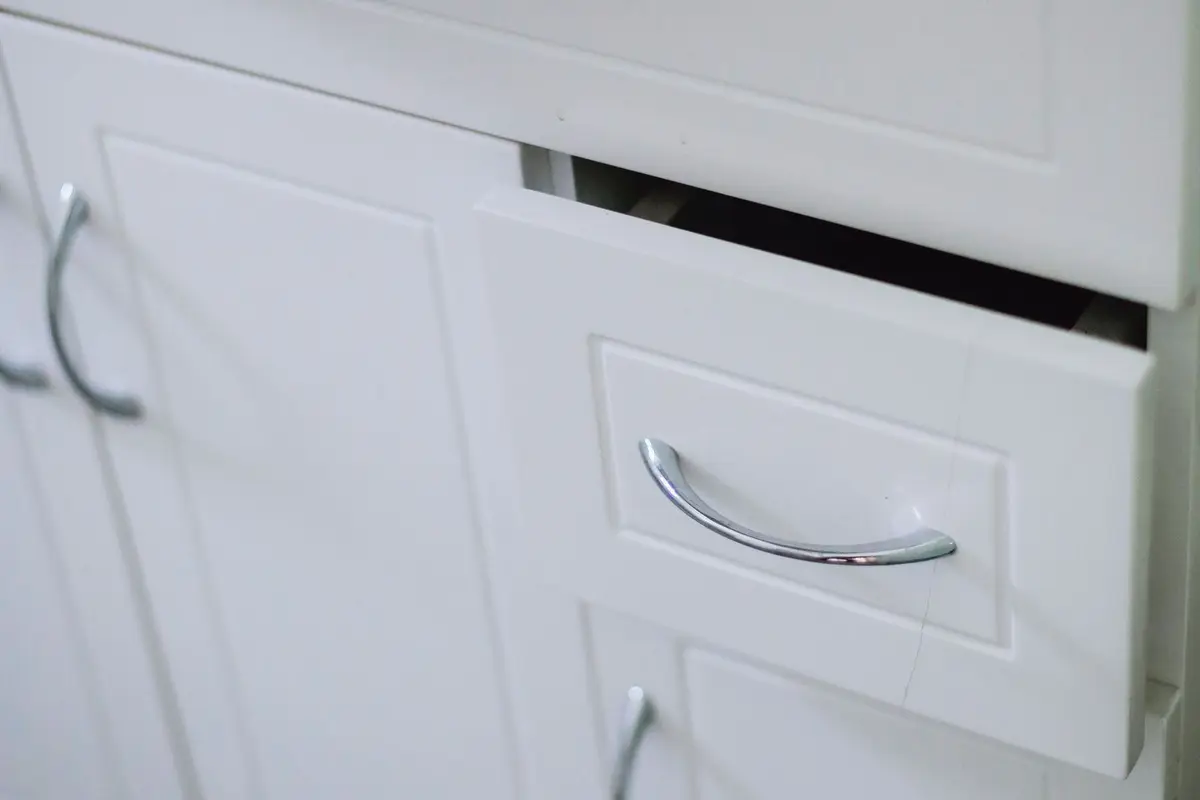
Freestanding sliding drawers sit on the cabinet floor with no tools needed. Mounted slide-out baskets screw into the cabinet floor or the side walls and glide more smoothly, but measure the space beside the pipe carefully first.
Narrow, tall pull-outs suit the tight space on one side of the drain. Wider, shallow drawers suit the open space in front of the trap.
Give each drawer one job, like hair care, dental backups or shaving. A drawer that holds a mix of everything soon turns back into the old jumble, just on rails.
Check the door hinges before you buy. Some hinges stick into the opening, and a drawer that’s too wide will catch on them every time you pull it out.
If the vanity already has drawers, the same rule applies: one category per drawer, with small dividers or trays so nothing slides around when it opens.
7. Sort small things into clear bins by category
Clear bins show what’s inside without opening anything, so you can see when the floss is running low. Give each bin one category and keep the categories simple.
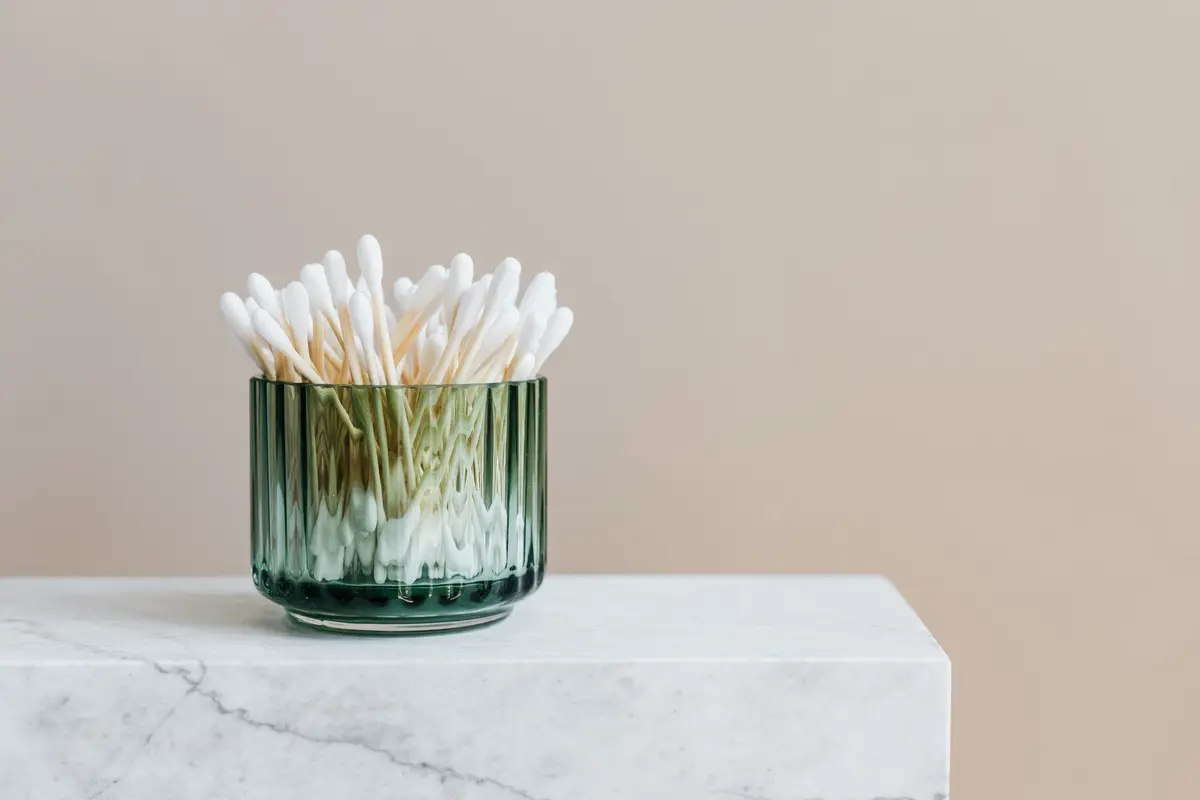
Categories that work well under a bathroom sink: hair care and tools, dental care and backups, skin care, shaving, first aid, and spare toiletries for guests. Cleaning supplies get their own caddy, covered later in this list.
Bins with handles slide out like drawers. Stackable bins with lids use the height of the cabinet, but keep the ones you open often on top.
Label the front of each bin, even if it seems obvious. A label tells everyone in the house where the new razors go, so the system lasts past the first week.
Choose bins that are easy to rinse, since anything under a sink can get damp. Plastic and acrylic wipe clean in seconds, while woven baskets look nice but hold moisture.
In a shared bathroom, one bin per person works too. Each person’s things stay together, and the hunt for the last hair tie ends.
8. Put a turntable in the back corner
The back corners of a sink cabinet are hard to see and harder to reach. A turntable puts them to work: give it a spin and the bottle at the back comes to the front.
Use it for bottles of about the same height, like lotion, mouthwash, hair products or spare body wash. A turntable with a raised rim keeps them from sliding off as it turns.
Measure the corner before you buy. The turntable has to clear the pipe and the door frame as it spins, so a smaller one often fits better than a big one.
Stand bottles upright and close their caps tightly. A tipped bottle on a turntable spreads its spill all the way around.
A divided turntable keeps small items in their own sections, which works well for travel bottles or nail care.
If a turntable won’t fit, a round tray holds the same group of bottles and lifts out in one move. Pull it forward, take what you need and slide it back into the corner.
9. Stack drawers in the tall side
Most sink cabinets have more height than anyone uses, especially on the side away from the trap. Small stackable drawers turn that height into two or three extra shelves.
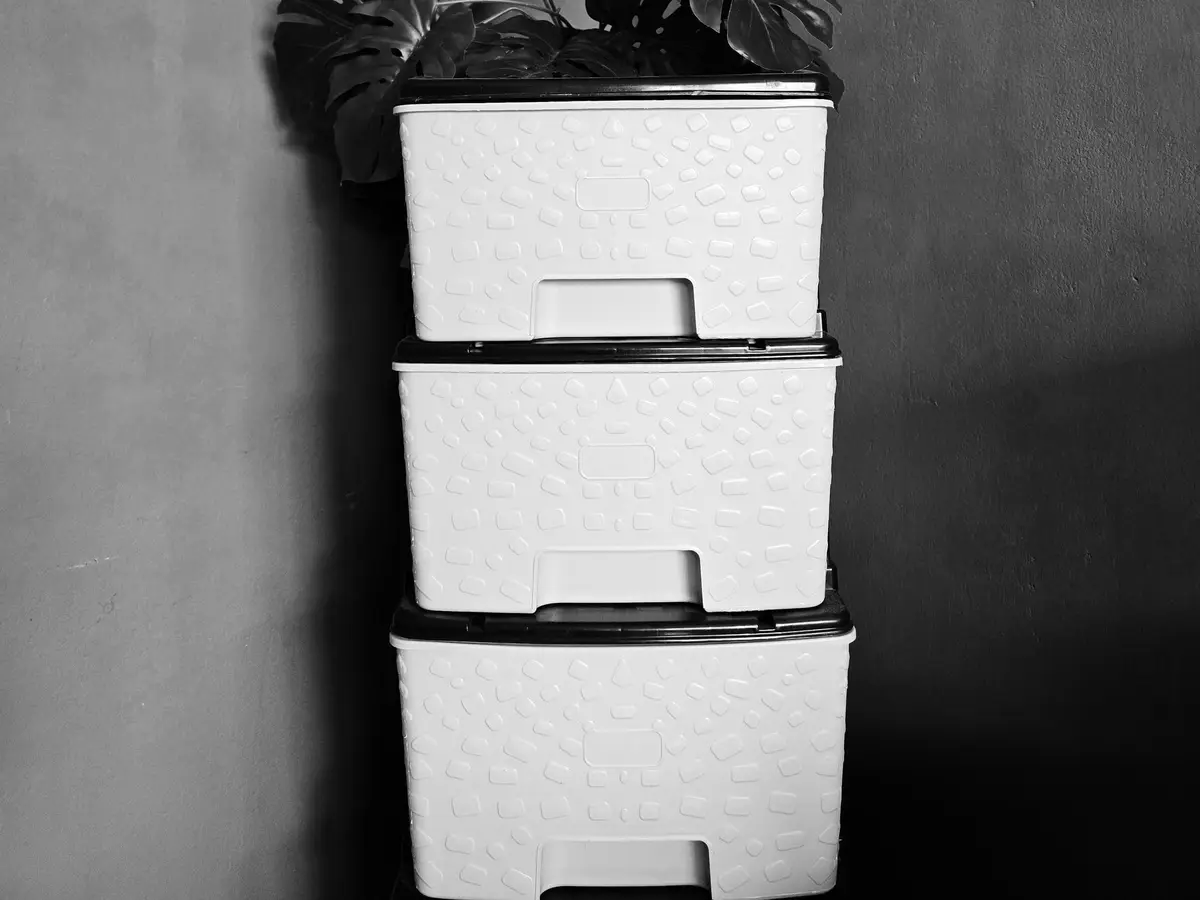
Choose drawer units shallow enough to fit in front of the back wall and narrow enough to clear the pipe. Measure the height up to the top of the door opening, so the top drawer still slides out.
Use the top drawer for small things you grab daily, like hair ties, clips, a comb or nail clippers. The lower drawers suit backups and things you use once a week.
Pick units with drawers that stop when they’re pulled out instead of falling out. A drawer that comes loose in your hand spills everything onto the bathroom floor.
Clear or white drawers make it easier to see what’s inside in a dark cabinet. A small battery light stuck inside the top of the cabinet helps too.
Keep the tower light and stable, with heavier things in the bottom drawer. Push it back against a side wall, so it stays put when you open a drawer.
10. Hang racks and hooks on the cabinet doors
The inside of the cabinet doors is free space most people forget. A slim rack or a row of small hooks there holds things that are awkward to keep in a bin.
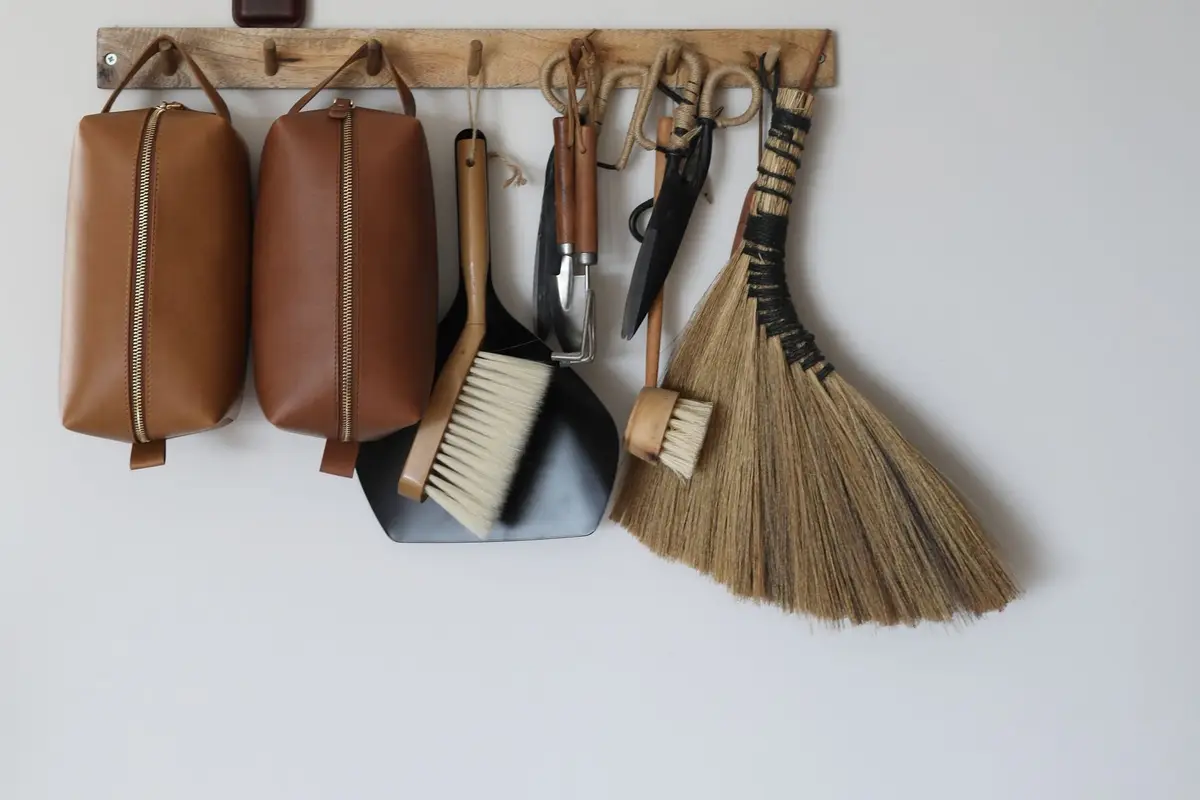
Over-the-door racks hang on the top edge of the door with no drilling. Check that the door still closes all the way, since a thick bracket can rub against the cabinet frame.
Adhesive hooks and small racks stick to the flat back of the door. Use them for a hair dryer, a small brush, a toiletry bag or a pouch of hair ties.
Keep items on the door light and slim. The door has to swing past the pipes and the organizers, so measure the depth between the closed door and whatever sits closest to it.
A small bin on the door is a good home for things you grab daily, like a hairbrush or a tube of hand cream. It saves bending down to the bottom of the cabinet.
Put hot tools back only once they’ve cooled completely. Hang the cord loosely beside the tool, so it doesn’t catch in the hinge when the door closes.
11. Keep cleaning supplies in a caddy you carry
Bathroom cleaners, a brush, a sponge and a cloth are easier to use when they travel together. Keep them in one caddy with a handle, so cleaning the bathroom starts with one grab.
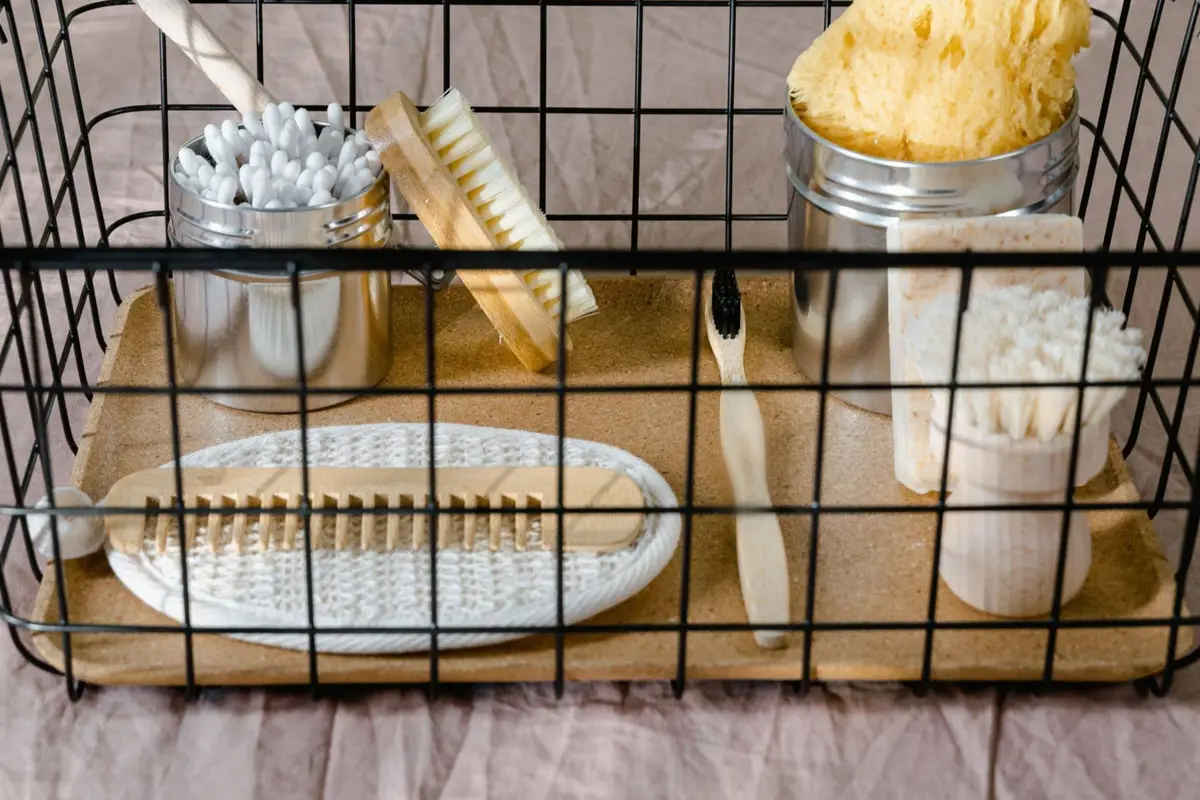
Pick a caddy small enough to fit beside the pipe and sturdy enough to carry when it’s full. A wire or plastic one rinses clean and dries fast.
Keep only what you use in this room: one all-purpose spray, a toilet cleaner, a scrub brush, a sponge and a microfiber cloth. Backups can live in a hall closet.
Keep every product in its original container, so the label and the directions stay with it. Never pour a cleaner into an old drink bottle or an unmarked spray bottle.
Set the caddy at the front of the cabinet, on the side you open first. When it’s easy to pull out, a quick wipe of the sink and the mirror takes only a few minutes.
Restock the caddy when you put it back, and add anything that runs out to the shopping list. A monthly cleaning schedule keeps it in steady use.
12. Give spare toilet paper its own spot
Running out of toilet paper is a small problem that feels big. Keep a few spare rolls under the sink, in one spot everyone in the house can find.
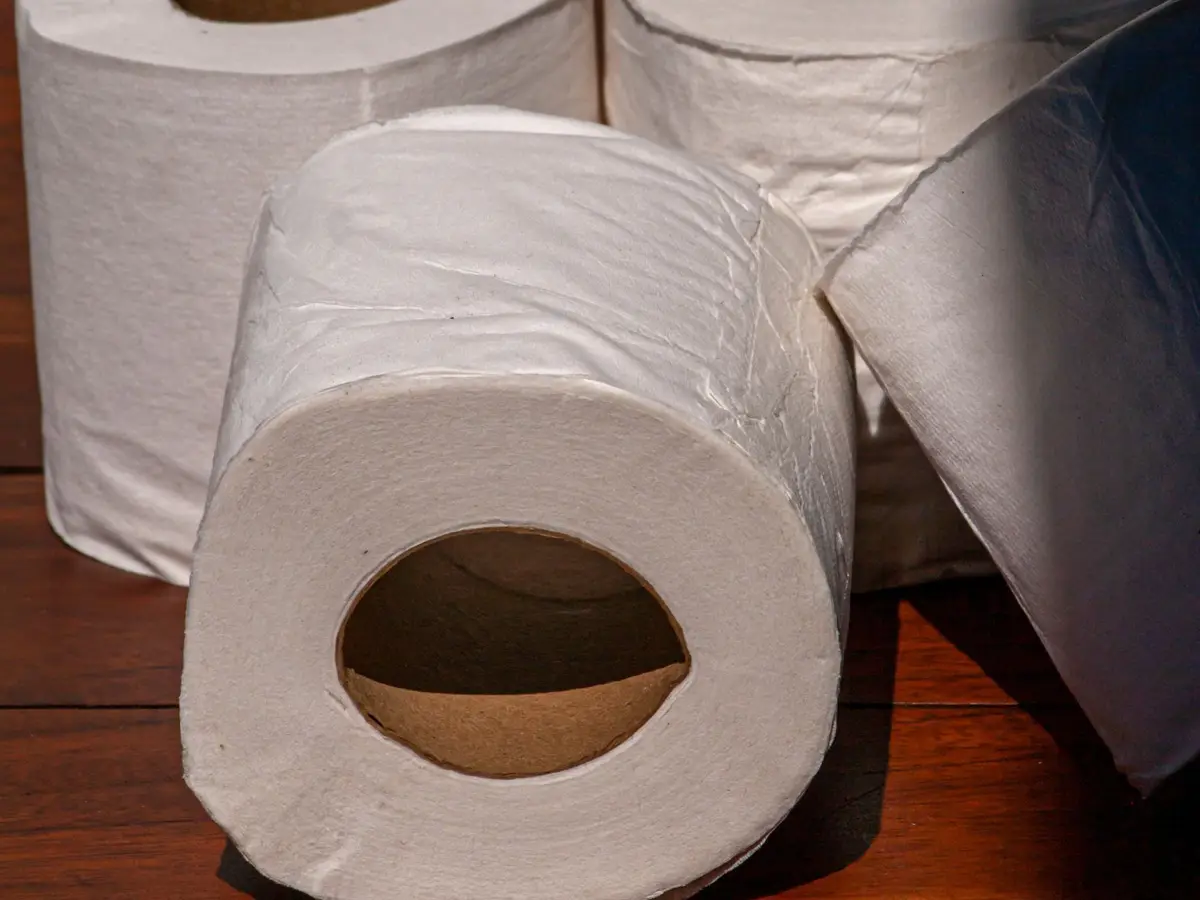
A tall, narrow bin on the side away from the trap holds a short stack of rolls standing up. A lidded bin keeps them dry if a drip ever finds its way down.
Keep only a few rolls here, enough to last until the next shopping trip. The rest of a big pack can go in a hall closet or on a high shelf in another room.
Store the rolls well away from the drain and the supply lines. Paper soaks up water fast, and a wet roll is a lost roll.
Add toilet paper to the shopping list when you open the last roll under the sink, not when the closet runs dry. That one habit means nobody ever has to call for help.
In a guest bath or a half bath, keep the spare rolls in plain view when the door opens. Guests shouldn’t have to dig through your bins to find one.
13. Latch the doors if young kids live with you
Cleaners, mouthwash, razors and cosmetics all end up under the bathroom sink, at exactly the height a toddler can reach. If young children live with you or visit often, add safety latches to the cabinet doors.
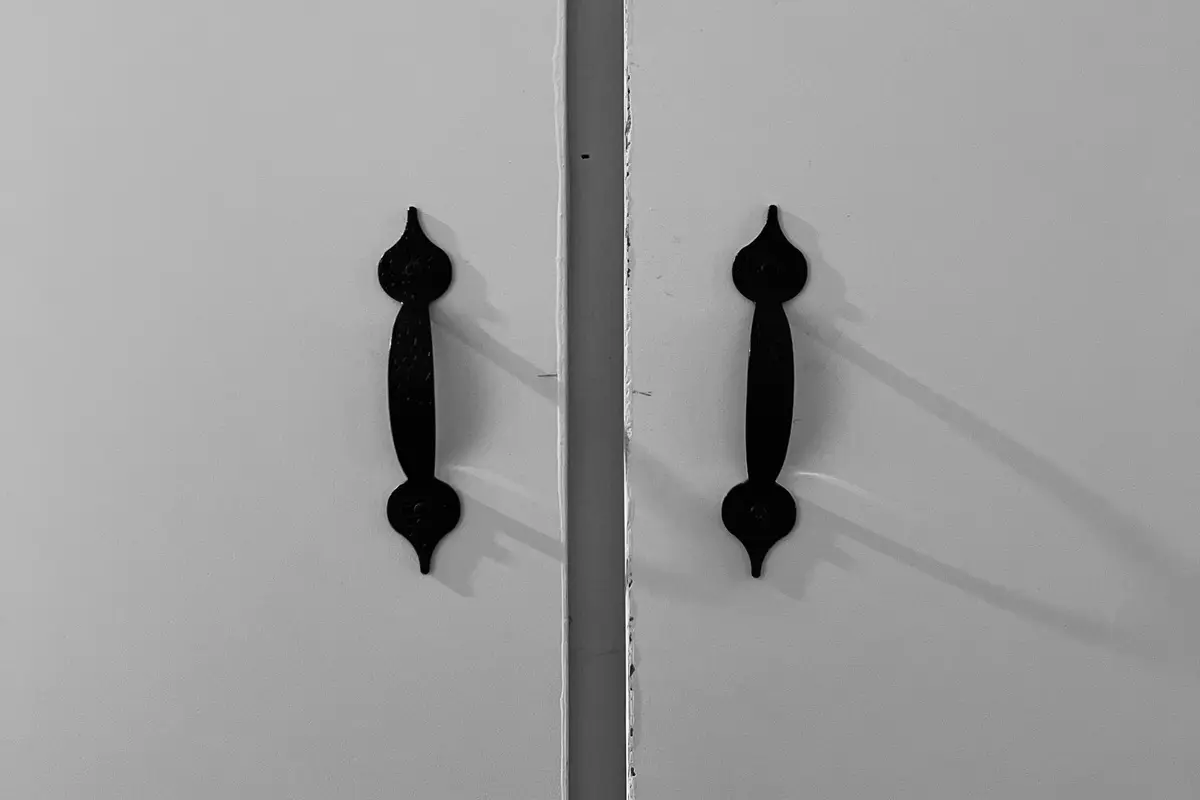
Store chemicals and cleaning supplies in a locked cabinet or a locking box, out of children’s reach. Keep household products in their original child-resistant containers.
Pick latches an adult can open easily but a child can’t pull past. Test each one after you install it, and check now and then that it still catches.
No latch is completely childproof, and a determined toddler may learn to get past one. Move the most dangerous products up high, into a locked spot, as a second layer of safety.
Put things back and close the latch every time, even when you’ll be back in a minute. A latch only works when it’s shut.
If you have pets that nose open doors or chew on bottles, the same latches help keep them out too.
Keep it sorted with a monthly check. Once a month, open the cabinet and take a quick look. Check the floor and the pipes for drips, toss empties, wipe the liner and put back anything that wandered.
Restock the backups you used up and note what you’ll need on the next shopping trip. If a bin has started to overflow, it’s time to edit that category.
A few minutes each month keeps the cabinet sorted, and it’s the easiest way to catch a slow leak before it turns into a bigger repair.
Save this for later
Pin it to a board so it's there when you're ready to start.
Save to Pinterest(opens in a new tab)Make it easier
Free printable
A room-by-room deep cleaning checklist for the jobs a weekly clean skips, from the oven and the grout to the vents and baseboards.
Free tool
Enter the width, depth and height of a shelf, a drawer or a cube cubby, and see which standard bins and baskets fit, how many, and how they line up.
Frequently asked questions
What should I keep under the bathroom sink?
Keep what you use in that room: hand soap and toothpaste backups, hair tools, a few spare toiletries, a bathroom cleaner with a brush and sponge, and some spare toilet paper. Bulk packs, extra towels and anything that can't handle a little damp belong in a closet or another room.
How do I organize under a bathroom sink with pipes in the way?
Measure the open space on each side of the drain and under the trap, then use a U-shaped shelf that wraps around the pipe, narrow pull-out drawers on the sides and a turntable in a back corner. Keep the shutoff valves clear so you can reach them fast.
What can I use to line the bottom of a bathroom sink cabinet?
A waterproof mat cut to fit, a ribbed rubber or plastic liner, or a shallow tray with a lip all protect the wood from drips and spills. Pick one you can lift out, wash and dry, and choose a light color so a new drip shows up right away.
How often should I clean out under the bathroom sink?
Take a quick look once a month: check the pipes and the floor for drips, toss empties and put back anything that wandered. Empty the whole cabinet and wipe it down a few times a year, or whenever the bins start to overflow.