12 Dorm Closet Organization Ideas for a Tiny Shared Wardrobe
Make a small dorm wardrobe work: check the housing rules, pack less, double the rod, use the door and the space under the bed, and split it fairly.

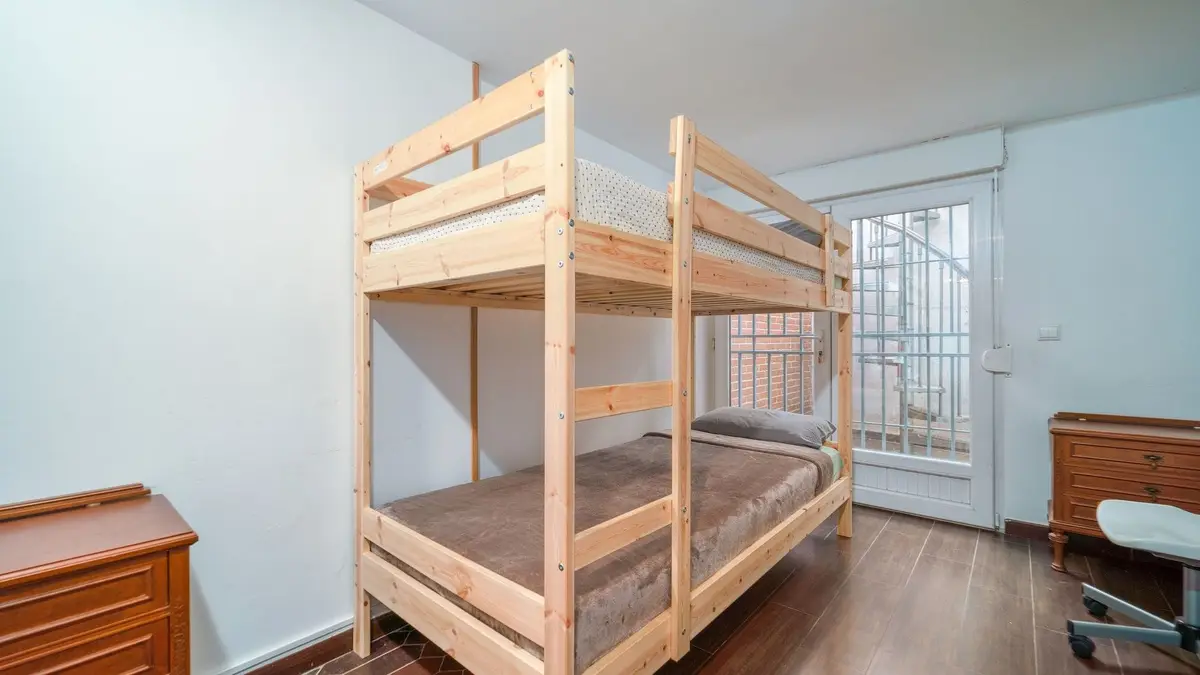
A dorm closet works when it holds only this season’s clothes and every inch does a job: slim hangers on the rod, a second row hung below it, hooks on the door, bins under the bed and a fair split with your roommate. Check the housing rules first, because most dorms don’t allow nails, screws or anything that marks the walls.
These 12 ideas are for a small or shared wardrobe in a college dorm, and every one of them can be set up on move-in day and taken down at the end of the year without a trace.
1. Read the housing rules before you buy anything
Every school has its own list of what’s allowed in a dorm room, and it’s much easier to read it before you shop than to return things later. Look for the parts about walls, furniture and electrical items.
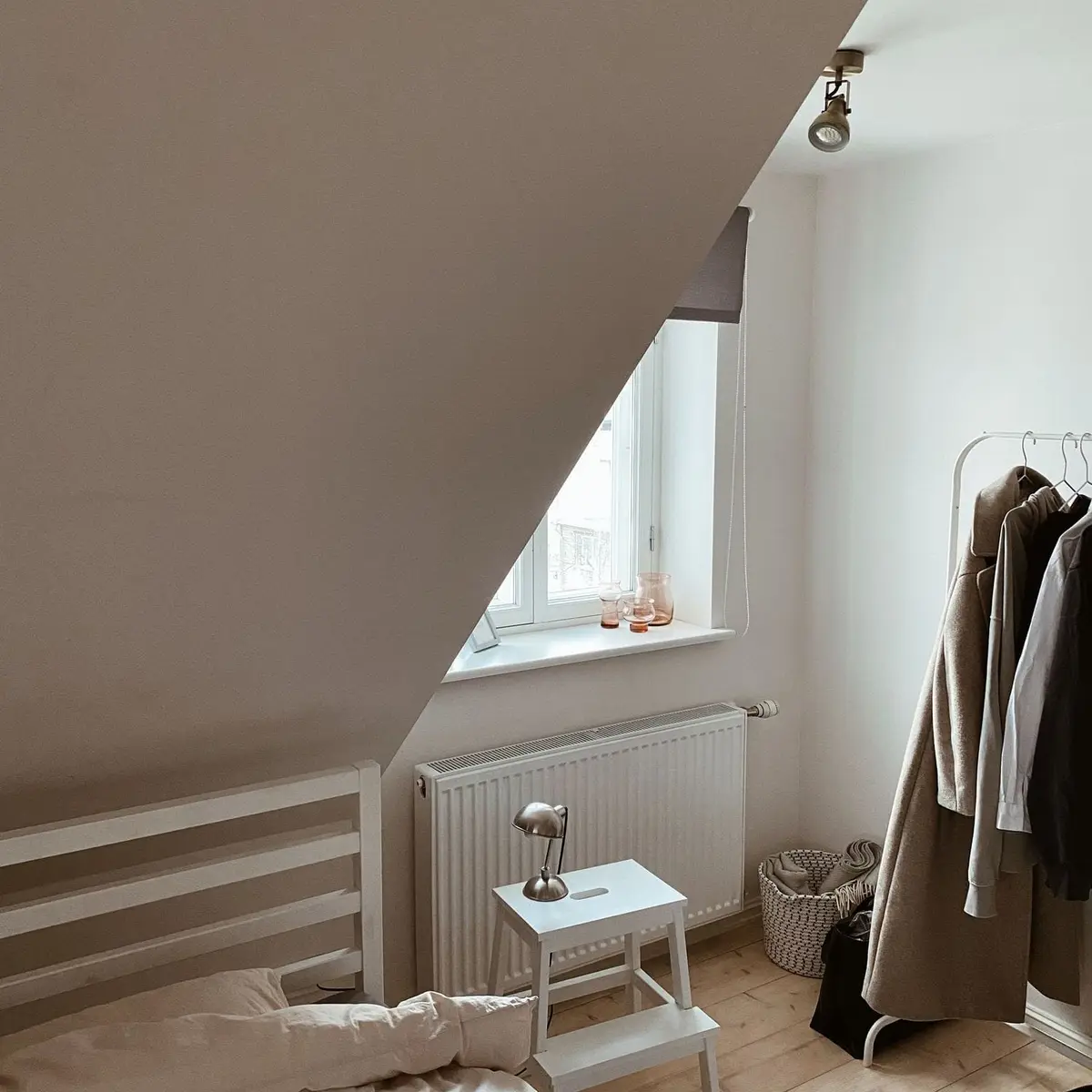
Dorm rules often ban nails and screws, and some also limit adhesive hooks and strips that can pull off paint. That points you toward pieces that hang over a door, rest on a rod or press between two walls.
Fire safety rules matter in a closet too. Don’t hang anything on a fire sprinkler or cover it, keep sprinkler heads visible, and never remove the batteries from a smoke alarm or disable it.
Check the rules on extension cords and power strips as well. Some schools don’t allow extension cords at all, and appliances should be plugged straight into the wall without overloading an outlet.
If something isn’t clear, ask your resident assistant or the housing office. A quick question now saves a fine at move-out.
2. Pack less than you think you need
A dorm wardrobe is often a fraction of the closet at home, so the first organizing job happens before you leave. Lay out everything you plan to bring, then cut it down.
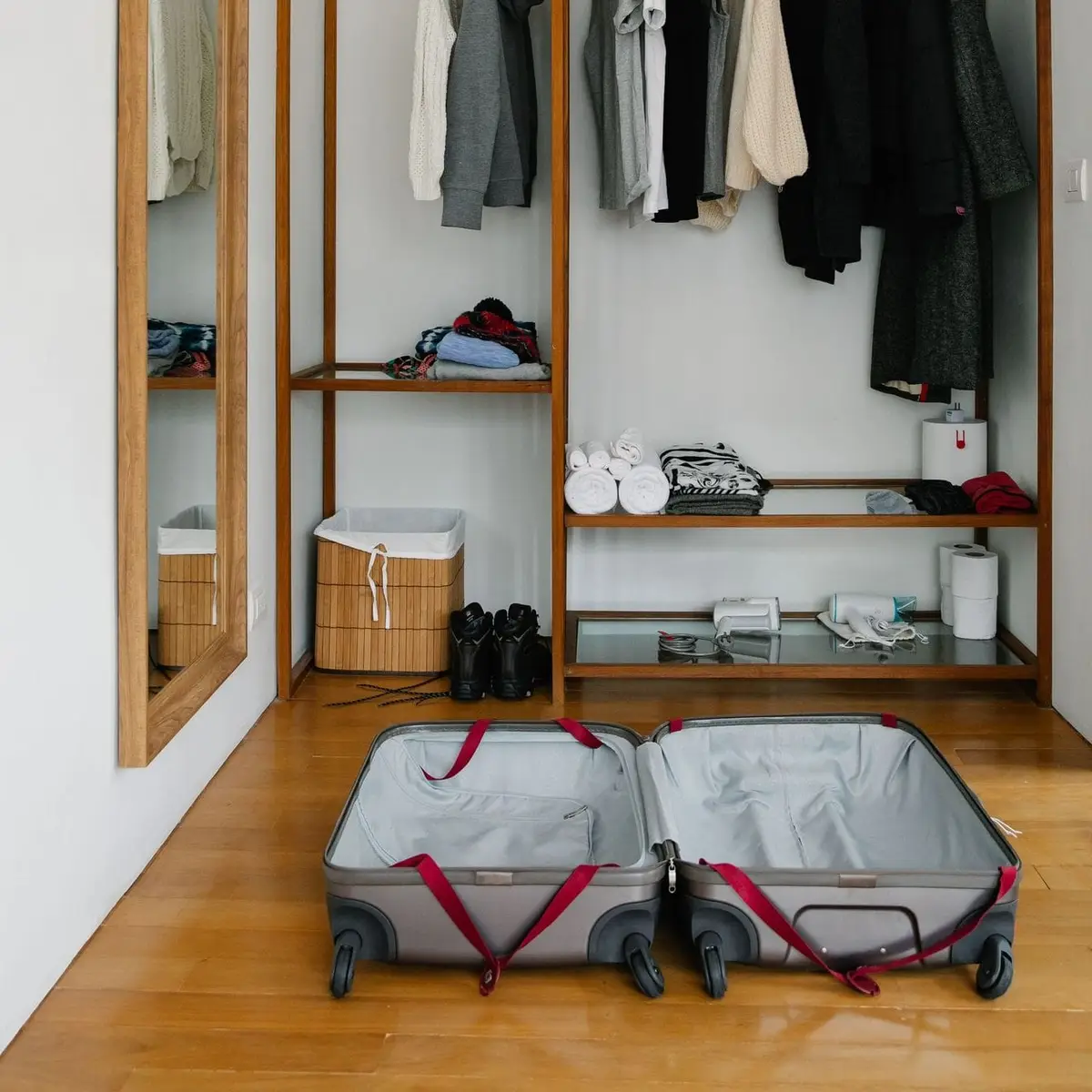
Count the outfits you really wear between laundry days and bring enough for that stretch, plus one dressy outfit and one set of clothes for working out.
Leave out the pieces you’re keeping just in case. If you haven’t worn something in months at home, it won’t get worn in a dorm either.
Pack soft things in bags that fold flat, so the luggage doesn’t need its own space once you arrive. Hard suitcases can slide under the bed, but they take up room you may want for bins.
Use a list so nothing important gets left behind. The apartment essentials list is a handy starting point for bedding, towels and the basics, even in a dorm.
3. Keep off-season clothes at home
There’s no reason to store a winter coat in a dorm closet in the first warm weeks of the semester, or shorts in the middle of winter. Bring the season you’re in and swap the rest on a visit home.

Pack the off-season clothes in a labeled box or bin at home, so someone can find them quickly or ship them if the weather turns early. Clean everything before it goes into the box.
Plan the swap around a break, when you’re traveling home anyway. Bring the outgoing season back with you and pick up the next one.
If home is too far for regular swaps, a slim bin under the bed can hold one set of off-season basics, like a warm sweater and a pair of boots.
Keep a few layers on hand all year: a light jacket, a hoodie and a rain layer. Campus weather rarely follows the calendar, and these pieces cover most surprises without filling the closet.
4. Switch to slim matching hangers
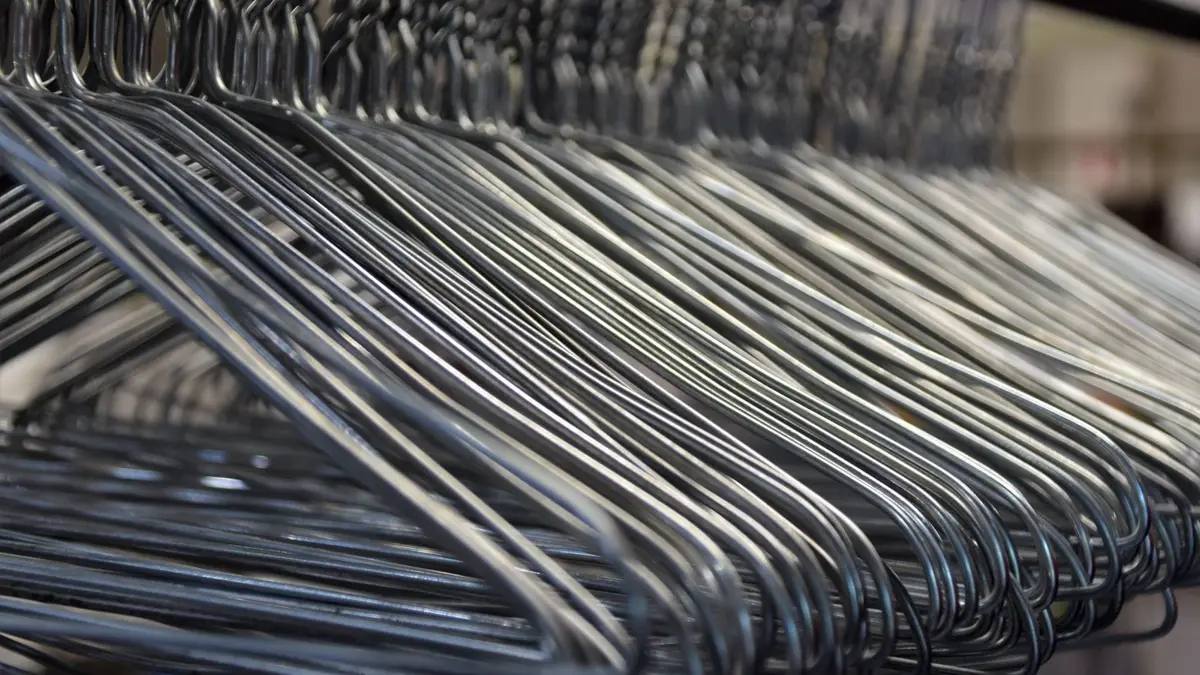
Bulky hangers eat up a short dorm rod before you hang anything. Slim hangers of the same style sit close together, so the same rod holds noticeably more.
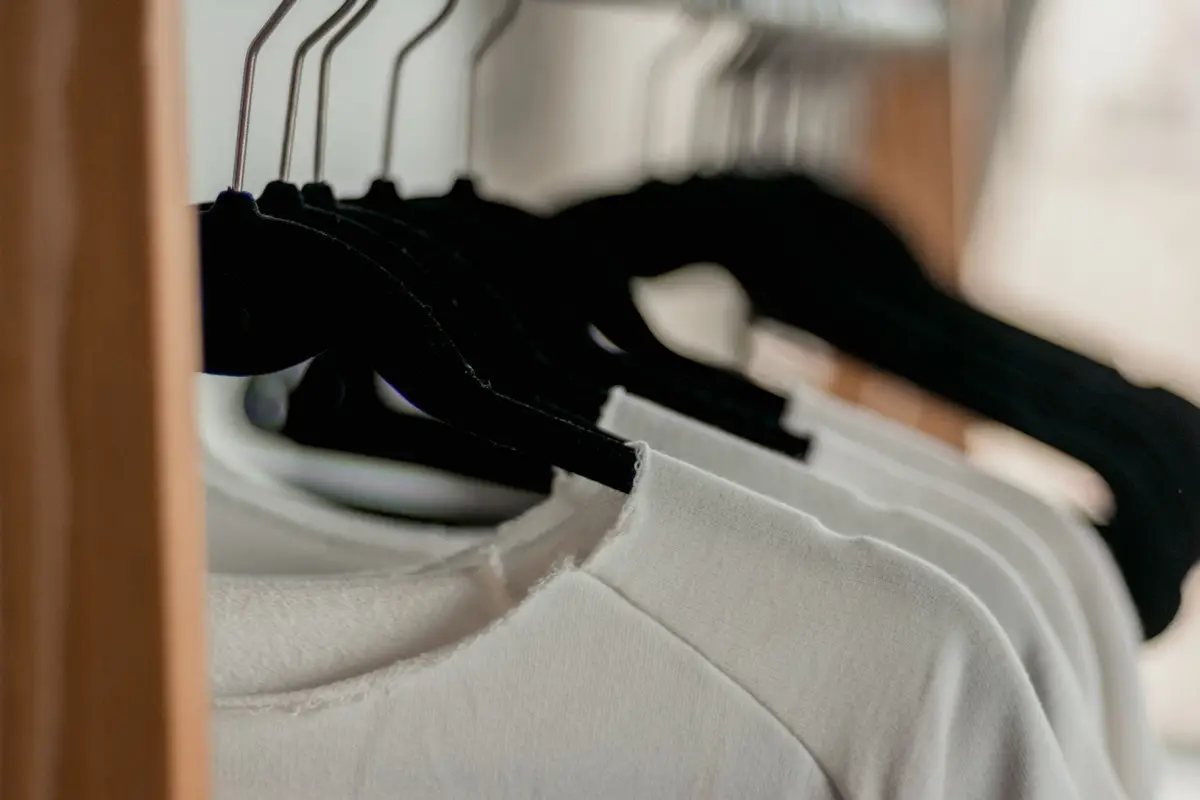
Velvet or flocked hangers grip tank tops and wide necklines, so clothes don’t slide to the closet floor every time the door closes. They also keep everything at the same height, which makes a small wardrobe look much calmer.
Bring only as many hangers as the rod holds comfortably. When every hanger is in use, something gets folded or goes home on the next visit.
Keep a sturdier hanger for a heavy winter coat, since slim hangers can bend under the weight.
For more cheap tricks with hangers, like turning them backward to see what you actually wear, these closet organization hacks work just as well in a dorm. Put the empty hangers at one end of the rod, so laundry goes away fast and you can see how much room is left.
5. Double the rod with a hanging extender
Most dorm wardrobes have a single rod with empty space below the hems of your shirts. A hanging rod extender hooks over the main rod and adds a second, lower bar, with no tools and no marks on the walls.
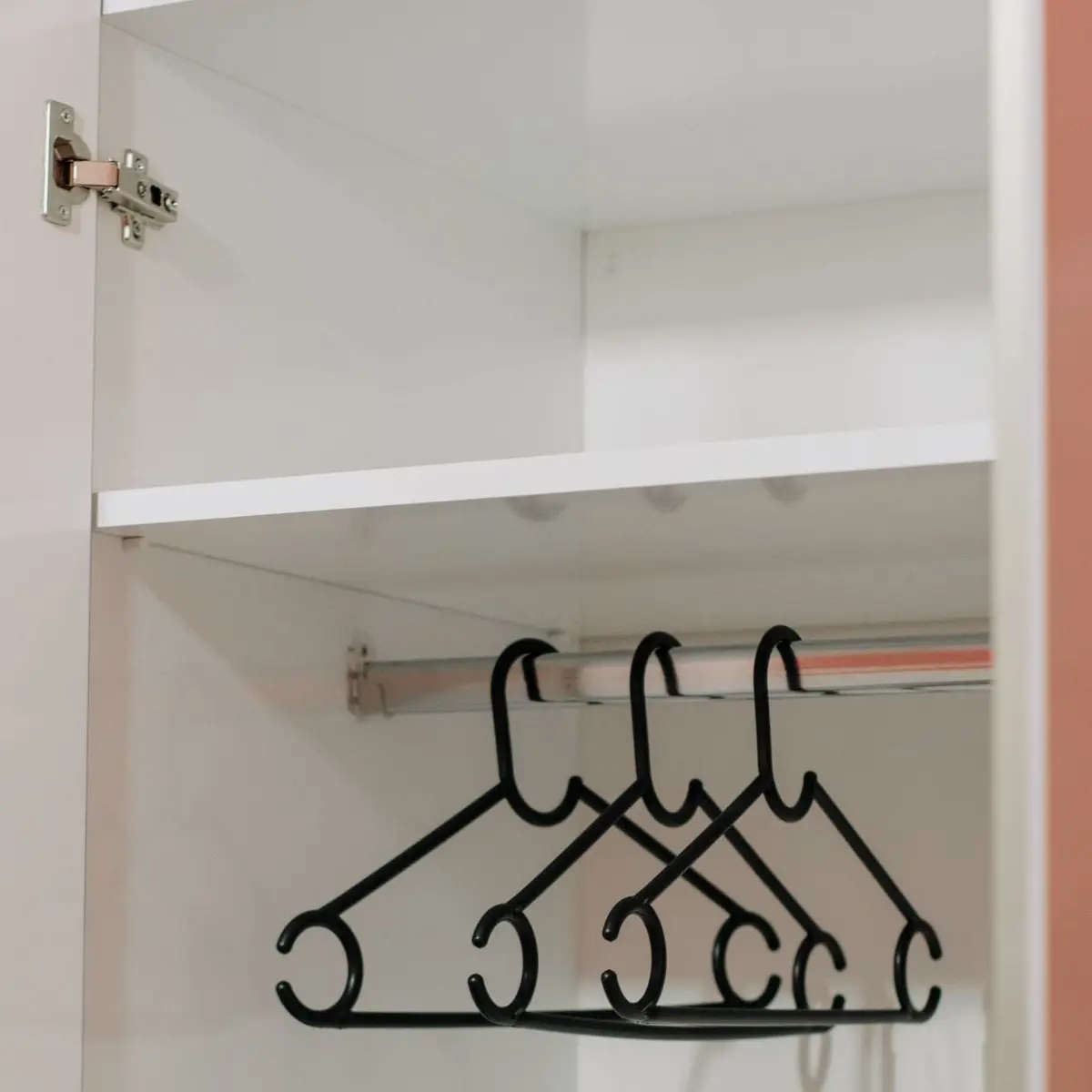
Hang shirts, blouses and folded pants on the top rod, then skirts, shorts and more shirts on the lower one. That roughly doubles the hanging space in the same width.
Leave a short stretch of the main rod without an extender for dresses, a long coat or anything that needs full length.
Check how much weight the extender is made to hold, and keep heavy pieces like coats and jeans on the main rod. Too much weight can bend the extender or pull the main rod down.
Measure the height of the closet and the length of your shortest items before you buy, so the lower bar sits high enough to clear the floor. Shoes and bins can still slide in underneath.
6. Add shelves that stand or hang beside the rod
Many dorm closets have a rod and nothing else, so folded clothes end up in piles on the floor. A fabric shelf organizer that hangs from the rod, or a narrow rack with shelves, gives them a home.
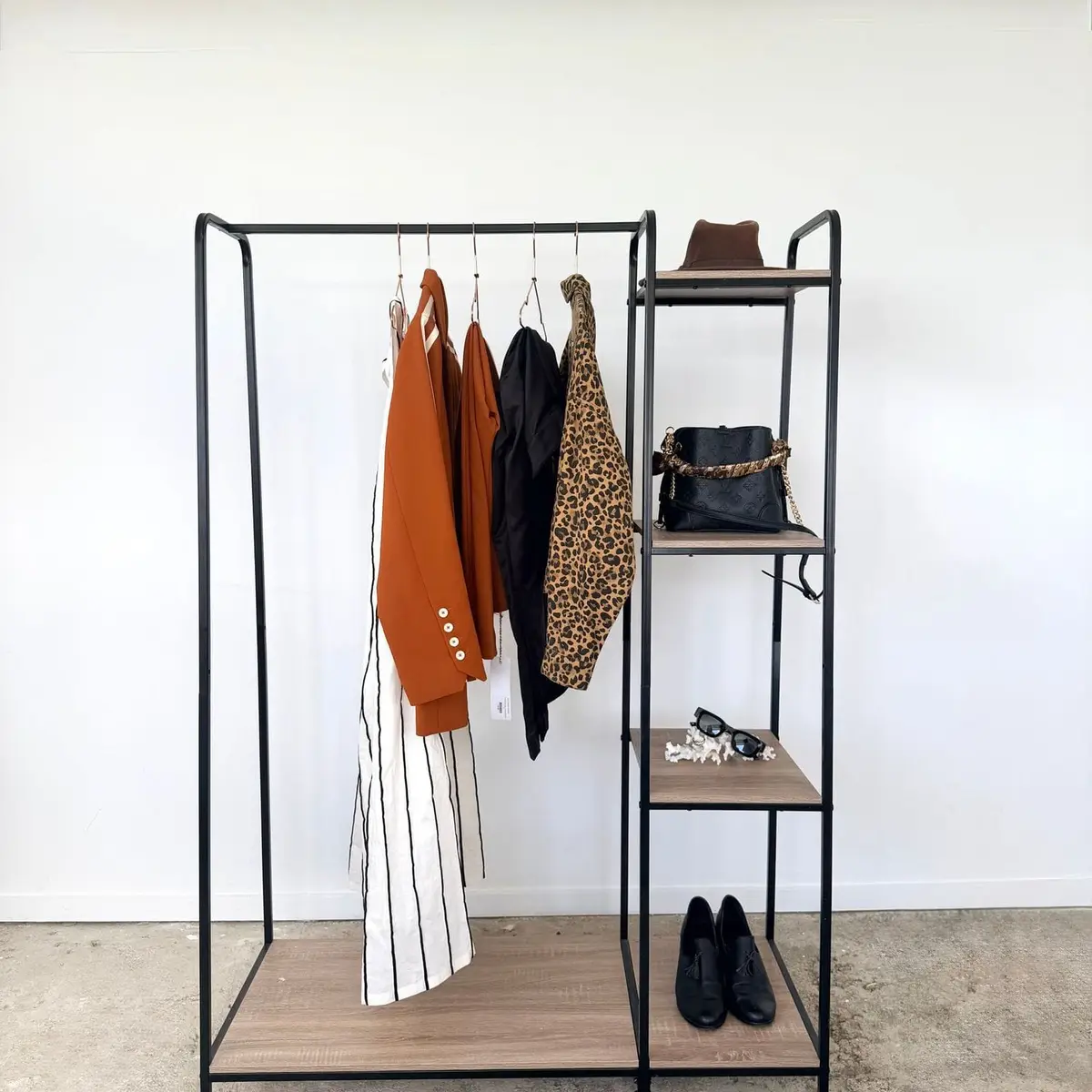
A hanging organizer slips over the rod with hook-and-loop straps and drops a column of cubbies beside your clothes. Use it for jeans, sweaters, workout clothes and pajamas, one category per shelf.
A freestanding rack with shelves and a short rod does the same job when the closet is tiny or missing a door. Set it against a wall, away from the bed and any heater.
Keep the shelves light. Folded clothes and small bins are fine, but heavy books and appliances belong somewhere sturdier.
Fold everything to the same size, so stacks stay straight and you can pull out a shirt without toppling the shelf. A small bin on one shelf catches socks and underwear if there’s no dresser drawer to spare.
7. Put the back of the door to work
The inside of the closet door or the room door is the biggest empty surface in a dorm. An over-the-door hook rack or pocket organizer uses it without a single nail.

Hooks hold the things you grab daily: a robe, a towel, a backpack, a jacket and tomorrow’s outfit. A clear pocket organizer suits smaller things like gloves, hats, chargers, snacks and toiletries.
Check that the door still closes and latches with the rack in place. Thick hooks can keep a door from shutting all the way, and a closed door helps hold back smoke if there’s ever a fire.
Keep the heaviest bags off the door, since a full backpack swinging on a hook makes the door hard to open and can scratch it.
If your wardrobe has sliding doors instead of a swinging door, an over-the-door rack won’t fit. These sliding door closet organization ideas show other ways to use the space behind bypass doors.
8. Slide bins under the bed and onto the closet floor
The space under a dorm bed is often the biggest storage spot in the room, especially if the bed frame can be raised. Long, low bins with lids turn it into a second closet.
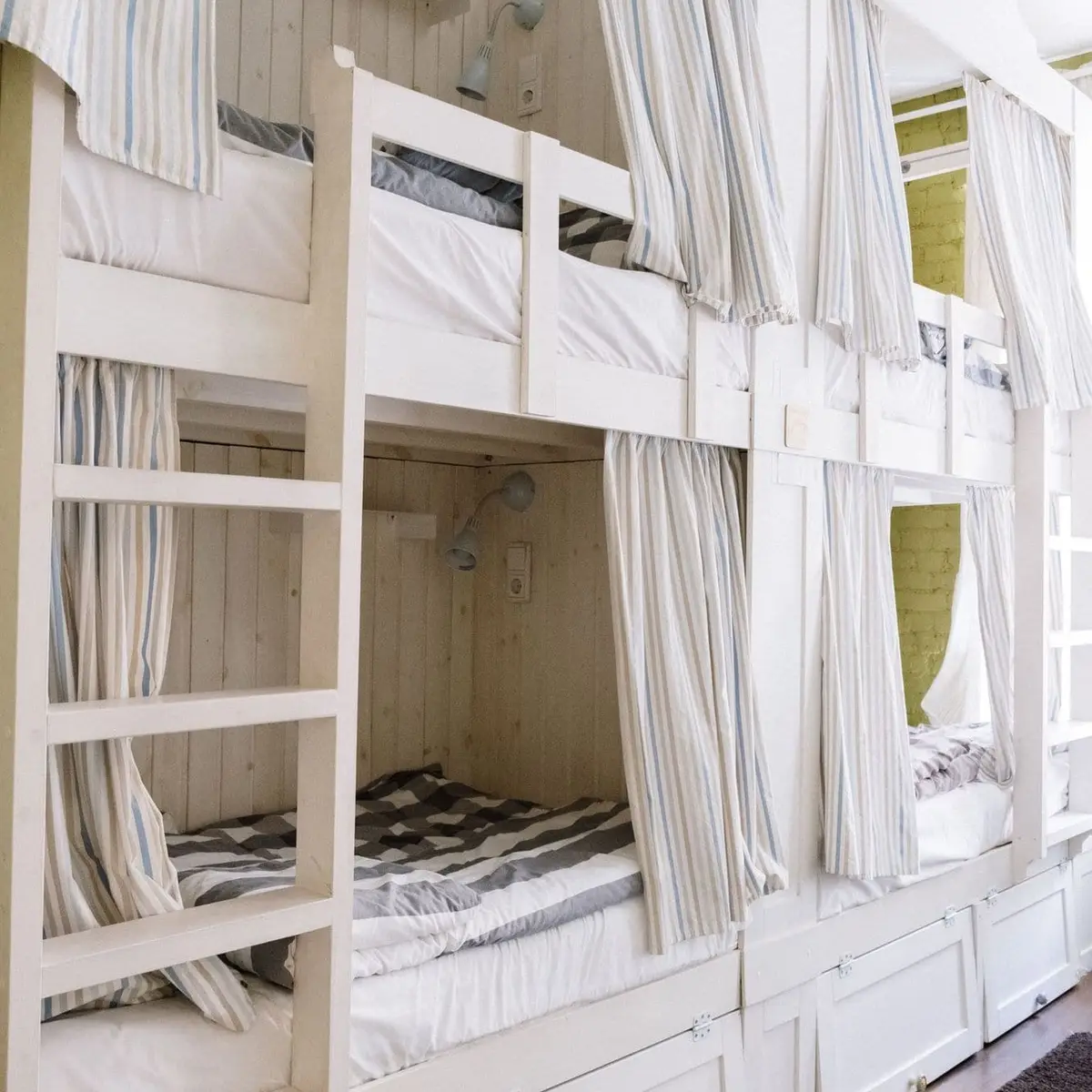
Measure the clearance under the bed and the depth from the edge to the wall before you shop. The bin size calculator helps you work out which bins fit side by side.
Use the under-bed bins for things you don’t need every day: extra bedding, off-season basics, spare toiletries and the snack stash.
On the closet floor, a couple of open bins or baskets catch bags, sports gear and shoes you don’t wear often. Label each bin on the end that faces out, so you can find things without pulling everything out.
Lids keep dust off, and bins with wheels or handles slide out easily from a low bed.
Keep bins and boxes clear of the path to the door, so the room stays easy to get out of quickly.
9. Pick a hamper that fits and reset on laundry day
Dirty clothes take over a dorm room fast when there’s nowhere to put them. Choose a hamper that fits the space you have, like a slim one for a corner or one that hangs on the closet door.
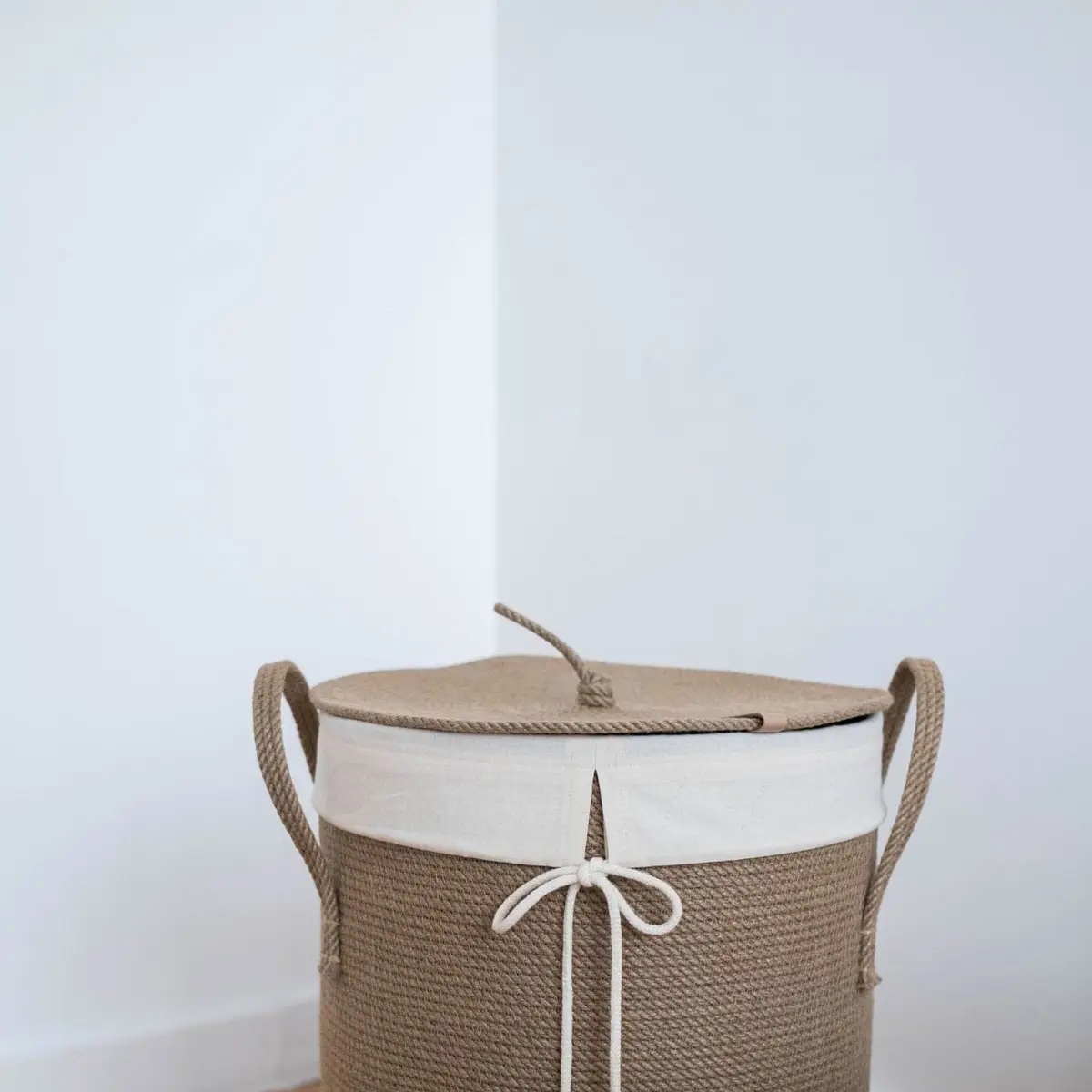
A hamper with handles or a laundry bag that cinches closed doubles as the carrier for the trip to the laundry room. A lid keeps the smell in, which roommates appreciate.
Let damp towels and sweaty gym clothes dry before they go in. Damp clothes shut in a closed hamper or closet are the kind of thing that turns musty and starts to mildew.
Use laundry day as your weekly reset. While the machines run, hang up anything on the chair, clear the floor of the closet, put shoes back on the rack and empty the trash.
Ten minutes a week keeps a small room livable. Without that reset, the closet slowly fills up with clothes that never quite got put away.
10. Keep a shower caddy and towels in one spot
In a dorm with a shared bathroom, your toiletries travel with you. A caddy with handles carries everything in one trip and gives it a home when you get back.
Choose a caddy with drainage holes, so water runs out instead of pooling at the bottom. Shake it out after each shower before you put it away.
Keep it on a closet shelf or a hook near the door, not on the closet floor, where it can drip on shoes or bags.
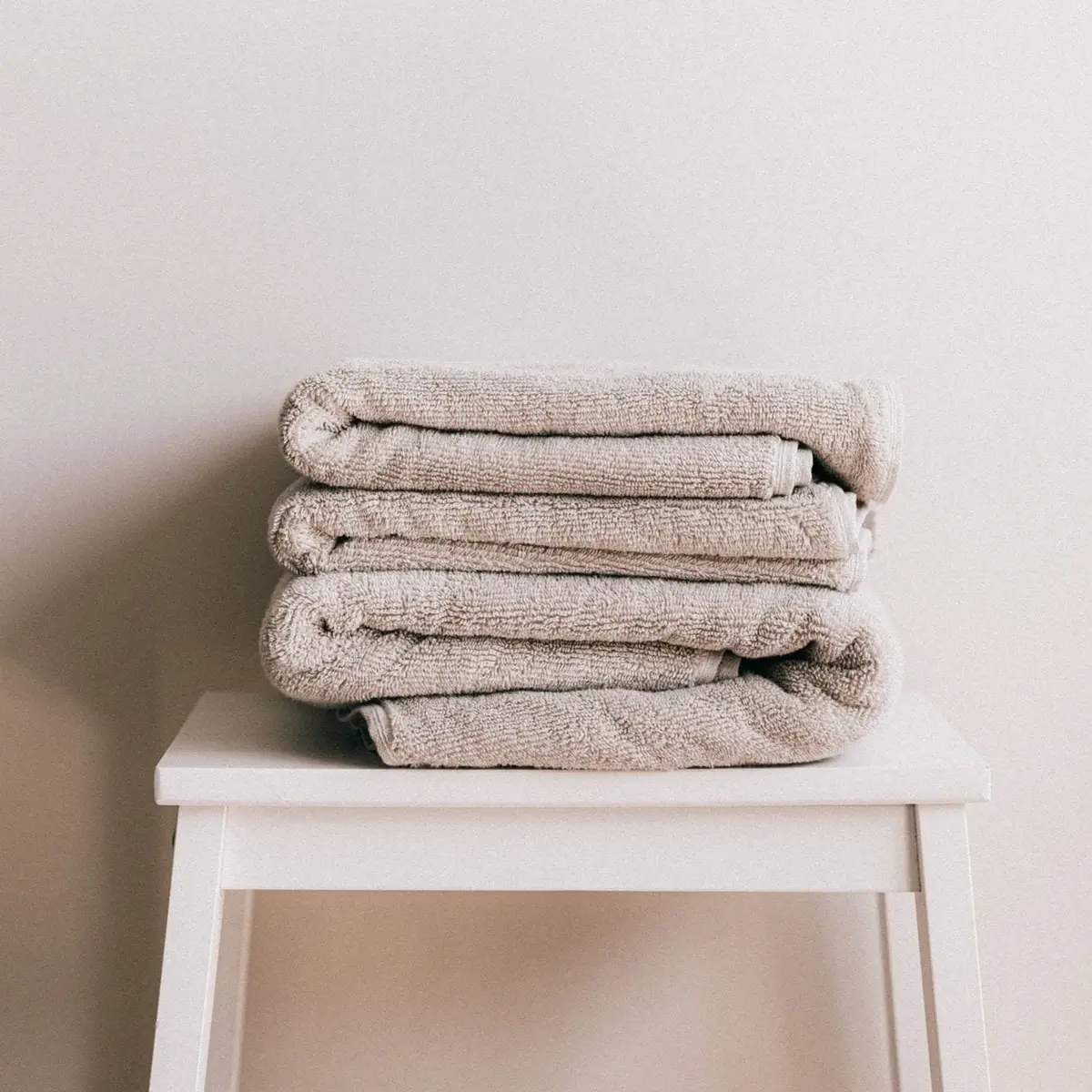
Fold clean towels and stack them on a shelf, and hang the towel you’re using on a hook so it dries completely between showers. Two bath towels and a couple of washcloths are usually enough between laundry days.
Shower shoes go on the rack with your other shoes once they’re dry, or in a mesh bag hanging from the caddy.
11. Stand shoes on a slim rack
Shoes scattered on a dorm floor are the first thing that makes the room look messy. A slim rack keeps them paired, off the floor and out of the way.
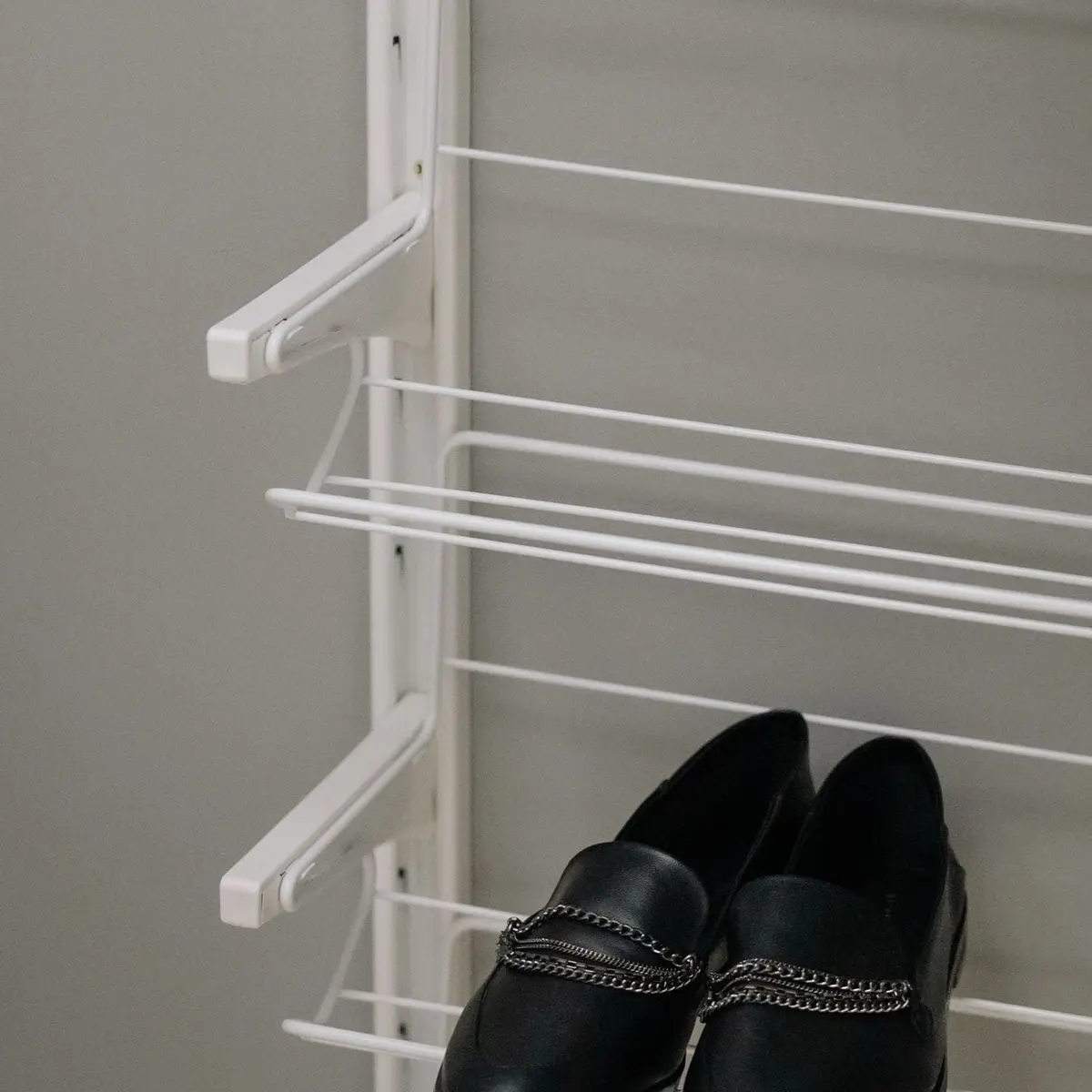
A narrow, stackable rack fits the closet floor under the hanging clothes. An over-the-door shoe organizer holds a pair in each pocket if the floor is already full.
Bring fewer shoes than you think: everyday sneakers, a pair for workouts, shower shoes, one dressier pair and weather boots if you need them. Chances are the same two or three pairs get worn all week.
Keep muddy or wet shoes on a washable mat or tray by the door until they dry, so the dirt stays off everything else.
Wipe the rack down when you do your weekly reset, and send any pair you haven’t worn by the middle of the semester home on your next visit.
12. Split the space fairly with your roommate
A shared closet works best when the split is agreed before anyone unpacks. Give each person a side of the rod, a set of shelves and their own bins, and keep the line clear.
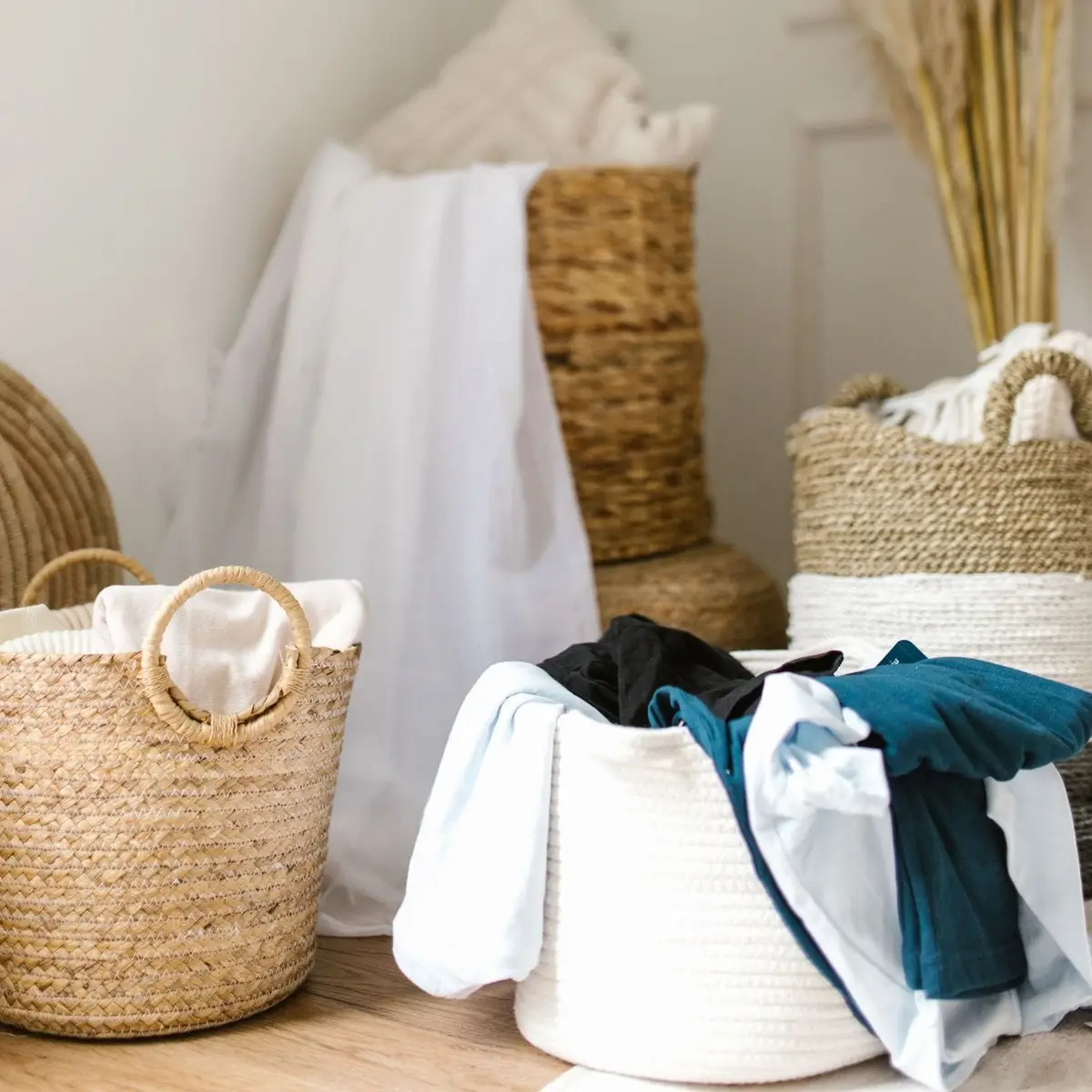
Use color to mark whose is whose: one color of hangers and bins for each roommate. It’s faster than labels, and nobody has to ask whose sweater is on the floor.
Divide by what each person brings, not exactly in half. Someone with more hanging clothes might take more of the rod and less of the shelves.
Decide where shared things live: the cleaning supplies, the trash bag stash, the vacuum and the first aid kit. If you share a dresser, give each person a small tray on top; these dresser top organization ideas keep it from turning into a catchall.
Check in after a few weeks. If the split isn’t working, a quick conversation fixes it before it turns into a bigger problem.
Save this for later
Pin it to a board so it's there when you're ready to start.
Save to Pinterest(opens in a new tab)Make it easier
Free printable
Apartment Essentials List Printable
A one-page apartment essentials list, room by room: the everyday things a new home needs, to tick off as you buy them or find one you already own.
Free tool
Enter the width, depth and height of a shelf, a drawer or a cube cubby, and see which standard bins and baskets fit, how many, and how they line up.
Frequently asked questions
What should I bring to organize a dorm closet?
Start small: slim matching hangers, an over-the-door hook rack, a hanging rod extender and a couple of bins that fit under the bed. See the closet and talk to your roommate before buying anything bigger, since every room is a little different.
Can I use adhesive hooks in my dorm room?
It depends on your school. Some housing offices allow certain removable hooks and others ban anything stuck to the walls, so read the rules or ask your resident assistant first. Over-the-door hooks and tension pieces are a safe choice almost everywhere, since they leave no marks.
How do I share a closet with my roommate?
Agree on the split before either of you unpacks, give each person a side or a set of bins in their own color, and keep shared things like the hamper and cleaning supplies in one agreed spot. Talk it over again after a few weeks if the split isn't working.
Can I hang things from the sprinkler in my dorm room?
No. Hanging things on a fire sprinkler or covering it can stop it from working properly, so keep clothes, hangers and decorations well away from the sprinkler heads and the smoke alarm.
Can I use an extension cord in a dorm?
Some schools don't allow them at all, so check your housing rules first. Plug appliances straight into the wall, never overload an outlet, and use only the kind of power strip your school permits.