How to Clean a Glass Stove Top, From Daily Wipes to Burnt Sugar
Wipe a cool cooktop, soften burnt spills with a cooktop cream or a baking soda paste, scrape with care and buff the glass dry without scratching it.

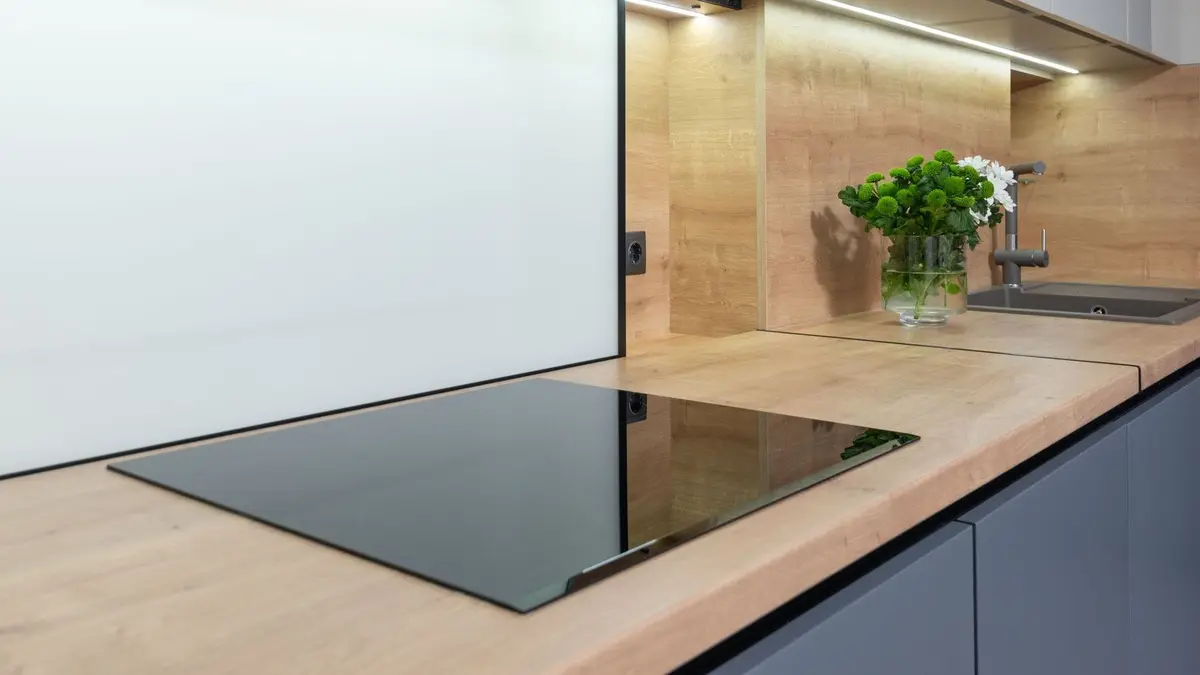
To clean a glass stove top, wait until the glass is cool, wipe off crumbs, then spread a cooktop cleaning cream or a baking soda paste on any dried spills. Let a damp towel soften them, wipe them away, scrape off only what’s still stuck with a scraper made for glass cooktops, and buff the glass dry.
The whole job takes about as long as a cup of coffee. The steps below work on radiant electric cooktops and induction cooktops alike, and they stay gentle, so the glass keeps its shine instead of picking up fine scratches.
What you need
- A soft sponge or a non-scratch pad, and a few soft cloths
- A cooktop cleaning cream, or baking soda and a little dish soap
- A small towel you can soak in warm water
- A scraper made for glass cooktops, if your manual allows one
- White vinegar in a spray bottle, for hard-water rings
- An oven mitt, for the rare spill that has to come off while the glass is warm
1. Turn it off and let the glass cool
Switch every burner off and wait until the hot-surface light goes dark. Glass holds heat long after the glow is gone, and wiping warm glass with a damp cloth can damage the surface as well as burn your fingers.
If your cooktop has a lock, turn it on before you start. A hand leaning on a touch control while you wipe can switch a burner back on without you noticing.
Open a window or run the range hood if you plan to use more than soap and water. Fresh air helps with any cleaner, and it matters most in a small kitchen.
Induction and radiant cooktops
A radiant cooktop heats the glass itself, so the burner area stays hot for a while after cooking. An induction cooktop heats the pan instead, and the glass doesn’t get nearly as hot, but it still warms up from the hot pan sitting on it.
So the rule is the same for both: wait for the hot-surface light to go out, then touch the glass lightly before you clean. Induction tops tend to be easier, since spills land on cooler glass and burn on less often.
2. Wipe away loose crumbs and spills
Start with the easy part. Wipe the whole top with a soft sponge and warm, soapy water to pick up crumbs, grease and anything that hasn’t dried yet.
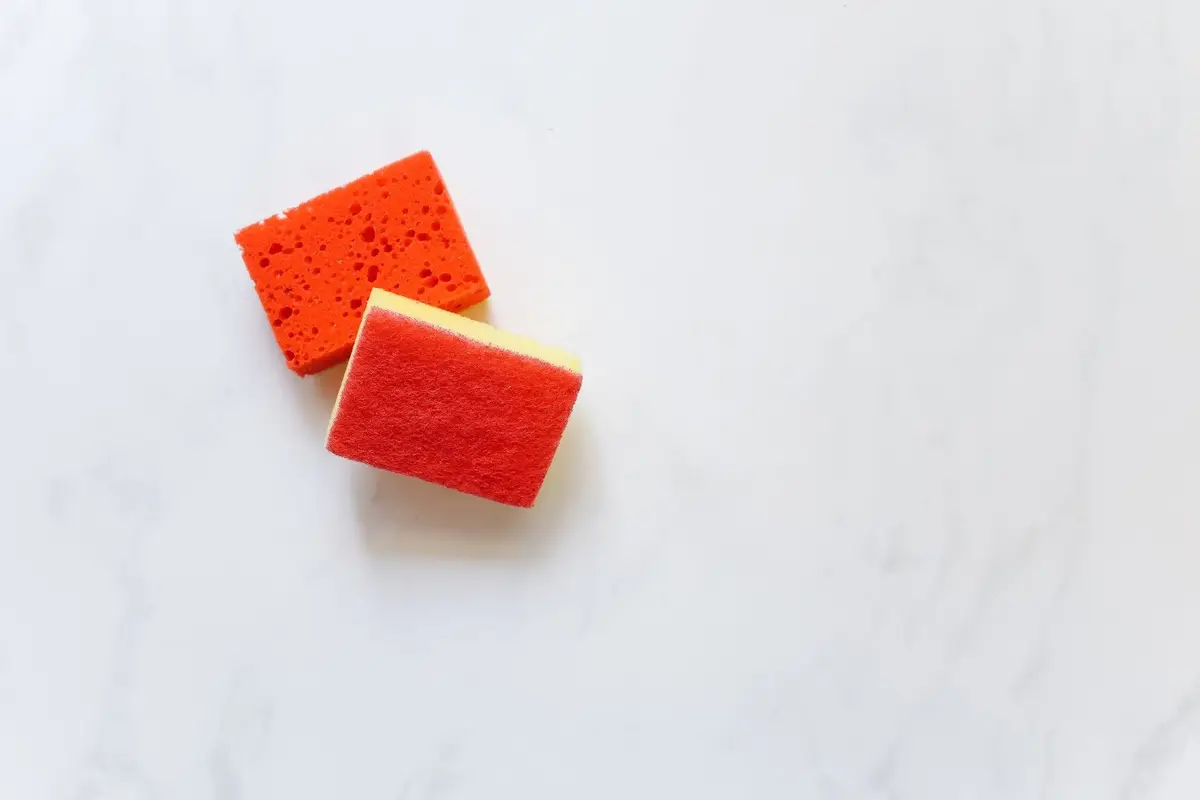
Use the soft side of the sponge only. The green or rough side of many kitchen sponges is a scouring pad, and it can leave a haze of fine scratches on the glass.
Rinse the sponge often, so you aren’t dragging grit back across the surface. Then look at what’s left: smudges and fingerprints are done, and the dried or dark spots move on to the next step.
3. Soften dried spills with a cream or a paste
Most dried-on food lifts without force once it has had time to soften. You have two good choices, and both work on any smooth glass top.
Using a cooktop cleaning cream
A cooktop cleaning cream is made for this glass. Shake the bottle, put a few small drops on the stained areas, and rub them in with a non-scratch pad or a soft cloth, pressing harder only on the stubborn spots.

Wipe the cream off with a clean, damp cloth and look again. Some manuals suggest a little cream as part of everyday cleaning, to keep the glass looking new.
Using baking soda and a damp towel
For a cleaner you already have, sprinkle baking soda over the spills and spritz it lightly with water or a few drops of soapy water until it looks like wet sand. Soak a small towel in hot, soapy water, wring it out so it isn’t dripping, and lay it flat over the paste.
Leave it for a quarter of an hour or so, then rub the area in small circles with the towel. The paste loosens dried sauce and grease without scratching, and the damp towel keeps it from drying out while it works.
Wipe the paste away with a clean, damp cloth, and rinse the cloth until no white streaks are left behind. Any residue left on the glass can bake into a cloudy film the next time you cook.
4. Scrape off what’s still stuck
Some spots don’t soften: a dark ring of burnt milk, a crust of sauce that boiled over, a fleck of melted food. For these, many manuals call for a single-edge razor scraper made for glass cooktops.
Check your manual before you reach for one, since makers differ. If yours allows it, use a new, sharp blade, never a dull or nicked one, and hold it at a low angle, close to flat against the glass, the way the manual shows.
Push the blade gently across the spot in short strokes, adding pressure only as needed. Keep the glass a little damp with cream or soapy water while you work, then wipe the loosened bits away and finish with a cloth.
Never use a knife, a metal spatula or a steel scraper that wasn’t made for cooktops. Their edges and corners can gouge the glass in a way that no cleaner will polish out.
Burnt sugar and melted plastic
Sugary spills, like jam, syrup or candy, and melted plastic are the exception in many manuals. Left to cool, they can pit the glass, so some makers tell you to turn the burner off and, wearing an oven mitt, use the scraper right away to push the spill onto a cool part of the cooktop.
Only do this if your manual says so, and take extra care, since the glass is hot. Once the spill sits on cool glass, leave the rest until the whole top has cooled, then clean it with the steps above.
If the glass already has pits or dents where sugar burned on, they won’t scrub out. A damaged cooktop is a job for a repair service, not for more scraping.
5. Lift hard-water rings with vinegar
Water that boils over leaves behind minerals, and the burner bakes them on as white rings or shiny, almost metallic patches. A cooktop cleaning cream removes most of them, and plain white vinegar handles the rest.
Spray a little vinegar on the cool glass or lay a cloth dampened with it over the rings for a few minutes, then wipe. Check your manual first, and wipe the area afterward with a cloth dampened in clean water.
Never use vinegar right after a bleach-based cleaner, or mix it with one. Bleach and acids like vinegar give off chlorine gas, so stick to one product at a time and rinse the glass between them.
6. Buff the glass dry
Water left to air-dry is what causes most streaks and new spots. Go over the whole top with a dry, soft cloth, working in overlapping circles until the glass looks clear from every angle.
Crouch down and look across the cooktop toward the window or a light. Streaks and leftover cleaner show up from that low angle, and a few more passes with the dry cloth take them away.
7. Keep it clean between deep cleans
A glass top stays easy when spills never get a chance to bake on. Once the glass has cooled after cooking, give it a quick wipe with a damp, soapy cloth and dry it, the same way you wipe the counter.
Lift pots and pans instead of sliding them. Sliding can leave gray metal marks, and a rough or gritty pan bottom can scratch the glass, so check the bottoms of your pans now and then and keep them clean.
A pan with a burnt, crusty bottom leaves rings on the glass every time you use it. Our guide on how to clean a burnt pan gets cookware back to smooth, which keeps the cooktop clean too.
Heavy pans like cast iron and stoneware need the most care. Set them down gently, never drag them, and keep their bottoms smooth and dry.
If you’re working through the whole range, the oven is usually next. These oven cleaning hacks cover the inside without harsh scrubbing.
What not to use
These can scratch, cloud or damage a glass cooktop, so leave them in the cupboard:
- Scouring powder and gritty cleansers. They leave fine scratches that dull the surface over time.
- Steel wool, scouring pads and the rough side of a sponge. Use soft sponges, non-scratch pads and soft cloths instead.
- Chlorine bleach, ammonia and rust remover, unless your manual names them. Several makers list them as cleaners that can damage the glass, and some window cleaners contain ammonia, so read the label.
- A damp cloth on a warm or hot surface. Wait for the glass to cool, apart from the sugar and plastic exception in step four.
Never mix cleaning products of any kind. Bleach mixed with ammonia, vinegar or other cleaners can release gases that are dangerous to breathe.
How often to clean a glass stove top
Wipe the cooktop after any cooking that spatters, once it has cooled. That quick wipe takes a minute and keeps food from building up in layers.
Give it a full clean with cream or baking soda once a week, or whenever you notice rings or dull patches. Add it to your weekly cleaning schedule so it comes around on its own.
For more quick jobs around the stove, the sink and the counters, see our kitchen cleaning hacks.

Save this for later
Pin it to a board so it's there when you're ready to start.
Save to Pinterest(opens in a new tab)Make it easier
Free printable
Weekly Cleaning Schedule Printable
A one-page weekly cleaning schedule: a few quick jobs every day, plus one focus area a day, so the whole house gets done without a cleaning marathon.
Free printable
A room-by-room deep cleaning checklist for the jobs a weekly clean skips, from the oven and the grout to the vents and baseboards.
Frequently asked questions
Can I use a razor blade on a glass stove top?
Many cooktop manuals allow a single-edge razor scraper made for glass cooktops, held at a low angle with a new, sharp blade. Check yours first, since some makers say otherwise, and never use a dull or nicked blade.
Is baking soda safe on a glass cooktop?
Baking soda is a gentle powder, and as a paste under a damp towel it softens dried spills without hard scrubbing. Wipe it on and off with a soft cloth or sponge rather than a scouring pad, and rinse away every bit of residue before you buff the glass dry.
Why does my glass stove top look cloudy after cleaning?
A cloudy film is usually leftover cleaner, soap or minerals from tap water. Wipe the glass with a cloth dampened in clean water, then buff it dry, and use a little white vinegar on rings that stay behind if your manual allows it.
How do you get white marks off a glass cooktop?
White or shiny gray marks are often mineral deposits from water that boiled over and dried on the burner. A cooktop cleaning cream or a cloth dampened with white vinegar lifts most of them once the glass is cool.
Can scratches on a glass stove top be fixed?
Fine scratches and metal marks can sometimes fade with a cooktop cleaning cream, but deep scratches, chips and pits in the glass can't be polished out. A cracked or chipped cooktop needs a repair service before you use it again.