How to Clean a Cast Iron Skillet and Keep It Rust Free
Rinse it while it's warm, scrub stuck bits with coarse salt, dry it on the burner and oil it thin, then scrub off rust and reseason an old pan in the oven.


To clean a cast iron skillet, wash it while it’s still warm with hot water and a stiff brush, scrub any stuck bits with coarse salt, then dry it right away and wipe on a thin coat of oil. Never soak it and never put it in the dishwasher.
Rust isn’t the end of a skillet. Scrub it off, wash and dry the pan, and bake on a fresh layer of seasoning, and even an old or thrifted pan cooks well again.
What you need
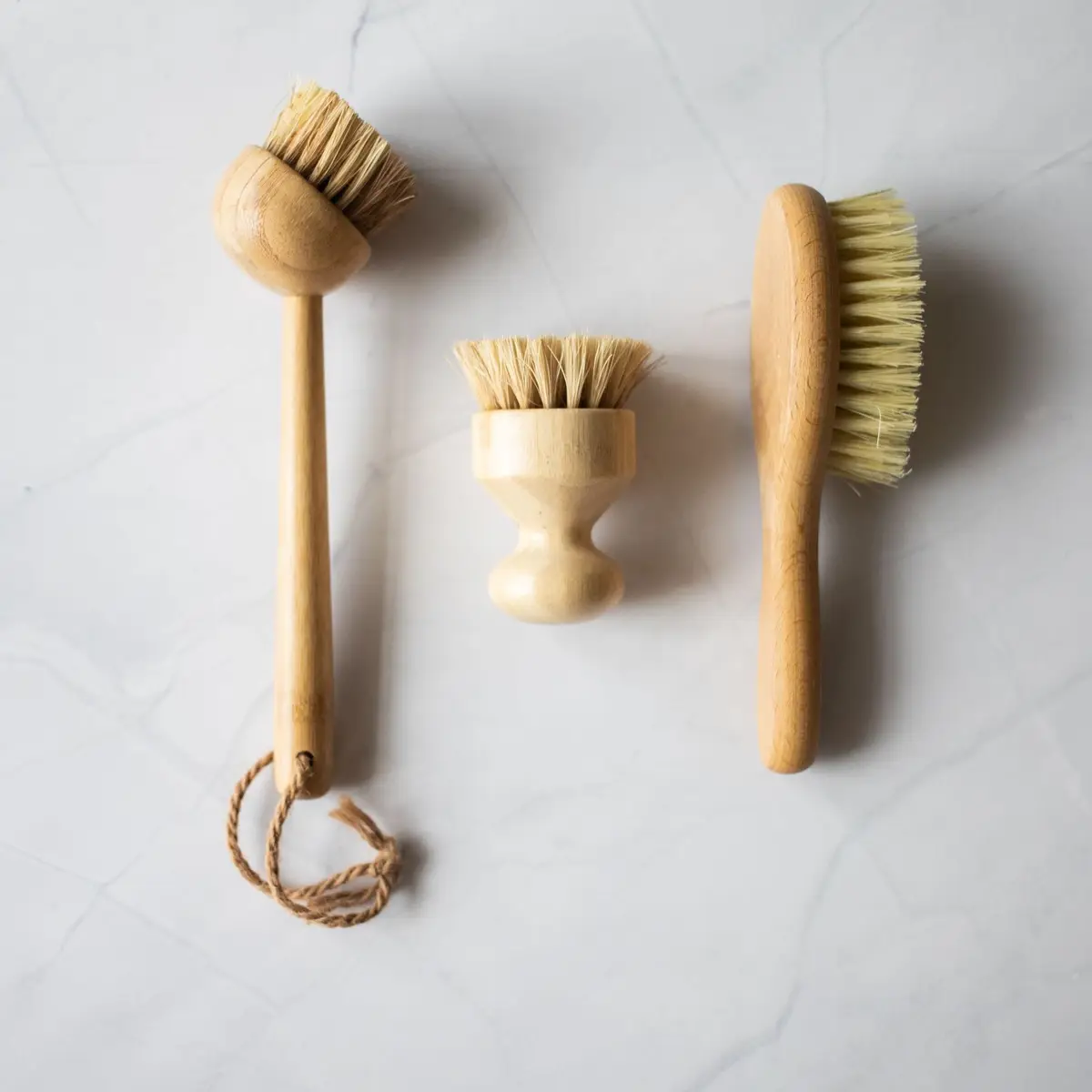
- Hot water and a stiff brush, a chain scrubber or a nonscratch pad
- Coarse salt (kosher or sea salt)
- A wooden or silicone spatula
- A dish towel or paper towels
- A neutral cooking oil with a high smoke point, such as canola or sunflower oil
- An oven mitt, since cast iron handles get hot
- For rust: steel wool, white vinegar and a sheet of foil or a baking sheet
1. Clean it while it’s still warm
Let the skillet cool until you can handle it with a mitt, then clean it right away. Food comes off a warm pan easily, and grease left overnight can give the next meal an off flavor.
Don’t run cold water over a pan that’s still hot from the burner. The sudden change can crack cast iron, so wait a few minutes first.
Lift the skillet off the burner instead of sliding it. A heavy pan dragged across a glass cooktop can scratch it, and how to clean a glass stove top covers what to do if one already has.
Rinse the pan under hot water and scrub with a stiff brush, a chain scrubber or a nonscratch pad. Hot water is enough most days.
If the pan feels greasy, a small drop of mild dish soap is fine on a well-seasoned skillet. Rinse it off well and go straight to drying.
2. Scrub stuck bits with coarse salt
For food that clings after rinsing, pour a few spoonfuls of coarse salt into the pan with a splash of water. Scrub with a folded towel or a brush; the salt works like a gentle scouring powder that doesn’t strip the seasoning.

Rinse the salt out with hot water when the bits are gone, so none is left sitting on the iron.
For anything stuck harder, add enough water to cover the bottom of the skillet, bring it to a simmer for a few minutes and scrape the bottom with a wooden spatula. The softened food lifts off, then pour the water out and scrub as usual.
Skip steel wool and scouring pads for everyday cleaning, since they scrub off the seasoning along with the food. They’re only for rust, in step six.
3. Dry it right away
Water is what makes cast iron rust, and it starts quickly. Never leave the skillet in a wet sink or let it air dry in the rack.
Wipe it dry with a towel or paper towel, inside, outside and on the handle. Then set it on a burner over low heat for a few minutes to drive off the last of the moisture.

Stay by the stove while it heats, and turn the burner off if you leave the kitchen. Keep towels and paper towels well away from the flame or the hot burner.
4. Wipe on a thin coat of oil
While the skillet is still warm and dry, add a few drops of oil and rub it over the inside with a paper towel. Leave the heat on low for a minute so the oil bonds with the surface.
Then wipe it again with a clean paper towel, as if you were trying to take all the oil back off. What stays behind is the right amount: the pan should look shiny, not wet or sticky.
This thin layer is what builds the seasoning over time. Doing it after every wash keeps the surface smooth and slick, and it means you’ll rarely need a full reseasoning.
5. Store it dry, with the lid off
Let the skillet cool completely, then put it in a dry cupboard or drawer. Keep the lid off or set it slightly ajar, since a closed lid traps moisture that can rust the pan.
If you stack pans, lay a paper towel or a soft cloth between them. It absorbs any moisture and keeps the rough bottom of one pan from scratching the seasoning on the next.
Cast iron is heavy, so store it on a low shelf rather than overhead. Pots and pans organization has ideas for drawers, racks and rails that hold the weight.
6. Remove rust
Rust happens when a pan stays damp or loses its seasoning, and it scrubs off. For a few small spots, rub them with coarse salt and a damp cloth until the rust is gone.
For a rusty cast iron skillet with more than a few spots, scour the rust with steel wool until you reach bare, gray metal. Then wash the pan in warm, soapy water, rinse it and dry it right away with a towel and a few minutes on a low burner.
If the rust is thick, a soak in equal parts white vinegar and water loosens it. Check the pan every quarter hour and take it out as soon as the rust flakes off, since a long soak in vinegar can damage the iron.
Use only vinegar and water for this soak. Never add bleach or another cleaner, since bleach mixed with vinegar or other acids gives off chlorine gas.
A pan scrubbed down to bare metal has no protection left. Season it the same day, in the next step, before it has a chance to rust again.
7. Reseason it in the oven
Reseasoning bakes thin layers of oil onto the iron until they harden into a smooth, black finish. It’s the fix for a pan you’ve scrubbed of rust, one that looks dull and gray, or one where food keeps sticking.
- Heat the oven to the temperature in your skillet’s care instructions.
- Wash and dry the skillet completely, then rub a thin layer of oil over every surface, inside and out, including the handle.
- Wipe off as much of the oil as you can. Too much oil leaves the pan sticky and can smoke.
- Set a sheet of foil or a baking sheet on the lower rack to catch drips.
- Place the skillet upside down on the upper rack and bake it for about an hour.
- Turn off the oven and let the skillet cool inside before you take it out.
Repeat the oil, wipe and bake rounds a few times for a pan that was down to bare metal. Each round adds a layer, and the finish gets darker and slicker as it builds.
Open a window or run the range hood while the pan bakes. A thin coat of oil shouldn’t give off heavy smoke; if it does, wipe off more oil next round.
An old or thrifted skillet
An old skillet from a yard sale or a relative’s kitchen usually needs a full cleaning before its first meal. Scrub off any rust and caked-on buildup with steel wool, wash it in hot, soapy water, dry it on the burner and season it a few times in the oven.
Check it closely first. A pan with a crack, a deep pit or rust that has eaten holes into the iron isn’t worth the work; replace it instead.
8. Know when to reseason, and go easy on acidic foods
A skillet in good shape is dark, smooth and a little glossy. Reseason it when it looks dull or gray, feels rough or sticky, shows rust or starts letting eggs and pancakes stick.
Acidic foods such as tomato sauce, wine or citrus can wear the seasoning off and discolor the pan if they sit in it too long. A quick pan sauce is fine; for a long, slow simmer, use a stainless steel or enameled pot.

Never store leftovers in the skillet, especially acidic ones. Move them to a container, then clean, dry and oil the pan as usual.
The more you cook in cast iron, the better the seasoning gets. Frying, searing and roasting with a little oil add to the layer every time.
What not to do
- Soak it. Even a short soak in the sink can start rust.
- Put it in the dishwasher. The detergent and long wet cycle strip the seasoning and leave the pan rusty.
- Let it air dry. Towel it off and warm it on the burner every time.
- Store it with the lid on. Trapped moisture rusts the pan.
- Use steel wool for everyday cleaning. Save it for rust.
For burnt food in a stainless steel, nonstick or enameled pan, how to clean a burnt pan has methods that suit those pans. And for quicker ways through the rest of the kitchen, see these kitchen cleaning hacks.
Save this for later
Pin it to a board so it's there when you're ready to start.
Save to Pinterest(opens in a new tab)Make it easier
Free printable
A room-by-room deep cleaning checklist for the jobs a weekly clean skips, from the oven and the grout to the vents and baseboards.
Free printable
Monthly Cleaning Schedule Printable
A one-page monthly cleaning schedule: the daily and weekly basics at the top, then one deeper area for each week, so every corner of the house gets its turn without a cleaning weekend.
Frequently asked questions
Can I use dish soap on cast iron?
A small drop of mild dish soap won't hurt a well-seasoned skillet, as long as you rinse it well and dry it right away. Hot water and a brush are enough on most days, so save soap for a pan that feels greasy.
Why is my cast iron skillet sticky after seasoning?
A sticky surface means too much oil was left on before heating. Put the pan back in a hot oven for another round to finish the layer, and next time wipe the oil off until the pan looks almost dry.
Is a little rust on cast iron dangerous?
A few rust spots are a sign the pan stayed damp, and they scrub off. Remove the rust, wash and dry the pan and season it again before you cook in it, so the bare spots don't keep rusting.
How often should I season a cast iron skillet?
A thin wipe of oil after each wash keeps the seasoning in good shape. A full oven seasoning is only needed when the pan looks dull or gray, food starts to stick, or you've scrubbed off rust.