How to Clean a Burnt Pan Without Ruining the Finish
Let it cool, soak it, then simmer water and baking soda: gentle ways to lift scorched food from stainless steel, nonstick, enameled and aluminum pans.

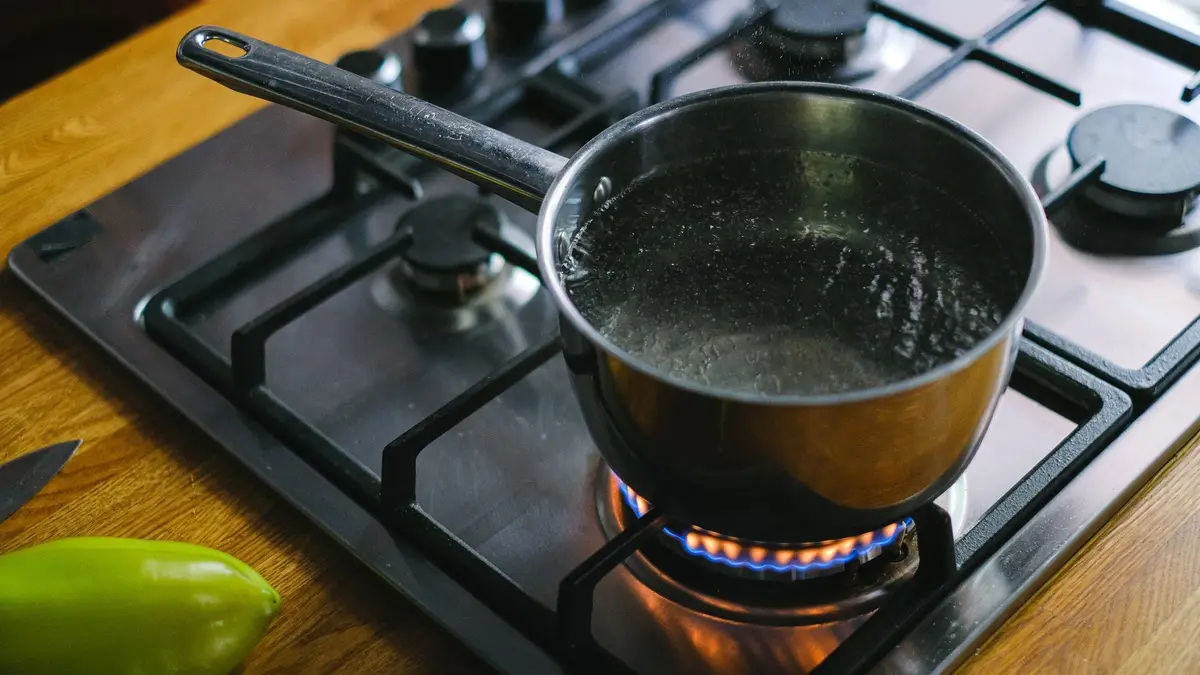
To clean a burnt pan, let it cool, scrape off whatever comes loose with a wooden or silicone spatula, and soak it in hot water with dish soap. If a layer is still stuck, simmer water and baking soda in a stainless steel pan, then scrub with a baking soda paste or coarse salt and a nonscratch pad.
Nonstick, enameled, copper and aluminum pans need a softer touch, so check what your pan is made of before you reach for anything gritty. The steps below start with the gentlest method and move up only as far as you need.
What you need
- Dish soap and hot water
- A wooden or silicone spatula
- Baking soda and white vinegar
- Coarse salt (kosher or sea salt)
- A nonscratch scrub pad, a soft sponge and a nylon brush
- A dish towel and an oven mitt
- Your pan’s care instructions, if you still have them
1. Let the pan cool on the stove
Turn off the burner, move the pan to a cool burner and leave it alone until you can touch the handle without a mitt. It’s tempting to run it straight under the tap, but cold water on a hot pan is a sudden shock to the metal.
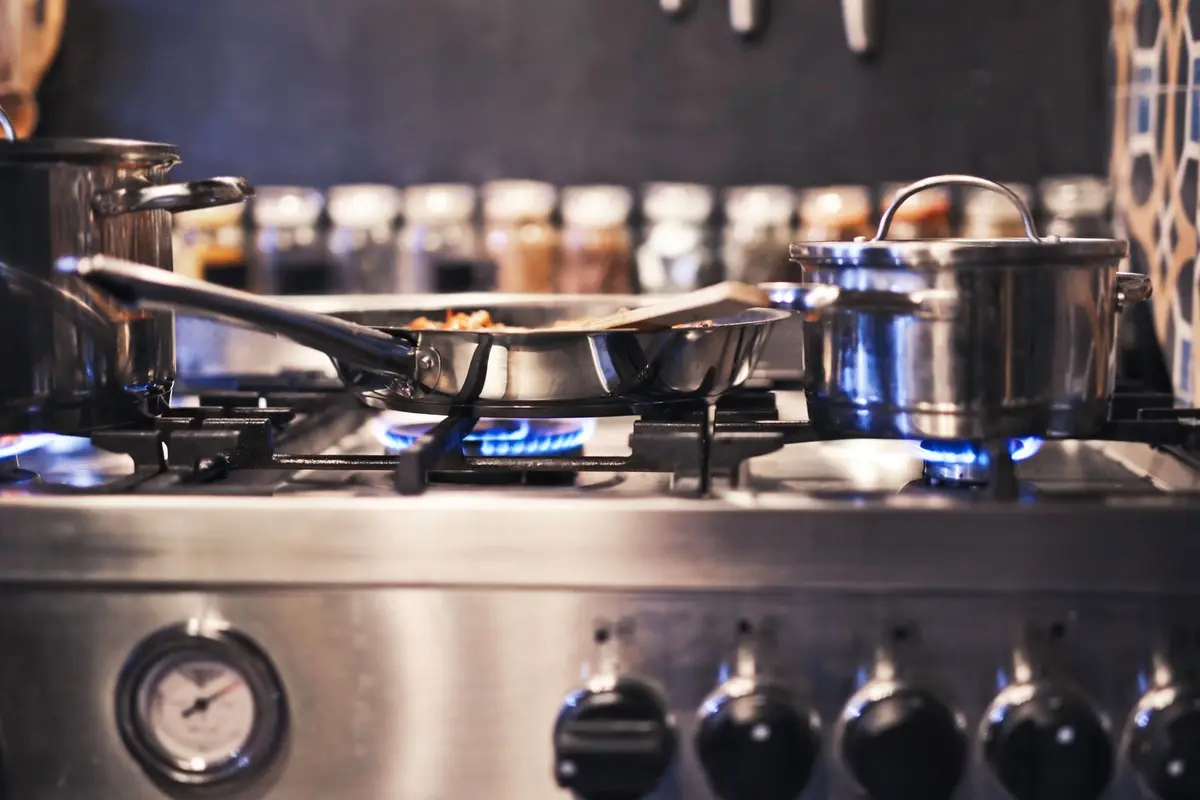
That quick change in temperature can warp a thin pan, so it no longer sits flat on the burner. It can also crack or craze an enameled coating, and a warped pan heats unevenly from then on.
While the pan cools, open a window or switch on the range hood to clear the smoke and the burnt smell. If anything spilled over onto the cooktop, wait for that to cool too, then see how to clean a glass stove top before the residue bakes on again next time you cook.
2. Scrape off what comes loose
Once the pan is warm but safe to handle, push a wooden or silicone spatula across the bottom. Loose flakes of burnt food often lift right away, and every bit you scrape off now is a bit you don’t have to soak.
Work with the flat edge, not the corner, so you don’t dig into the surface. Skip metal spatulas and knives here, even on stainless steel, since they leave scratches where food sticks next time.
Tip the loose bits into the trash, not down the drain. Burnt food and grease can build up in the pipes, especially in a sink with a garbage disposal.
3. Soak it in hot, soapy water
Fill the pan with hot water from the tap, add a good squirt of dish soap and let it sit. A light scorch usually softens in half an hour, and a heavy one can soak overnight.
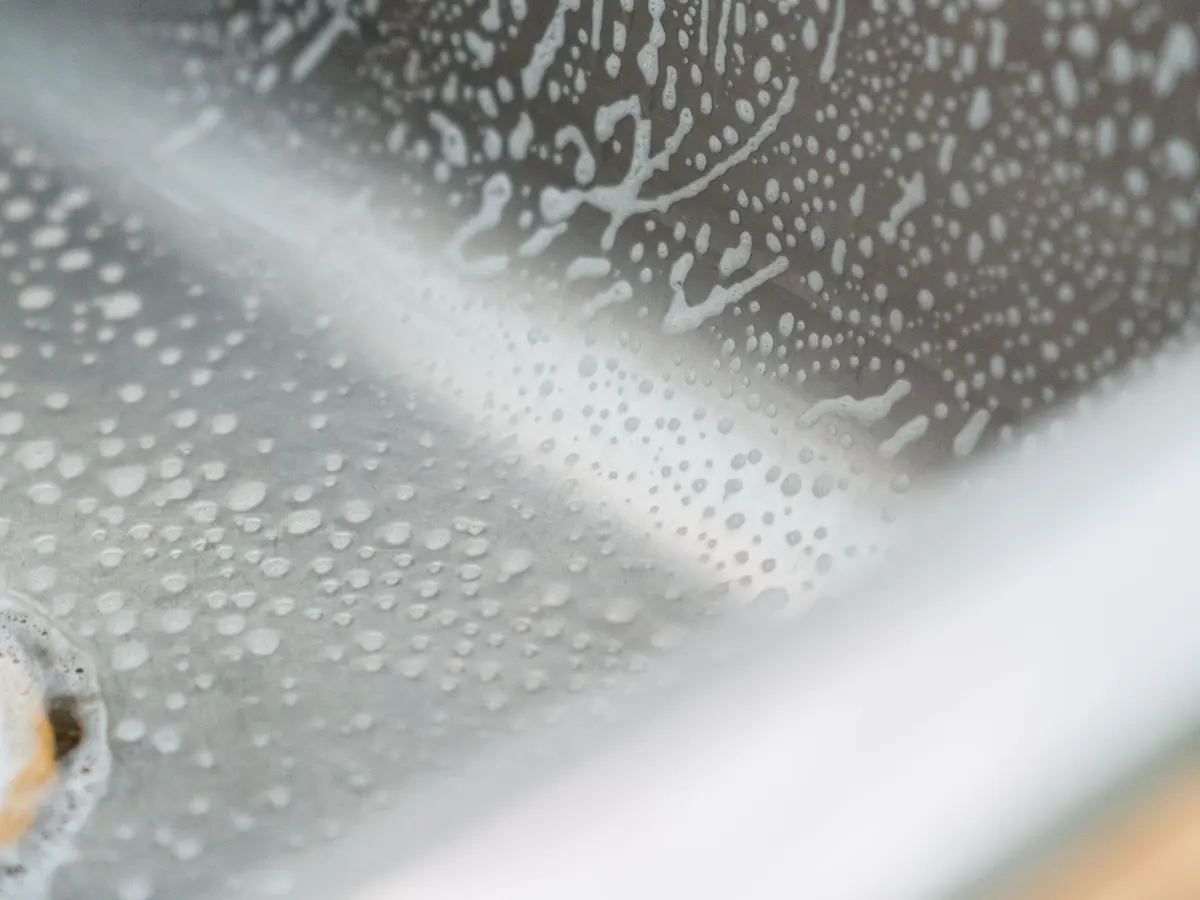
After the soak, scrub with a nonscratch pad or a nylon brush and rinse. Hot, soapy water and a little patience clear most burnt pans, and they’re safe for every kind of pan, nonstick included.
If a dark film is still stuck to the bottom, move on to the next step. Don’t use the dishwasher as a soak; it rarely lifts food that’s burnt on, and how to clean a dishwasher covers what that stuck food does to the filter.
4. Simmer water and baking soda (stainless steel)
For a stainless steel pan, pour out the soapy water and add fresh water, enough to cover the burnt area by a finger’s width. Stir in a couple of spoonfuls of baking soda and bring it to a gentle simmer.
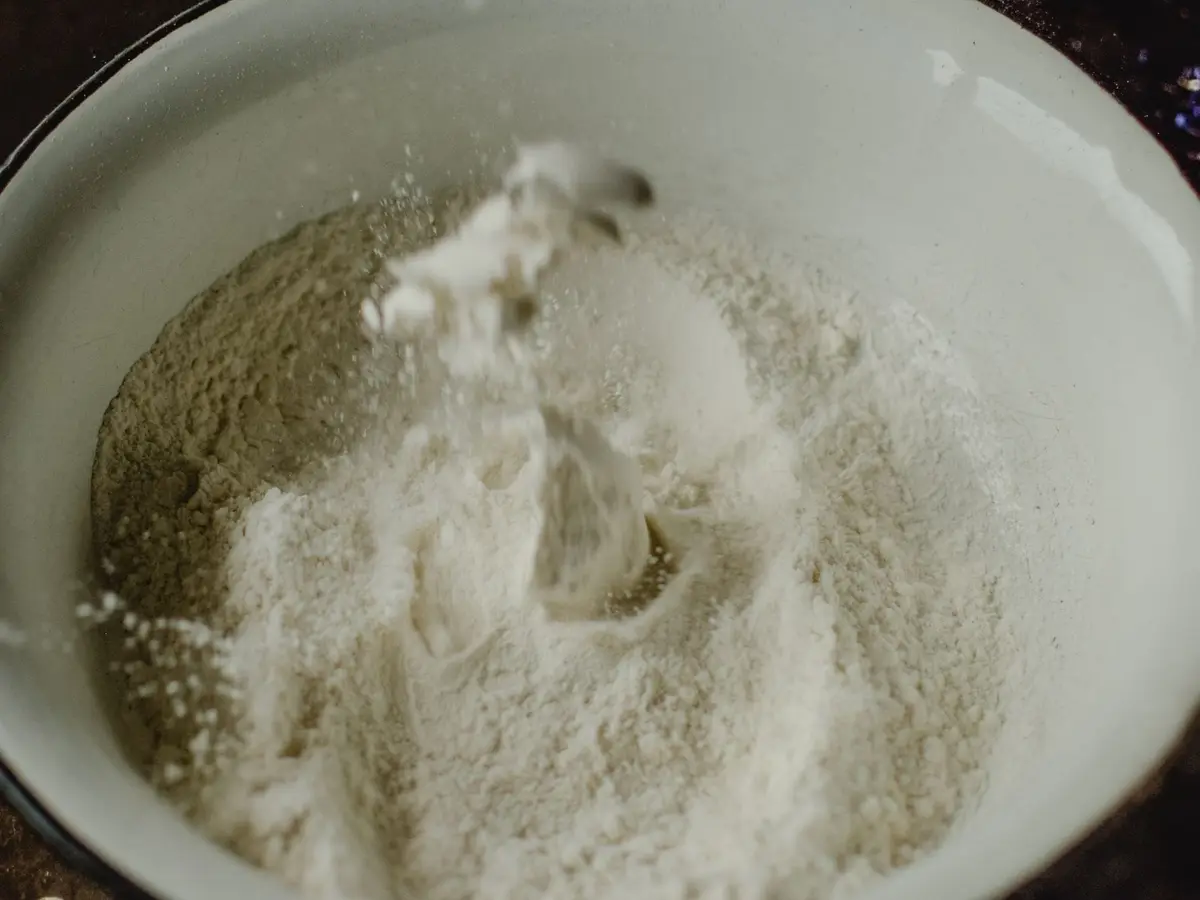
Let it simmer for several minutes while you nudge the bottom with a wooden spatula. The burnt layer softens and starts to lift in sheets.
Stay with the pan while it simmers, and turn the burner off if you leave the kitchen. Then let the water cool, pour it out and scrub what’s left with a nonscratch pad.
This is the method to try first on a burnt frying pan or a scorched pot of rice or beans. Use it on stainless steel only. Plain aluminum darkens from an alkaline soak like this one, and coated pans have their own care rules.
5. Try vinegar, then baking soda
If the simmer didn’t finish the job, cover the burnt spot with water and a splash of white vinegar, and bring it to a simmer. Take the pan off the heat and sprinkle in a spoonful or two of baking soda.
The mix fizzes up, and the bubbles help loosen the scorched layer. Let it settle, pour it out once it has cooled and scrub with a nonscratch pad.
Use plain vinegar and baking soda only. Never add bleach or another cleaner to the pan, since bleach mixed with vinegar or other acids gives off chlorine gas.
6. Scrub with coarse salt
For a burnt pan that’s almost clean, coarse salt makes a gentle scrub. Sprinkle a thin layer over the stubborn spots, add a few drops of water or dish soap, and rub with a damp sponge or a folded paper towel.
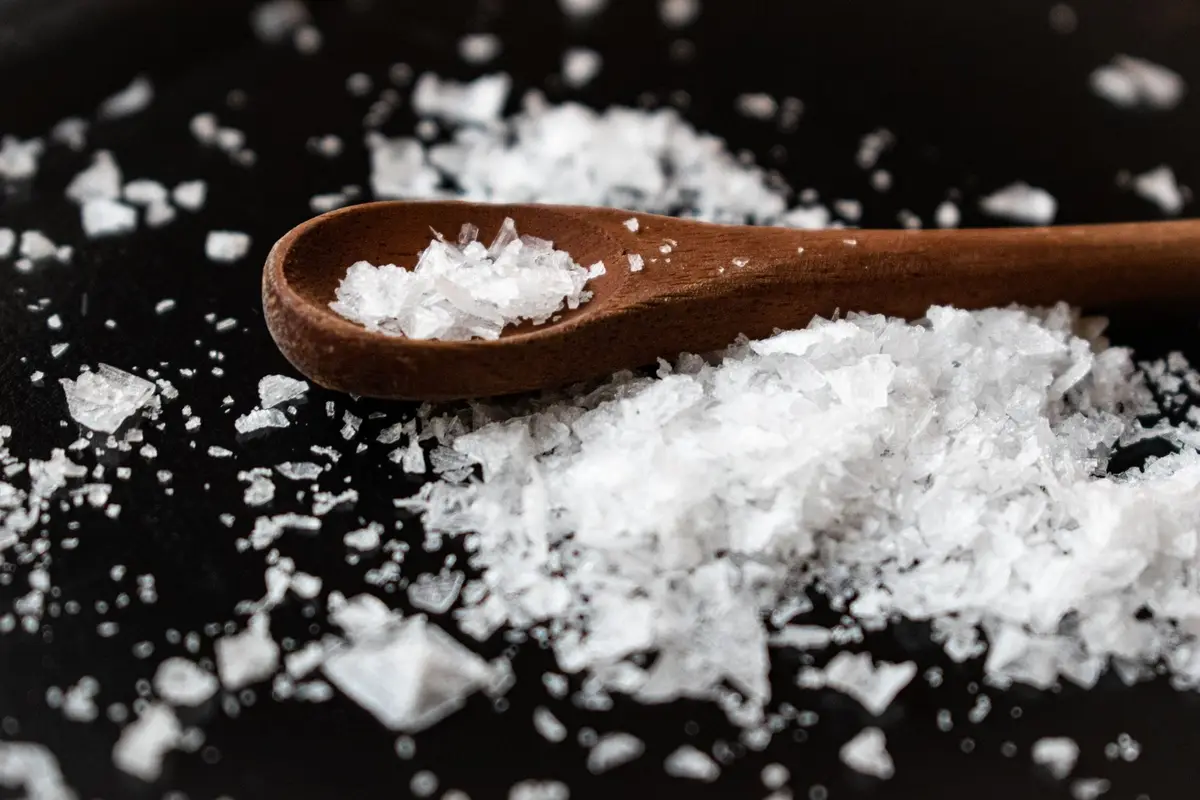
The grains wear the burnt bits down without the deep scratches of steel wool. Rinse well when you’re done, so no salt or grit is left in the pan.
Keep the salt for stainless steel. On nonstick, enameled or coated pans, even soft grit can wear the surface down.
7. Clean burnt oil off the outside
The brown rings on the outside and the bottom of a pan are oil and food that have baked on over many meals. Turn the cool pan upside down on a towel and spread a thick paste of baking soda and a little water over the dark areas.
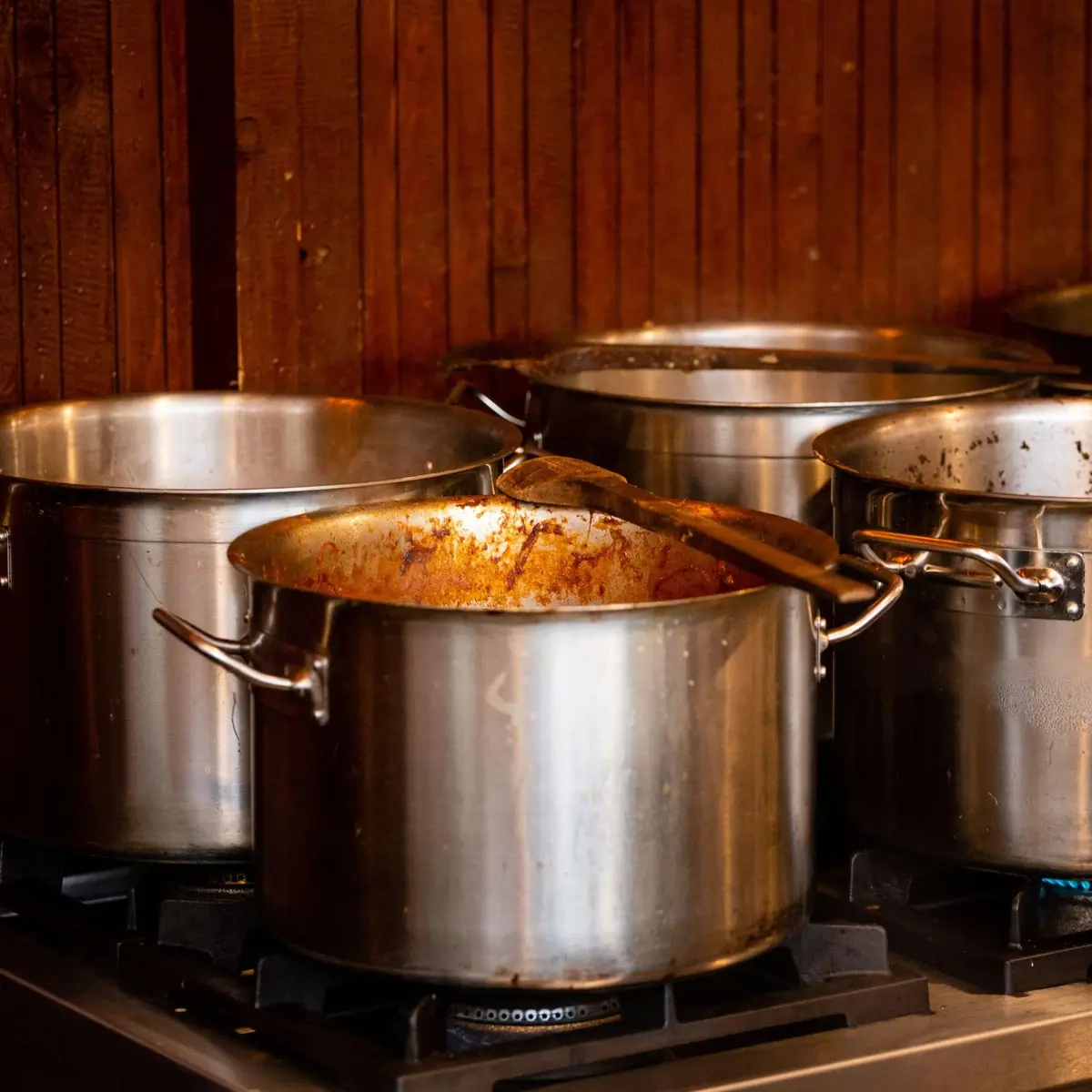
Let the paste sit for at least half an hour, then scrub with a nonscratch pad and rinse. Heavy buildup that has gone on for years may take a few rounds, so do one ring at a time.
The same paste works on a sticky film of burnt oil inside a frying pan. Wipe it on, let it sit, scrub gently and wash with hot, soapy water.
8. Go gentle on nonstick, enameled, copper and aluminum
Everything above is safe for plain stainless steel. Other pans need different care, and the instructions that came with yours always come first.
Nonstick pans
Clean a burnt nonstick pan with a long soak in hot, soapy water and a soft sponge. If the stain stays, a little baking soda and water on the sponge is gentle enough for most coatings; check the care instructions first.
Skip steel wool, scouring powder, scrub pads with grit and coarse salt. They scratch the coating, and overheating an empty pan also stains it and wears down the nonstick surface.
Small surface marks are normal wear. A coating that’s badly scratched, peeling or flaking has reached the end of its life, and it’s time to replace the pan.
Store nonstick pans with a soft liner or a pan protector between them, so the next pan doesn’t scratch the one below. Pots and pans organization has ways to stack and store them without the clatter.
Enameled pans
Soak an enameled pan in warm, soapy water and scrub with a plastic or other nonabrasive pad. Enamel can crack or craze from a sudden change in temperature, so always let it cool before it goes in water.
Copper pans
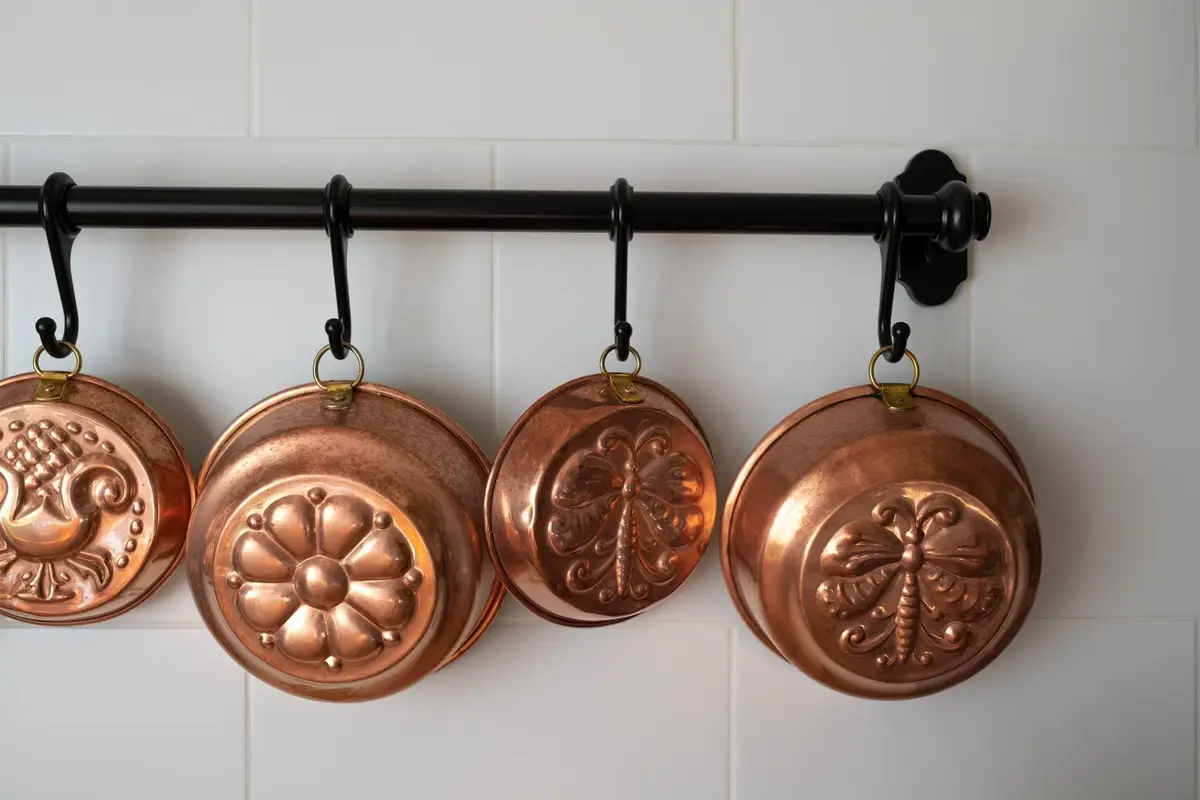
Clean the copper outside of a pan with white vinegar or lemon juice and a little salt, then rinse and dry it right away. Follow the care instructions for the inside, which is often lined with another metal.
Aluminum pans
Plain aluminum darkens from alkaline foods and strong detergents, so skip the baking soda simmer and the dishwasher. Soak burnt food in warm, soapy water and scour lightly.
For gray stains, simmer water with a tablespoon or two of cream of tartar in the pan for several minutes, then scour lightly. Cooking something acidic, such as tomatoes, can lift the stains too.
Cast iron
A cast iron skillet has a seasoning layer that a long soak strips away. See how to clean a cast iron skillet for the steps that suit it.
9. Know when to give up
Some pans are past saving. If you’ve tried a soak, a simmer and two rounds of paste and the burnt layer hasn’t moved, more scrubbing will wear the pan down before it gets the stain out.
A faint brown shadow left on stainless steel or enamel after cleaning is only a stain. It won’t affect how the pan cooks, and it often fades with the next few washes.
Replace the pan if it’s warped and rocks on the burner, if nonstick coating is flaking, or if enamel has chipped down to the metal. A pan in that state won’t cook evenly, however clean it is.
What not to use
- Steel wool on nonstick or enamel. It scratches through the coating in a few strokes.
- Bleach, oven cleaner or a mix of products. They aren’t made for cookware, and mixing cleaners can release fumes that are dangerous to breathe.
- Cold water on a hot pan. Wait until the pan has cooled.
- Metal tools to chip at burnt food. A wooden or silicone spatula lifts it without gouging the pan.
Most burnt pans come clean with heat, water and time. Start with the soak, add baking soda only when you need it, and let the pan do the work while you do something else.
Save this for later
Pin it to a board so it's there when you're ready to start.
Save to Pinterest(opens in a new tab)Make it easier
Free printable
Weekly Cleaning Schedule Printable
A one-page weekly cleaning schedule: a few quick jobs every day, plus one focus area a day, so the whole house gets done without a cleaning marathon.
Free printable
A room-by-room deep cleaning checklist for the jobs a weekly clean skips, from the oven and the grout to the vents and baseboards.
Frequently asked questions
Can I put a burnt pan in the dishwasher?
The dishwasher rarely lifts food that's burnt on, and its hot water and strong detergent can discolor plain aluminum. Soak and scrape the pan by hand first, then follow the care label on whether it can go in the dishwasher at all.
Is it safe to keep cooking in a scorched pan?
A stainless steel or enameled pan with a faint brown stain left behind is fine to keep using once it's clean. A nonstick pan with a coating that's peeling or flaking has reached the end of its life and should be replaced.
Why does vinegar and baking soda fizz in the pan?
The acid in the vinegar reacts with the baking soda and gives off bubbles, which help loosen the burnt layer. The fizz is harmless, but never add bleach or any other cleaner to the mix, since bleach and acids together give off a dangerous gas.
How do I clean the burnt bottom of a pan?
Turn the cool pan upside down, spread a thick paste of baking soda and a little water over the dark ring, and let it sit while you wash the inside. Scrub with a nonscratch pad, rinse and repeat for heavy buildup.