How to Clean an Oven Glass Door, Inside and Out
Get a clear oven window again: baking soda paste for the inside glass, a gentle spray for the outside, and safe ways to reach between the panes.

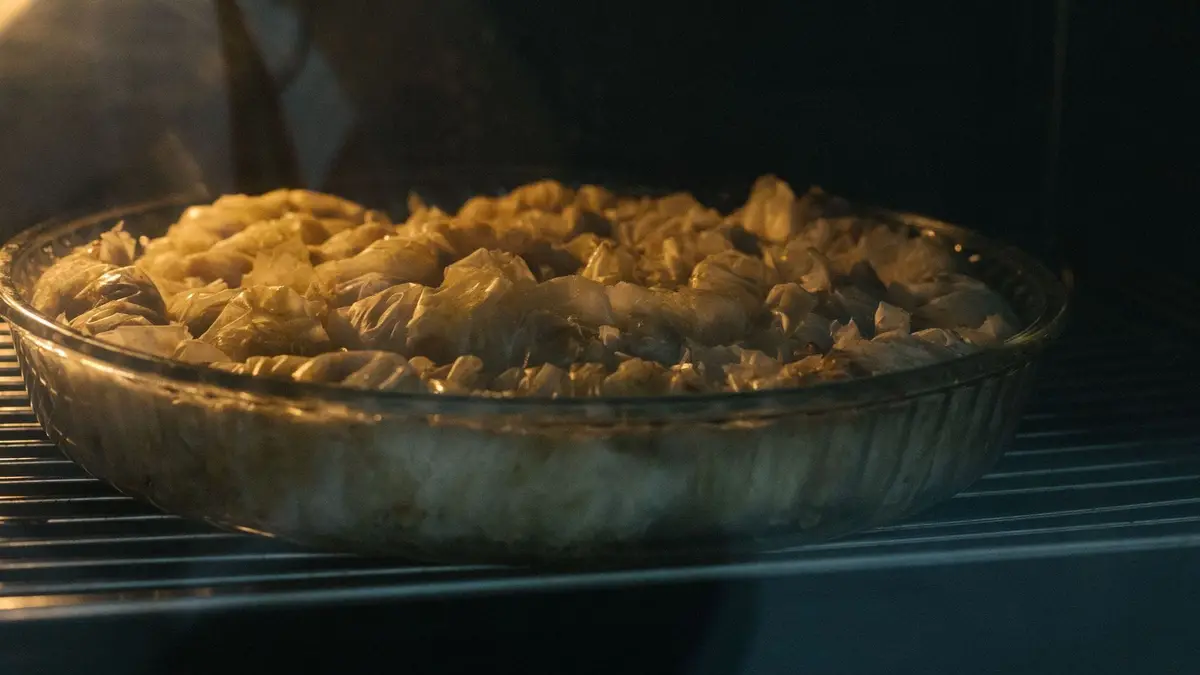
To clean an oven glass door, let the oven cool completely, spread a paste of baking soda and water on the inside glass, leave it for at least twenty minutes, then wipe it off and buff the glass dry. Clean the outside with a glass cleaner or a vinegar and water spray on a soft cloth, and reach between the panes only in the way your oven’s manual allows.
Most doors take well under an hour of actual work. If the rest of the oven needs attention too, start with these oven cleaning hacks for the walls and racks, and finish with the door.
What you need
- Baking soda and a small bowl of water
- Microfiber cloths and a non-scratch sponge
- A plastic scraper, plus a razor scraper only if the manual allows one on the glass
- A spray bottle of glass cleaner, or equal parts white vinegar and water
- Rubber gloves and an old towel
- For between the panes: a long, thin tool such as a wooden spoon handle or a narrow ruler, a thin cloth and a rubber band
- The oven’s manual (if it’s lost, look it up online by the model number)
1. Switch off the oven and let it cool completely
Clean only a cold oven. Turn it off and wait until the door, the glass and the inside of the oven are completely cool, which can take an hour or more after cooking.
For a wall oven, the manual may tell you to switch it off at the circuit breaker before you take the door off or reach into the vents, so follow it. For a range, unplug it if the manual says to and the plug is easy to reach.

Read the door section of the manual now. It tells you whether the door lifts off, whether the inner glass comes out, and whether a razor scraper is safe on your glass.
Keep kids and pets out of the kitchen while you work. An open oven door sits at just the right height for a small child to climb on, and it isn’t built to hold that weight.
2. Open the door and clear the way
Take out the racks so you can reach the bottom edge of the glass, and lay an old towel on the floor under the door to catch drips and crumbs. Put on rubber gloves to keep the paste and grease off your hands.
Wipe or vacuum the loose crumbs from the glass and from the bottom edge of the door, where they collect against the frame. Loose crumbs mixed into paste turn into grit that can scratch.
Don’t lean on the open door, sit on it or rest heavy pans on it. The hinges carry the whole door and work with strong springs, so treat them gently.
3. Spread baking soda paste on the inside glass
Mix baking soda with a little water until it’s as thick as frosting. A paste that runs will drip off the glass and into the vents, so add more baking soda if it slides.
Spread the paste over the inside glass with gloved fingers or a soft spatula, and leave it thicker over the brown, baked-on spots. Keep it on the glass itself, off the soft seal around the door and away from the vent slots along the top or bottom edge, so none slips down between the panes.
Leave it for at least twenty minutes. For heavy brown film, a few hours works better, with the door gently closed or left down where no one will bump into it.
For a door with only a light haze, a damp sponge sprinkled with baking soda may be all you need. Rub in small circles, then move on to the next step.
4. Wipe it off and lift stubborn spots
Wipe the paste away with a damp microfiber cloth, rinsing the cloth often in a bowl of warm water. Then go over the glass with the non-scratch side of a sponge in small circles, which loosens the spots the paste softened.
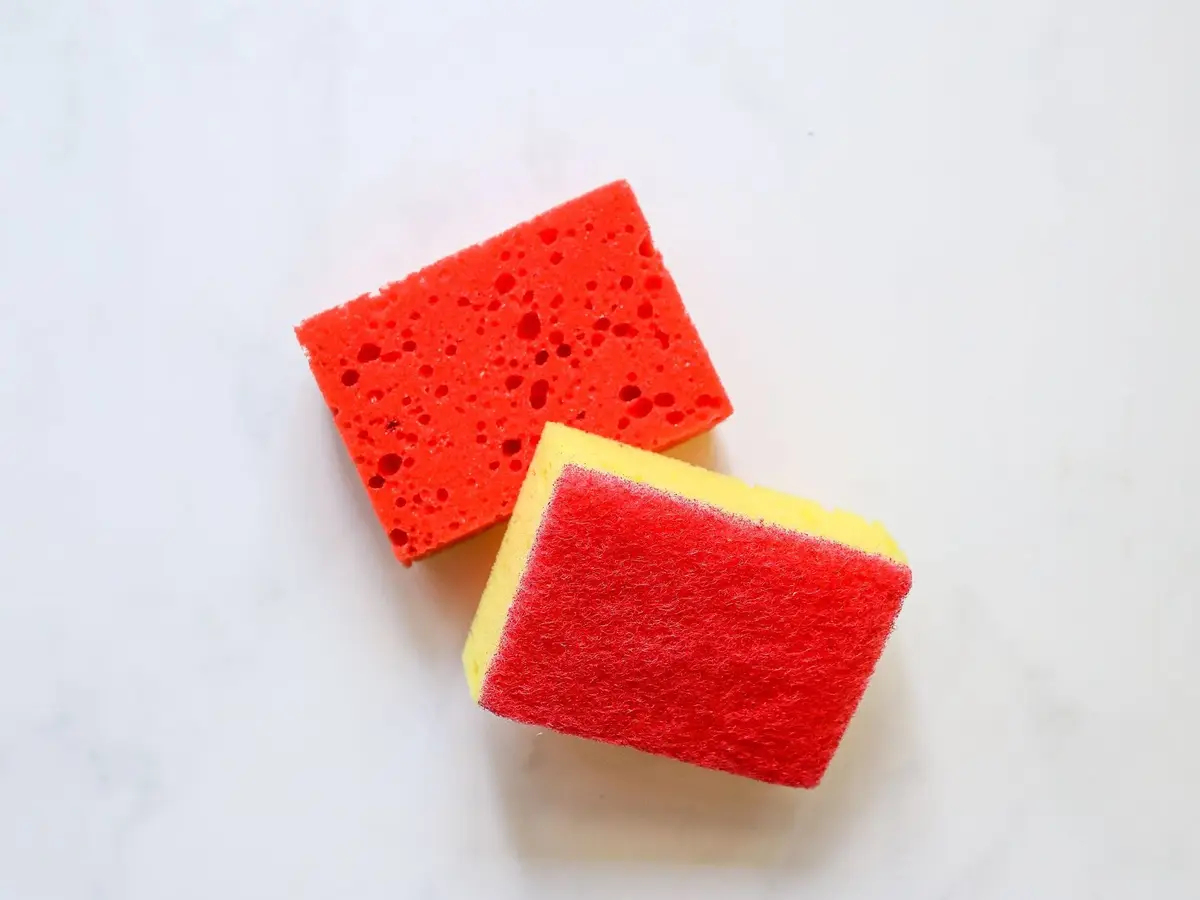
For hard, dark spots, hold a plastic scraper at a low angle and push it gently under the edge. Add a little more paste first if the spot hasn’t softened yet.
When a razor scraper is allowed
Some manuals allow a razor scraper on the inside glass. If yours does, use a new blade, keep the glass wet, hold the blade almost flat and use short, gentle strokes. Skip it entirely on coated or tinted glass, or if the manual doesn’t mention it, and store the blade covered and out of reach of kids.
What to keep off the glass
Steel wool, scouring powder and abrasive pads scratch the glass, and the scratches catch grease and make the window cloudy for good. Use a store-bought oven cleaner on the door only when both its label and your manual allow it, and keep it off the seal.
5. Clean the outside glass
The outside glass is mostly fingerprints and splashes, so it needs a light touch. Spray a glass cleaner or the vinegar and water mix onto a microfiber cloth, not onto the door, so liquid doesn’t run into the vents or behind the controls.
Wipe the glass, then buff it with a dry cloth until no streaks are left. For greasy smudges near the handle, wipe first with a drop of dish soap in warm water, then rinse and buff.
Use one product at a time and never mix them. Some glass cleaners contain ammonia, others contain acids, and vinegar is an acid, so none of them should ever meet bleach, which gives off dangerous gases when it’s mixed with either.
Wipe a stainless steel or painted frame around the glass with the same soft cloth, following the grain on stainless. The same gentle approach works on the cabinets beside the oven, and here’s how to clean kitchen cabinets once the door is done.
6. Clean between the panes, the way the manual allows
Most oven doors have two or more layers of glass with a gap between them. Grease and drips get into that gap through the vent slots along the edge of the door, and steam can carry a film of grease inside, which is why streaks sometimes show up where no cloth can reach.
Look at the manual before you do anything here. Doors are built differently, and the right method depends on yours.
Doors with a removable inner pane or a lift-off door
Many doors either lift off their hinges or have an inner pane that comes out. Follow the manual’s steps exactly, which usually start by locking the hinges in place before you lift; the hinges hold strong springs that can snap back if they’re released the wrong way.
An oven door is heavy and awkward, so lift it with both hands, or with a second person, and set it flat on a towel on a table or the floor. Clean the inner panes with the paste or glass cleaner, dry everything completely and put the door back exactly as the manual shows.
Doors that stay in one piece
If the manual doesn’t show a way to open the door, work through the vent slots instead. Wrap a long, thin tool, such as a wooden spoon handle or a narrow ruler, in a thin microfiber cloth and fix it in place with a rubber band.
Dampen the cloth with glass cleaner or the vinegar mix (damp, not dripping), slide it gently through the vent slot and wipe the inner glass. On many ranges the bottom slot is easier to reach with the drawer under the oven pulled out.
Pull the tool out, rinse or change the cloth, and repeat until it comes out clean. Finish with a dry cloth on the tool to soak up any moisture left inside.
When to stop and call for service
Never pry the door apart, remove screws the manual doesn’t mention or force a hinge. If the door won’t come apart the way the manual shows, a hinge feels stuck or the glass is cracked or chipped, stop using the oven and call the maker’s service line or an appliance repair technician.
7. Wipe around the seal, never scrub it
The gasket is the soft seal around the oven opening or the edge of the door, made of woven fiber or rubber. It keeps the heat in, and it’s easy to damage.
Don’t scrub it, soak it, pull on it or spray cleaner onto it. Check the manual: some say not to clean a woven gasket at all and only to wipe the metal and enamel around it.
If a crumb or a bit of paste lands on it, lift it off gently with a barely damp cloth. Have a seal that’s torn, loose or flattened replaced, since a damaged gasket lets heat escape every time you cook.
8. Dry, buff and check from both sides
Buff both sides of the glass with a dry microfiber cloth, then close the door and look at it in good light. Turn the oven light on to spot streaks on the inside, and look at the glass from an angle to find smudges on the outside.

Touch up any spots, then leave the door open for a while so everything dries. Check that no paste, cloth fibers or cleaner are left in the vent slots before you turn the oven back on.
While your cleaning things are out, the cooktop above often needs the same gentle care. Here’s how to clean a glass stove top without scratching it.
How to clean a toaster oven glass door
A toaster oven door is smaller, but the same rules apply. Unplug it and let it cool completely, then take out the crumb tray and the rack and wash them in warm, soapy water.
Spread a thin layer of baking soda paste on the inside glass, wait a few minutes and wipe it off with a damp, not wet, cloth. Keep water and paste away from the heating elements and the controls, and never take the door apart.
Wipe the outside glass with a cloth lightly sprayed with glass cleaner, then buff it dry. Let everything dry fully before you plug the toaster oven back in, and keep your fingers clear of the hinge, since some small oven doors snap shut.
How often to clean the oven door glass
Wipe drips from the inside glass once the oven has cooled after a messy bake, before they bake on. Give the outside glass a quick wipe with the rest of the kitchen every week.
Use the baking soda paste about once a month, or whenever the window starts to look brown. Clean between the panes only when streaks show, since it takes the most care.
Add the oven door to your deep cleaning checklist so it comes around before the brown film gets thick. A door that gets a few minutes each month never needs a whole afternoon.
Save this for later
Pin it to a board so it's there when you're ready to start.
Save to Pinterest(opens in a new tab)Make it easier
Free printable
A room-by-room deep cleaning checklist for the jobs a weekly clean skips, from the oven and the grout to the vents and baseboards.
Free printable
Monthly Cleaning Schedule Printable
A one-page monthly cleaning schedule: the daily and weekly basics at the top, then one deeper area for each week, so every corner of the house gets its turn without a cleaning weekend.
Frequently asked questions
How do I clean the glass inside my oven door?
Spread a thick paste of baking soda and water on the cool inside glass, leave it for at least twenty minutes, then wipe it off with a damp cloth and buff the glass dry. A plastic scraper lifts any hard spots without scratching.
Can I clean between the glass on my oven door without taking it apart?
Often, yes. Wrap a long, thin tool in a soft cloth, dampen it with glass cleaner, and slide it through the vent slots at the bottom or top of the door to wipe the inner panes. If your manual shows a removable inner pane or a lift-off door, that method reaches more of the glass.
Can I use a razor blade on oven glass?
Only if your oven's manual says it's safe for that glass. When it is, use a new blade held almost flat on wet glass and short, gentle strokes, and switch to a plastic scraper on coated or tinted glass.
Why are there streaks inside my oven door glass?
Grease and drips get between the panes through the vent slots in the door, or steam carries a film of grease inside. Wiping the inner panes through the vent slots, or through the door the way the manual shows, clears it.
How do I clean a toaster oven glass door?
Unplug the toaster oven and let it cool, then clean the inside glass with a little baking soda paste and a damp, not wet, cloth. Keep water away from the heating elements and the controls, and let everything dry before you plug it back in.