12 Kids Organization Hacks That Let Kids Put Their Own Things Away
Simple ways to help kids keep their rooms tidy on their own: low bins with picture labels, toy rotation, hooks at their height and a quick evening reset.

Kids keep a room tidy when putting things away is easier than leaving them out. Give every toy, book, coat and backpack a home at their height, make the system simple enough to run without you, and add a short reset at the end of the day.
These 12 kids organization hacks work in a shared bedroom, a playroom or a corner of the living room. Start with the toys, since they make most of the mess, then work out to clothes, school things and the front door.
1. Use low open bins with picture labels
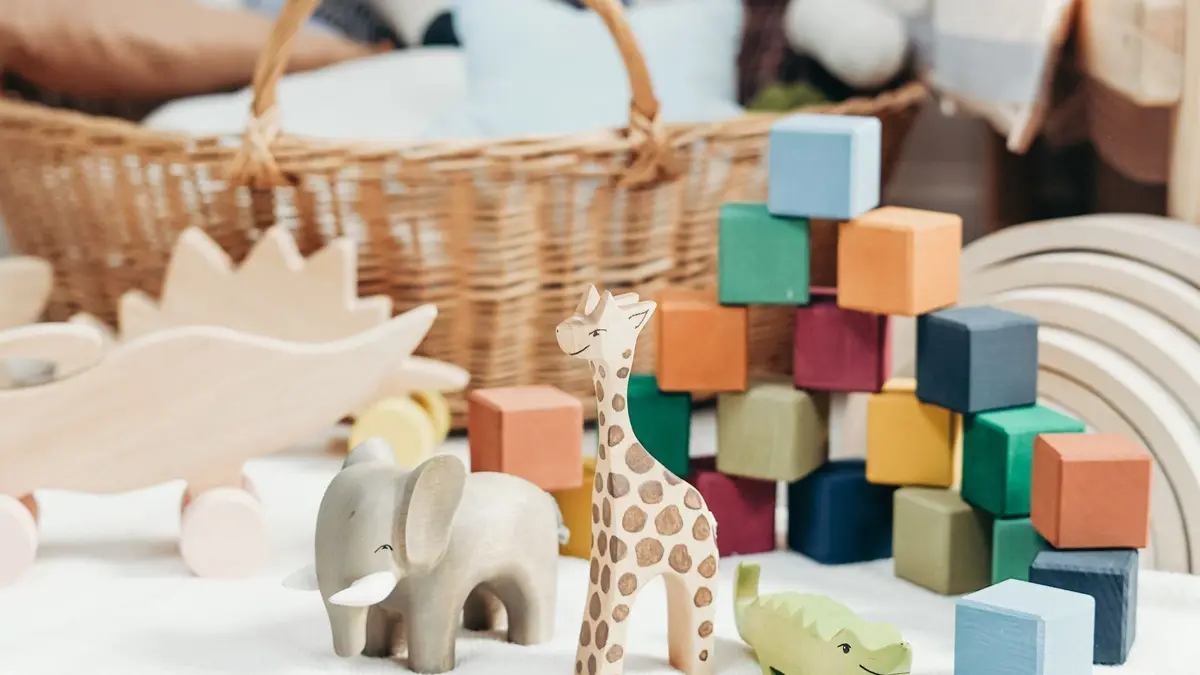
Kids put toys away when the bin is right in front of them and no lid is in the way. Low, open bins and baskets on the floor or a bottom shelf let even small kids clean up with one toss.
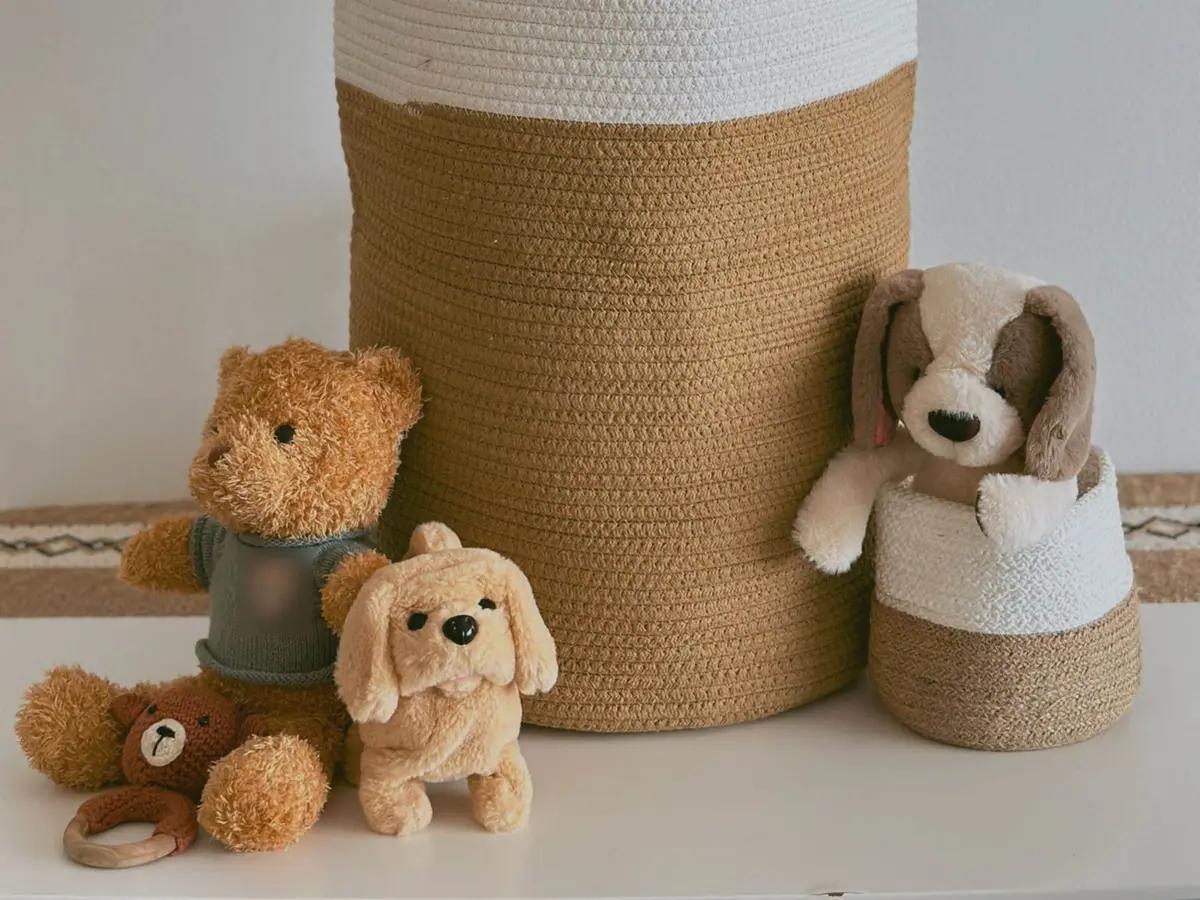
Give each bin one kind of toy: blocks, cars, stuffed animals, dress-up clothes. Tape a picture of what goes inside on the front, either a simple drawing or a printed photo of the toys themselves, so kids who can’t read yet know where things belong.
Measure the shelf before you buy, so the bins slide in without scraping and still leave room for small hands. The bin and basket size calculator shows which standard sizes fit and how many line up side by side.
If a toy chest is part of the plan, pick one with a lid support that holds the lid open in any position and no latch that locks it shut. Keep its air holes clear of the wall and the floor.
Soft bins and baskets are light enough for kids to carry to the play area and back. That makes cleanup part of the game instead of a separate chore.
2. Rotate toys instead of keeping them all out
A room with every toy out is hard to clean and hard to play in. Keep a small selection out, store the rest, and swap a few whenever interest starts to fade.
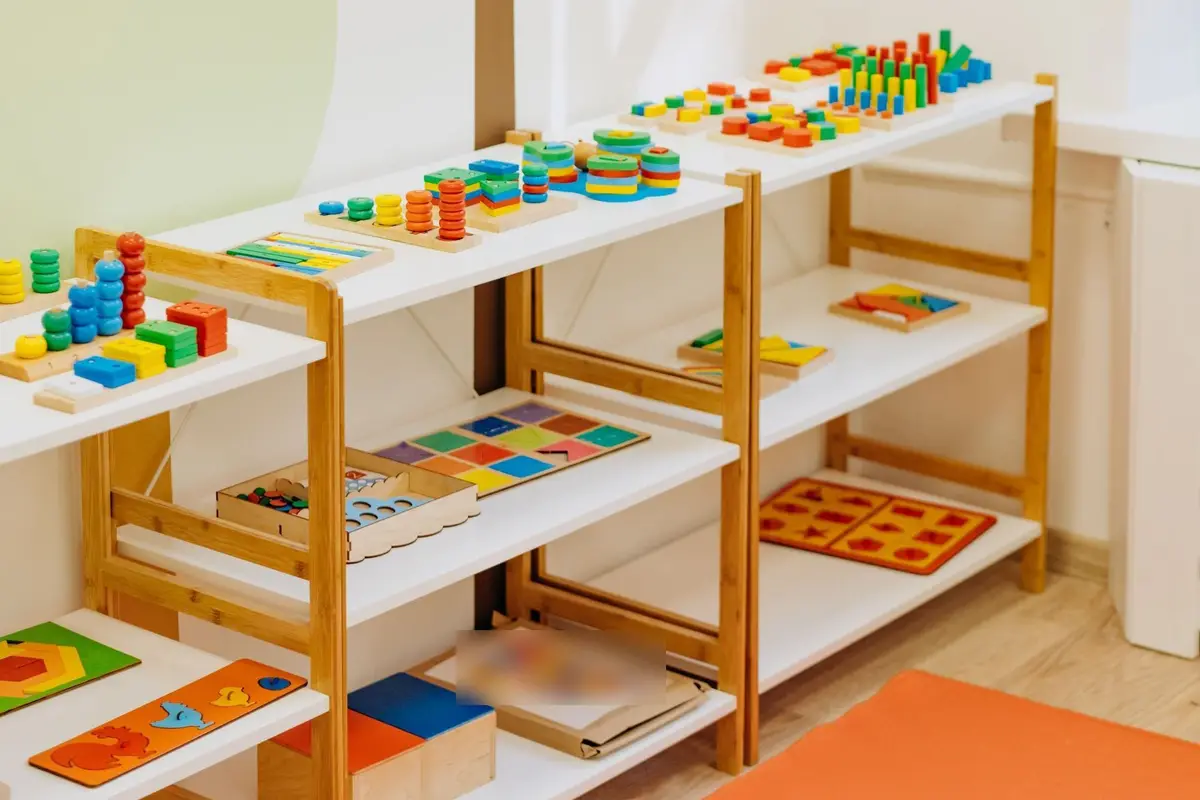
Pick a closet shelf or a high cabinet for the stored toys, and keep them in lidded bins grouped the same way as the ones in the room. Swapping then takes a few minutes: one bin goes up, another comes down.
Toys that come back after a break feel new again. A shelf with only a few things on it also shows kids exactly where each one goes.
Rotation helps with safety when siblings share a room. Toys for older kids, especially sets with small pieces, belong up high or in the older child’s space, out of reach of little ones.
Keep small toys, marbles, balls and coins off the floor, where a baby or toddler could find them. A lidded bin on a high shelf is a good home for building sets and craft beads between uses.
Let older kids choose which toys go into storage. They’ll feel in charge of their room, and it’s a gentle first step toward letting some things go for good.
3. Put books and favorites on a wall ledge
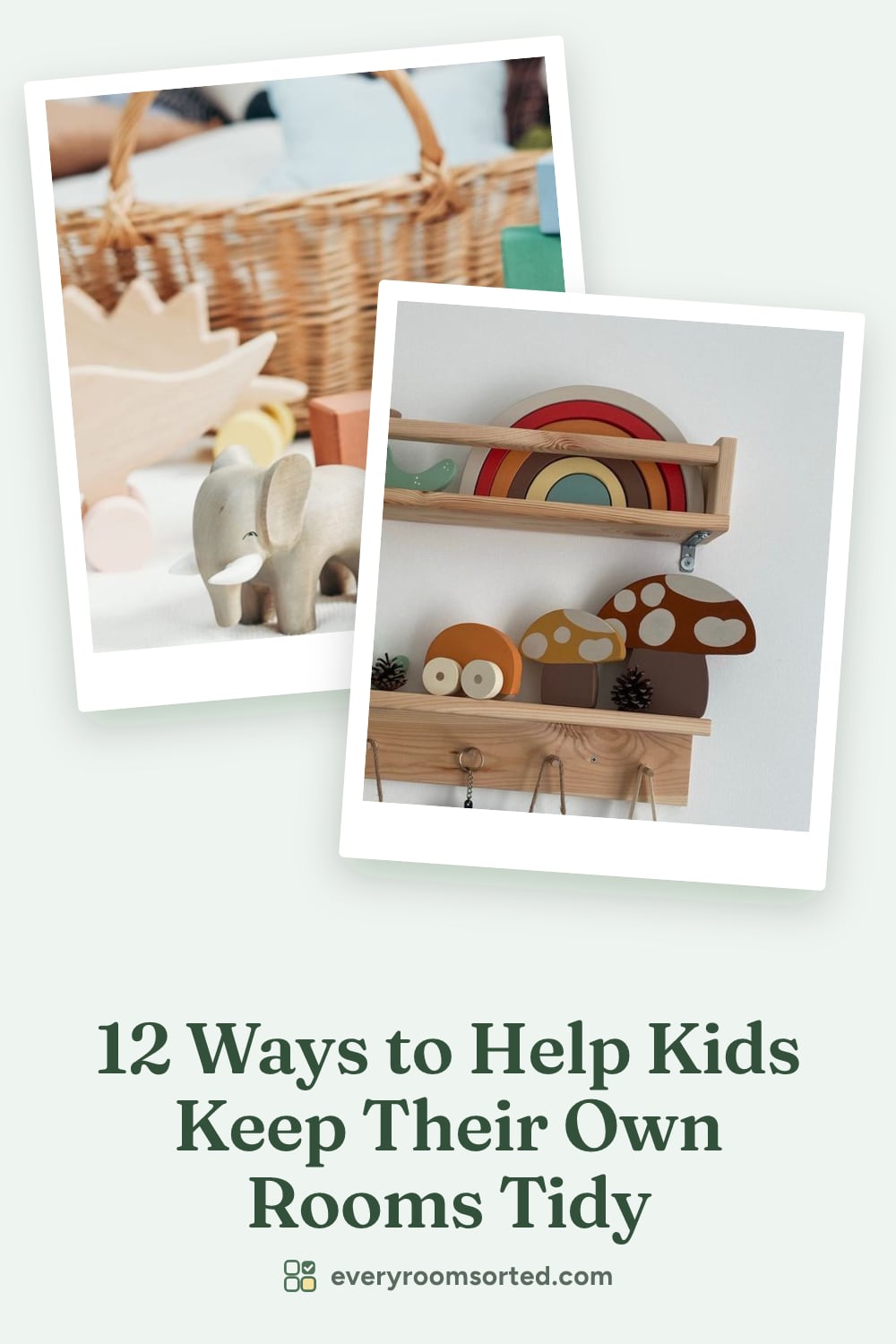
Narrow wall ledges, the kind made for picture frames or spices, hold picture books with their covers facing out. Kids find books by the cover long before they can read a spine, so a ledge gets more books read and more books put back.
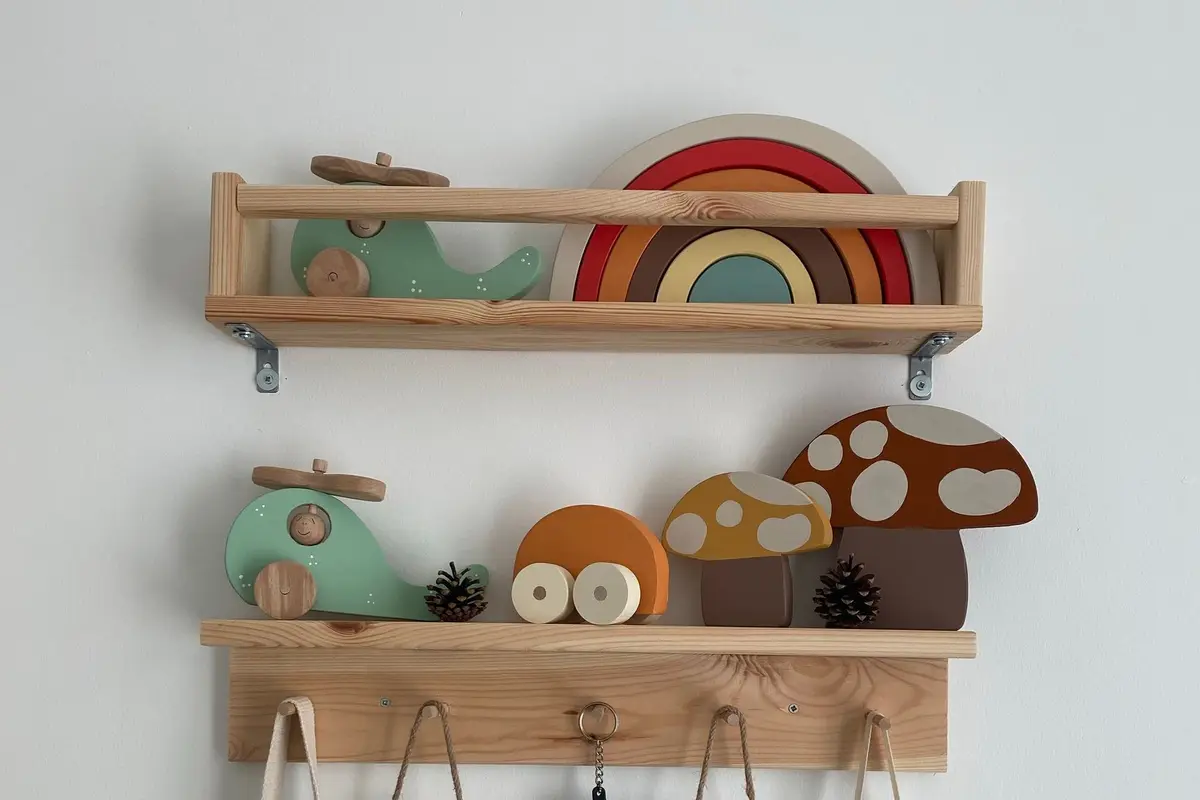
Hang the lowest ledge where your child can reach it standing up, and use higher ones for favorite things that are just for looking at. A rail or lip on the front keeps books from sliding off.
Mount each ledge into a wall stud or with anchors made for your wall, and stay within the weight the hardware is meant to hold. Ledges are for light things, so keep heavy toys and stacks of books on low shelves or the floor.
Keep only a handful of books on display and store the rest in a basket nearby. Swap them along with the toys, and the ledge becomes a little library that changes with the seasons.
A ledge beside the bed or above a reading chair also gives kids an easy place to put tonight’s book back when they’re done.
4. Hang hooks at their height
Kids drop coats and bags on the floor when the closet rod is too high to reach. A row of sturdy hooks at shoulder height turns hanging things up into a one-step job.
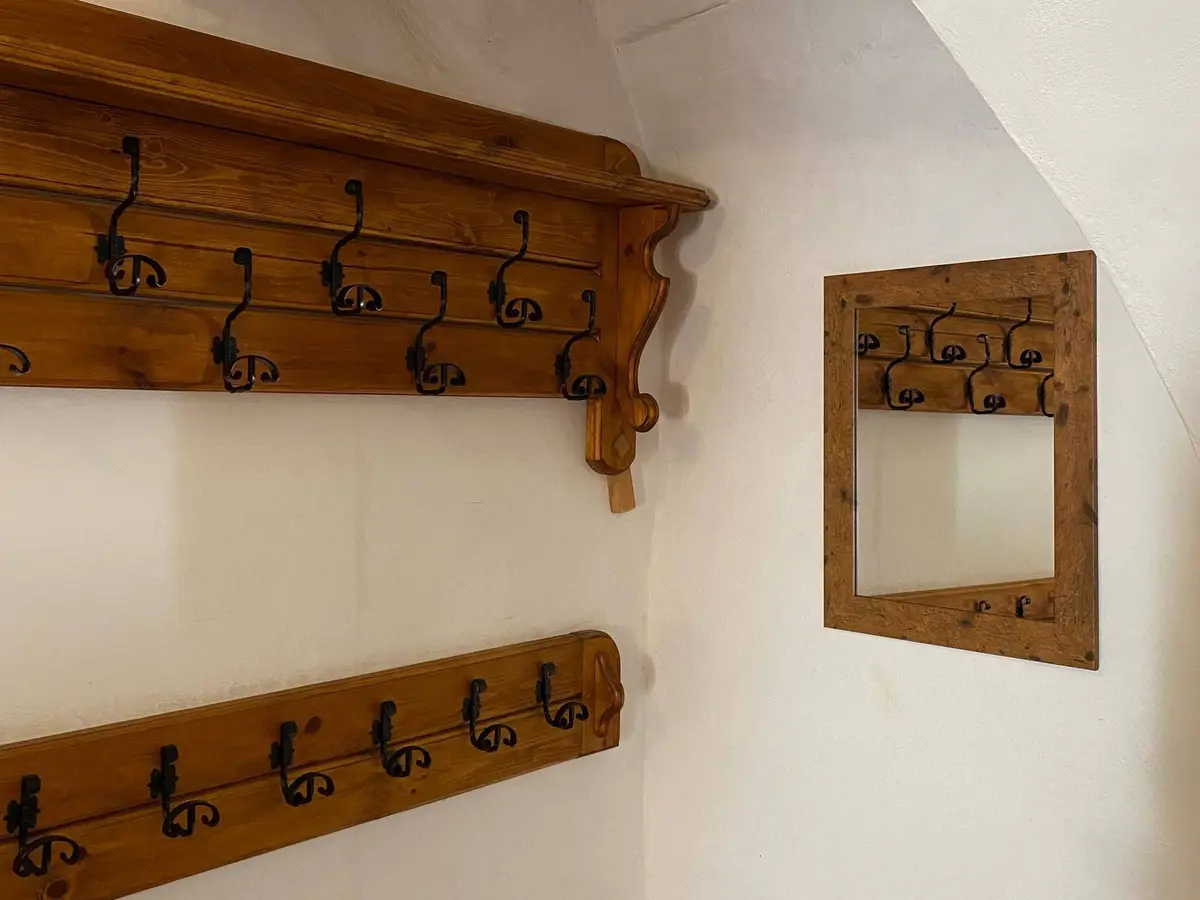
Put a lower row under the grown-up hooks, or fit a single rail that kids and adults share. Give each child their own hooks for a coat, a bag and a hat, and mark them with a color or a small picture so nobody argues about whose is whose.
Wall hooks hold a loaded backpack better than a freestanding coat stand, which can lean when a heavy bag hangs on one side. Screw them into studs or use anchors rated for the weight of a full school bag.
Hooks work inside the bedroom too, for pajamas, a bathrobe, tomorrow’s outfit or a dress-up cape. Anything that hangs is one less thing on the floor.
Check the hooks every season as kids grow. When your child has to bend down to use them, move them up a little so hanging things still feels easy.
5. Set up an art station that cleans up fast
Crayons, markers, paper and glue spread across the whole house when they don’t have a home. One small station on a table, a cart or a desk corner keeps them together and makes it easy to start and stop.
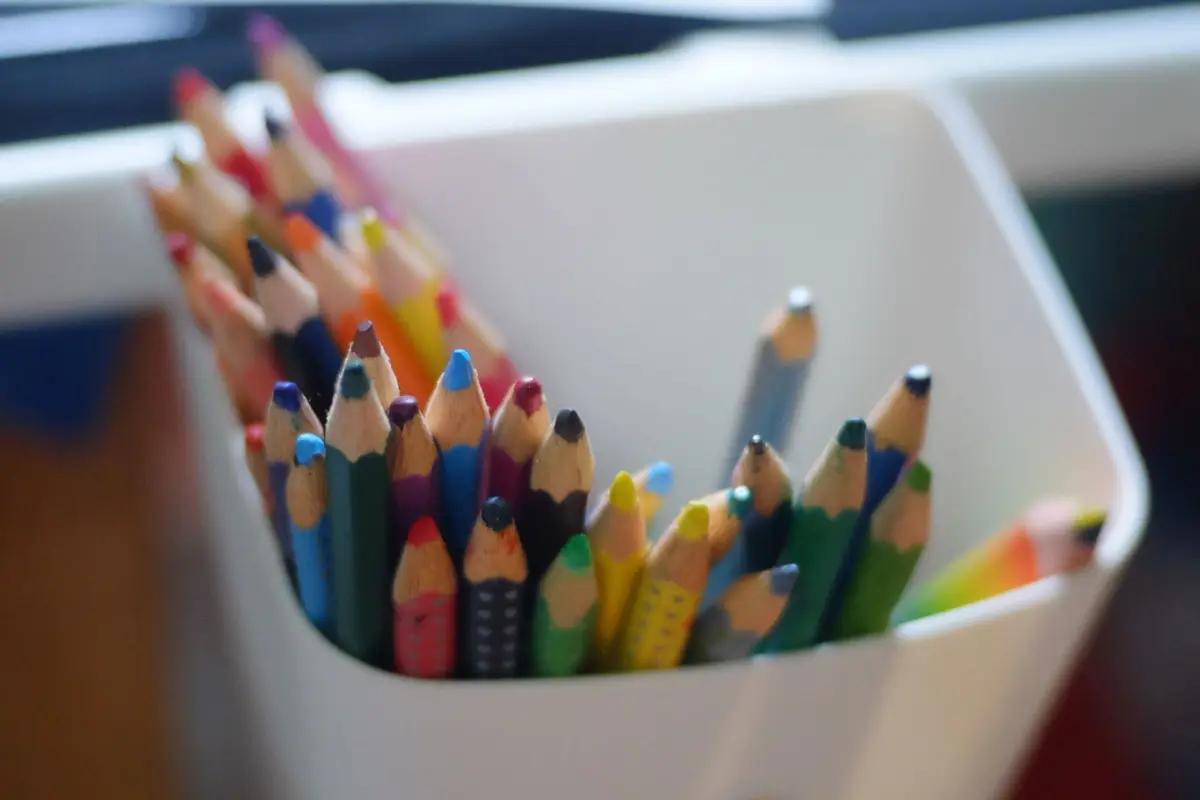
Stand pencils and markers in cups by type, so kids can see every color and drop each one back. Keep paper flat in a tray or a shallow drawer, and give scissors, glue and tape a caddy of their own.
Only put out what your child can use without help. Paint, glitter and anything else messy can live up high and come down for a project, then go back.
Add a place for finished work so the table doesn’t fill up with drawings. A clip line, a corkboard or one folder per child holds the newest pieces, and the very best can move to a keepsake box at the end of each school term.
End every art session the same way: caps on, cups back in a row, paper in the tray. After a few days it becomes a habit kids barely think about.
6. Give each child a cubby or a color
When kids share a room or a playroom, half the arguments are about whose stuff is whose. A cubby, a bin, a drawer or a knob for each child, in their own color, settles it before it starts.
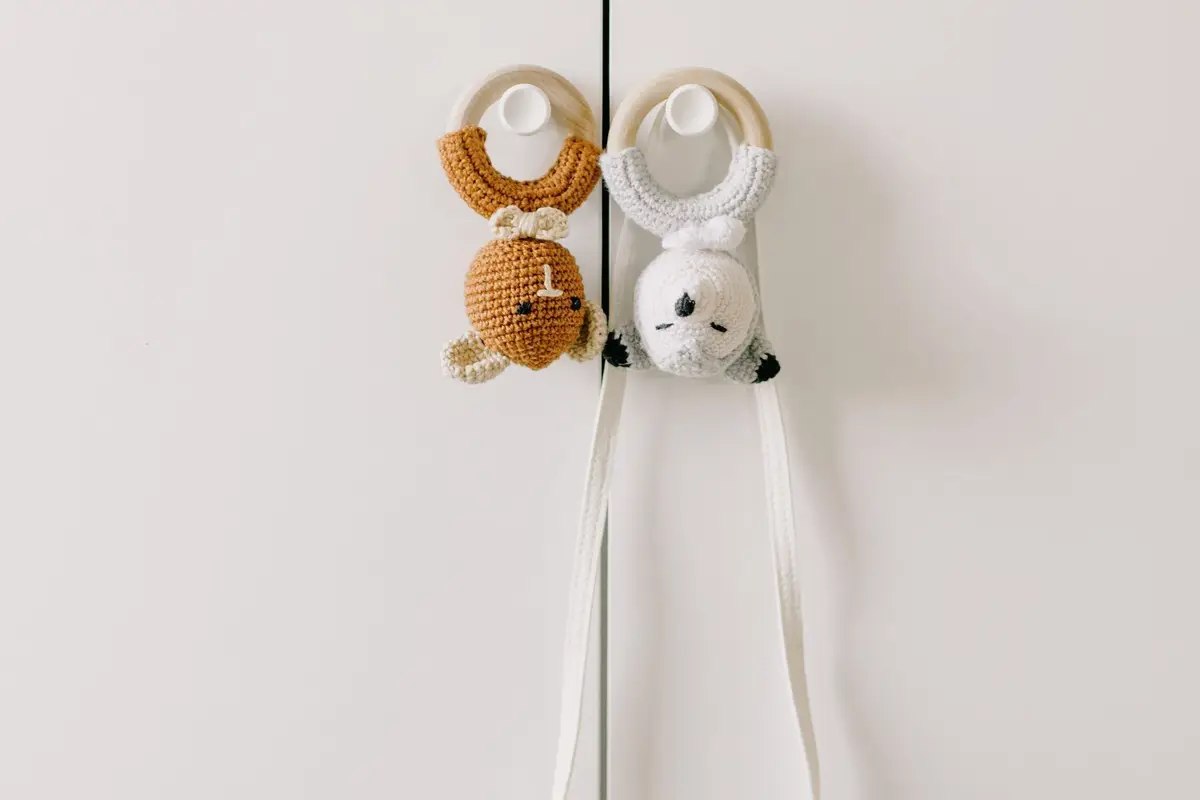
Pick one color per child and use it everywhere: bins, hooks, towels, even toothbrushes. Little ones learn their color fast, and putting laundry and toys away turns into a matching game.
Each child’s space holds the things that are only theirs, like a special stuffed animal, a collection or a library book. Shared toys go in the shared bins.
Anchor every bookcase, dresser and tall storage unit in a kids room to the wall. Furniture with drawers, doors or shelves can tip over, and anti-tip brackets or straps take only a few easy steps to install.
Keep favorite toys off the top of furniture, too, so nobody is tempted to climb up for them. Things kids use every day belong on the lowest shelves and in the bottom drawers.
7. Fold clothes by outfit in the drawer
Getting dressed goes faster when the choices are simple. Fold a top and bottoms together as one outfit, or line up shirts and pants in matching rows, so kids can pull out a full set without help.
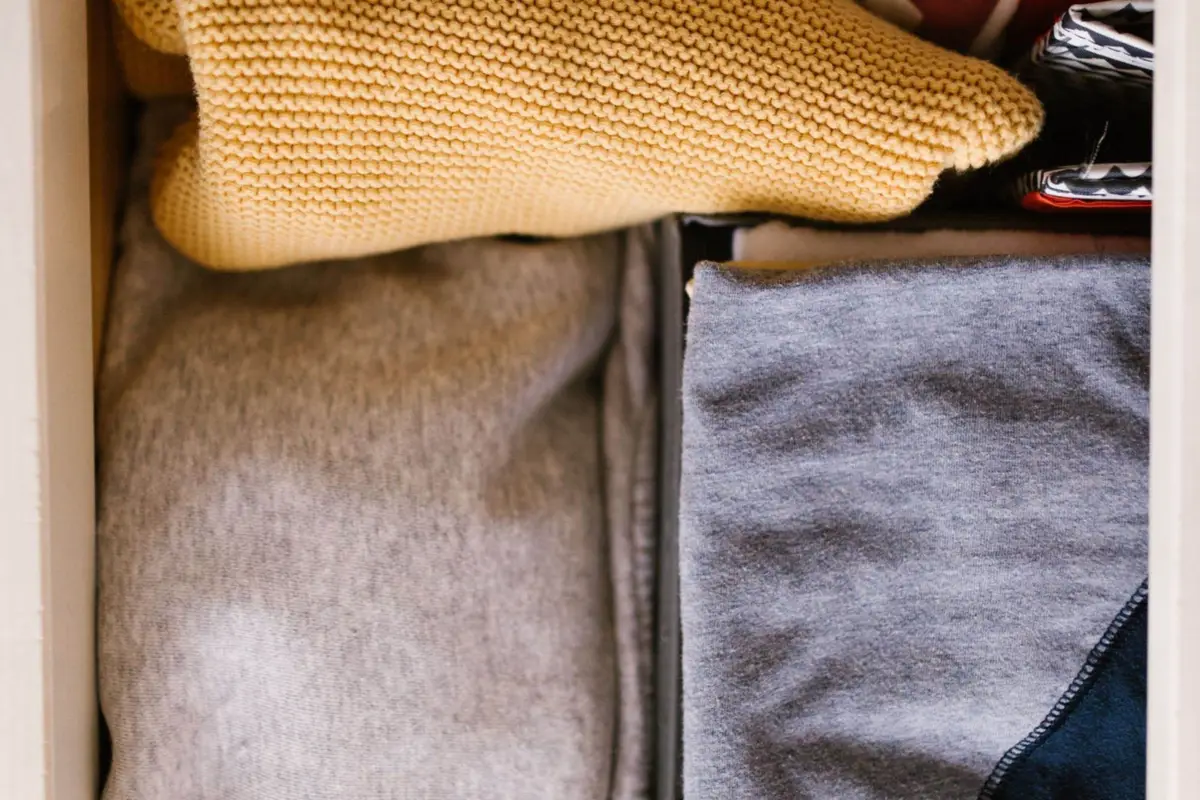
File-fold clothes upright instead of stacking them, so every piece shows when the drawer opens. Nothing gets lost at the bottom, and pulling out one shirt doesn’t topple the rest.
Keep everyday clothes in the drawers kids reach easily, and put out-of-season clothes or special outfits up high or in the closet. Small drawer dividers or shoeboxes keep socks and underwear from mixing.
Picture labels help here too. A little drawing of socks or pajamas on the front of each drawer shows where clean laundry goes.
For mornings that always run late, lay out the next day’s outfit the night before, on a hook or a chair. Paired with outfits already grouped in the drawer, getting dressed stops being a negotiation.
8. Use a hamper they can reach
Dirty clothes end up on the floor when the hamper lives in another room or has a lid kids have to fight with. An open basket right where they change, in the bedroom or by the bath, catches clothes on the way.
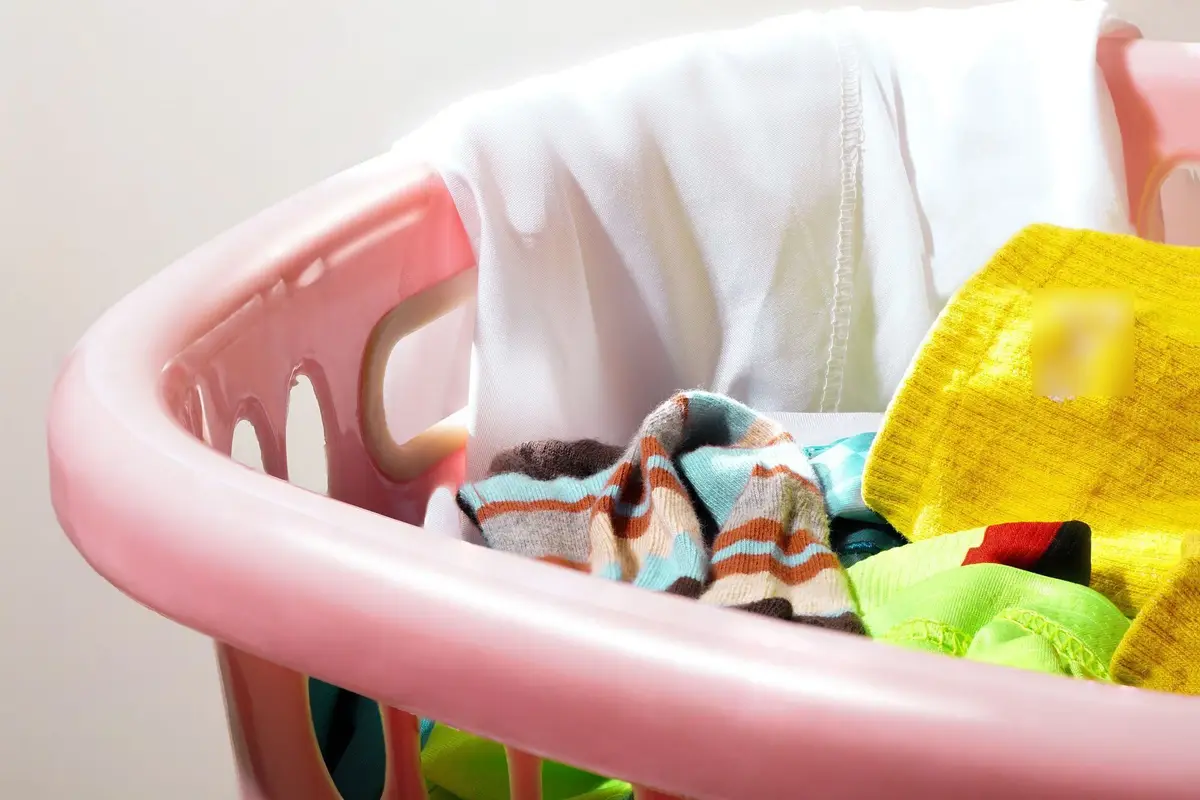
Pick a hamper short enough for kids to drop clothes in without stretching, and light enough to carry to the laundry. Handles help, and so does a bright color they like.
If you have the room, two hampers, one for lights and one for darks, let kids do the first sort of laundry day for you. Even young kids can learn which pile is which.
Older kids can carry their own hamper to the washer and help put clean clothes back. A hamper that’s easy to reach is the first step toward kids who look after their own clothes.
Empty it often. A hamper that overflows is hard to use, and clothes soon start landing next to it instead of inside it.
9. Do a ten-minute reset every evening
A short reset before bed keeps a kids room from sliding back into chaos. Set a timer or put on a song or two, and put everything back where it lives before the mess has a chance to build.
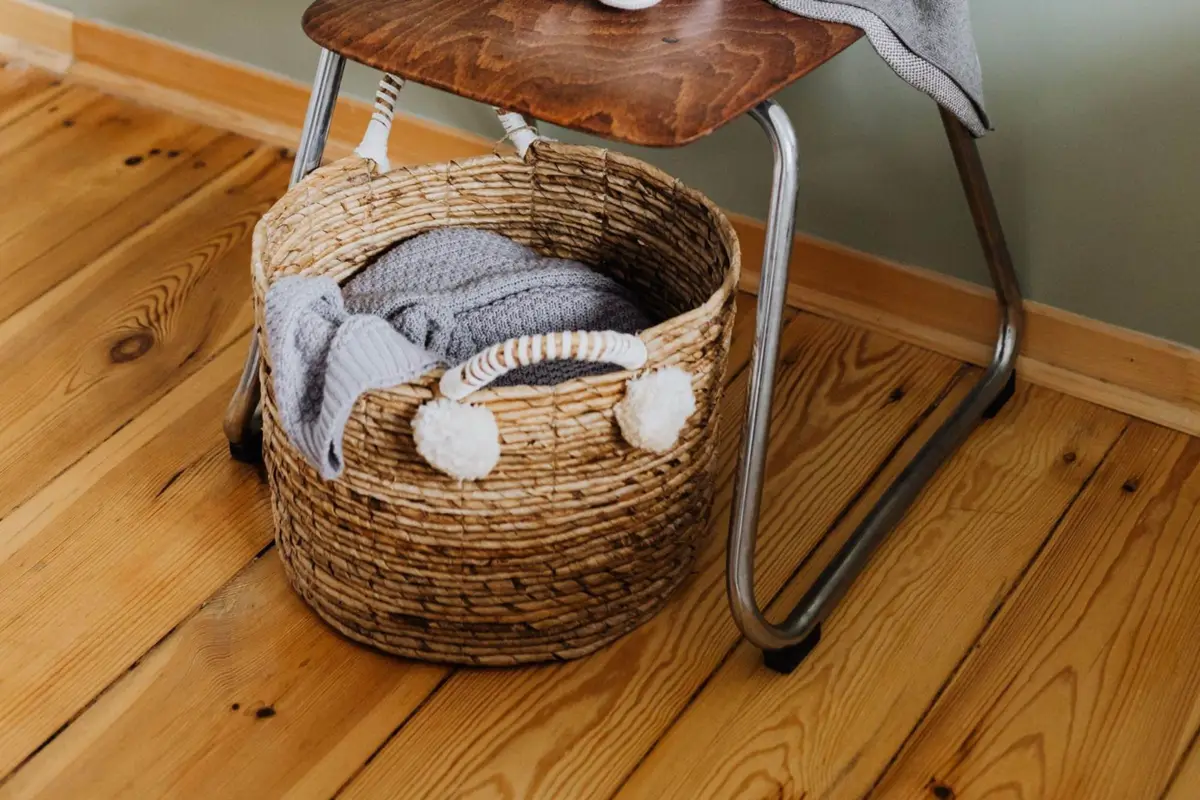
Keep the steps the same every night: toys in the bins, books on the ledge, clothes in the hamper, tomorrow’s things by the door. Kids learn a routine much faster than a list of rules.
A kids chore chart makes the reset easy to see. Put the steps on the chart with a box for each day, and let your child tick them off once they’re done.
Do the reset together at first, then slowly step back. Younger kids can handle a single job, like picking up stuffed animals, while older kids run the whole thing.
Keep it short. Ten minutes is long enough to clear a room where everything has a place, and short enough that nobody gives up halfway through.
10. Keep a donate box for outgrown things
Kids outgrow clothes, shoes and toys faster than anyone can keep up with. A box or bag in the closet gives those things somewhere to go the moment you notice them, instead of back in the drawer.
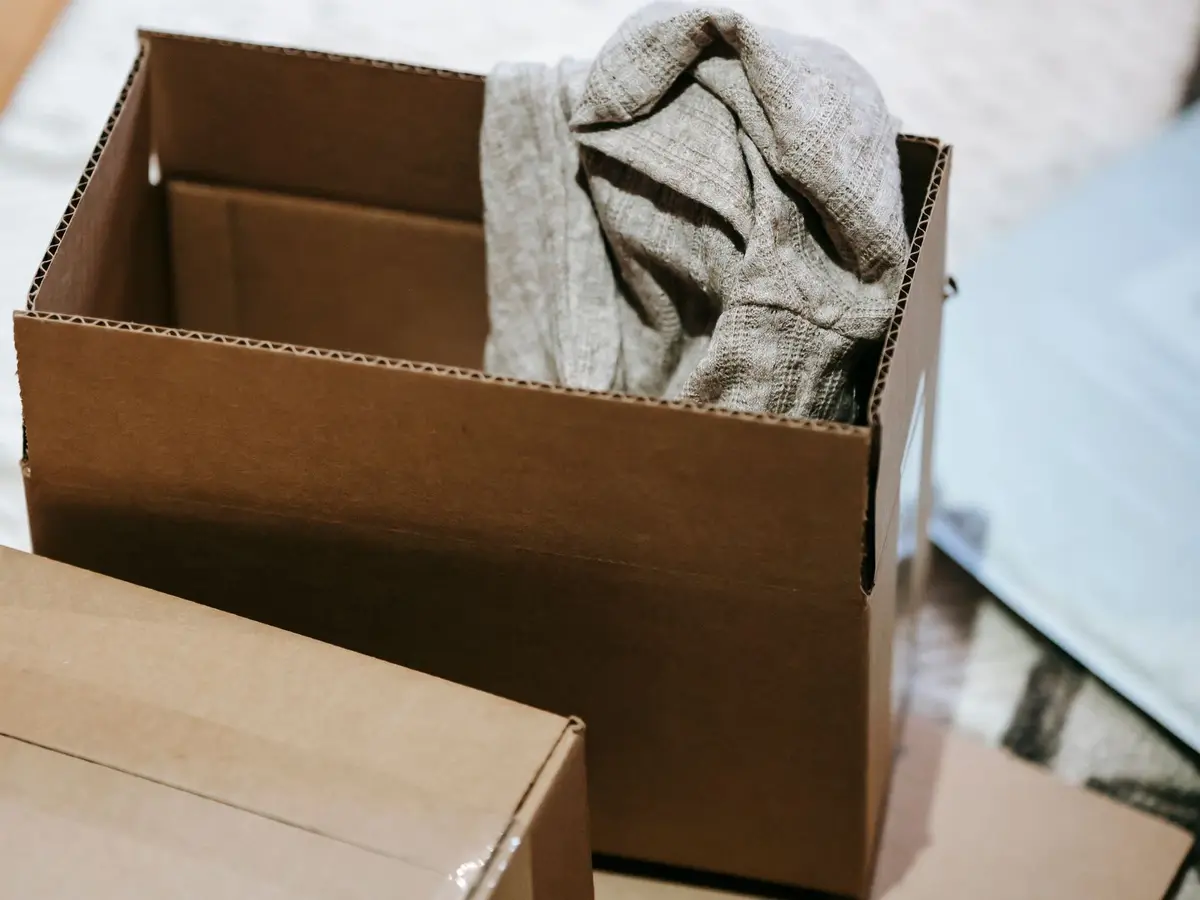
When a shirt is too short or a toy hasn’t been touched in months, it goes straight in the box. When the box is full, take it to a donation drop-off, pass it to a friend with younger kids, or save the best pieces for a younger sibling.
Check clothes each time the seasons change. Have kids try on what they’ll need next, and anything too small goes in the box right then.
Let kids help choose which toys go. Giving things away is easier when they know another child will enjoy them.
If the kids’ rooms are part of a bigger clear-out, the declutter checklist covers every room in the house the same way. Work through it one space at a time, so the donate box fills steadily instead of all at once.
11. Make a homework spot with everything in reach
Homework goes faster when kids aren’t hunting for a pencil. A set spot, whether it’s a desk in the bedroom, a corner of the kitchen table or a quiet nook, tells everyone it’s time to work.
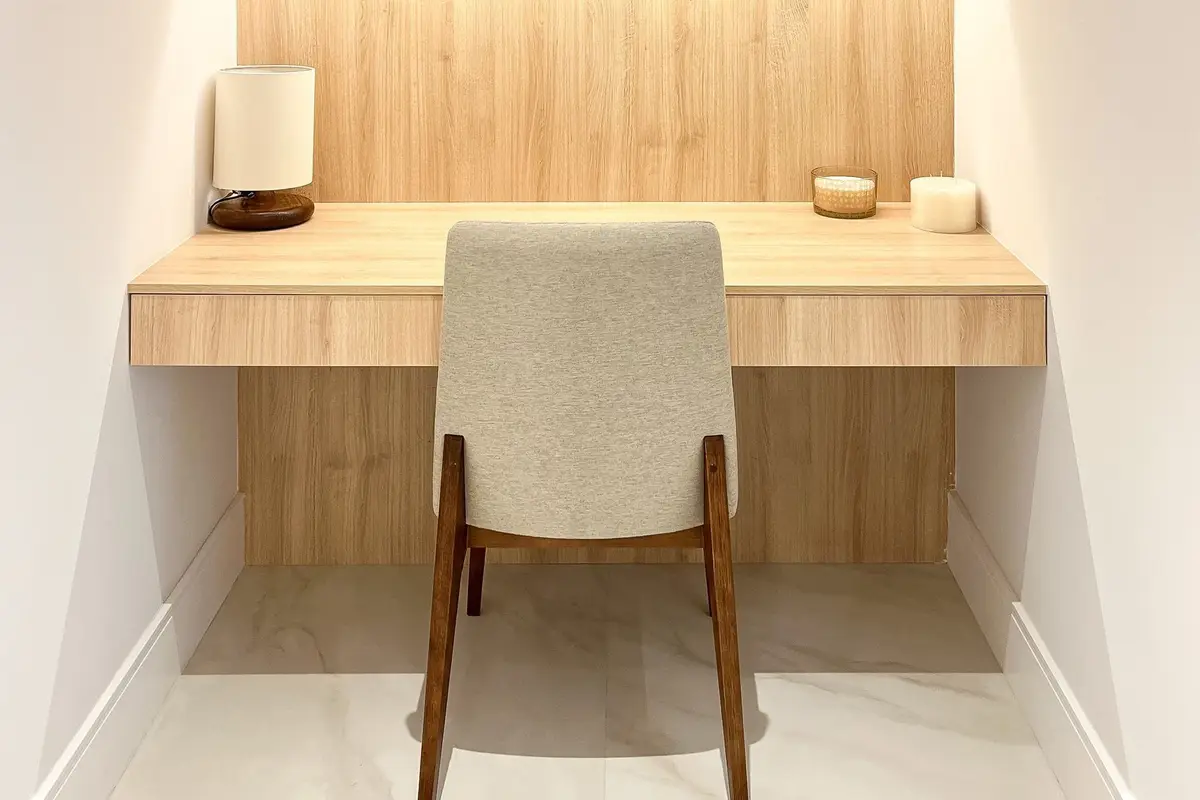
Keep the supplies within arm’s reach: pencils, an eraser, a sharpener, a ruler, scissors, glue and some paper. A small caddy or a desk drawer holds them, and a caddy can move with your child if the spot is the kitchen table.
Good light matters, so add a lamp if the spot doesn’t get daylight. Keep the surface clear of toys and screens that aren’t part of the work.
Give school papers a home, too. A folder or tray for papers that need a parent’s signature, and another for finished work, keeps them from getting lost in a backpack.
When homework is done, the school things go straight back in the backpack, and the backpack goes to its spot by the door for the morning.
12. Build a launch pad by the door
School mornings run smoother when everything kids need to leave the house lives in one place. A launch pad by the door, with a hook for each backpack, a spot for shoes and a bench to sit on, catches it all.
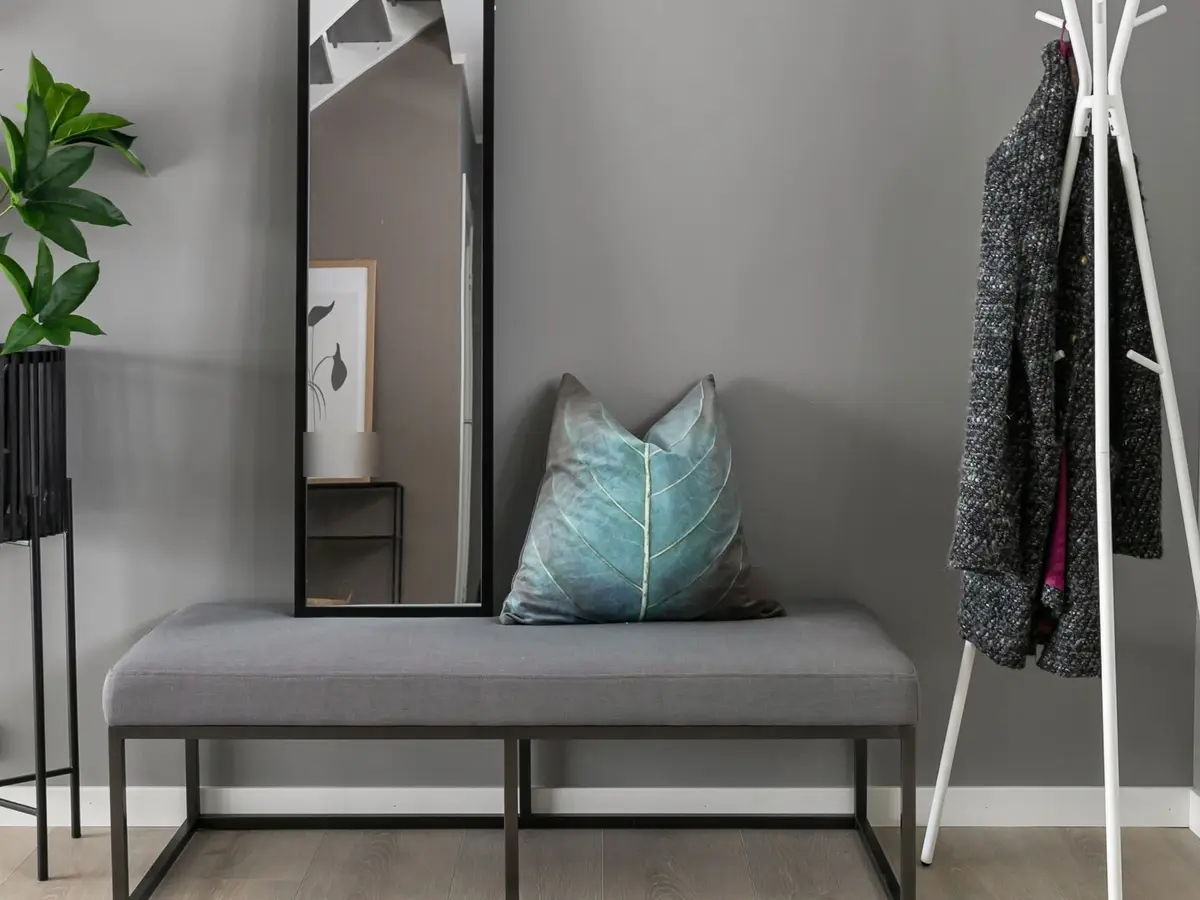
Give each child a hook for their bag and coat and a bin or cubby for shoes, hats and gloves. A bench lets them sit to put on shoes and gives you a place to set down a lunch box.
Make it the last stop of the evening reset: backpack packed, library books in, signed forms tucked into the folder. In the morning, kids grab their bag and go.
A small tray on a shelf holds bus passes, house keys for older kids and anything else that has to leave with someone. Empty it once a week, so it doesn’t turn into a junk drawer.
Post a simple schedule nearby for days with practice, lessons or library visits. The weekly planner fits on a wall or the fridge, so everyone can see what’s coming before they walk out the door.
Save this for later
Pin it to a board so it's there when you're ready to start.
Save to Pinterest(opens in a new tab)Make it easier
Free printable
A free kids chore chart with a box to tick for every day of the week. Print it as it is, or add your child's name and their own chores first.
Free tool
Enter the width, depth and height of a shelf, a drawer or a cube cubby, and see which standard bins and baskets fit, how many, and how they line up.
Frequently asked questions
How do I get my kids to keep their room clean?
Make putting things away easier than leaving them out: low open bins, hooks at their height and a spot for every kind of thing. Then build a short reset into the evening routine and do it with them until it sticks.
How many toys should be out at once?
Only as many as your bins and low shelves can hold without stacking or overflowing. Store the rest and swap a few in when interest fades, so kids play longer and clean up faster.
At what age can kids start organizing their own things?
Toddlers can drop toys into an open bin and hang a bag on a low hook. Older kids can sort their clothes, pack their own school bag and run the evening reset with a chore chart. Match the system to what your child can do without help.
Should I use a toy box with a lid?
Open bins and baskets are simpler for small kids to use. If you choose a toy chest with a lid, pick one whose lid stays open in any position and doesn't latch shut, and keep its air holes clear of the wall and floor.