13 Baby Organization Ideas for the Rooms Outside the Nursery
Give baby gear a home in every room: a diaper caddy on each floor, a bottle drying spot, a bath kit, a stocked diaper bag, a car kit and a bassinet corner.

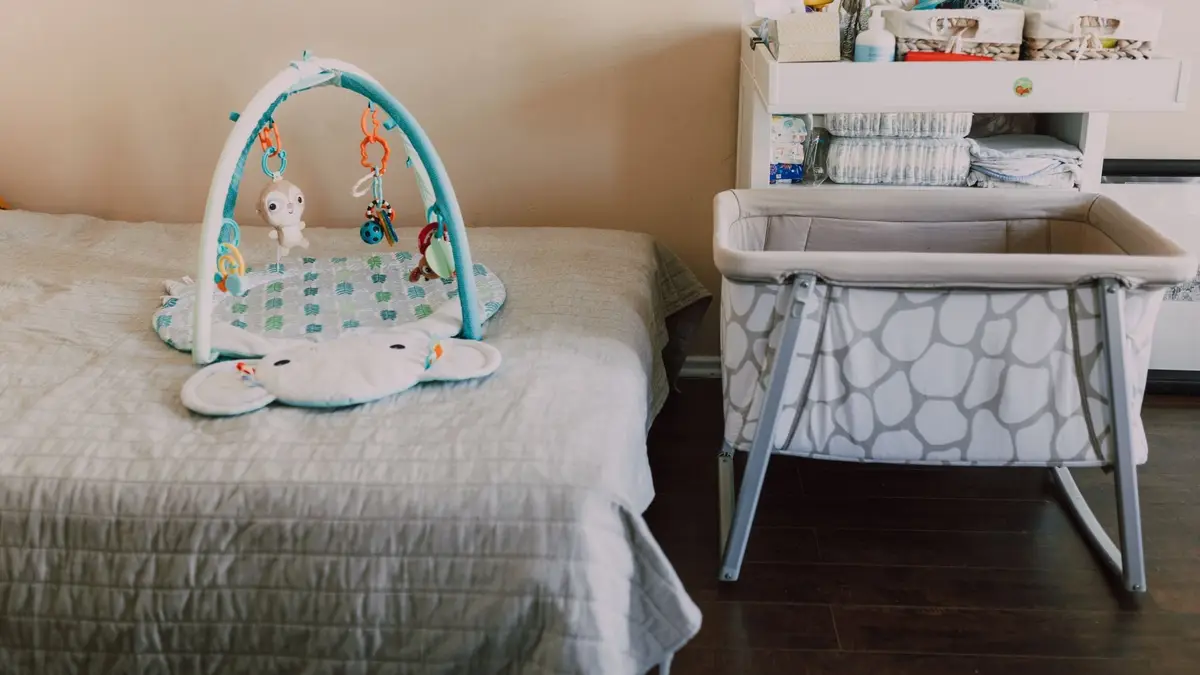
The best baby organization ideas follow your baby around the house. Put a diaper caddy on each floor, give bottles a drying spot in the kitchen, keep a bath kit by the tub and a stocked diaper bag by the door, and set up a small baby corner in your own room for the nights.
The nursery can’t hold it all, because babies don’t stay in one room. These 13 ideas cover the living room, the kitchen, the bathroom, the entry, the car and your bedroom, so the things you reach for every day are already where you need them.
1. Put a diaper caddy on every floor
Diaper changes happen wherever your baby is, not just in the nursery. A small caddy on each floor, or one in the living room if you live on one level, saves you from climbing stairs with a wet baby on your hip.
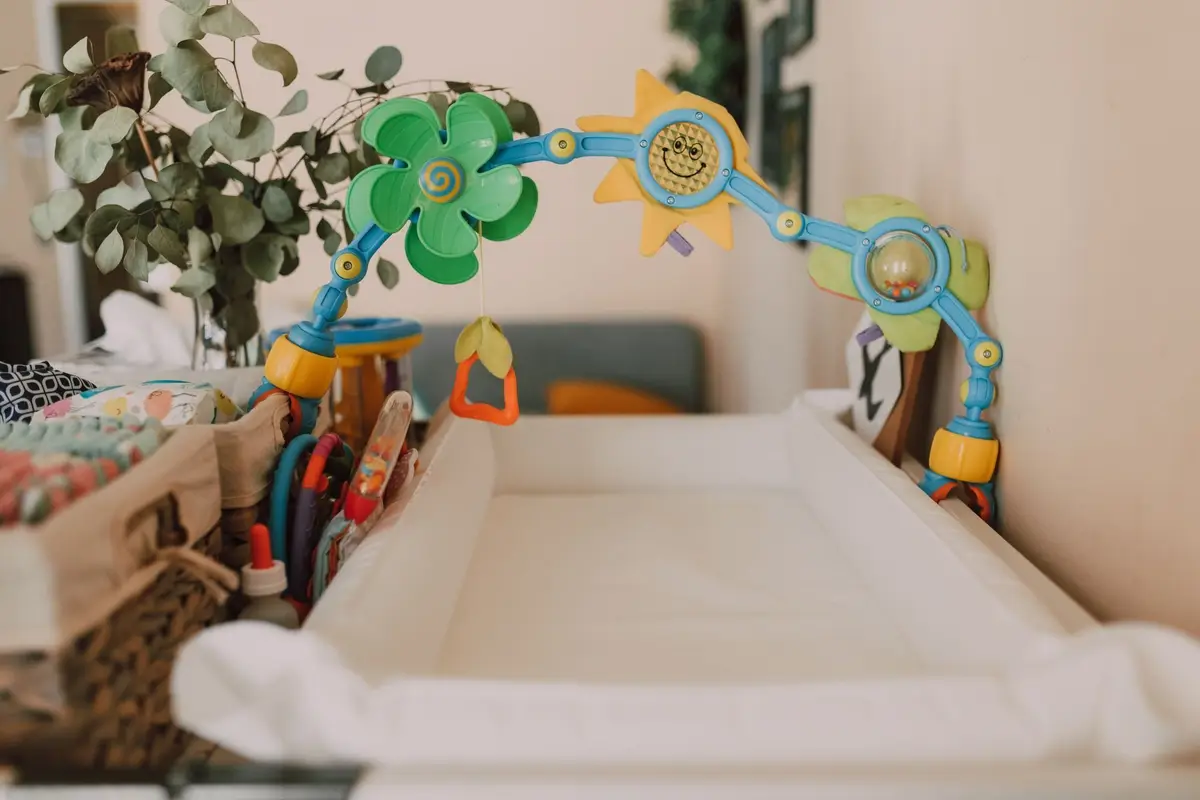
Use a basket or caddy with a handle, so it moves from the couch to the floor in one trip. Stock it with diapers, wipes, cream, a folded changing pad, a spare outfit, a burp cloth and a few bags for dirty diapers.
Change your baby on the floor when you’re away from the changing table. If you do use a raised surface, never leave your baby alone on it, not even for a second, and keep the caddy within your reach but out of your baby’s.
Before you buy a caddy, measure the shelf or the spot under the side table where it will live. The bin size calculator shows which sizes fit that space.
Refill every caddy at the same time each evening, so none of them runs out halfway through the night.
2. Give bottles and pump parts their own drying spot
Bottles, nipples and pump parts pile up fast, and they take over the whole counter if they don’t have a home. Choose one clean spot in the kitchen for them, away from the raw meat and the dirty dishes.
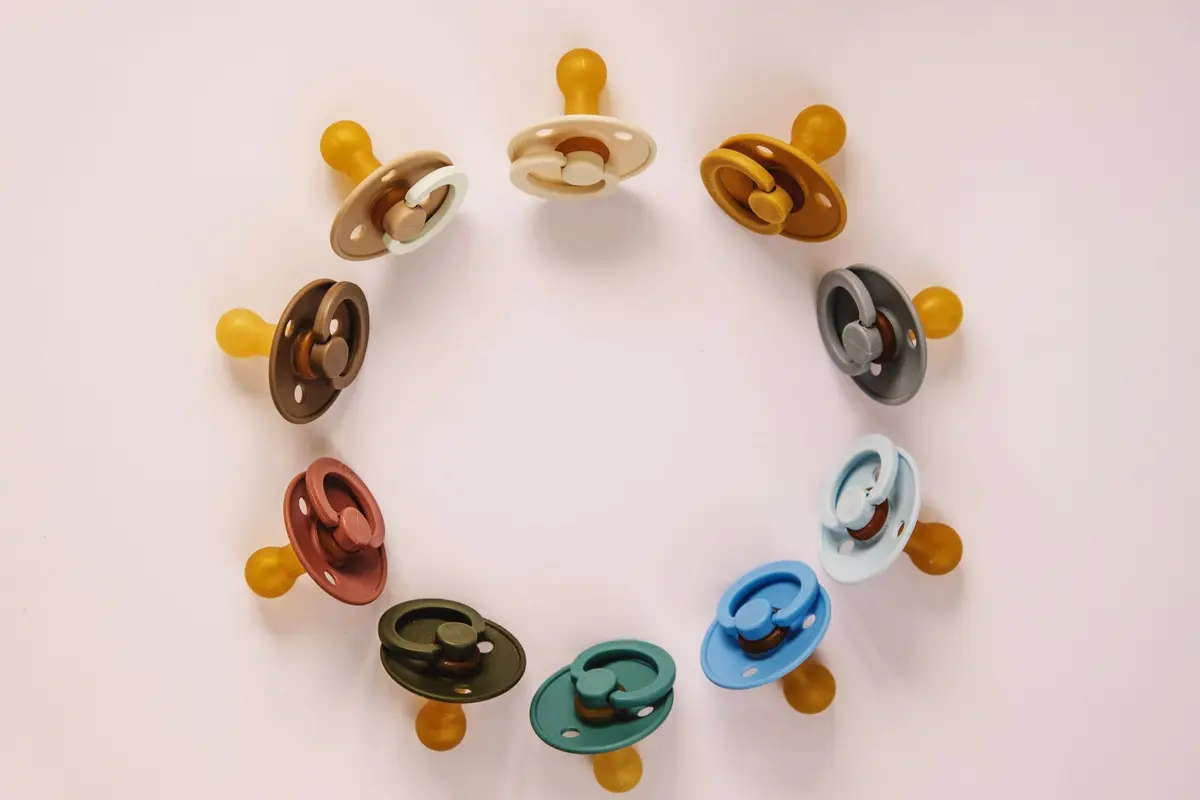
Wash feeding items in a basin used only for them instead of directly in the sink, and keep a brush that never touches other dishes. Clean pump parts as soon as you can after each session.
Let everything air-dry completely on a clean, unused dish towel or paper towel. Don’t rub or pat the parts dry with a towel, since that can move germs back onto them.
Drying racks can trap moisture and are hard to keep clean. If you like one, keep it only for baby feeding items and wash it often.
Once the parts are completely dry, put the bottles together and store them in a closed cabinet that holds only clean dishes. A shallow bin on that shelf keeps nipples, rings and valves from scattering.
3. Keep a bath kit by the tub
The middle of a bath is the worst time to realize the towel is in the other room. A ready kit by the tub means everything is there before the water goes in.
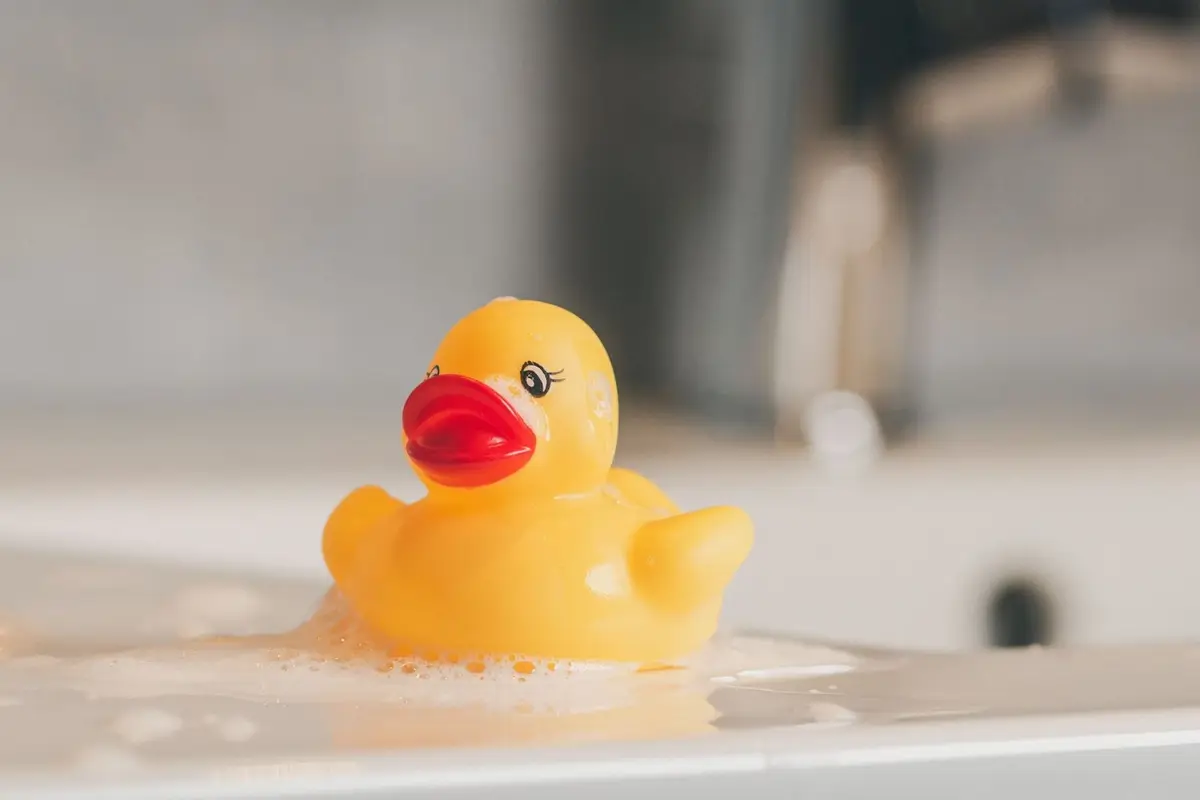
Fill a small bin or caddy with a washcloth, mild baby soap, a hooded towel, a clean diaper, pajamas and a comb. Add one or two bath toys, and let them dry upside down after every bath so water doesn’t sit inside.
Set the kit where you can reach it from the tub without letting go. You need your eyes and one hand on your baby the whole time.
Never leave your baby alone in the bath, even for a moment, and don’t hand that job to an older sibling. A bath seat or ring is not a safety device. If the doorbell rings, wrap your baby in the towel and take them with you.
After each bath, refill whatever ran low and hang the towel to dry. The kit is ready for tomorrow before you leave the bathroom.
4. Restock the diaper bag every time you get home
A diaper bag only works if it’s full when you grab it. The easiest habit is to restock it as soon as you walk in the door, before the bag goes back on its hook.
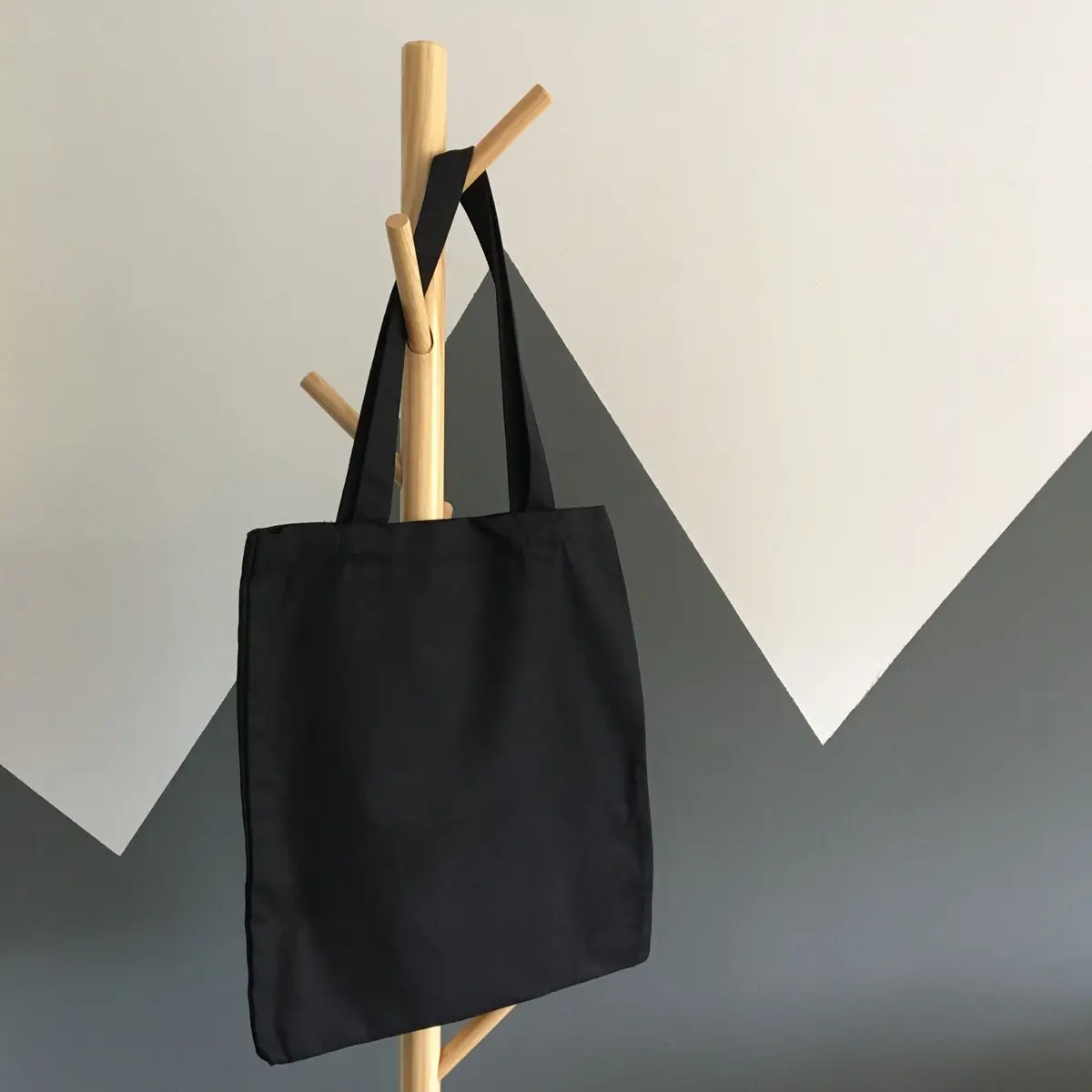
Tape a short list inside the flap: diapers, wipes, cream, a changing pad, a spare outfit, burp cloths, a bag for dirty clothes and feeding supplies. When you unpack, you check the list instead of trying to remember.
Small zip pouches inside the bag keep it from turning into one big jumble. Use one pouch for diapering, one for feeding and one for the spare outfit, so you can hand the right pouch to a helper.
Give the bag one home near the door, like a hook or a coat stand. If you plan your week on paper, a weekly restock reminder on a weekly planner catches the things that run low slowly, like cream and spare clothes.
Swap the spare outfit for the next size as soon as the current one gets snug.
5. Keep a backup kit in the car
Even a well-packed diaper bag gets left behind now and then. A small backup kit that lives in the car covers those days.
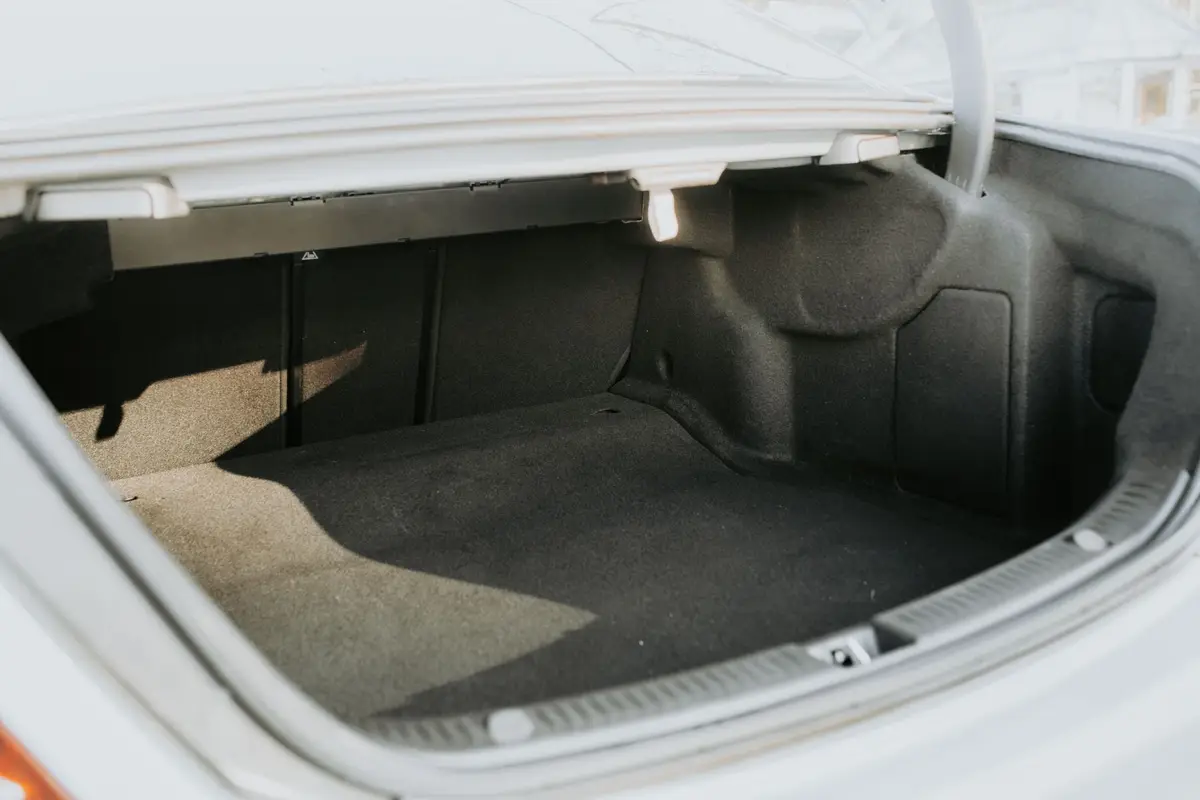
Pack a lidded bin with a few diapers, a pack of wipes, a spare outfit, a burp cloth, a changing pad and some bags for dirty clothes. Add a light blanket and a change of shirt for you, since spills rarely stop at the baby.
Keep the bin in the trunk or the cargo area rather than loose on the back seat, so nothing slides around while you drive. A bin with a lid also keeps everything clean and dry.
Check the kit every few weeks. Diapers and clothes go up in size quickly, and an opened pack of wipes dries out over time.
Treat the car kit as a backup, not a second diaper bag. When you use something from it, replace it the same day, so it’s there the next time you forget.
6. Park the stroller and carrier by the entry
A stroller in the middle of the hallway gets tripped over, and a carrier tossed on a chair gets lost. Give both a home right by the door you use most.
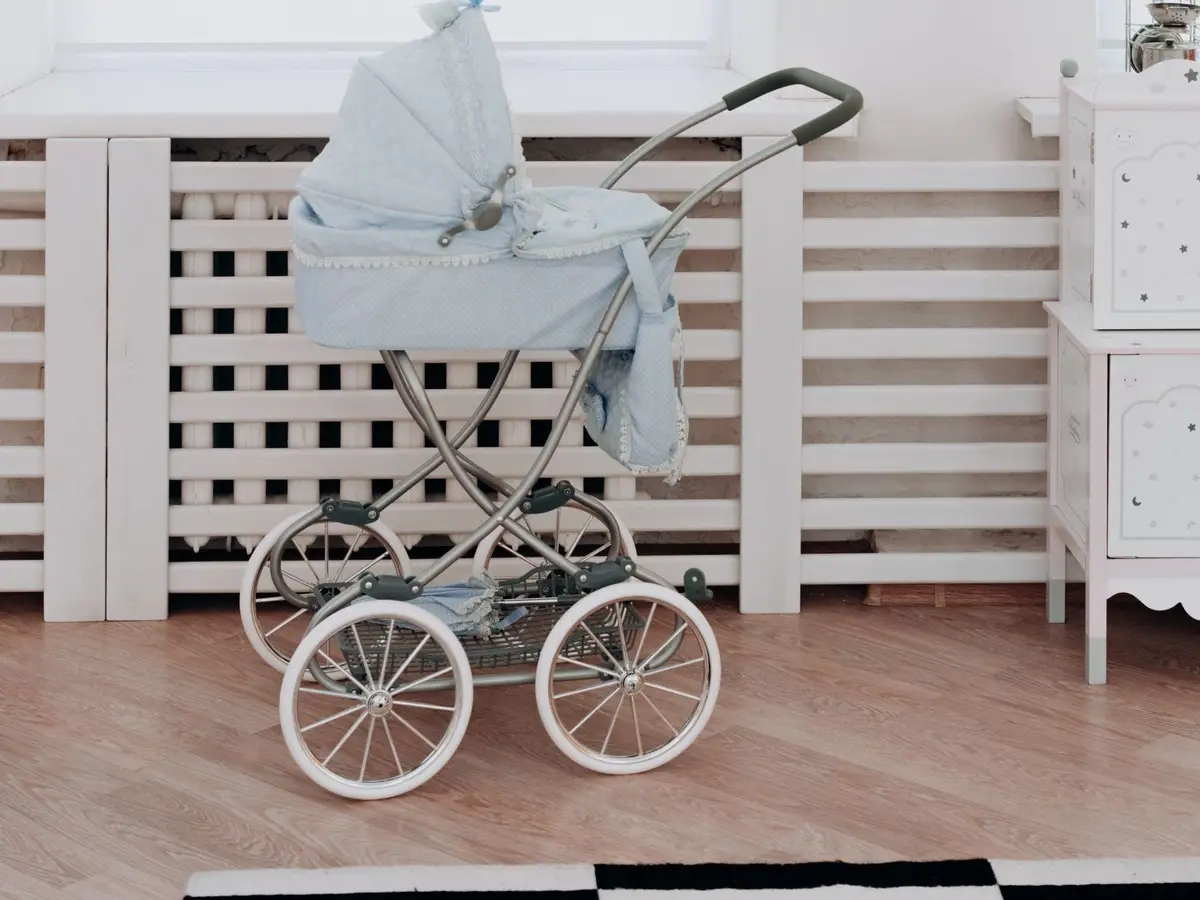
Clear a spot along a wall for the stroller, folded or open, and set the brakes whenever it’s parked. A wall hook above it holds the carrier, and a small basket beside it holds the sunshade, the rain cover and a stroller blanket.
Don’t hang the diaper bag or a purse on the stroller handles. The extra weight can tip the stroller over, so use the basket underneath or carry the bag yourself.
If the entry is tight, keep the stroller in the car or by the back door and store only the carrier inside. A slim stroller that folds flat can also stand in a coat closet.
Wipe the wheels with an old towel when you come in from rain or mud. A towel kept in the basket makes that a quick job.
7. Keep a play basket in the living room
Most floor time happens in the living room, not the nursery. One basket there holds everything your baby needs to play, and it clears the floor in a minute when the day is done.
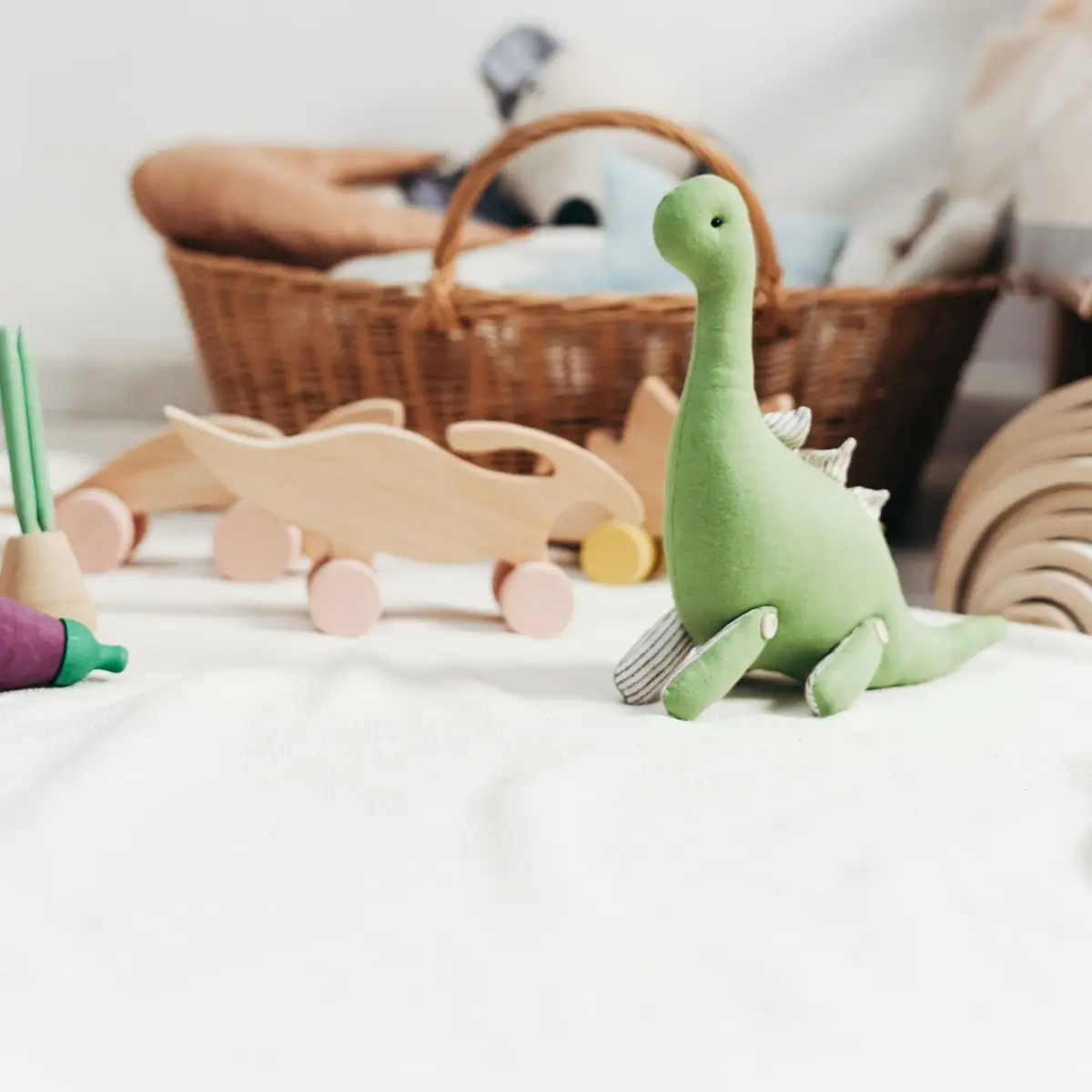
Pick a low, open basket with no lid, so toys are easy to toss in and easy to pull out. Fill it with a few toys at a time: a rattle, a soft book, a teether and a toy that crinkles or rolls.
Rotate the toys instead of keeping them all out. Store the rest in a closet bin and swap a few in every week or so, which keeps the basket from overflowing and makes old toys feel new.
Keep older siblings’ toys, especially ones with small parts, out of the basket and up out of your baby’s reach. Small objects are a choking hazard for babies.
Roll the play mat and stand it beside the basket at night. The room goes back to being a living room, and the morning starts with a clear floor.
8. Keep a burp-cloth basket by the couch
Feeds, cuddles and naps on your chest all happen on the couch. A basket beside it means a clean burp cloth is always one reach away.
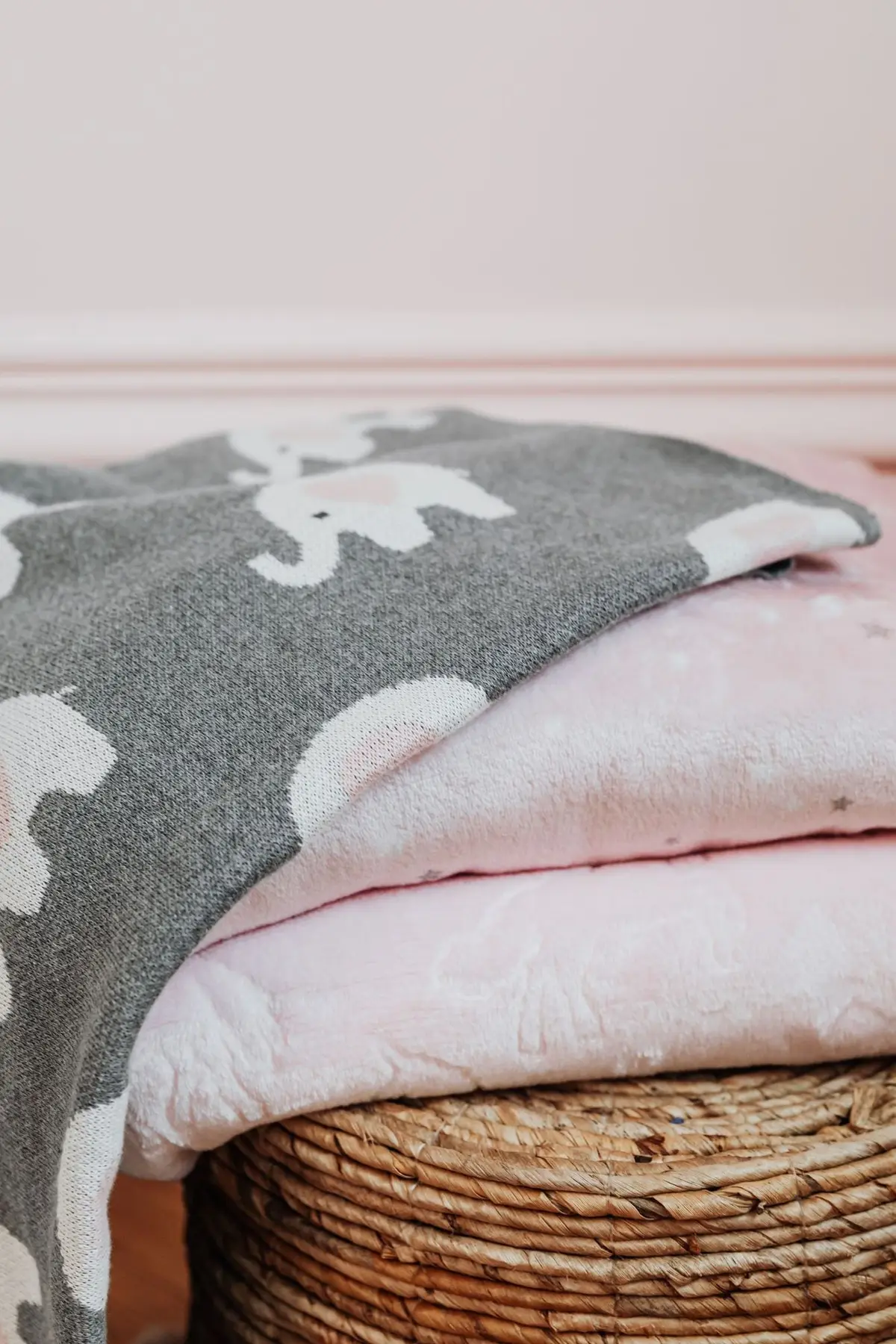
Fill a small basket with burp cloths, a spare bib, a couple of swaddles and a soft blanket for floor time. Fold or roll everything so it stands on edge, and you can grab one piece without pulling out the rest.
Keep a second, smaller bag or bin next to it for used cloths. At the end of the day, those go straight to the baby laundry instead of piling up on the arm of the couch.
The blankets in this basket are for holding, burping and supervised floor time. When your baby sleeps, the sleep space should hold only a fitted sheet on the mattress, with no blankets, pillows or soft toys.
Restock the basket from the laundry every other day. Burp cloths go through the wash faster than anything else in the house.
9. Keep baby laundry separate
Tiny socks and bibs disappear in a full family load, and baby laundry piles up much faster than you expect. A separate hamper keeps it all together from the moment it comes off.
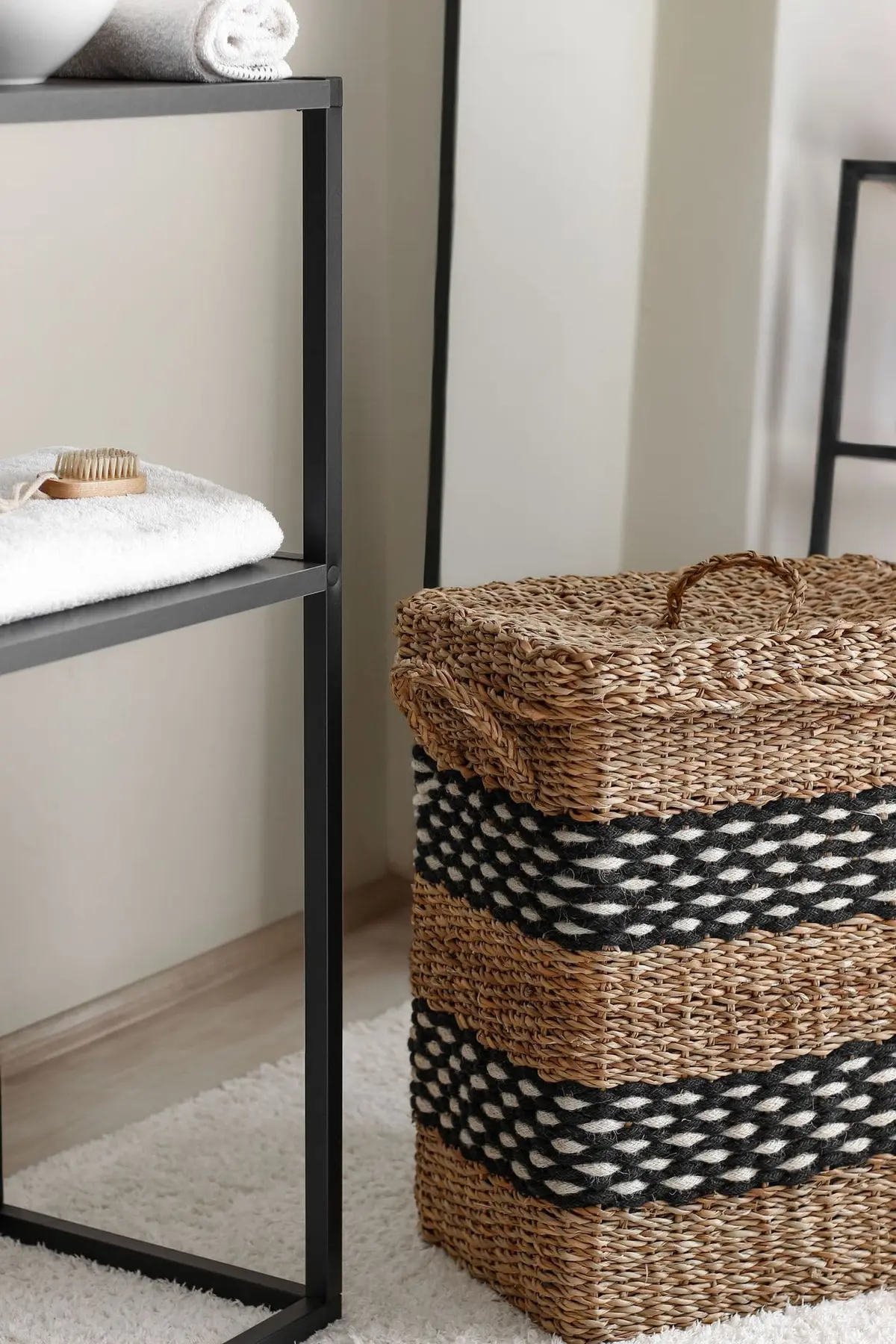
Put a small lidded hamper where most clothes come off: next to the changing station or in the bathroom. A lid keeps out a curious pet and, later, a crawling baby.
Wash socks, mittens and bibs in a mesh laundry bag, so they come out of the dryer together. Pre-treat stains when you drop the item in the hamper, not days later.
Running a small load every couple of days keeps you from running out of sleepers. Fold straight from the dryer into a basket, then put everything away by size.
For where all those clean clothes go next, from labeled sizes to the outgrown bin, see these baby clothes organization ideas.
Keep a stain stick and the mesh bags in a small bin right by the washer, so the routine takes no thought on a tired day.
10. Make one folder for baby paperwork
A new baby comes with a surprising amount of paper: hospital papers, insurance cards, visit notes, gear manuals and gift receipts. One folder keeps it all in one place instead of scattered across the kitchen counter.
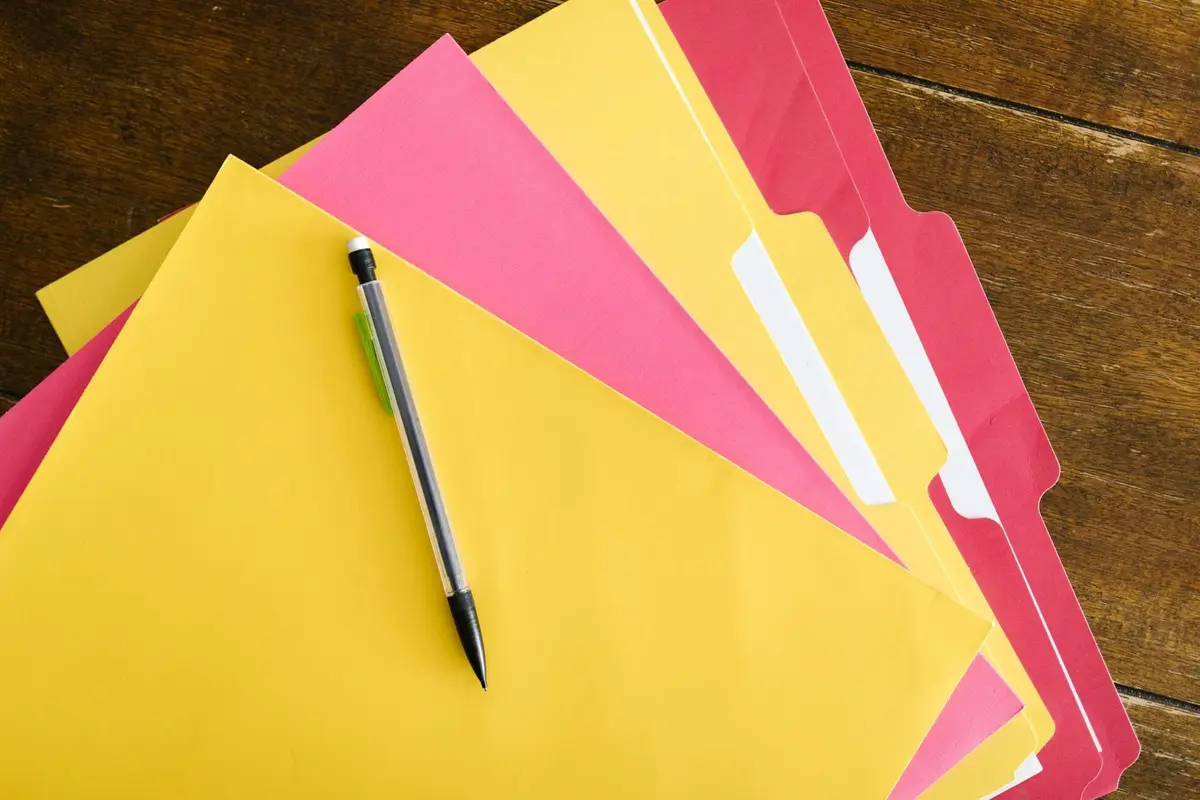
Use an accordion file or a few colored folders with tabs. Give each kind of paper its own section: medical, insurance, important documents, gear manuals and warranties, and receipts.
Keep the vaccine record and visit notes at the front, since you’ll reach for them at every checkup. Add a page of questions for the next appointment and jot them down as they come up.
File manuals for the crib, stroller, car seat and high chair in the gear section. You’ll need them when you adjust a setting or check a part.
Store the folder in one spot everyone knows, like a kitchen drawer or a shelf by the door. Original documents can go to a safer spot later, with copies in the folder.
11. Set up a sorting station for gifts and hand-me-downs
Gifts and bags of hand-me-downs arrive faster than you can put them away. A simple sorting station stops them from taking over a corner of the living room.
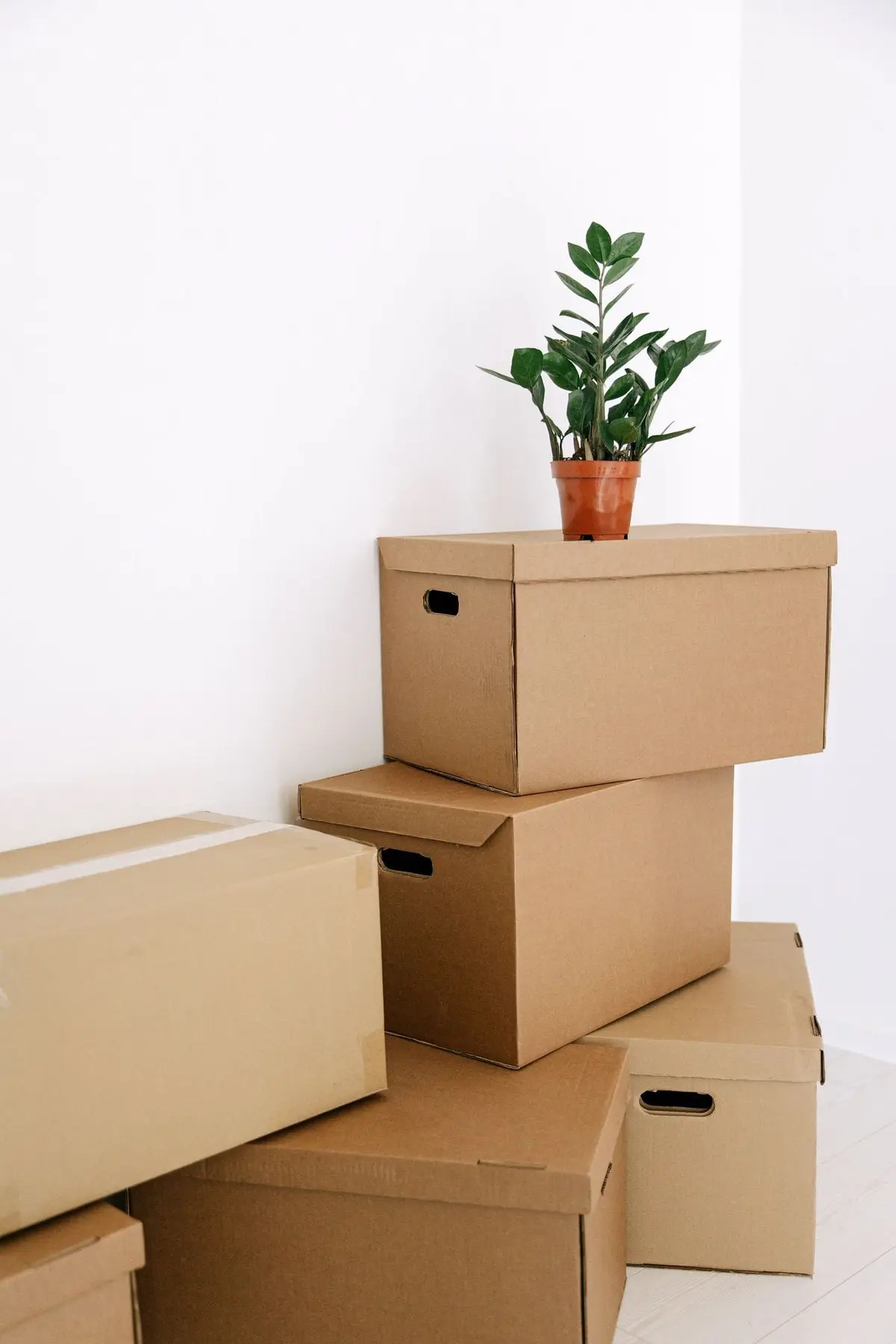
Set out four boxes or bins in one spot: use now, next size up, return or exchange, and pass on. Every new bag goes straight into one of the four, the same day it arrives.
Clothes that fit now get washed and put away. The next sizes go into labeled bins, and these nursery closet organization ideas show how to fit those bins into the nursery closet.
Look up any secondhand crib, bassinet, stroller or other baby gear for recalls before you use it. Gear with missing parts or no manual is better passed on than pieced together.
Keep a running list on your phone of who gave what, so thank-you notes are quick to write. Gift receipts go straight into the paperwork folder.
12. Make a baby corner in your bedroom
In the first months, a lot of baby life happens in your bedroom. A small, organized corner makes night feeds and changes easier, especially in an apartment without a spare room.
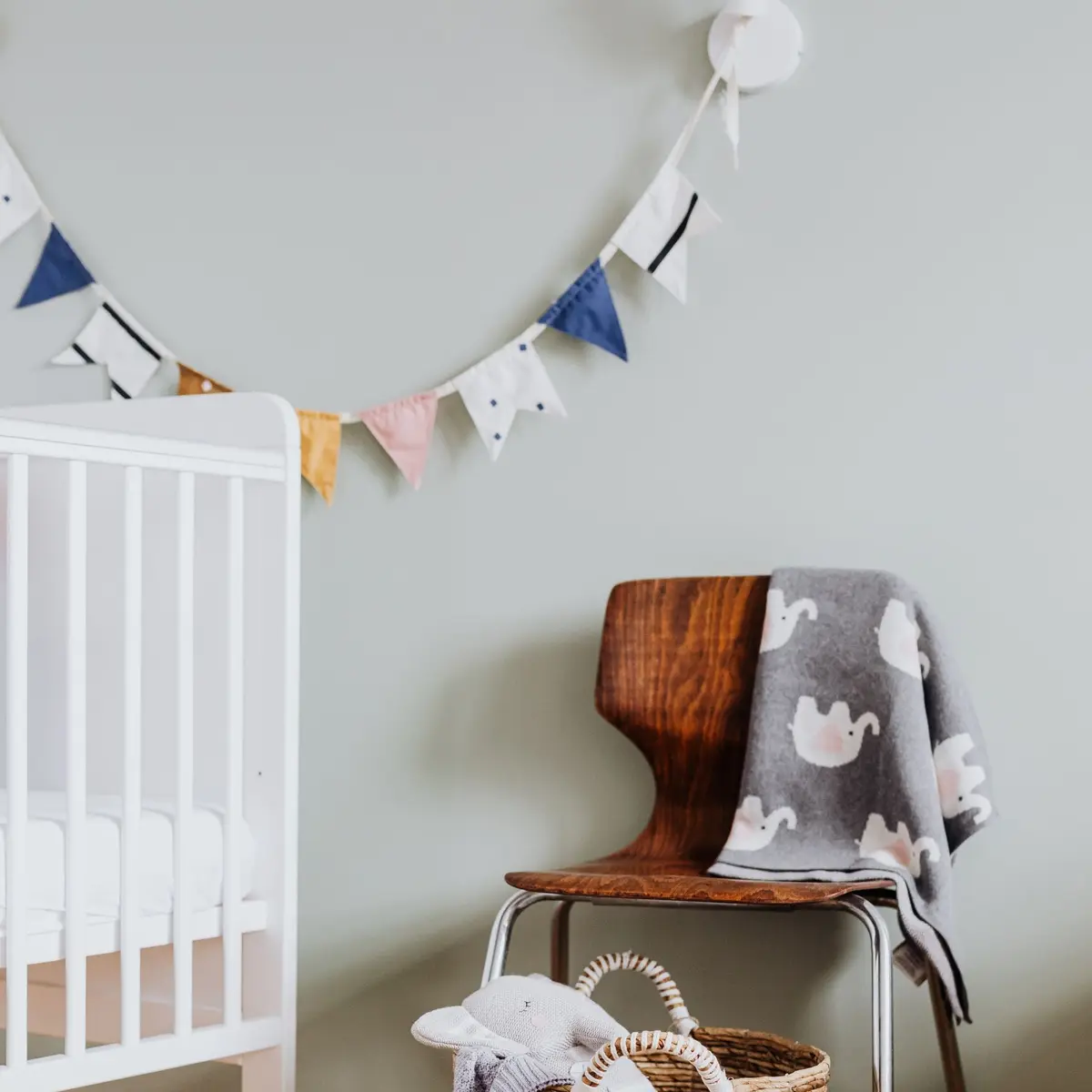
Give your baby their own sleep space in your room, like a bassinet, crib or play yard, separate from your bed. Keep it bare: a firm, flat mattress with a fitted sheet and nothing else.
Next to it, park a narrow rolling cart for the night supplies: diapers, wipes, cream, burp cloths, a spare sleeper and a small night light. Keep the cart and every cord out of reach of the sleep space.
Use the space under your own bed for extra diapers and the next size of clothes in flat bins. When the clothes outgrow the drawers too, these small nursery closet organization ideas fit a whole baby wardrobe into a tight space.
Clear the cart each morning, so it holds only what tonight needs.
13. Keep the first weeks simple
The first weeks with a newborn are not the time for a big system. Set up a few small stations before the baby comes, and keep everything else in its packaging until you need it.
Have one changing spot ready on each floor, a feeding spot with burp cloths and water, and the bedroom corner for nights. Those three cover most of what a newborn needs.
Wash and put away only the clothes that fit now. Leave bigger sizes, extra gear and duplicate gifts boxed with their tags and receipts, so you can still exchange what you don’t use.
When friends and family offer help, have a short list ready: restock the caddies, run a load of baby laundry or wash the bottles. A list on the fridge lets anyone pitch in without asking where things go.
After a few weeks, notice which station you use most and move more supplies there. The setup that fits your baby is easier to see once you’re living with it.
Save this for later
Pin it to a board so it's there when you're ready to start.
Save to Pinterest(opens in a new tab)Make it easier
Free printable
A simple one-page weekly planner with the week's top three priorities, a box for each day and room for notes.
Free tool
Enter the width, depth and height of a shelf, a drawer or a cube cubby, and see which standard bins and baskets fit, how many, and how they line up.
Frequently asked questions
How do I organize baby stuff in a small apartment?
Give each kind of baby gear one small home where you use it: a caddy for diapers, a basket for burp cloths, a hook for the carrier and a rolling cart beside the bassinet. Keep only the current size of clothes and diapers in the apartment's prime spots, and store extras up high or under the bed.
What should go in a diaper caddy?
Diapers, wipes, diaper cream, a changing pad, a spare outfit, a burp cloth and a few bags for dirty diapers. Keep it light enough to carry with one hand, and refill it at the same time every day.
Where should I keep baby bottles after washing them?
Let the bottles and parts air-dry completely on a clean, unused towel or a rack kept only for baby items. Once dry, put them together and store them in a clean, closed cabinet that holds only clean dishes.
How often should I restock the diaper bag?
Restock it as soon as you get home from each outing, before you put the bag away. A short list taped inside the flap makes it quick, and you never find an empty wipes pack in the middle of a change.