13 Baby Clothes Organization Ideas From First Wash to Hand-Me-Down
Follow tiny clothes from gift bag to outgrown bin: wash and sort by size, fold drawers upright, pair outfits, box the next size and seal what you save.

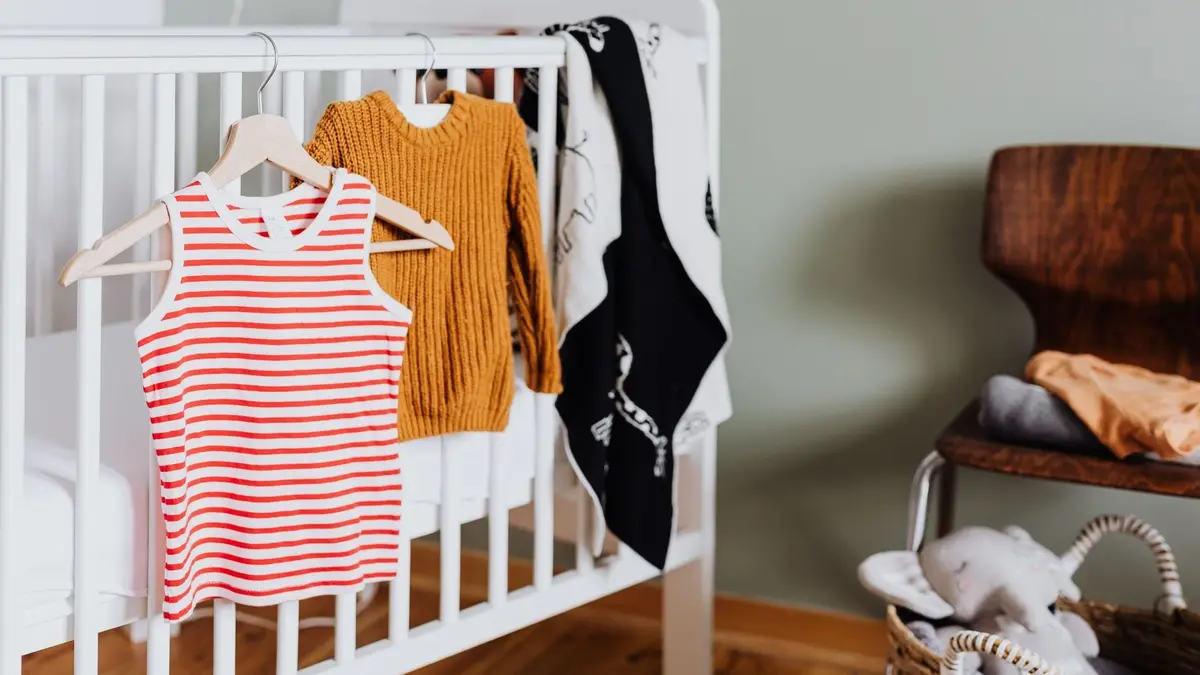
Baby clothes organization works best as a loop. Wash new pieces as they arrive, sort them by size, keep only the size that fits right now within reach, and give the next size a labeled box and the outgrown clothes an open bin.
Babies move through sizes in weeks, not years, so the system has to make each change easy. These 13 ideas follow the clothes from the gift bag to the hand-me-down box, with the folding, labeling and storing in between.
1. Wash new clothes as they come in
Gifts, hand-me-downs and new purchases arrive in waves, and a pile of unwashed clothes is hard to sort. Wash each batch soon after it arrives, so the clothes are ready to wear and ready to put away.
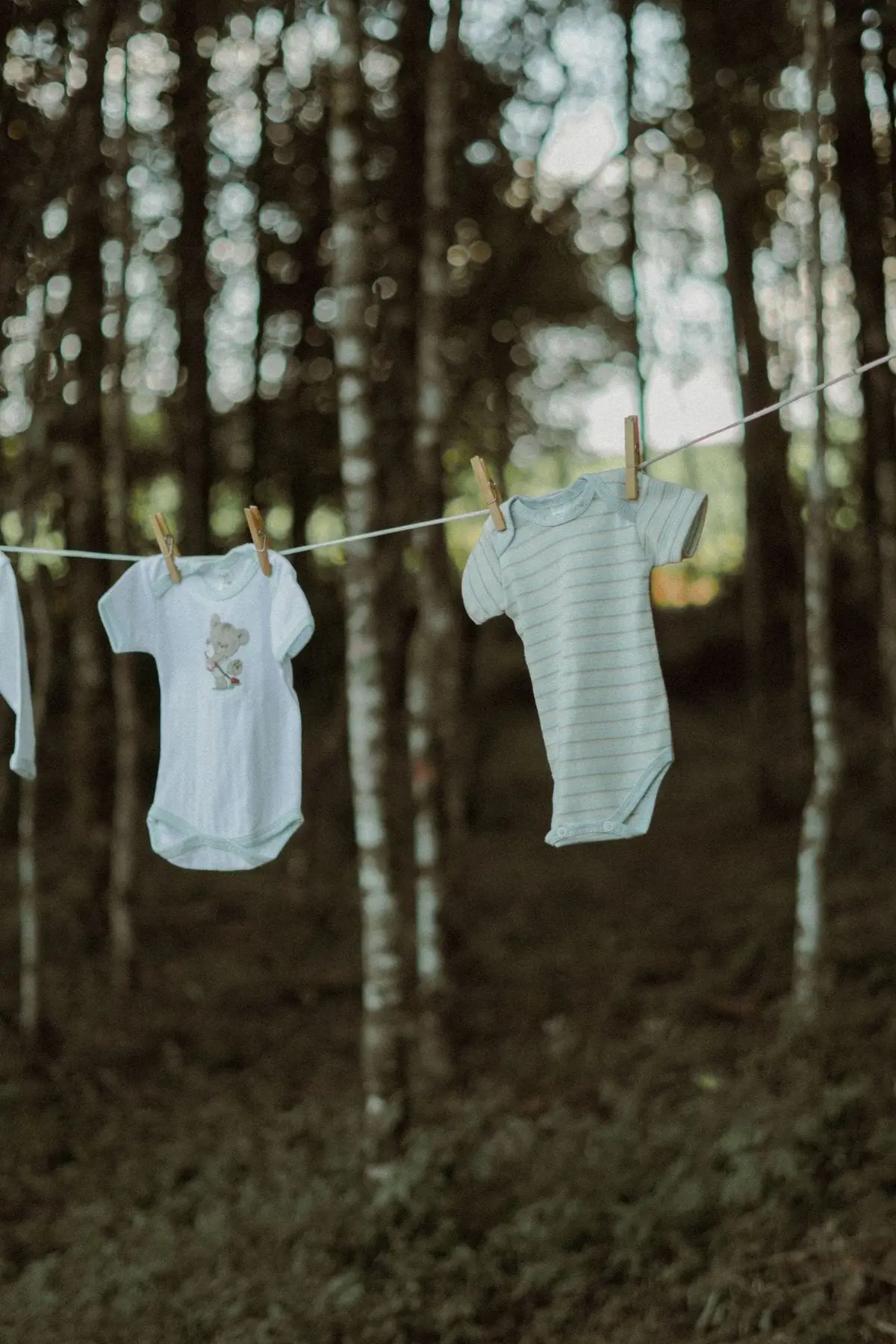
Before anything goes in the machine, check the size. Wash only the size that fits now and the next size up, and leave bigger sizes in their bags with the tags on.
Unwashed, tagged clothes are easier to exchange if you get three of the same sleeper or a snowsuit for the wrong season. Keep gift receipts together in one envelope until you’re sure.
Wash small pieces like socks and mittens in a mesh laundry bag, so they come out together. Fold everything straight out of the dryer onto the bed, which turns it into a sorting table for the next step.
For the rest of the baby gear that piles up around the house, see these baby organization ideas for every room.
2. Sort every piece by size, then by type
Once the clothes are clean, sort them into piles by size. Then split each size into types: bodysuits, sleepers, pants, tops, dresses and outerwear.
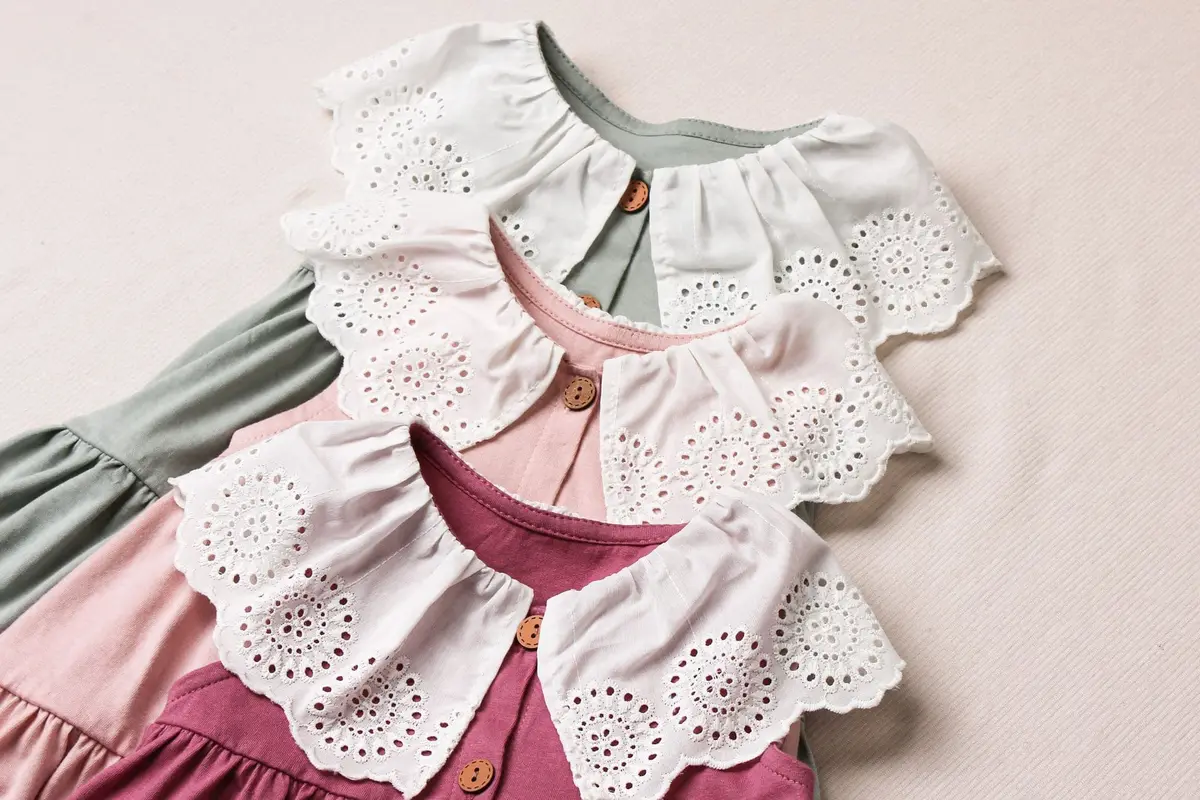
Size labels vary between makers, and some run small. When a label seems off, hold the piece up against a bodysuit that fits now, and sort it by its real length rather than its tag.
Look at the season as you sort. A fleece sleeper in a size your baby will reach in midsummer may never get worn, so put it in a pass-on pile now while someone else can use it.
Count what you have in each size before you buy more. It is easy to end up with lots of newborn pieces and too few in the bigger sizes, and sorting shows those gaps right away.
Stack each size in its own spot on the bed or the floor. Don’t start putting anything away until every bag is empty, or a stray pile will turn up later.
3. Label each size and keep only the current one in reach
Tiny clothes all look alike, especially at night. Labels make it obvious where each size lives, so nothing too small goes back on your baby by mistake.
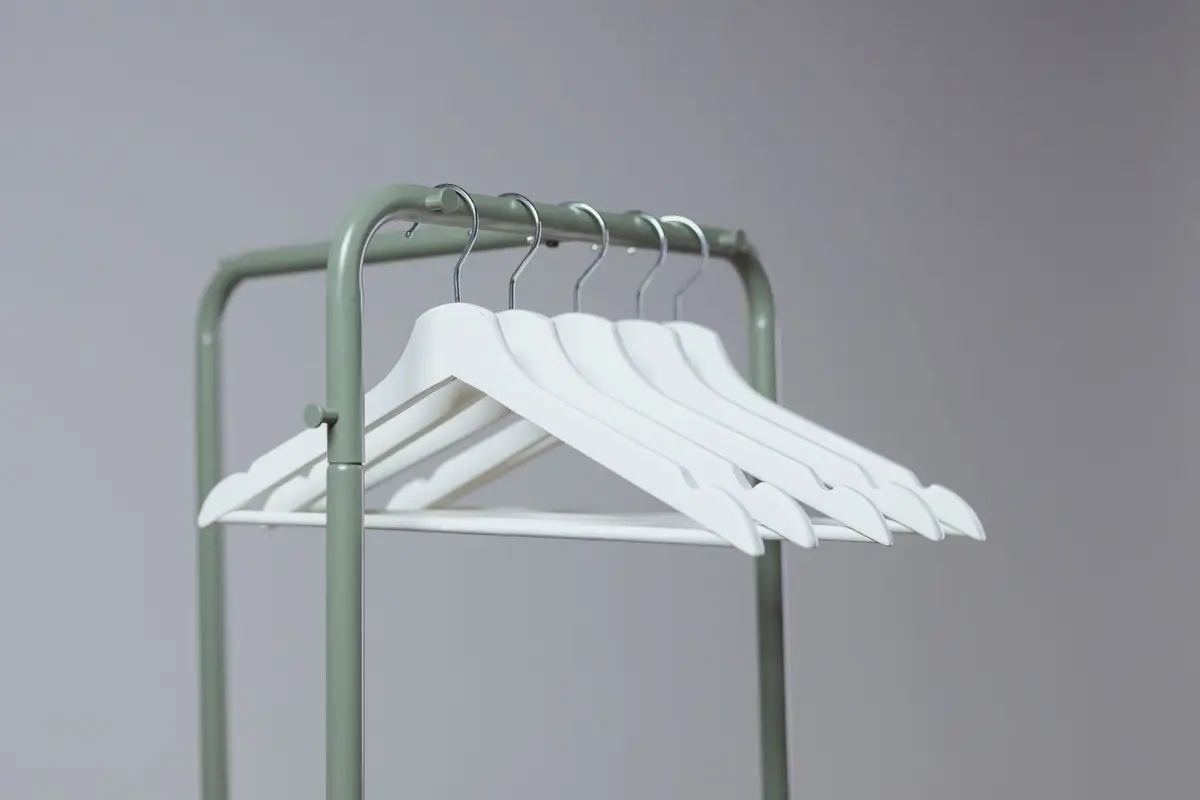
On the closet rod, clip a size divider between each group. In drawers and bins, use removable labels or a strip of painter’s tape on the front edge, since you’ll change them often.
Keep only the size that fits now in the easiest drawers and the front of the rod. The next size can wait on a high shelf, and smaller sizes leave the room completely.
These nursery closet organization ideas cover the rod dividers, hangers and shelves that hold each size in the closet.
Label for the person who knows the least, like a grandparent helping out for a weekend. If they can find the right size without asking, the labels are doing their job.
4. Fold small pieces so they stand up in the drawer
Folded stacks of baby clothes topple the moment you pull one out. Folding each piece so it stands on its edge keeps every option in view and the drawer tidy after a rushed morning.
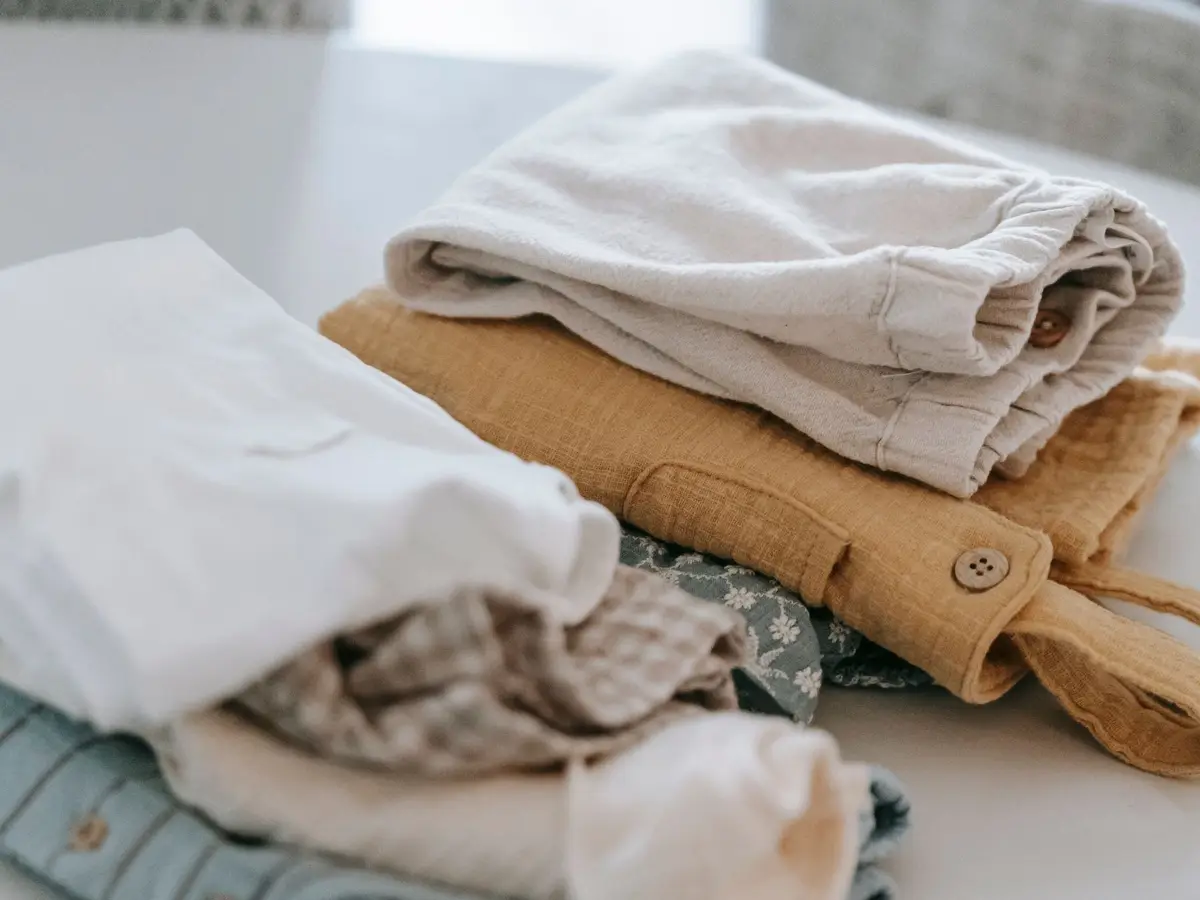
Fold to the height of the drawer. Measure how deep the drawer is from top to bottom, then fold each piece into a small rectangle that stands just below the rim.
Snap or button tops and bodysuits closed before you fold them, so they keep their shape. Roll leggings and soft knits that won’t hold a crease, and stand the rolls in a row.
Within each type, line pieces up from light to dark. Drawers full of pinks, pastels and whites are easier to read when the colors run in order, and you’ll spot a missing favorite at a glance.
For a full drawer-by-drawer plan, from the diapering drawer to the sleep drawer, see these nursery dresser organization ideas.
5. Hang dresses, jackets and anything with a collar
Some baby clothes wrinkle in a drawer or lose their shape when folded. Dresses, collared rompers, jackets, sweaters with buttons and special outfits all keep better on a hanger.
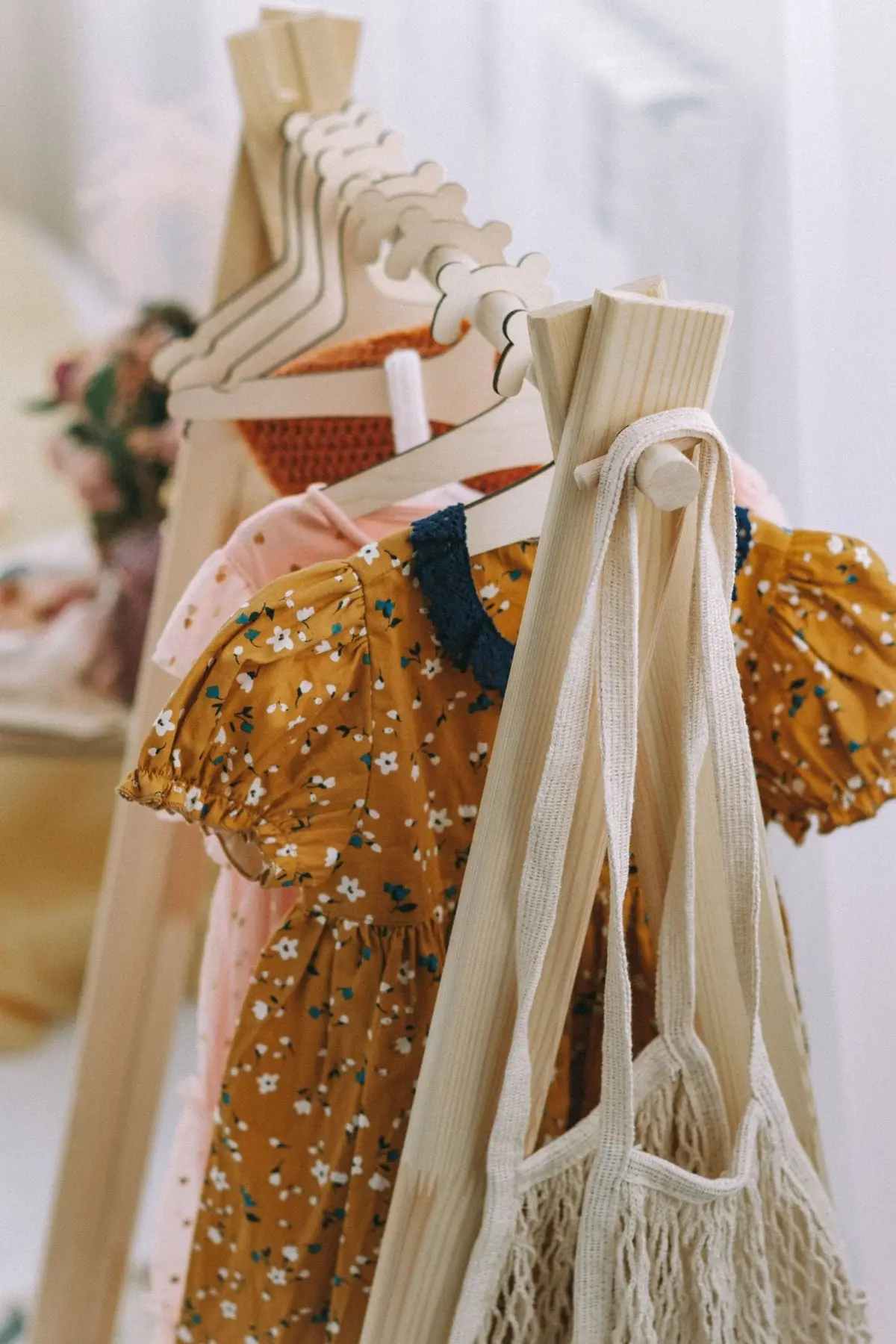
Use child-size hangers, which fit small shoulders and keep pieces from sliding off. Pick one style and one color, so the rod looks calm even when it’s full.
Fasten the top button or snap before you hang anything. It keeps loose necklines from slipping, and the piece goes back on the hanger the same way after it’s worn.
Hang by size first and then by type, with the current size closest to the front. Jackets and heavier pieces go at one end, so they don’t crush the lighter dresses.
Save hanging space for the pieces that need it. Everyday bodysuits, pants and sleepers take less room folded, and leaving them in drawers stops the rod from getting crowded.
6. Give socks, hats and mittens their own small bins
Socks, booties, hats and mittens are the easiest baby clothes to lose. Small open bins give each kind its own home, so they don’t slip under the folded clothes.
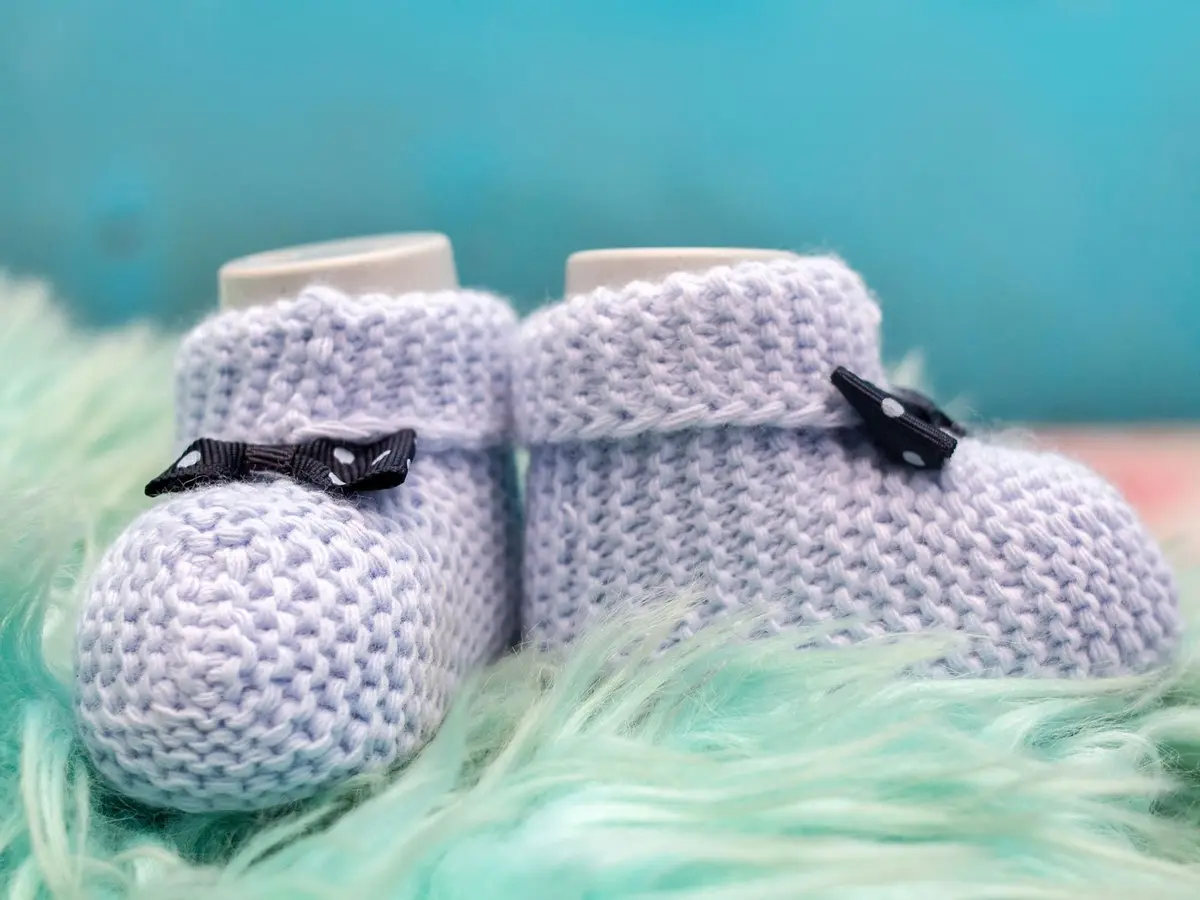
Use one shallow bin for socks and booties, one for hats and one for mittens and bibs. Measure the drawer or shelf first, and the bin size calculator shows which bins fit side by side.
Pair socks as they come out of the mesh laundry bag, and drop them straight into their bin. Keep a small pouch at the back for singles until the partner turns up.
Keep sun hats and warm hats with the outdoor gear by the door, since that’s where you’ll reach for them. Indoors, a hat can make a baby too hot, so take it off once you’re inside.
Check these bins whenever you move up a size. Little feet and heads grow without anyone noticing, and socks are often the first thing to stop fitting.
7. Keep pajamas and sleep sacks together
Bedtime and night changes go faster when everything for sleep lives in one place. Keep sleepers, pajamas and sleep sacks in one drawer or one bin, close to where you change your baby at night.
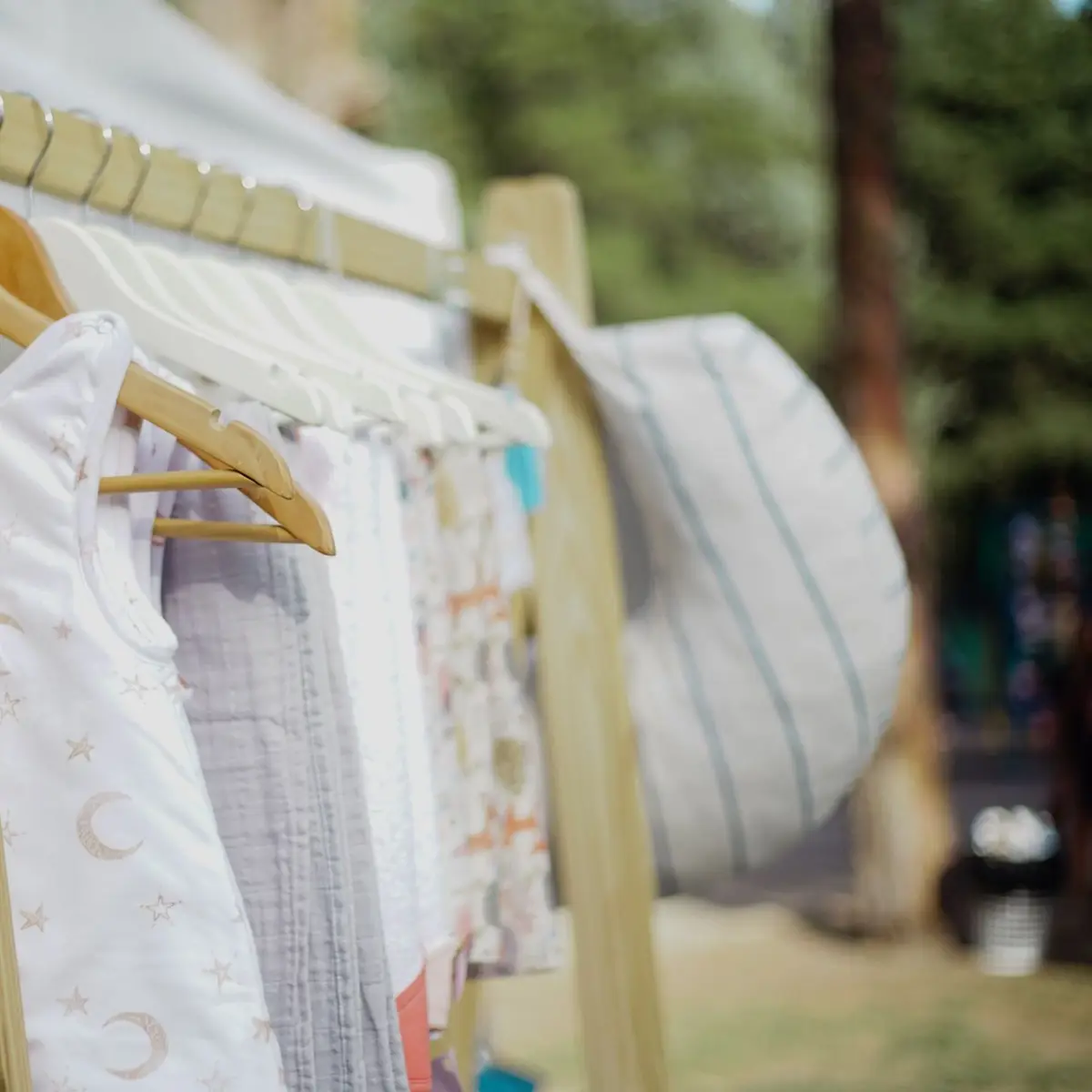
A wearable blanket or sleep sack keeps your baby warm without putting a loose blanket in the sleep space. Store them folded flat, and keep a spare, since a leak at night means changing everything at once.
Dress your baby for the room’s temperature rather than piling on layers. Sort sleepwear by weight, light cotton in one row and warmer fleece in another, so you can pick the right one quickly.
Set out tonight’s sleeper and sleep sack in the evening, folded together on top of the drawer. At bedtime, everything is ready in one grab.
When your baby moves up a size, swap out the whole sleep set at once.
8. Pair outfits into sets
Matching a top with pants every morning takes longer than it should, especially half asleep. Pairing outfits ahead of time turns getting dressed into one grab.
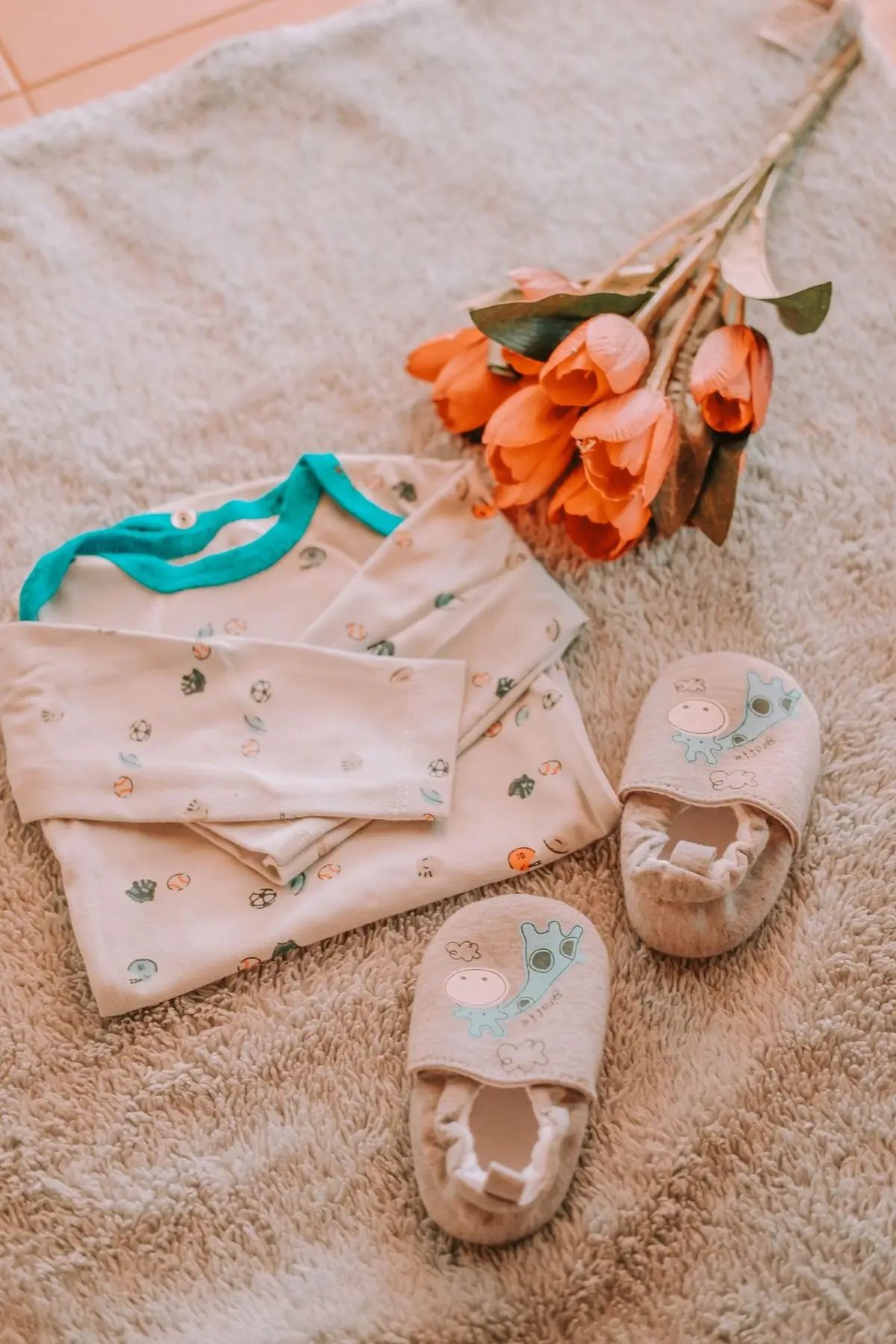
Fold the top around the bottoms into one bundle, or tuck the pants inside the shirt. On hangers, hang the bottoms on the clip or bar and the top over them.
Add small extras to the set as you go, like the matching socks or a headband, so the whole outfit lives in one bundle.
Sets help anyone who dresses your baby. Partners, grandparents and sitters can pick any bundle from the drawer, and the outfit comes out matched without a second thought.
Keep a few mix-and-match basics, like plain bodysuits and solid pants, outside the sets. They cover the days when a top gets messy and the pants are still clean.
Rebuild the sets when you fold the laundry. It takes a minute while the clothes are already in your hands.
9. Keep the next size waiting in a labeled box
Babies often jump a size overnight. A box of the next size, washed or ready to wash, means the change happens in minutes instead of a rushed trip to the store.
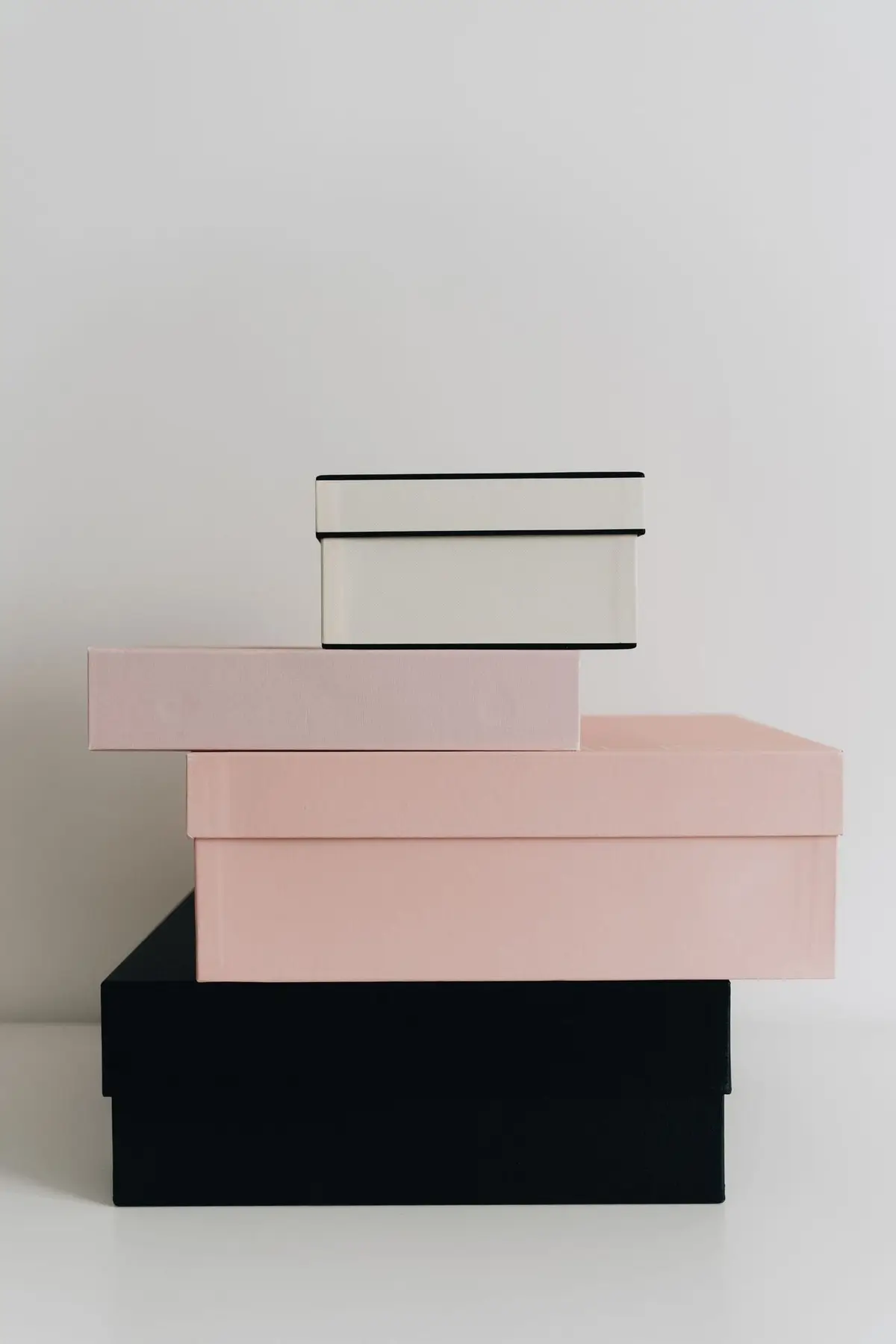
Use one lidded box per size, labeled on the front with the size and the season. Keep the box for the very next size close by, like on a closet shelf, and store bigger sizes farther away.
Every gift or hand-me-down that’s too big goes straight into its size box. You’ll know exactly what you already have before you buy anything new.
Take a look inside each time the current drawer starts to feel tight. Pull out the basics you’ll need first, like bodysuits and sleepers, and wash them so they’re ready.
Tape a short list of what’s missing to the lid. When you’re out shopping, you’ll buy only what fills a real gap.
10. Keep an outgrown bin open at all times
The fastest way to clear clothes that don’t fit is to make putting them away effortless. An open bin or basket in the closet or by the dresser catches every piece the moment it’s too small.
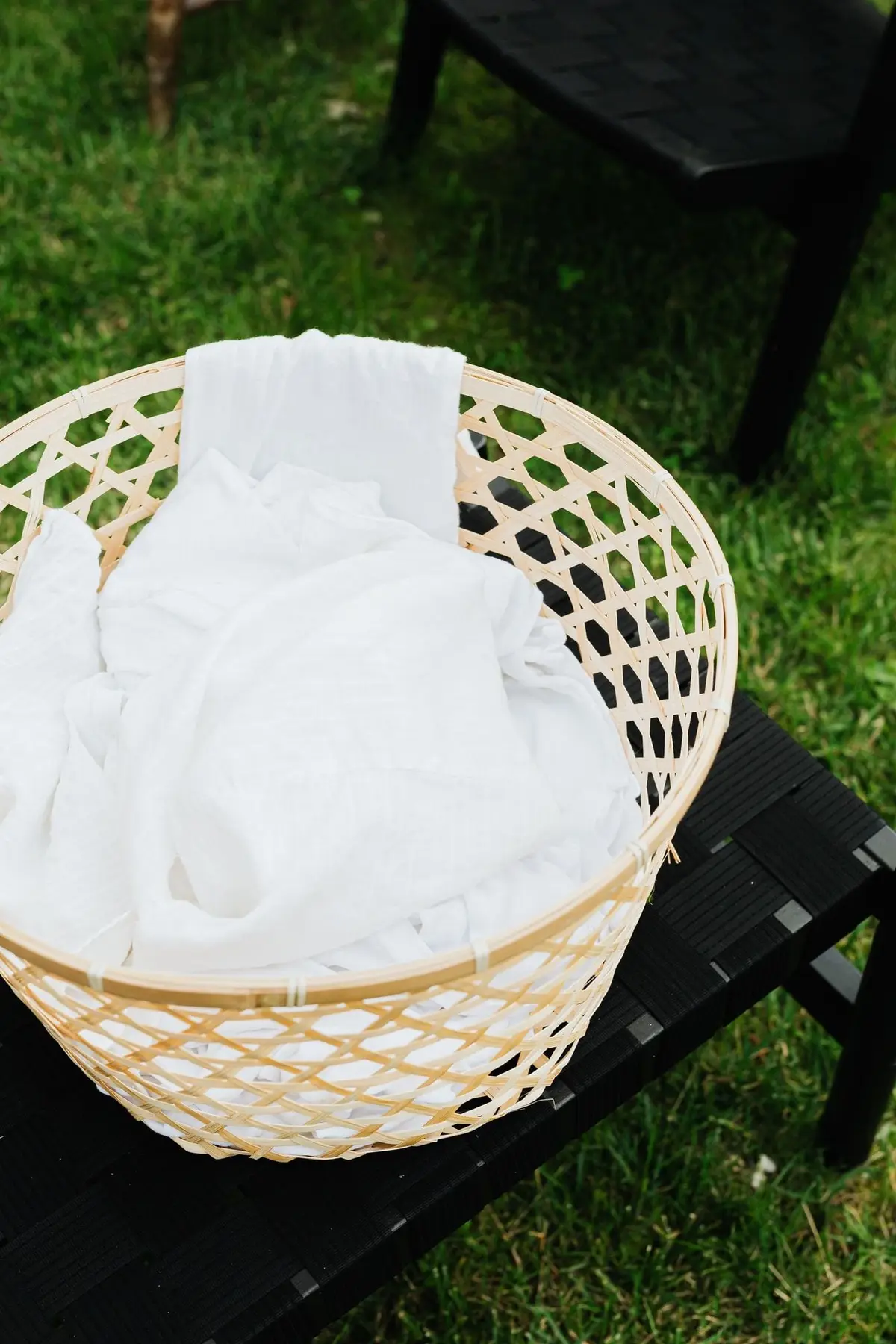
Skip the lid on this one. If you have to open something, a snug bodysuit goes back in the drawer instead, and you’ll wrestle with it again next week.
Make the rule simple for everyone: if it’s tight when you put it on, it goes in the bin when it comes off. Nobody needs to decide whether it might fit for one more week.
Keep a second, smaller bag nearby for stained or torn pieces, so they don’t get mixed in with clothes worth saving.
When the bin is full, sort it right away using the next idea. A full bin that sits for months turns into a second closet nobody can use.
11. Sort outgrown clothes into keep, pass on, donate and toss
Outgrown clothes go one of four ways. Sorting them into four boxes at once keeps the decisions quick and stops the pile from coming back.

Keep the pieces you’ll use for a younger sibling and a small handful of keepsakes. Pass on clothes to friends or family who have a baby on the way, and donate the rest that’s clean and in good shape.
Toss or recycle anything with set-in stains, holes, stretched elastic or broken snaps. Worn cotton pieces make good cleaning rags.
Give the keep box a limit before you start, like one box per size. The limit makes you choose favorites instead of saving everything.
The declutter checklist walks through the same keep or let go questions for the rest of the house.
Drop the donate box in the car right away. Clothes that wait by the door have a way of drifting back into the closet.
12. Store clothes for a younger sibling clean and sealed
Clothes saved for a future baby can come out of storage stained, musty or eaten by moths. A little care before they go away keeps them ready to wear.
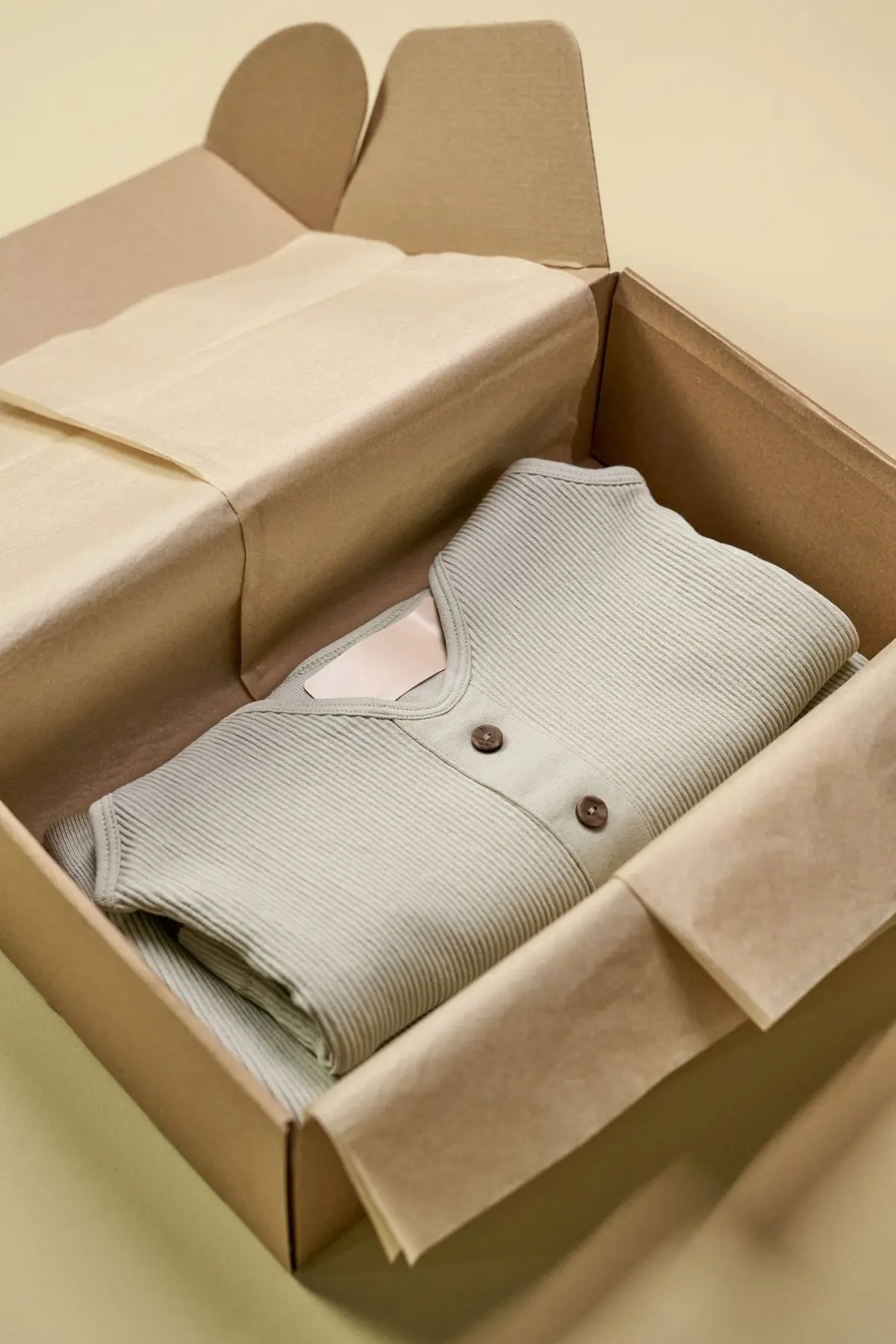
Wash everything before storing it, since soiled fabric mildews more easily than clean fabric. Dry each piece completely, and skip starch, which can feed mold.
Pack the clean clothes in airtight containers, especially anything made of wool. Clothes moths feed on wool and other animal fibers, and a sealed container keeps them out.
Label each container with the size and the season on the end that faces out. Keep a list of what’s inside taped to the lid, so you can find a snowsuit without opening every box.
Store the containers in a dry spot inside the house, like a closet shelf or under a bed. Damp, warm places with little air flow, such as some basements, are where mildew grows.
13. Make baby clothes fit a small space
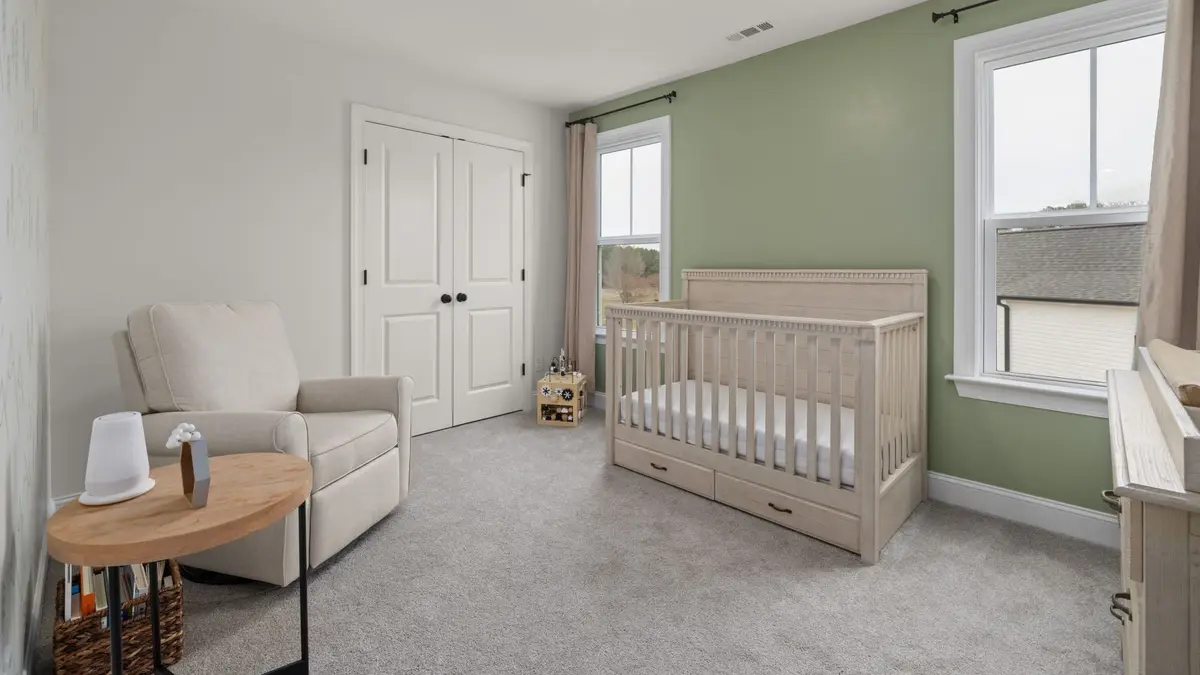
A shared room, a small apartment or a nursery with no closet can still hold a baby’s wardrobe. The trick is keeping only one size in the room and using every vertical inch.
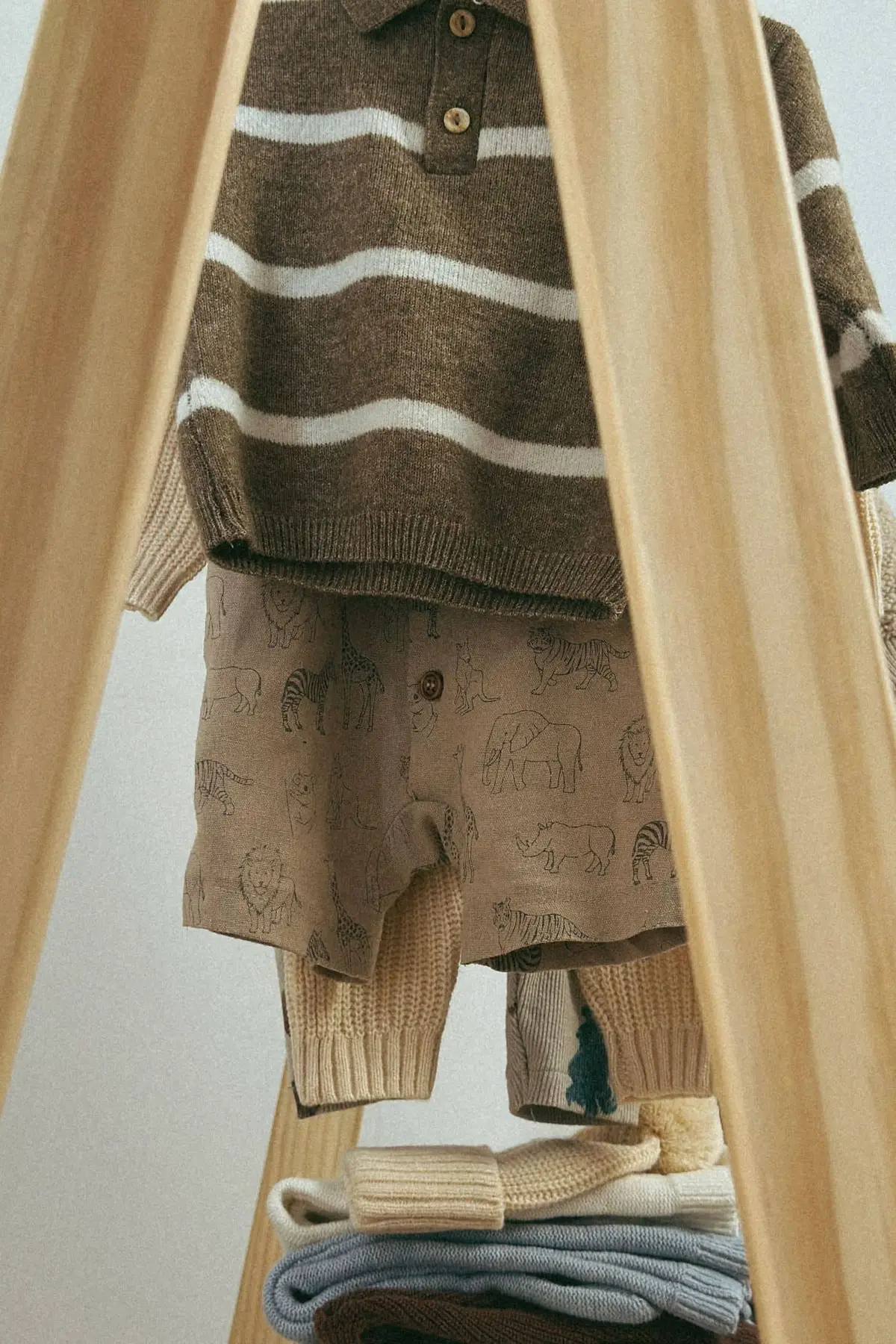
A small freestanding rack holds dresses and jackets, and a shelf at its base takes folded basics or a row of bins. It fits in a corner where a dresser won’t.
Use the back of a door for an over-the-door organizer with pockets for socks, bibs and hats. Flat bins slide under the bed or into a crib’s built-in drawer for spare sleepers.
Store the next sizes outside the room, in a hall closet or high on a shelf in your own room. Only the clothes that fit now stay where space is tightest.
These small nursery closet organization ideas show how to fit a whole baby wardrobe into a tiny closet.
Edit often in a small space. One full bin in a tight room feels like clutter, so empty the outgrown bin as soon as it fills.
Save this for later
Pin it to a board so it's there when you're ready to start.
Save to Pinterest(opens in a new tab)Make it easier
Free printable
A room-by-room declutter checklist that tells you exactly what to look for, with four piles to sort into so nothing ends up back on the shelf.
Free tool
Enter the width, depth and height of a shelf, a drawer or a cube cubby, and see which standard bins and baskets fit, how many, and how they line up.
Frequently asked questions
How do I organize baby clothes by size?
Sort every piece into piles by the size on its label, then check doubtful ones by holding them against something that fits now. Keep only the current size in the dresser and closet, with each size labeled, and box the rest by size.
Should I wash all the baby clothes before the baby arrives?
Wash only the smallest size or two, plus a few pieces in the next size up. Leave bigger sizes and duplicate gifts unwashed with their tags on, so you can still exchange what doesn't fit your baby or your season.
How do I store baby clothes for a future baby?
Wash and dry everything completely, set aside anything stained or worn, and pack the rest in airtight containers labeled with the size and season. Store the containers in a dry spot inside the house, not in a damp basement or garage.
How can I organize baby clothes without a dresser?
Use bins on a closet shelf or a bookcase, a slim rolling cart, a small clothes rack or an over-the-door organizer. Keep only one size in the room at a time and store the next sizes somewhere else in the house.