11 Small Nursery Closet Organization Ideas That Squeeze In a Whole Baby Wardrobe
Fit a baby wardrobe into a tiny closet or a room with none: one size at a time, thin hangers, a rod doubler, stacked bins, door pockets and a slim rack.


Small nursery closet organization starts with one rule: only the clothes that fit your baby now live in the closet. Thin hangers, a rod doubler, stacked bins on the shelf and pockets on the door make the most of the little space that’s left, and the next sizes wait somewhere else in the house.
These 11 ideas suit a tight reach-in closet, a tiny closet in a small bedroom and a nursery with no closet at all. For a full-size closet with room for every zone, the nursery closet organization ideas plan it from the rod to the door.
1. Keep only this size in the closet
A small closet can’t hold three sizes at once, and it doesn’t need to. Hang and shelve only what fits your baby today, plus a few pieces in the next size for a sudden growth spurt.
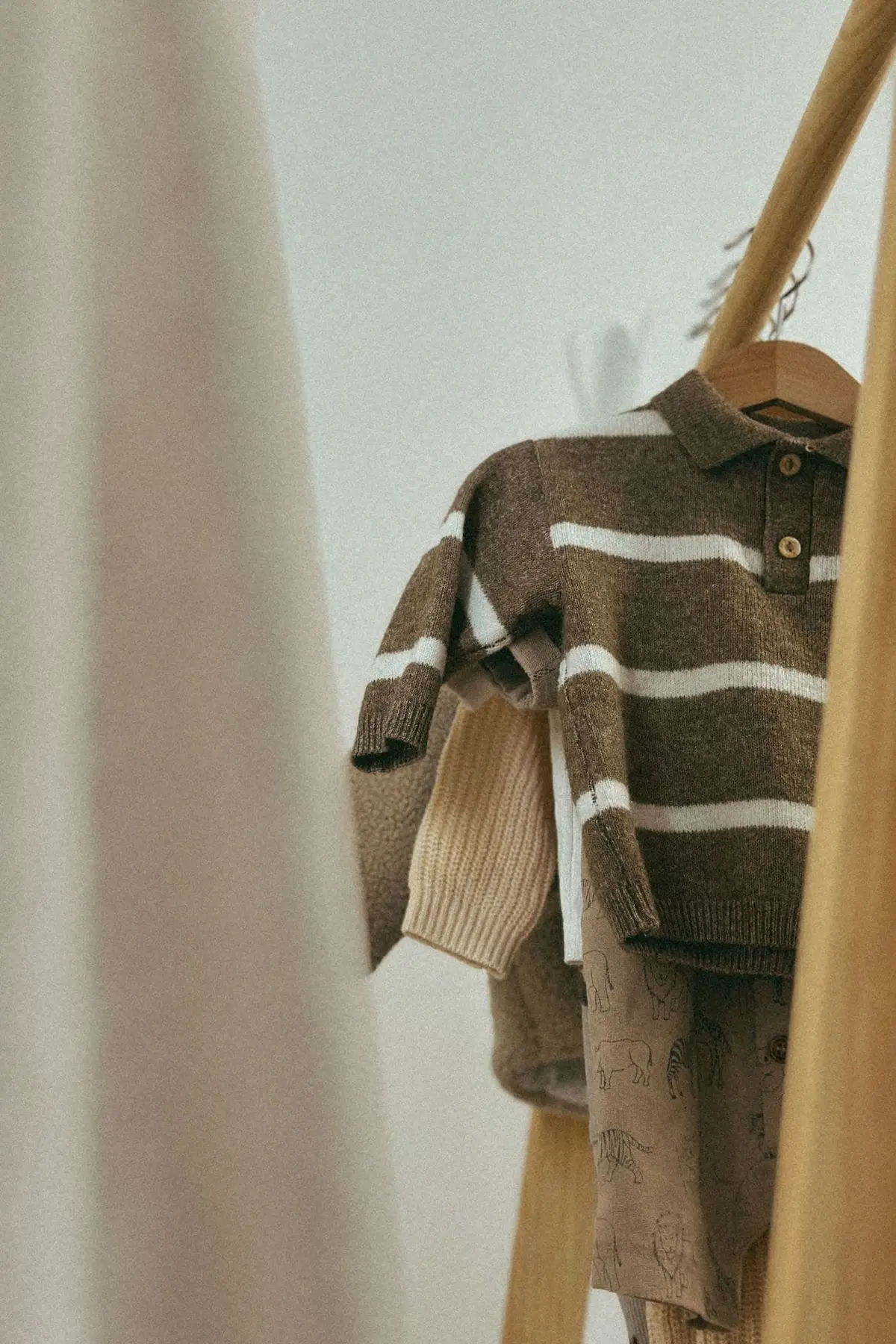
Everything else moves out: newborn clothes that already feel snug, the stack of gifts in bigger sizes and outfits saved for an occasion months away. Each goes to the box or the room where it waits its turn.
Count how many outfits you actually go through between laundry days, then keep about that many plus a small buffer. A tiny closet fills with extras long before it fills with the basics.
Go through the closet each time your baby moves up a size. The declutter checklist walks through the keep or let go questions for anything you’re unsure about.
This one rule frees more room than any organizer you can buy, so start here before you measure for anything new.
2. Swap bulky hangers for thin ones
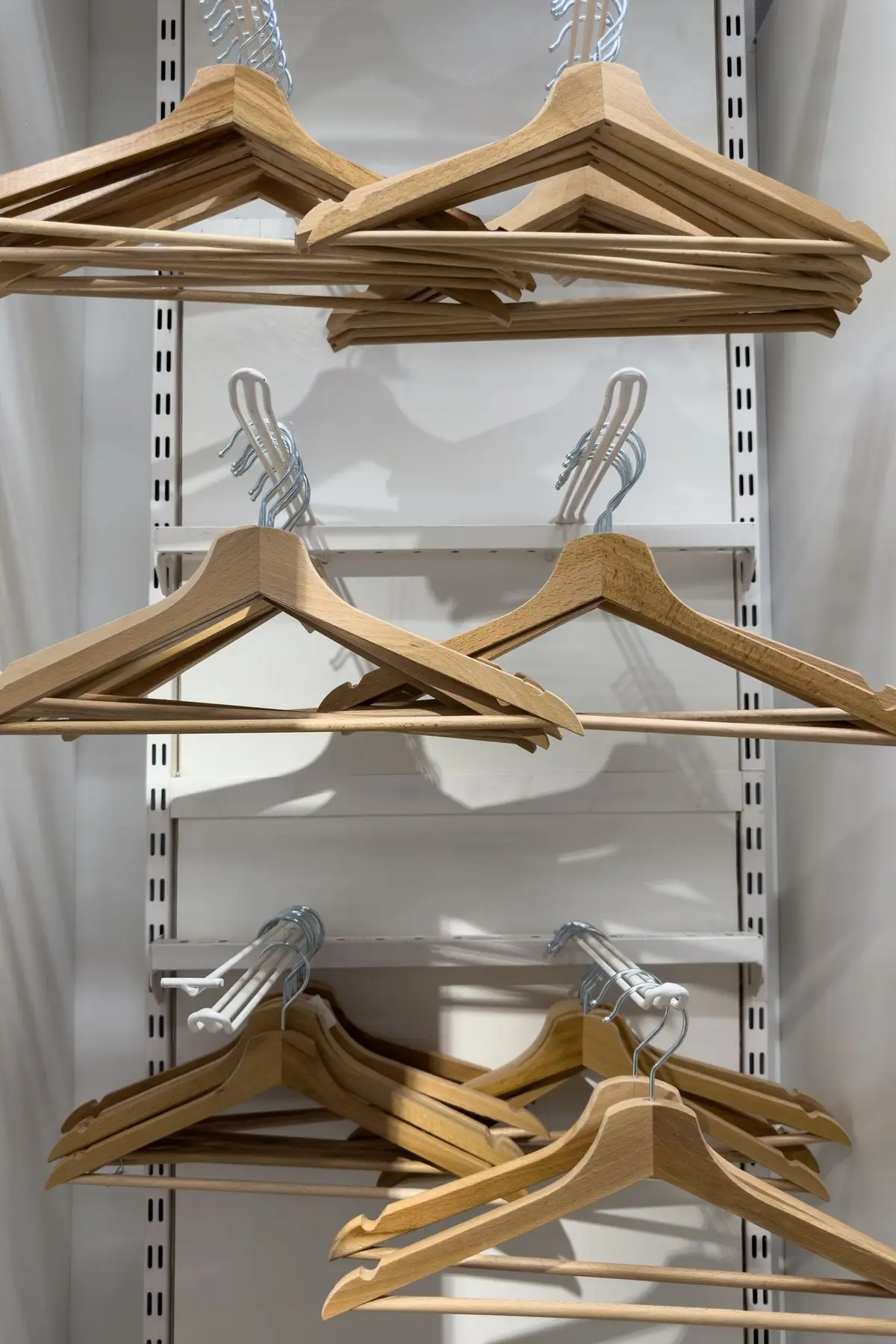
Wood and chunky plastic hangers take up a lot of rod in a closet that’s only a few feet wide. Thin hangers with a velvet or felt finish hang close together and leave room for more outfits.
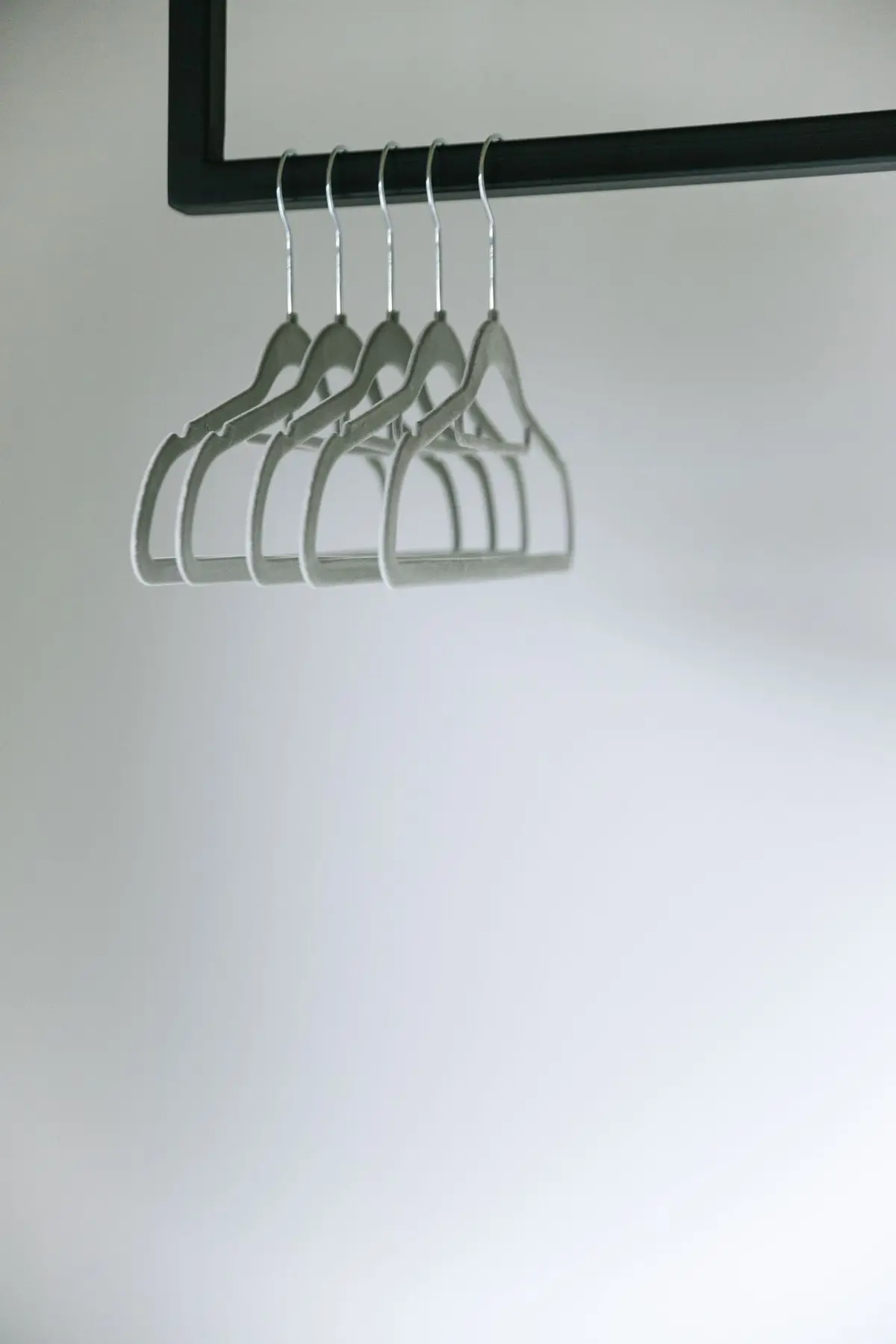
Look for infant-size versions, so little necklines don’t stretch over a hanger built for adult shoulders. The soft finish grips light fabrics, so sleepers stay put when the door swings.
Use the same style for everything on the rod, from bodysuits to the one dressy outfit. Matching hooks nest neatly, and nothing hangs crooked or at a different height.
Hang outfits as sets where you can, with a top and pants on one hanger or a romper with its matching hat clipped to it. One hanger per outfit means fewer hangers overall.
Keep spare hangers together on a single hook at the end of the rod, not mixed in with the clothes. They’re easy to find on laundry day and don’t eat rod space in between.
3. Add a rod doubler under the main rod
A rod doubler hooks over the existing rod and hangs a second bar below it, with no drilling. Baby clothes are short, so one row of hanging space becomes two.
Choose an adjustable doubler, so you can set the lower bar just below the hems of the row above. Check the weight limit on the package and keep any heavy jackets on the main rod.
Put everyday outfits on the lower bar, where they’re easy to reach while you hold your baby. The top row takes jackets, dressy clothes and the few next-size pieces you keep on hand.
In a narrow closet, a doubler on one half of the rod leaves the other half free for a stack of bins on the floor. You get two short rows and one tall column in the same width.
Because it simply hangs in place, a doubler suits a rental. It also comes down in seconds once your child needs longer hanging space.
4. Stack bins and add shelf risers
A tall shelf with one short pile on it wastes most of its height. Shelf risers and stackable bins split that height into layers you can actually use.
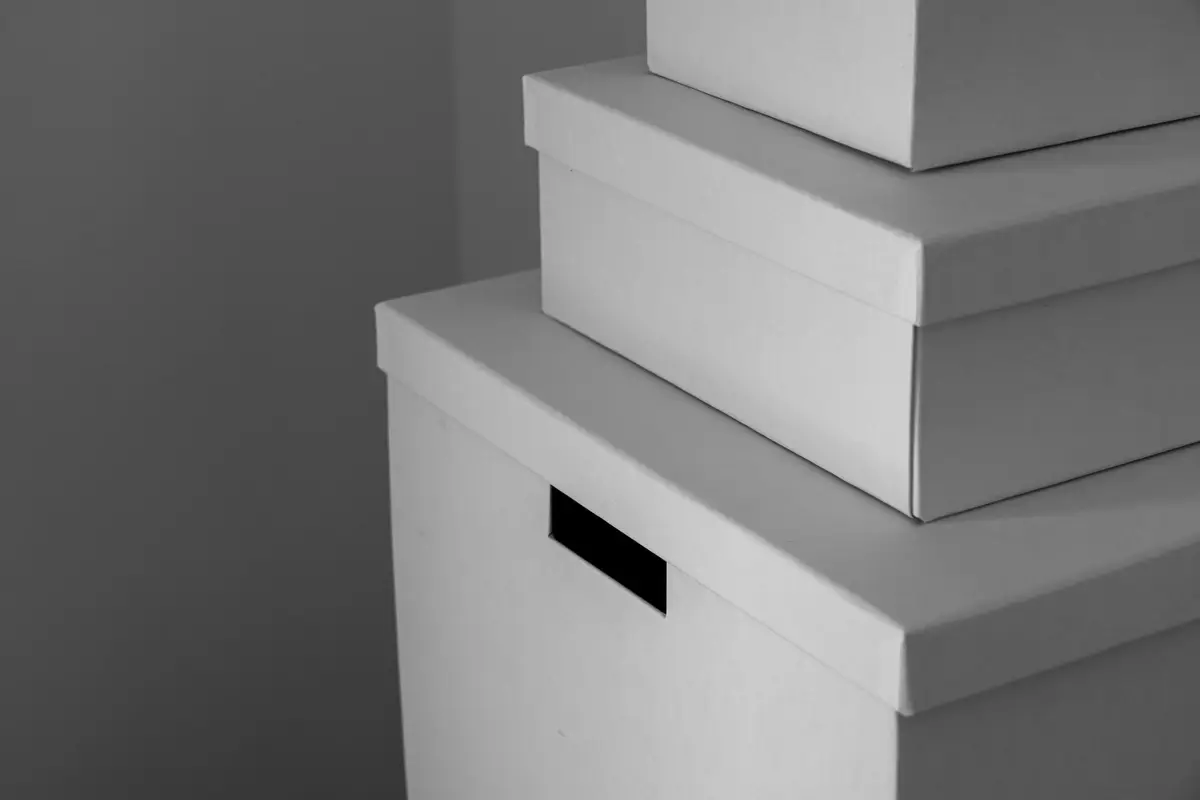
A wire or wood riser adds a second level on the shelf: wipes and cream on the bottom level, diaper backstock on the top. Stackable bins with an open front let you pull from the lower bin without lifting the top one off.
Measure the shelf depth and the clearance between shelves before you buy. The bin size calculator shows which bin sizes fit side by side, so no corner goes to waste.
Label every bin on the front with a word or a simple picture. In a small closet you can’t see past the first layer, so the labels do the looking for you.
Put the heaviest bins on the bottom layer and the light ones on top. A stack that’s heavy at the top is more likely to slide when you pull out the bin underneath.
5. Put pockets or a basket on the back of the door
In a closet with no room to spare, the door is the biggest flat surface you have. An over-the-door pocket organizer holds the small things that would otherwise need a drawer: socks, bibs, burp cloths, sun hats and teething toys.
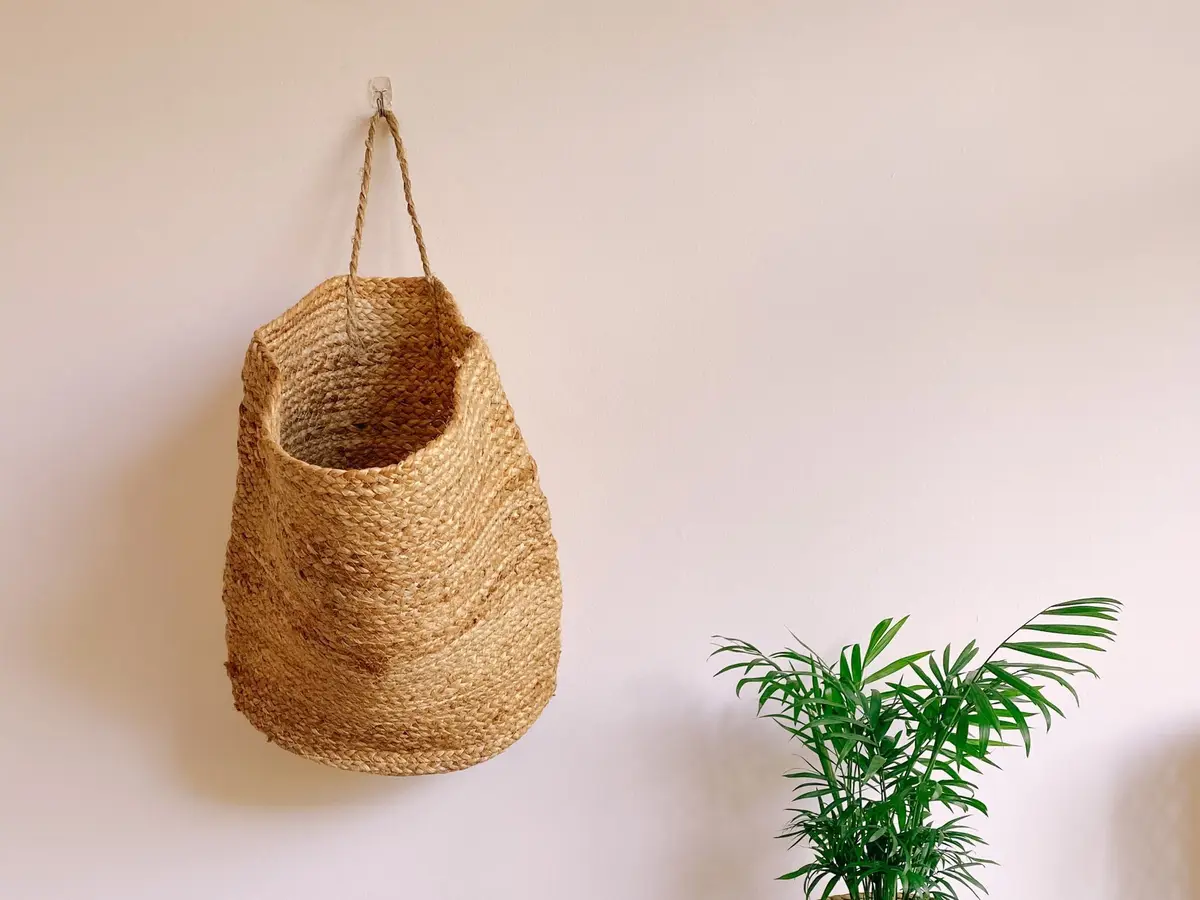
Clear pockets show the contents at a glance, while fabric ones hide a mix of colors. If the door can’t take a full organizer, a woven basket on a sturdy door hook holds a handful of burp cloths.
Keep the lowest pockets empty, or filled only with large, soft things, once your baby can crawl. Anything small enough to swallow belongs in the top rows, well out of reach.
Make sure the door still shuts fully with the pockets loaded. If the pockets push into the hanging clothes, a thinner organizer or a single row of hooks does the same job.
Sort the pockets by how often you use them, with daily things at eye level. That puts the most used items where your hand goes first.
6. Use the narrow side walls for hooks
The side walls of a reach-in closet are usually bare, and they’re just deep enough for a column of small hooks. In a tiny closet, that strip of wall is real storage.
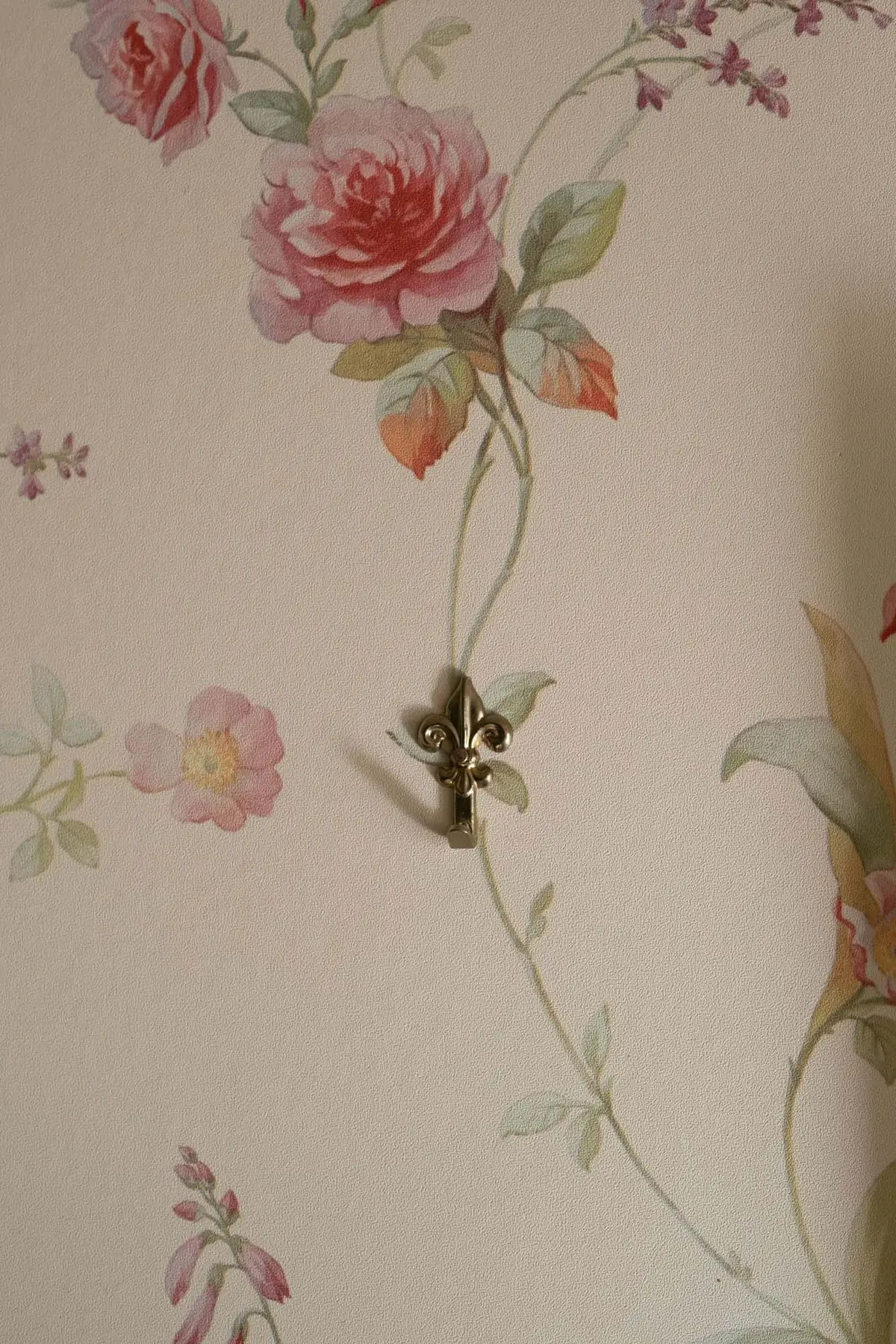
Use the hooks for tomorrow’s outfit on its hanger, the sleep sack in rotation, a hooded towel or the baby carrier. Everything on a hook is one less thing crowding a shelf.
Adhesive hooks hold light things, while hooks screwed into a stud can take a packed diaper bag. Space them so a hanging bag doesn’t block the clothes on the rod.
Mount them high enough that a crawling baby can’t grab what hangs there, and tuck straps over the hook instead of letting them hang. Anything with a long strap or cord belongs out of reach.
If the closet has no side walls worth using, a short peg rail on the nursery wall right next to the closet does the same job and looks tidy even with the door open.
7. Slide a narrow drawer unit under the clothes
Short baby clothes leave open floor space under the rod, and a narrow chest of drawers fits there neatly. It gives a closet without shelves the drawer space of a small dresser.
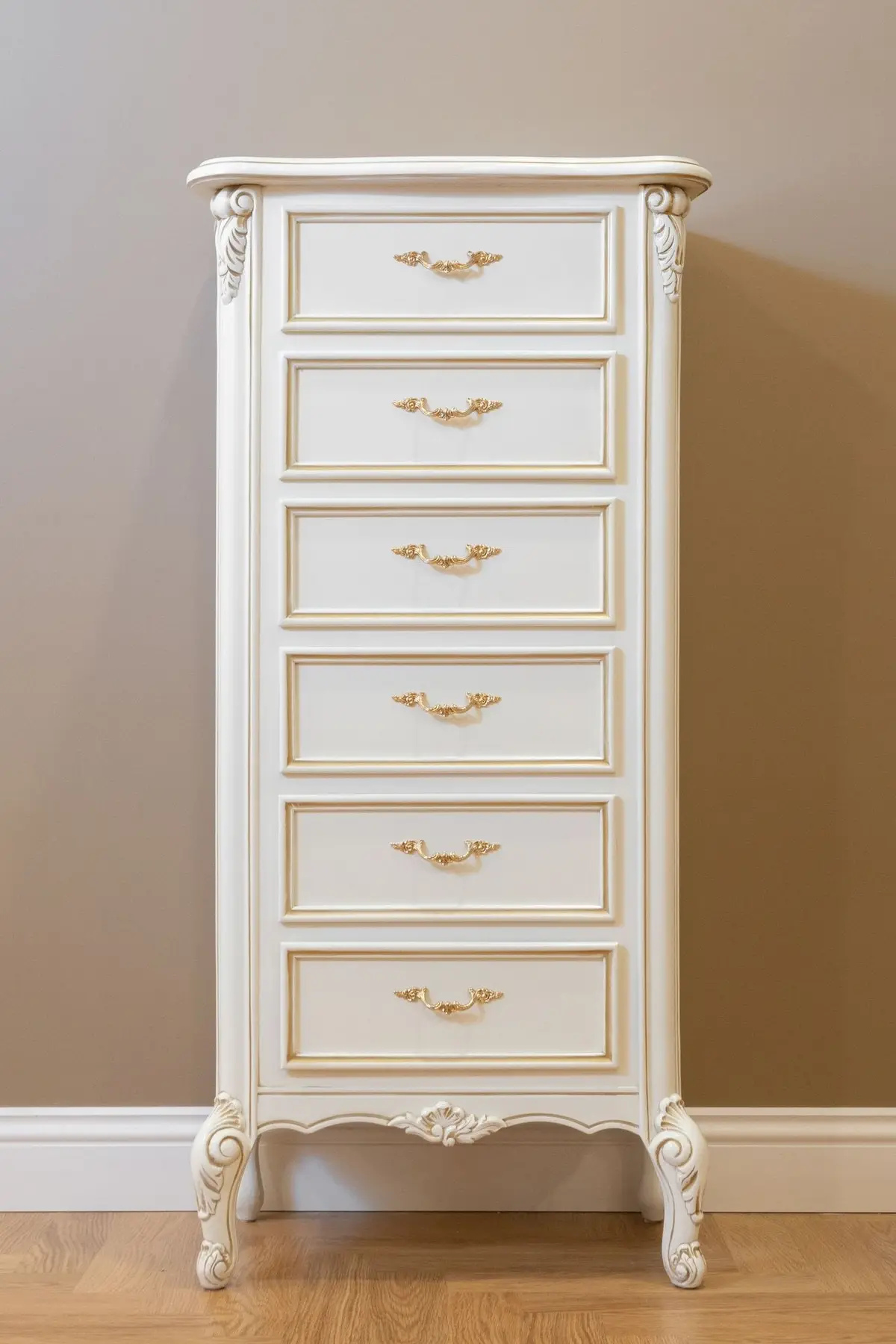
Measure the width between the door frame and the side wall, and the height under the lowest hems. A tall, slim unit with small drawers suits socks, bodysuits and pajamas.
Anchor it to the wall, even if it feels steady. Furniture with drawers can tip over, and a child who climbs the drawers can pull it down.
Use the anchor kit that came with the unit or a universal one: a bracket on the wall, a bracket on the furniture and a strap pulled tight between them. Give the strap a firm tug to check it.
Fill the bottom drawers with the heaviest things, so the weight sits low. If the unit stands in the doorway, check that the closet door still closes over it.
8. Take off the doors or hang a curtain
Bifold and swinging doors can take up a lot of space in a small nursery, both in the opening and in the room where they swing. Taking them off opens the whole width of the closet.
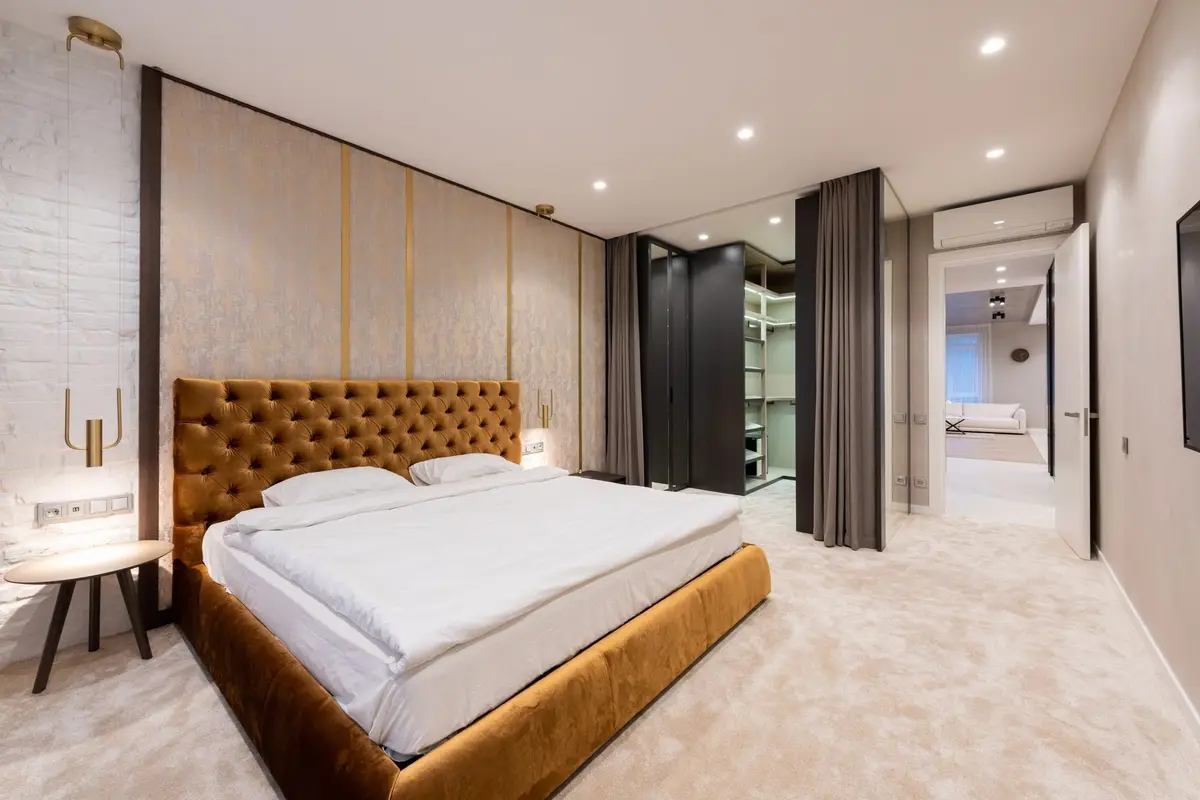
A curtain on a tension rod or a ceiling track hides the clothes when you want a calmer look. It slides aside in one move, even with a baby in your arms.
Choose a curtain with no cords, and keep tiebacks short or fastened up high. Young children have strangled on window covering cords, so treat curtain cords the same way.
Store the removed doors flat in a garage or a basement so you can put them back later. Keep the hinges and screws in a labeled bag taped to one of the doors.
An open closet shows everything inside, so keep the hangers matched and the bins labeled. Neat rows look calm even without a door to close.
9. Use the space above the rod with a step stool
The shelf above the rod is often the only shelf in a small closet. Fill it with labeled bins of light things you need only now and then: spare crib sheets, the keepsake box and clothes for the next season.
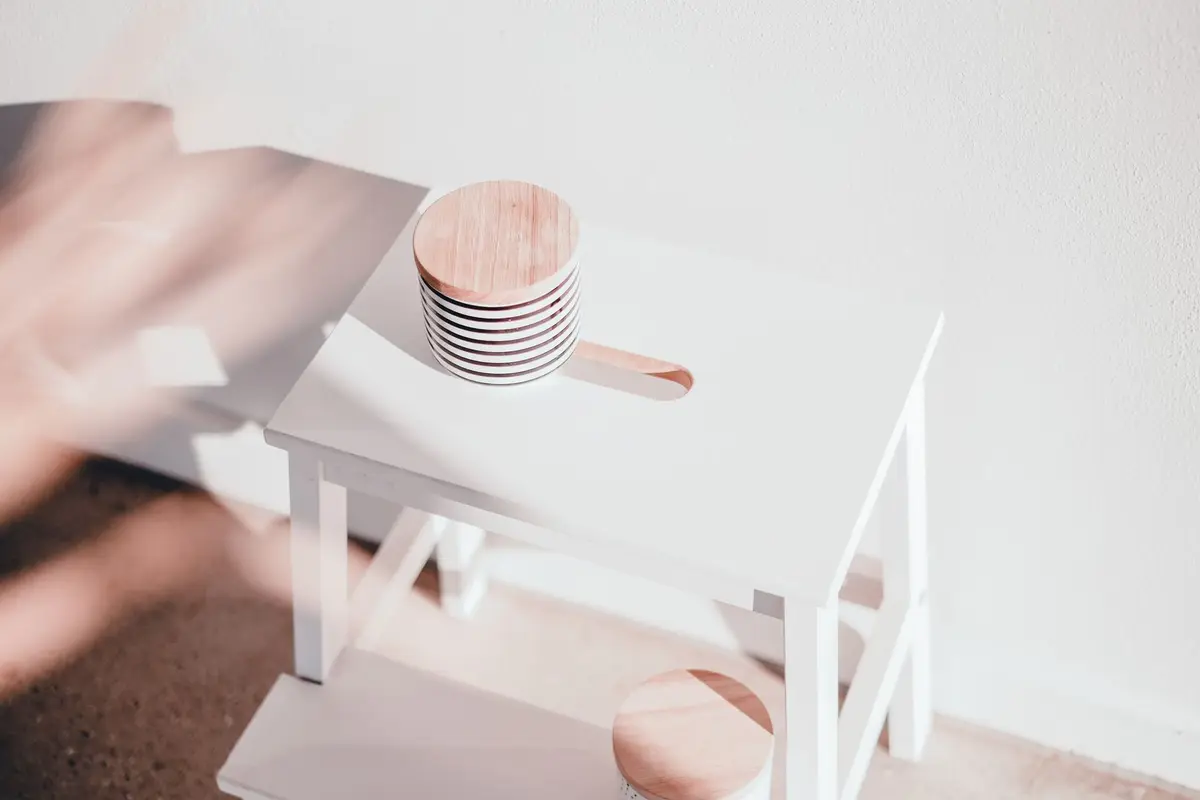
Bins with a handle on the front come down easily without tipping. Write the contents on the end that faces you, so you can read it from the floor.
Reach it from a sturdy step stool that has a bar to hold, never from a chair. A slim folding stool hangs flat on a hook when it’s not in use.
Keep the things you use often on lower shelves, about waist high, and save the top for what can wait. Heavy boxes, like extra diapers, belong on the floor, never overhead.
Set your baby down somewhere safe before you climb. With a baby on your hip, you have no free hand for the stool’s bar.
10. Store the next sizes outside the nursery
In a small nursery, the next sizes and the outgrown clothes need a home somewhere else. A high shelf in a hall closet, a bin in a guest room closet or a box under your own bed all work.
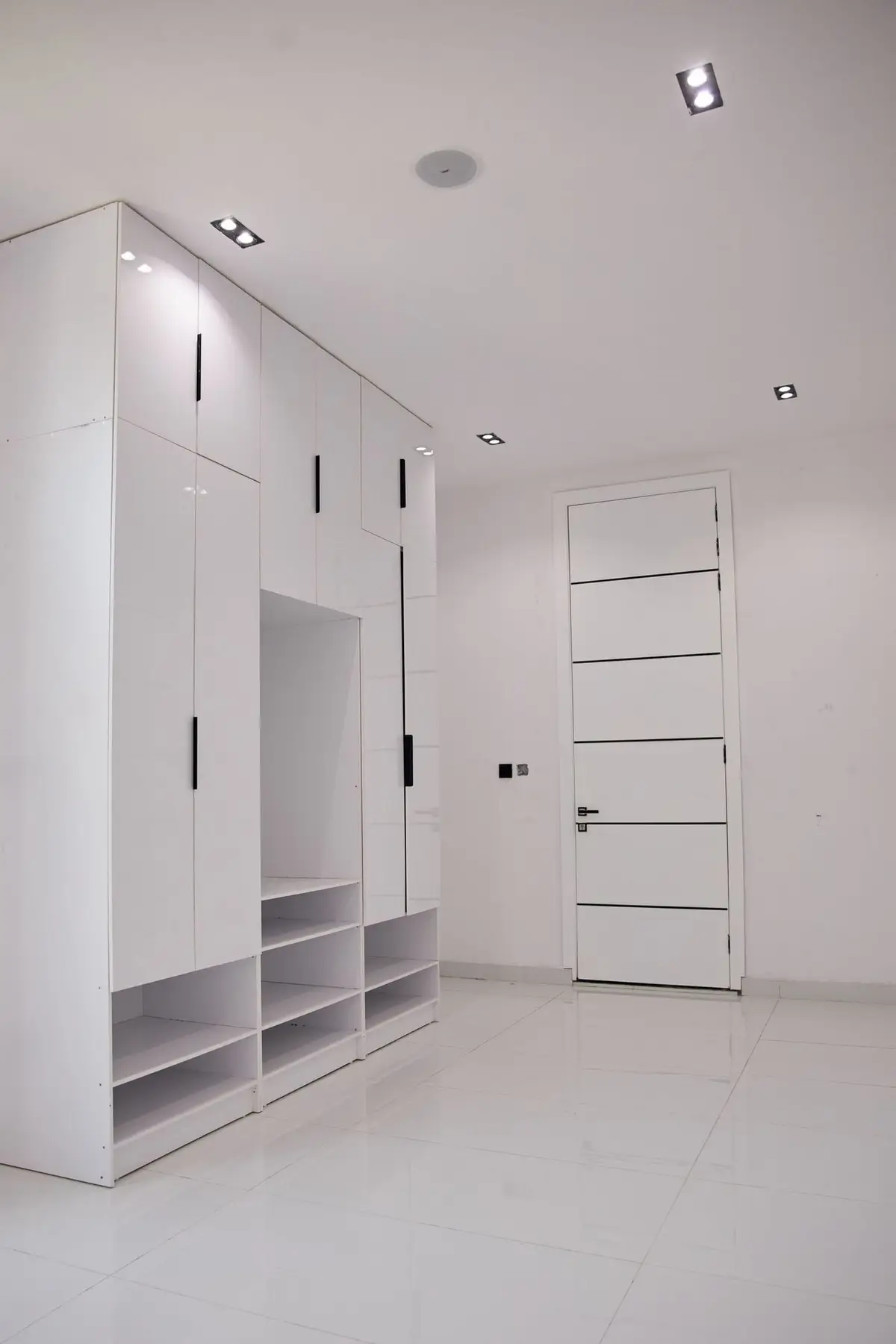
Leave the crib out of the plan. Keep it bare and keep bins out from under it too, so nothing drifts into the space where your baby sleeps.
Pack each size in its own bin, labeled with the size and the season. Wash and fully dry every piece before it’s packed, because damp or soiled fabric invites mildew.
Wool sweaters and knit blankets go in airtight bins, which keeps clothes moths away.
Keep a list of where each size is stored, on your phone or taped inside the nursery closet door. When a growth spurt hits, you’ll know exactly which box to grab.
Swap the bins when your baby moves up a size: the outgrown clothes go out, and the next size comes in. The baby clothes organization guide covers sorting and storing the clothes themselves.
11. No closet? Use a freestanding rack
A nursery with no closet at all can still hold a baby wardrobe. A slim freestanding clothes rack with a shelf below does the work of a closet in one corner of the room.
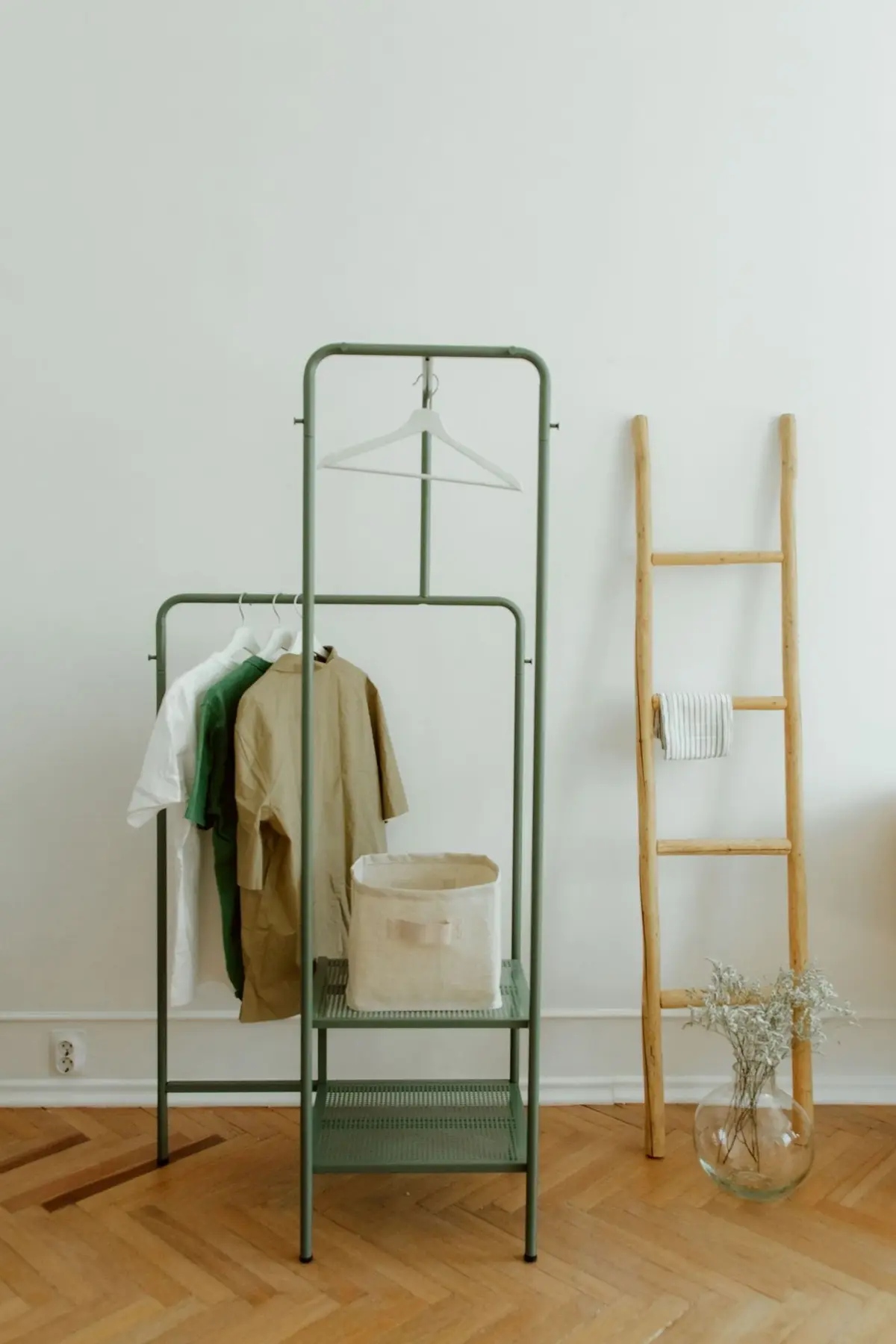
Look for a rack with two rods at different heights, or a single low rod and a shelf for bins. A small rack fits beside the dresser and keeps the clothes where you dress your baby.
Choose a sturdy base that doesn’t wobble, and keep the rack away from the crib. A tall rack with shelves can tip like a bookcase, so secure it to the wall if it isn’t steady on its own.
Pair it with a lidded basket for socks and small things and a couple of wall hooks for the diaper bag. Keep only one size on the rack, since open storage looks cluttered fast.
For storage beyond the clothes, these baby organization ideas cover the rest of your baby’s gear in a home without much space.
Save this for later
Pin it to a board so it's there when you're ready to start.
Save to Pinterest(opens in a new tab)Make it easier
Free printable
A room-by-room declutter checklist that tells you exactly what to look for, with four piles to sort into so nothing ends up back on the shelf.
Free tool
Enter the width, depth and height of a shelf, a drawer or a cube cubby, and see which standard bins and baskets fit, how many, and how they line up.
Frequently asked questions
How do you organize a small nursery closet?
Keep only the size your baby wears now inside it and store the other sizes elsewhere. Then use thin hangers, a rod doubler for short clothes, stackable bins on the shelf and pockets or hooks on the door and side walls.
How do I organize a nursery with no closet?
Use a slim freestanding clothes rack with a shelf for bins, a dresser for folded clothes and wall hooks for the diaper bag. Choose a sturdy rack, keep it away from the crib and secure anything that could tip to the wall.
Where should I store baby clothes that don't fit yet?
Pack them by size in labeled bins and store them outside the nursery, on a high closet shelf, in a guest room closet or under your own bed. Keep a list of which box holds which size so you can grab the right one fast.
Can I store things under the crib?
Leave the crib out of your storage plan. A safe sleep area holds nothing but a fitted sheet on a firm mattress, and bins tucked under or around the crib make it easy for blankets, bags and toys to drift into that space.