11 Deep Closet Organization Ideas So Nothing Gets Lost at the Back
Work with a closet that's deeper than it is wide: pull-out bins on the floor, long labeled bins on the shelves, light at the back and a list on the door.

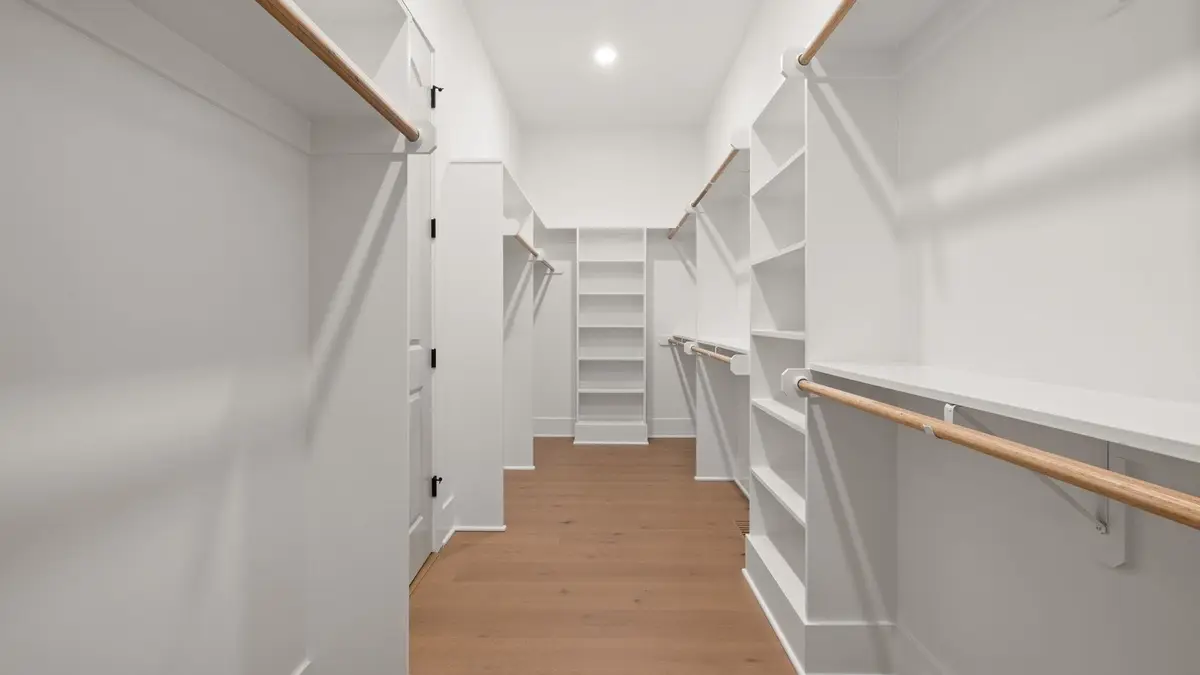
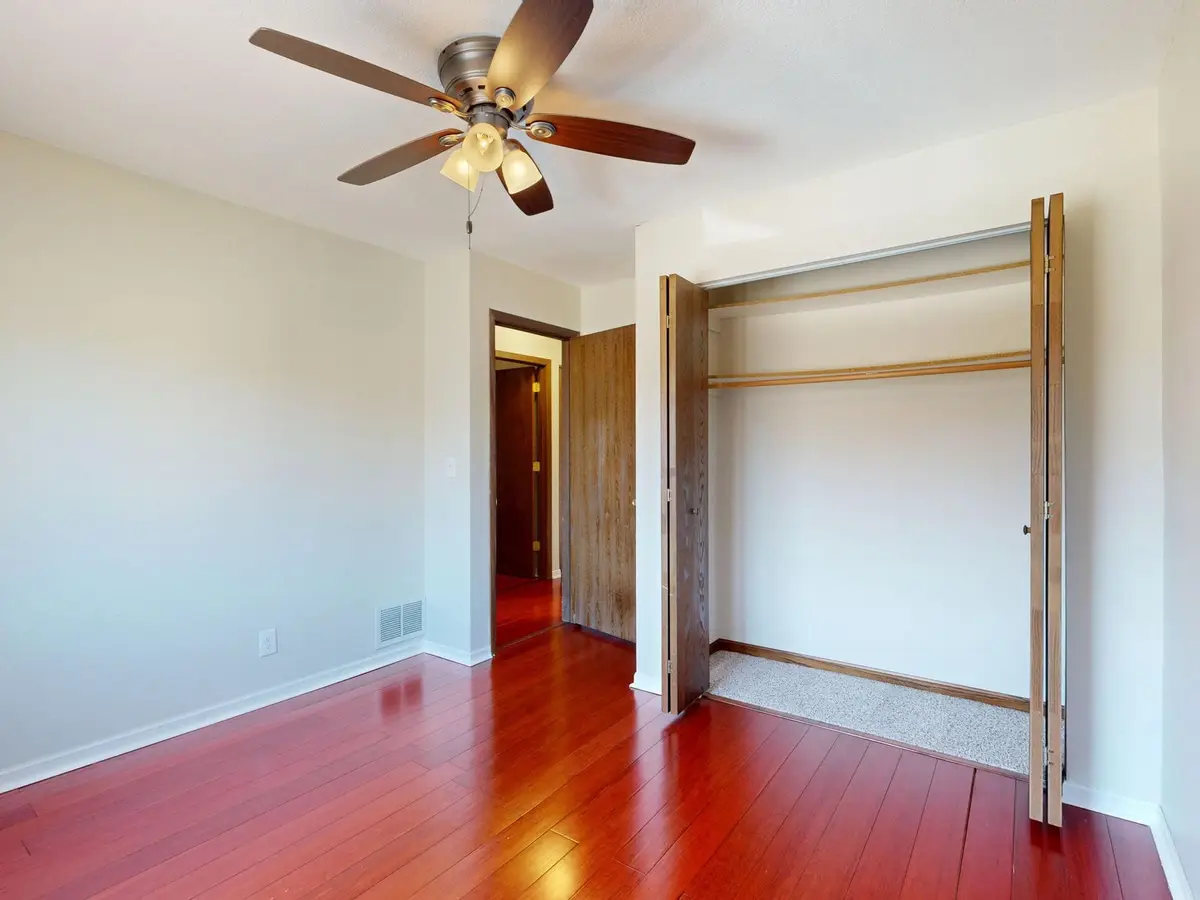
A deep closet stays organized when you treat its depth as zones: everyday things at the front, weekly things in the middle and seasonal things at the back. Then make the back easy to reach with pull-out bins, rolling carts and long bins with handles, and add a light so the far wall isn’t a dark hole.
These 11 ideas suit reach-in closets with a lot of depth, deep coat closets and closets tucked under the eaves. If your closet is wide enough to step into and turn around, these small walk-in closet organization ideas fit it better.
1. Empty it and map the depth
A deep closet hides things because nobody can see past the first row. Take everything out, all the way to the back wall, and set it on the bed or the floor where you can see it.
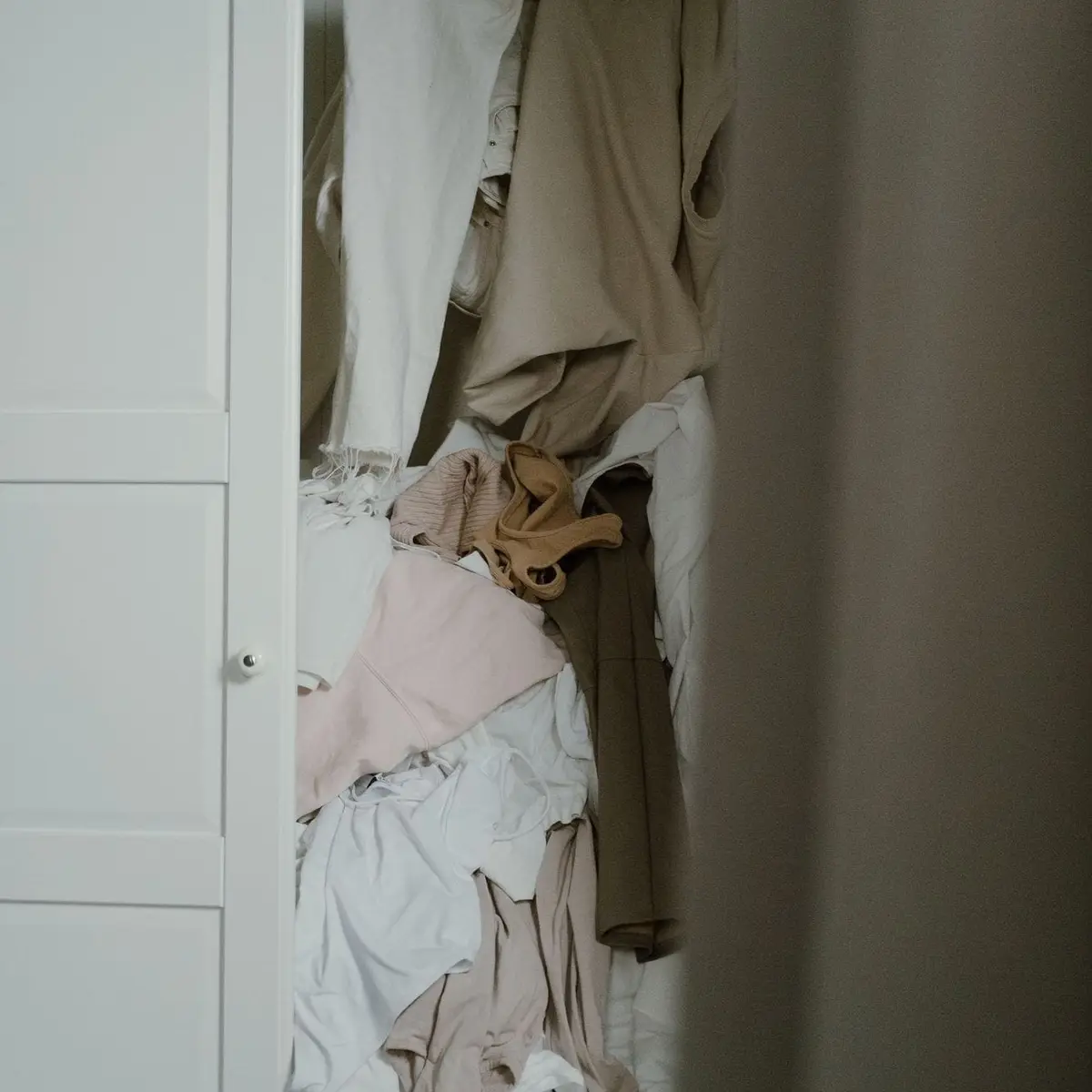
Sort as you go: keep, donate, belongs somewhere else and toss. Deep closets collect forgotten gifts, broken umbrellas and bags of hand-me-downs, so expect the donate pile to grow fast.
While the closet is empty, measure the width, the height and the depth from the door frame to the back wall. Note where the light switch, the outlet and any shelf supports sit.
Then picture the closet in three slices: the front you can reach from the doorway, the middle you can reach with one step in and the back you need to lean or step to reach. Everything you keep will go into one of those slices.
If the sorting feels like too much for one day, the declutter challenge breaks it into small daily tasks.
2. Give the front, middle and back their own jobs
Once you know the three slices, decide what lives in each one. The rule is simple: the more often you use something, the closer it sits to the door.
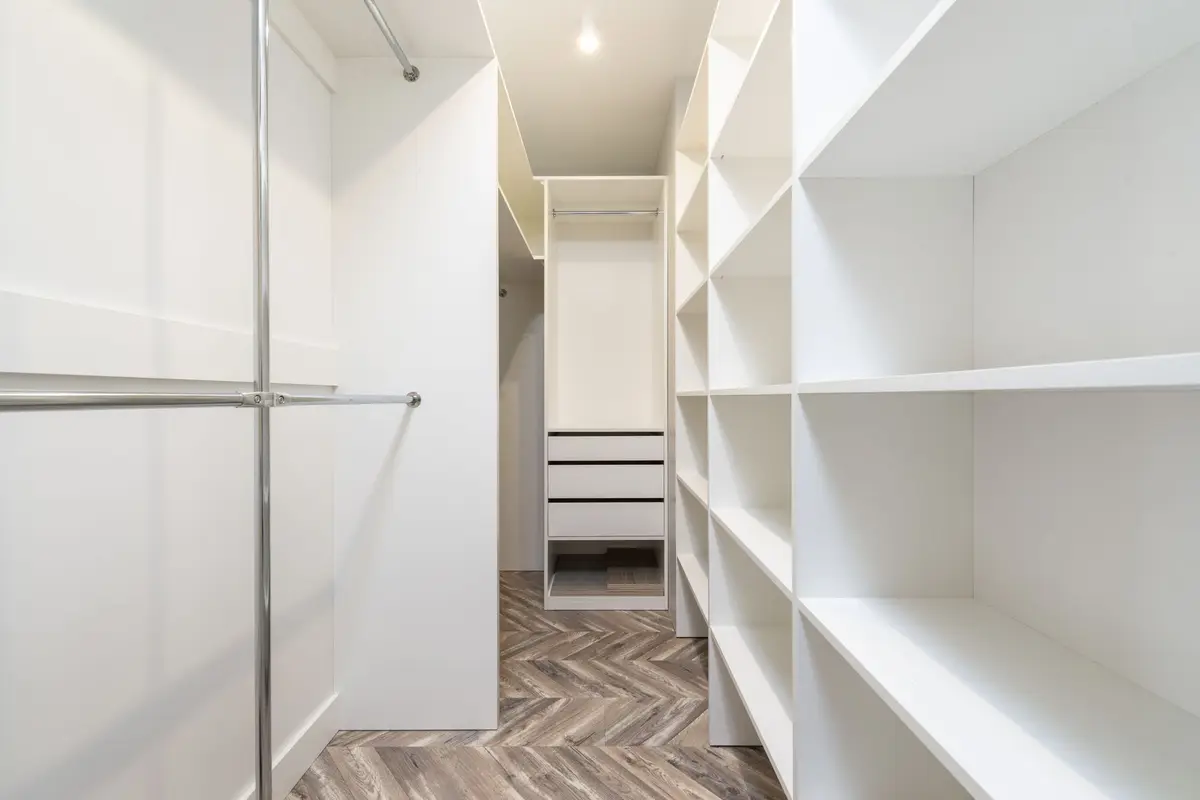
The front holds what you reach for every day: this season’s coats, the everyday bag, the vacuum or the shoes you wear most. Keep that slice uncrowded, so you can grab and go.
The middle suits weekly things: gym gear, the iron, spare towels or the folding table. The back is for things you need a few times a year, like off-season clothes, luggage, spare bedding and keepsake boxes.
Rotate the zones as the seasons change. When the weather turns, the back bins move forward and the front bins move back, so the closet keeps up with your life instead of fighting it.
Write the zones on a sticky note inside the door until the habit sticks. It helps everyone in the house put things back in the right slice.
3. Turn the rod or add a second one set back
A standard rod runs side to side near the front, which leaves a deep closet’s back half as wasted floor. There are two good ways to use that space for hanging.
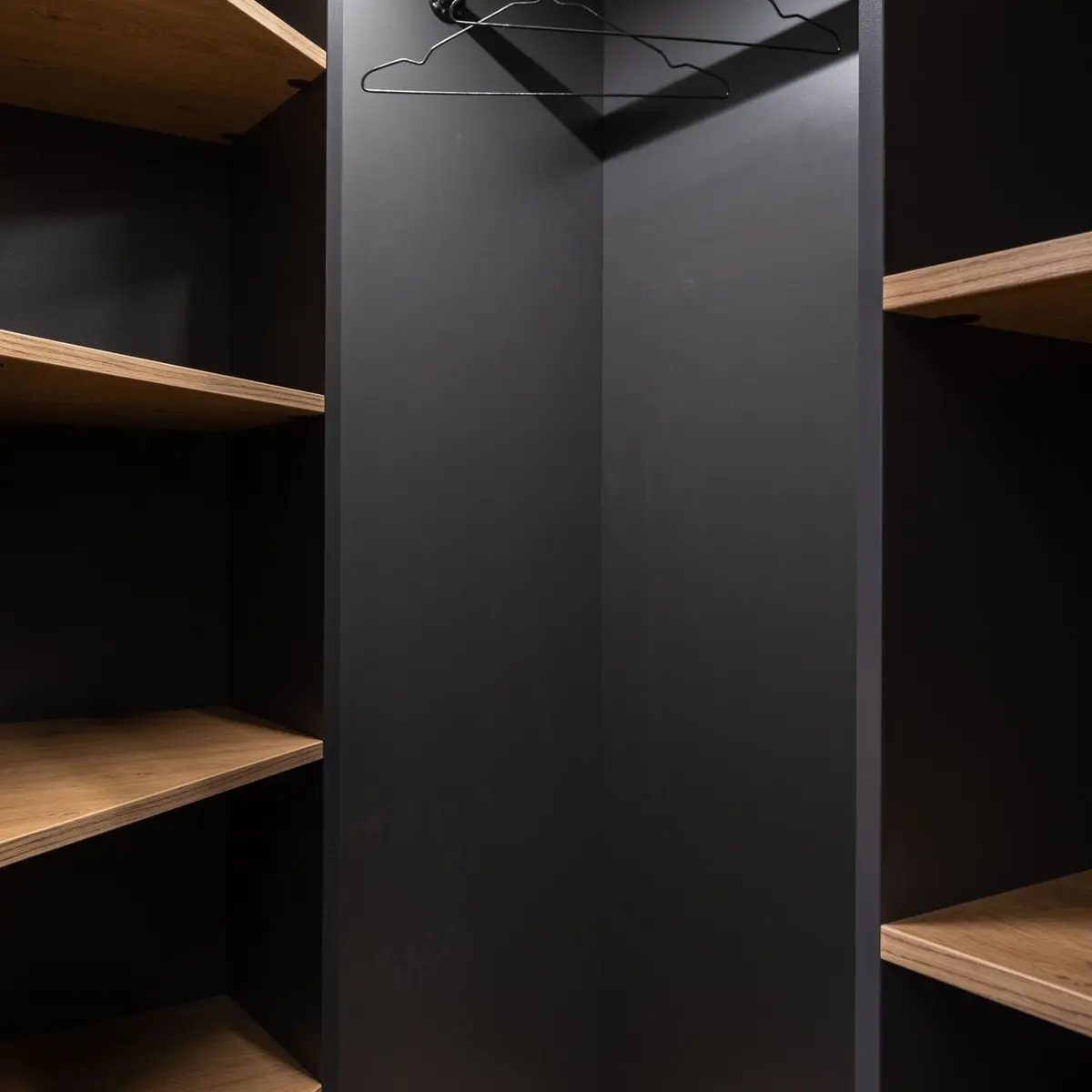
In a narrow, very deep closet, a rod that runs from front to back lets you hang clothes along the length. Hangers face you as you step in, and you slide them forward to see each piece, a bit like flipping through files.
In a wider closet, keep the front rod for everyday clothes and add a second rod set back behind it for off-season or rarely worn pieces. Make the back rod higher, so the clothes on it clear the ones in front.
Mount any new rod into studs or solid blocking, since a full rod is heavier than it looks. Leave enough space between the two rods for hangers to swing.
Hang the back rod’s clothes in garment bags if they’ll sit for months. It keeps dust off and makes the back zone easy to spot.
4. Roll and pull things out from the floor
The floor of a deep closet is prime storage, but only if you can reach the back of it without crawling. Anything that rolls or slides solves that.
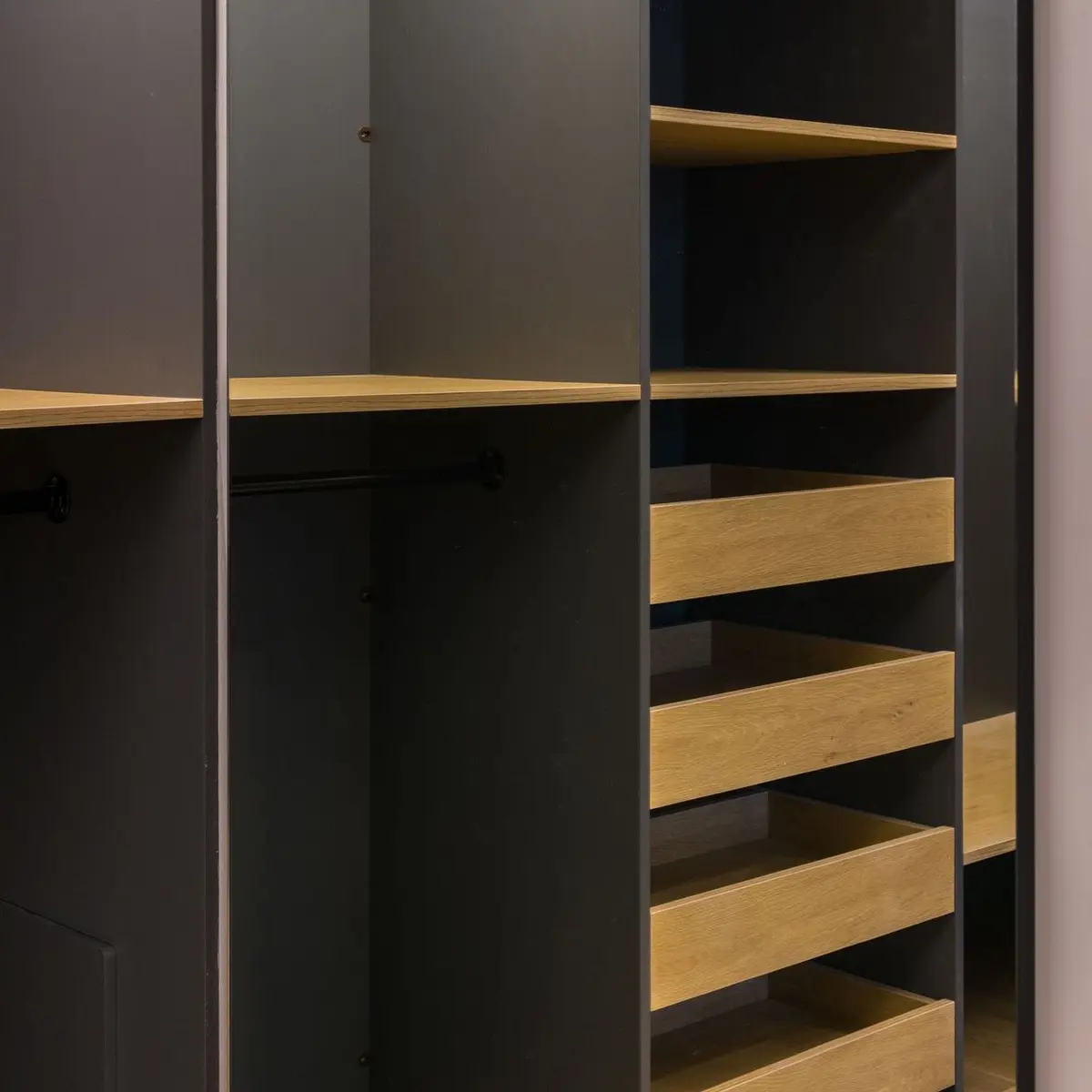
A narrow rolling cart with drawers holds small things like gloves, scarves, chargers or craft supplies, then rolls out into the room when you need something at the bottom. Choose one with locking wheels so it stays put once it’s back in place.
Pull-out drawers or sliding baskets mounted on runners work the same way and suit a closet you own. Long, low bins on casters slide under hanging clothes and roll out by a handle on the front.
Measure the depth and the height under the lowest rod before you buy. The bin size calculator shows which bins fit side by side across the width, so nothing wastes the corners.
Keep heavy things, like a toolbox or a box of books, on the floor rather than on a high shelf.
5. Slide long bins with handles onto the deep shelves
Deep shelves turn into piles because things get stacked in front of other things. Long bins that run from the front of the shelf to the back fix that: you pull the whole bin out instead of digging.
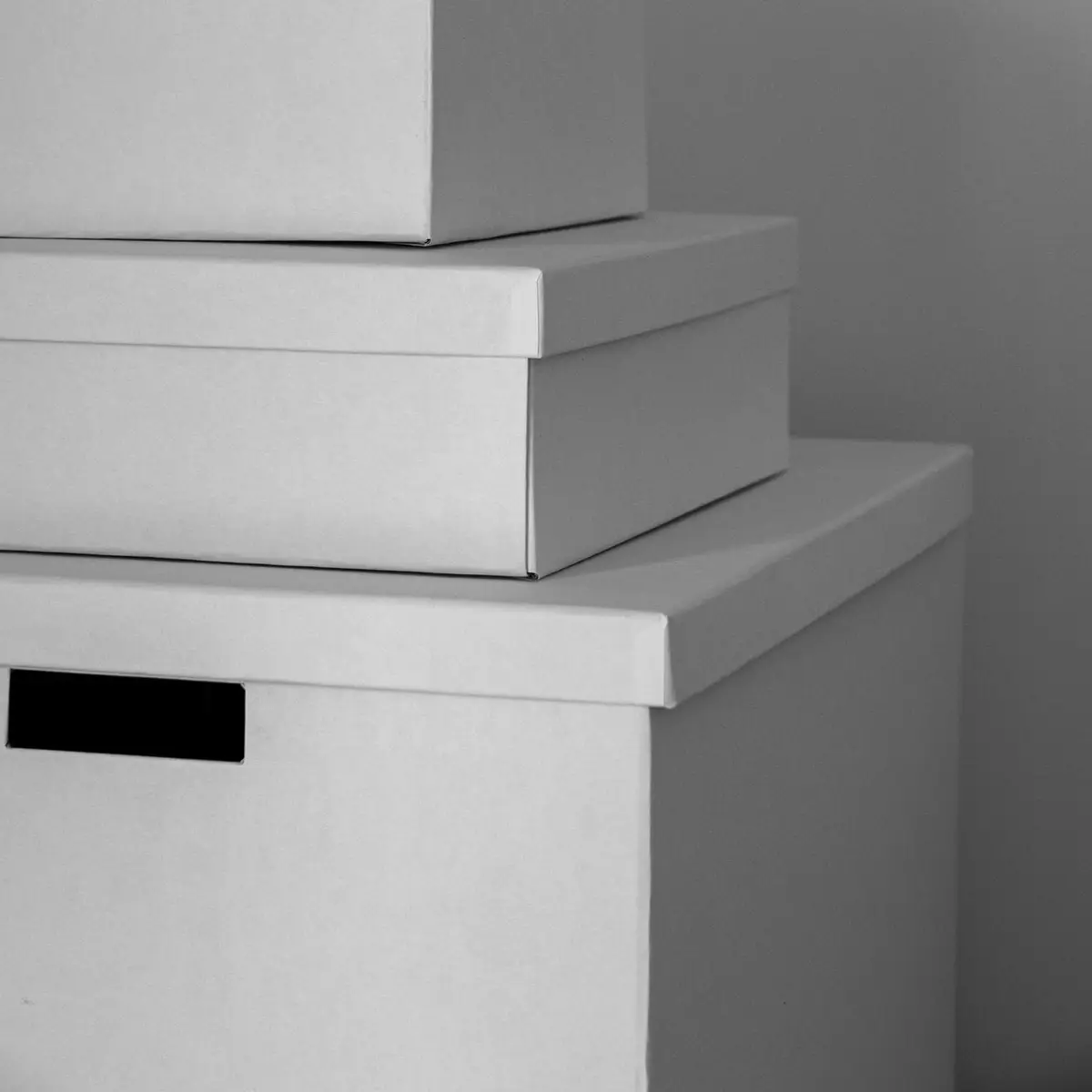
Choose bins about as long as the shelf is deep, with a handle or cutout on the short end that faces you. One pull brings the back of the shelf to the front.
Group by category, one bin per kind of thing: hats and gloves, swimsuits, travel bits, spare sheets or gift bags. Put a label on the front of each bin, facing out, so you can read it from the doorway without pulling anything down.
Use clear bins where you need to see what’s inside, and solid ones where the closet is on display.
These closet shelf organization ideas cover dividers and stacking for the shelves above the rod. In a deep closet, keep at least one shelf at waist height for the bins you open most.
6. Set up a deep coat closet that works
A deep coat closet near the front door often ends up as one tangle of coats, boots and bags. A few simple changes make it work every day.
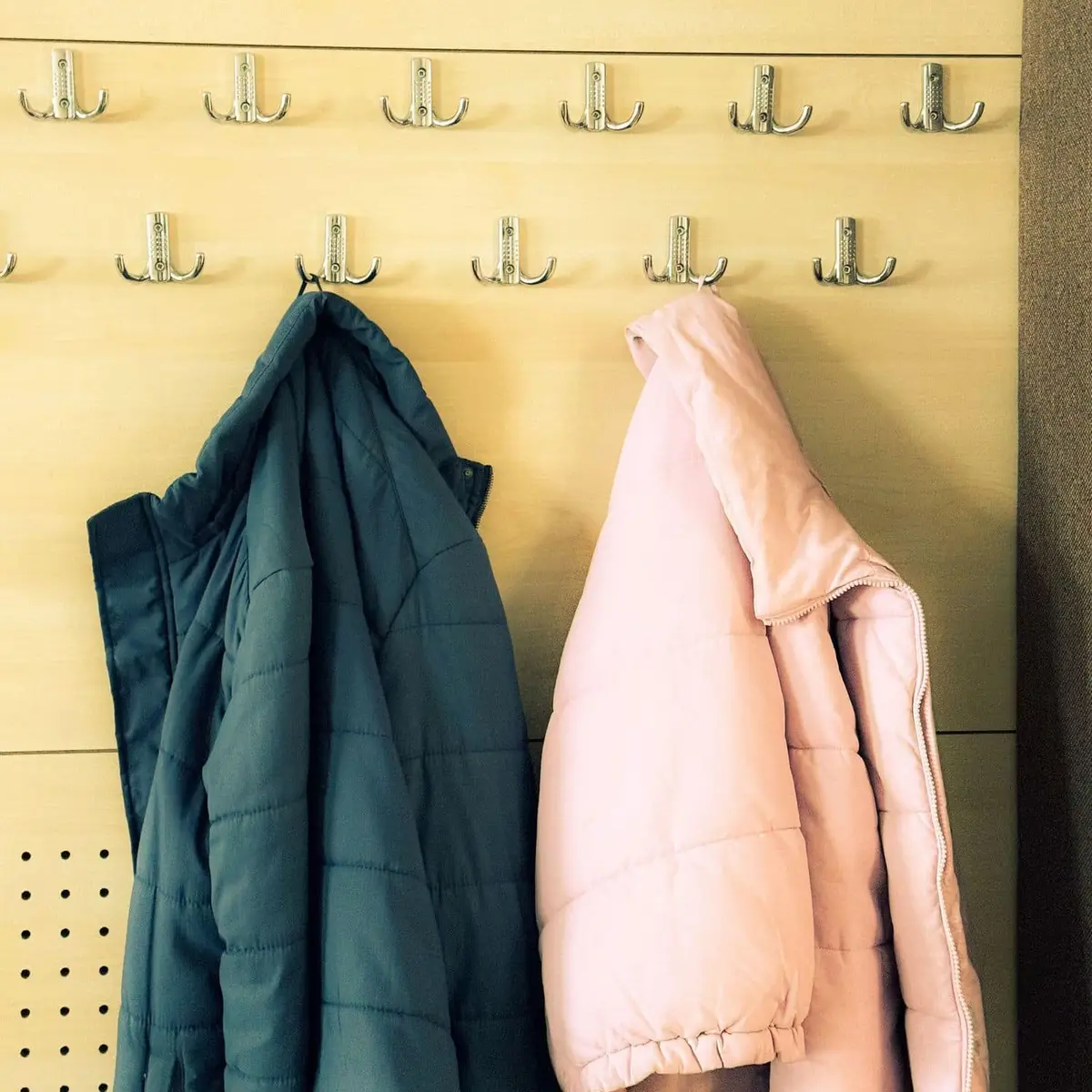
Hang only the coats you wear this season on the front of the rod, one per person plus a spare rain jacket. Move off-season coats to the back zone or to a bedroom closet.
Add hooks on the side walls and the inside of the door frame for bags, scarves and dog leashes. Hooks are faster than hangers, so kids are more likely to use them.
Set a boot tray on the floor right inside the door for wet and muddy shoes, and keep the everyday pairs on a low rack beside it. Behind them, a bin on wheels holds sports gear that rolls out when it’s needed.
Put hats and gloves in one bin per person on a low shelf. When everyone has their own bin, the morning hunt for a missing glove gets a lot shorter.
7. Make the door hold more than a doorknob
The inside of the door is free storage, and in a deep closet it’s the only spot that’s always within reach. Use it for small, light things you grab often.
On a hinged door, an over-the-door rack with hooks or clear pockets holds scarves, belts, hats, umbrellas or cleaning cloths. Check that the door still closes and that nothing rubs the clothes on the rod.
Bifold and sliding doors can’t take a rack, so use the narrow strip of wall just inside the door frame instead. A column of hooks or a slim shelf there catches the same small things.
Tape an inventory list to the inside of the door, listing what’s in each back bin and which shelf it’s on. When you put something in or take something out, update the list, so you never have to unpack the back zone to find out what’s there.
A pencil on a string next to the list makes updating it easy.
8. Light the back so it isn’t a dark hole
A deep closet with one bulb near the door leaves the back in shadow, and anything you can’t see gets forgotten. Light where you actually search.
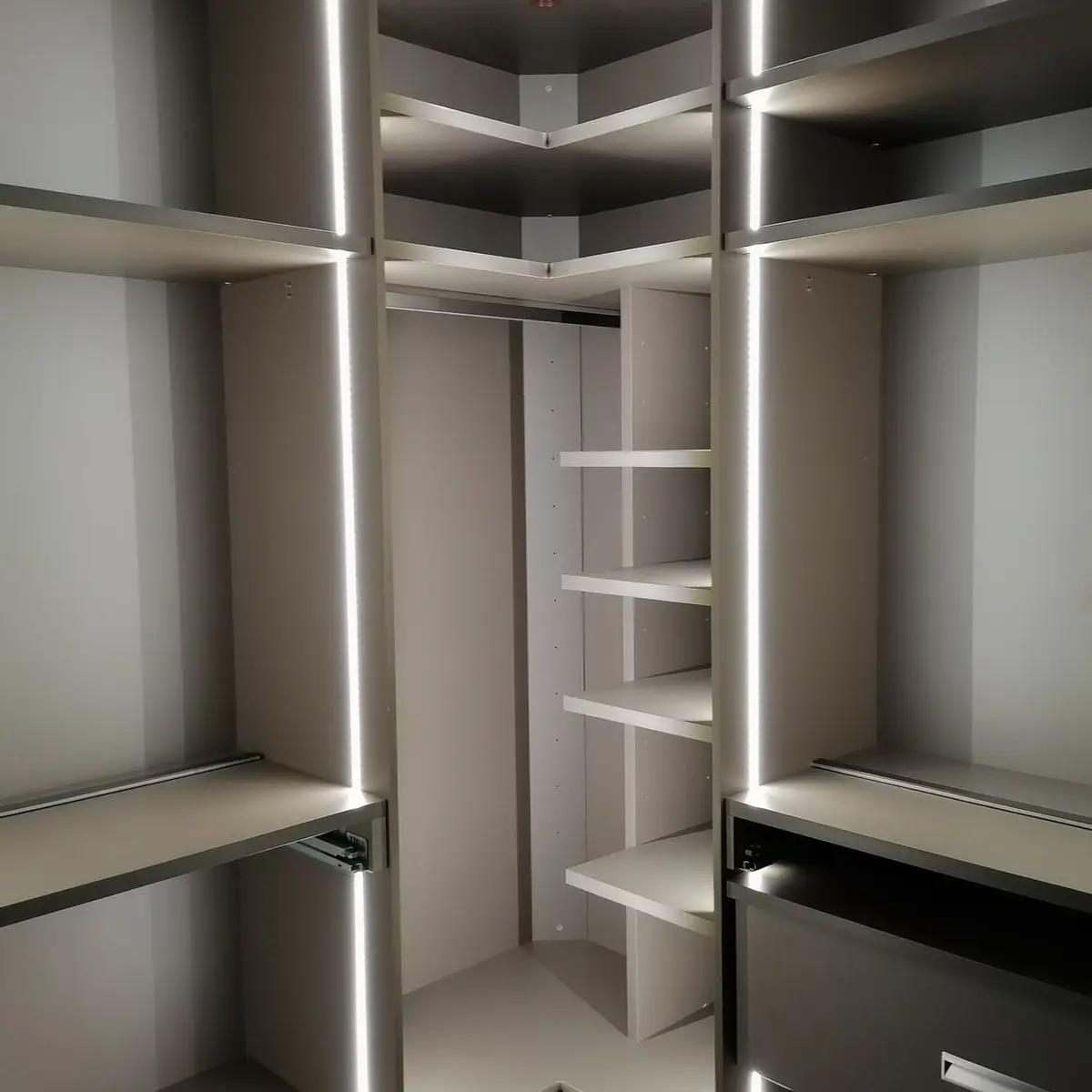
Battery or plug-in LED lights stick to the ceiling, the shelf edges or the back wall and need no wiring. A strip under the top shelf lights the rod, while a puck light at the back shows what’s on the floor.
Motion-sensor lights turn on when you open the door and off when you leave, so nobody leaves them running.
Choose a warm white that shows colors clearly. A dim, blue light makes navy and black look the same, which matters when you’re pulling a coat from the back.
For a new ceiling fixture or wired lighting, hire a licensed electrician.
Aim one light at the bin fronts, too. Labels only help if you can read them from the doorway, and a lit shelf edge makes the whole closet faster to search.
9. Keep a step stool with a bar nearby
The top shelf of a deep closet is often both high and far back, which is the hardest spot in the house to reach safely. A good step stool makes the difference.
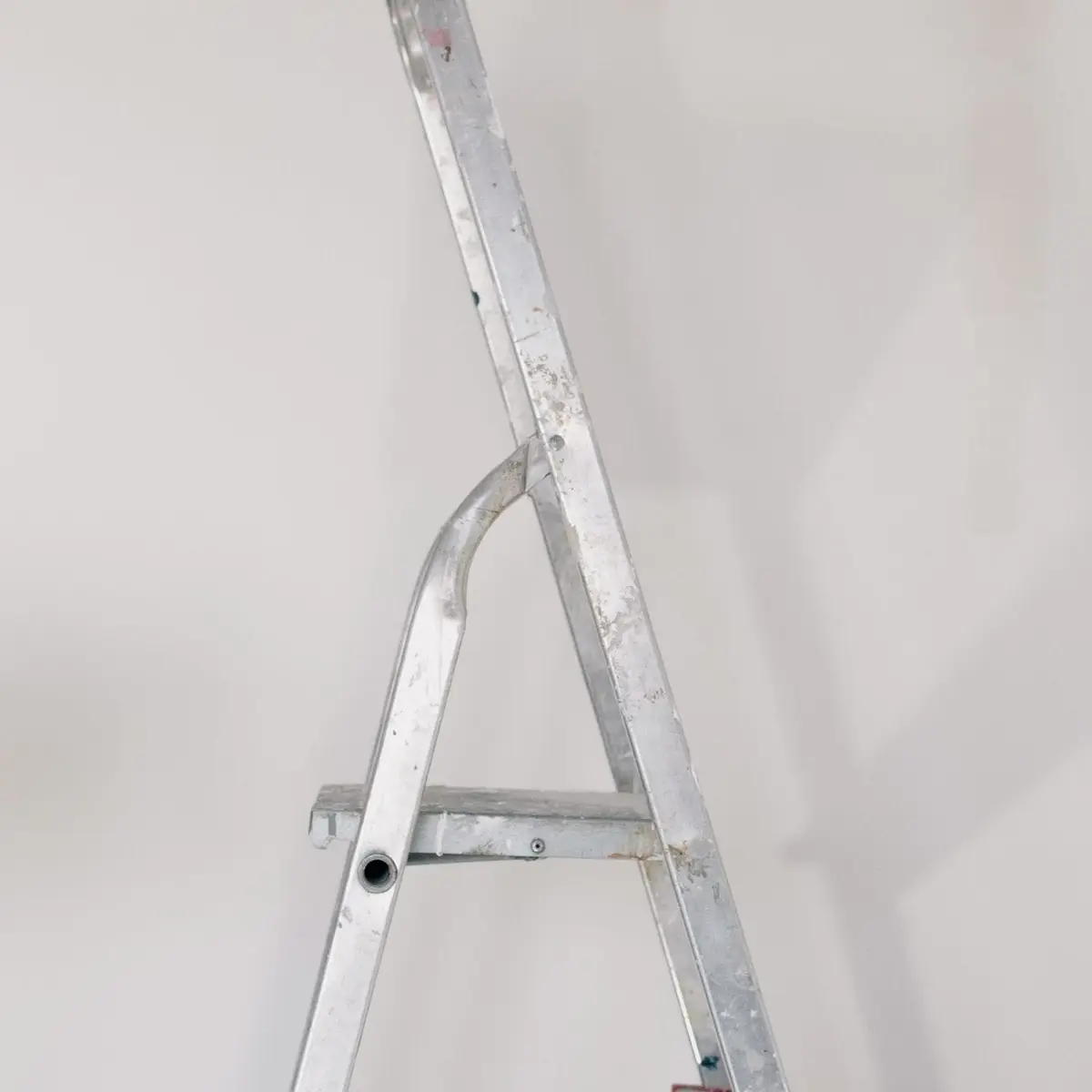
Choose a sturdy step stool with a bar to hold on to, and never stand on a chair to reach a high shelf. Open it fully, set it on a flat floor and face the shelf as you climb.
A slim folding stool hangs on a hook inside the door or tucks against a side wall, so it’s always there when you need it.
Keep the things you use often on lower shelves, about waist high, so you aren’t climbing every day. Save the top shelf for light, rarely used things in bins with handles you can grab from below.
When you lift a bin down, pull it to the front edge of the shelf first, then lift it. Reaching into the back of a high shelf while standing on a stool is how bins slip.
10. Fit storage under a sloped ceiling
Closets under the eaves or a sloped roof are deep at the floor and short at the back. The trick is to match the storage to the height.
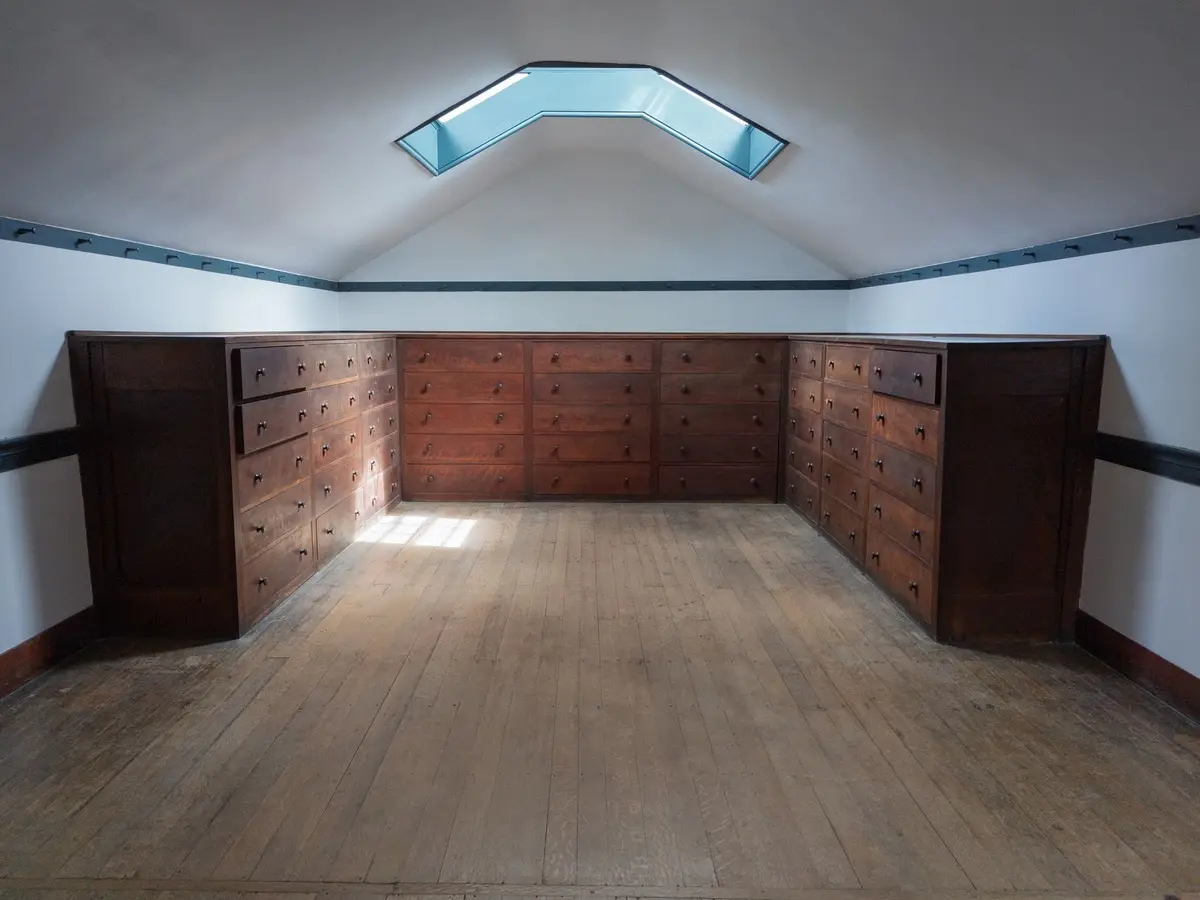
Use the tall front for hanging and standing items, and the short back for low, long pieces: drawers, rolling bins or flat boxes that slide in under the slope. Low bins on casters work especially well, since you can pull them out without crouching all the way in.
Store light things at the very back, where you’ll be reaching at an awkward angle. Heavy boxes belong near the front, where you can lift them with a straight back.
Keep the zones simple: one bin per category, labeled on the end that faces you. A sloped closet is easy to forget about, so the inventory list on the door matters here too.
The same approach works for an odd space under a staircase. These under-stairs pantry shelving ideas show how to fit shelves and pull-outs to a slope.
11. Swap the seasons from back to front
The back zone of a deep closet is the natural home for off-season clothes. Twice a year, swap the back bins with the front ones, and the closet stays matched to the weather.
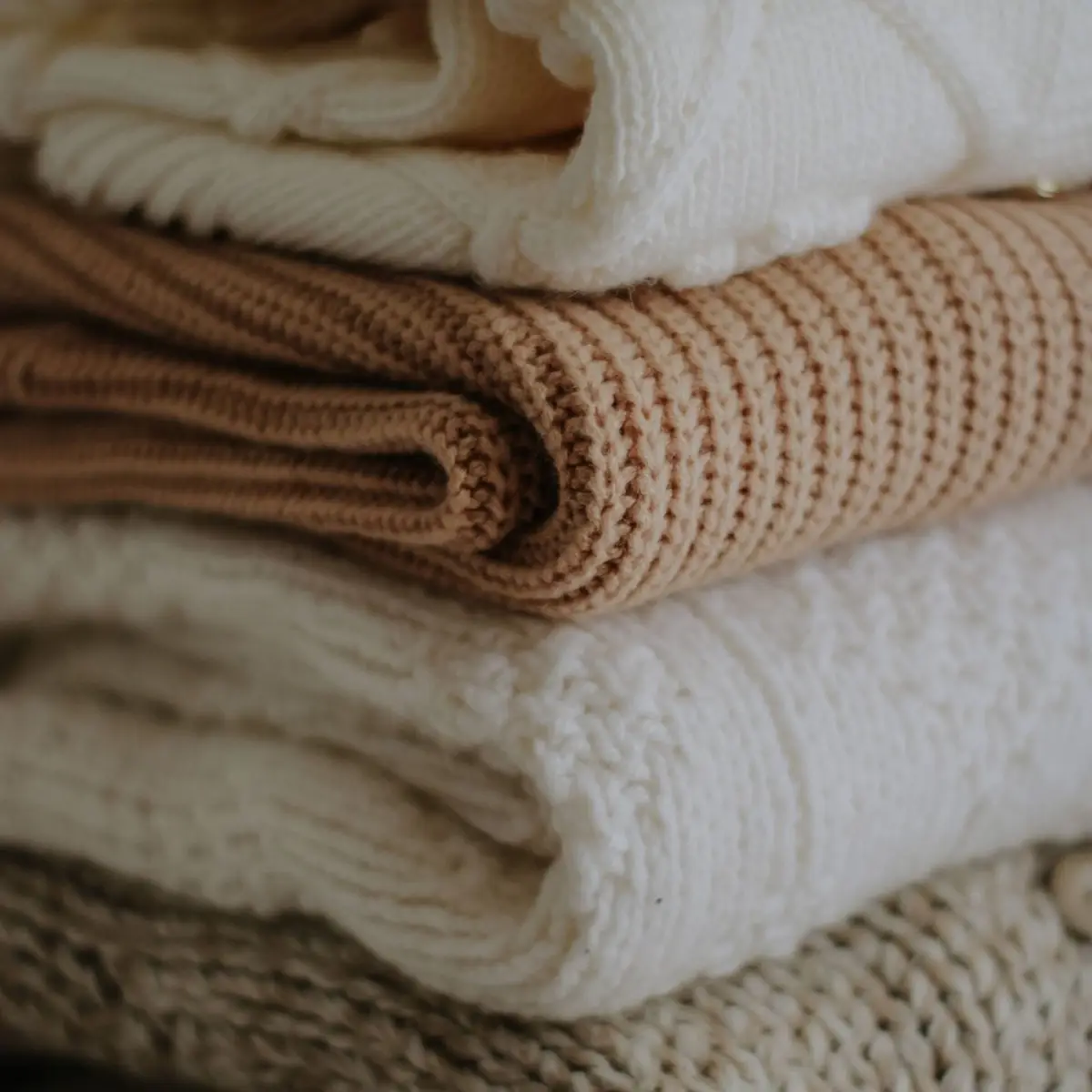
Clean everything before it goes into storage. Clothes moths feed on wool and other animal fibers, so wash or dry-clean those pieces first and seal them in airtight containers.
Use one bin per person per season, labeled on the front with the name and the season. When the weather turns, pull the stored bin forward, try things on and pass along what no longer fits.
The outgoing season goes into the same bin and slides to the back. Update the inventory list on the door at the same time.
Keep one in-between layer, like a light jacket or a fleece, at the front all year, since the weather rarely changes on schedule.

Save this for later
Pin it to a board so it's there when you're ready to start.
Save to Pinterest(opens in a new tab)Make it easier
Free printable
30-Day Declutter Challenge Printable
A one-page declutter challenge for a month: one small spot to clear each day, easiest first, so the whole house gets a pass in short sessions.
Free tool
Enter the width, depth and height of a shelf, a drawer or a cube cubby, and see which standard bins and baskets fit, how many, and how they line up.
Frequently asked questions
How do you organize a deep closet?
Split it into zones by depth: everyday things at the front, weekly things in the middle and seasonal things at the back. Then make the back reachable with pull-out bins and rolling carts on the floor and long bins with handles on the shelves.
How do I organize a deep coat closet?
Hang the coats you wear now on the front of the rod, and move off-season coats to the back or to another closet. Add hooks for bags and scarves, a tray for wet boots and a bin for hats and gloves, so the floor stays clear.
What should go in the back of a deep closet?
Things you need a few times a year: off-season clothes, spare bedding, keepsakes, luggage and costumes. Keep them in labeled bins with handles so you can slide them out without unpacking the whole closet.
How can I light a closet that has no light fixture?
Battery or plug-in LED lights stick to the ceiling, the shelf edges or the back wall and need no wiring. Motion-sensor lights switch on when the door opens, which helps in a deep closet where the back is always dark.