11 Understairs Pantry Shelving Ideas From the Tall End to the Low Corner
Fit a pantry to the slope under your stairs with tall shelves at the high end, bins that slide out of the low end, safe lighting and heavy food kept low.

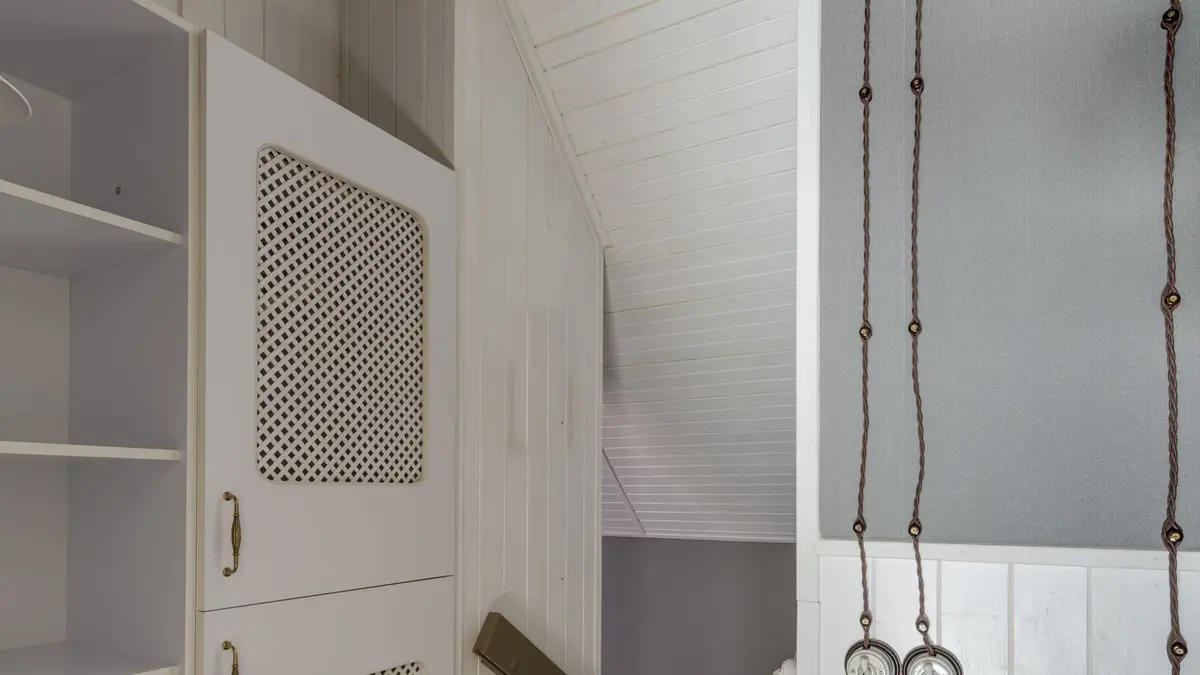
The best pantry shelving under the stairs follows the slope: tall shelves where the ceiling is high, low shelves or bins where it drops, and pull-out storage for the deep, dark corner. Measure first, keep food away from heat and moisture, light the space, and put the heaviest things on the lowest shelves.
These 11 understairs pantry shelving ideas are about fitting shelves to that one awkward space. For shelving in a regular pantry, start with our pantry shelving ideas instead.
1. Measure the slope, the tall end and the short end
The space under a staircase is a wedge, so a single height measurement tells you almost nothing. Measure the floor depth from the opening to the back wall, the width between the side walls, and the height at the tall end and again at the short end.
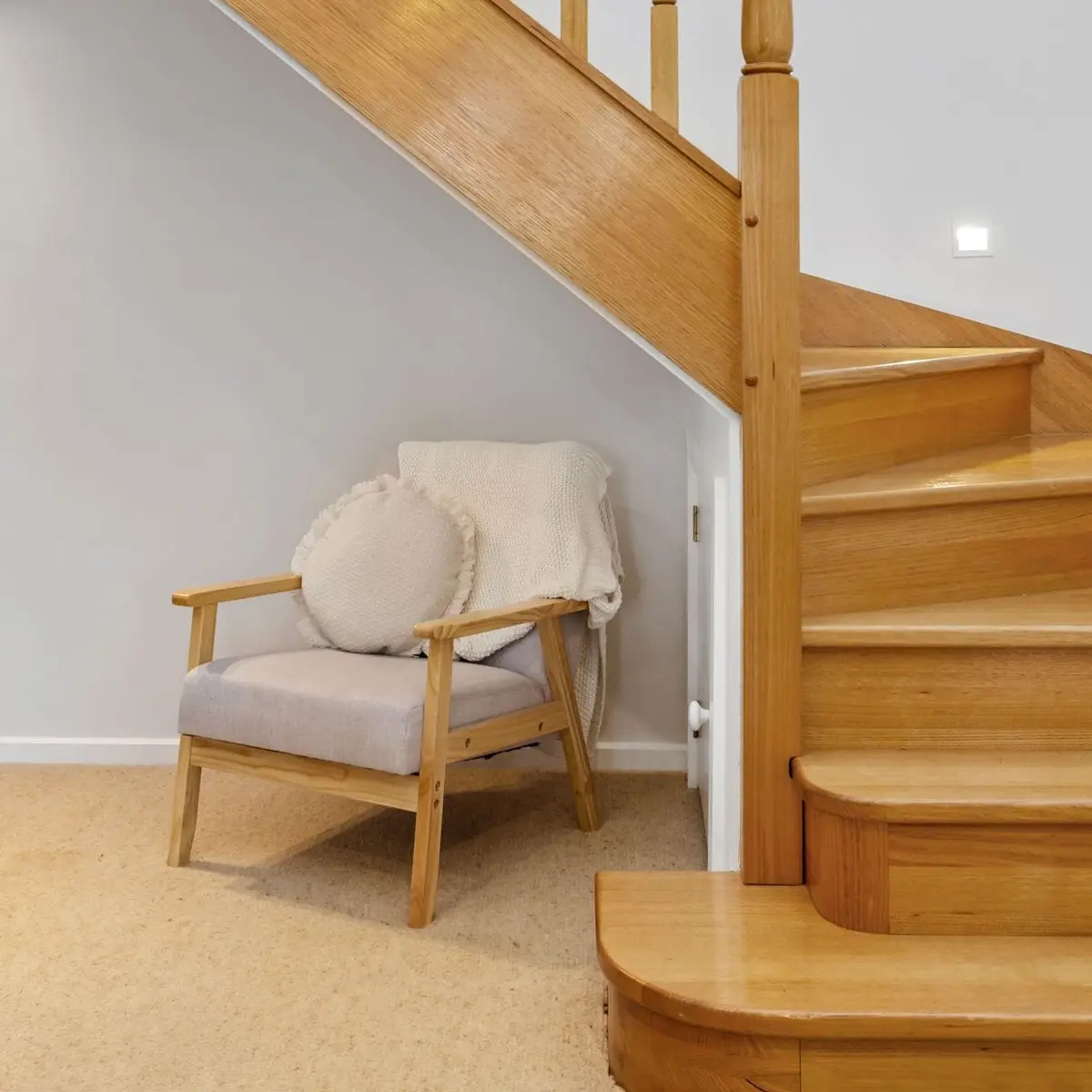
Then mark where the ceiling drops to shoulder height and to knee height. Those two lines split the space into zones: a standing zone at the tall end, a reaching zone in the middle and a sliding zone at the short end, where nothing gets used unless it rolls or pulls out.
Sketch the side view on paper, with the slope drawn as a diagonal line, and draw the shelves in. Note any light switch, outlet, vent, pipe or access panel on the walls, since shelves can’t cover them.
Measure what you plan to store as well: your tallest bottles, a cereal box, a stack of cans and a bulk bag. With both sets of numbers, you can see which items fit at each end before you buy anything.
2. Put tall shelves at the high end
The tall end of the space works like a small pantry closet. It’s where you can stand up straight, see every shelf and reach the top without bending, so it’s the right home for the food you use every week.
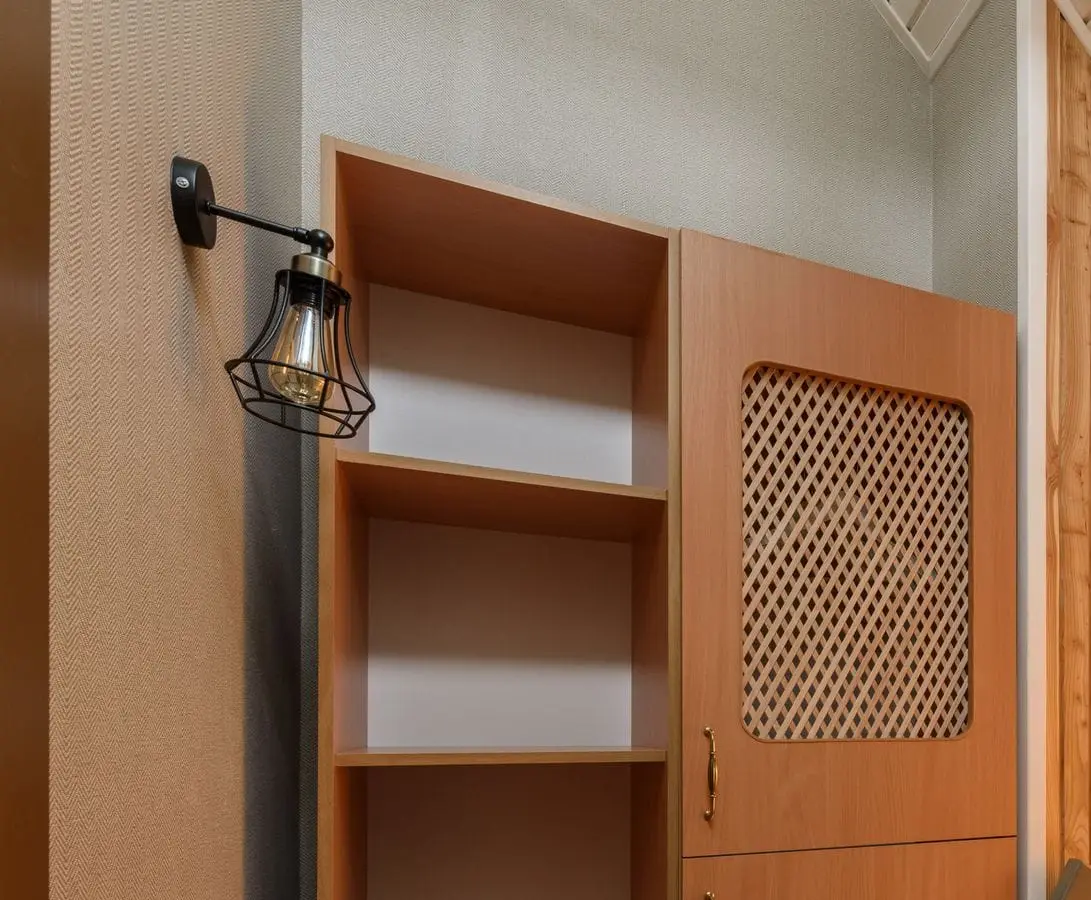
Run shelves from about knee height up to a comfortable reach, and space them for what you store: a taller gap for cereal and bottles, closer gaps for cans and jars. Adjustable shelves on wall standards are worth it here, because the mix of food changes over the years.
Keep these shelves fairly shallow, enough for one or two rows of cans. A deep shelf at the tall end hides the back row, and in a narrow space under the stairs, you rarely have the elbow room to dig for it.
If the tall end is only a single shelf width wide, stack shelves the full height instead of trying to fill the slope. One well-planned column of shelves often holds more usable food than a jumble of odd-shaped ones.
3. Fill the short end with low bins
Where the ceiling drops below waist height, fixed shelves stop making sense. You’d have to kneel and reach into the dark to use them, so things pushed back there tend to stay there.
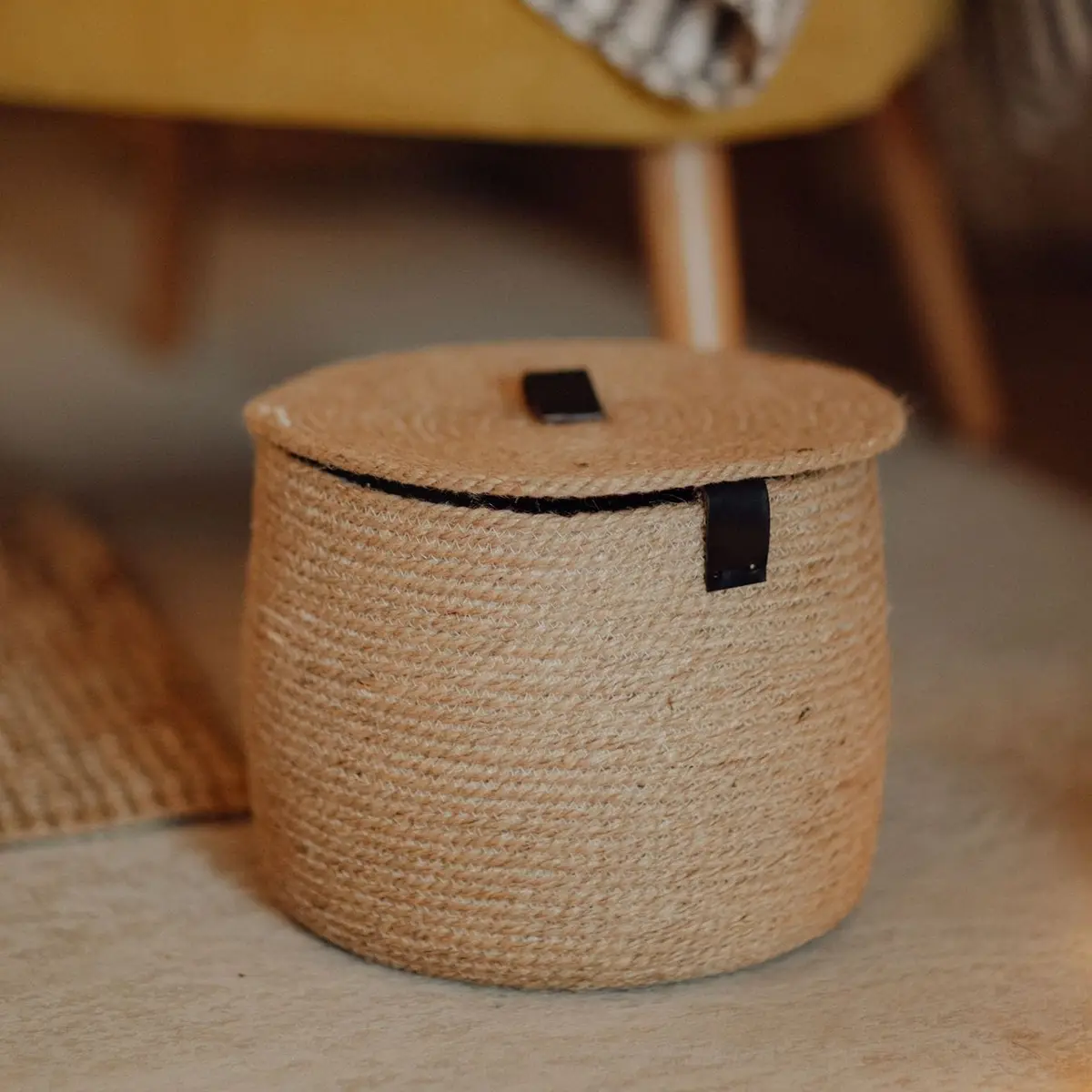
Low bins and baskets suit this zone. Set them on the floor or on a single low platform, sized so you can lift each one out by its handles and look inside. Lidded baskets keep dust off potatoes, onions and spare paper goods.
Choose bins of the same size so they line up neatly and stack if the height allows. Our bin size calculator turns the width, depth and height of the low zone into bin sizes that fill it without wasted gaps.
Label the front of each bin, not the lid, since you’ll see the front when you crouch down. Keep this zone for things you don’t need every day: backup supplies, bulk bags, seasonal baking gear and extra paper towels.
4. Slide carts and pull-out bins into the deep, low part
The deepest part of the space under the stairs is also the lowest and darkest. Instead of fixed shelves you can’t reach, use storage that comes out to you: rolling carts, bins on casters or bins with sturdy handles that you can drag forward.
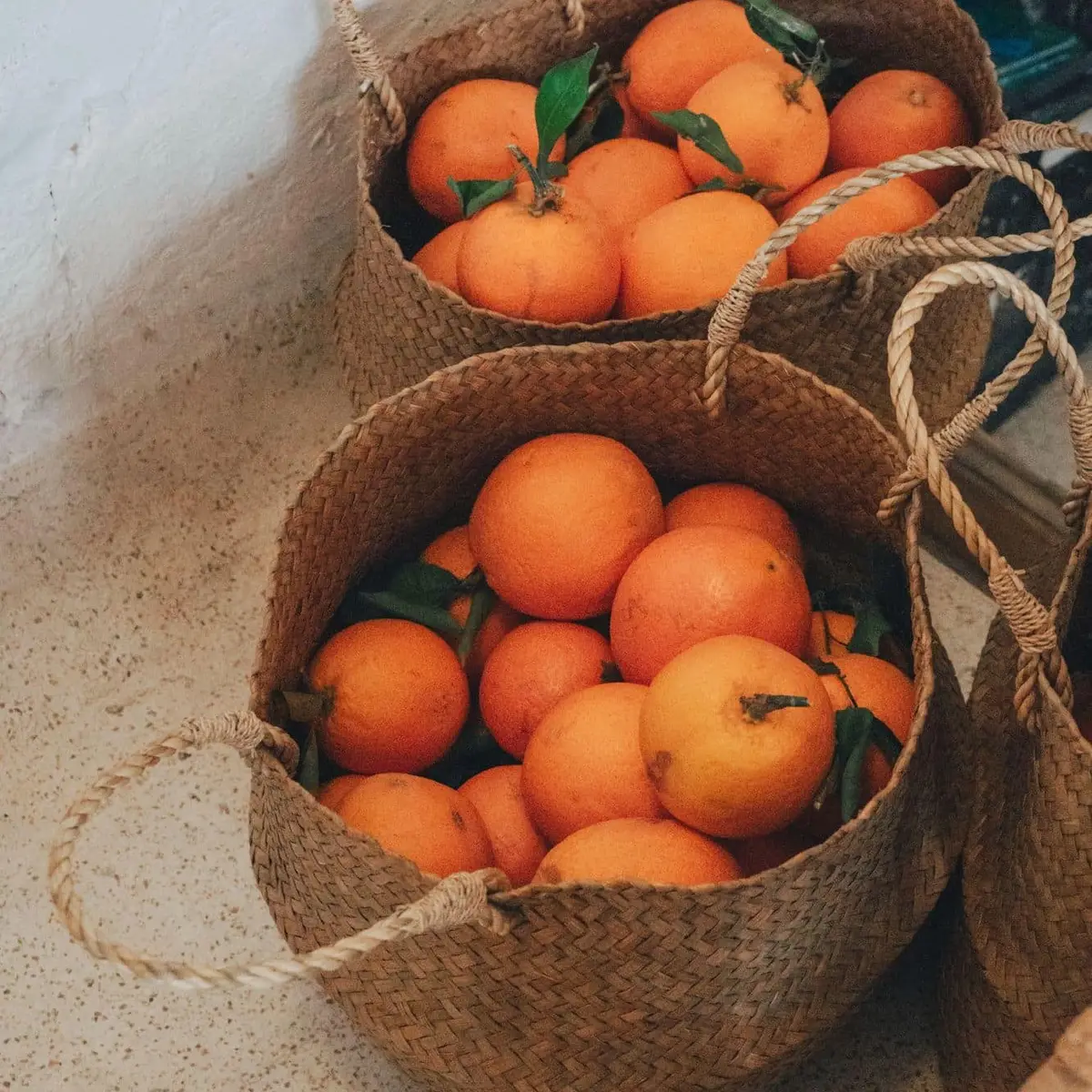
A narrow rolling cart can live at the back and roll out when you need it. Measure the height at the point where the cart will sit, and leave a little clearance so it doesn’t scrape the underside of the stairs.
Bins with handles work the same way on a budget. Line them up front to back, with the things you use less often in the back row, and pull the front bin out to reach the one behind it.
The same idea works in any space that’s deeper than it is wide. Our deep closet organization ideas show more ways to get to the back of a deep space without crawling in.
5. Hang shallow shelves on the side walls
The side walls under a staircase are easy to overlook. A column of narrow shelves on one or both walls can hold spices, small jars, oils and snacks right where you see them as you step in.
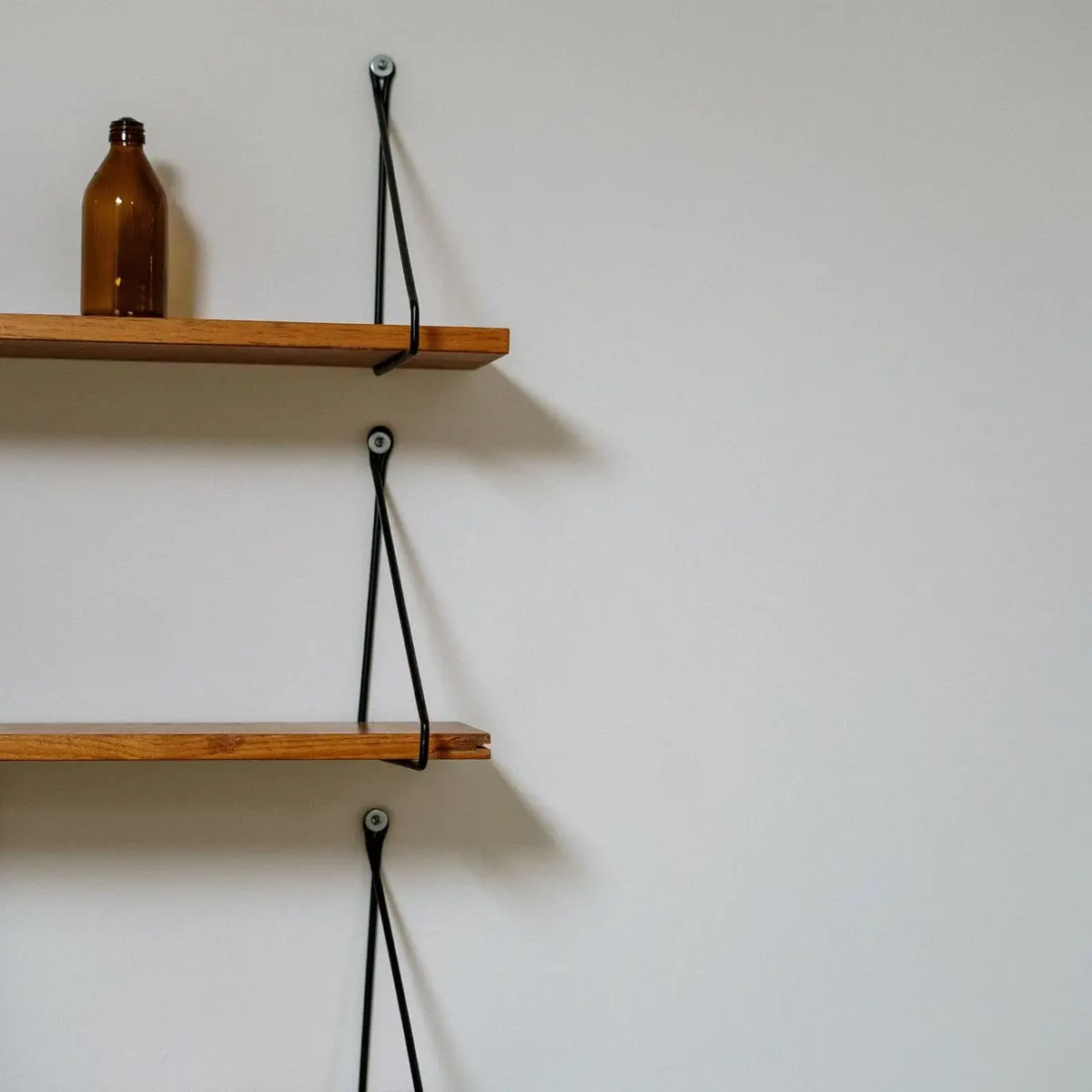
Keep these shelves shallow, about the depth of a single jar or can. They shouldn’t stick out so far that you bump them on the way in, and a single row means nothing ever hides behind something else.
Plan them around the slope. Shelves near the opening can run higher on the wall, while the ones farther in have to stop below the stair line, so they step down as the ceiling drops.
Use small items here and leave the heavy ones for the floor. A shelf lip or a thin rail along the front edge stops jars from sliding off when someone closes the door a bit too hard.
6. Use the back of the door
If your understairs pantry has a door, the back of it is free storage. A slim rack, a row of hooks or a few small baskets on the inside of the door can hold the things that usually get lost on a shelf.
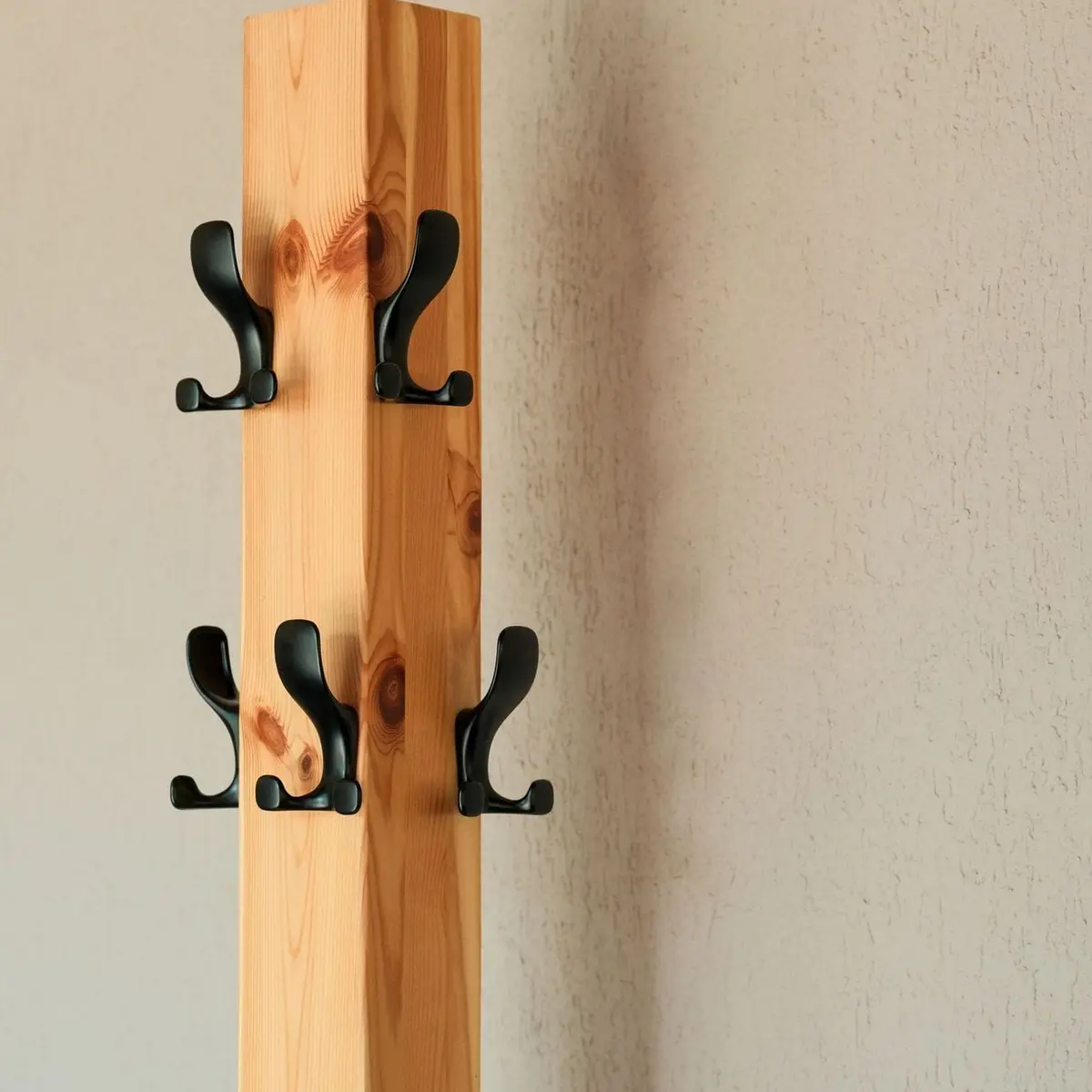
Over-the-door racks suit spices, packets, foil, plastic wrap and bag clips. Hooks are handy for an apron, reusable shopping bags or a small step stool that folds flat.
Check the clearance before you buy. Measure the gap between the door and the front edge of the shelves when the door is closed, since a rack that hits the shelves stops the door from shutting.
Keep the load light. A door holds less than a wall, and heavy jars swinging on it every time it opens strain the hinges and can fall when the door is closed fast. Small, light items belong here, and our printable spice jar labels keep a door rack of spices easy to read.
7. Light it with battery or plug-in lights
The space under the stairs is usually the darkest spot in the house, and you can’t use a pantry you can’t see into. Lighting is often the change that makes the whole space work.
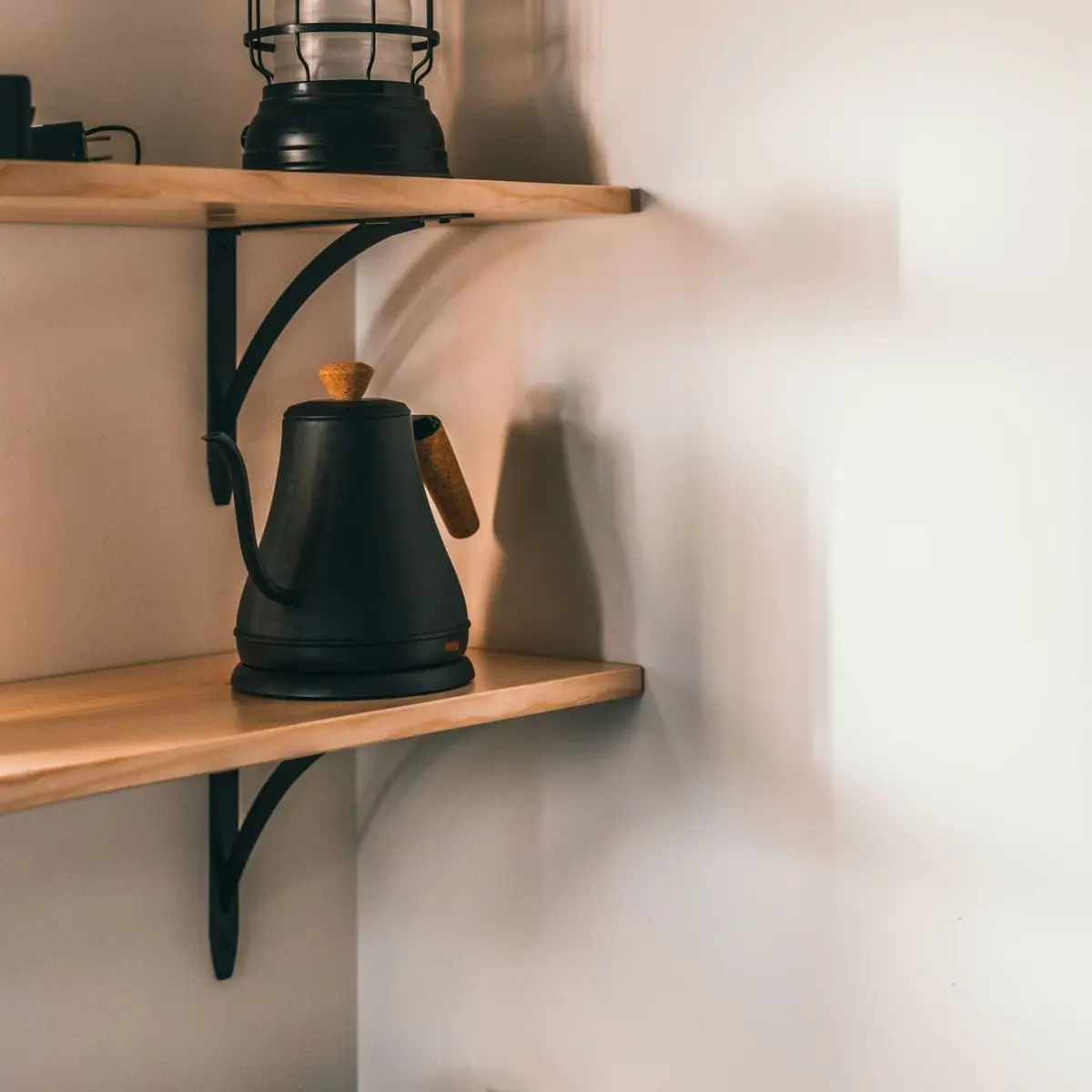
The simplest option needs no wiring at all. Battery-powered or rechargeable motion lights stick under a shelf or on the underside of the stairs and come on when you open the door. A rechargeable lantern on a low shelf also works for the short end.
If there’s an outlet nearby, plug-in lights are another choice. Use them as they’re meant to be used, and avoid running extension cords to them as a permanent fix, since extension cords are for temporary use only.
For a new ceiling fixture, a switch or a new outlet, have a qualified electrician do the work. Whatever light you choose, keep lamps and bulbs away from paper towels, cardboard and anything else that can burn.
8. Check for heat, water lines and airflow before you stock it
Before any food goes in, look at what shares the space. Stairs often hide ductwork, water pipes, a water heater, a furnace or an electrical panel, and food doesn’t belong next to most of them.
Pantry food keeps best in a cool, dry place. Storage near hot water pipes and heating ducts speeds up the loss of quality because of the heat and moisture, so if a pipe or duct runs through the space, keep food on the opposite side or use the space for something else.
Leave access clear to any shutoff valve, panel or appliance. A shelf that blocks a valve you need in an emergency costs far more time than it saves.
Air matters too. A closed space under the stairs can feel stuffy, so a door with slats or a vent panel lets air move, and a quick sniff each week tells you if anything is getting damp or musty.
9. Keep the heaviest food on the lowest shelves
Heavy things belong low anywhere in a pantry, and under the stairs it matters even more, since you’re often reaching up at an angle. Put large or heavy objects on the lower shelves, where a slip doesn’t drop them on your head or your feet.
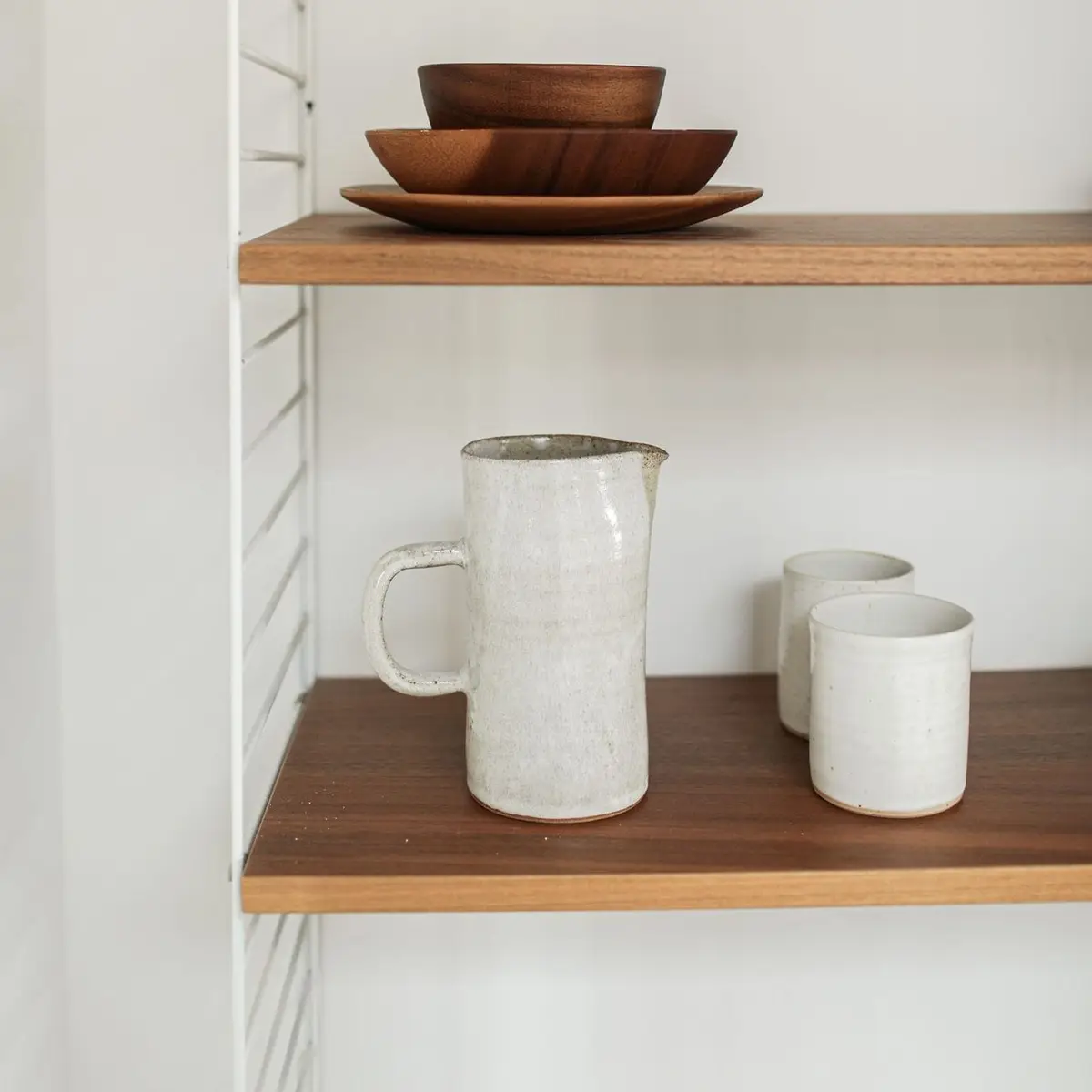
That means cases of water, big jars, cast iron, bulk bags of flour, rice and pet food, and small appliances all go on the floor or the bottom shelf. Lighter boxes, snacks and paper goods can sit higher up.
Fasten shelves securely to the wall, and if you add a tall freestanding shelving unit, anchor it to the wall too. Anchoring furniture with shelves to the wall prevents tip-overs, and an anti-tip strap or bracket screwed into a stud does the job.
Watch the total weight. Check the rating on brackets and shelving, and stay well under it, since a few rows of cans add up quickly.
10. Turn a closet under the stairs into a pantry
Many homes already have a small closet under the stairs, usually full of coats, shoes and things nobody remembers. With a little work, it becomes a pantry.
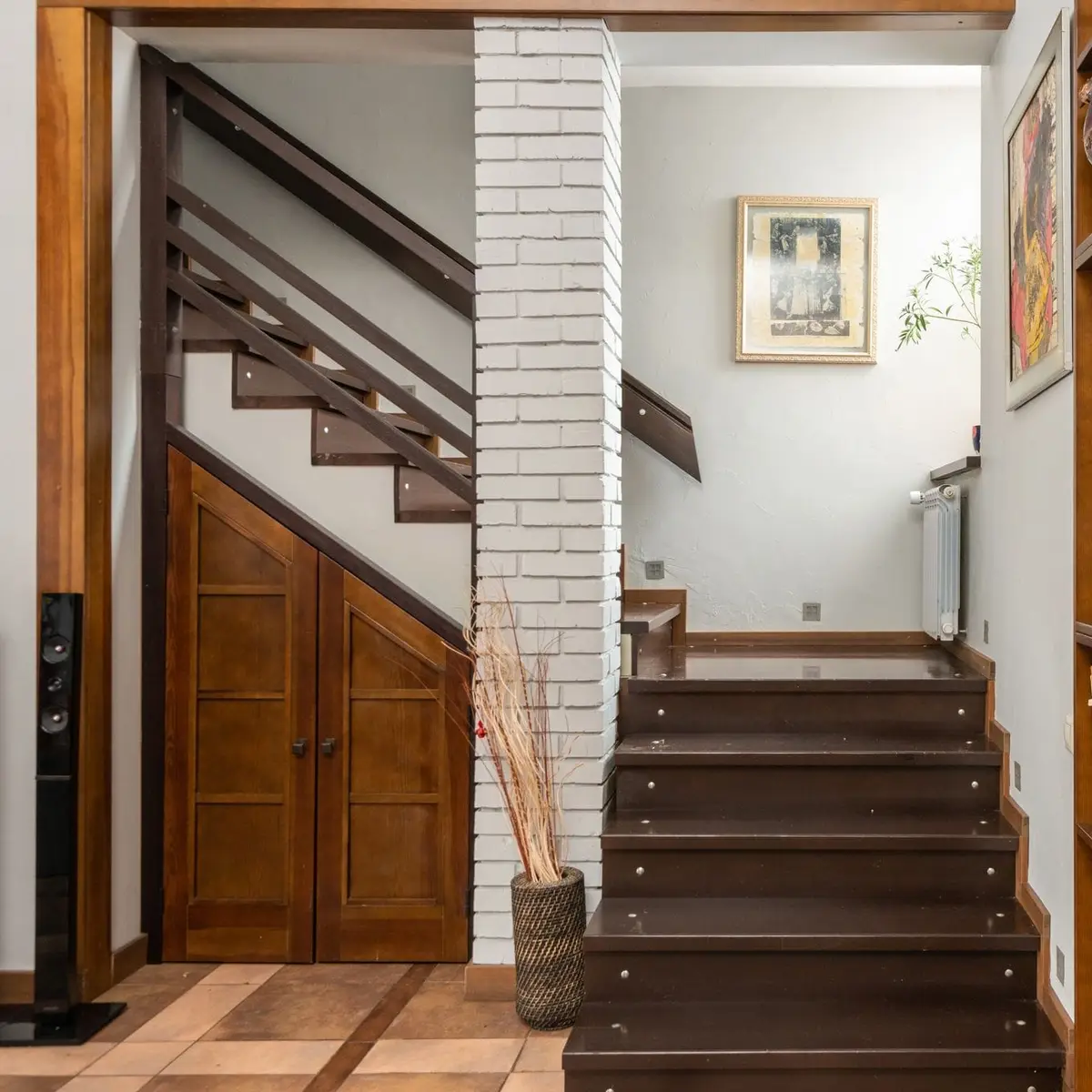
Empty it completely first, then clean it and check it for moisture, pests and anything that runs through it, like pipes or wiring. Find a new home for whatever was in there before any food moves in.
Then lay it out with the ideas above: tall shelves at the high end, shallow shelves on the side walls, bins at the short end and a rack on the door. A small closet under the stairs holds a surprising amount when every zone has a job.
If there’s no door and the space is open to the room, the shelves are always on show. In that case, our open pantry shelving ideas cover what to keep in view and how to keep it tidy.
11. Build your own shelves into the studs on a budget
Custom shelves cut to the slope can sound expensive, but plain boards on brackets are a weekend project. You get shelves that fit the exact width and height of your space for the cost of lumber and hardware.
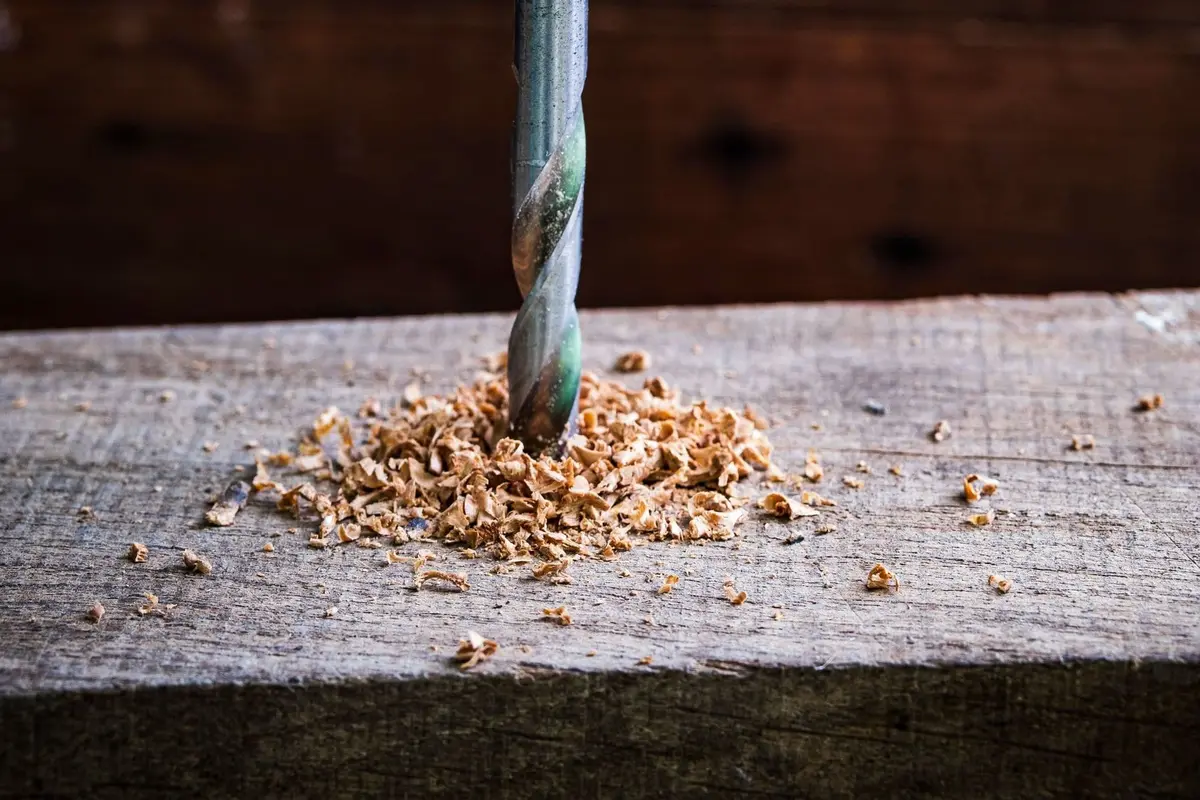
Find the studs in the side walls with a stud finder and mark them. Screw each bracket or support cleat into a stud, check every shelf with a level, and cut the boards a little short of the wall so they drop in easily.
For shelves near the slope, cut the back corner of the board at an angle to match the underside of the stairs, or simply stop the shelf short of the slope. A straight cut is easier and still leaves plenty of usable shelf.
Sand the edges and seal or paint the boards before they go in, so spills wipe off. Stay under the weight rating of your brackets and keep the heavy food low, and the shelves will hold for years.
Save this for later
Pin it to a board so it's there when you're ready to start.
Save to Pinterest(opens in a new tab)Make it easier
Free printable
A one-page grocery list sorted by store section, with a box to tick for every item, so you write the list once and shop the store in one loop.
Free printable
Free printable spice jar labels to cut out and stick on. Print the ready sheet of common spices, or type your own list and download labels made for your shelf.
Free tool
Enter the width, depth and height of a shelf, a drawer or a cube cubby, and see which standard bins and baskets fit, how many, and how they line up.
Frequently asked questions
Can I turn the space under my stairs into a pantry?
Usually, yes, as long as the space stays cool and dry and you can reach everything safely. Check first for pipes, ducts, a water heater or wiring, and leave clear access to anything that needs service.
How deep should shelves under the stairs be?
Keep the shelves on the side walls shallow, about one or two rows of cans deep, so nothing gets lost. Save the full depth for bins and carts you can pull toward you instead of fixed deep shelves.
How do I light a pantry under the stairs?
Battery-powered or rechargeable motion lights are the easiest option, since they need no wiring. If you want a hardwired fixture or a new outlet, have a qualified electrician install it.
What should I store in the lowest part under the stairs?
The short end suits low, heavy or bulky things you can slide in and out, like bins of potatoes and onions, bulk bags and cases of drinks. Keep anything you use every day closer to the tall end, where you can stand up straight to reach it.
Is it safe to store food under the stairs next to a water heater or furnace?
It's best not to. Heat and moisture shorten the shelf life of pantry food, so keep food away from hot water pipes, heating ducts and appliances, and use another spot if the space stays warm or damp.