12 Small Corner Closet Organization Ideas for the Spot Where Two Rods Meet
Make a tight corner closet work: L-shaped rods, shelves that wrap the dead corner, hooks on the short walls, slim hangers and light where it's darkest.

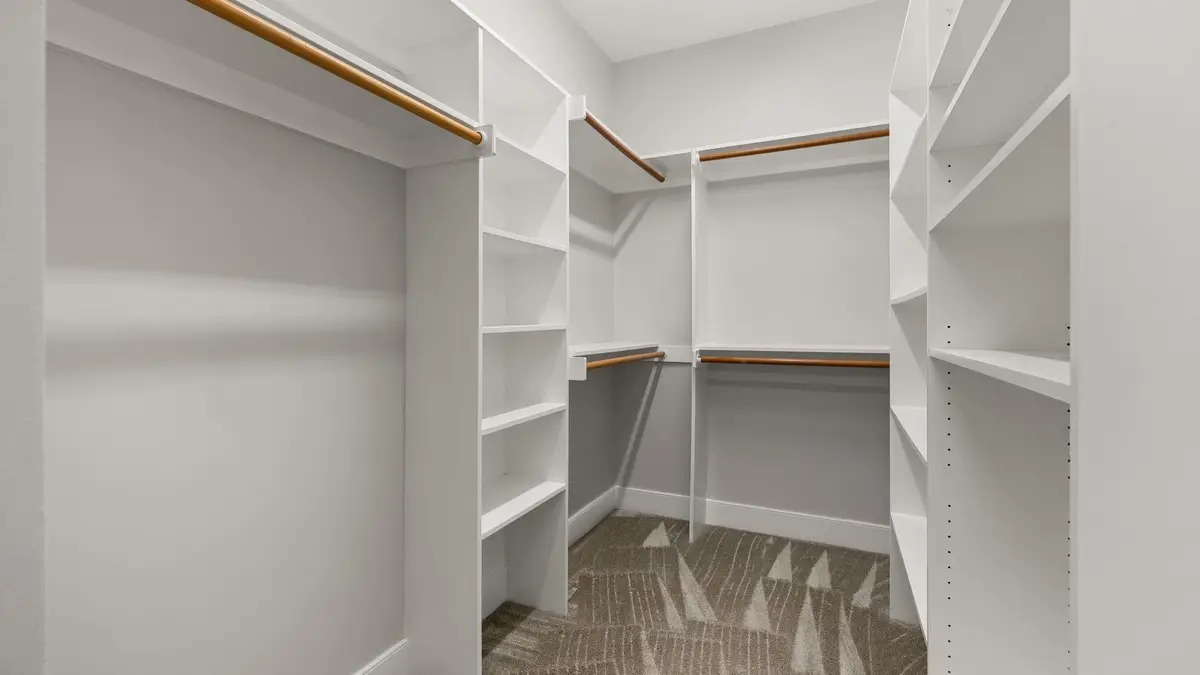
A small corner closet holds more once you solve the corner itself, the dead square where two rods meet and hangers collide. Turn the rod around it, fill it with shelves that wrap, or save it for long pieces you rarely wear, then use slim hangers, hooks on the short walls, shelves above and a light aimed into the darkest spot.
These 12 ideas suit L-shaped and angled closets, small closets with a door set across a corner and closets made in the corner of a room. Start with the first idea, since every choice after it depends on what you do with the corner.
1. Measure the corner and find the dead zone
Empty the closet and look at the inside corner, where the two walls meet. If a rod runs along each wall, the hangers on one rod hit the hangers on the other, leaving a square of space nobody can use.
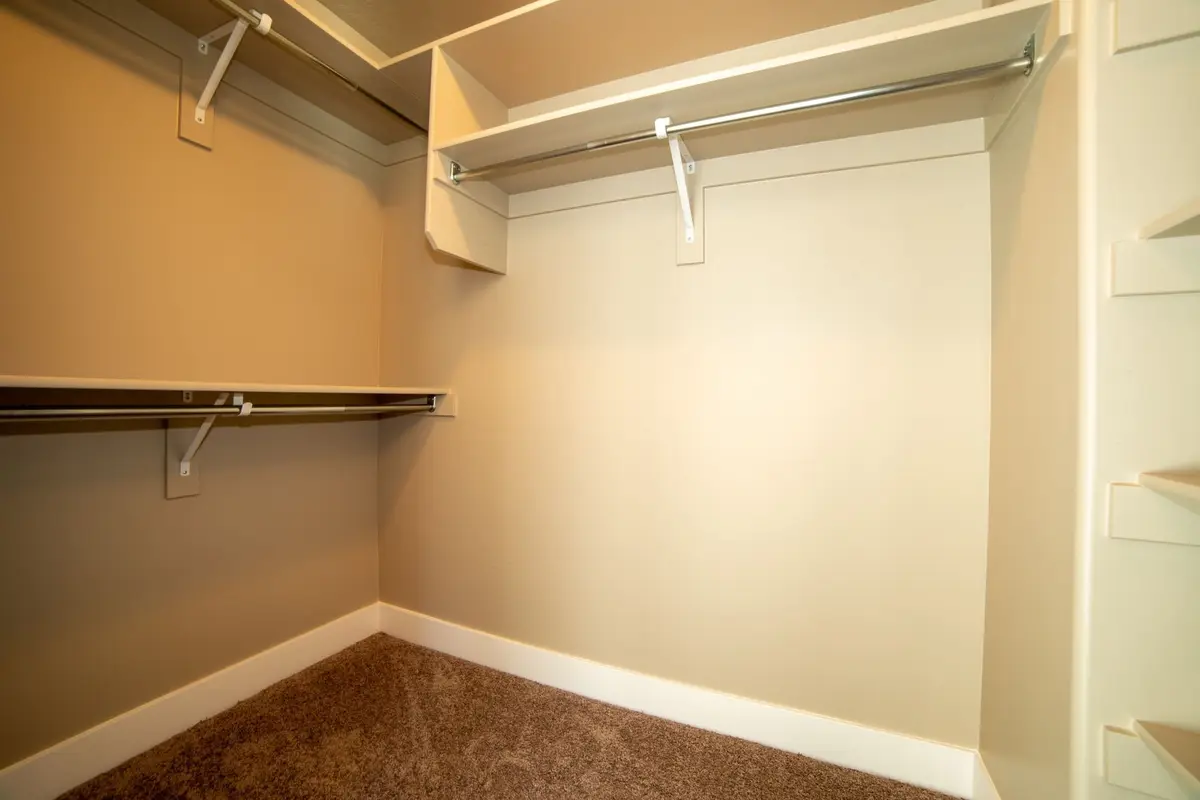
Measure that square: how far the clothes stick out from each wall, and how much of each rod they block. That’s your dead zone, and it’s usually bigger than it looks.
Measure each wall’s length, the height to the shelf, the door opening and the angle of the door if it sits across the corner. Sketch the closet from above as an L and mark the dead square on it.
Then pick one plan for the square: a rod that turns the corner, shelves that fill it or long, rarely worn pieces hung into it from one rod only. The ideas below cover each option.
Sort what you keep before you buy anything. If the pile feels like too much, the declutter challenge breaks the job into small daily steps.
2. Turn the corner with an L-shaped rod
A corner rod connector or an L-shaped rod joins the two rods into one continuous run. Hangers slide around the turn instead of jamming against the other wall.
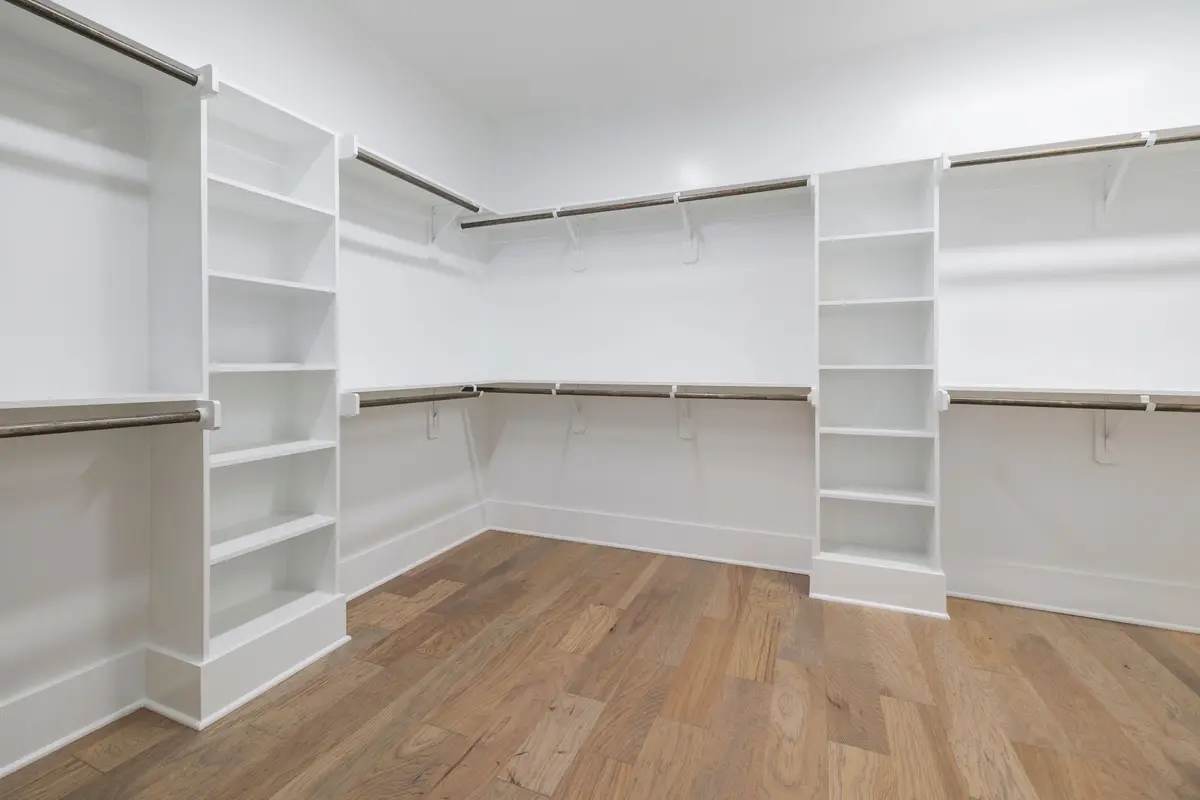
Even with a corner rod, the few hangers right in the bend are hard to see. Keep the clothes there to things you wear least, like a formal dress or a winter coat, and keep everyday pieces on the straight runs.
If the closet is tall enough, run a second L-shaped rod below the first on one wall only, for shirts, skirts and folded pants. Keep the other wall single height for long clothes, so the corner doesn’t turn into a tangle at two levels.
Put the long-hang section on the longer wall, where there’s more width for coats and dresses.
Mount every rod and connector into studs or solid blocking, since the corner joint carries the weight of two runs. Check that the rods sit level, so hangers don’t drift into the bend on their own.
3. Fill the inside corner with shelves that wrap
When a corner rod isn’t practical, fill the dead square with shelves instead. Shelves don’t need room for hangers to swing, so they can run right into the corner.
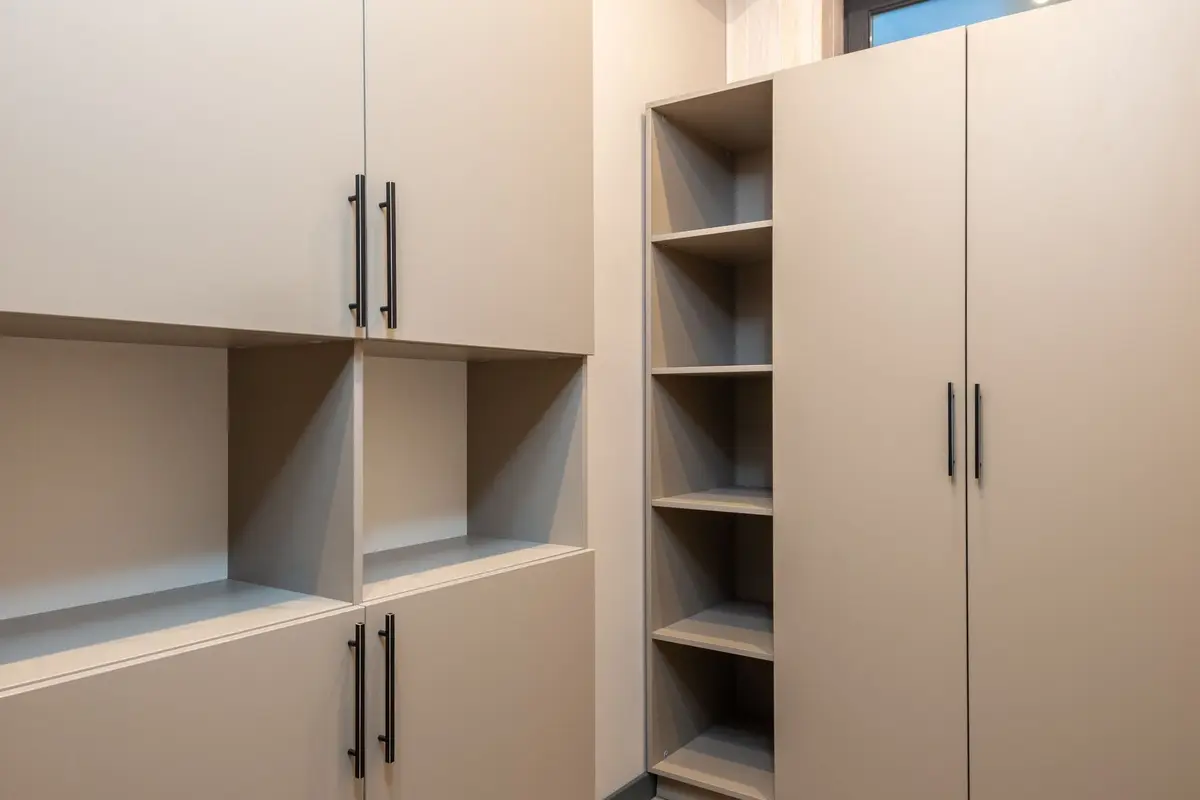
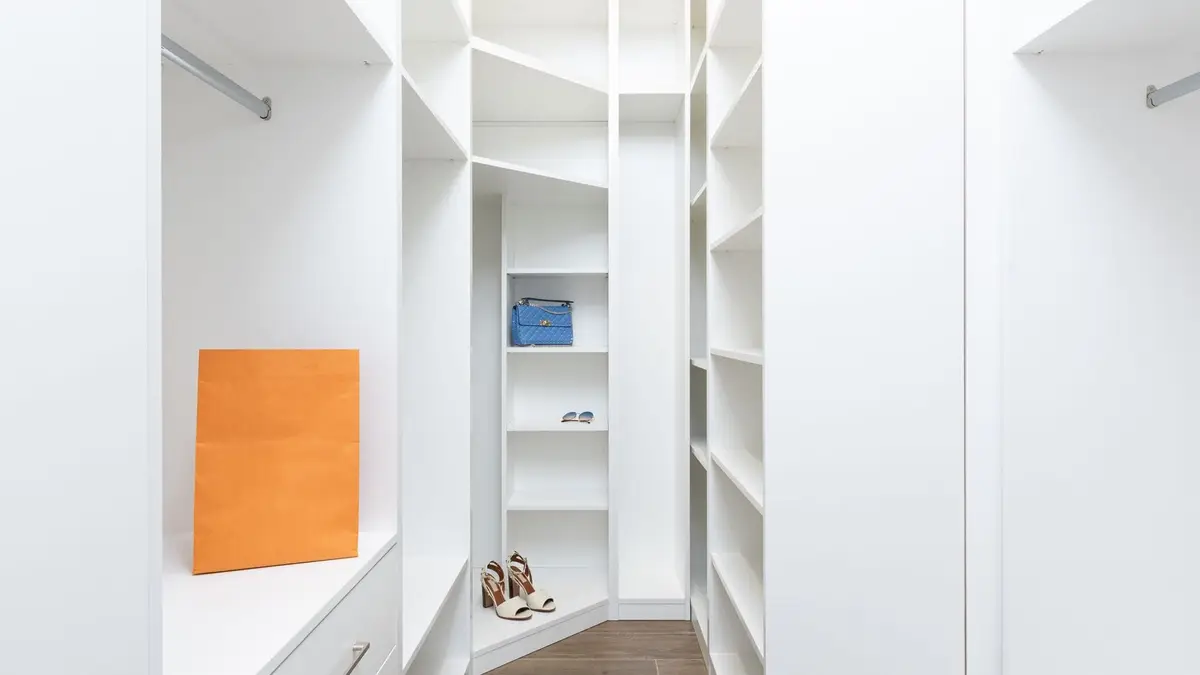
Corner shelves come as L-shaped boards that wrap both walls, a column of square cubbies that tucks into the corner or a tower that sits where the two rods would have met. Stop each rod at the edge of the shelves.
Use the shelves for folded clothes: sweaters, jeans, sweatshirts and tees. Keep stacks low enough that pulling one piece out doesn’t bring the stack down.
The back of a corner shelf is far from the front edge, so things there get lost. Keep the back for bins of off-season pieces and the front for what you use every week.
Light or white shelves make the corner feel less like a dark hole, which helps in a small closet with no window.
4. Add a lazy susan or round-end shelves
A turning shelf brings the back of a corner to the front. In a closet corner, a small rotating rack or a lazy susan on a shelf lets you spin the back to you instead of reaching in.
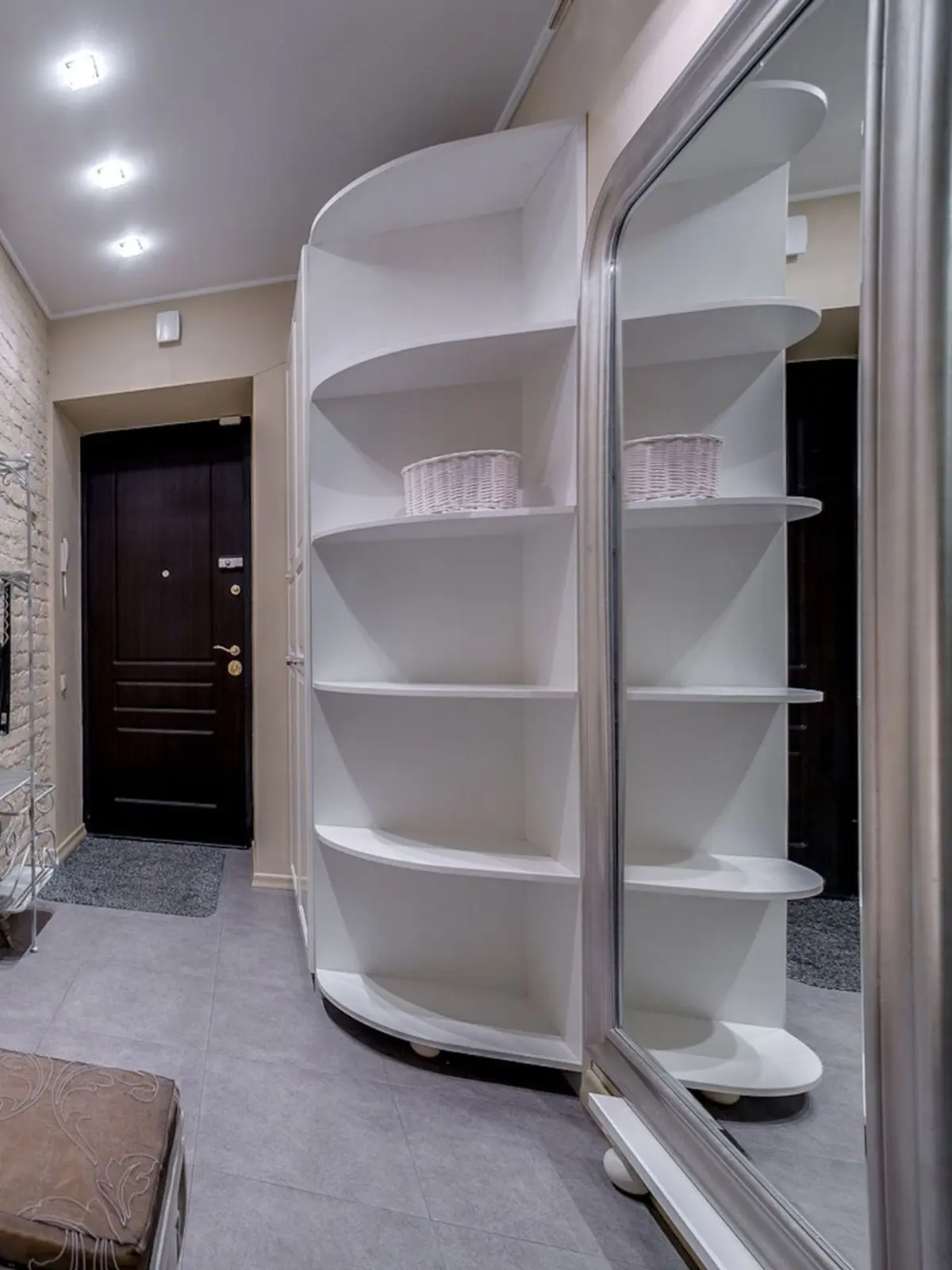
A lazy susan on a corner shelf holds small things that would get buried in the back: rolled belts, folded scarves, a jewelry tray or a basket of socks. Choose one with a raised edge, so nothing slides off as it turns.
Round-end shelves suit the open end of an L-shaped closet. The curve has no sharp corner to bump, and you can see every shelf from the side as you walk past.
Some closet systems sell rotating corner racks with arms for hanging. Measure the dead square and the height first, and check that the rack turns all the way without catching on the clothes on either rod.
Keep the turning shelf at about waist height, where you can spin it without reaching up.
5. Hang hooks on the short walls
Many corner and L-shaped closets have a short wall at the open end of each run, beside the door. Those narrow strips are too small for a rod, but they’re just right for hooks.
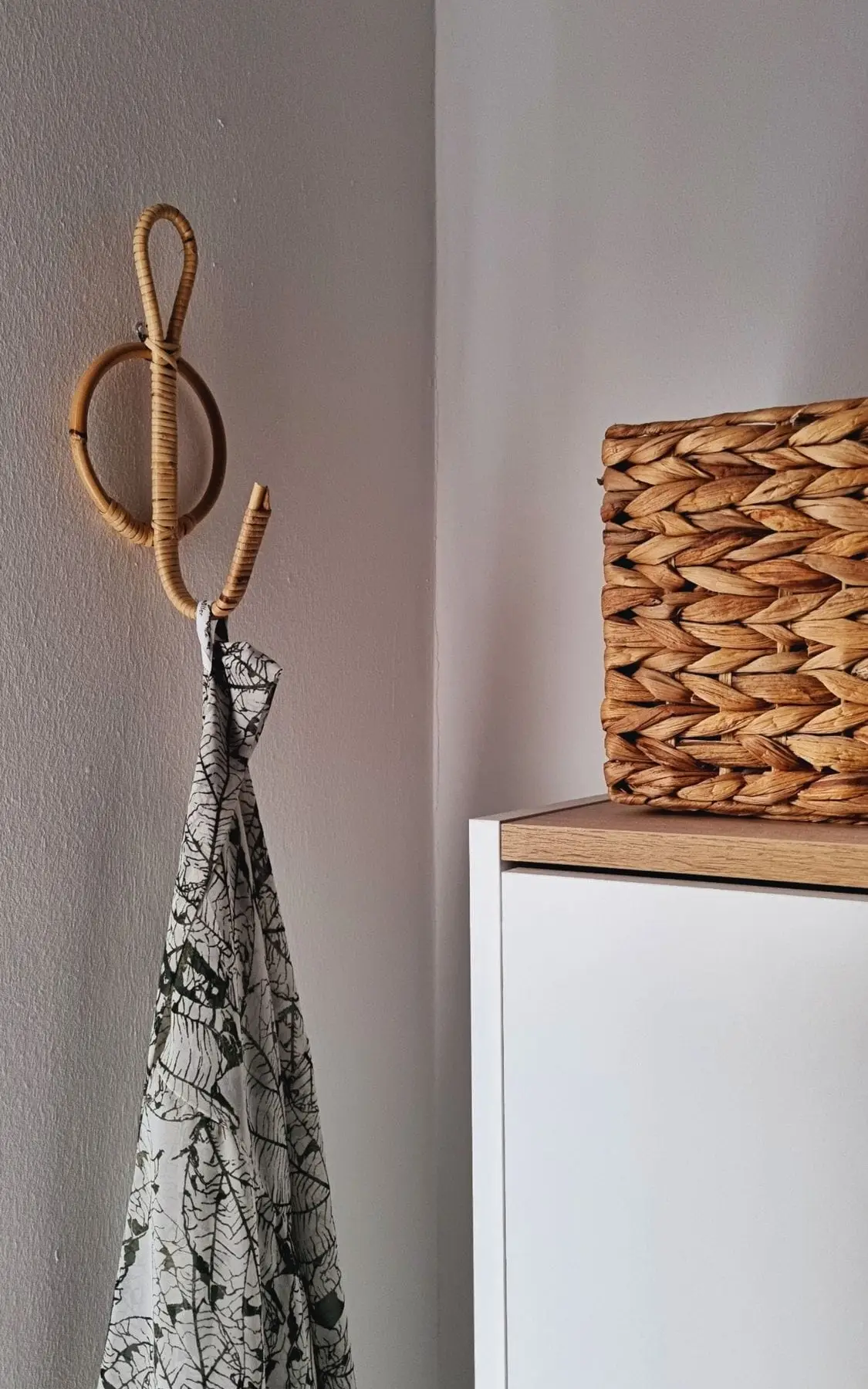
A column of hooks holds bags, a robe, belts, scarves and hats. Hang one thing per hook, so each one stays visible and comes off without pulling the rest down.
Hooks on the short wall right inside the door are the easiest thing in the closet to reach. Use them for what you grab every day, like your work bag or a jacket.
Match the hook to the weight: light adhesive hooks for hats and scarves, screw-in hooks in a stud or a wall anchor for a full bag.
If there’s room, a slim rail with S-hooks on the short wall works the same way and lets you move things around as the seasons change.
6. Switch to slim hangers so the corner turns
Thick wooden and plastic hangers take up room on a straight rod, and they’re worse in a corner. Where two rods meet, bulky hangers lock together and stop the turn.
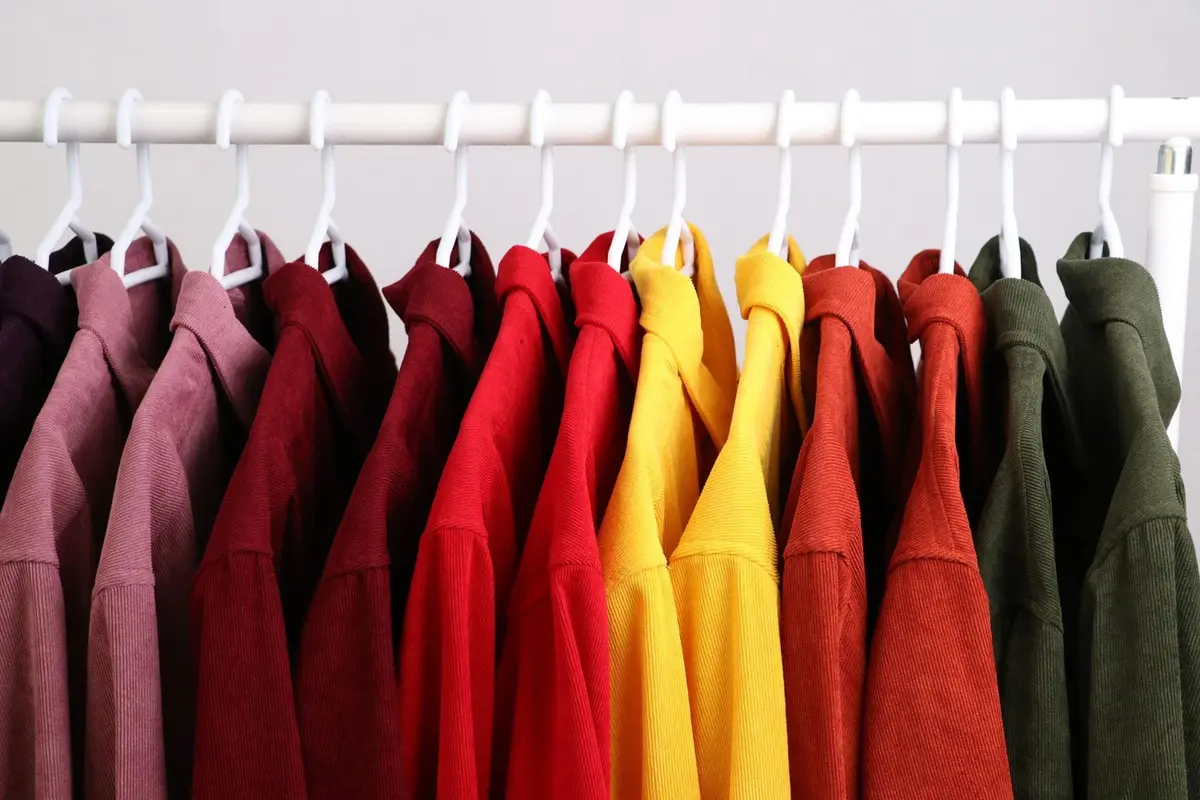
Slim hangers of the same shape sit closer together and slide past each other at the bend. Velvet-covered ones grip silky tops, so clothes don’t slip off when you move them.
Switch a few at a time, as clothes come out of the laundry, and pass on the old hangers instead of stuffing them back in.
Keep heavy coats on sturdy hangers with wide shoulders, and hang them on the straight part of the rod, away from the corner.
With matching hangers in place, the rod is easy to read at a glance. A color-coded closet takes it one step further, so you can find a shirt in a small closet in seconds.
7. Use the shelves above, all the way to the ceiling
In a small corner closet, the space above the rods is often taller than you think. A shelf that wraps the corner above both rods, and a second one above it, adds storage without using any floor.
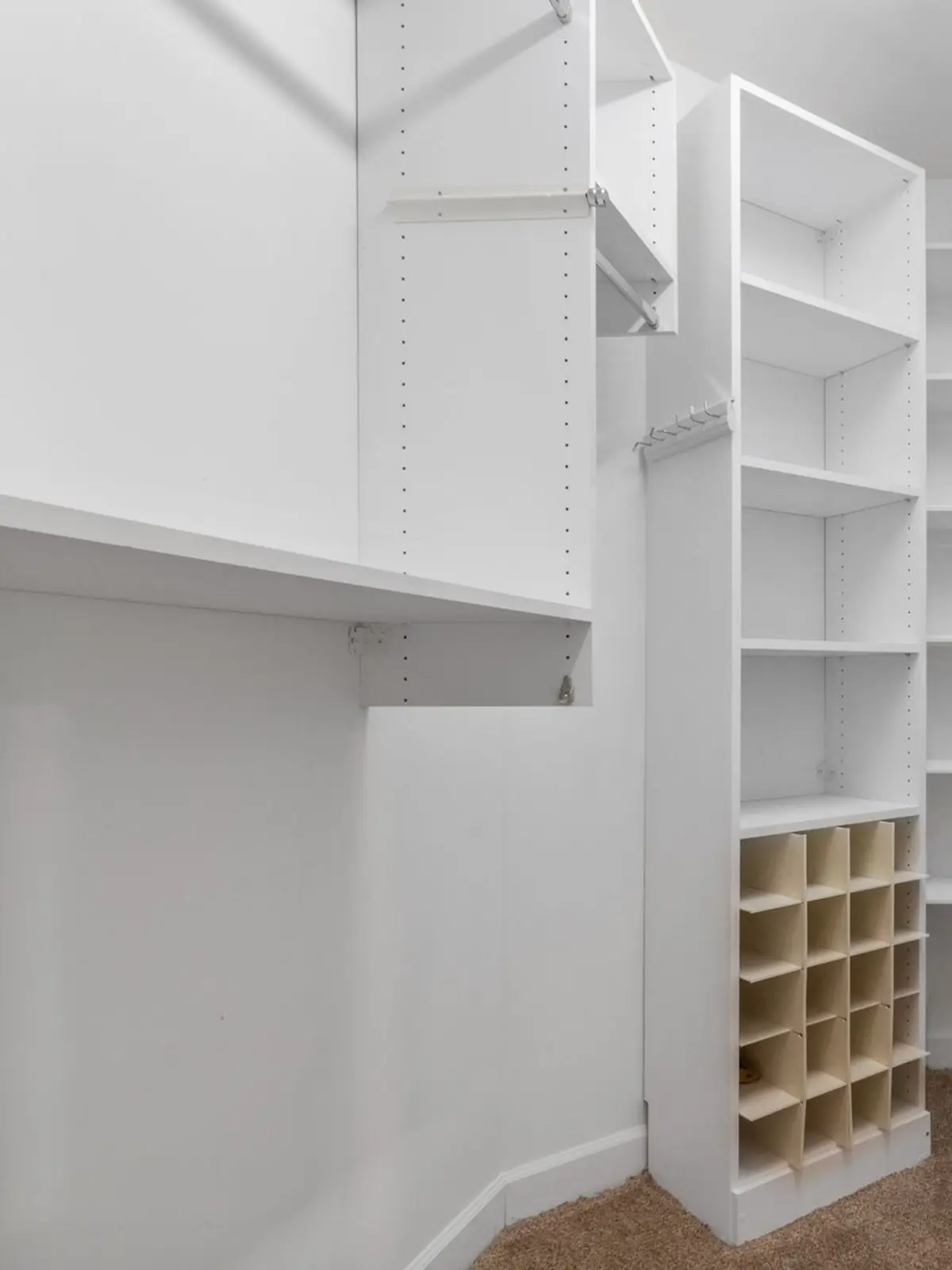
The corner of a high shelf is the hardest spot in the closet to reach. Put bins with a handle on the front there, so you can pull one forward instead of reaching into the corner.
Keep each bin to one kind of thing, like swimwear, spare bedding or keepsakes, with a label facing out. Measure the shelf depth and the gap to the ceiling, then use the bin size calculator to see which sizes fit along each wall.
Store light things up high and heavy things lower down, and keep what you use often at about waist height.
To reach the top shelf, use a sturdy step stool with a bar to hold on to, never a chair. A slim folding stool can hang on a hook on one of the short walls.
8. Stand a shoe tower in the corner
The floor of a corner closet is hard to use, because a flat shoe rack can’t reach into the bend. A narrow tower of shoe shelves can stand right in the corner, or at the open end of one run.
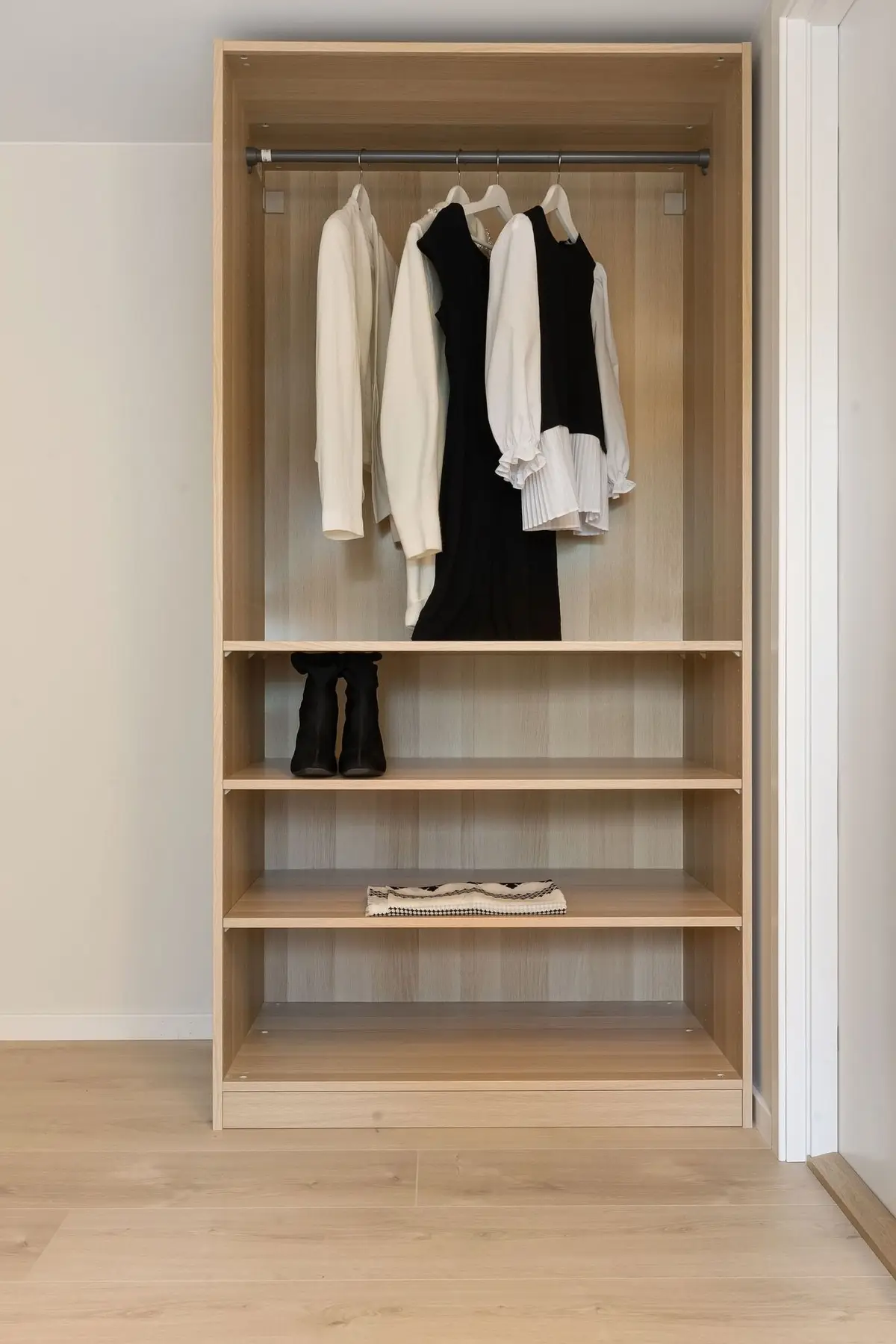
A tower uses height instead of floor, so it holds many pairs in a small footprint. Set the shelves for your shoes: low ones for flats and sneakers, a tall one for boots.
Put the pairs you wear most at waist height, where you can see and grab them. Off-season and special pairs go on the top and bottom shelves.
If the tower stands under a rod, leave space between its top and the hems above, so clothes don’t drag on the soles.
Anchor any tall tower to the wall, since a full shelf unit can tip when you pull on it. Wipe the shelves now and then, and set wet or muddy pairs on a tray outside the closet until they dry.
9. Light the corner where it’s darkest
A corner closet is dark in exactly the spot you need to see: the inside corner and the back of the shelves. A light aimed there makes the whole closet easier to use.
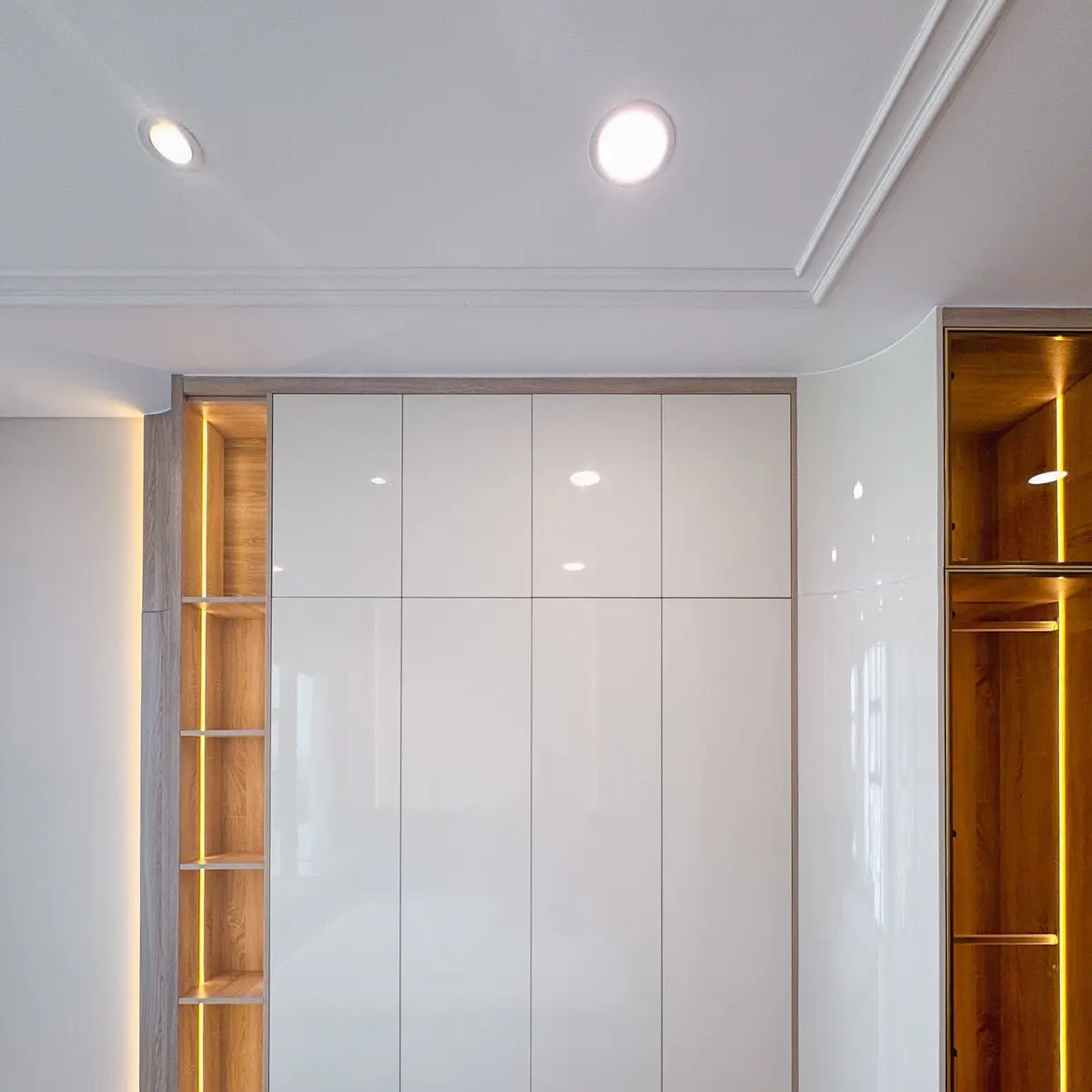
Battery or plug-in LED strips stick under a shelf edge or along a corner and need no wiring. A puck light at the inside corner of the top shelf shows what’s in the bins there.
Motion-sensor lights switch on when you open the door and off when you walk away. Choose a warm white light that shows colors clearly.
Keep stored things clear of any light and don’t stack boxes against it.
For wired lighting or a new switch, hire a licensed electrician. A small light saves digging through the corner by feel, and it makes the dead corner part of the closet.
10. Plan around an angled door
Some corner closets have a door set across the corner at an angle. Through the door, you look straight into the inside corner, and the two wings run off to each side, out of sight.
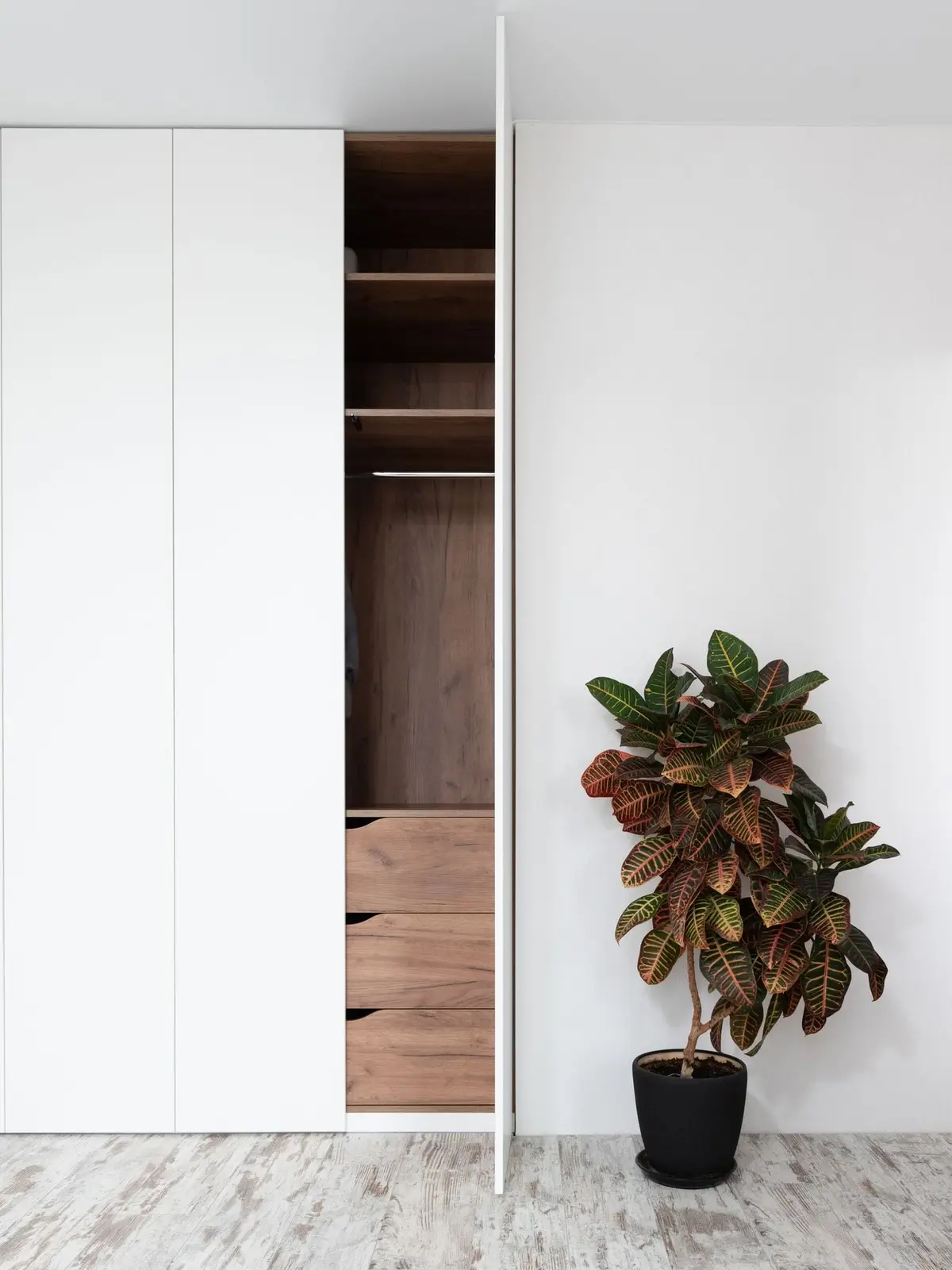
Put what you use every day straight ahead, where you can see it from the door: the shelves or the turning rack in the corner and the near ends of both rods. The far ends of each wing are the slow zones, for off-season clothes and things you wear now and then.
Check how far the door swings and what it hits. A door that opens into the closet can’t clear deep shelves near the frame, so keep that spot for hooks or narrow shelves.
A hinged door can carry an over-the-door rack for light things, as long as it still closes. Keep the floor right inside the door clear, so it never catches.
If the door is always in the way, a curtain on a ceiling track opens the whole angle at once.
11. Make a closet in the corner of a room
When a room has no closet, or the closet is too small, a corner of the room can become one. Corners are already out of the way, so a clothing rack there takes less from the room than one along a wall.
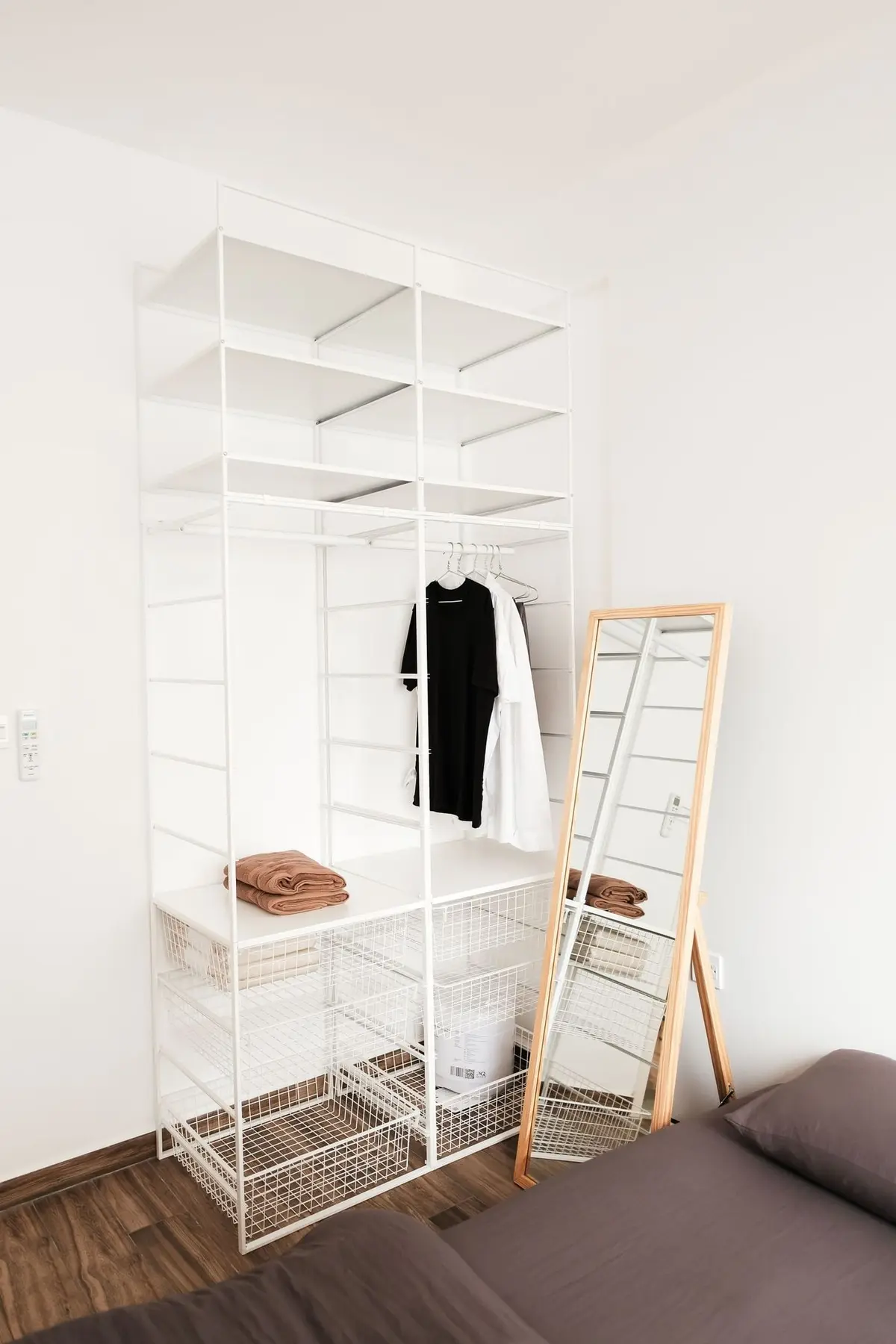
An open rack with a shelf below holds the clothes you wear most and a row of shoes. A wire unit with a rod, shelves and baskets adds folded storage in the same footprint.
Hang a curtain on a ceiling track around the corner to hide it, or leave it open and keep it tidy with matching hangers. These budget closet organization ideas show low-cost ways to build one with what you have.
A full-length mirror leaning beside the rack turns the corner into a small dressing spot.
For more ways to fit storage into a tight room, see these small bedroom organization ideas.
12. Anchor a freestanding corner wardrobe
A freestanding wardrobe, or an L-shaped corner wardrobe, can give a room a real closet with doors. It’s also one of the heaviest pieces of furniture in a home, and a tall wardrobe can tip forward when its doors or drawers are open.
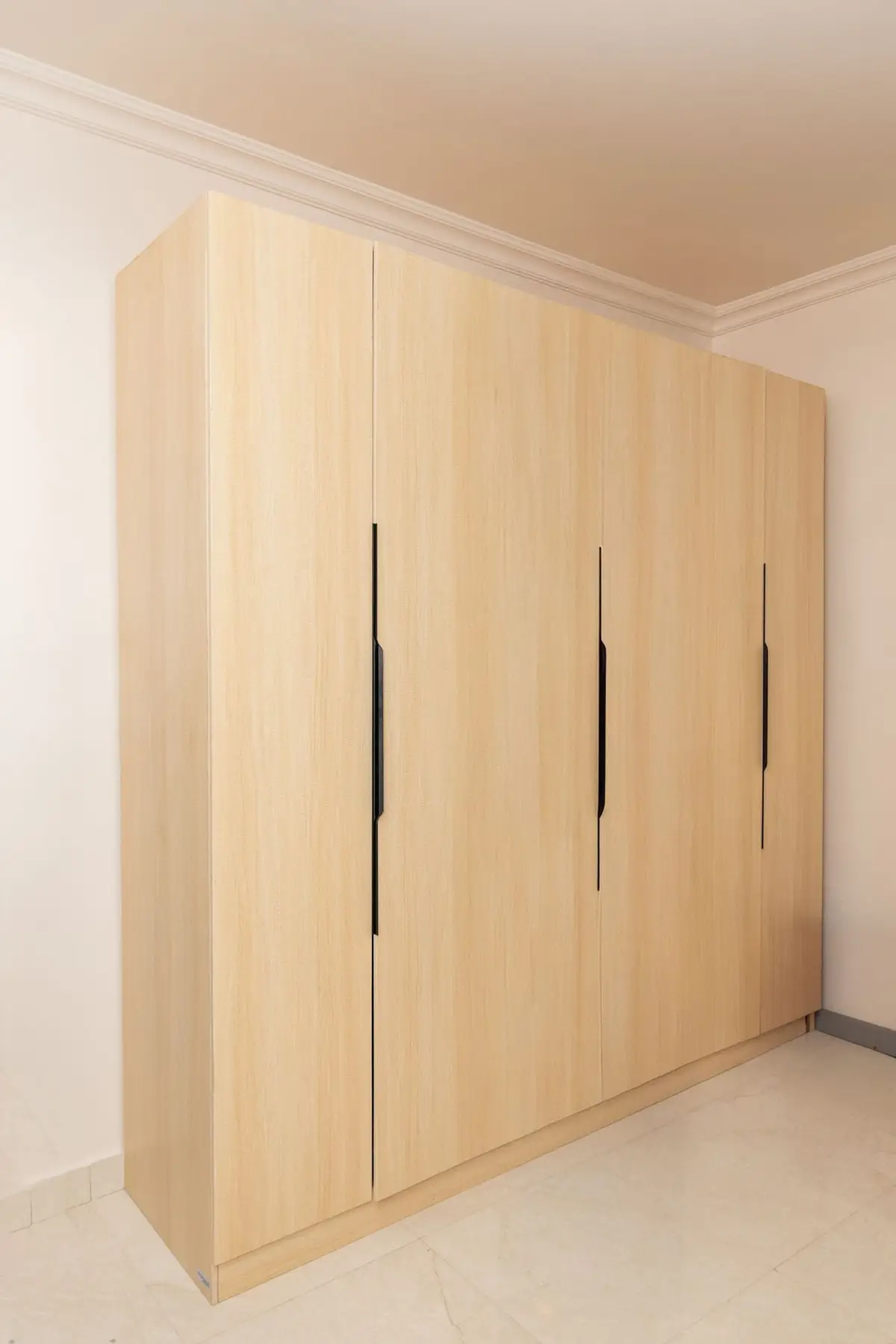
Anchor every wardrobe, corner unit and tall shelf to the wall with anti-tip hardware, fastened into a stud or a suitable wall anchor. This matters most in a home with young children who climb.
Push the wardrobe into the corner, but check that both doors still open fully once it’s there. A corner wardrobe needs clearance for the door nearest the wall.
Inside, use the same plan as a built-in: a rod for long clothes, a lower rod or shelves for short ones and bins on top.
Keep what goes inside to what fits. These minimalist closet organization ideas help you choose, so the doors close easily and the wardrobe stays easy to use.
Save this for later
Pin it to a board so it's there when you're ready to start.
Save to Pinterest(opens in a new tab)Make it easier
Free printable
30-Day Declutter Challenge Printable
A one-page declutter challenge for a month: one small spot to clear each day, easiest first, so the whole house gets a pass in short sessions.
Free tool
Enter the width, depth and height of a shelf, a drawer or a cube cubby, and see which standard bins and baskets fit, how many, and how they line up.
Frequently asked questions
How do you organize a small corner closet?
Start by deciding what to do with the inside corner, where two rods would collide: fill it with shelves, turn it with a corner rod or leave it for long, rarely worn pieces. Then use slim hangers, hooks on the short walls, shelves above the rods and a light aimed into the corner.
What do you do with the dead corner in a closet?
Run one rod all the way into the corner and stop the other one short, or fill the corner square with shelves, cubbies or a rotating rack. Shelves that wrap the corner hold folded clothes, shoes and bins that would never fit on a rod there.
Can you make a closet in the corner of a room?
Yes. An open clothing rack, a wire shelf unit or a freestanding wardrobe tucked into a corner works as a closet, and a curtain on a ceiling track can hide it. Anchor any tall unit to the wall so it can't tip.
Should a corner wardrobe be anchored to the wall?
Yes. Any freestanding wardrobe, shelf unit or dresser with doors, drawers or shelves should be fastened to the wall with anti-tip hardware, which matters most in a home with young children who climb.