12 Reach-In Closet Organization Ideas That Plan the Closet Wall to Wall
Plan the bedroom closet you can't step into, end to end: zones you see from the door, double and long hanging, the hidden end walls, the floor and the door.

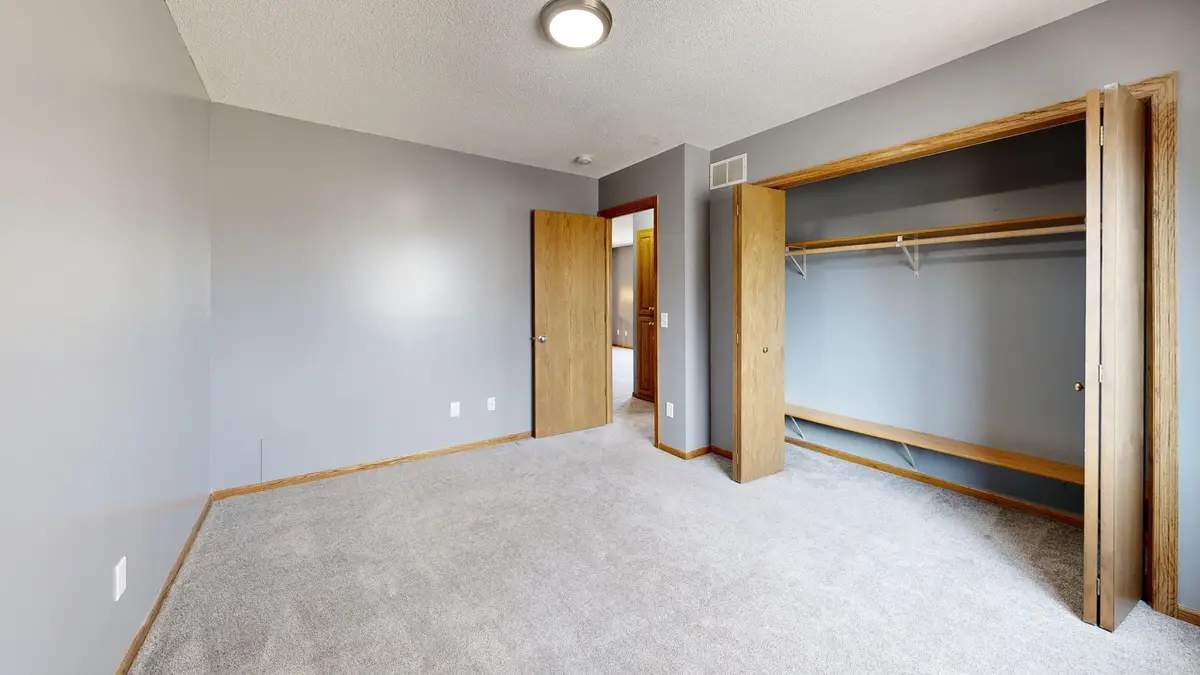
A reach-in closet works best when you plan the whole wall, not just the rod. Split the hanging space into a double-hang section for short clothes and a long-hang section for dresses and coats, add a shelf tower or drawers if there’s room, then give the shelf above, the floor, the hidden end walls and the door one clear job each.
Everything you wear every week belongs in the strip you can see when the doors open. These 12 ideas suit the standard bedroom closet you reach into from the room, from a single-person closet to one shared by two people or sized for a child.
1. Stand at the door and map what you can see
Empty the closet, then stand in the doorway with the doors open. Notice what you can see and reach without leaning in: usually the middle of the rod, the front of the shelf above and a strip of floor.
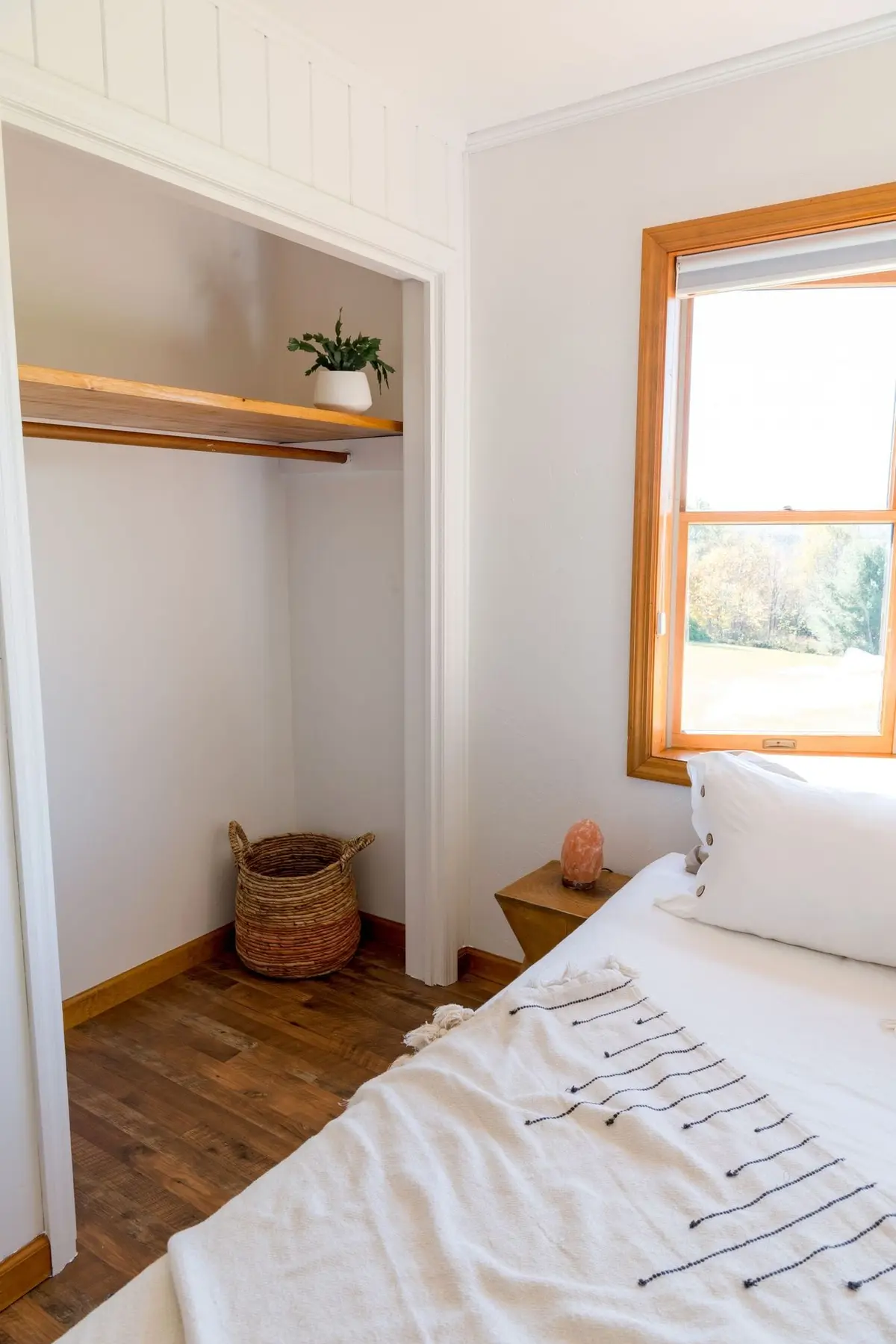
That visible strip is your everyday zone. The ends of the closet, tucked behind the wall on each side of the door frame, are the slow zones for things you use less often.
Measure the width inside the closet, the width of the door opening, the depth and the height to the shelf. In many reach-ins the inside is wider than the opening, and that difference is the hidden space you’ll plan for later.
Sketch the back wall on paper as a long rectangle and mark the opening on it. Then divide it into sections: one for short hanging, one for long hanging and, if the width allows, one for shelves or drawers.
Pencil in the shelf above and the floor too. When every part of the wall has a job on paper, it’s much easier to buy only what fits.
2. Split the rod into double hang and long hang
One rod running wall to wall wastes space, because most clothes are short and leave empty air below them. Split the width into two sections instead.
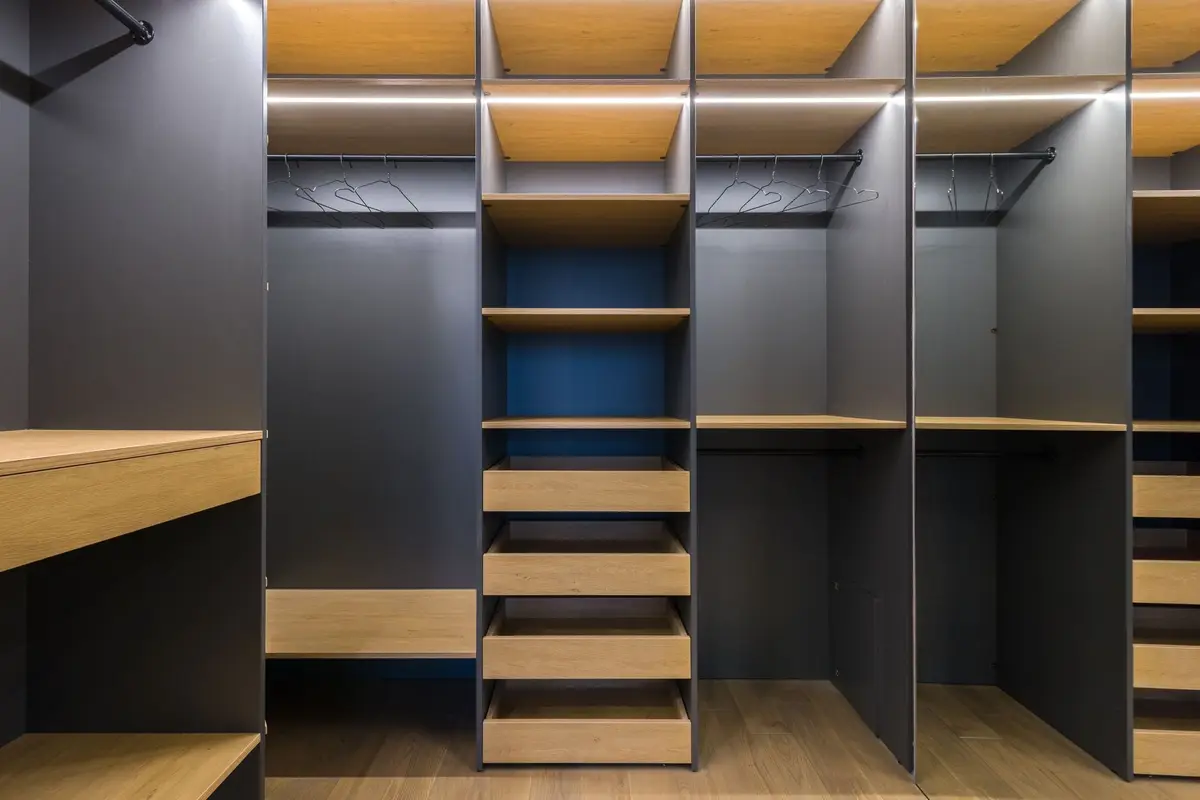
In the double-hang section, a high rod holds shirts and blouses, and a lower rod under it holds pants folded over hangers and skirts. In the long-hang section, a single high rod holds dresses, coats, robes and long pants.
To decide how wide each section should be, count your clothes. Lay out everything short in one pile and everything long in another, and give each section a width that matches its pile.
Measure your longest dress or coat before you set the long-hang rod, so hems don’t fold on the floor. Set the lower double-hang rod high enough that pants clear whatever sits under them.
If you’re working with what you already own, these budget closet organization ideas show low-cost ways to add a second rod. Mount any new rod into studs or solid blocking, since a full rod is heavy.
3. Put a shelf tower or a drawer unit in the middle
A tower of shelves or a small drawer unit between the two hanging sections turns a plain rod closet into a planned one. It gives folded clothes a home without taking a dresser’s worth of floor in the bedroom.
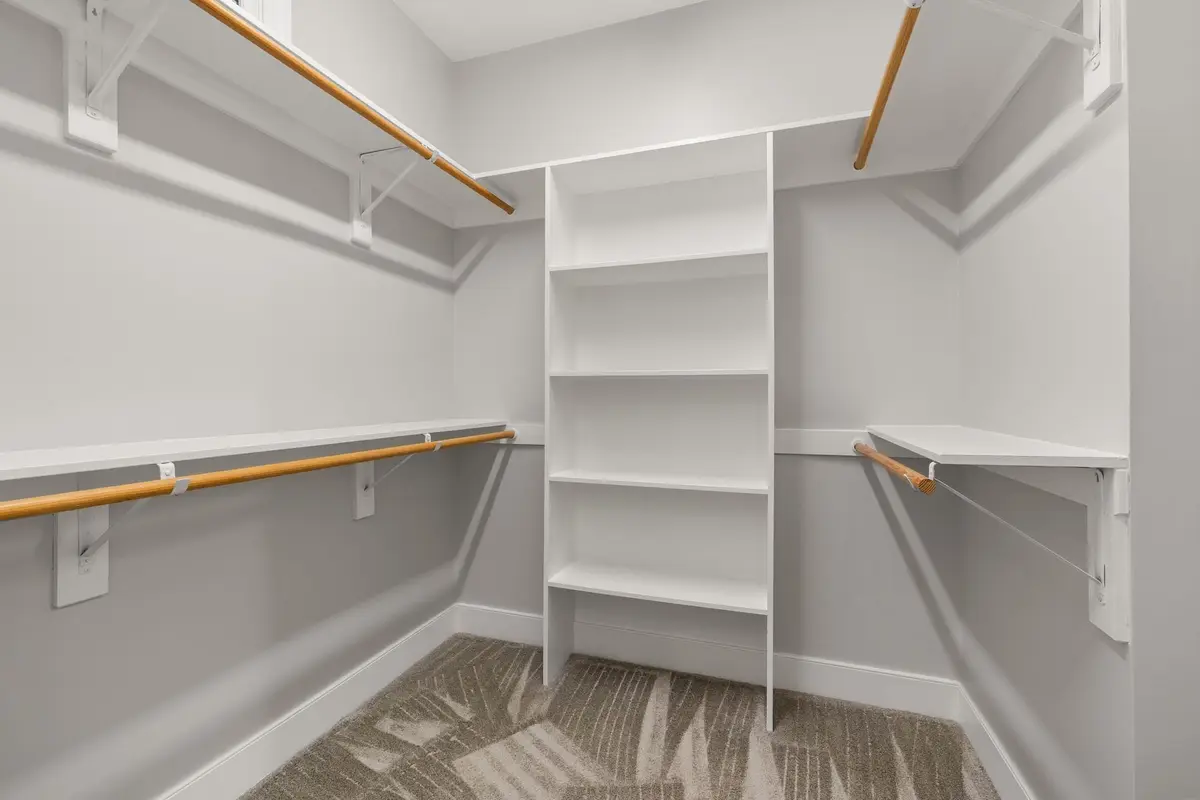
Center it on the door opening when you can. The middle of a reach-in is the easiest spot to see and reach, so it’s the right place for the things you open every day: underwear, socks, tees and workout clothes.
Check the depth before you buy. The tower has to fit between the back wall and the door, with room for the doors to close and drawers to open fully.
On a narrow closet, a slim tower or a stack of open cubbies with fabric bins works better than wide drawers. Leave enough rod on each side for the clothes you counted in the last idea.
Any freestanding tower, drawer unit or small dresser in the closet should be anchored to the wall so it can’t tip, especially in a home with children who climb. Use the hardware made for it and fasten it into a stud or a wall anchor.
4. Use the hidden end walls behind the door frame
Most reach-in closets are wider inside than the door opening. The short walls at each end, called returns, sit behind the wall on either side of the frame, and they’re easy to forget because you can’t see them from the room.
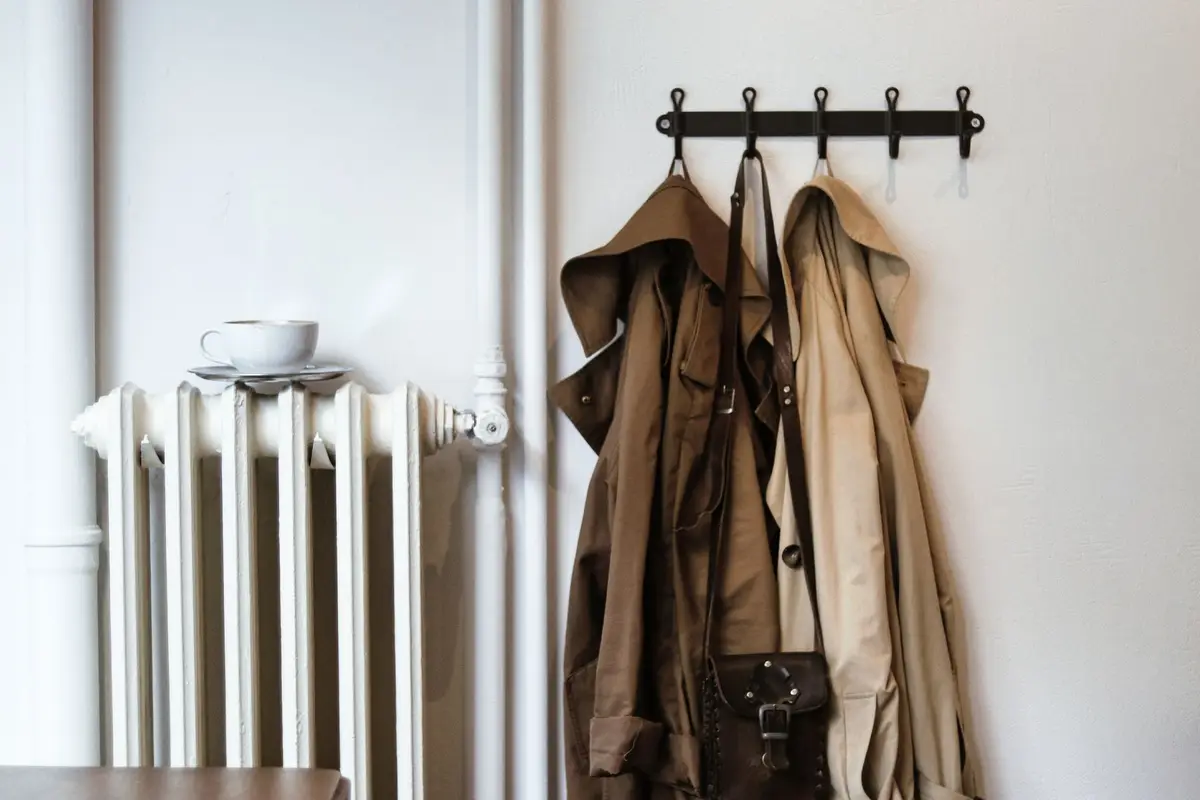
Those end walls are perfect for things that hang flat. A short hook rail holds bags, a robe, belts or a scarf or two, and a column of hooks fits even a narrow return.
Since you have to lean in to reach them, use the ends for things you don’t grab every day. Off-season coats on the long rod’s far end, a garment bag or the dress you wear twice a year all suit the corners.
The deep corners where the back wall meets each end wall can also hold tall, thin things standing up, like a folded drying rack or a step stool.
If your closet turns a full corner or sits at an angle, these corner closet organization ideas handle the spot where two rods meet. In a straight reach-in, the returns are small, so keep each one to a single, clear job.
5. Plan the shelf above the rod section by section
The shelf above the rod runs the full width of a reach-in, but you can only see the middle part from the doorway. Treat it the way you treated the rod, section by section.

Above the double-hang section, keep things that go with short clothes: folded sweaters, sweatshirts or a bin of tank tops. Above the long-hang section, store bigger, lighter things like a spare blanket, a travel bag or a hat box.
The ends of the shelf, hidden behind the door frame, are the place for the least used things, like a keepsake box or out-of-season swimwear. Slide them all the way in so the front of the shelf stays clear.
Measure the depth and the height between the shelf and the ceiling before you buy bins. The bin size calculator shows which sizes fit side by side, so none of the shelf is wasted.
Keep heavy things off this shelf, and use a sturdy step stool with a bar to hold on to instead of a chair. Whatever you use most should stay lower, about waist high.
6. Give the floor two jobs: shoes and a hamper
The floor of a reach-in gets cluttered because it has no plan. Give it two jobs and keep everything else off it.
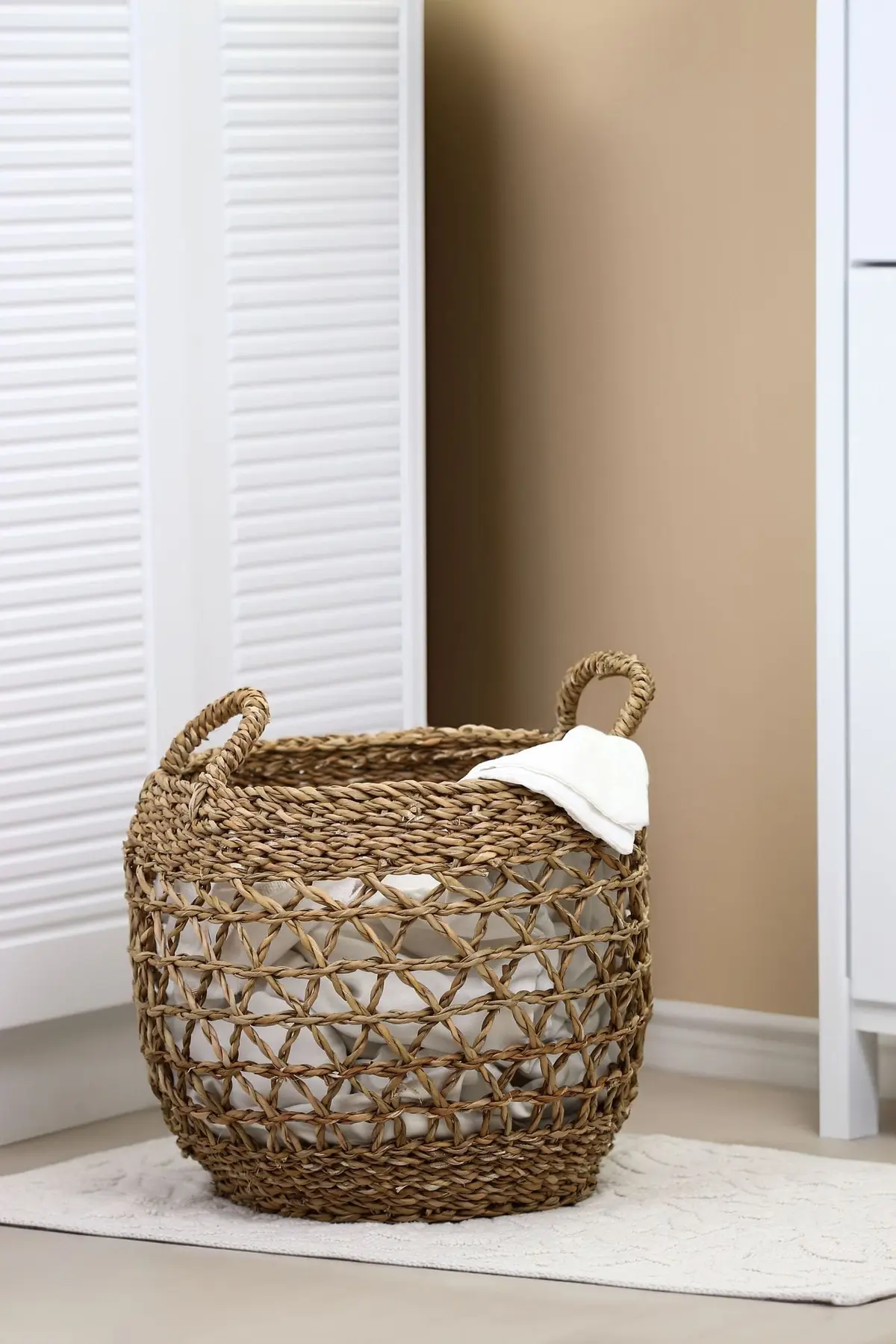
The space under the double-hang section is short, so it suits a low shoe rack or a single row of shoes. The space under the long-hang section is mostly taken by hems, so leave it clear or slide a narrow hamper in at one end.
A hamper inside the closet means dirty clothes go straight from you to the bin as you change. Choose one with handles, so carrying it to the laundry is quick, and a lid if it sits in plain sight.
Keep a clear strip at the front of the floor, where bifold or sliding doors run. Shoes that creep forward stop the doors from closing and get scuffed every time they do.
Wipe the floor before anything goes back in. Once each thing on the floor has a spot, a quick look tells you when something’s out of place.
7. Put the inside of the door to work
A hinged closet door has a whole flat panel that faces you every time you open it. Use it for small, light things you grab every day.
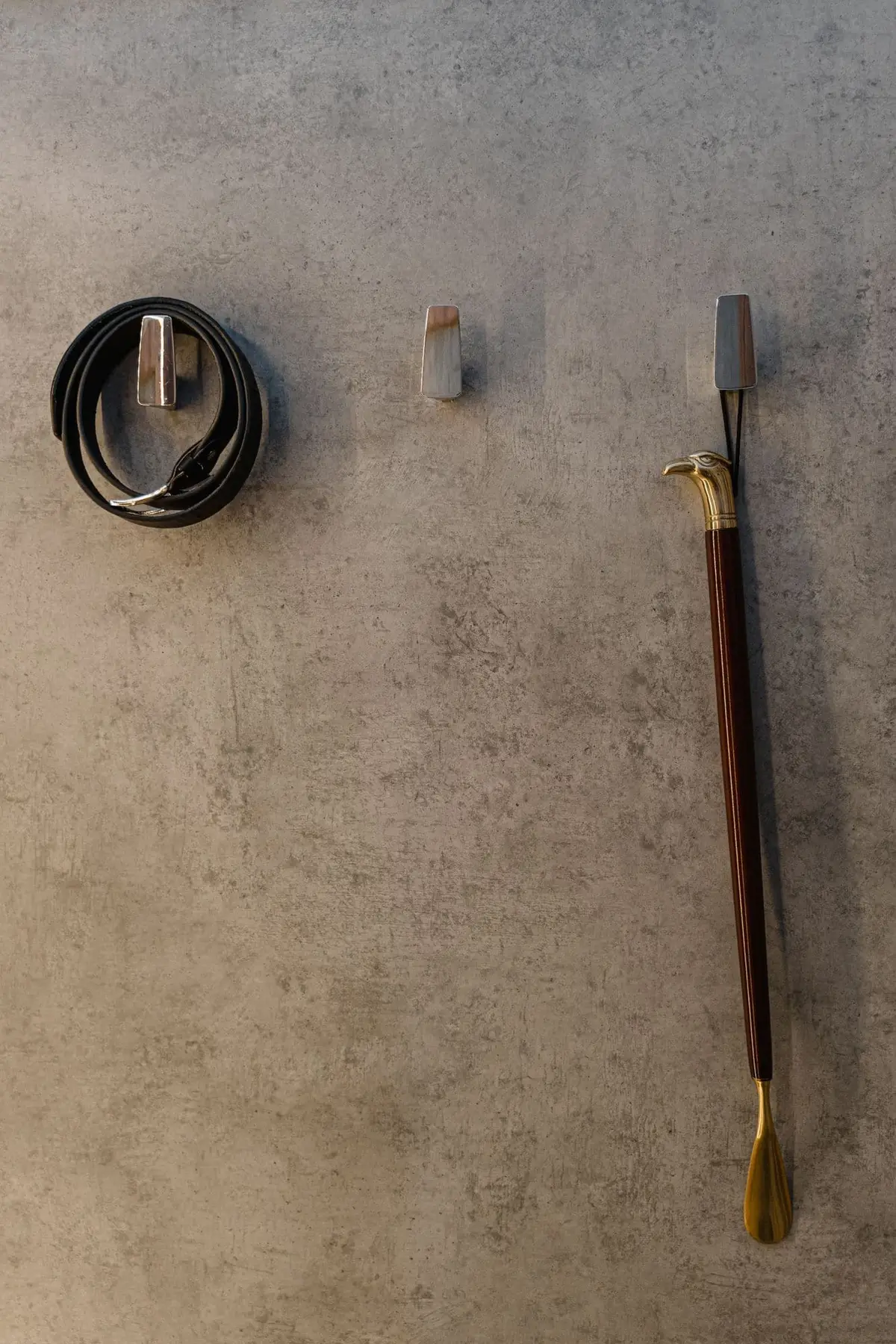
A few hooks hold a belt, a robe, a bag or tomorrow’s outfit. A slim over-the-door rack or a full-length mirror turns the door into a small dressing spot without using any wall.
Check the clearance first. Anything on the door has to clear the shelf, the rod and the clothes when the door closes, so keep the items on it flat and light.
Bifold doors fold back on themselves, so they can’t carry a rack. Put the hooks on the frame or on the return walls from the fourth idea instead, where they’re just as easy to reach.
If the closet has no doors at all, a curtain on a tension rod hides the clutter and leaves the full width open when it’s pushed aside. Keep the curtain clear of the shelf edge so it slides freely.
8. Light the closet so you can see the ends
A ceiling light in the bedroom lights the front of a reach-in but leaves the ends and the back in shadow. That’s where things get lost.
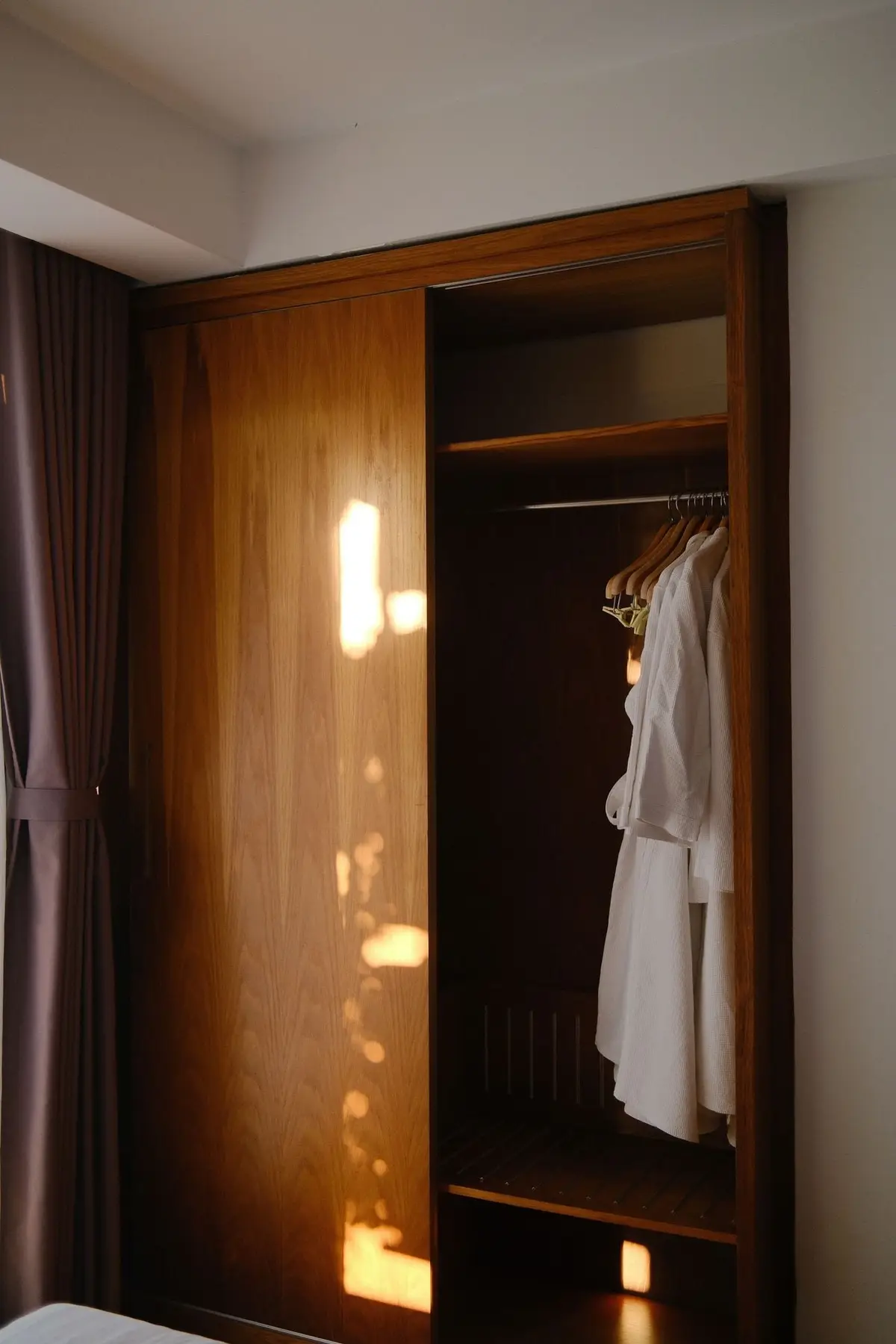
Battery-powered or plug-in LED lights stick under the header above the door or under the shelf and need no wiring. Aim one toward each end, so the returns and the corners are lit when the doors open.
Motion-sensor lights switch on as you open the doors and turn off by themselves, so nobody leaves them running. Choose a warm white light that shows colors clearly, so navy and black don’t look the same.
Keep stored things clear of any light, and don’t pile bags or boxes against it.
For a new wired fixture or a switch, hire a licensed electrician. A simple light inside the closet often does more for finding things than any new bin.
9. Share a reach-in between two people
When two people share one reach-in, mixing clothes along the same rod means both of you search through both wardrobes every morning. Split the closet by section instead.
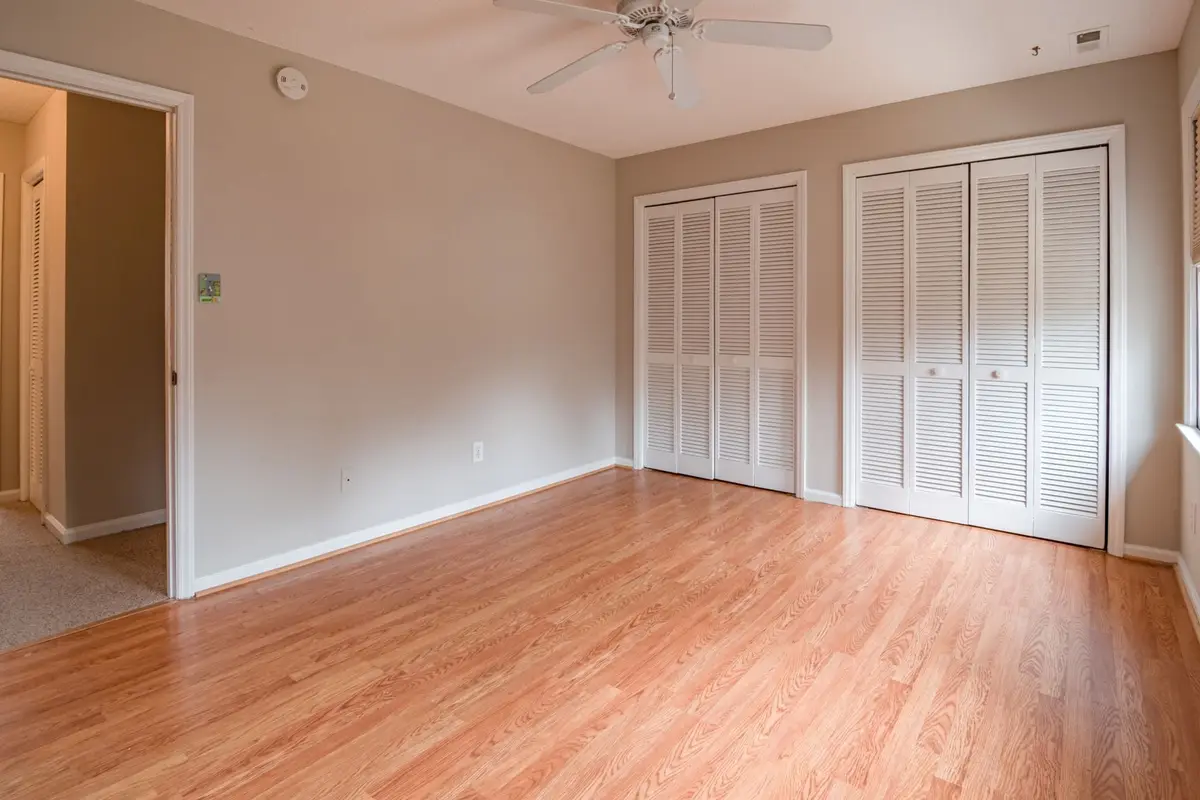
Give each person one end of the closet, with the hanging, the shelf above and the return wall on that side. The middle, where the shelf tower or drawers sit, becomes shared space for things you both use, like spare hangers or a lint roller.
Split the widths by how much each person hangs, not down the exact center. The person with more short clothes gets the double-hang side, and the one with more dresses or suits gets the long-hang side.
Use one hanger color per person if your clothes look alike. It’s a quick way to see where one side ends and the other begins.
If the bedroom has two closets, give each person their own and move only the shared things, like spare bedding, to the one with more room.
10. Set up a kids’ reach-in with a low rod
A child can only put clothes away if the rod is within reach. In a reach-in, the double-hang section already gives you a low rod: put the clothes they wear every day there.
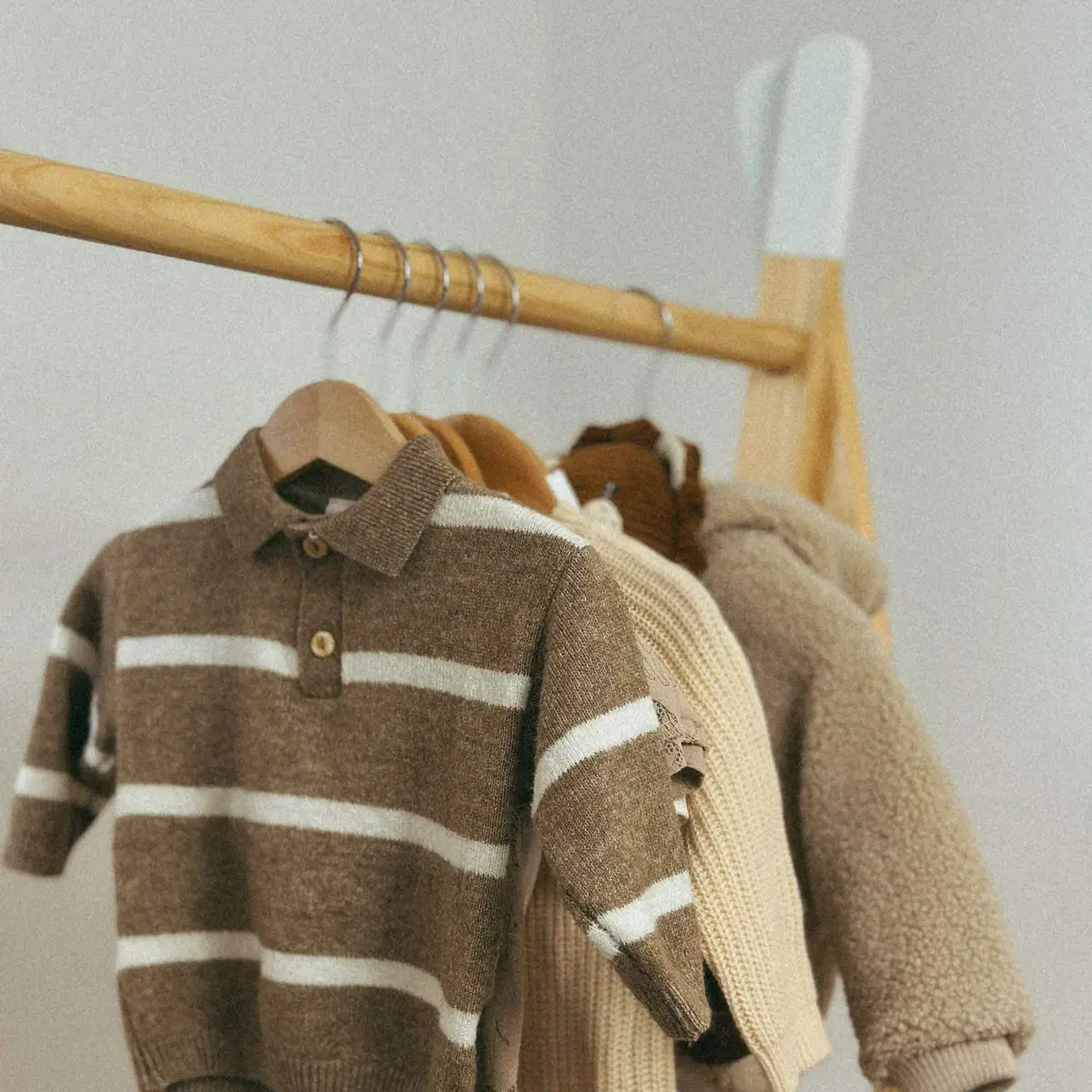
The higher rod above it holds the next size up, special outfits and anything that needs a grown-up’s help. Move clothes down as your child grows into them.
Put a hook on the return wall at their height for pajamas or tomorrow’s outfit, and a low bin or shelf on the floor for shoes. A small hamper they can reach makes the laundry job theirs too.
Keep the shelf above the rod for grown-up storage, like outgrown clothes or keepsakes, and never encourage climbing to reach it. Any drawer unit in the closet needs to be anchored to the wall.
Add “hang up clothes” and “shoes on the rack” to a kids chore chart, so the closet stays a job they can finish on their own.
11. Hang clothes by type and length
Once the sections are set, the order on each rod matters. Group clothes by type first, then from longest to shortest within each group.
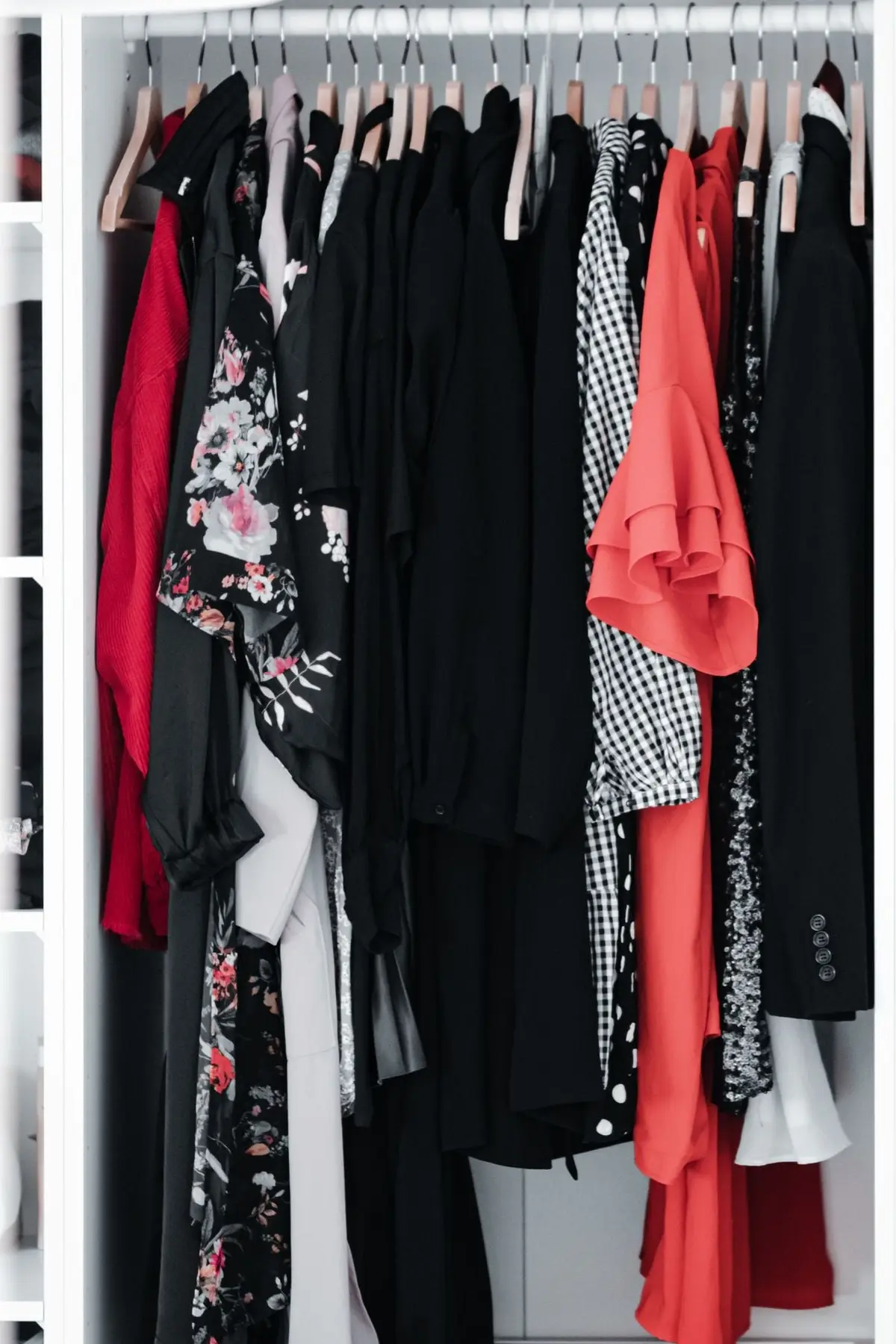
Hung that way, the hems form a slope instead of a jagged line. The short end of each section leaves open space below it that you can see and use for a shoe row or a small bin.
On the long-hang rod, start with coats and long dresses at the far end, then shorter dresses and skirts toward the middle. On the double-hang rods, keep button shirts, tees and sweaters as separate groups, so you can see how many of each you own.
Turn every hanger the same way, with the hooks facing the back. Clothes come off with one hand, and the rod looks calmer.
When a group outgrows its space, that’s your signal to pass some of it on rather than squeeze the rod tighter. A crowded rod wrinkles clothes and hides the ones you love.
12. Reset the closet in five minutes a week
A planned reach-in stays that way only if things go back where they belong. Pick one day a week and give it five minutes.
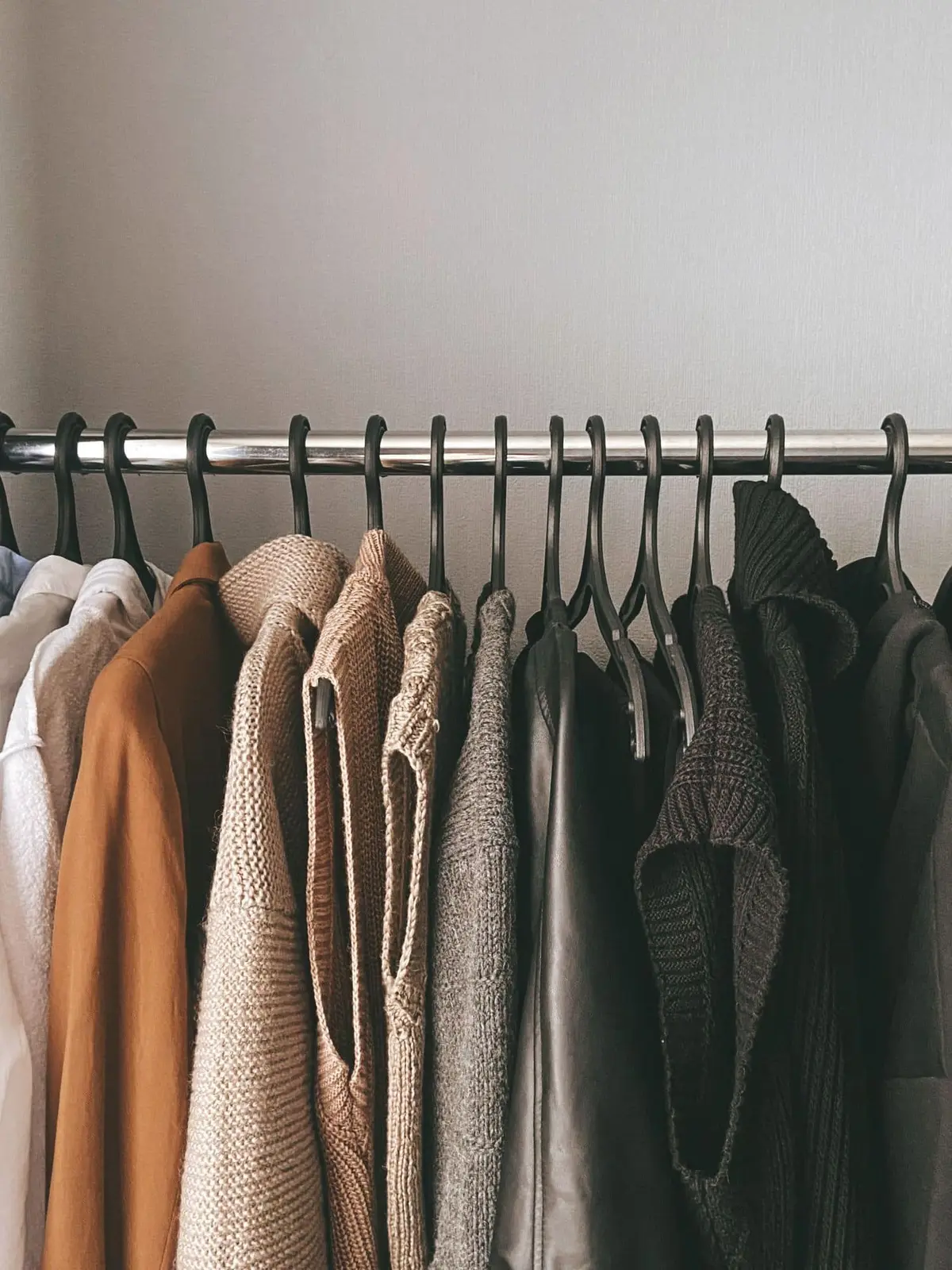
Hang anything draped over the end walls or the door, put shoes back on the rack and carry the hamper to the laundry. Move stray items, like mugs and chargers, back to their own rooms.
Walk the zones you mapped in the first idea: everyday strip, double hang, long hang, shelf above, floor and the hidden ends. If one zone keeps overflowing, it needs either more space or fewer things.
Once a month, take a slower pass with the declutter checklist and pull anything that no longer fits or that you didn’t wear.
A closet with fewer, better-loved pieces is easier to keep in order. These minimalist closet organization ideas help you decide what earns a spot on the rod.
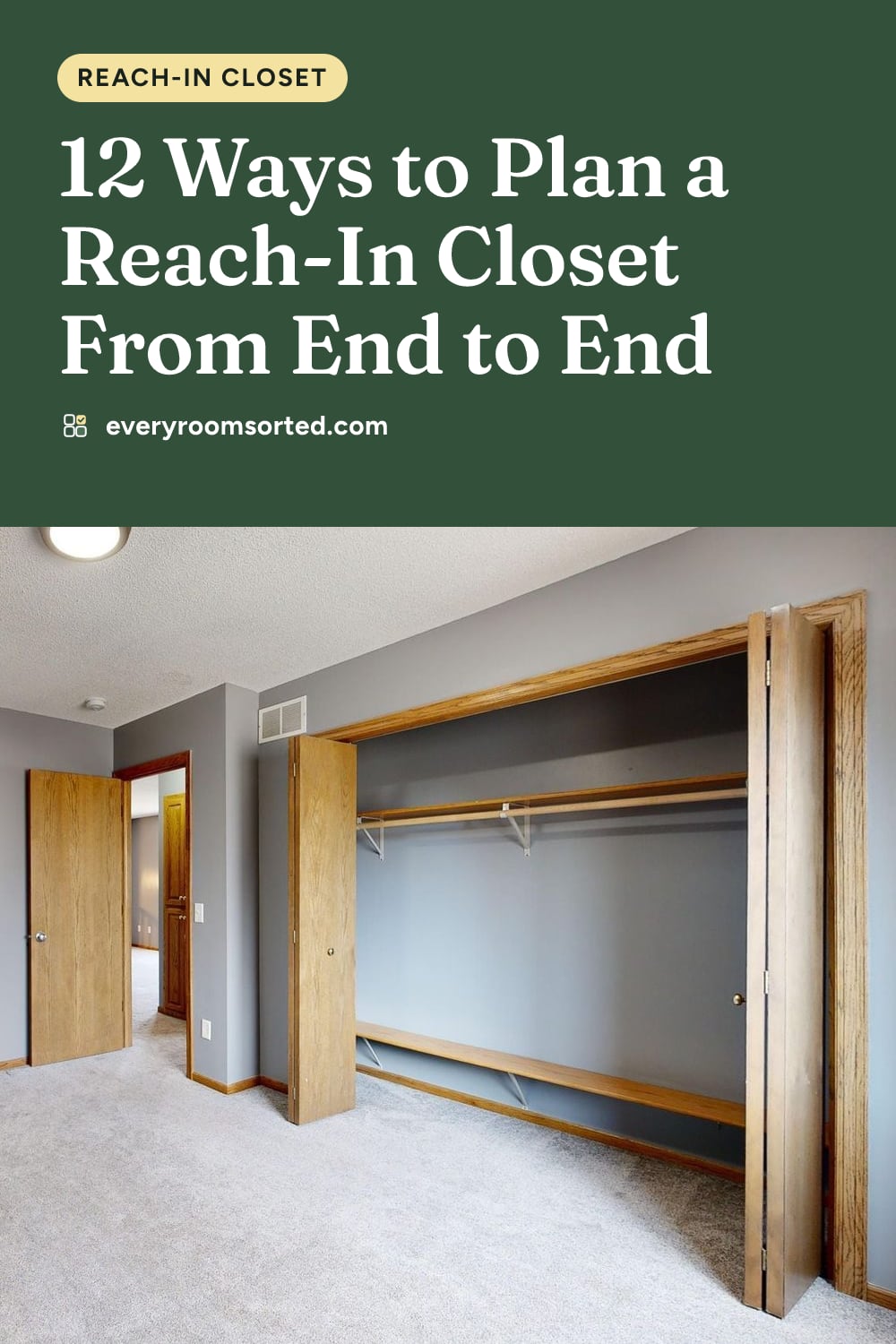
Save this for later
Pin it to a board so it's there when you're ready to start.
Save to Pinterest(opens in a new tab)Make it easier
Free printable
A room-by-room declutter checklist that tells you exactly what to look for, with four piles to sort into so nothing ends up back on the shelf.
Free printable
A free kids chore chart with a box to tick for every day of the week. Print it as it is, or add your child's name and their own chores first.
Free tool
Enter the width, depth and height of a shelf, a drawer or a cube cubby, and see which standard bins and baskets fit, how many, and how they line up.
Frequently asked questions
How do you organize a reach-in closet?
Plan the whole wall before you buy anything: split the rod into a double-hang section and a long-hang section, add a shelf tower or drawer unit if there's room, and give the shelf above, the floor, the end walls and the door each one job. Keep everyday clothes in the strip you can see from the doorway.
What is the best layout for a reach-in closet?
A common layout has double rods at one end for shirts and pants, a single high rod at the other end for dresses and coats, and a tower of shelves or drawers in between. Choose the widths by measuring how much of your wardrobe is short and how much is long.
How do I use the corners of a reach-in closet?
The short end walls hidden behind the door frame suit hooks, a narrow shelf or a slim rail for things you don't need every day, like belts, bags, a robe or off-season pieces. A small motion-sensor light aimed at each end makes those corners easier to see.
Should a reach-in closet have double rods?
Usually yes, for at least part of the width, since shirts, folded pants and skirts are short and a second rod below the first holds a lot more of them. Leave one section with a single rod for dresses, coats and long pants so they don't pile up on the floor.