12 Spice Organization Ideas From the Drawer to the Masala Tin
Check which spices still smell fresh, keep them away from stove heat, sort them by how you cook and pick a drawer, cabinet rack or wall rail that fits.

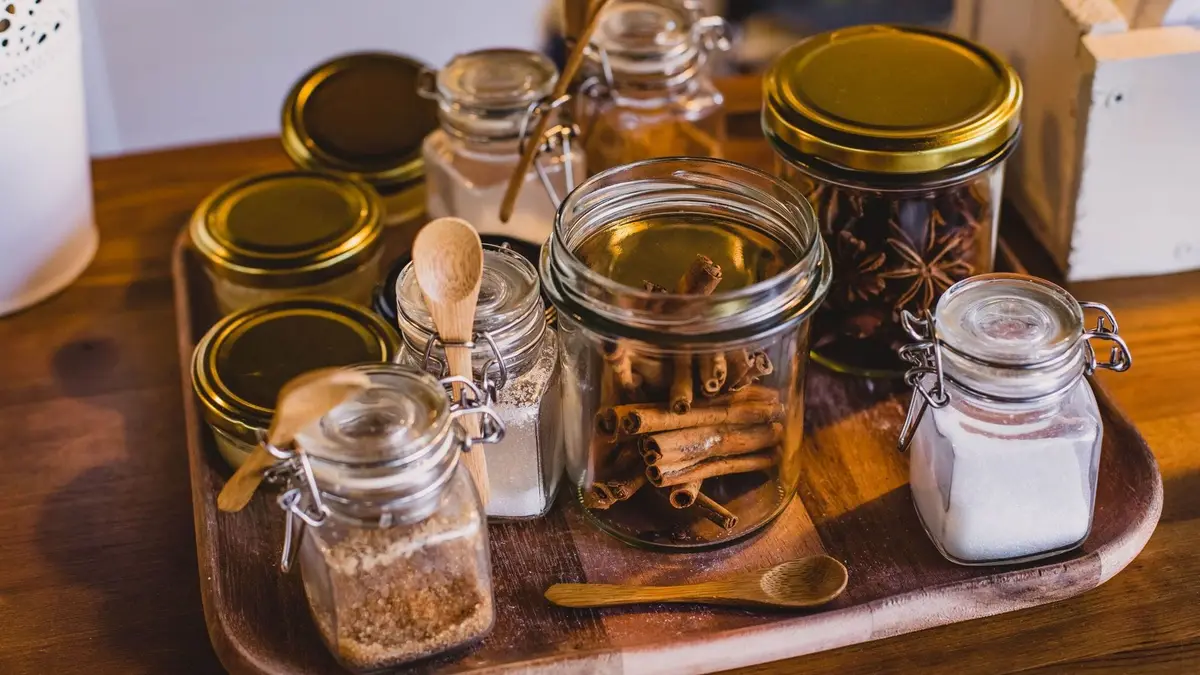
Good spice organization starts with a quick check: keep the spices that still smell strong, store them somewhere cool, dry and dark, and group them by how you cook. Then give them one home that lets you see every label at once, like a divided drawer, a rack in the cabinet, a rail on the wall or a round tin for the spices you use every day.
These 12 ideas work for a handful of jars or a collection that fills a cabinet. Start with the first two, since there’s no point organizing spices that have lost their flavor or that sit somewhere too warm.
1. Sniff and check every jar first
Pull every spice out of the cabinet, the drawer, the pantry and the rack by the stove, and line them up on the counter. Duplicates show up right away, like three jars of paprika and no cumin.
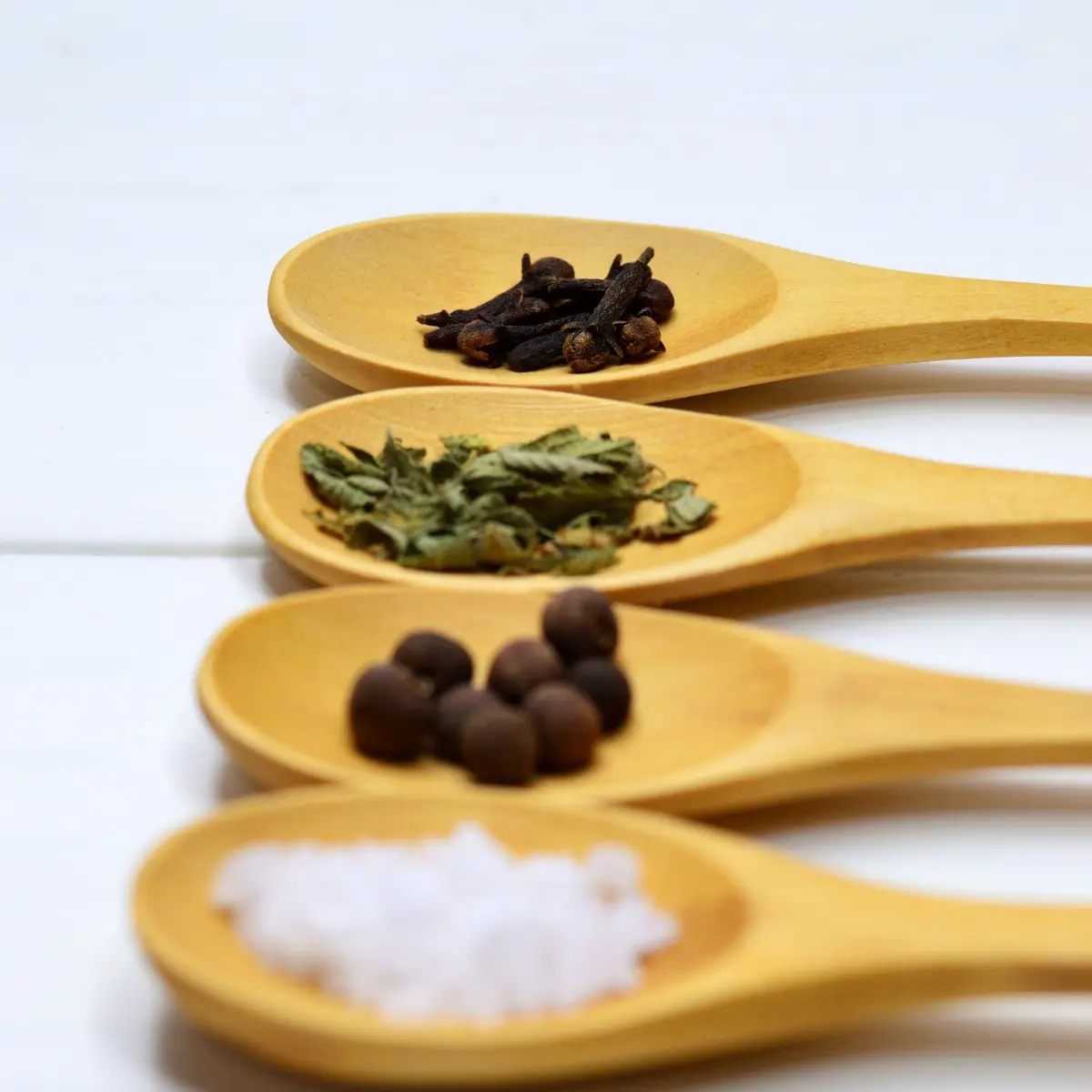
Open each jar and smell it, then look at the color. A spice whose color has faded or whose smell is weak has likely lost flavor too, and it will add little to a dish.
Whole spices, like peppercorns, cloves, cinnamon sticks and cumin seeds, hold their quality longer than ground ones. Check the ground jars most carefully, since they fade first.
Look for clumps, damp spots and any sign of bugs. Moisture makes spices cake, and pantry bugs can get into spices just as they get into flour and cereal, so toss anything that looks off.
Let go of jars you bought for one recipe and never used again. A smaller set of spices you actually cook with is much easier to keep in order than a crowded shelf of maybes.
2. Move spices away from heat, light and moisture
The shelf above the stove is handy, but it’s the worst place for spices. Heat and steam from cooking make them lose their flavor much faster.
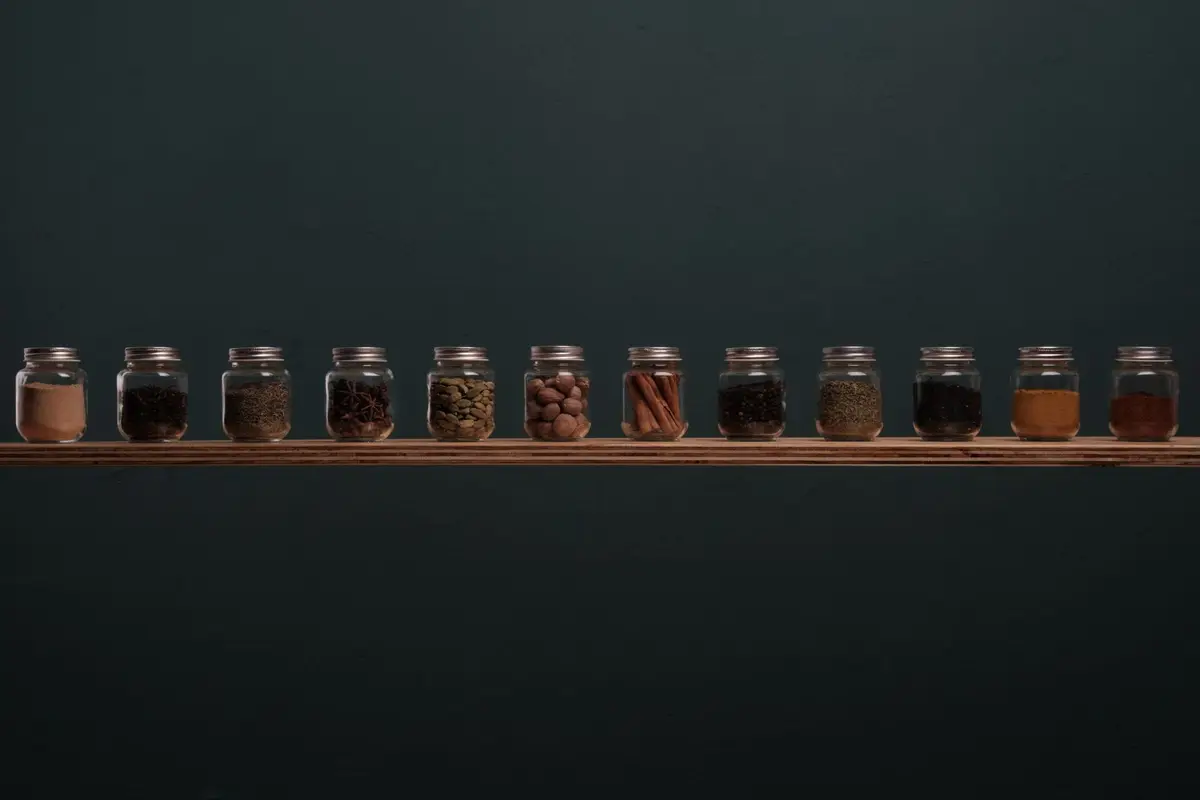
Pick a cool, dry, dark spot instead: a closed cabinet, a drawer or a pantry shelf. Keep spices away from the oven, the dishwasher and any sunny window, since heat, moisture and light all shorten how long they keep their quality.
If the counter is the only place left, put the jars on the side away from the stove and out of direct sun. For ways to keep that counter clear around them, see these kitchen counter organization ideas.
Close every jar tightly after use. A loose lid lets in air and humid kitchen steam, and both dull the flavor.
Skip the freezer for spices. Taking cold jars in and out can let moisture inside, which makes spices clump.
3. Sort spices by how you cook
Group spices the way you reach for them, not by what they look like. Everyday spices go in front, baking spices get a group of their own, and the spices for one cuisine or one favorite dish sit together.
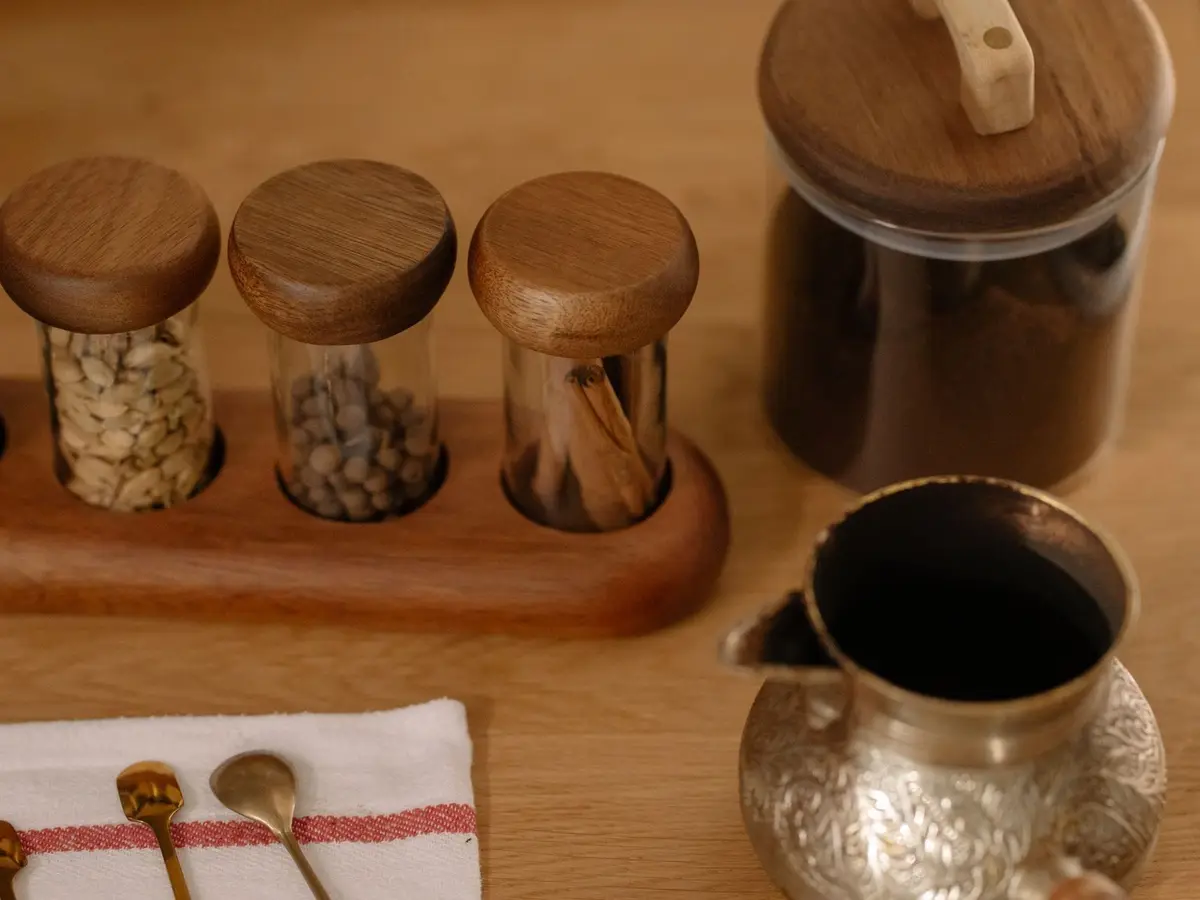
A good set of groups for many kitchens: everyday savory, baking and sweet, chiles and heat, dried herbs, and whole spices for grinding. Add a group for any cuisine you cook often.
Spices that go into drinks, like cinnamon, cardamom or nutmeg, can live with the coffee and tea things. A few small jars on a coffee station saves a trip across the kitchen every morning.
Keep salt and pepper out of the main collection. They’re used so often that they deserve their own spot near where you cook and eat.
When a group gets crowded, it’s a sign to check for duplicates or spices that have faded. Groups make that easy, since you can see the whole category in one glance.
4. Choose alphabetical order or cuisine groups
Once the spices are sorted, decide how each group is ordered. Alphabetical order and grouping by cuisine both work; what matters is picking one and sticking to it.
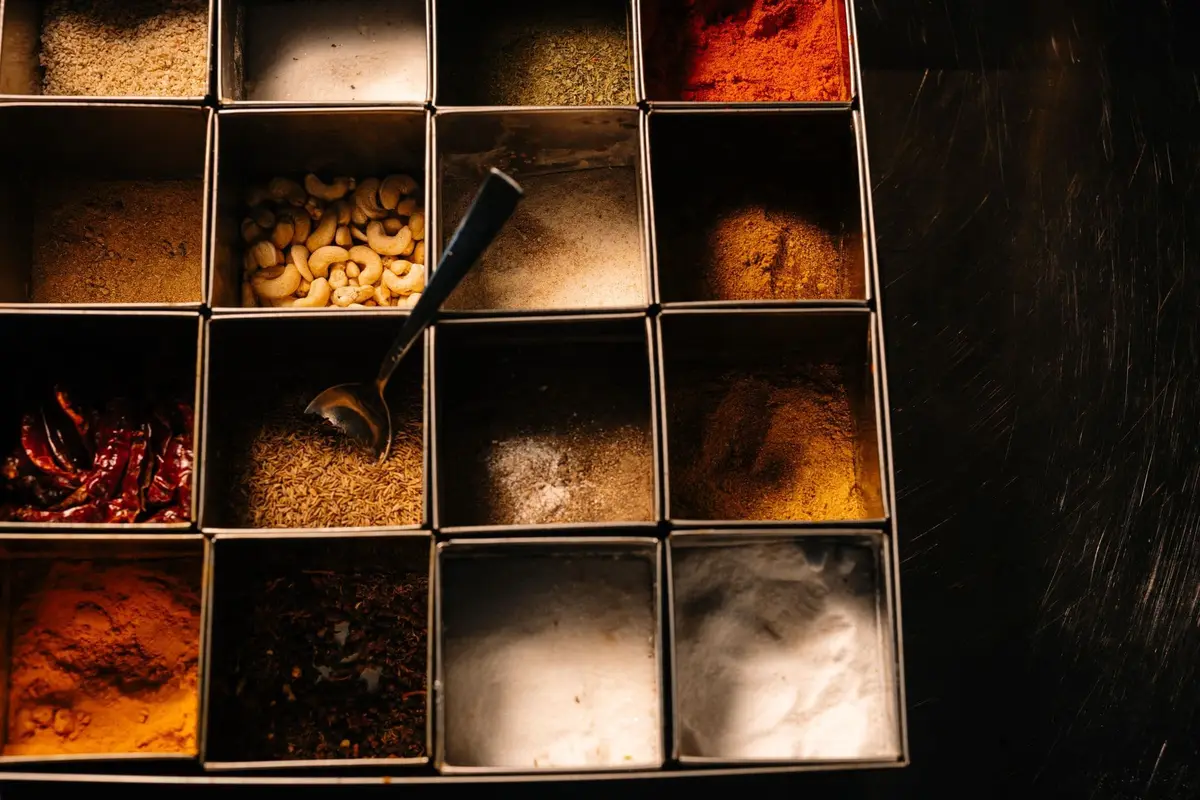
Alphabetical order suits a big collection, where you look up one spice at a time. Anyone in the house can find the oregano without knowing how you cook.
Grouping by cuisine or by dish suits a kitchen where you reach for the same few spices together. Taco night, curry night and baking day each get their own corner, and you can pull the whole set out at once.
Many kitchens do best with a mix: groups by use, then alphabetical inside each group. That keeps the order easy to follow and quick to restore.
Write the rule on a note inside the cabinet door if more than one person cooks. When everyone puts jars back the same way, the order holds without anyone having to fix it.
5. Switch to matching jars
Spices arrive in every shape: tall bottles, short tins, bags and boxes. Moving them into matching jars makes them line up neatly, stack evenly and fit a drawer or rack without wasted gaps.
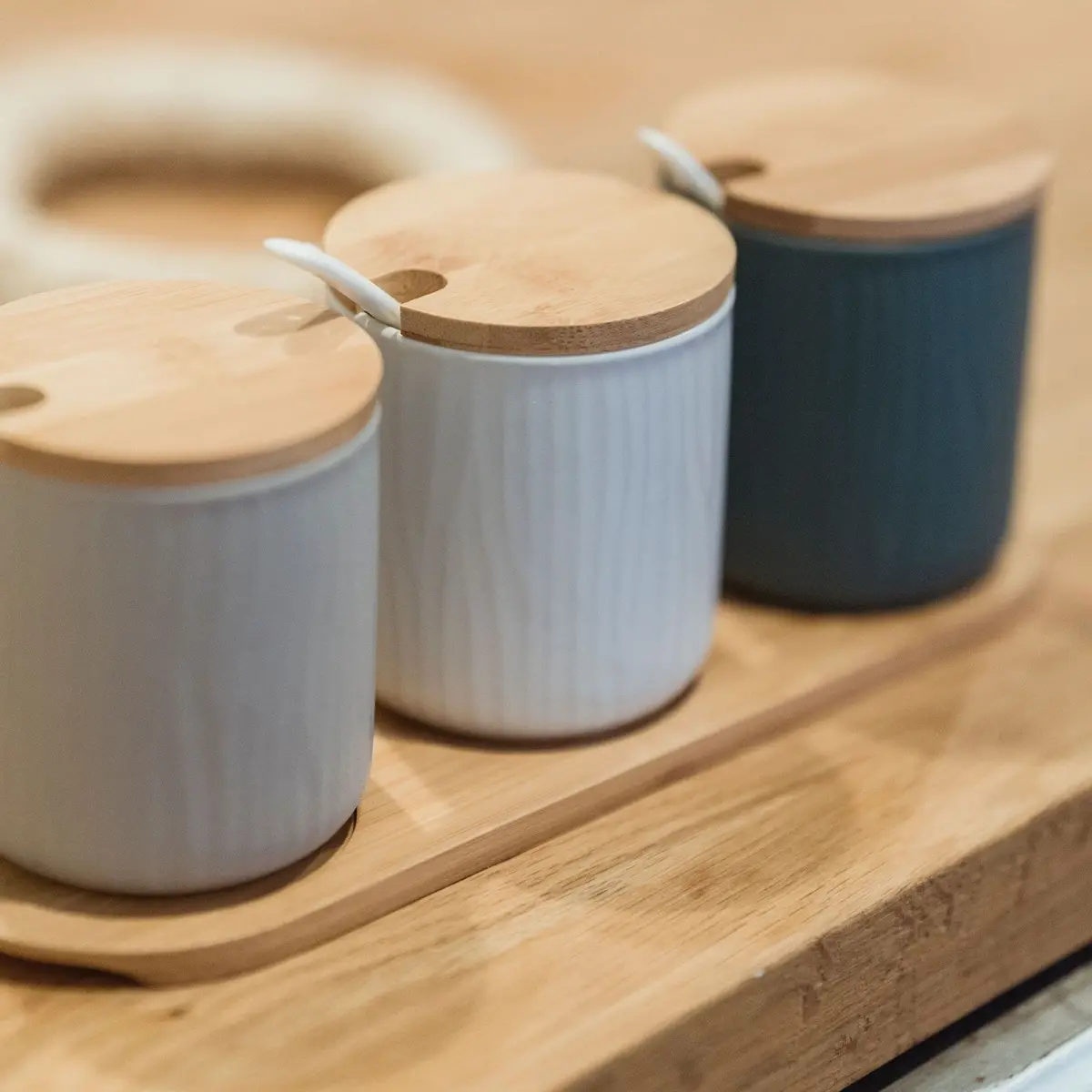
Pick jars with lids that close tightly, since spices keep best in airtight containers. Glass lets you see what’s inside and how much is left; opaque jars or tins keep out more light on an open shelf.
Choose one size for most spices and a bigger size for the few you use by the spoonful. Measure the drawer or shelf first, so the jars fit standing up or lying down.
Make sure a measuring spoon fits through the jar’s opening. A wide mouth means you can scoop instead of shaking, which keeps steam out of the jar.
Refill jars only when they’re empty, and wash and dry them well first. Pouring new spice on top of old means the old spice never gets used. A matching set doesn’t have to be bought all at once; clean, empty jars of the same size work too.
6. Label the lids and the fronts
Matching jars only work when you can tell them apart. Label the front so you can read it on a shelf or rack, and the lid so you can read it from above in a drawer.
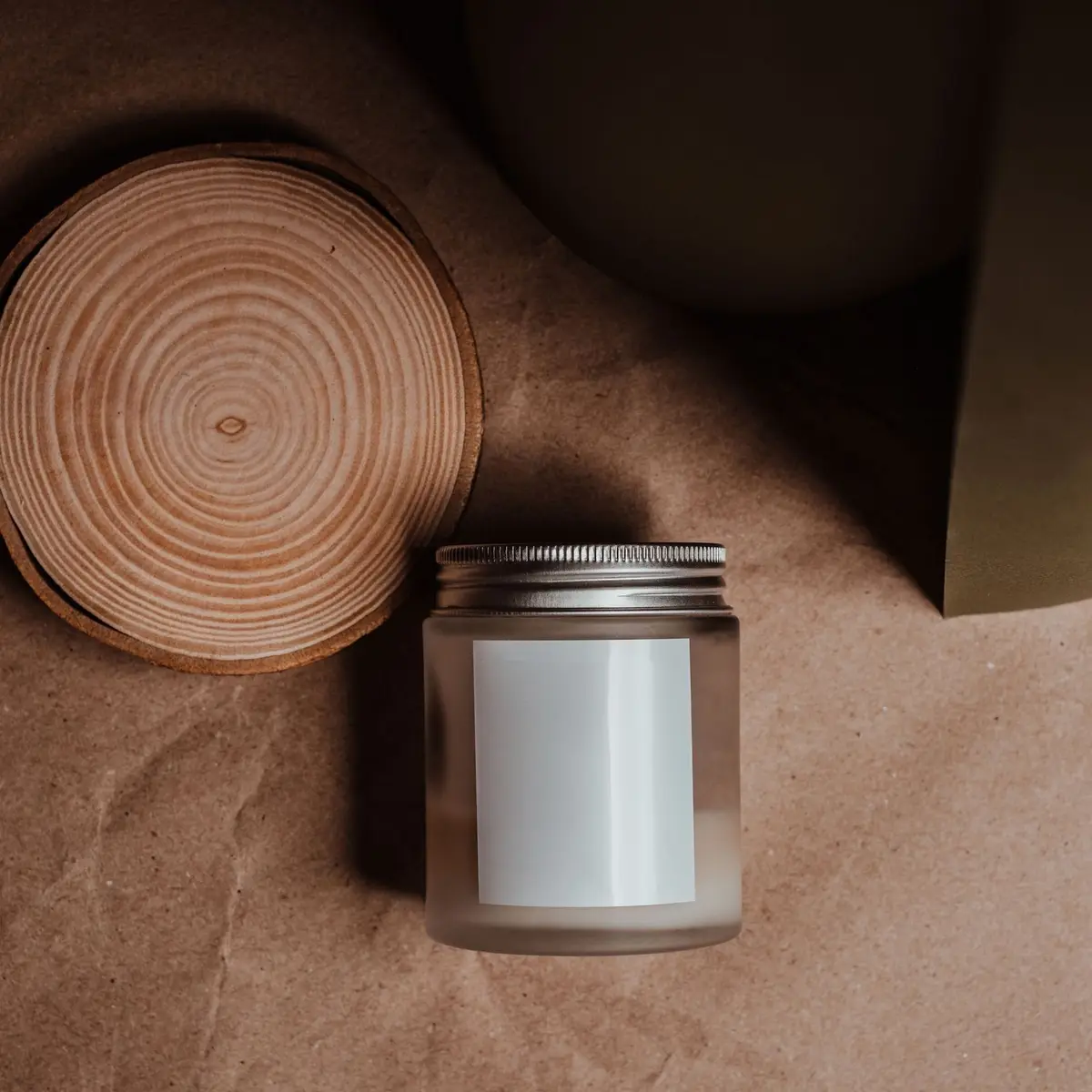
Use big, clear letters; a short name is easier to read than a long one. Our printable spice jar labels work on lids and fronts, and you can type in the names of the spices you own.
Add the date you bought or opened the spice on the back or the bottom of the jar. It tells you at a glance which jars to use first and which to check during the next clear-out.
Keep a few blank labels and a pen in the drawer with the spices. When you refill or add a jar, label it right away, before it goes back into the lineup.
If you swap a spice for a new one, peel the old label off completely. Two layers of labels make a jar hard to read and easy to mix up.
7. Lay jars flat in a spice drawer
A drawer is one of the best spots for spices: it’s dark, it’s usually away from the heat, and you see every lid at once. Pick a drawer near where you cook, but not the one right beside the oven.
An angled insert holds jars tilted up, so the labels on the fronts face you. A divided tray or lined drawer works too, as long as the jars can’t roll around when it opens.
Measure the inside of the drawer before you buy an insert: the width, the depth and the height, so the drawer still closes over the lids. Lay the jars in rows by group, with the everyday spices at the front.
Lid labels matter most here, since you’re looking down. Keep each row in the same order every time, and the drawer becomes a map you can read in a second.
For dividers, liners and ideas for the rest of the drawers, see these kitchen drawer organization ideas. A spice drawer works best when it holds only spices, with no stray tools mixed in.
8. Give the spice cabinet a rack, a riser or a turntable
In a cabinet, the jars in back hide behind the jars in front. A rack, a step riser or a turntable fixes that by lifting or turning the back rows into view.
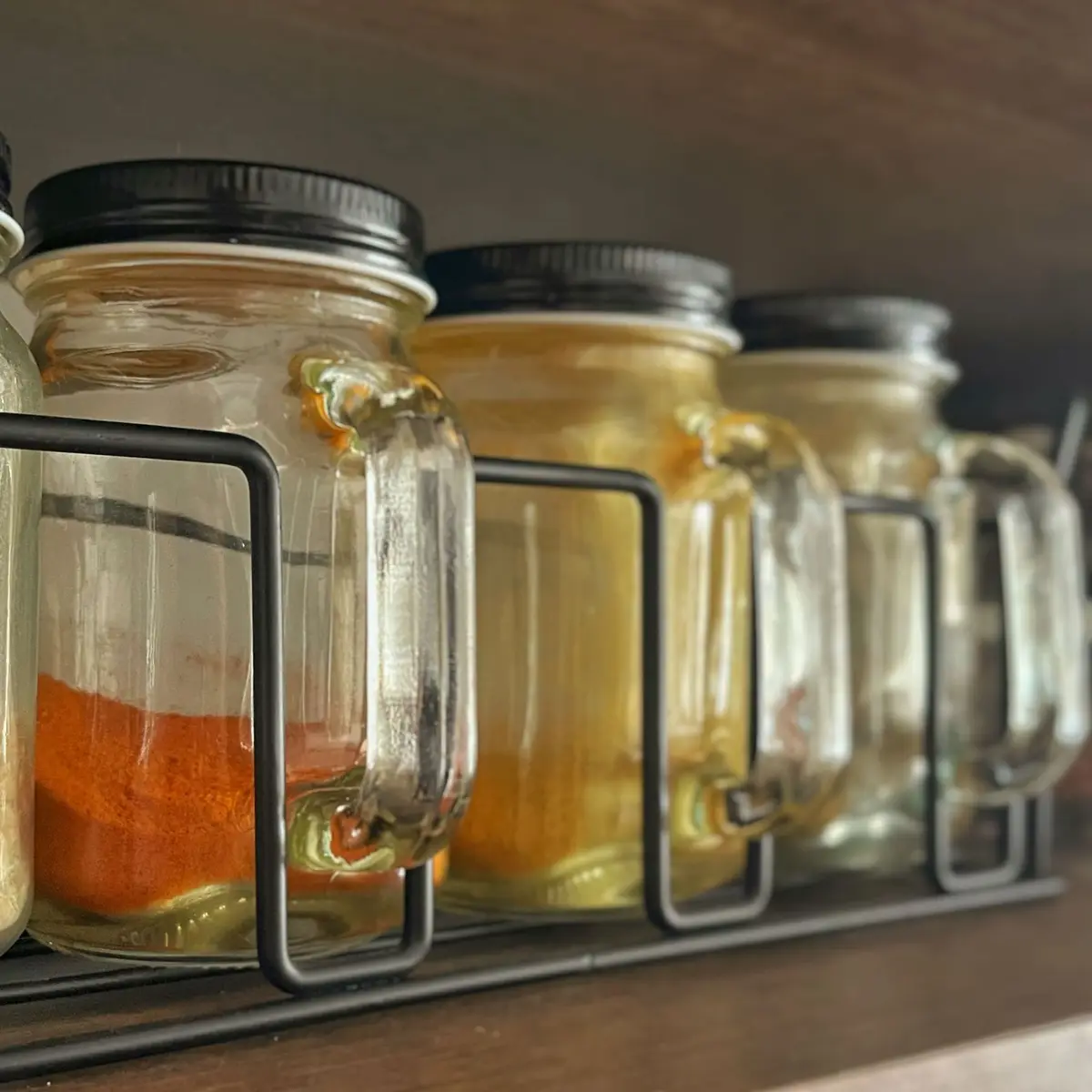
A wire rack keeps a row of jars upright and in line. A tiered step riser lifts each row a little higher than the one in front, so you can read every label without moving anything.
A turntable, sometimes called a lazy susan, suits a deep or corner cabinet. Spin it and the jar at the back comes to the front; put one group of spices on each turntable.
Measure the shelf’s depth and height before you buy anything, and leave room for the door to close. The bin and basket size calculator helps you check what fits.
A slim rack on the inside of the cabinet door adds another row of storage. Keep only light jars there, so the door still swings shut easily and the hinges aren’t strained.
9. Put a rack or rail on the wall
When cabinet and drawer space runs out, the wall is the next spot to use. A small shelf, a rack or a rail holds a row of jars at eye level, where you can see them all.
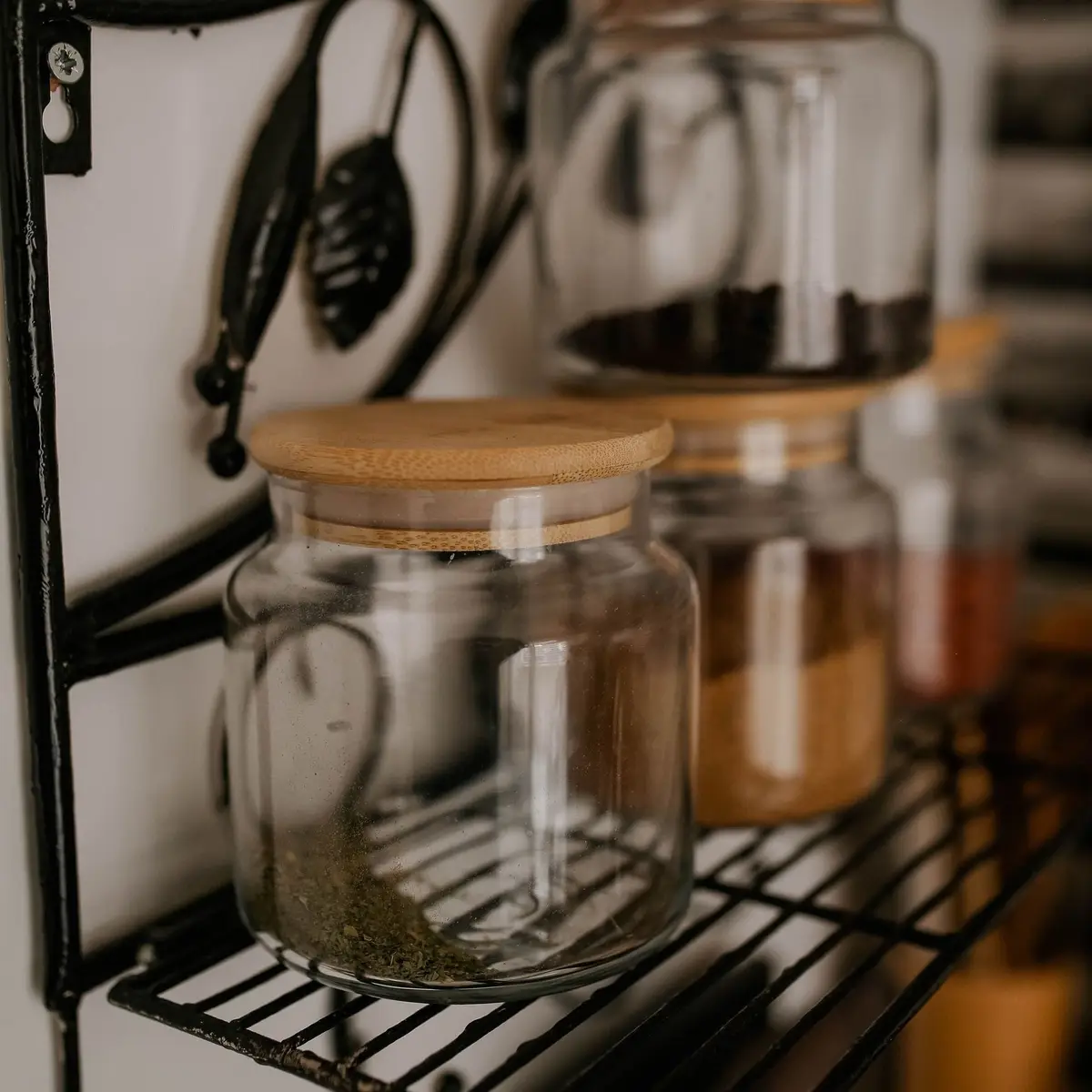
Mount it on a wall away from the stove, out of direct sun and away from the steam of the kettle or dishwasher. A rack inside a pantry door works the same way and keeps the jars in the dark.
Use opaque jars or tins on a wall rack in a bright room, or stick to the spices you use fast enough that light won’t dull them. Label the fronts, since that’s all you’ll see.
Mount the rack securely, following the instructions that come with it. A rack full of glass jars is heavier than it looks.
For hooks, rails and more ways to use the wall in a small kitchen, see these kitchen wall organization ideas. One short rail of everyday spices can free a whole cabinet shelf.
10. Keep daily spices in a round masala tin
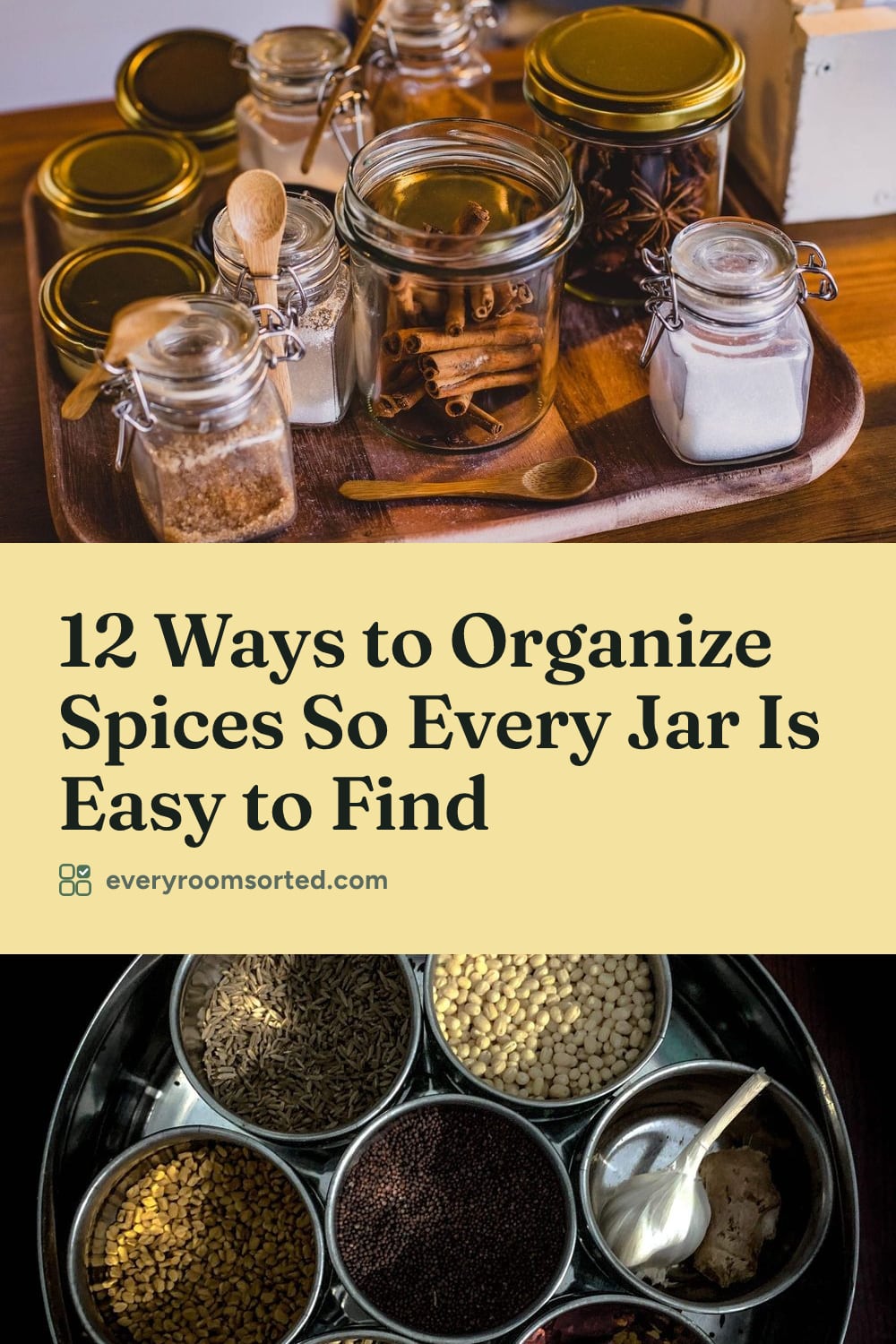
A masala dabba is a round tin, usually steel, with a lid and a set of small cups inside. It’s a traditional way to keep the spices used in daily Indian cooking together in one container.
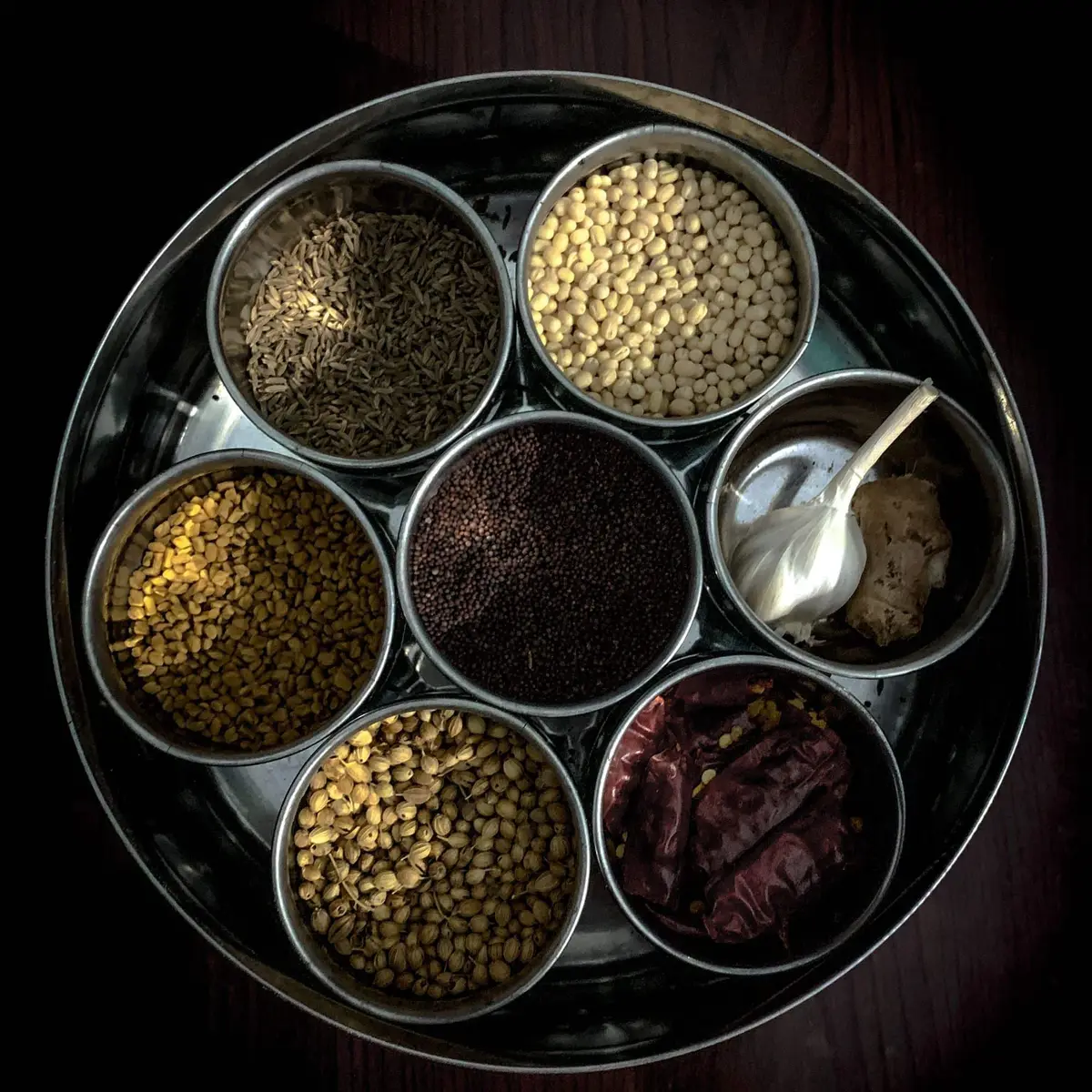
Fill each cup with one spice you reach for every day, like cumin seeds, mustard seeds, turmeric, coriander, chili powder or fenugreek. One lift of the lid shows them all, and a tiny spoon can live inside.
The idea works for any cuisine. Fill the cups with the spices you cook with most often, whether that’s paprika, garlic powder and oregano or cinnamon and nutmeg.
Keep the tin in a drawer or cabinet near where you cook, not on the stove’s back edge. Bring it out when you start cooking and put it away when you’re done.
Refill the cups from the bigger jars in your collection once a week or when one runs low. Wipe the cups dry before refilling, so no moisture gets in and the spices stay loose.
11. Buy whole spices and smaller amounts
Whole spices hold their flavor longer than ground ones. Buying peppercorns, cumin seeds, coriander seeds, cloves and cardamom whole and grinding them as needed keeps flavor strong for longer.
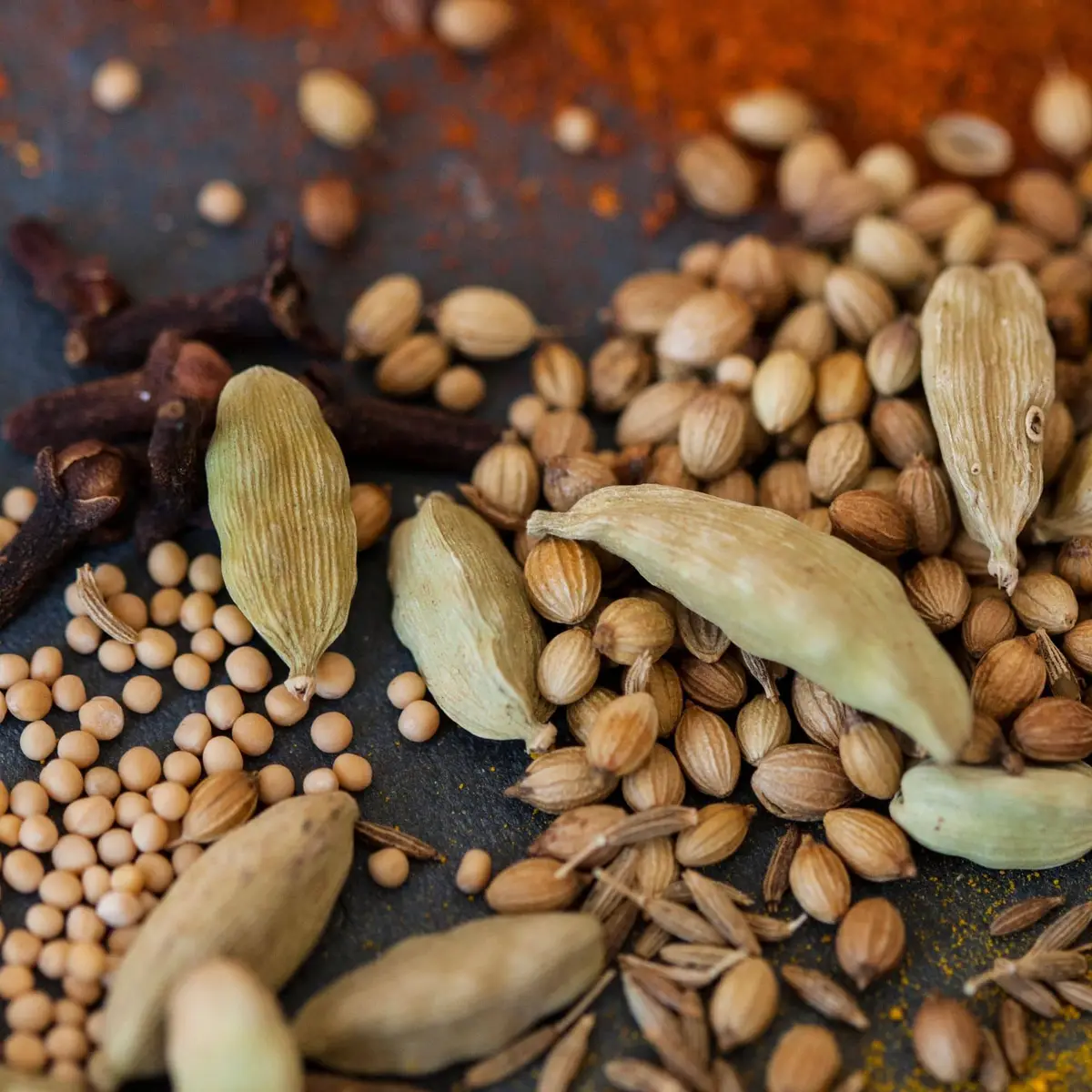
A small grinder or a mortar and pestle is all you need. Grind only what a recipe calls for, and keep the whole spices in their jars until next time.
Buy ground spices in the smallest size you’ll use up while they still smell strong. A big bag of a spice you use twice a year is no bargain when most of it fades on the shelf.
Measure with a dry spoon, and don’t shake jars right over a steaming pot. Steam gets into the jar, and the spice clumps.
Keep a short list of the spices you run through fastest. Those are the ones worth buying in bigger amounts, and everything else can come in small sizes.
12. Store bulk refills separately
Big bags and bulk jars don’t belong in the spice drawer. Keep the refills in a separate bin or on a higher pantry shelf, and keep only the jar you’re using in the everyday lineup.
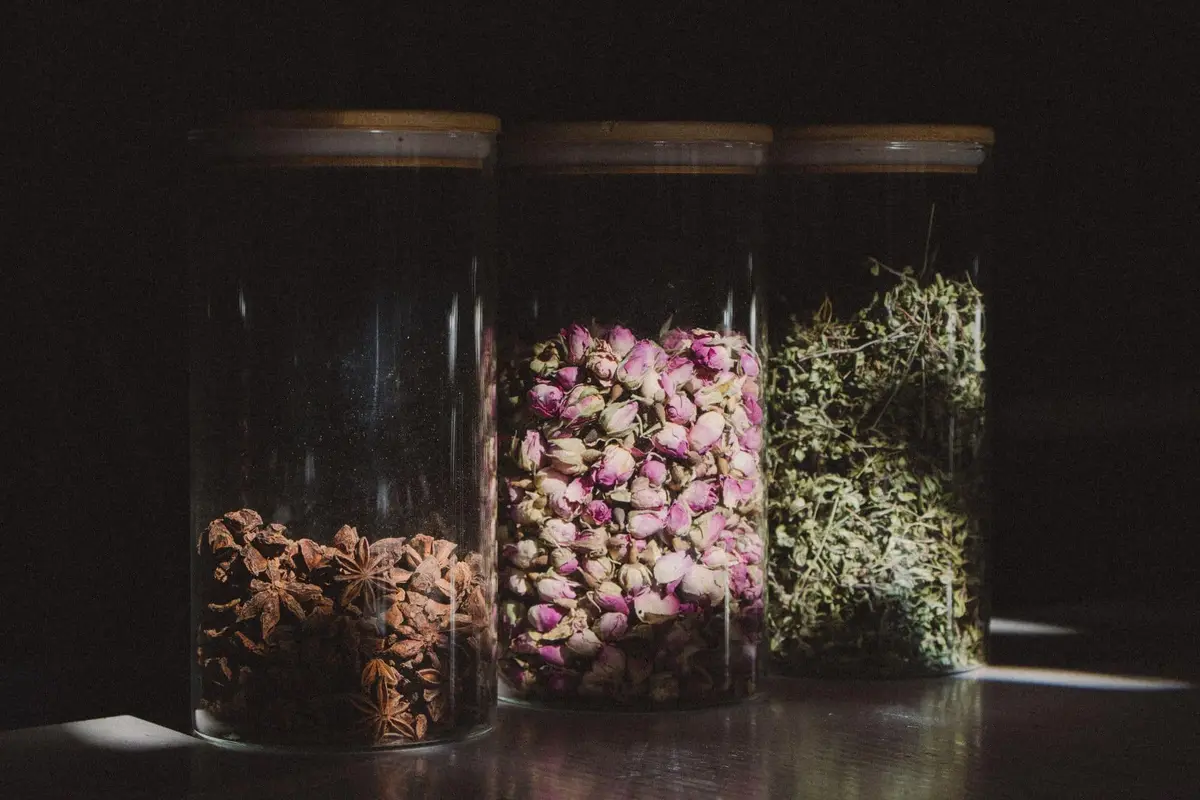
Move bulk spices into large jars or containers with tight lids, and label each with the name and the date you bought it. Sealed containers help keep out air, moisture and pantry bugs.
Store the refill bin somewhere cool, dry and dark, just like the everyday jars. A shelf away from the oven, the dishwasher and any heating vent works best.
Refill the small jar from the bulk container only when it’s empty. Wash and dry the jar first, so old spice doesn’t sit at the bottom under the new.
Check the bulk bin each time you check the everyday jars. If a refill has lost its smell or color, use it up quickly or let it go, and buy a smaller amount next time.
Save this for later
Pin it to a board so it's there when you're ready to start.
Save to Pinterest(opens in a new tab)Make it easier
Free printable
Free printable spice jar labels to cut out and stick on. Print the ready sheet of common spices, or type your own list and download labels made for your shelf.
Free tool
Enter the width, depth and height of a shelf, a drawer or a cube cubby, and see which standard bins and baskets fit, how many, and how they line up.
Frequently asked questions
Where is the best place to store spices?
A cool, dry, dark spot, like a closed cabinet or a drawer away from the stove, the oven and the dishwasher. Heat, light and moisture all make spices lose their flavor faster, so the shelf right above the stove is the worst place for them.
How can I tell if a spice is still good?
Look at the color and smell it. If the color has faded or the smell is weak, the flavor has likely faded too. Whole spices hold their quality longer than ground ones, so check the ground jars first.
Should spices be organized alphabetically or by cuisine?
Either works, as long as you stick to it. Alphabetical order suits a big collection where you look up one spice at a time, and grouping by cuisine or by job suits a kitchen where you reach for the same few spices together.
Can I keep spices in the freezer to make them last longer?
It's better not to. Taking a cold jar in and out of the freezer can let moisture inside, and damp spices clump and lose flavor. A cool, dry cabinet is the better choice.
What is a masala dabba?
It's a round tin, usually steel, with a lid and a set of small cups inside, each holding one spice used in daily cooking. It keeps the everyday spices together in one container you can open with one hand while you cook.