12 Coffee Station Organization Ideas for Counters, Drawers and Offices
Set up one coffee spot near an outlet and water, keep beans airtight and dark, file pods and filters in a drawer, hang the mugs and keep the counter clear.

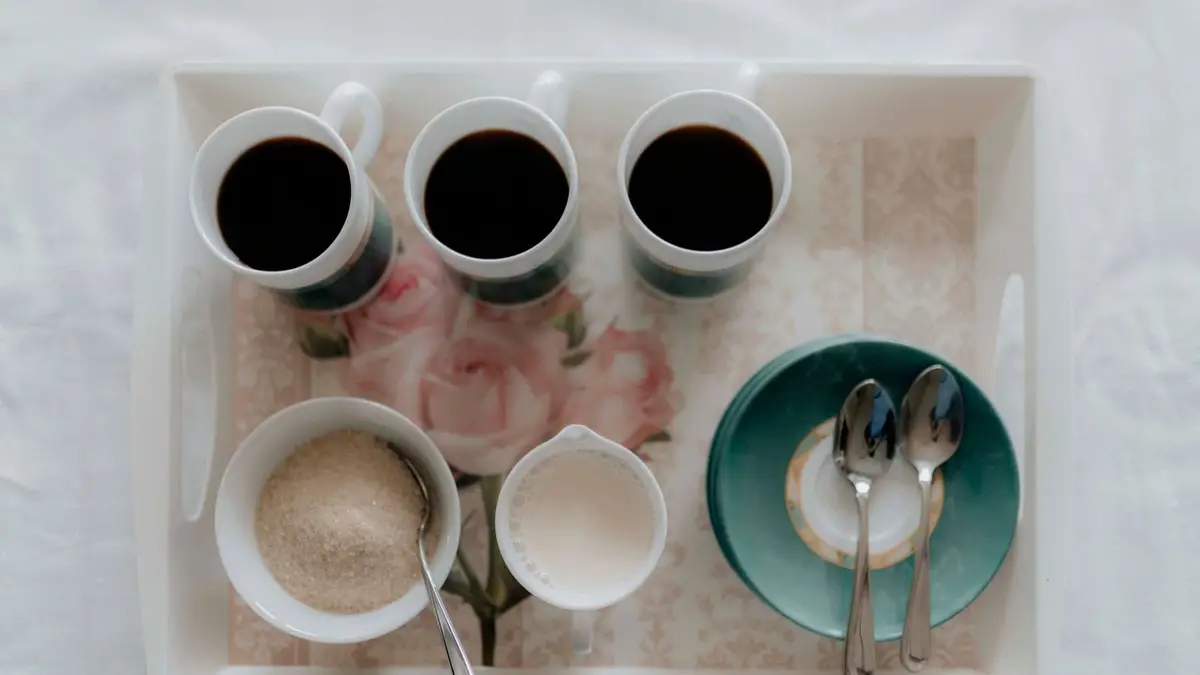
Good coffee station organization comes down to one spot with everything you need for a cup and nothing you don’t. Pick a corner near an outlet and water, keep only the daily things on a tray, store beans and grounds airtight and out of the light, and give pods, filters and mugs homes of their own.
These 12 ideas work for a full coffee bar, a single cabinet or a shared office counter. Start with the first two, since the rest fall into place once you know where the station goes and what lives there.
1. Pick one spot near an outlet and water
Coffee things tend to spread across the whole kitchen: the machine in one corner, mugs across the room, sugar in the pantry. Bring it all to one stretch of counter so making a cup takes a few steps, not a lap.
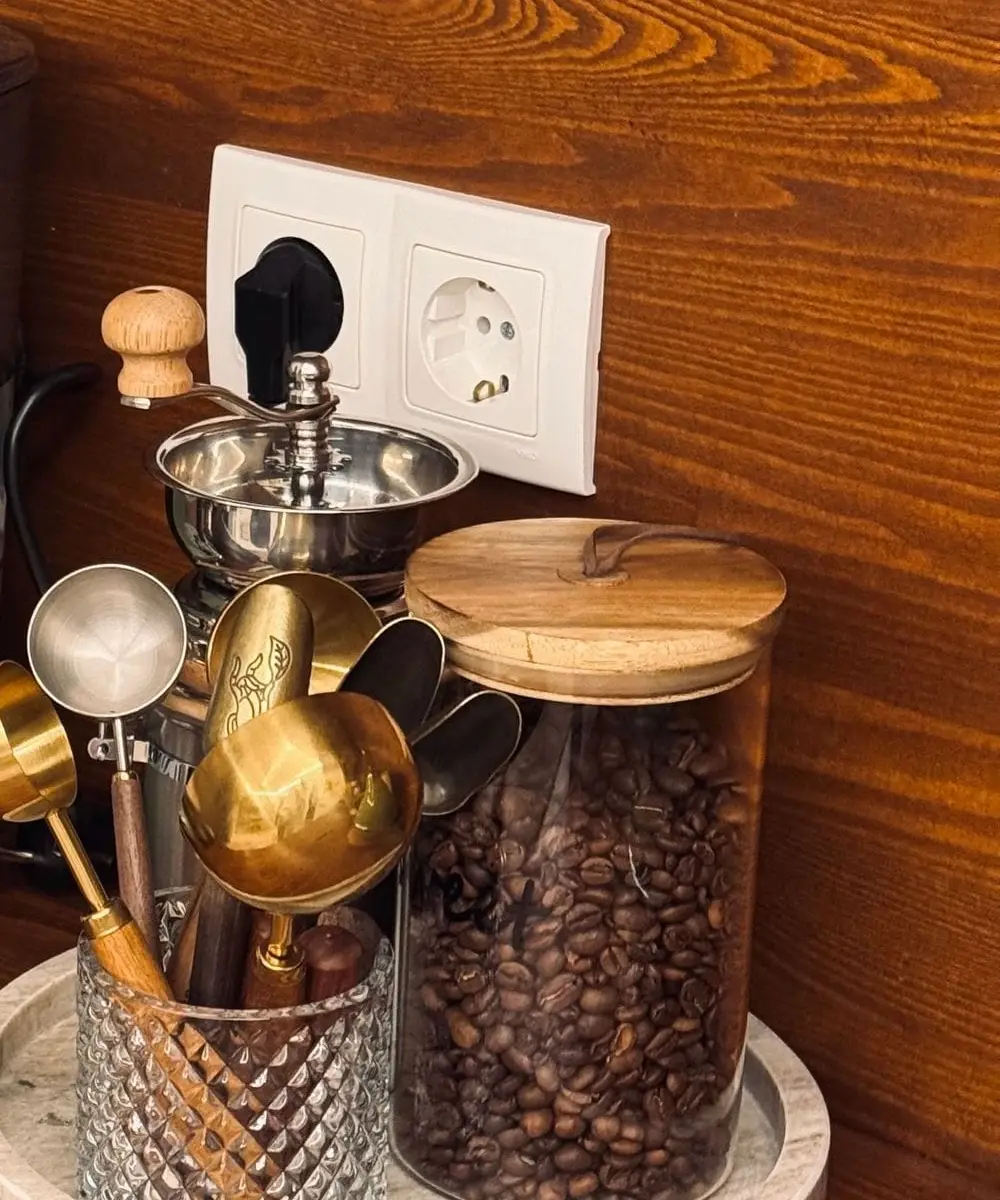
Choose a spot with an outlet right behind it, so the cord reaches without stretching across the counter. Close to the sink makes filling the water tank easy, but leave some space between the station and the faucet so splashes stay off the machine.
Keep it out of the main prep zone. A corner at the end of the counter or beside the fridge lets one person make coffee while another makes breakfast.
Check that the cabinets above leave room to open the machine’s lid and fill the tank. If your counters are short on space, these kitchen counter organization ideas help decide what earns a spot and what can go.
Once the spot is chosen, everything coffee lives there and nowhere else.
2. Keep only what you use every day
Look at what’s on the counter now and ask what you reach for every morning. The machine, a mug or two, the coffee itself and a spoon usually make the list.
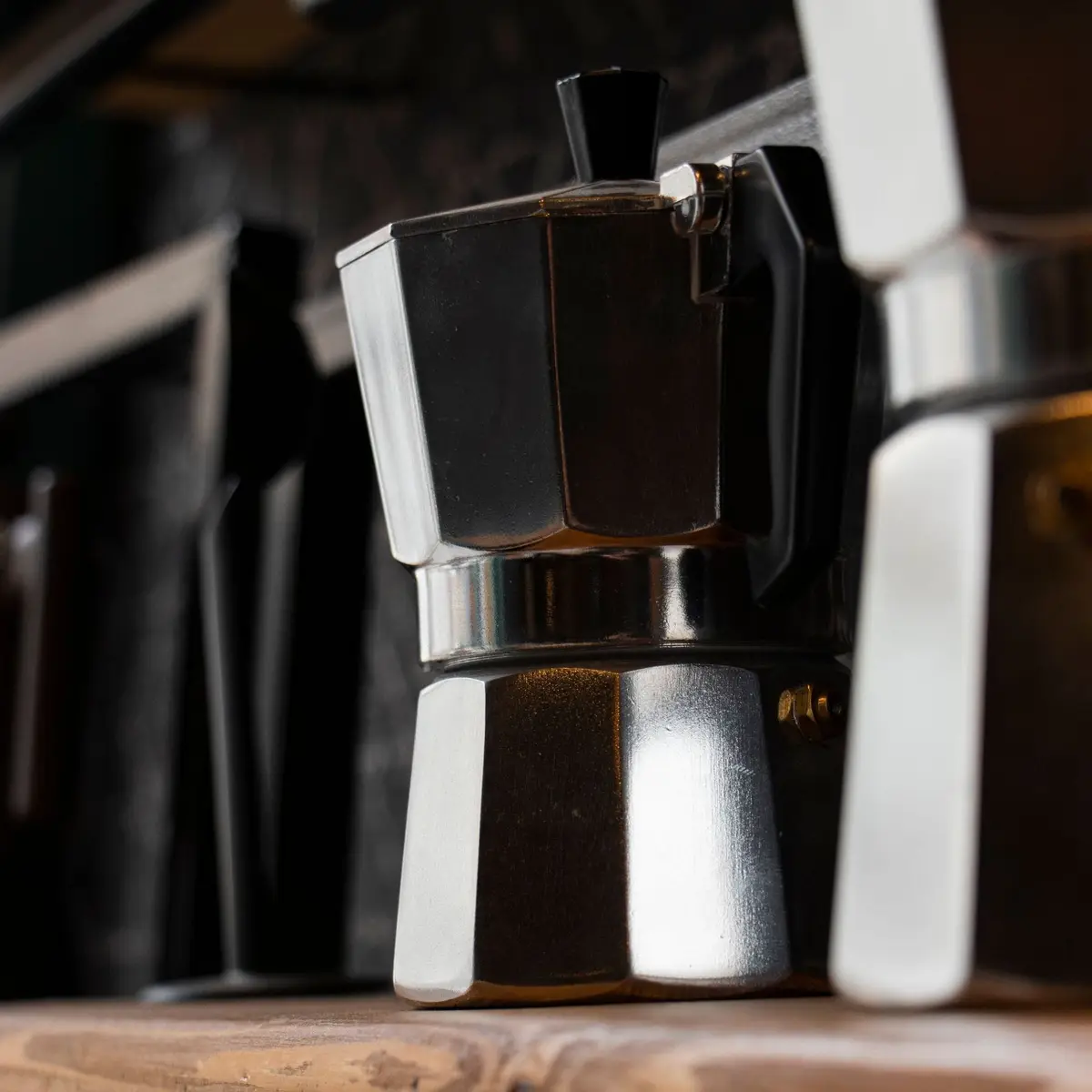
Second and third coffee makers are the first to go. If the moka pot, the pour-over cone and the drip machine all live out, choose the one you use daily and store the others in a cabinet.
Sort the mugs while you’re at it. Keep the ones people actually use, let go of chipped ones and the ones nobody likes, and move the extras to a higher shelf for when friends come over.
Check the syrups, creamers and sugar packets too, and toss anything stale, dried out or long forgotten. A short list of daily things fits on a small tray, which keeps the whole station in one tidy footprint.
What’s left should take up less counter than you think.
3. Define the station with a tray
A tray draws a line around the station. Everything on it belongs there, and anything that drifts onto the counter around it is easy to spot.
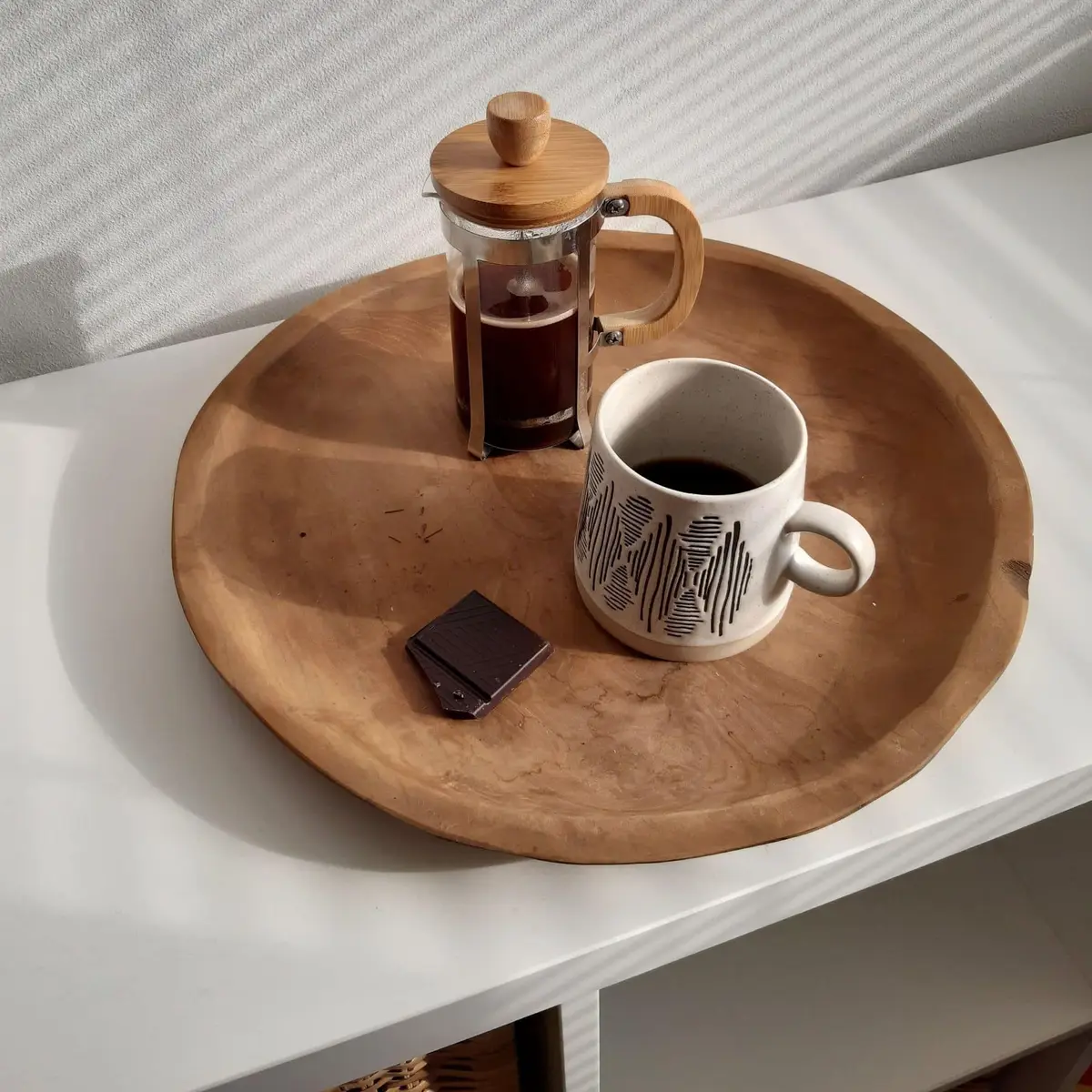
Set the coffee maker beside or on the tray, then add the everyday mug, the coffee container and a small dish for spoons. Drips and stray grounds land on the tray instead of the counter, and you lift the whole thing to wipe underneath.
Pick a tray with low sides and a surface that wipes clean, like wood with a sealed finish, metal or ceramic. Measure the space first so the tray fits with room left around the machine.
A round tray tucks well into a corner, and a long, narrow one suits a shallow counter. Keep the tray sized for the daily things only, so it never turns into a second junk spot.
When something new arrives, ask whether it goes on the tray or in the cabinet. That one question keeps the station from growing.
4. Hang mugs on hooks or a shelf
Mugs take up a lot of cabinet space for what they hold. Hanging them on hooks under a shelf or on a rail on the wall frees the cabinet and puts the everyday mugs within reach of the machine.
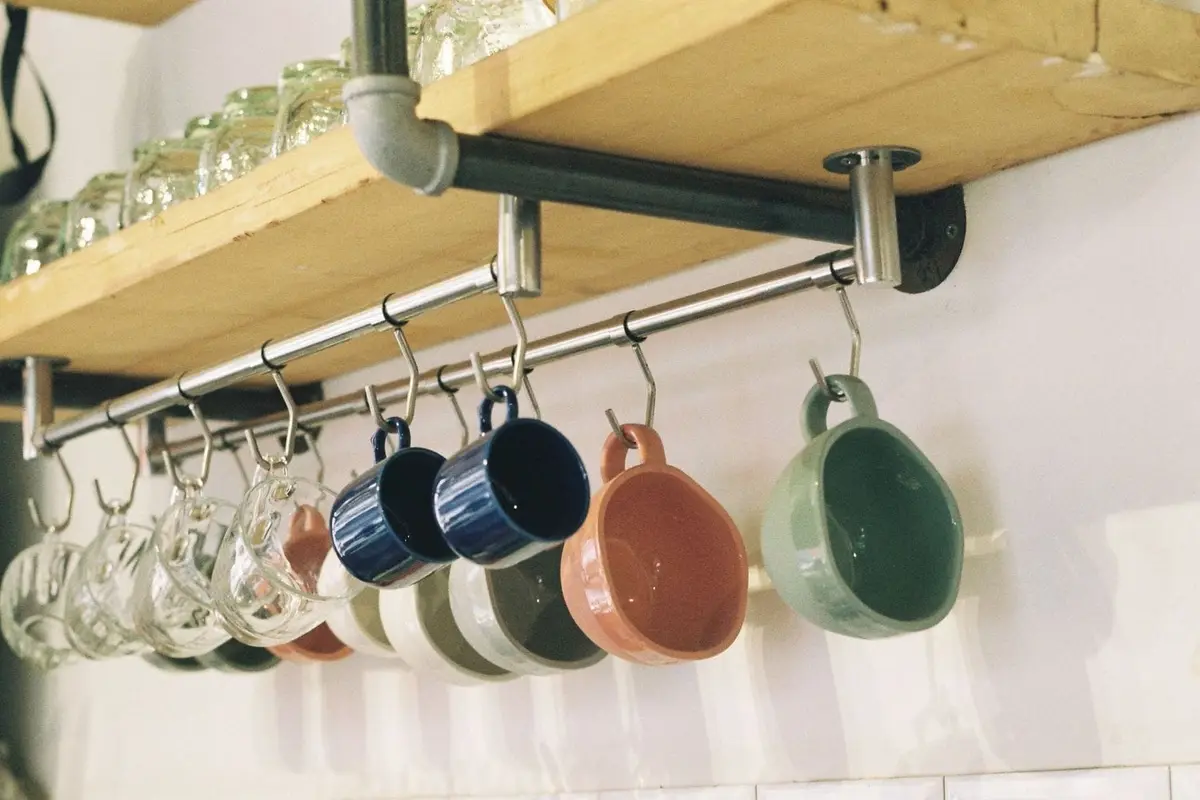
A rail with S hooks under an open shelf holds a row of mugs and leaves the shelf above for glasses or the coffee containers. Screw-in hooks under an upper cabinet work too, as long as the cabinet bottom is thick enough to hold the screws.
Hang only as many mugs as your household uses in a day or two. The rest stay in the cabinet, so the wall looks neat instead of crowded.
If you’d rather not drill, a mug tree on the counter or a small shelf riser in the cabinet does the same job. For more ways to use the wall above the counter, these kitchen wall organization ideas cover rails, shelves and pegboards.
Keep hooks away from the stove, so mugs don’t collect grease.
5. Store beans and grounds airtight and in the dark
Moisture, air, heat and light all wear down coffee’s flavor. The bag it comes in doesn’t keep it fresh for long once it’s open, so move larger amounts into an airtight container.
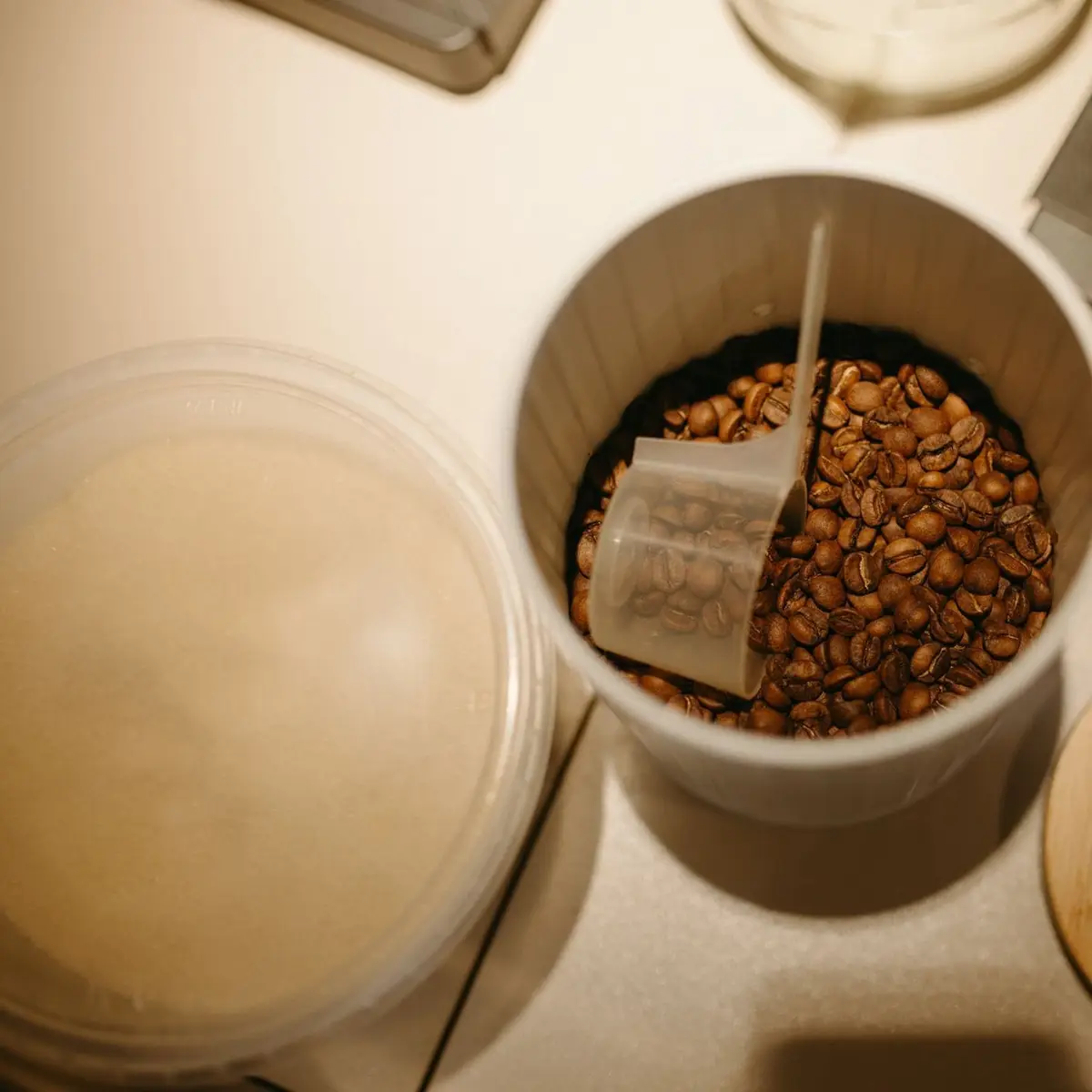
Pick an opaque canister that blocks light, with a lid that seals. Keep it at room temperature in a cool, dark cabinet, not on a sunny windowsill or right beside the stove, the oven or the dishwasher.
Buy amounts you’ll use soon. Ground coffee tastes best within a few days, and whole beans hold up for a couple of weeks.
If you buy in bulk, freeze the extra only in a truly airtight container, since even a little air in the freezer can cause freezer burn. Take out a week’s worth at a time and leave the rest frozen.
Keep a scoop in the canister, so measuring takes one hand and no hunting. Wipe the canister out before you refill it, so old grounds don’t mix with the new coffee.
6. Corral pods and filters in one place
Pod boxes and filter packages are bulky and mostly air. Take pods out of their cartons and filters out of their plastic sleeves, and give each one a container that fits the space you have.
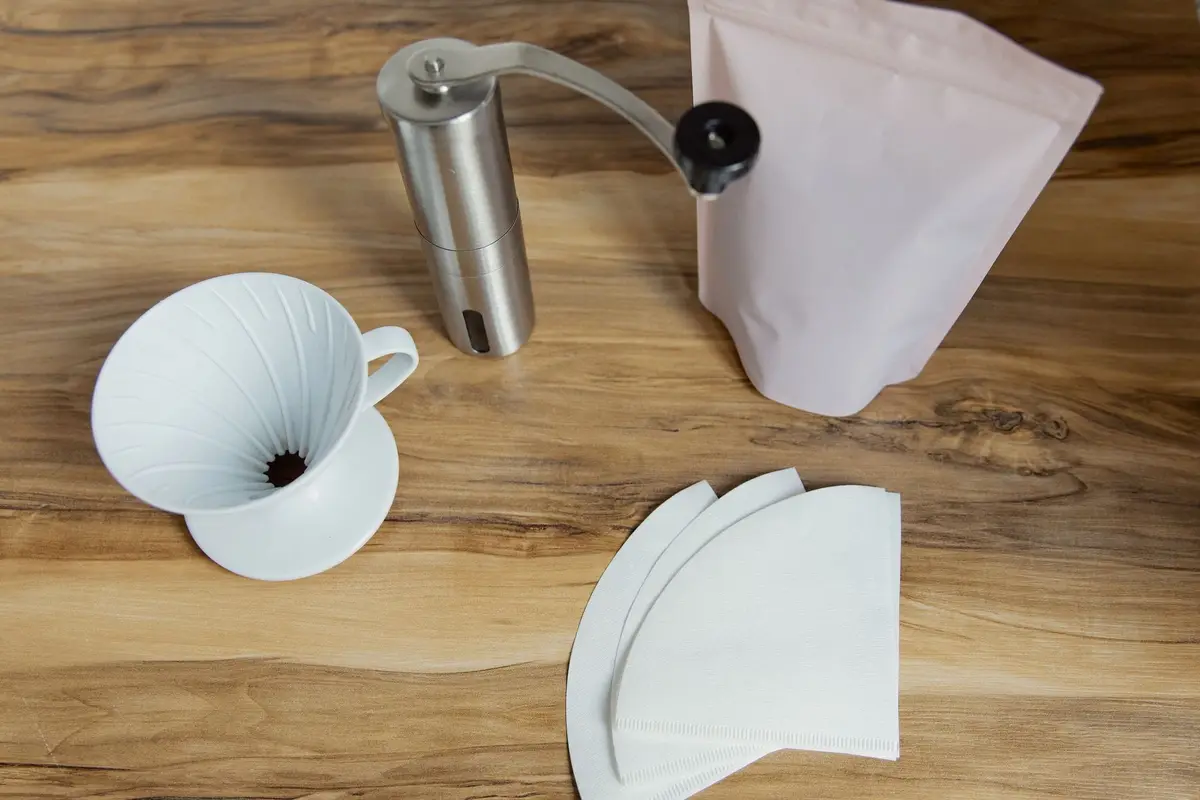
Stand cone filters upright in a small bin or a slim holder, or lay flat-bottom filters in a shallow box with a lid. They stay clean and dry, and the next one is always on top.
Pods fit well in a lidded bin, a basket or a drawer insert. Keep only a few days’ worth at the station and store the rest in the pantry, so the counter never fills with cartons.
Measure the cabinet or shelf before you shop, with room to lift a lid. The bin and basket size calculator turns those numbers into bin sizes that fit and shows how many line up side by side.
Keep filters and pods next to the machine that uses them. A filter that lives three cabinets away is a filter you forget until the coffee is already in the pot.
7. Set up a coffee drawer with dividers
A drawer right under the coffee maker is the best place for small coffee things. Pods, filters, stir sticks, spare scoops and sweetener packets all fit, and the counter above stays clear.

Divide the drawer into sections so nothing slides around. Adjustable dividers, small trays or a set of shallow bins work, one section for each kind of thing.
Lay pods on their sides in rows, or stand them upright in a tray, grouped by flavor or strength. You see every choice when you open the drawer, and you notice when one row is running low.
Keep the most used things in front and the backups behind. A shallow drawer suits pods and packets, and a deeper one can hold bags of beans or extra filters standing on end.
If you need more ideas for dividing drawers, these kitchen drawer organization ideas cover inserts, trays and measuring before you buy.
8. Lift sugar, syrups and spoons onto a riser
A small riser or a short shelf on the counter doubles the space at the station. Sugar, sweeteners and syrup bottles sit on top, and the space underneath holds a stack of saucers or a few clean mugs.

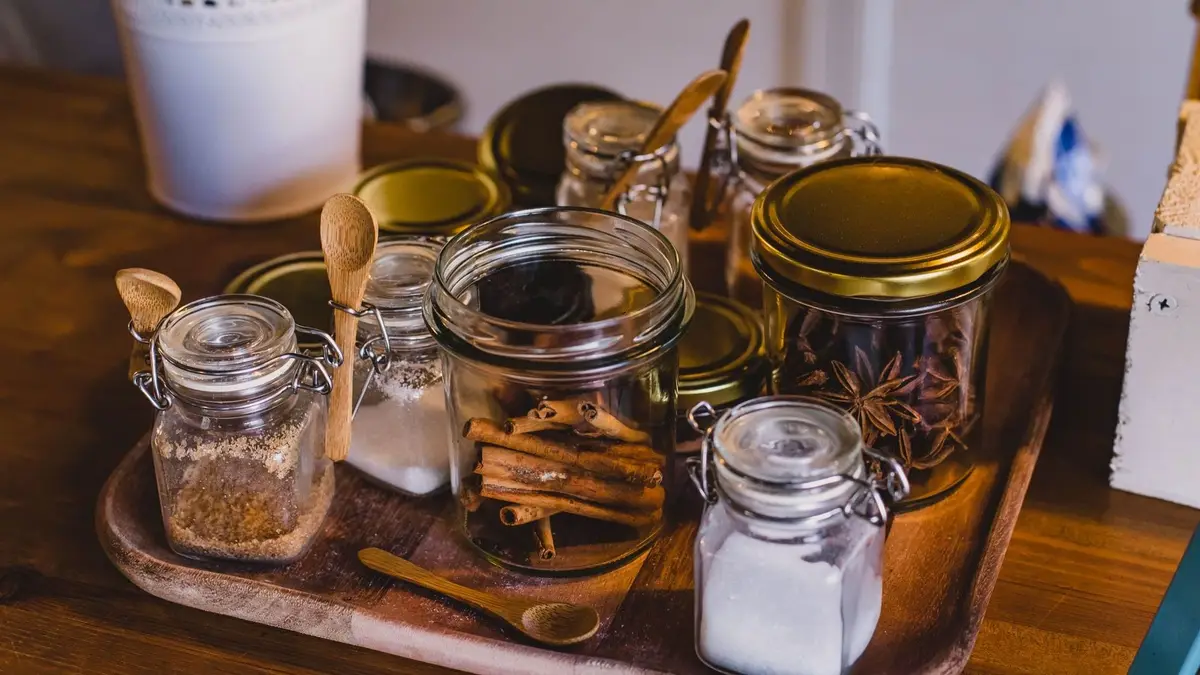
A lidded sugar bowl with its own spoon keeps sugar dry and clean. Syrup bottles stand better on a small tray of their own, so a sticky drip never reaches the counter.
Add a cup for spoons and stirrers, and a small dish beside it for used spoons. Nobody has to open a drawer for a spoon, and wet spoons stop making rings on the counter.
Keep only the syrups you finish. A row of half-used bottles takes up room and gets sticky, so let go of the flavors nobody reaches for.
Wipe the riser and the bottles once a week, since sugar and syrup drips attract ants. A quick wipe keeps the whole station clean and easy to use.
9. Keep cords short, tidy and away from water
A coffee station often has two or three plugs: the coffee maker, a kettle and maybe a grinder. Plan the station so each cord reaches the outlet directly, without crossing the counter or stretching across a gap.
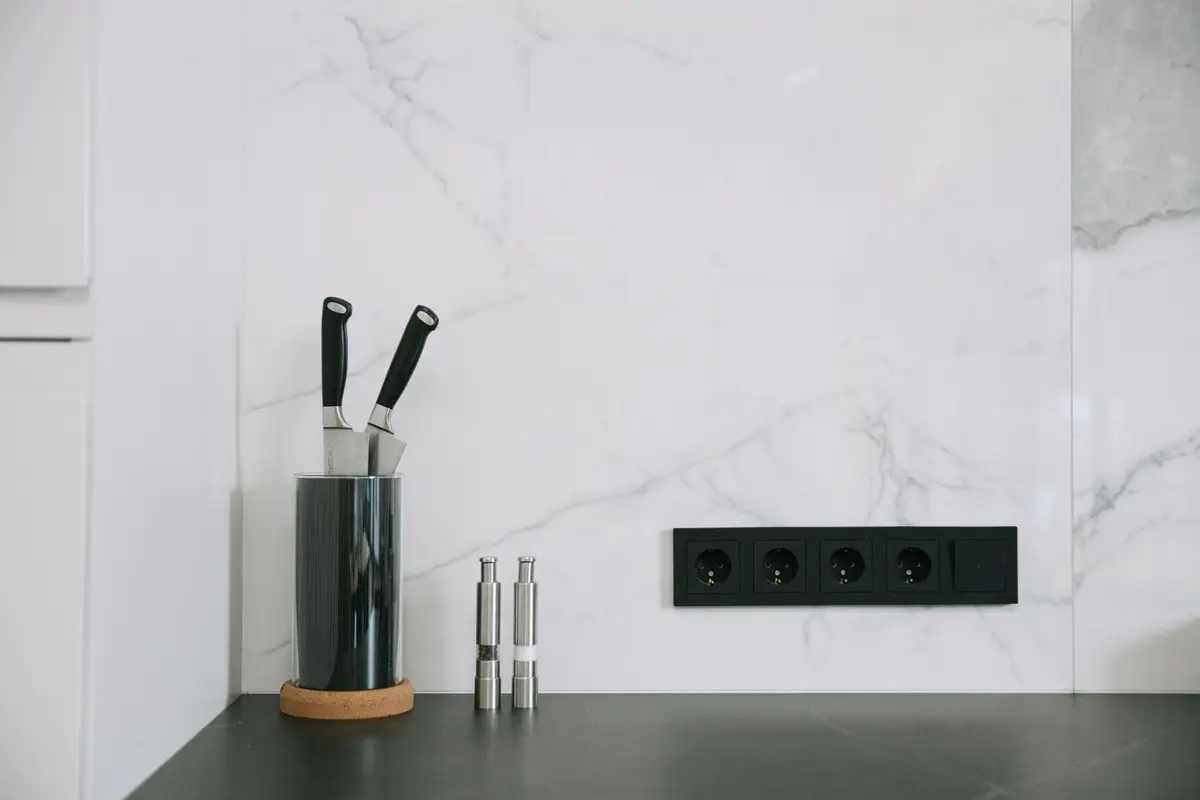
Keep cords away from the sink, the stove and the oven. Don’t run a cord under a mat or a rug, where it can get pinched or damaged, and gather any extra length with a reusable tie.
Don’t overload the outlet. If you need more plugs, use a power strip with built-in overload protection, and don’t plug a large appliance into an extension cord.
Unplug small appliances when you’re done with them, unless the manual says otherwise. Check cords now and then, and replace an appliance with a cracked, damaged or loose cord.
A tidy cord is also easier to clean around. Lifting the machine to wipe underneath takes seconds when the cord isn’t tangled with two others.
10. Choose a cabinet or cart that closes
A closed station keeps the counter clear. An upper cabinet or a tall pantry cabinet near an outlet can hold the machine, the mugs and the supplies, with the doors shut when coffee time is over.
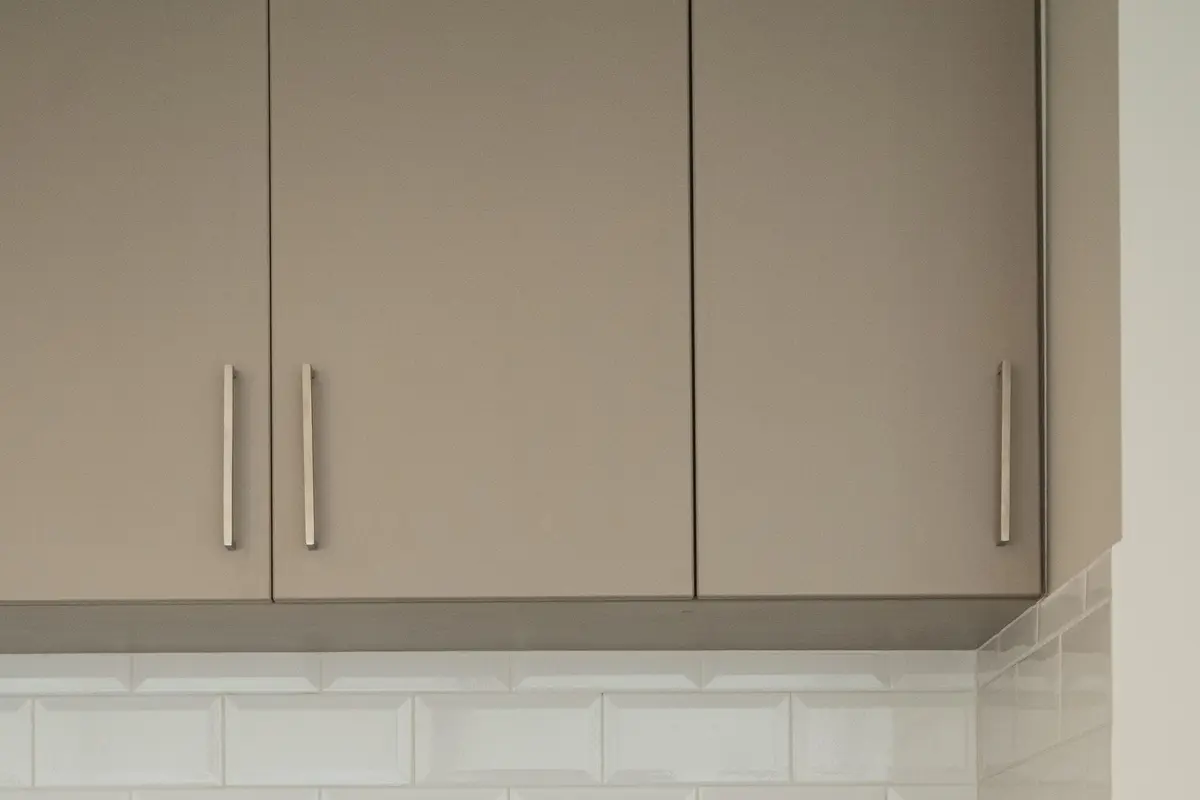
Make sure the machine has room to vent and that you can open the lid and pull it forward without bumping a shelf. Pull it forward onto the counter while it brews, so steam doesn’t collect under the shelf above.
A rolling cart with shelves works too, especially in a kitchen with very little counter. Park it near an outlet, put the machine on top and the supplies below, and roll it into a corner when you need the floor.
These small kitchen organization ideas cover more ways to fit a station into a tight space.
Whatever closes, keep the contents to the daily list, so the doors shut without pushing.
11. Clean it on a simple routine
A coffee station gets sticky and stained fast. A short routine keeps the machine working well and the corner pleasant to use.

Every day, empty used grounds and filters, rinse the carafe or the brewing parts and wipe drips and spills from the tray and the counter. Leave the lid or the water tank open so it dries.
Once a week, wash the removable parts as the manual says, wipe the outside of the machine and the canisters, and shake crumbs out of the drawer. It’s a natural fit for a weekly cleaning schedule, so it comes around on its own.
Descale the machine as often as its manual says, using what the manual recommends. Hard water leaves white scale behind, so look inside the water tank now and then.
Wash the tray and the mugs on hooks now and then too. Hanging mugs collect dust, so a quick rinse before use keeps them fresh.
12. Make an office coffee station simple to share
A shared coffee station works best when everyone can find things and nobody has to ask. Keep it simple: one machine, one container or bin for each supply and a clear label on each.
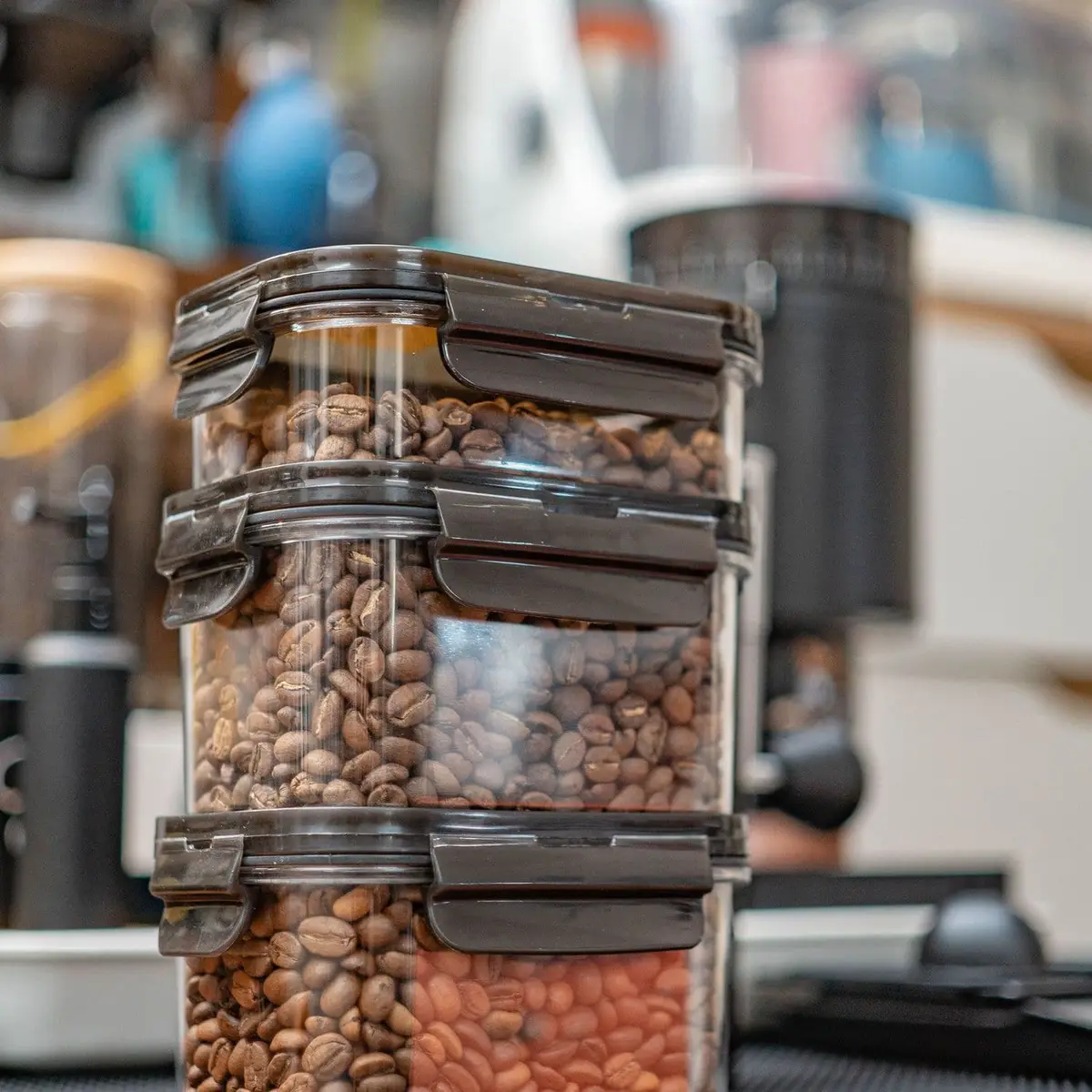
Stackable containers with snap lids keep coffee, sugar and stir sticks fresh and tidy on a shared counter. Label the front of each one, and use the same labels on the shelf where its backups live.
Set a simple restock plan. Keep one backup of each supply, and put a list on the cabinet door where people write what’s running low, then copy it onto a printable grocery list before the next order.
Agree on who refills what and when, so the last person to use the coffee isn’t always the one to restock it. A short note by the machine works better than a long set of rules.
Ask everyone to wipe up spills, put the milk back in the fridge right away and rinse their own mug. A small station that stays clean gets used more than a big one that doesn’t.

Save this for later
Pin it to a board so it's there when you're ready to start.
Save to Pinterest(opens in a new tab)Make it easier
Free printable
Weekly Cleaning Schedule Printable
A one-page weekly cleaning schedule: a few quick jobs every day, plus one focus area a day, so the whole house gets done without a cleaning marathon.
Free printable
A one-page grocery list sorted by store section, with a box to tick for every item, so you write the list once and shop the store in one loop.
Free tool
Enter the width, depth and height of a shelf, a drawer or a cube cubby, and see which standard bins and baskets fit, how many, and how they line up.
Frequently asked questions
Where should a coffee station go in the kitchen?
Pick a stretch of counter near an outlet and close enough to the sink that filling the water tank is easy, but not right beside the sink or the stove. A spot near the mugs and away from the main prep area keeps the morning rush out of the cook's way.
How should I store coffee beans and grounds?
Move them into an airtight, opaque container and keep it at room temperature in a cool, dark cabinet, away from the stove, the dishwasher and sunlight. The bag the coffee came in won't keep it fresh for long once it's open.
Can I keep coffee in the freezer?
You can, as long as the container is truly airtight, since even a little air in the freezer can cause freezer burn. Freeze only what you won't use soon, in small amounts, and leave the everyday container in the cabinet.
How do I organize coffee pods?
Take them out of their boxes and stand them in a shallow drawer, a divided tray or a lidded bin, one row for each kind. Keep a few days' worth at the machine and the rest in the pantry, so the station never fills up with cartons.
How do I set up a coffee station at the office?
Keep it simple: one machine, one bin for each supply, clear labels and a short list of what to restock. Agree on who refills what and when, and make wiping the counter and putting the milk back in the fridge part of everyone's routine.