12 Tea Organization Ideas for Bags, Tins and Loose Leaf
Sort a tea collection by kind, move bags out of bulky boxes, keep loose leaf airtight and out of the light, and set up a small station by the kettle.

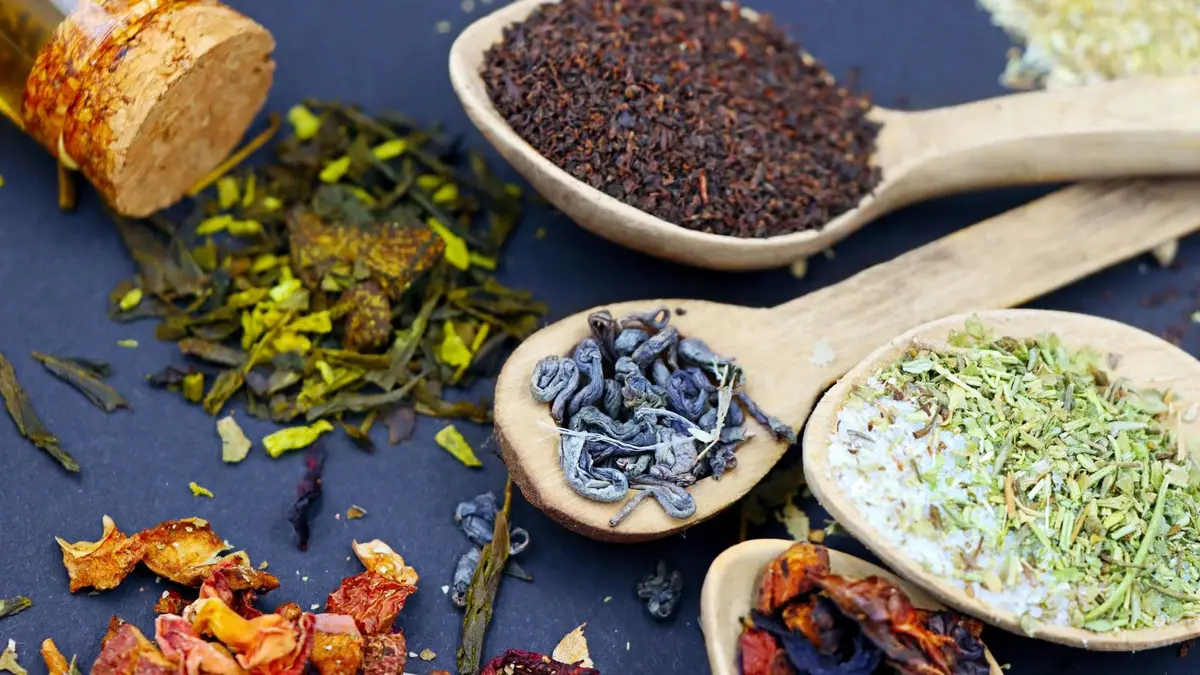
Good tea organization starts with a sort: taste through what you have, let go of stale or unloved tea, and group the rest by kind. Then store bags out of their bulky boxes, keep loose leaf in airtight containers away from light, heat, moisture and strong smells, and set up a small station near the kettle.
These 12 ideas work for a whole cupboard of tea or a single shelf. Start with the first two, since the rest go faster once you know what you actually drink.
1. Taste through the collection and let go of stale tea
Pull every box, tin, jar and loose bag out of the cupboard and set them on the counter. Tea tends to spread around a kitchen, so check the pantry, the drawer by the stove and the back of the mug shelf too.
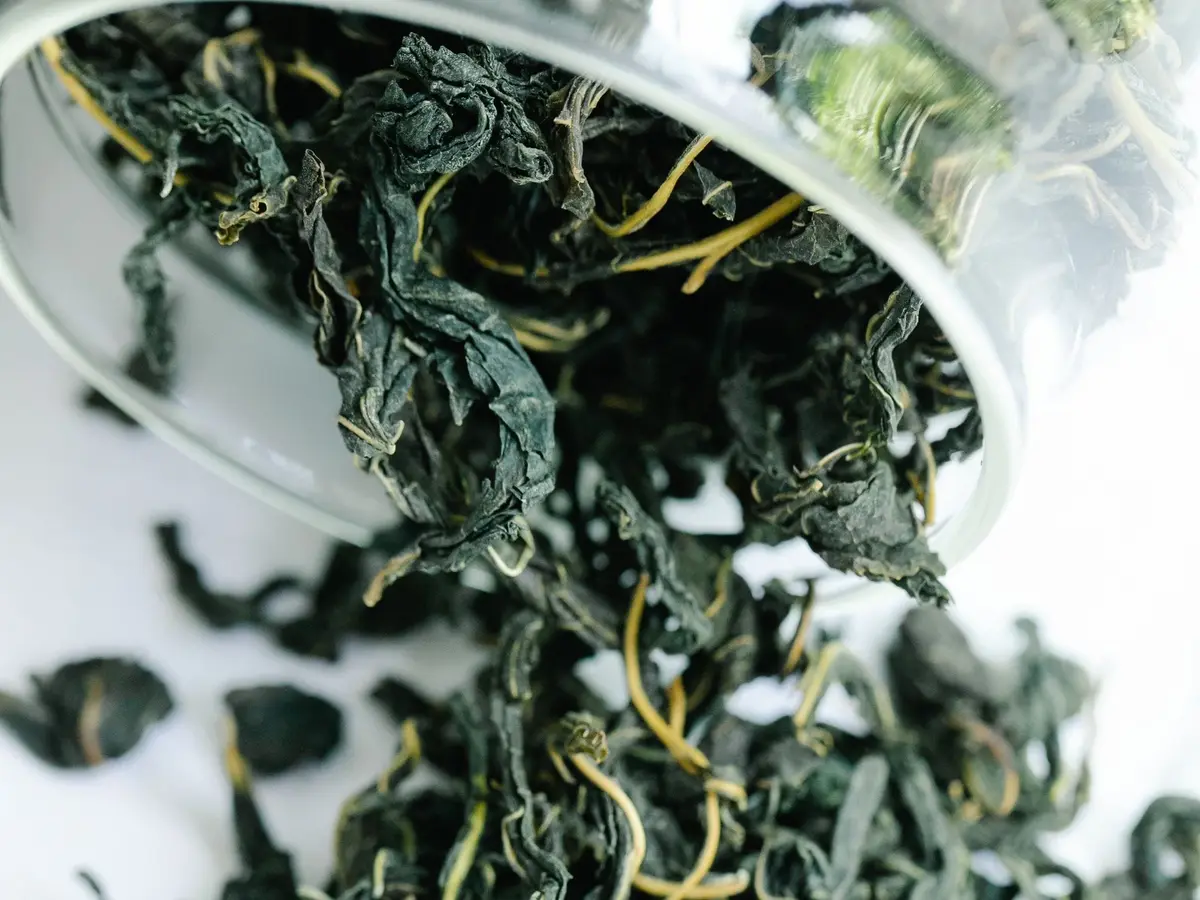
Open each one and smell it. Fresh tea has a clear scent, and tea that smells faint, dusty or like nothing much will brew a cup that tastes the same way.
Opened tea usually keeps its best flavor for about a year, and delicate teas can fade sooner. If a tin has been open since you can’t remember when, brew one cup and decide.
Let go of the samples nobody liked, the gift tins you keep for their looks and the flavors you bought once and never finished. Tea that’s still fresh but not your taste can go to a friend or a coworker.
What’s left is the tea you actually drink, and that’s the only tea worth organizing.
2. Group tea by kind
Sort what’s left into a few simple groups: black tea, green tea, herbal tea and anything special, like a loose oolong or a spiced blend. Most homes need no more than four or five groups.
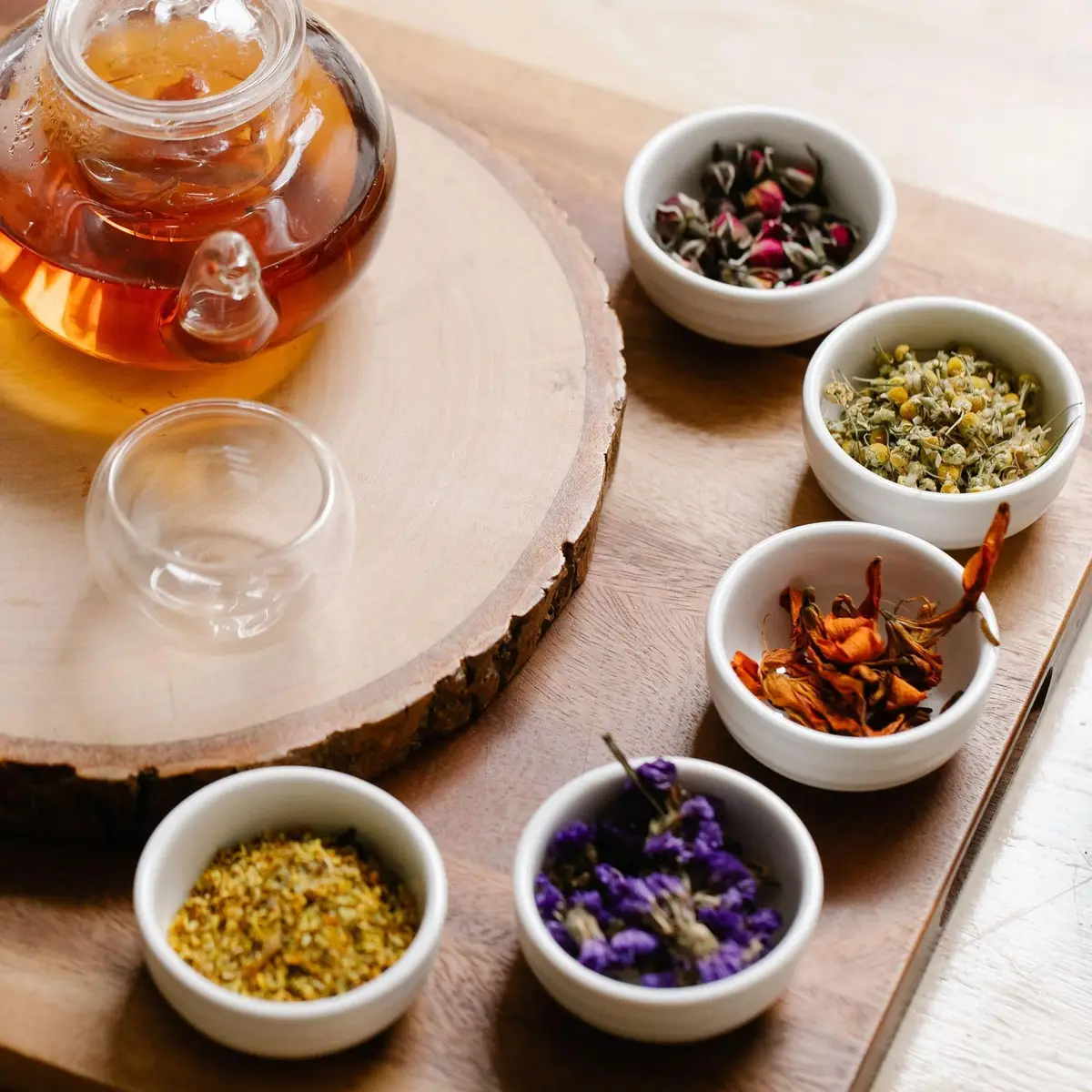
Groups mean you look in one spot instead of reading every label in the cupboard. Anyone in the house can find the peppermint without asking, and new boxes go straight to the right place.
Think about how people in your house drink tea, too. Morning black tea, an afternoon green and a calming cup at night are three groups that match the day, and they make the next ideas easy.
Keep flavored teas a little apart from plain ones. Tea picks up smells from food and from other strongly scented teas, so a smoky or spiced blend can change the taste of a delicate green that sits right against it.
Once each group has a home, the cupboard tells you at a glance when you’re running low on a favorite.
3. Take tea bags out of bulky boxes
Tea boxes are mostly air. A shelf of half-empty boxes holds far fewer bags than the same shelf with the bags out and standing in a row.
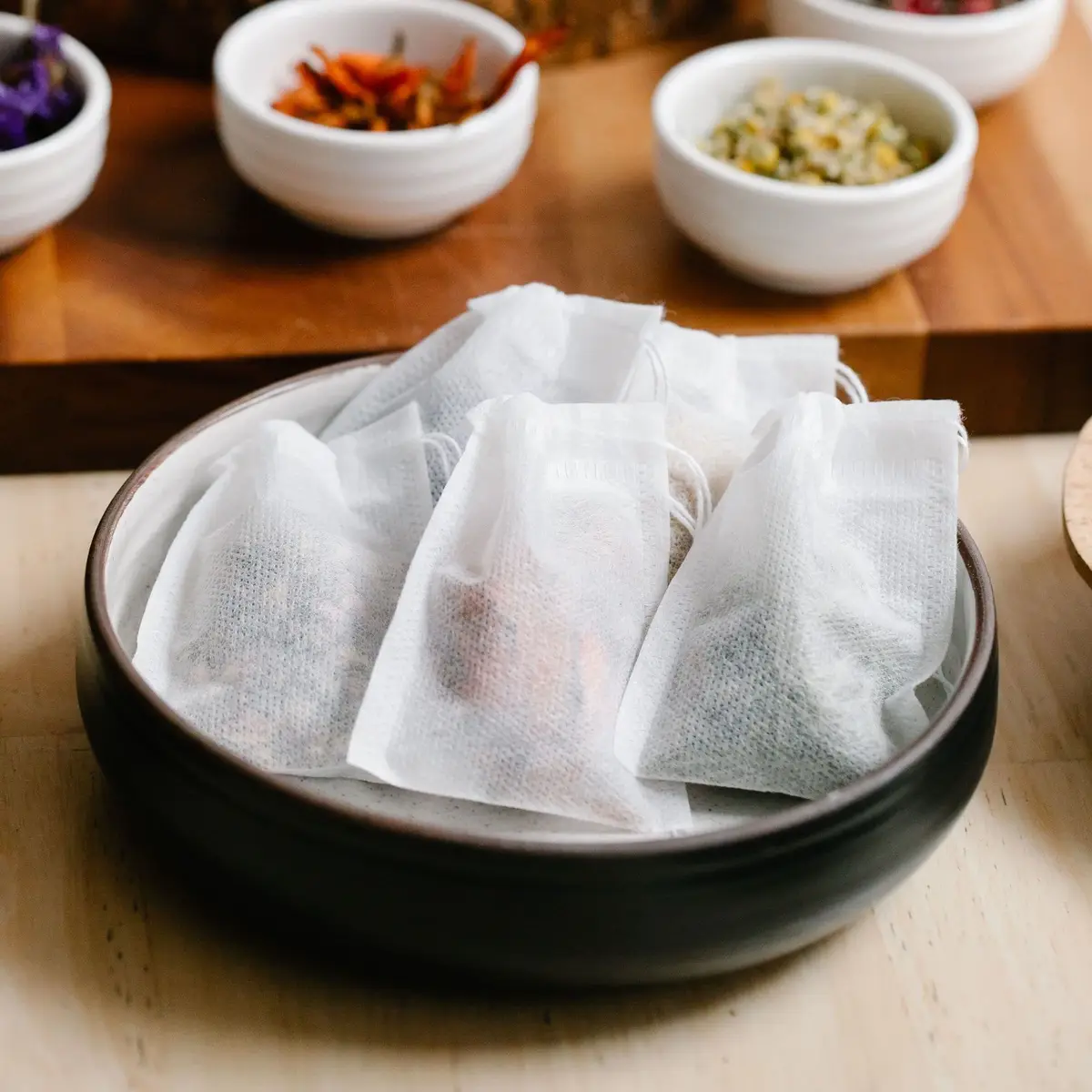
Take the bags out and stand them on edge in a shallow bin, a basket or a lidded box, one section or row for each kind. You can see every choice at once and pull one out without knocking the rest over.
A sealed plastic bin with a lid keeps air and smells out, which matters most for bags that come loose instead of in their own wrappers. Bags with individual wrappers can sit in an open bin on a closed shelf.
Measure the shelf or cabinet before you buy a bin, so it fits with room to lift the lid. The bin and basket size calculator turns those numbers into bin sizes that fit.
It’s the same trick that tames the snack shelf, and these snack organization ideas use it for granola bars and crackers.
4. Gather everyday tea on a tray
A tray turns a few scattered tea things into one neat spot. It shows where tea lives on the counter or the shelf, and everything on it moves together when you wipe down.
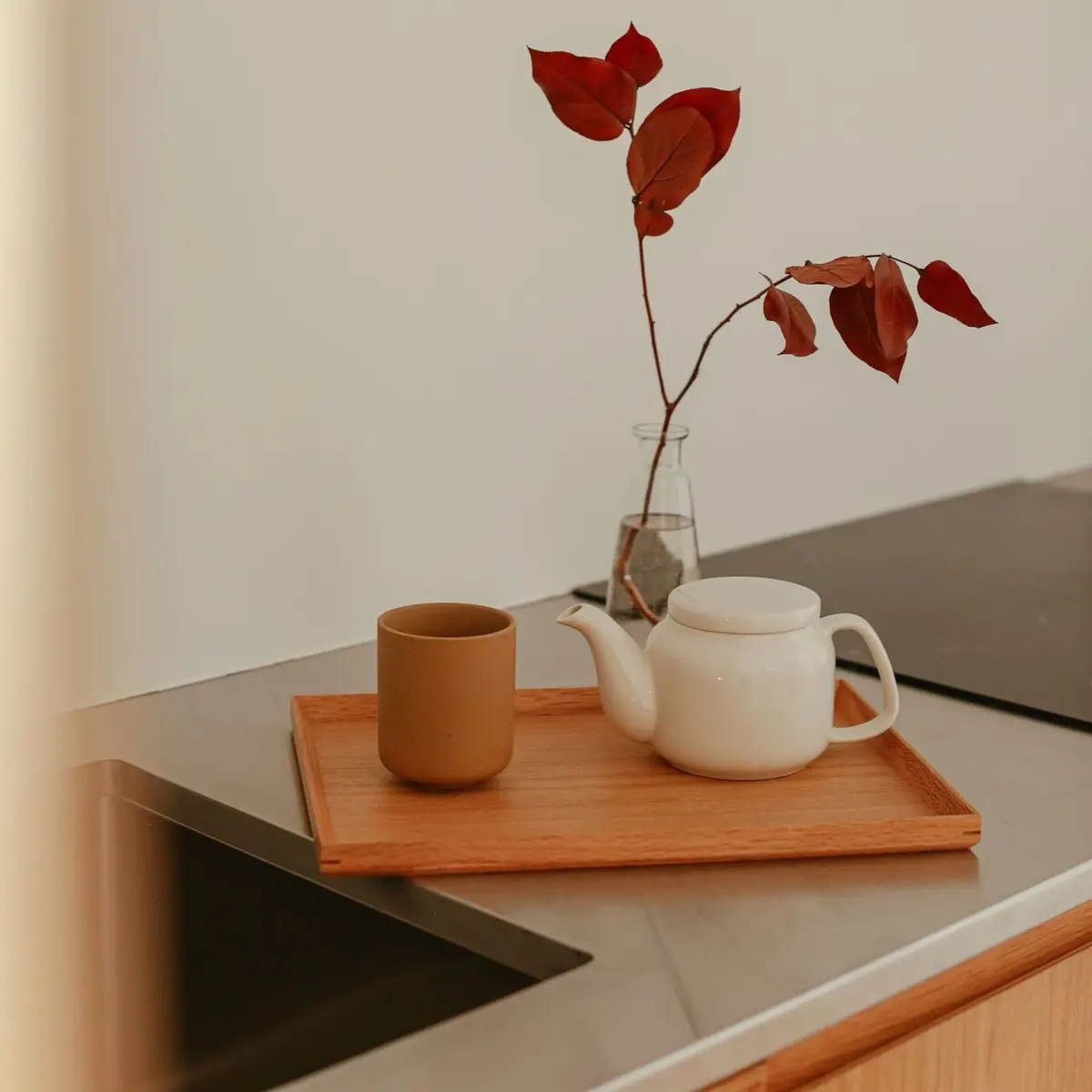
Put the tea you drink most on the tray: one small box or tin of each everyday kind, a teapot or your favorite cup and a small dish for used bags. Everything else stays in the cupboard.
A tray with low sides keeps a stray drip from reaching the counter, and a wooden or bamboo one is easy to wipe. Pick a size that fits the spot you have, with a little space left around the edges.
Keep the tray small and the rule simple: if it doesn’t fit on the tray, it goes back in the cupboard. That limit is what keeps the counter from filling up again.
This is one of the easiest kitchen organization hacks, since a tray works for oils by the stove and sponges by the sink too.
5. Keep loose leaf in airtight jars
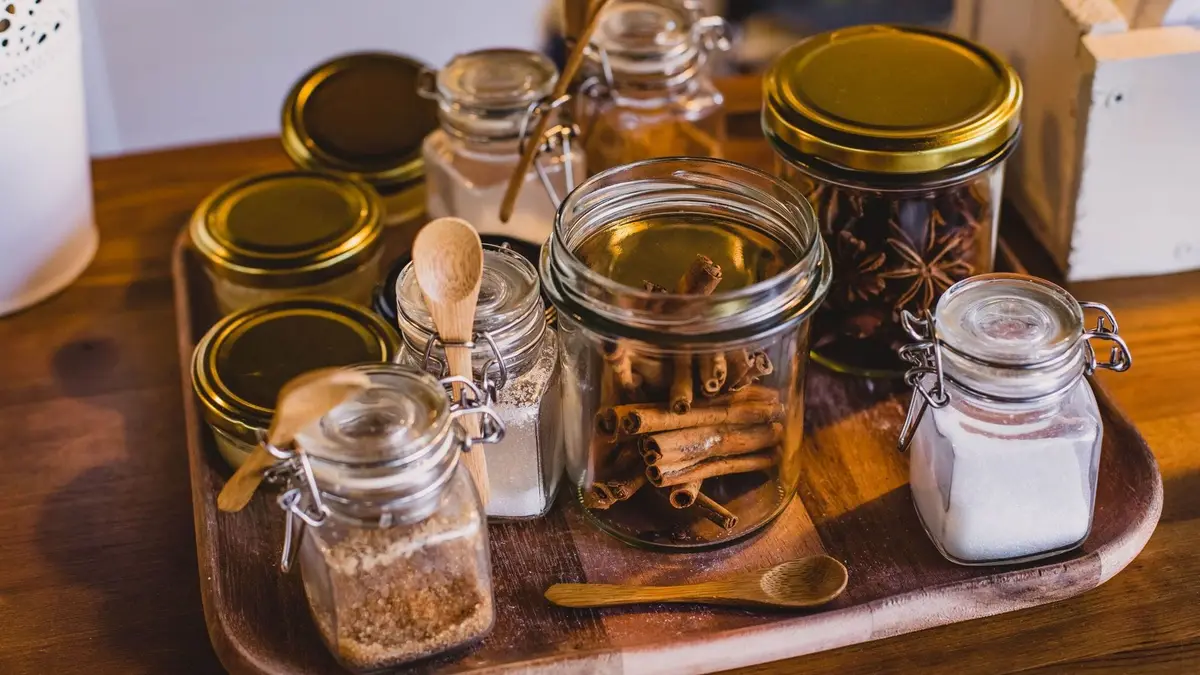
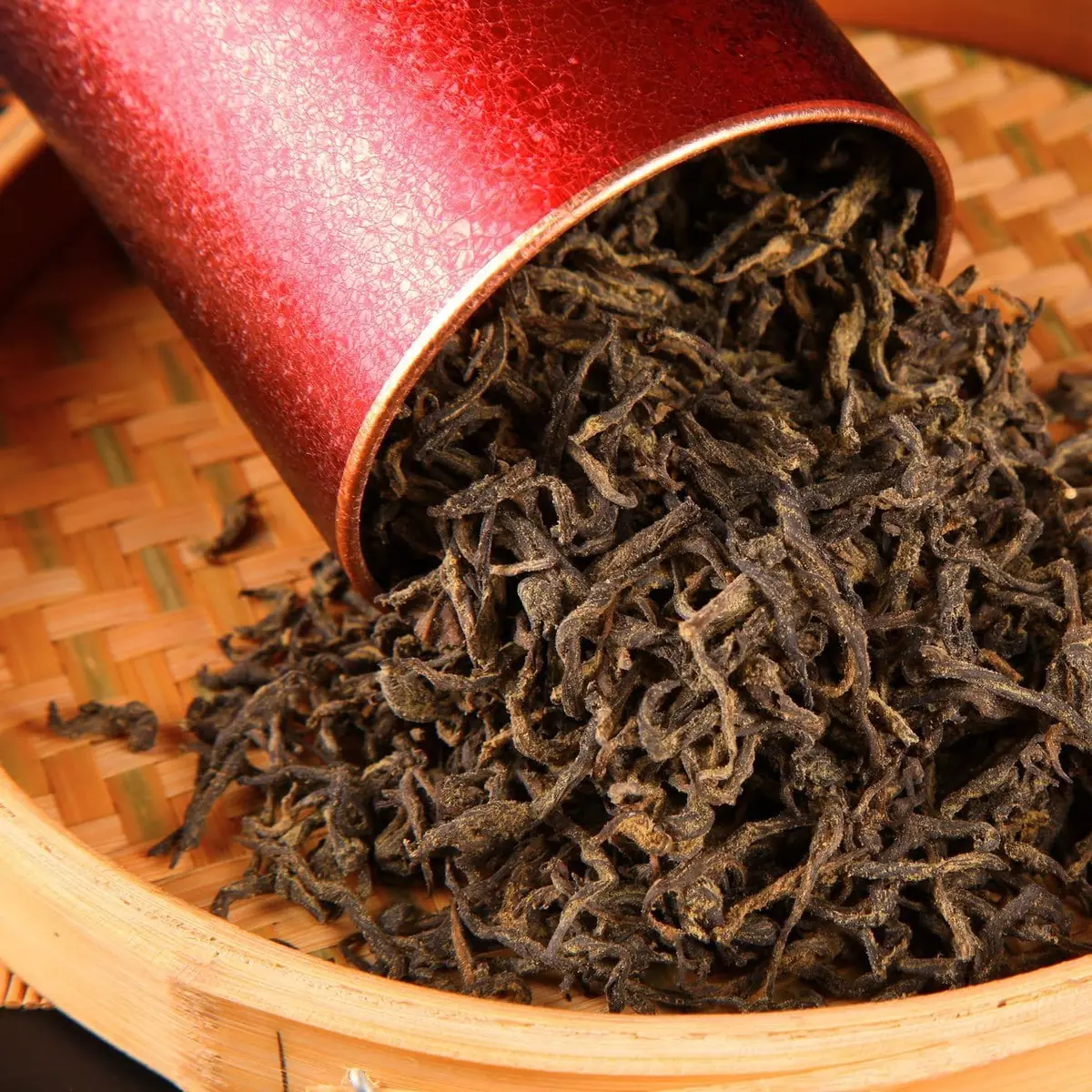
Loose leaf tea goes stale fastest when air can reach it. Once a bag is open, move the tea into a jar or tin that closes tightly, with a seal that clicks or a lid that fits snugly.
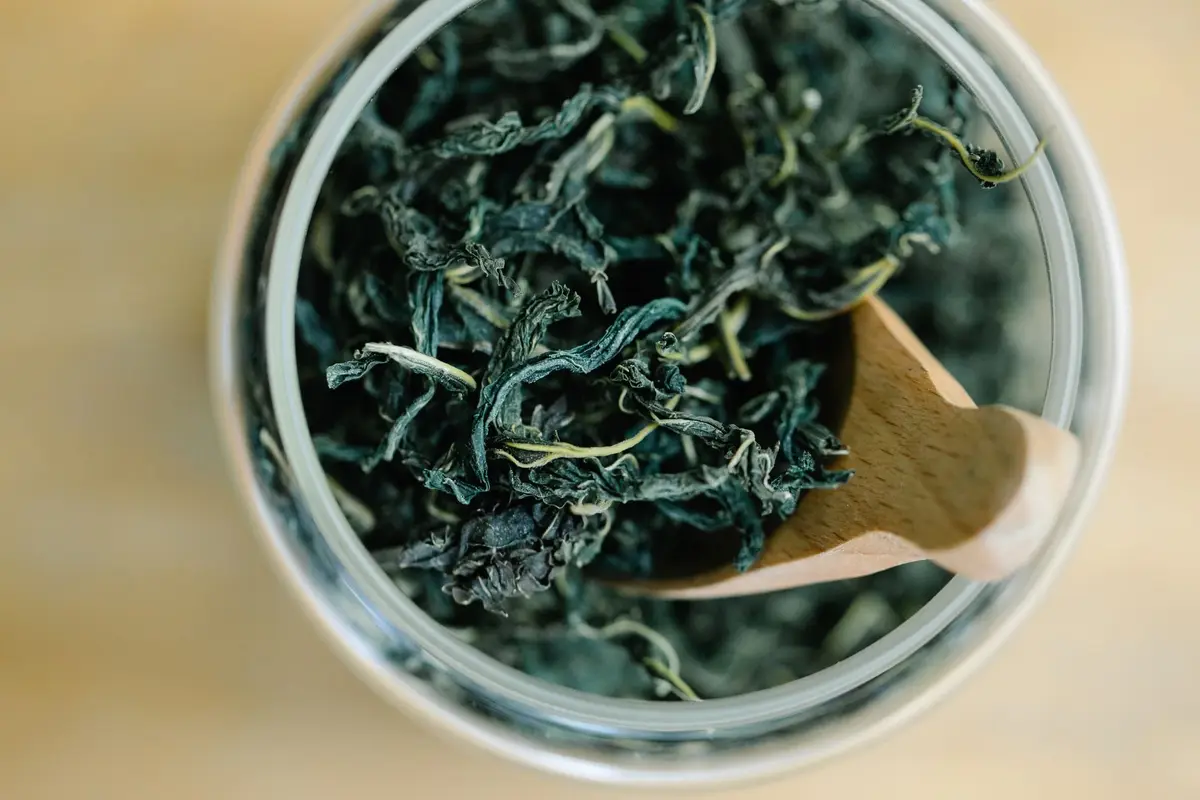
Glass jars let you see what’s inside and how much is left. Since light fades tea, keep clear jars inside a closed cupboard, not on an open shelf in the sun.
Pick a jar size that matches how much of each tea you drink. A small jar for a tea you brew now and then means the tea gets used while it’s fresh, and the big jar goes to your daily cup.
Keep a small scoop or spoon in each jar, or one scoop for all of them that you wipe dry between teas. A dry scoop matters, since moisture is what spoils tea.
Leave whole leaves whole. Dried leaves keep their flavor longer when they’re not crushed, so a jar that’s too small to hold the tea without pressing it down is a jar that’s too small.
6. Pick opaque canisters and a cool, dark spot
Light, heat, moisture, air and strong smells are what wear tea down. Opaque tins and ceramic canisters with snug lids block light completely, so they’re a good choice for tea that sits out on a counter or an open shelf.
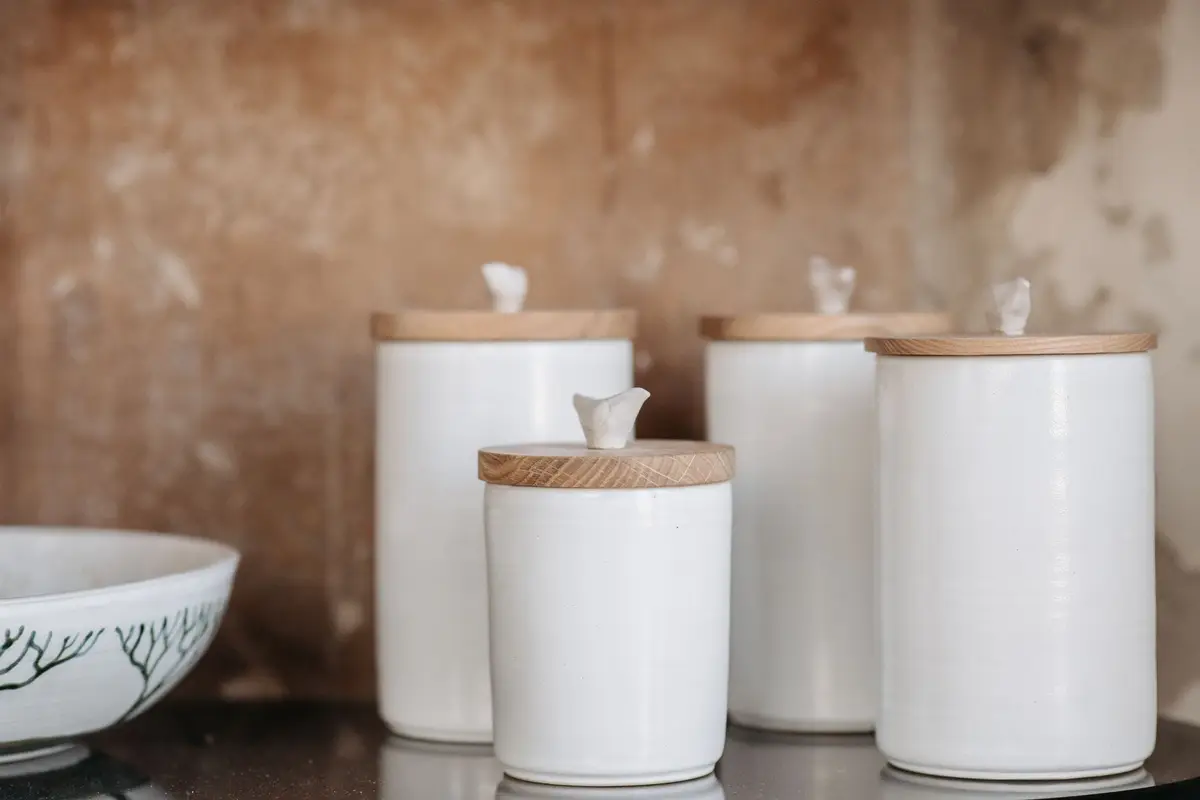
Choose a cupboard away from the stove, the oven, the sink and a sunny window. Steam and heat from cooking and dishwashing reach the cabinets right beside them, and a windowsill gets warm.
Keep tea away from the spice rack and the coffee, too. Tea absorbs strong smells from nearby food, so the cupboard next to the cumin is the wrong place for jasmine green tea. If coffee and tea share a corner of your kitchen, these coffee station organization ideas help give the coffee a spot of its own.
Skip the fridge and the freezer. Moving tea in and out of the cold brings moisture with it, and a dry cupboard at an even room temperature keeps it better.
7. Set up a small tea station near the kettle
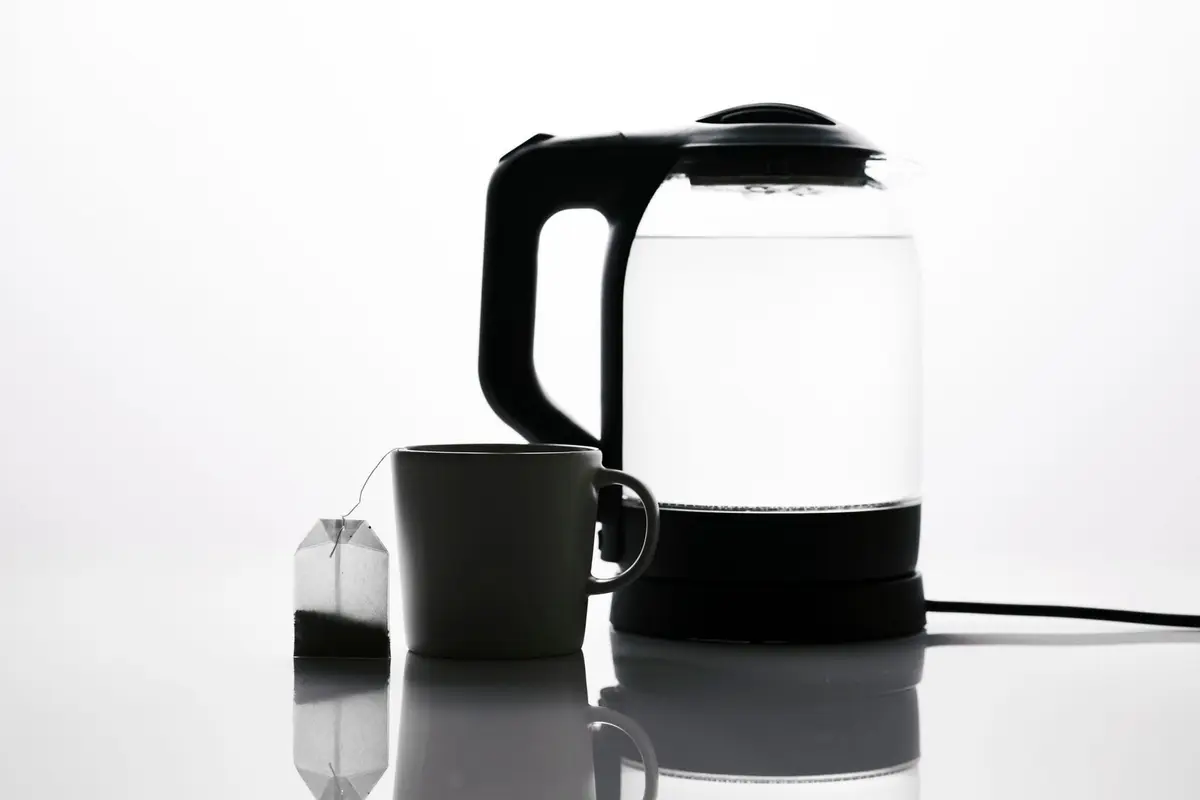
Put the tea, the cups and the kettle within one step of each other, so making a cup takes no walking back and forth. A corner of the counter, one cabinet shelf or a narrow tray is plenty.
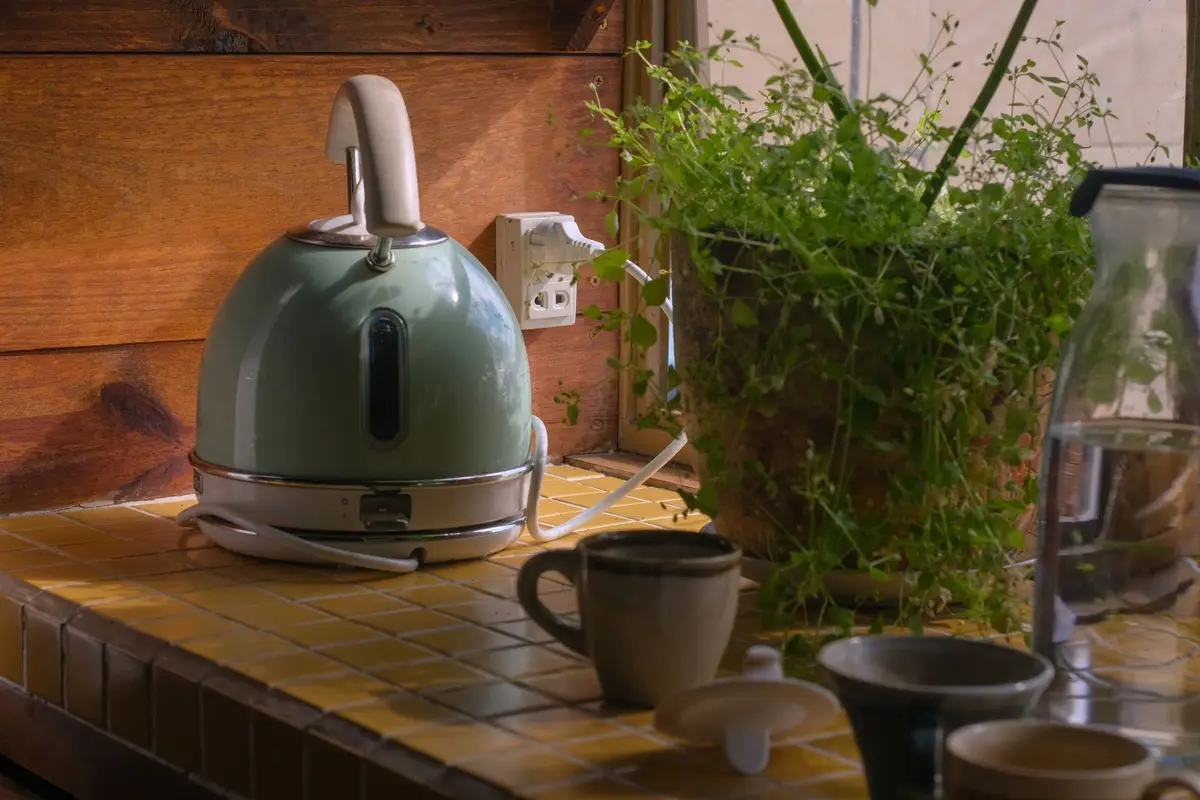
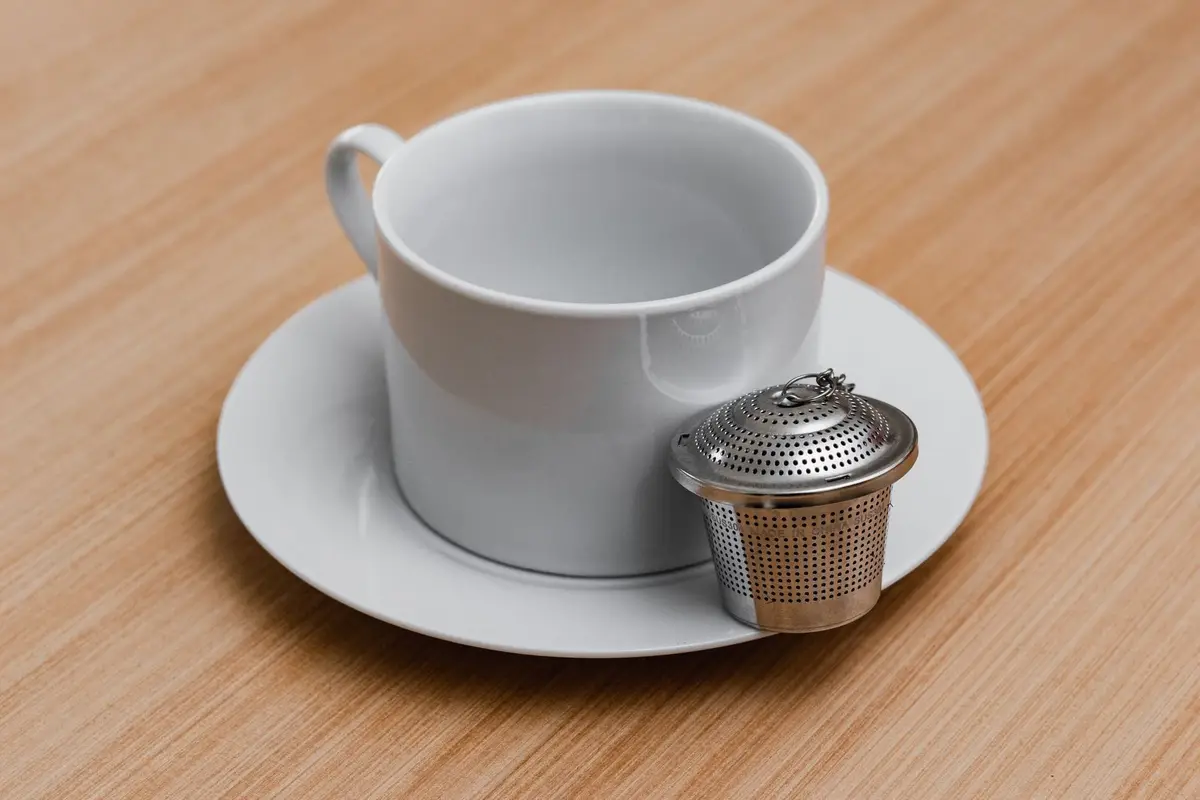
Keep only what you use for tea there: the everyday teas, a few cups, a spoon, honey or sugar and an infuser if you brew loose leaf. Spare mugs and backup tea stay in the cupboard.
Pick a spot near an outlet, so the kettle cord can reach without stretching across the counter. Keep the cord away from the sink and the stove, and unplug the kettle when you’re done with it.
Check the cord now and then, and replace a kettle whose cord is cracked, damaged or loose. Don’t tuck the cord under a rug or pinch it behind a heavy jar.
If the kettle only comes out on weekends, it doesn’t need to live on the counter. These kitchen appliance storage ideas help you choose what earns counter space and where the rest can go.
8. Keep infusers, strainers and spoons together
Loose leaf tea comes with small tools that wander: infuser balls, mesh baskets, strainers, a measuring spoon and maybe a timer. Give them one home right beside the tea.
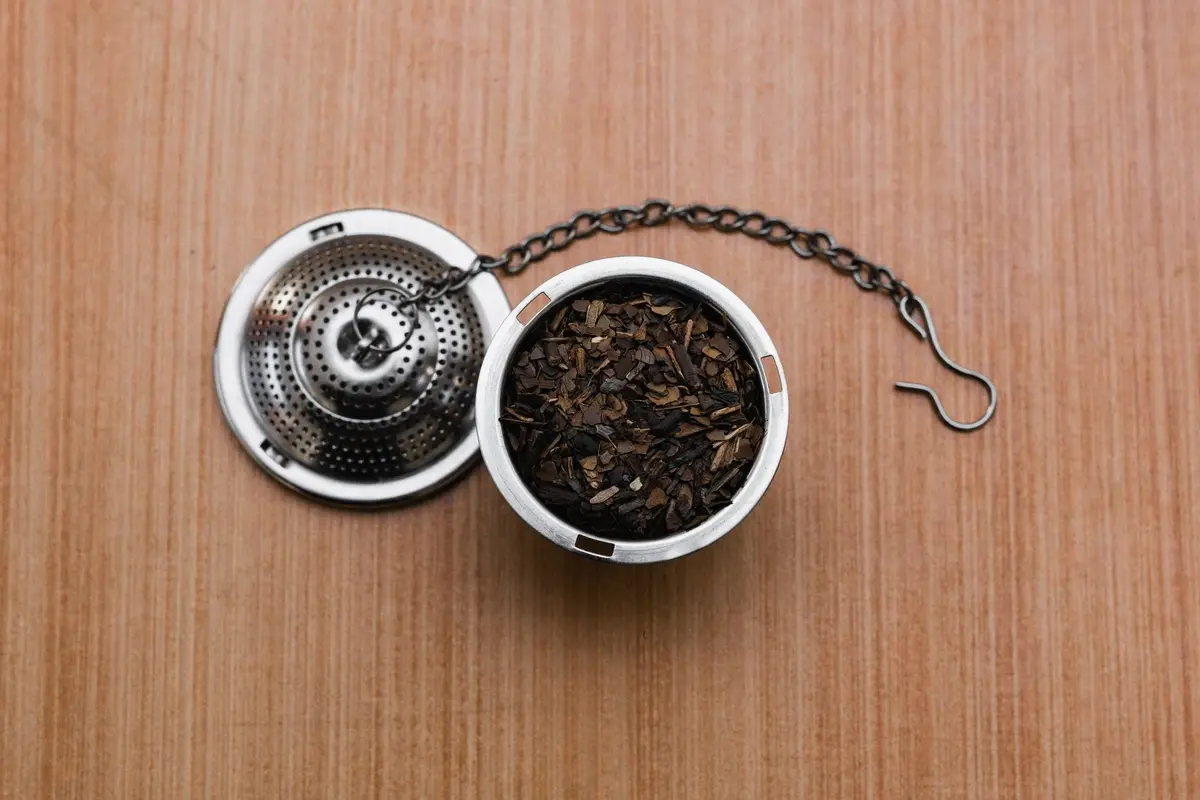
A small cup, a jar or a short divided tray holds them upright where you can see each one. Put the infuser you use every day in front and the spares behind it.
Let infusers dry completely before they go back, since a damp infuser dropped next to a jar of tea brings moisture where you don’t want it. A spoon rest or a folded towel by the sink gives wet tools a place to sit until they dry.
Keep only the tools you use. One good infuser, one strainer and one spoon cover most homes, and a drawer of extras only makes the right one harder to find.
Rinse infusers right after use, before the leaves dry on, and give them a deeper wash once in a while. Tea leaves leave a film over time, and a clean infuser makes a cleaner cup.
9. Set aside caffeine-free tea for evenings
Herbal teas such as peppermint, chamomile and rooibos come from plants other than the tea plant, so they’re usually naturally caffeine-free. Black, green, white and oolong teas all contain caffeine.
Give the caffeine-free teas their own bin, basket or shelf, a little apart from the rest. Anyone looking for a cup before bed reaches for that one spot without reading every label in the dark.
Decaf black or green tea still has a trace of caffeine, so decide as a household whether it lives with the evening teas or with the daytime ones. Put a small note on the bin if people disagree.
Keep this group easy to reach for everyone who uses it. If older kids make their own cup of peppermint in the evening, a low shelf or a front-row bin lets them help themselves.
Add a cup or two and an infuser to the evening bin, and the whole bedtime routine lives in one place.
10. Label each kind with steeping notes
Every jar and tin gets a label with the name of the tea. Write it big enough to read from a step back, on the lid for a drawer and on the front for a shelf.
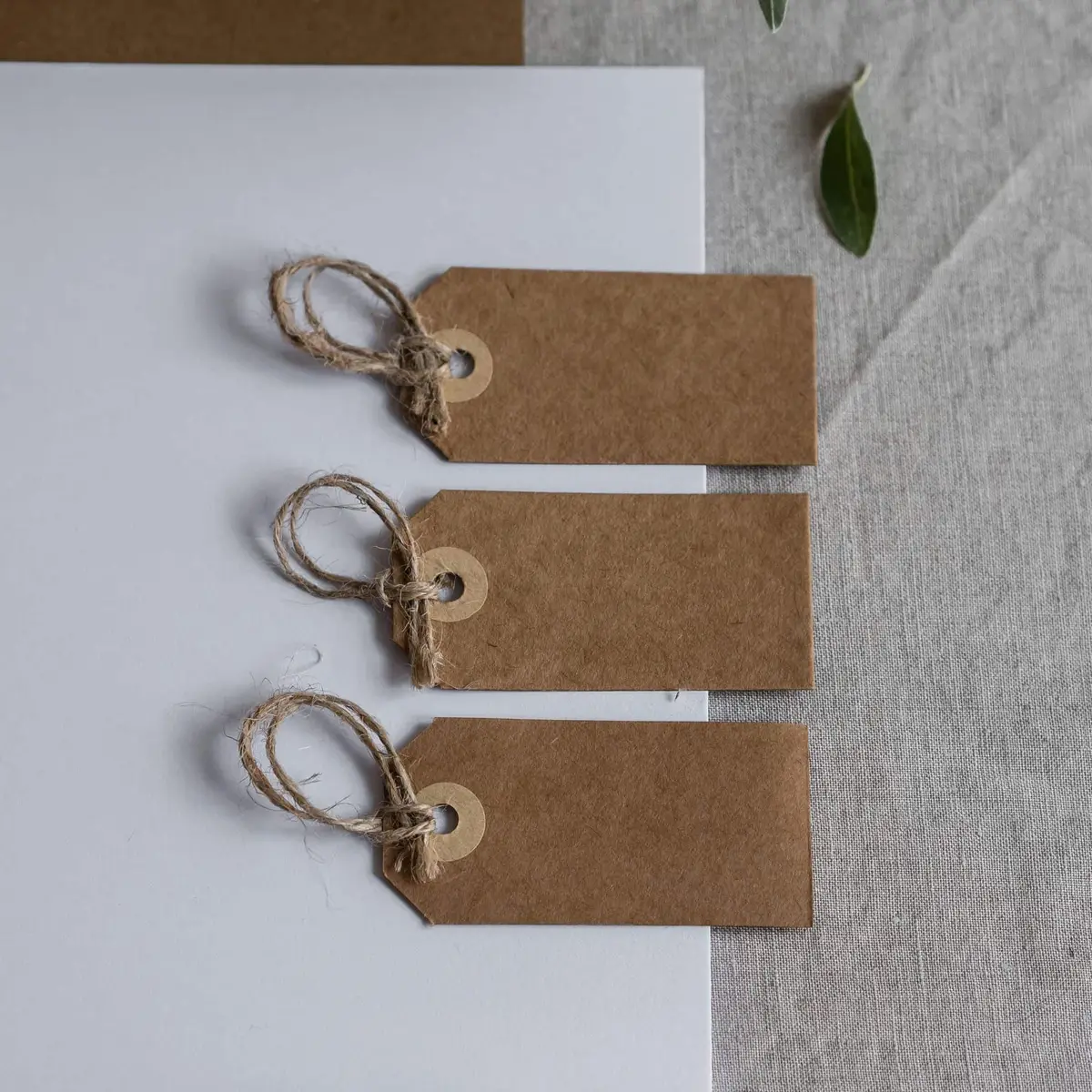
Then add a short steeping note under the name: water just off the boil or a little cooler, how many minutes and how much tea for one cup. The note saves you from looking it up each time and from a bitter cup of green tea.
Add the month you opened it in small letters at the bottom. Since most opened tea is at its best within about a year, that date tells you which tin to finish first.
The printable spice jar labels work for tea too, since you type in your own names and print a sheet made for your jars. Kraft tags tied around the neck of a jar work well when you want to rewrite the notes later.
Keep a marker in the tea drawer, so new tea gets labeled the day it comes home.
11. Keep a little out and store the backups
The station or tray holds one open box or tin of each everyday tea. Unopened boxes, refill bags and backups go to a separate spot, like the top shelf of the cupboard or a lidded bin in the pantry.
Sealed tea keeps longer than open tea, so leaving the backups closed until they’re needed means each one starts fresh. Open the next box only when the last one is empty.
Keep the backup bin in the same cool, dark, dry conditions as the rest, since a warm spot near the oven ruins sealed tea too. One clear bin with a lid makes it easy to see what’s in stock.
When you open a backup, write it on your printable grocery list right away. You’ll buy the tea you’re about to run out of, not another box of something that’s already waiting.
Limit backups to one per everyday tea. A deep stash of the same flavor is how tea ends up stale before anyone drinks it.
12. Pack a travel or office stash
A small stash at work or in a bag means you’re never stuck without a cup you like. Pick a few individually wrapped tea bags of your favorite kinds and keep them together.
A small tin with a snug lid suits a desk drawer, keeping the bags dry and away from the smell of everyone’s lunch. A zip pouch or a small card case slips into a tote or a suitcase without crushing.
Include one caffeine-free tea for the afternoon and one of your morning teas. Add a reusable infuser or a few filter bags if you’d rather bring a little loose leaf.
Restock the stash when you refill the station at home, so it never runs empty on a busy morning. Keep a cup and a spoon at work too, so making tea there takes as little thought as it does in your kitchen.
When the stash comes home after a trip, put any unused tea back with its group, not loose in a drawer.

Save this for later
Pin it to a board so it's there when you're ready to start.
Save to Pinterest(opens in a new tab)Make it easier
Free printable
A one-page grocery list sorted by store section, with a box to tick for every item, so you write the list once and shop the store in one loop.
Free printable
Free printable spice jar labels to cut out and stick on. Print the ready sheet of common spices, or type your own list and download labels made for your shelf.
Free tool
Enter the width, depth and height of a shelf, a drawer or a cube cubby, and see which standard bins and baskets fit, how many, and how they line up.
Frequently asked questions
How should I store loose leaf tea?
Keep it in an airtight container in a dark cupboard that stays at an even room temperature, away from the stove, the sink and a sunny window. Opaque tins or canisters block light best, and glass jars work well inside a closed cabinet.
Can I keep tea in the fridge or freezer?
It's better not to. Moving tea in and out of the cold brings moisture with it, and damp tea loses its flavor fast. A dry, dark cupboard does the job.
How long does tea keep once it's open?
Most opened tea tastes good for about a year, while some black and oolong teas last longer and delicate teas can fade in about six months. Smell it before you brew: tea that smells like very little will taste like very little.
What's the best way to organize tea bags?
Take them out of their bulky boxes and stand them on edge in a shallow bin, a divided box or a drawer, one row or section for each kind. If a box keeps each bag sealed, cut the box down instead and file it with the others.
Does herbal tea have caffeine?
Herbal teas aren't made from the tea plant, so they're usually naturally caffeine-free. Decaf black or green tea still has a trace of caffeine, which is why it helps to keep the herbal teas in a group of their own for evenings.